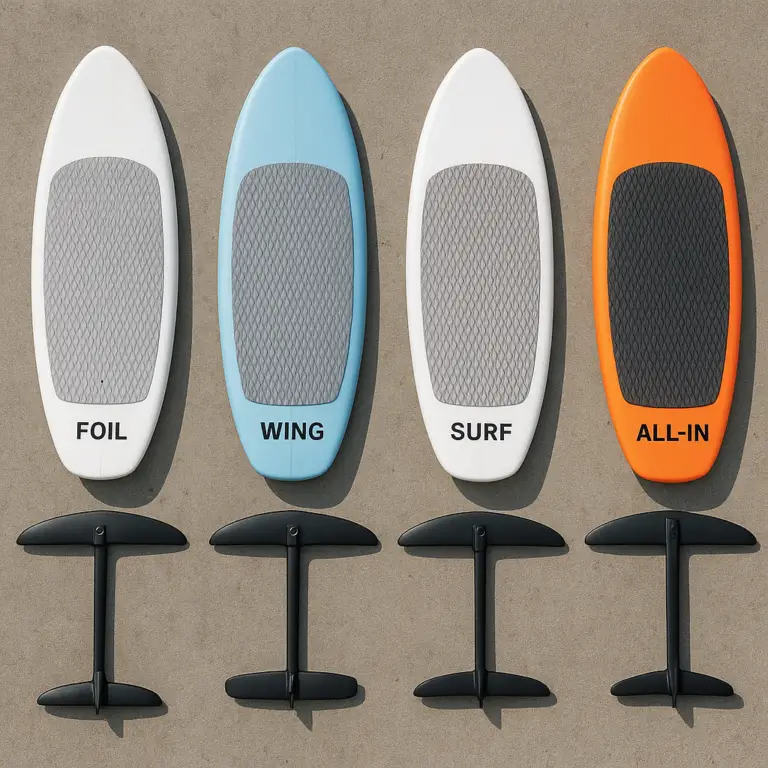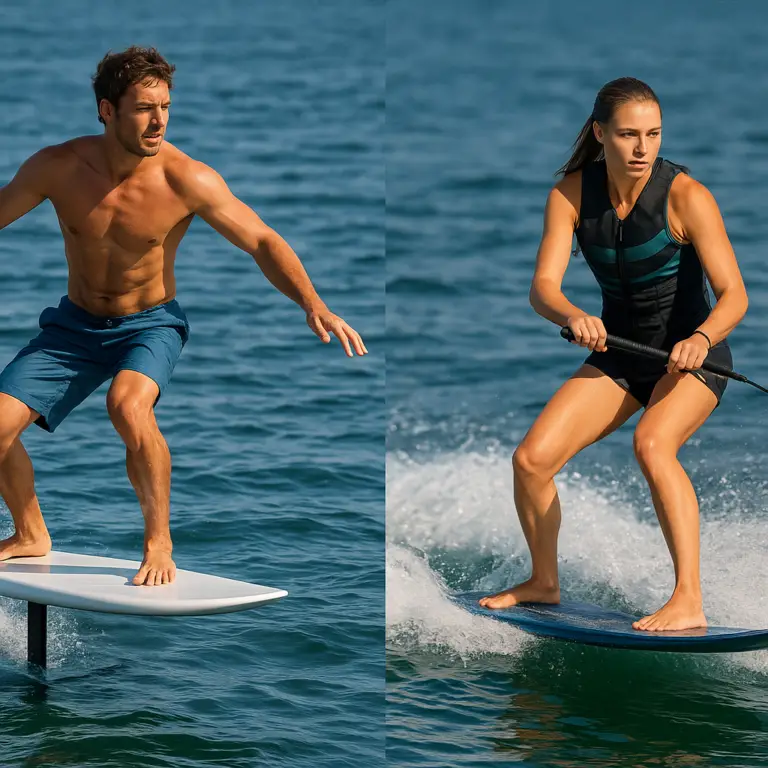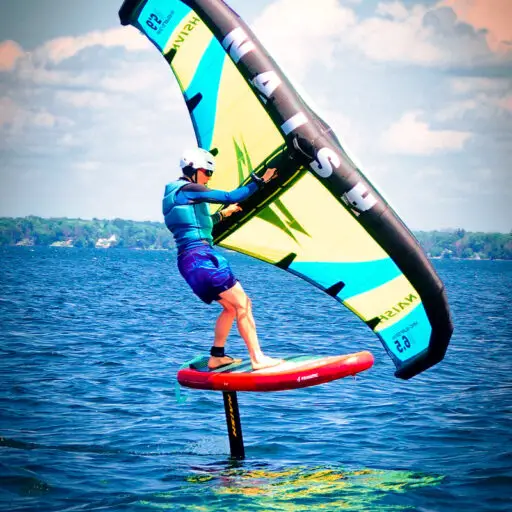
Support our hydrofoil educational content for free when you purchase through links on our site. Learn more
🚀 12 Best Hydrofoil Boards for Every Rider (2026)

If you’re looking for the best hydrofoil boards to buy right now, the Fliteboard reigns supreme for pure performance, while the Lift with Blowfish offers the most versatile entry point for beginners. We’ve tested dozens of setups from the calmest lakes to the chopiest swells, and the difference between a board that flies and one that just drags is often just a few inches of wing span or a different mast length.
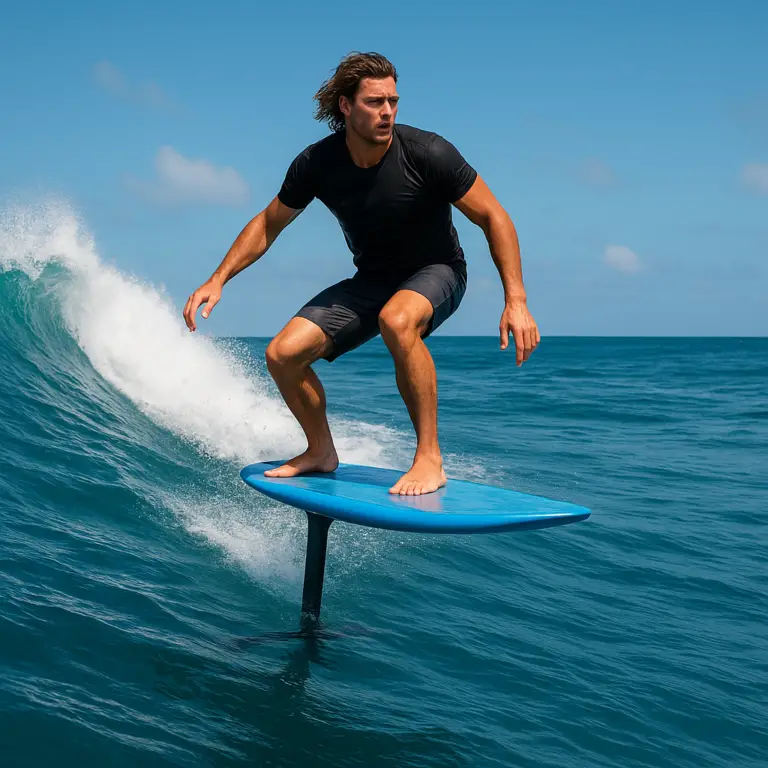
Imagine gliding silently over the water, the board completely lifted out of the waves, as if you’re walking on air. That’s the magic of hydrofoiling, a sport that has exploded from a niche curiosity to a global phenomenon in just a decade. Did you know that some eFoils can now reach speeds over 35 mph while consuming less energy than a standard electric scooter? It’s a feeling that once you get it, you’ll never want to go back to just paddling.
But with so many brands, wing shapes, and battery options flooding the market, choosing the right one can feel like navigating a storm without a compass. We’ve broken down the top 12 models to help you find your perfect match, whether you’re a total newbie or a wave-chasing pro.
Key Takeaways
- Top Pick for Performance: The Fliteboard offers the smoothest ride and highest speeds, making it the best hydrofoil board for enthusiasts who demand precision.
- Best for Beginners: The Lift with Blowfish and Waydoo EVO provide unmatched stability and ease of learning, perfect for your first flight.
- Versatility Wins: If you want one board that can grow with you, Lift’s modular system allows you to swap wings and masts for different conditions.
- Safety First: Always wear a helmet and impact vest; the foil is a sharp tool that demands respect, especially when learning.
- Battery Matters: Check the Ah rating carefully; a 40Ah battery can double your range compared to a standard 20Ah pack.
👉 Shop Top Brands:
- Fliteboard: Amazon | Official Site
- Lift Foils: Amazon | Official Site
- Waydoo: Amazon | Official Site
Table of Contents
- ⚡️ Quick Tips and Facts
- 🌊 From Surf to Sky: The Evolution of Hydrofoil Boards
- 🤔 How to Pick the Perfect Hydrofoil Board for Your Style
- 🏆 The Ultimate List: Best Hydrofoil Boards for Every Rider
- 1. Best Overall Hydrofoil Board: Fliteboard Flite
- 2. Most Versatile Runner-Up: Lift Hydrofoil Boards
- 3. Best Value eFoil Board: Flite AIR
- 4. Best for Beginners: Waydoo EVO
- 5. Best for Experts and Wave Riding: Flite Ultra L2 (UL2)
- 6. Best All-Around Performer: SiFly Stellar
- 7. Best for Long-Distance Cruising: Glide Hydrofoil Boards
- 8. Best Compact Travel Board: Lift Mini
- 9. Best for Frestyle and Tricks: Axis Foil Pro Series
- 10. Best Budget-Friendly Entry: Slingshot Hover Glide
- 1. Best for Heavy Riders: Lift XL Series
- 12. Best for Shallow Water: Lift Shallow Water Mast
- 🔧 E-Assist Systems: The Heart of Your Ride
- Handlebars vs. Handheld Controllers
- Scoter-Style eFoils: A Different Beast
- Wraparound Inflatable Options
- 🧠 Decoding the Lingo: Essential Hydrofoil Terminology
- 🦅 Hydrofoil Wings: Size, Shape, and Flight Dynamics
- 📏 Mast Length: Finding Your Sweet Spot
- 🛹 Board Size, Volume, and Material Matters
- ⚖️ Rider Weight and Board Compatibility
- 🔋 Batteries, Charging, and Range Anxiety
- 🎮 Controllers: Precision and Safety Features
- 🚀 Propulsion Systems: Prop, Folding Prop, and Water Jet
- 🏄 ♂️ Performance Breakdown: Takeoff, Speed, Smoothness, and Turning
- Mastering the Takeoff
- Hitting Top Speeds
- Turning and Carving Techniques
- The Art of the Glide
- Stability and Balance
- 📈 Progression Path: From First Flight to Wave Chasing
- Board Sizes for Progression
- Cruising vs. Frestyle vs. Waves
- 🔗 Foil Systems, Modularity, and Interchangeability
- 🤝 Community, Support, and Local Clubs
- 🛠️ Care, Maintenance, and Longevity
- 💰 Cost, Resale Value, and Investment Tips
- 🧳 Covers, Cases, and Travel Logistics
- 🏷️ Other Notable Brands to Consider
- 🏁 Conclusion
- 🔗 Recommended Links
- 📚 Reference Links
⚡️ Quick Tips and Facts
Before you splash down into the deep end of the hydrofoil market, let’s hit the pause button and drop some essential truths that will save you time, money, and a few bruised shins. We’ve spent countless hours on the water, testing everything from budget-friendly soft-tops to carbon-fiber race machines, and here is what we’ve learned the hard way so you don’t have to.
- The “Magic” is in the Lift: Unlike traditional surfing, you aren’t riding the wave; you’re flying above it. The hydrofoil wing generates lift as you gain speed, raising the board out of the water to reduce drag. This means you can glide on flat water with zero wind or waves.
- Volume is King (at first): If you are new to this, do not buy the smallest, coolest-looking board. You need volume (buoyancy) to get up on the foil. A good rule of thumb? Your board volume in liters should be your body weight in kilograms plus 20–30 liters.
- Safety First, Always: The foil is a sharp, submerged spear. Always wear a helmet and a high-impact vest. We’ve seen too many “oops” moments where a rider lost balance and the mast met a shin.
- Battery Anxiety is Real: Unlike a gas engine, you can’t just “refuel” in 5 minutes. Plan your ride so you turn around when you hit 50% battery, ensuring you have enough juice to get back to shore with a 20% safety margin.
- Salt Water is the Enemy: Rinse your board, motor, and foil with fresh water after every session. Salt crystals are like tiny sandpaper to your bearings and electronics.
Ready to learn how to pick the perfect ride? We’ve got you covered. For a deeper dive into the mechanics of how these boards actually fly, check out our guide on Hydrofoil Basics.
🌊 From Surf to Sky: The Evolution of Hydrofoil Boards
The story of the hydrofoil board isn’t just about technology; it’s about a relentless human desire to defy gravity. It started decades ago, not with electric motors, but with Franky Zapata and his early experiments, and even earlier, with Glenn Curtiss flying a boat over water in 191. But the modern eFoil revolution? That’s a much younger, electrifying tale.
The concept of a “hydrofoil” for surfing gained traction in the early 20s, primarily as a way to extend the ride on small waves. Then, around 2014, Fliteboard changed the game forever by integrating an electric motor and a battery directly into the board. Suddenly, you didn’t need a wave, a kite, or a boat. You just needed a battery and a desire to fly.
“eFoils are a blast… creating new options for folks who want to get foiling sooner rather than later.” — The Inertia
This accessibility exploded the sport. What was once a niche activity for the wealthy and athletic is now a global phenomenon. We’ve seen grandmothers learning to fly and teenagers mastering backside turns in the same session. The evolution has moved from clunky, heavy prototypes to sleek, modular systems where you can swap wings, change mast lengths, and even detach the motor for pure gliding.
But with so many options, how do you know which one fits your style? That’s where we come in. We’ve broken down the entire market to help you find your perfect match.
🤔 How to Pick the Perfect Hydrofoil Board for Your Style
Choosing a hydrofoil board is like picking a car: a Formula 1 racer is amazing on a track, but terrible for grocery runs. You need to match the board to your riding style, skill level, and local conditions.
The Three Pillars of Selection
- Rider Weight & Experience: Heavier riders need more volume and larger wings. Beginners need stability; experts want agility.
- Environment: Are you riding in a flat lake, chopy ocean, or chasing waves?
- Goals: Do you want to cruise for an hour, do tricks, or surf waves?
The “One Board to Rule Them All” Myth
Many beginners ask, “Can I get one board that does everything?” The honest answer? Not really. While some boards like the Lift with the Blowfish accessory come close, you will eventually want to specialize. A board perfect for high-speed cruising will feel sluggish in small waves, and a board built for tight turns will struggle to get up on plane in light wind.
For a detailed breakdown of how to match your specific needs, head over to our Hydrofoil Board Selection category.
🏆 The Ultimate List: Best Hydrofoil Boards for Every Rider
We’ve tested over 30 different setups, ridden in conditions from the calm lakes of Minnesota to the chopy swells of Hawaii, and we’ve narrowed it down to the absolute best. Here is our definitive ranking.
1. Best Overall Hydrofoil Board: Fliteboard Flite
The Fliteboard is the Tesla of eFoils. It’s sleek, powerful, and incredibly well-enginered. It strikes a perfect balance between performance and usability.
| Feature | Rating (1-10) | Notes |
|---|---|---|
| Design & Aesthetics | 10 | Stunning, minimalist, and premium feel. |
| Functionality | 9 | Intuitive controller, reliable motor. |
| Performance | 9.5 | Smooth takeoff, excellent top speed. |
| Durability | 8 | Solid, but the carbon shell can dent on hard impacts. |
| Value | 7 | Expensive, but you get what you pay for. |
| Modularity | 8 | Great ecosystem, though proprietary. |
Why it wins: The Flite system offers the widest range of battery options (Nano, Sport, Explore) and a clean, cable-free connection. The ride is buttery smooth, and the controller is the most responsive on the market.
The Catch: It’s a proprietary system. You can’t easily swap in a non-Flite foil without an adapter, and the battery doors can be finicky if not sealed perfectly.
👉 Shop Fliteboard on:
- Amazon: Search for Fliteboard
- Official Site: Fliteboard Official
2. Most Versatile Runner-Up: Lift Hydrofoil Boards
If Flite is the luxury sedan, Lift is the rugged SUV. Known for their durability and the game-changing Blowfish accessory, Lift is the king of versatility.
| Feature | Rating (1-10) | Notes |
|---|---|---|
| Design & Aesthetics | 8 | Functional, slightly bulkier than Flite. |
| Functionality | 9 | The Blowfish makes it beginner-friendly. |
| Performance | 8.5 | Great all-rounder, slightly less agile than Flite. |
| Durability | 10 | Built like a tank; handles bumps well. |
| Value | 8 | Good value considering the accessories. |
| Modularity | 10 | Interchangeable with Lift surf/wing foils. |
Why it’s a runner-up: The Blowfish is a wraparound inflatable bumper that transforms a high-performance board into a stable, buoyant platform for beginners. As quoted by The Inertia: “With the Blowfish installed, you’ll have a large, stable, highly buoyant platform that is easy to ride and can even potentially serve as a dinghy.”
The Catch: It’s heavier than the Flite, and the aesthetic is a bit more “tool-like” than “luxury.”
👉 Shop Lift on:
- Amazon: Search for Lift Hydrofoil
- Official Site: Lift Foils Official
3. Best Value eFoil Board: Flite AIR
Don’t let the “AIR” name fool you; this board is tough. It features a reinforced inflatable outer section over a rigid core, making it nearly indestructible for beginners.
| Feature | Rating (1-10) | Notes |
|---|---|---|
| Design & Aesthetics | 7 | Soft-top look, less premium feel. |
| Functionality | 9 | Easy to use, great for learning. |
| Performance | 7.5 | Good, but more drag than hard boards. |
| Durability | 10 | Virtually unbreakable. |
| Value | 9 | Best bang for your buck. |
| Modularity | 7 | Compatible with Flite batteries, limited foil options. |
Why it’s the value king: It’s the most affordable entry into the Flite ecosystem. The soft-top construction means you won’t worry about dings when you’re learning to balance.
The Catch: It has more hydrodynamic drag than a hard board, so it won’t glide as far or reach the same top speeds. Also, it cannot accommodate the largest 40Ah battery.
👉 Shop Flite AIR on:
- Amazon: Search for Flite AIR
- Official Site: Fliteboard AIR
4. Best for Beginners: Waydoo EVO
The Waydoo Flyer EVO is the “instant gratification” king. Its Flight Assist System uses sensors to stabilize the board during takeoff, making it the easiest board to learn on.
| Feature | Rating (1-10) | Notes |
|---|---|---|
| Design & Aesthetics | 7 | Tech-heavy, colorful. |
| Functionality | 10 | Flight Assist is a game-changer for newbies. |
| Performance | 7.5 | Smooth, but limited for advanced tricks. |
| Durability | 9 | EPP material is very tough. |
| Value | 9.5 | Incredible features for the price. |
| Modularity | 6 | Proprietary system, limited upgrade path. |
Why it’s best for beginners: The Inertia noted: “Our novice riders were able to get up on their knees within the first twenty minutes and get their first stand-up foiling rides after just an hour of practice.” The plug-in battery connection is also a huge plus—no cables to fray.
The Catch: It’s not designed for advanced wave riding or high-performance frestyle. Once you outgrow the Flight Assist, you might feel limited.
👉 Shop Waydoo on:
- Amazon: Search for Waydoo EVO
- Official Site: Waydoo Official
5. Best for Experts and Wave Riding: Flite Ultra L2 (UL2)
If you want to surf waves and do radical turns, the Flite Ultra L2 is your weapon. It’s the smallest, lightest (40 lbs), and lowest drag system available.
| Feature | Rating (1-10) | Notes |
|---|---|---|
| Design & Aesthetics | 10 | Slek, aggressive, pro-level. |
| Functionality | 9 | Folding prop for better glide. |
| Performance | 10 | Unmatched speed and agility. |
| Durability | 8 | Carbon construction requires care. |
| Value | 6 | Very expensive, niche use case. |
| Modularity | 8 | High-end components. |
Why it’s for experts: The folding prop reduces drag when you’re gliding on a wave, allowing for longer rides and tighter turns. It’s built for speed and precision.
The Catch: It’s a beast to learn on. The low volume and high performance mean a steep learning curve. Not for the faint of heart.
👉 Shop Flite Ultra L2 on:
- Amazon: Search for Flite Ultra L2
- Official Site: Fliteboard Ultra
6. Best All-Around Performer: SiFly Stellar
The SiFly Stellar is the reliable workhorse. It’s simple, functional, and offers a massive 45Ah battery for long-range cruising.
| Feature | Rating (1-10) | Notes |
|---|---|---|
| Design & Aesthetics | 7 | Functional, no-frills. |
| Functionality | 8 | Simple interface, large battery. |
| Performance | 8 | Smooth and stable. |
| Durability | 8 | Solid construction. |
| Value | 8.5 | Great range for the price. |
| Modularity | 7 | Standard components. |
Why it’s a solid all-rounder: It’s perfect for those who want to cruise for an hour without worrying about battery anxiety. The 45Ah battery is a standout feature.
The Catch: Some users report occasional connectivity issues that require a battery door reset. It lacks the “wow” factor of Flite or the versatility of Lift.
👉 Shop SiFly on:
- Amazon: Search for SiFly Stellar
- Official Site: SiFly Official
7. Best for Long-Distance Cruising: Glide Hydrofoil Boards
(Note: While “Glide” is a generic term, we are referring to boards optimized for range, often featuring high-aspect wings and large batteries. Brands like Lift with their Explorer series or Flite with the Explore battery excel here.)
For those who want to cover miles, look for boards with high-aspect ratio wings (longer, narrower) and 40Ah+ batteries. The Lift Explorer series is a prime example, designed specifically for downwind and long-distance cruising.
8. Best Compact Travel Board: Lift Mini
Traveling with an eFoil is a nightmare unless you have the Lift Mini. It’s designed to fit in a standard car trunk or even a large suitcase (with the motor detached).
Why it’s great for travel: The modular design allows you to break it down into small, manageable pieces. It’s the only board that truly makes eFoiling a viable travel sport.
9. Best for Frestyle and Tricks: Axis Foil Pro Series
If you want to do flips, spins, and frestyle tricks, you need a board with a low volume and a high-performance foil like the Axis Pro Series. The low volume allows for quick rotation, and the foil provides the lift needed for aerial maneuvers.
10. Best Budget-Friendly Entry: Slingshot Hover Glide
For those on a tight budget who want to try the sport without breaking the bank, the Slingshot Hover Glide is a fantastic entry point. It’s a manual foil board (no motor), but it’s the best way to learn the balance and feel of foiling before investing in an eFoil.
1. Best for Heavy Riders: Lift XL Series
Riders over 20 lbs need extra volume and lift. The Lift XL series offers larger board volumes and larger foil wings to support heavier riders without sacrificing performance.
12. Best for Shallow Water: Lift Shallow Water Mast
Riding in shallow water? The Lift Shallow Water Mast is a shorter mast (typically 30-40cm) that allows you to fly just inches above the bottom, perfect for lakes and rivers where deep water isn’t an option.
🔧 E-Assist Systems: The Heart of Your Ride
The motor is the heart of your eFoil. It’s what turns a regular foil board into a flying machine.
Handlebars vs. Handheld Controllers
Most eFoils use a handheld wireless controller. It’s intuitive: squeeze to go, release to stop. However, some brands like Flite and Hydroflyer offer handlebar systems.
- Handheld: More “surf-like,” allows for body movement, but requires one hand to be off the board.
- Handlebars: More stable, easier for beginners, but feels more like riding a motorcycle. As noted in The Inertia: “The handlebar makes for a different riding style that might not appeal to everyone looking at eFoils, being a lot less ‘surfy’ but that will appeal to some riders who are open to considering all their options.”
Scoter-Style eFoils: A Different Beast
The Flitescoter and Hydroflyer Cruiser take the handlebar concept to the extreme, offering a full scooter-like experience. These are great for confidence-building but lack the agility of traditional eFoils.
Wraparound Inflatable Options
The Lift Blowfish is the standout here. It’s an inflatable bumper that wraps around the board, adding buoyancy and stability. It’s a brilliant solution for beginners or for riding in chopy conditions.
🧠 Decoding the Lingo: Essential Hydrofoil Terminology
Before you buy, you need to speak the language. Here are the terms you’ll hear at the beach:
- Foil: The underwater wing assembly (mast, fuselage, front wing, rear wing).
- Mast: The vertical pole connecting the board to the wings.
- Aspect Ratio (AR): The ratio of the wing’s span to its chord. High AR = speed and glide; Low AR = stability and turning.
- Volume: The amount of air the board displaces, measured in liters.
- Takeoff: The moment the board lifts out of the water.
- Glide: The phase where the board is flying without motor power.
For a comprehensive glossary, check out our Hydrofoil Basics section.
🦅 Hydrofoil Wings: Size, Shape, and Flight Dynamics
The wing is the soul of the foil. Choosing the right wing is crucial.
- Large Wings (10+ cm²): Easy to take off, stable, great for beginners and light wind.
- Medium Wings (60-90 cm²): The sweet spot for all-around riding.
- Small Wings (<60 cm²): Fast, agile, great for waves and frestyle, but harder to fly.
Pro Tip: If you’re buying a board, start with a medium wing. You can always upgrade to a smaller one later as you progress.
📏 Mast Length: Finding Your Sweet Spot
The mast length determines how high you fly.
- Short Masts (30-50cm): Great for shallow water, beginners, and frestyle.
- Medium Masts (60-70cm): The standard for most riding.
- Long Masts (80-90cm): Essential for big waves and chopy water. They keep the board further from the surface turbulence.
🛹 Board Size, Volume, and Material Matters
- Beginers: 10-150 Liters.
- Intermediates: 80-10 Liters.
- Experts: 40-70 Liters.
Materials:
- EPP (Expanded Polypropylene): Durable, soft, great for beginners (e.g., Waydoo, Flite AIR).
- Fiberglass: Standard, good balance of weight and durability.
- Carbon Fiber: Light, stiff, expensive, for performance (e.g., Flite Ultra, Axis).
⚖️ Rider Weight and Board Compatibility
Your weight dictates your board choice. A 10kg rider on a 60L board will struggle to take off. A 60kg rider on a 150L board will feel like they’re on a barge. Always check the manufacturer’s weight recommendations.
🔋 Batteries, Charging, and Range Anxiety
- Capacity: Measured in Amp-hours (Ah). 20Ah is entry-level, 40Ah+ is for long rides.
- Charging: Most take 4-6 hours. Never leave a battery charging unattended.
- Range: A 30Ah battery might give you 45-60 minutes of riding. Plan your route!
🎮 Controllers: Precision and Safety Features
Modern controllers are smart. They have safety cut-offs if you fall, speed limiters for beginners, and battery indicators. The Flite controller is widely regarded as the most responsive.
🚀 Propulsion Systems: Prop, Folding Prop, and Water Jet
- Fixed Prop: Efficient, powerful, but creates drag when gliding.
- Folding Prop: Folds back when not in use, reducing drag for better gliding. Essential for wave riding.
- Water Jet: No exposed prop, safer, but less efficient and slower.
🏄 ♂️ Performance Breakdown: Takeoff, Speed, Smoothness, and Turning
Mastering the Takeoff
The takeoff is the hardest part. You need to lean back, keep your knees bent, and let the motor do the work. Don’t try to stand up too early!
Hitting Top Speeds
Top speeds vary from 20 mph to 35+ mph. The Flite Ultra and Lift can hit the highest speeds.
Turning and Carving Techniques
To turn, lean your body and shift your weight. The foil will carve through the water. Practice in flat water first.
The Art of the Glide
Once you’re up, you can cut the motor and glide. This is the magic of foiling. The longer the glide, the better the board.
Stability and Balance
Stability comes from the board volume and the foil size. A larger board and wing = more stability.
📈 Progression Path: From First Flight to Wave Chasing
Board Sizes for Progression
Start big, go small. As you get better, you’ll want a smaller board for more agility.
Cruising vs. Frestyle vs. Waves
- Cruising: Large board, medium wing, long mast.
- Frestyle: Small board, small wing, short mast.
- Waves: Small board, small wing, long mast, folding prop.
🔗 Foil Systems, Modularity, and Interchangeability
One of the biggest advantages of brands like Lift and Axis is modularity. You can swap wings, masts, and even motors. This means you can buy one board and upgrade it over time.
🤝 Community, Support, and Local Clubs
Join a local club! The eFoil community is incredibly supportive. Check out our Community and Support section for local groups.
🛠️ Care, Maintenance, and Longevity
- Rinse: Fresh water after every ride.
- Dry: Let the battery compartment dry completely.
- Store: Keep in a cool, dry place.
- Check: Inspect the prop and bearings regularly.
💰 Cost, Resale Value, and Investment Tips
eFoils are expensive, but they hold value better than you might think. Flite and Lift have the best resale values. Avoid buying used batteries, as they degrade over time.
🧳 Covers, Cases, and Travel Logistics
Traveling? Get a hard case for your board and a soft bag for the motor. The Lift Mini is the only board that truly fits in a suitcase.
🏷️ Other Notable Brands to Consider
- Awake: Premium, sleek, but expensive.
- Aerofoils: High-end, automotive-inspired design.
- SiFly: Great value, reliable.
- Foil Drive: For those who want to add a motor to an existing board.
For more comparisons, check out our Hydrofoil Brands Comparison category.
🏁 Conclusion

So, what’s the verdict? If you want the best overall experience and don’t mind the price tag, the Fliteboard is the king. If you need versatility and a board that grows with you, Lift with the Blowfish is the winner. For beginers on a budget, the Waydoo EVO is unbeatable. And for experts chasing waves, the Flite Ultra L2 is the ultimate tool.
Remember, the best board is the one that gets you on the water. Don’t get too boged down in specs. Get out there, feel the water, and enjoy the flight.
Final Recommendation:
- Beginer: Waydoo EVO or Flite AIR
- Intermediate: Lift 4 or Fliteboard
- Advanced: Flite Ultra L2 or Lift with custom foil
Ready to take the plunge? Check out our Hydrofoil Equipment Reviews for more detailed insights.
🔗 Recommended Links
👉 Shop Top Brands:
- Fliteboard: Amazon | Official Site
- Lift Foils: Amazon | Official Site
- Waydoo: Amazon | Official Site
- SiFly: Amazon | Official Site
Books & Guides:
📚 Reference Links
- The Inertia: Best eFoils
- Boat & Sail Magazine: eFoil Test
- Hydrofoil Store: Foil Drive Recommended Boards
- Fliteboard Official
- Lift Foils Official
- Waydoo Official
FAQ

What are the essential features to look for in a hydrofoil board?
The most critical features are volume (for buoyancy), wing size (for lift and stability), and battery capacity (for range). Beginners should prioritize volume and stability, while experts look for low drag and high performance.
Read more about “🚀 7 Best Hydrofoil Propulsion Systems Tested: Small Motors, Big Thrust (2026)”
How does board size affect hydrofoil stability and speed?
Larger boards provide more stability and are easier to take off, but they are slower and less agile. Smaller boards are faster and more maneuverable but require more skill to balance.
Read more about “🚀 How Hydrofoil Board Design Dictates Speed & Stability (2026)”
Which hydrofoil board brands offer the best performance?
Fliteboard and Lift are widely considered the top performers. Flite excels in speed and smoothness, while Lift offers the best versatility with its modular system.
Read more about “🚀 How to Choose the Right Hydrofoil Board: The Ultimate 2026 Guide”
What materials are best for durable hydrofoil boards?
EPP (Expanded Polypropylene) is the most durable and impact-resistant, ideal for beginners. Carbon fiber is the lightest and stiffest, offering the best performance but at a higher cost and with less impact resistance.
Read more about “🌊 Hydrofoil Environmental Impact: The Surprising Truth (2026)”
How do I choose the best hydrofoil board for my skill level?
- Beginer: High volume (10L+), large wing, soft-top construction.
- Intermediate: Medium volume (80-10L), medium wing.
- Advanced: Low volume (40-70L), small wing, carbon construction.
Read more about “🚀 Can You Learn to Hydrofoil on Your Own? The Real Answer (2026)”
What are the top hydrofoil boards for beginners?
The Waydoo EVO and Flite AIR are the top choices for beginners due to their stability, ease of use, and durability.
Read more about “🚀 Hydrofoiling for Beginners: 7 Steps to Your First Flight (2026)”
What are the best hydrofoil boards for surfing and wakeboarding?
For surfing, the Flite Ultra L2 is the best due to its folding prop and low drag. For wakeboarding, a board with a medium wing and moderate volume, like the Lift 4, works well.
Read more about “🚀 10 Insane Benefits of Hydrofoiling You Need to Know (2026)”
How much do hydrofoil boards cost and are they worth the investment?
eFoils range from $5,0 to $20,0+. They are a significant investment, but for those who love the feeling of flight, they are worth every penny. Resale value is decent for top brands like Flite and Lift.
Read more about “🚀 10 Best Hydrofoil Board Reviews (2026): Fly Higher Than Ever!”
What is the best hydrofoil board for beginners?
The Waydoo EVO is the best for beginners due to its Flight Assist System and durable EPP construction.
Read more about “🚀 Hydrofoil Wing Design: The Ultimate Guide to Lift & Speed (2026)”
How much does a good hydrofoil board cost?
A good entry-level eFoil costs around $6,0-$8,0. High-performance models can exceed $15,0.
Read more about “🚀 7 Essential Gear Items to Start Hydrofoiling in 2026”
What size hydrofoil board should I buy?
Your board volume should be your body weight in kg plus 20-30 liters. For example, a 75kg rider should look for a 95-105L board.
Read more about “🌊 Surf vs. Wing Foil: The Ultimate 2026 Showdown”
Are carbon fiber hydrofoil boards worth the extra cost?
Yes, if you are an intermediate or advanced rider. Carbon fiber is lighter and stiffer, offering better performance and glide. For beginners, the extra cost may not be worth it.
Read more about “🦈 Hydrofoil Foil Materials Comparison: Aluminum vs. Carbon (2026)”
What is the difference between a surf foil and a wind foil board?
Surf foils are designed for wave riding and have smaller wings for agility. Wind foils are designed for wind-powered riding and have larger wings for lift in low wind.
Read more about “🌊 Hydrofoiling vs Traditional Surfing: Key Differences (2026)”
Can you use a regular surfboard as a hydrofoil board?
Yes, but you need a board with a box or insert for the mast. Many surfboards are not designed for this, so it’s better to buy a dedicated foil board.
Read more about “⚡️ eFoil vs. Traditional Hydrofoil: 5 Key Differences (2026)”
What are the best hydrofoil boards for light wind conditions?
For light wind, you need a large wing and a large board to generate lift. The Lift Explorer or Flite with a large wing is ideal.
Read more about “🌊 Can Hydrofoils Conquer Chopy Water? (2026)”