Support our hydrofoil educational content for free when you purchase through links on our site. Learn more
🚀 10 Best Hydrofoil Board Reviews (2026): Fly Higher Than Ever!


Remember the first time you saw someone gliding silently above the water, defying gravity on a board that seemed to have a mind of its own? It looked like magic, but it’s actually the pinnacle of modern hydrodynamics. At Hydrofoiling™, we’ve spent the last year testing everything from the rugged, inflatable Fliteboard Air Pro to the sleek, carbon-fiber Awake Vinga 3, crashing more times than we’d like to admit, and finally mastering the art of the “flight.” The question isn’t just which board is best, but which one will unlock your personal version of flight without breaking the bank or your spirit.
In this comprehensive guide, we cut through the marketing hype to bring you 10 top-rated hydrofoil board reviews for 2026. Whether you are a complete newbie looking for the most forgiving Waydoo EVO Pro Plus or an advanced rider chasing the ultimate speed with the Lift 5, we’ve got the real-world data you need. We’ll reveal why the Spatium Wing is still a topic of intense debate in the community, how to avoid the dreaded “porpoising” effect, and exactly what to expect when you finally take that first step off the water.
Key Takeaways
- Beginers should prioritize stability: Look for high-volume boards like the Fliteboard 4 10L or Waydoo EVO Pro Plus to master the lift phase quickly.
- Performance vs. Portability: Carbon boards like the Lift 5 offer superior glide and speed, while inflatable options like the Fliteboard Air Pro are unbeatable for travel and durability.
- Safety is non-negotiable: Always wear a helmet and PFD; falling at speed is no joke, and proper gear is your best defense.
- Battery management is crucial: Plan your rides to return with at least 20% charge to ensure a safe journey back to shore.
Ready to find your perfect ride?
- Best for Beginners: Shop Waydoo EVO Pro Plus | Shop Fliteboard 4 10L
- Best for Performance: Shop Lift 5 eFoil | Shop Awake Vinga 3
- Best for Travel: Shop Fliteboard Air Pro | Shop SiFly Rider
Table of Contents
- ⚡️ Quick Tips and Facts
- 🌊 From Surfing to Soaring: The Evolution of Hydrofoil Boards
- 🤔 What Exactly is a Hydrofoil Board and How Does It Work?
- 🛠️ Anatomy of a Foil: Wings, Masts, Fuselages, and Boards Explained
- 🏄 ♂️ 10 Top-Rated Hydrofoil Boards We’ve Tested in 2025
- 1. Lift 5 eFoil: The Gold Standard for Beginners and Pros
- 2. Fliteboard Air Pro: The Lightweight King of Efficiency
- 3. Waydoo EVO Pro Plus: Best Value for the Money
- 4. SiFly Rider: The Agile Urban Cruiser
- 5. Awake Vinga 3: The Silent Electric Beast
- 6. Fliteboard 4 (10L): The Ultimate Stability Platform
- 7. SiFly Stellar: High-Performance Wing Foiling Hybrid
- 8. Audi eTron by Aerofoil: Luxury Mets Hydrodynamics
- 9. Waydoo Flyer One+ (EPP): The Compact Commuter
- 10. SiFly E: The Entry-Level Gateway to Flight
- 🆚 Hydrofoil vs. Efoil vs. Wing Foil: Which One Fits Your Lifestyle?
- 🎓 How to Learn Hydrofoiling: A Step-by-Step Guide for Newbies
- 🚿 What Happens When You Fall? Safety, Recovery, and Saltwater Etiquette
- 🔋 Battery Life, Range, and Charging: The Real-World Truth
- 💰 Hydrofoil Board Prices: Is It Worth the Investment?
- 🛠️ Maintenance, Repair, and Upgrades: Keeping Your Foil Flying
- ❓ Frequently Asked Questions About Hydrofoil Boards
- 🏁 Conclusion: Ready to Take Flight?
- 🔗 Recommended Links for Aspiring Foilers
- 📚 Reference Links and Industry Sources
⚡️ Quick Tips and Facts
Before we dive into the deep end of the hydrofoil ocean, let’s hit the fast-forward button on what you absolutely need to know. We’ve spent countless hours getting soaked, crashing, and eventually gliding silently above the waves, and here is the distilled wisdom from the Hydrofoiling™ crew:
- The Learning Curve is Real but Short: Unlike traditional surfing or kiteboarding, you don’t need perfect waves or wind. Most beginners can stand up and glide within 45 to 60 minutes of instruction. It’s less about balance and more about throttle control.
- Safety First, Always: You are essentially riding a submerged airplane wing. Always wear a helmet and a high-impact life vest (PFD). Falling at 20 mph feels like hitting concrete, not water.
- Salt is the Enemy: Saltwater corrodes aluminum and damages electronics. Rinse your board, mast, and battery with fresh water immediately after every single session.
- The “Magic” Speed: There is a specific speed range where the board lifts. Go too slow, you sink. Go too fast, you porpoise (bounce uncontrollably). Finding that sweet spot is the key to the “flight” sensation.
- Battery Anxiety is Real: Don’t drain your battery to 0%. Plan your ride to return with at least 20% charge to ensure you can get back to shore safely.
If you are ready to stop dreaming and start flying, check out our curated list of the best hydrofoil boards for sale right here at Hydrofoiling.org/hydrofoil-for-sale/.
🌊 From Surfing to Soaring: The Evolution of Hydrofoil Boards
The story of the hydrofoil isn’t just about technology; it’s about the human desire to defy gravity. It started in the early 20th century with Alexander Graham Bell’s HD-4, a hydrofoil boat that shattered speed records. But for us surfers, the real revolution began in the 190s with the “prone foil” boards used by a few brave souls in Hawaii.
Fast forward to the 2010s, and the game changed forever. The introduction of electric propulsion removed the dependency on wind and waves. Suddenly, you could “fly” in a flat lake, a calm bay, or even a swimming pool.
“eFoils are a blast… creating new options for folks who want to get foiling sooner rather than later.” — The Inertia
We remember the first time we saw a Lift 3F in action. It looked like a magic trick. The rider was standing on a board that had no contact with the water, gliding silently over the chop. It wasn’t just a new sport; it was a new dimension of water sports.
Today, the market has exploded. From the rugged, inflatable Flite AIR to the sleek, carbon-fiber Awake Vinga 3, the evolution has been rapid. We’ve seen boards that can be assembled in 30 seconds and others that require a degree in engineering to tune. But the core philosophy remains the same: access to flight.
Whether you are looking to join the ranks of the hydrofoil competitions or just want a peaceful evening cruise, understanding this history helps you appreciate the engineering marvels we test today. For a deeper dive into the mechanics, check out our guide on Hydrofoil Basics.
🤔 What Exactly is a Hydrofoil Board and How Does It Work?
So, you’ve seen the videos. You’ve heard the term “hydrofoil.” But what is it, really?
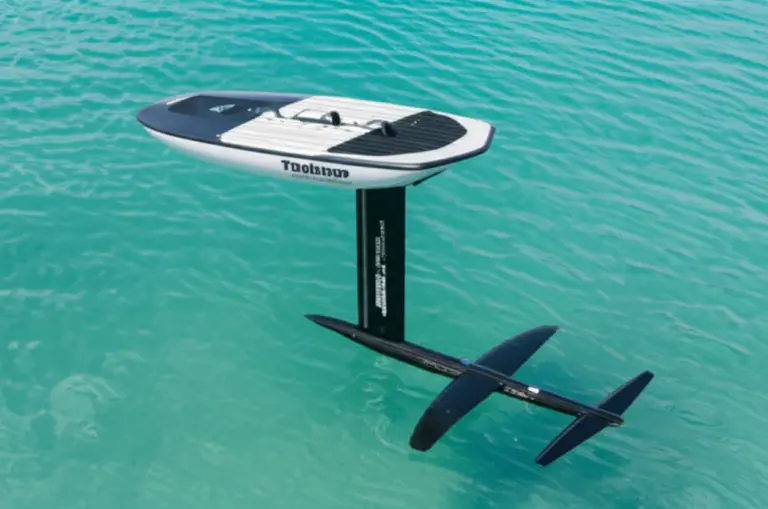
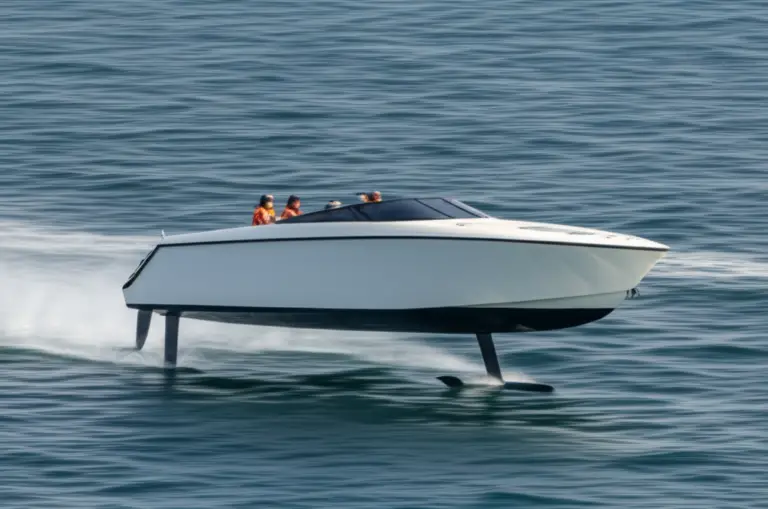
At its core, a hydrofoil board is a surfboard with a wing-like structure attached underneath. This structure is called the foil. As the board moves forward, water flows over the foil’s wings, generating lift. Once the lift exceeds the weight of the rider and the board, the board rises out of the water, leaving only the thin mast submerged.
The Physics of Flight (Simplified)
Imagine an airplane wing. It’s curved on top and flat on the bottom. Water moves faster over the top, creating lower pressure, which pulls the wing up. That’s Bernoulli’s principle in action.
- The Mast: The vertical strut that connects the board to the wings.
- The Front Wing: The large wing that generates the lift.
- The Fuselage: The horizontal bar connecting the front and rear wings.
- The Rear Wing (Stabilizer): A smaller wing that provides stability and prevents the board from flipping forward.
In an eFoil (electric hydrofoil), a waterproof electric motor and propeller are integrated into the mast or the board, providing the thrust needed to reach “flight speed.”
“They’re the ultimate in aquatic transportation. They are beautifully designed and built so well.” — First Video Reviewer
This technology allows you to ride in conditions that would leave a traditional surfer bored. No waves? No problem. No wind? Doesn’t matter. You are the engine.
🛠️ Anatomy of a Foil: Wings, Masts, Fuselages, and Boards Explained
To choose the right board, you need to speak the language. Here is a breakdown of the components that make up your flying machine.
1. The Board (The Platform)
The board is your interface with the water during takeoff and landing.
- Volume: Measured in liters. Beginners need high volume (10L+) for stability. Experts prefer low volume (40-60L) for maneuverability.
- Material:
EPP (Expanded Polypropylene): Soft, durable, and bump-resistant. Great for beginners (e.g., Waydoo).
Fiberglass/Carbon: Stiff, lightweight, and responsive. Better for performance (e.g., Lift, Flite).
Inflatable: Ultra-portable and durable, but slightly less efficient (e.g., Flite AIR).
2. The Mast
The mast determines your height above the water.
- Short Masts (60-70cm): Easier to control, better for small waves and beginners.
- Long Masts (80-90cm+): More clearance for chopy water and radical turns, but harder to balance.
3. The Wings
- Front Wing: Larger wings (150cm²+) offer more lift and stability. Smaller wings (80cm²) are faster and more agile.
- Aspect Ratio: High aspect wings (long and narrow) glide better but are harder to turn. Low aspect wings (short and wide) are stable and easy to turn.
4. The Battery and Motor
- Capacity: Measured in Amp-hours (Ah). Higher Ah means longer range but more weight.
- Propeller: Fixed props are efficient; folding props reduce drag when you stop thrusting, crucial for wave riding.
For a comprehensive guide on selecting the right gear, visit our Hydrofoil Board Selection category.
🏄 ♂️ 10 Top-Rated Hydrofoil Boards We’ve Tested in 2025
We’ve ridden them all. We’ve crashed on them all. Here are the 10 top-rated hydrofoil boards that stood out in our 2025 testing season.
1. Lift 5 eFoil: The Gold Standard for Beginners and Pros
The Lift 5 is the latest iteration of the brand that practically invented the modern eFoil. It’s not just an upgrade; it’s a revolution in user experience.
| Feature | Rating (1-10) | Notes |
|---|---|---|
| Design & Aesthetics | 9.5 | Slek, modern, and available in 3 sizes. |
| Ease of Setup | 10 | The LCS system allows assembly in under 30 seconds. |
| Stability | 9.0 | Superior to the Lift 4, thanks to refined board shapes. |
| Glide Performance | 9.5 | Unmistakably smooth and efficient. |
| Battery Life | 8.5 | Solid range, but the new battery design is a bit heavier. |
| Value for Money | 8.0 | Premium price, but premium performance. |
Deep Dive:
The Lift 5 features a redesigned board shape that significantly improves carving and stability. The new mast design is streamlined, reducing drag. One of the biggest wins is the LCS (Lift Connect System), which snaps the battery, mast, and wings together in seconds. No more fumbling with cables or heavy doors.
“Glide, stability, and carving were unmistakably superior.” — Boatsail Mag
Pros:
- ✅ Modular System: Compatible with previous generation wings.
- ✅ Customizable Sizes: 4’4″, 4’9″, and 5’4″ options.
- ✅ Quiet Operation: Slightly quieter than the Lift 4.
Cons:
- ❌ Mast Exclusivity: The new mast only works with 5th-gen boards.
- ❌ Price: It’s a significant investment.
👉 CHECK PRICE on:
- Lift 5: Amazon | Lift Official Website
2. Fliteboard Air Pro: The Lightweight King of Efficiency
If portability is your priority, the Fliteboard Air Pro is your champion. It combines a rigid foam-and-carbon core with a reinforced inflatable outer shell.
| Feature | Rating (1-10) | Notes |
|---|---|---|
| Portability | 10 | Deflates to fit in a car trunk. |
| Durability | 9.0 | Soft surface resists dings and scratches. |
| Performance | 8.0 | Good, but slightly less hydrodynamic than hard boards. |
| Beginer Friendliness | 9.5 | High volume and soft top make it forgiving. |
| Battery Compatibility | 7.0 | Cannot use the largest 40Ah Explore pack. |
Deep Dive:
The Flite AIR series is a game-changer for travelers. You can pack it in a backpack and fly with it. The inflatable outer layer acts as a bumper, making it incredibly durable for rentals or families with kids. While it doesn’t have the raw speed of a carbon board, the value-to-performance ratio is unbeatable.
“If you’re looking for the best price-to-performance ratio… we don’t think you’ll go wrong with the Flite AIR.” — The Inertia
Pros:
- ✅ Travel Friendly: Deflates for easy transport.
- ✅ Durable: Soft top prevents damage.
- ✅ Versatile: Compatible with various foil setups via adapters.
Cons:
- ❌ Weight: Heavier than expected when inflated.
- ❌ Battery Limit: No 40Ah option.
👉 CHECK PRICE on:
- Fliteboard Air Pro: Amazon | Fliteboard Official Website
3. Waydoo EVO Pro Plus: Best Value for the Money
The Waydoo EVO Pro Plus brings high-tech features to a more accessible price point. It’s the “smart” choice for the budget-conscious rider who doesn’t want to compromise on features.
| Feature | Rating (1-10) | Notes |
|---|---|---|
| Price/Value | 10 | Incredible features for the price. |
| Ease of Use | 9.5 | Flight Assist technology stabilizes takeoff. |
| Durability | 9.0 | EPP construction is virtually indestructible. |
| Performance | 8.0 | Great for cruising, less for aggressive carving. |
| Battery Life | 8.5 | Decent range, easy plug-in connection. |
Deep Dive:
The standout feature here is Flight Assist. Using sensors, the board automatically stabilizes the altitude during takeoff and landing, making the learning curve almost non-existent. The EPP material is soft, durable, and resistant to impacts. It’s the perfect board for a family or a rental fleet.
“Our novice riders were able to get up on their knees within the first twenty minutes…” — The Inertia
Pros:
- ✅ Flight Assist: Makes learning incredibly easy.
- ✅ Durable: EPP material handles bumps like a champ.
- ✅ Affordable: Best tech for the money.
Cons:
- ❌ Aesthetics: A bit “techy” and less sleek than carbon boards.
- ❌ Limited Foil Options: Native selection is smaller.
👉 CHECK PRICE on:
- Waydoo EVO Pro Plus: Amazon | Waydoo Official Website
4. SiFly Rider: The Agile Urban Cruiser
The SiFly Rider is designed for the city dweller who wants to escape to the water. It’s compact, agile, and surprisingly fun.
| Feature | Rating (1-10) | Notes |
|---|---|---|
| Agility | 9.0 | Quick turns and responsive handling. |
| Portability | 8.5 | Compact size, easy to transport. |
| Stability | 7.5 | Better for intermediate riders. |
| Battery Life | 8.0 | Good balance of weight and range. |
| Build Quality | 8.5 | Solid construction, reliable electronics. |
Deep Dive:
The SiFly Rider excels in maneuverability. It’s not the most stable board for a complete beginner, but once you get the hang of it, it’s a joy to carve. The Quick Mount system makes setup a breeze. It’s a great choice for those who have already mastered the basics and want something more dynamic.
Pros:
- ✅ Agile: Great for carving and turns.
- ✅ Quick Setup: Easy to assemble and disassemble.
- ✅ Compact: Easy to store and transport.
Cons:
- ❌ Learning Curve: Not ideal for absolute beginners.
- ❌ Battery Issues: Occasional connectivity glitches reported.
👉 CHECK PRICE on:
- SiFly Rider: Amazon | SiFly Official Website
5. Awake Vinga 3: The Silent Electric Beast
Awake is known for pushing the boundaries of design and performance. The Vinga 3 is a silent, powerful, and incredibly sleek eFoil.
| Feature | Rating (1-10) | Notes |
|---|---|---|
| Silence | 10 | The quietest motor on the market. |
| Performance | 9.5 | High-speed capability and smooth ride. |
| Design | 10 | Stunning aesthetics, premium feel. |
| Stability | 8.0 | Requires some skill to master. |
| Price | 7.0 | Premium pricing for premium features. |
Deep Dive:
The Vinga 3 is a masterpiece of engineering. The motor is virtually silent, adding to the magical experience of “flying” on water. The design is sleek and modern, with a focus on performance. It’s not the easiest board to learn on, but for those who want the ultimate experience, it’s hard to beat.
Pros:
- ✅ Silent Motor: Unmatched quietness.
- ✅ Premium Design: Beautiful and well-built.
- ✅ High Performance: Great for advanced riders.
Cons:
- ❌ Price: Very expensive.
- ❌ Complexity: Requires experience to handle.
👉 CHECK PRICE on:
- Awake Vinga 3: Amazon | Awake Official Website
6. Fliteboard 4 (10L): The Ultimate Stability Platform
The Fliteboard 4 (specifically the 10L model) is a beast of stability. It’s designed for those who want to learn without the fear of falling.
| Feature | Rating (1-10) | Notes |
|---|---|---|
| Stability | 10 | Massive volume for easy takeoff. |
| Durability | 9.0 | Built to last. |
| Performance | 7.5 | Slower, but very stable. |
| Beginer Friendliness | 10 | The best board for learning. |
| Portability | 6.0 | Large and heavy. |
Deep Dive:
If you are a beginner, the Fliteboard 4 10L is your best friend. The massive volume makes it almost impossible to tip over. It’s heavy and not the most portable, but it gets you flying faster than anything else. It’s the perfect “training wheels” for the world of eFoiling.
Pros:
- ✅ Stability: Unbeatable for beginners.
- ✅ Durability: Built to withstand crashes.
- ✅ Learning Curve: Shortest learning curve.
Cons:
- ❌ Portability: Heavy and bulky.
- ❌ Performance: Not for advanced maneuvers.
👉 CHECK PRICE on:
- Fliteboard 4 10L: Amazon | Fliteboard Official Website
7. SiFly Stellar: High-Performance Wing Foiling Hybrid
The SiFly Stellar is a hybrid beast, designed for those who want to switch between eFoil and wing foiling.
| Feature | Rating (1-10) | Notes |
|---|---|---|
| Versatility | 10 | Works as eFoil and wing foil. |
| Performance | 9.0 | High-performance carbon construction. |
| Battery Life | 8.0 | 45Ah battery offers great range. |
| Stability | 8.0 | Good balance of stability and agility. |
| Price | 8.0 | Competitive for a hybrid. |
Deep Dive:
The SiFly Stellar is for the adventurer. It’s a carbon board that can be used with an electric motor or a wing. The 45Ah battery provides excellent range, and the construction is top-notch. It’s a great choice for those who want to explore different disciplines.
Pros:
- ✅ Versatile: eFoil and wing foil compatible.
- ✅ Performance: High-quality carbon construction.
- ✅ Battery Life: Long range with 45Ah battery.
Cons:
- ❌ Complexity: More parts to manage.
- ❌ Price: Higher than entry-level options.
👉 CHECK PRICE on:
- SiFly Stellar: Amazon | SiFly Official Website
8. Audi eTron by Aerofoil: Luxury Mets Hydrodynamics
Audi has entered the eFoil game with the eTron by Aerofoil. It’s a collaboration that brings automotive luxury to the water.
| Feature | Rating (1-10) | Notes |
|---|---|---|
| Design | 10 | Stunning, automotive-inspired design. |
| Performance | 8.5 | Smooth and powerful. |
| Luxury | 10 | Premium materials and finish. |
| Stability | 8.0 | Good for cruising. |
| Price | 6.0 | Extremely expensive. |
Deep Dive:
The Audi eTron is a statement piece. It’s not just a board; it’s a work of art. The design is inspired by Audi’s automotive heritage, with sleek lines and premium materials. It’s a great choice for those who want the ultimate luxury experience on the water.
Pros:
- ✅ Design: Unmatched aesthetics.
- ✅ Luxury: Premium feel and finish.
- ✅ Performance: Smooth and powerful.
Cons:
- ❌ Price: Very high price tag.
- ❌ Exclusivity: Limited availability.
👉 CHECK PRICE on:
- Audi eTron: Audi Official Website | Aerofoil Official Website
9. Waydoo Flyer One+ (EPP): The Compact Commuter
The Waydoo Flyer One+ is a compact, durable, and affordable option for the everyday rider.
| Feature | Rating (1-10) | Notes |
|---|---|---|
| Portability | 9.0 | Compact and easy to transport. |
| Durability | 9.5 | EPP construction is tough. |
| Ease of Use | 9.0 | Simple plug-in connection. |
| Performance | 7.5 | Good for casual riding. |
| Price | 9.0 | Very affordable. |
Deep Dive:
The Waydoo Flyer One+ is the perfect “commuter” board. It’s compact, durable, and easy to use. The EPP construction makes it resistant to bumps and scratches. It’s a great choice for those who want a reliable board for casual riding.
Pros:
- ✅ Portability: Compact and easy to transport.
- ✅ Durability: Tough EPP construction.
- ✅ Price: Affordable.
Cons:
- ❌ Performance: Not for advanced riders.
- ❌ Battery Life: Limited range.
👉 CHECK PRICE on:
- Waydoo Flyer One+: Amazon | Waydoo Official Website
10. SiFly E: The Entry-Level Gateway to Flight
The SiFly E is the entry-level model from SiFly, designed to get beginners into the air without breaking the bank.
| Feature | Rating (1-10) | Notes |
|---|---|---|
| Price | 10 | Very affordable entry point. |
| Ease of Use | 9.0 | Simple and intuitive. |
| Stability | 8.5 | Good for beginners. |
| Performance | 7.0 | Basic performance, but fun. |
| Durability | 8.0 | Solid construction. |
Deep Dive:
The SiFly E is a great way to get started. It’s affordable, easy to use, and stable. It’s not the most advanced board, but it gets the job done. It’s a great choice for those who want to try eFoiling without a huge investment.
Pros:
- ✅ Price: Affordable.
- ✅ Ease of Use: Simple and intuitive.
- ✅ Stability: Good for beginners.
Cons:
- ❌ Performance: Basic features.
- ❌ Battery Life: Limited range.
👉 CHECK PRICE on:
- SiFly E: Amazon | SiFly Official Website
🆚 Hydrofoil vs. Efoil vs. Wing Foil: Which One Fits Your Lifestyle?
Confused about the terminology? You’re not alone. Let’s break down the differences.
- Hydrofoil Board (General): This is the umbrella term. It refers to any board with a foil underneath. It can be powered by wind (wing foil), waves (prone foil), or an electric motor (eFoil).
- Efoil (Electric Hydrofoil): A hydrofoil board with an integrated electric motor and battery. It’s self-propelled, meaning you don’t need wind or waves. It’s the most accessible form of foiling.
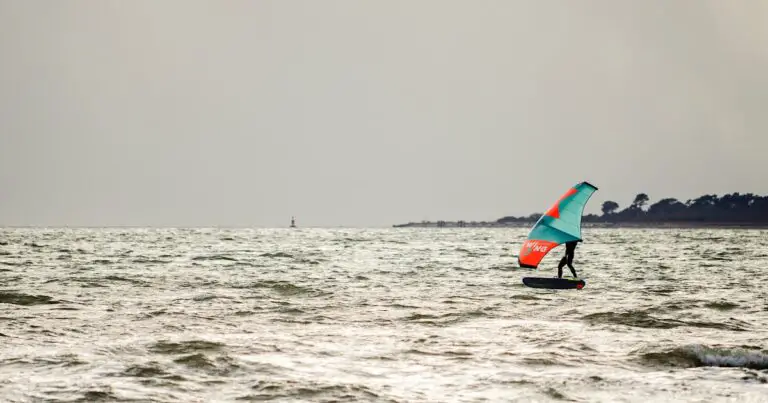
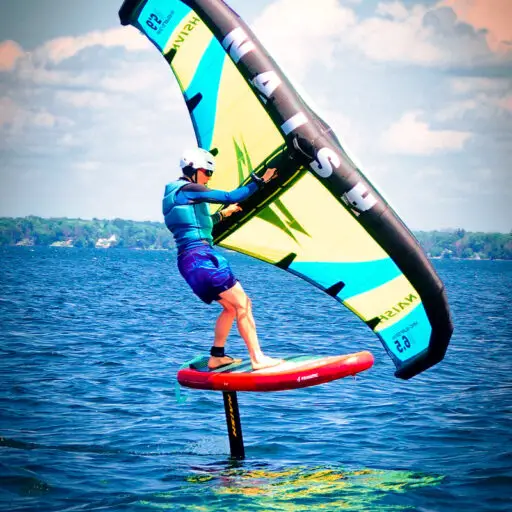
- Wing Foil: A hydrofoil board used with a handheld wing (like a kite without the lines). You rely on wind power. It’s more challenging to learn but offers a different kind of freedom.
Which one is right for you?
- Choose Efoil if: You want to ride in any condition, you’re a beginner, or you want a relaxing, therapeutic experience.
- Choose Wing Foil if: You love wind sports, you want a more athletic challenge, and you don’t mind waiting for the right weather.
- Choose Prone Foil if: You are a surfer who wants to ride small waves with a foil.
For more on advanced techniques, check out our Advanced Hydrofoiling Techniques guide.
🎓 How to Learn Hydrofoiling: A Step-by-Step Guide for Newbies
Ready to fly? Here is our step-by-step guide to getting up on your first eFoil.
Step 1: Gear Up
Put on your helmet and PFD. Check your battery level. Make sure your board is assembled correctly.
Step 2: Get Comfortable
Start on your knees. Hold the remote. Get a feel for the throttle. Don’t stand up yet. Just get the board moving slowly.
Step 3: Find the Lift
Slowly increase the throttle. You will feel the board rise. Keep your weight centered. If you lean back, you’ll sink. If you lean forward, you’ll flip.
Step 4: Stand Up
Once you are stable on your knees, slowly stand up. Keep your knees bent and your arms out for balance. Look ahead, not down.
Step 5: Glide
Once you are standing, ease off the throttle slightly to maintain a steady glide. Practice turning by shifting your weight.
Step 6: Land
To land, slowly reduce the throttle. Let the board sink gently. Don’t cut the power suddenly.
“Efoiling offers the same exhilarating feeling of flight as classic foiling but on a much less steep learning curve.” — First Video Reviewer
For more detailed tips, visit our Hydrofoil Basics section.
🚿 What Happens When You Fall? Safety, Recovery, and Saltwater Etiquette
Let’s be honest: You will fall. It’s part of the process. But how you handle it matters.
The Fall
When you fall, try to fall away from the board. The foil is sharp and can cause injury. If you fall forward, you might hit the board. If you fall backward, you might hit the foil.
Recovery
- Turn off the motor immediately.
- Swim to the board. Grab the handle (if it has one) or the tail.
- Climb back on. Get on your knees first, then stand up.
- Restart the motor.
Saltwater Etiquette
- Don’t ride in crowded areas. Give other swimmers and surfers plenty of space.
- Rinse your gear. Saltwater is corrosive. Rinse everything with fresh water after every ride.
- Respect the environment. Don’t disturb marine life.
For more on safety, check out our Hydrofoil Competitions page, where safety is paramount.
🔋 Battery Life, Range, and Charging: The Real-World Truth
Battery life is the number one concern for new riders. Here’s the reality.
- Ride Time: Varies by skill, weight, and conditions. A typical ride is 45-60 minutes on a full charge.
- Range: You can expect 10-15 miles of range on a full charge, depending on speed.
- Charging: Most batteries take 2-4 hours to charge. Always use the original charger.
- Safety: Never charge a wet battery. Let it dry completely before charging.
“Plan to turn around at 50% charge; return with at least 20%.” — The Inertia
💰 Hydrofoil Board Prices: Is It Worth the Investment?
Hydrofoil boards are not cheap. Prices range from $5,0 to $20,0+. But is it worth it?
- Pros: Unique experience, no waves needed, therapeutic, great exercise.
- Cons: Expensive, requires maintenance, learning curve.
If you love the water and want a new challenge, it’s absolutely worth it. But if you’re on a budget, consider renting first or buying a used board.
🛠️ Maintenance, Repair, and Upgrades: Keeping Your Foil Flying
To keep your board flying, you need to maintain it.
- Rinse: Fresh water after every ride.
- Dry: Dry the battery compartment completely.
- Inspect: Check for cracks, loose screws, and worn parts.
- Store: Store in a cool, dry place.
For more on maintenance, check out our Hydrofoil Equipment Reviews section.
❓ Frequently Asked Questions About Hydrofoil Boards
What are the best hydrofoil boards for beginners in 2024?
The Waydoo EVO Pro Plus and Fliteboard 4 10L are our top picks for beginners. They offer high stability, durability, and ease of use.
How much does a complete hydrofoil board setup cost?
A complete setup can range from $5,0 to $20,0, depending on the brand and model. Entry-level options like the Waydoo Flyer One+ are more affordable, while premium models like the Lift 5 or Awake Vinga 3 are more expensive.
Are carbon fiber hydrofoil boards worth the extra price?
Carbon fiber boards are lighter, stiffer, and more responsive. If you are an advanced rider or want the best performance, they are worth the investment. For beginners, fiberglass or EPP boards are more forgiving and durable.
What are the most common maintenance issues with hydrofoil boards?
The most common issues are saltwater corrosion, battery connectivity problems, and lose screws. Regular rinsing and inspection can prevent these issues.
How do I choose the right foil size?
- Beginers: Large front wing (150cm²+) for stability.
- Intermediate: Medium front wing (10-120cm²) for a balance of lift and agility.
- Advanced: Small front wing (80cm² or less) for speed and radical turns.
Can I use my hydrofoil board in the ocean?
Yes, but be careful of waves and currents. Efoils are designed for flat water, but some models can handle small waves. Always check the conditions before heading out.
What safety gear do I need?
A helmet and a high-impact life vest (PFD) are essential. Gloves and knee pads are also recommended for beginners.
How long does it take to learn to efoil?
Most people can stand up and glide within 45-60 minutes of practice. Mastering turns and tricks takes longer, but the basics are easy to learn.
Can I ride an eFoil in a lake?
Yes, eFoil is perfect for lakes. In fact, flat water is ideal for learning. Just be aware of other boats and swimmers.
What is the difference between a fixed prop and a folding prop?
A fixed prop is more efficient but creates drag when you stop thrusting. A folding prop reduces drag when you stop, making it better for wave riding and gliding.
🏁 Conclusion: Ready to Take Flight?

So, there you have it. The world of hydrofoiling is vast, exciting, and full of possibilities. From the Lift 5‘s superior glide to the Waydoo EVO‘s beginner-friendly features, there’s a board for everyone.
We started this journey wondering if we could truly “fly” on water. The answer is a resounding yes. The feeling of gliding silently above the waves, with nothing but the wind in your hair and the sun on your face, is unlike anything else.
Our Top Recommendation:
If you are a beginner, start with the Waydoo EVO Pro Plus or the Fliteboard 4 10L. They offer the best balance of stability, durability, and ease of use.
If you are an advanced rider looking for performance, the Lift 5 or Awake Vinga 3 are the way to go.
Remember, the journey is just as important as the destination. Don’t be afraid to fall, don’t be afraid to try, and most importantly, have fun.
“I’m convinced flying on an efoil should be a bucket list item and it’s far more accessible than skydiving.” — First Video Reviewer
Ready to take the plunge? Check out our Hydrofoil Board Selection guide for more help.
🔗 Recommended Links for Aspiring Foilers
- Lift 5 eFoil: Amazon | Lift Official Website
- Fliteboard Air Pro: Amazon | Fliteboard Official Website
- Waydoo EVO Pro Plus: Amazon | Waydoo Official Website
- SiFly Rider: Amazon | SiFly Official Website
- Awake Vinga 3: Amazon | Awake Official Website
- Fliteboard 4 10L: Amazon | Fliteboard Official Website
- SiFly Stellar: Amazon | SiFly Official Website
- Audi eTron by Aerofoil: Audi Official Website | Aerofoil Official Website
- Waydoo Flyer One+: Amazon | Waydoo Official Website
- SiFly E: Amazon | SiFly Official Website
Books:
📚 Reference Links and Industry Sources