Support our hydrofoil educational content for free when you purchase through links on our site. Learn more
🌊 Waves

vs. Flat Water Foiling: The Ultimate Guide
So, you’re
wondering about hydrofoil foiling in waves vs flat water? Here’s the deal: while both offer incredible sensations, flat water is your ultimate training ground for mastering the fundamentals, while waves unlock the sport’s most exhilarating
, dynamic potential. We’ve spent countless hours on both, from glassy lakes to pumping ocean swells, and can confidently say that each environment demands a unique approach to gear, technique, and mindset.
Think of it this way: learning
to pump and glide on flat water is like mastering the scales before you compose a symphony. It builds the muscle memory and balance that will allow you to truly dance with the ocean’s energy when you hit the waves. Our team member, Kai
, once spent an entire summer perfecting his flat water pumping on a local reservoir, only to find himself effortlessly linking turns on overhead waves by autumn – a direct testament to the foundational skills built in calmer conditions.
The choice isn’t about
one being “better” than the other, but rather about your goals and progression. Are you chasing endless, silent glides, or the raw, unpredictable thrill of riding a liquid mountain? The beauty of hydrofoiling is that you don
‘t have to choose; many of us seamlessly transition between both, appreciating the distinct challenges and rewards each offers.
Key Takeaways
- Flat water foiling is ideal for beginners to build core skills like balance, board
control, and the crucial pumping technique. - Wave foiling offers unparalleled excitement and speed, leveraging the ocean’s energy for dynamic, extended rides.
- Gear choices are critical: high aspect wings and longer masts for
flat water glide; lower aspect wings and shorter boards for wave maneuverability. - Progression often starts flat, then moves to waves, with skills learned in one environment enhancing performance in the other.
- Safety is paramount
in both environments, but especially in the dynamic and often crowded wave zones.
Table of Contents
-
🌊 The Evolution of Hydrofoiling: From Flat Water Glides to Wave Riding Thrills
-
🧐 Understanding the Core Difference: Hydrofoil Foiling in Waves vs. Flat Water
-
The Thrill of Flat Water Foiling: Endless Glides and Pumping Power
-
Conquering the Swell: The Art of Wave Foiling and Surf Foiling
-
🛠️ Gear Up! Choosing Your Hydrofoil Setup for Different Conditions
-
Foil Wings: High Aspect vs. Low Aspect – Lift, Speed, and Maneuverability
-
🏄 ♂️ Mastering the Techniques: Riding Flat Water vs. Catching Waves
-
Flat Water Pumping and Carving: Generating Your Own Momentum
-
Wave Foiling Take-Offs and Riding the Energy: From Paddle-In to Tow-In
-
💡 Progression Path: Transitioning Between Flat Water and Wave Foiling
-
Making the Leap to Waves: Tips for Your First Surf Foil Sessions
-
⚠️ Safety First: Essential Precautions for Hydrofoil Surfing
-
Personal Protective Equipment (PPE): Don’t Skimp on Safety Gear
-
Ideal Flat Water Foiling Locations: Lakes, Bays, and Calm Rivers
-
Top Wave Foiling Breaks: From Gentle Rollers to Pumping Swells
⚡️
Quick Tips and Facts for Foiling in Waves vs. Flat Water
Alright, fellow water warriors, let’s cut to the chase! You’re itching to know the lowdown on hydrofoil foiling, whether you’re dreaming of glassy
lake glides or carving up ocean swells. Here at Hydrofoiling™, we’ve spent countless hours airborne (and occasionally submerged!) in every condition imaginable, and we’re stoked to share our hard-won wisdom. Understanding the nuances
between foiling in waves versus flat water isn’t just about preference; it’s about choosing the right gear, mastering specific techniques, and ultimately, maximizing your stoke!
Here are some rapid-fire insights to get your brain
buzzing:
- Flat Water Foiling:
- ✅ Easier to Learn: The predictable environment is perfect for nailing the basics of balance and foil control.
- ✅ Pumping Paradise: Flat
water is where you truly learn to generate your own momentum through pumping, turning any ripple into an endless ride. - ✅ Gear Focus: Often favors higher aspect wings for glide and longer masts for stability.
❌ Less Dynamic: While incredibly rewarding, it lacks the raw, unpredictable energy of ocean waves.
-
Best for: Beginners, practicing advanced maneuvers, e-foiling, downwinding, and wake foiling.
-
Key Skill: Consistent pumping and controlled carving.
-
Wave Foiling (Surf Foiling):
-
✅ Unmatched Thrill: Riding a wave on a foil feels like nothing else – silent
, fast, and utterly exhilarating. It’s a “mind boggling” experience with “extra speed due to less friction”. -
✅ Energy Harvesting: You’re tapping into the ocean
‘s power, allowing for incredibly long rides and linking sections that a traditional surfboard might miss. -
✅ Gear Focus: Typically uses lower aspect wings for maneuverability and shorter boards for agility.
-
❌ Ste
eper Learning Curve: Requires excellent wave reading skills, precise timing, and quick reflexes. -
❌ Higher Stakes: The dynamic environment means more potential for wipeouts and interaction with other surfers.
-
Best for
: Experienced surfers, those seeking a new dimension to wave riding, and tackling “massive waves in tricky locations”. -
Key Skill: Wave selection, timely take-offs, and dynamic turning.
So
, which one calls to you? Or perhaps, like us, you’ll find yourself drawn to both, appreciating the unique challenges and rewards each offers!
🌊 The Evolution of Hydrofoiling: From Flat Water Glides to Wave Riding Thrills
The journey of hydrofoiling, or simply “foiling,”
is a fascinating tale of innovation, daring, and a relentless pursuit of speed and glide. What started as a niche experiment has blossomed into a global phenomenon, fundamentally changing how we interact with the water. The very essence of hydrofoiling,
where a board lifts above the water on a submerged wing, creates a sensation that’s truly “like nothing I’ve ever felt before”.
Our story begins not in the surf, but often in calmer
waters, with early pioneers tinkering with hydrofoils on boats and even water skis. The concept of reducing drag by lifting the hull out of the water has been around for over a century, but it was the advent of modern materials and design that truly propelled personal
hydrofoiling into the spotlight.
The late great Laird Hamilton, a titan of big-wave surfing, is widely credited with bringing hydrofoiling to the surf world in the early 2000s. His audacious vision of riding massive waves on a foil, often towed in by a jet ski, opened up a new frontier in wave riding. Suddenly, waves that were too fast or too choppy for traditional boards became rideable, offering an
“incredible feeling” of “weightless” flight.
From those early, often intimidating, tow-in sessions, the sport began to diversify. We saw the rise of kite foiling, where the power
of the wind allowed riders to glide effortlessly across vast stretches of water. Then came windsurf foiling, adding another dimension to wind-powered water sports.
But the real explosion in accessibility and popularity, especially for those of us without
a kite or sail, came with the development of surf foiling and SUP foiling. This allowed riders to paddle into waves or even just small bumps and swells, generating enough speed to lift onto the foil and experience that magical
, frictionless glide. This progression, as Andrew Cotton notes, often involves starting on “flat water (estuary) before attempting waves”, building the foundational skills necessary for the dynamic ocean environment.
And let’s not forget
the electric revolution! The introduction of e-foils (electric hydrofoils) like those from Flite and Lift has democratized the experience even further, allowing almost anyone to experience the “exhilarating feeling of flight
” without needing waves, wind, or a tow boat. This innovation has truly broadened the appeal of hydrofoiling, making it “far more accessible than skydiving” and a
genuine “bucket-list item”.
Today, hydrofoiling encompasses a vast spectrum of disciplines, from the serene glides of flat water pumping to the heart-pounding intensity of big-wave foiling
. It’s a testament to human ingenuity and our endless desire to push boundaries and find new ways to connect with the ocean. If you’re keen to dive deeper into the fundamentals, check out our Hydrofoil Basics section!
🧐 Understanding the
Core Difference: Hydrofoil Foiling in Waves vs. Flat Water
At its heart, hydrofoil foiling is about harnessing energy to lift above the water. But the type of energy you’re chasing, and the environment you’re doing
it in, creates two distinct, yet equally captivating, experiences. Think of it like the difference between a meticulously choreographed ballet and an improvisational jazz session – both are art, but the approach and execution are wildly different. This fundamental distinction is crucial
for anyone looking to get into hydrofoiling.
The Thrill of Flat Water Foiling: Endless Glides and Pumping Power
Imagine gliding silently across a glassy lake, the only sound the gentle hum of your foil slicing through the water. That’s the
magic of flat water foiling. It’s a controlled environment, free from the unpredictable chaos of breaking waves, making it an ideal playground for learning and refining your skills.
For us at Hydrofoiling™, flat water is where we truly
fell in love with the art of pumping. This isn’t just about standing there; it’s an active, rhythmic motion of your body, pushing down and pulling up on the board to generate lift and forward momentum. Once you master it
, you can connect small boat wakes, tiny wind swells, or even just your own generated energy to achieve incredibly long, effortless glides. It’s a full-body workout that feels more like flying than surfing.
Key characteristics
of flat water foiling:
- Predictable Conditions: No rogue waves or shifting peaks to contend with. This allows for focused practice on balance, board control, and foil engagement.
- Skill Development: Excellent for developing
fundamental skills like stance, carving, and the crucial pumping technique. Many riders, including Andrew Cotton, emphasize starting on flat water. - Accessibility: Lakes, calm bays, and wide rivers become your playground
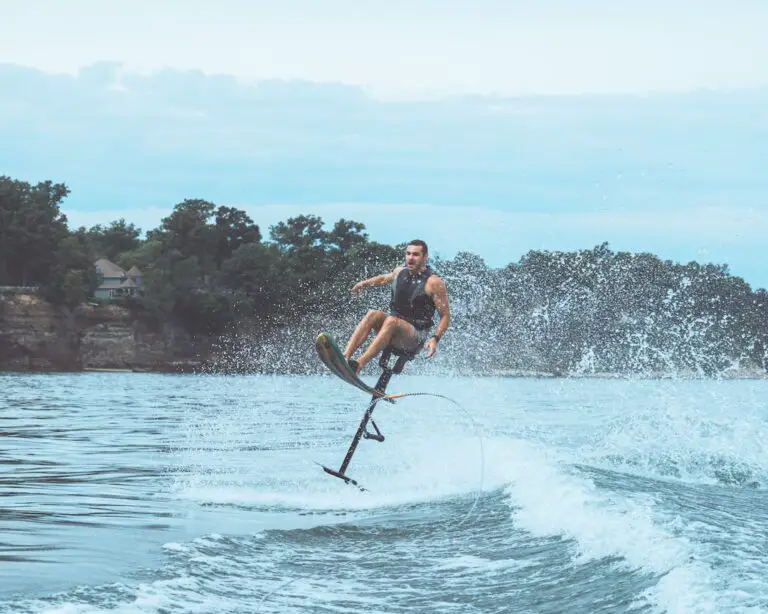
. You don’t need a coastline or specific swell conditions. - Versatility: Perfect for e-foiling, wake foiling behind a boat, or downwind foiling where you harness consistent wind swell.
Gear Preference: Often leans towards foils with higher aspect ratio wings (longer and narrower) that offer superior glide and efficiency for sustained pumping and speed. Longer masts are also common for a higher ride and more room for error.
Flat water foiling is about finding your rhythm, connecting with the foil, and experiencing the pure, unadulterated sensation of flight. It’s meditative, challenging, and incredibly rewarding when you nail that endless glide. Want to know
more about getting started? Our Hydrofoil Basics has you covered!
Conquering the Swell: The Art of Wave Foiling and Surf Foiling
Now, let’s talk about the ocean. Wave foiling, or
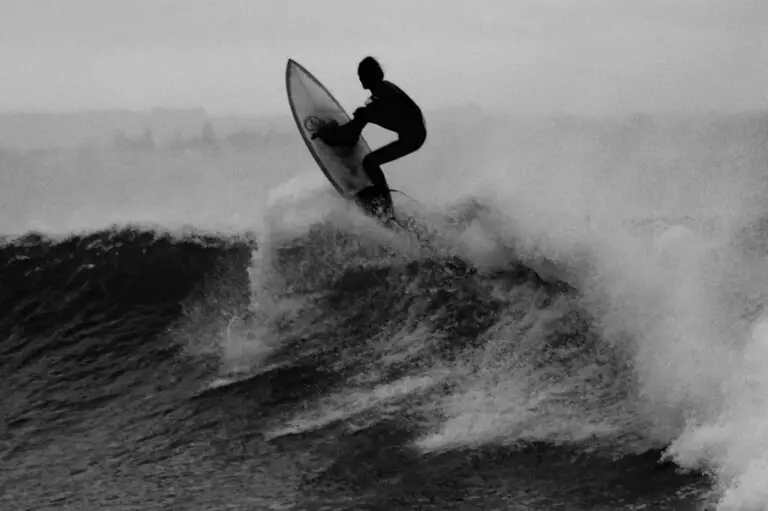
surf foiling, is where the raw power of nature meets the finesse of the hydrofoil. It’s a completely different beast, demanding a keen understanding of ocean dynamics, quick reflexes, and a healthy dose of courage. The goal here
isn’t just to glide; it’s to dance with the wave, harnessing its energy to propel you across the water with minimal drag.
Andrew Cotton perfectly encapsulates the feeling: “The sensations is like nothing I’ve ever felt before
. You really feel weightless.” And he’s right! When you’re up on the foil, the chop and texture of the wave disappear beneath you, allowing you to “cut through the chop”
with incredible ease. This frictionless ride translates to “mind boggling” extra speed, opening up new possibilities for riding waves that would be impossible on a traditional surfboard.
Key characteristics of
wave foiling:
- Dynamic Environment: Every wave is unique, requiring constant adjustments to your balance, speed, and direction. You’re reading the ocean, anticipating its movements.
- Energy Harvesting: The wave
provides the initial propulsion, allowing you to get up on the foil. Once up, you can pump and carve to stay on the wave face, connect to other waves, or even ride the residual energy far beyond the breaking zone.
Adrenaline Rush: The speed, the height above the water, and the sheer power of the ocean combine for an exhilarating experience that’s hard to beat.
- Skill Transfer: While challenging, experienced surfers often find the
transition rewarding. As Andrew Cotton notes, it’s “not overly difficult to start, especially for surfers”. - Gear Preference: Typically favors lower aspect ratio wings (shorter and wider)
for increased maneuverability and tighter turns on the wave face. Shorter boards are also preferred for their agility and ease of pumping. - Potential for Big Waves: The foil’s ability to cut through chop and generate speed makes
it a powerful tool for riding “massive waves in tricky locations”, as envisioned by pioneers like Laird Hamilton.
Whether you’re carving gentle rollers or eyeing up a serious swell, wave foiling offers an unparalleled connection to the
ocean’s energy. It’s a challenging but deeply rewarding discipline that will push your skills and redefine your perception of wave riding. Ready to upgrade your ride? Check out our Hydrofoil Board Selection for insights on choosing the right deck!
🛠
️ Gear Up! Choosing Your Hydrofoil Setup for Different Conditions
Alright, let’s talk toys! 🤩 Just like you wouldn’t bring a butter knife to a sword fight (unless it’s a really fancy butter knife),
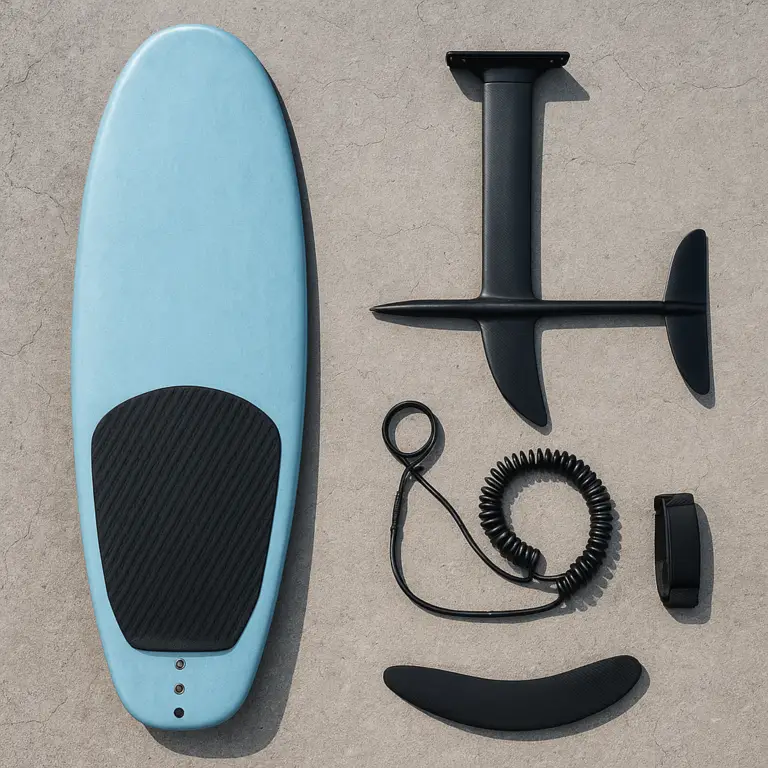
you wouldn’t use the same hydrofoil setup for glassy lake cruising as you would for charging overhead waves. The beauty of hydrofoiling is the incredible modularity of the equipment. Every component – the board, the mast, the fuselage
, and especially the wings – plays a crucial role in how your setup performs.
Choosing the right gear isn’t just about performance; it’s about safety, progression, and maximizing your fun. We’ve seen countless riders struggle
because they’re on the wrong setup for their skill level or the conditions. Don’t be that person! Let’s break down the key components and how they differ for flat water versus wave foiling. For a deeper dive into specific products
, our Hydrofoil Equipment Reviews are a great resource.
Boards: Volume, Length, and Shape for Flat Water vs. Waves
Your board is your platform, your connection to the foil, and your interface with the water before you take flight. The right board
makes all the difference in ease of paddling, stability, and maneuverability.
| Feature | Flat Water Foiling (e.g., Pumping, Wake, E-foil)
Table of Contents
-
🌊 The Evolution of Hydrofoiling: From Flat Water Glides to Wave Riding Thrills
-
🧐 Understanding the Core Difference: Hydrofoil Foiling in Waves vs. Flat Water
-
The Thrill of Flat Water Foiling: Endless Glides and Pumping Power
-
Conquering the Swell: The Art of Wave Foiling and Surf Foiling
-
🛠️ Gear Up! Choosing Your Hydrofoil Setup for Different Conditions
-
Foil Wings: High Aspect vs. Low Aspect – Lift, Speed, and Maneuverability
-
🏄 ♂️ Mastering the Techniques: Riding Flat Water vs. Catching Waves
-
Flat Water Pumping and Carving: Generating Your Own Momentum
-
Wave Foiling Take-Offs and Riding the Energy: From Paddle-In to Tow-In
-
💡 Progression Path: Transitioning Between Flat Water and Wave Foiling
-
Making the Leap to Waves: Tips for Your First Surf Foil Sessions
-
⚠️ Safety First: Essential Precautions for Hydrofoil Surfing
-
Personal Protective Equipment (PPE): Don’t Skimp on Safety Gear
- 📍 Finding Your Foiling Paradise: Best Spots and Conditions
- Ideal Flat Water Foiling Locations: Lakes, Bays, and Calm Rivers
- Top Wave Foiling Breaks: From Gentle Rollers to Pumping Swells
- 📈 Advanced Foiling Maneuvers: Pushing the Limits
- Linking Turns and Carves: The Flow State
- Aerials and Advanced Tricks: Defying Gravity
⚡️ Quick Tips and Facts for Foiling in Waves vs. Flat Water
Alright, fellow water warriors,
let’s cut to the chase! You’re itching to know the lowdown on hydrofoil foiling, whether you’re dreaming of glassy lake glides or carving up ocean swells. Here at Hydrofoiling™, we’ve
spent countless hours airborne (and occasionally submerged!) in every condition imaginable, and we’re stoked to share our hard-won wisdom. Understanding the nuances between foiling in waves versus flat water isn’t just about preference; it’s
about choosing the right gear, mastering specific techniques, and ultimately, maximizing your stoke. For a comprehensive overview of the sport, you can always check out our main hydrofoiling article.
Here are some rapid-fire insights to get your brain buzzing:
-
Flat Water Foiling:
-
✅ Easier to Learn: The predictable environment is perfect for nailing the basics of balance and
foil control. -
✅ Pumping Paradise: Flat water is where you truly learn to generate your own momentum through pumping, turning any ripple into an endless ride.
-
✅ Gear Focus: Often favors higher
aspect wings for glide and longer masts for stability. -
❌ Less Dynamic: While incredibly rewarding, it lacks the raw, unpredictable energy of ocean waves.
-
Best for: Beginners, practicing advanced maneuvers,
e-foiling, downwinding, and wake foiling. -
Key Skill: Consistent pumping and controlled carving.
-
Wave Foiling (Surf Foiling):
-
✅ Unmatched
Thrill: Riding a wave on a foil feels like nothing else – silent, fast, and utterly exhilarating. It’s a “mind boggling” experience with “extra speed due to less friction”. -
✅ Energy Harvesting: You’re tapping into the ocean’s power, allowing for incredibly long rides and linking sections that a traditional surfboard might miss.
-
✅ Gear Focus: Typically uses lower aspect wings
for maneuverability and shorter boards for agility. -
❌ Steeper Learning Curve: Requires excellent wave reading skills, precise timing, and quick reflexes.
-
❌ Higher Stakes: The dynamic environment means more potential
for wipeouts and interaction with other surfers. -
Best for: Experienced surfers, those seeking a new dimension to wave riding, and tackling “massive waves in tricky locations”.
Key Skill: Wave selection, timely take-offs, and dynamic turning.
So, which one calls to you? Or perhaps, like us, you’ll find yourself drawn to both, appreciating the unique challenges and rewards each offers!
🌊 The Evolution of Hydrofoiling: From Flat Water
Glides to Wave Riding Thrills
The journey of hydrofoiling, or simply “foiling,” is a fascinating tale of innovation, daring, and a relentless pursuit of speed and glide. What started as a niche experiment has blossomed into
a global phenomenon, fundamentally changing how we interact with the water. The very essence of hydrofoiling, where a board lifts above the water on a submerged wing, creates a sensation that’s truly “like nothing I’ve ever felt
before”.
Our story begins not in the surf, but often in calmer waters, with early pioneers tinkering with hydrofoils on boats and even water skis. The concept of reducing drag by lifting the hull out of
the water has been around for over a century, but it was the advent of modern materials and design that truly propelled personal hydrofoiling into the spotlight.
The late great Laird Hamilton, a titan of big-wave surfing,
is widely credited with bringing hydrofoiling to the surf world in the early 2000s. His audacious vision of riding massive waves on a foil, often towed in by a jet ski, opened up
a new frontier in wave riding. Suddenly, waves that were too fast or too choppy for traditional boards became rideable, offering an “incredible feeling” of “weightless” flight.
From those early, often
intimidating, tow-in sessions, the sport began to diversify. We saw the rise of kite foiling, where the power of the wind allowed riders to glide effortlessly across vast stretches of water. Then came windsurf foiling,
adding another dimension to wind-powered water sports.
But the real explosion in accessibility and popularity, especially for those of us without a kite or sail, came with the development of surf foiling and SUP foiling. This
allowed riders to paddle into waves or even just small bumps and swells, generating enough speed to lift onto the foil and experience that magical, frictionless glide. This progression, as Andrew Cotton notes, often involves starting on “flat water (estuary) before attempting waves”, building the foundational skills necessary for the dynamic ocean environment.
And let’s not forget the electric revolution! The introduction of e-foils (electric hydrofoils) like those
from Flite and Lift has democratized the experience even further, allowing almost anyone to experience the “exhilarating feeling of flight” without needing waves, wind, or a tow boat
. This innovation has truly broadened the appeal of hydrofoiling, making it “far more accessible than skydiving” and a genuine “bucket-list item”.
Today, hydro
foiling encompasses a vast spectrum of disciplines, from the serene glides of flat water pumping to the heart-pounding intensity of big-wave foiling. It’s a testament to human ingenuity and our endless desire to push boundaries and
find new ways to connect with the ocean. If you’re keen to dive deeper into the fundamentals, check out our Hydrofoil Basics section!
🧐 Understanding the Core Difference: Hydrofoil Foiling in Waves vs. Flat
Water
At its heart, hydrofoil foiling is about harnessing energy to lift above the water. But the type of energy you’re chasing, and the environment you’re doing it in, creates two distinct, yet equally
captivating, experiences. Think of it like the difference between a meticulously choreographed ballet and an improvisational jazz session – both are art, but the approach and execution are wildly different. This fundamental distinction is crucial for anyone looking to get into hydrofo
iling.
The Thrill of Flat Water Foiling: Endless Glides and
Pumping Power
Imagine gliding silently across a glassy lake, the only sound the gentle hum of your foil slicing through the water. That’s the magic of flat water foiling. It’s a controlled environment, free from the unpredictable
chaos of breaking waves, making it an ideal playground for learning and refining your skills.
For us at Hydrofoiling™, flat water is where we truly fell in love with the art of pumping. This isn’t just about standing
there; it’s an active, rhythmic motion of your body, pushing down and pulling up on the board to generate lift and forward momentum. Once you master it, you can connect small boat wakes, tiny wind swells, or even just
your own generated energy to achieve incredibly long, effortless glides. It’s a full-body workout that feels more like flying than surfing.
Key characteristics of flat water foiling:
-
Predictable Conditions: No
rogue waves or shifting peaks to contend with. This allows for focused practice on balance, board control, and foil engagement. -
Skill Development: Excellent for developing fundamental skills like stance, carving, and the crucial pumping technique. Many
riders, including Andrew Cotton, emphasize starting on flat water. -
Accessibility: Lakes, calm bays, and wide rivers become your playground. You don’t need a coastline or specific swell conditions.
-
Versatility: Perfect for e-foiling, wake foiling behind a boat, or downwind foiling where you harness consistent wind swell.
-
Gear Preference: Often leans towards foils with higher aspect ratio
wings (longer and narrower) that offer superior glide and efficiency for sustained pumping and speed. Longer masts are also common for a higher ride and more room for error.
Flat water foiling is about finding your rhythm, connecting with the
foil, and experiencing the pure, unadulterated sensation of flight. It’s meditative, challenging, and incredibly rewarding when you nail that endless glide. Want to know more about getting started? Our Hydrofoil Basics has you covered!
Conquering the Swell: The Art of Wave Foiling and Surf Foiling
Now, let’s talk about the ocean. Wave foiling, or surf foiling, is where the raw power of
nature meets the finesse of the hydrofoil. It’s a completely different beast, demanding a keen understanding of ocean dynamics, quick reflexes, and a healthy dose of courage. The goal here isn’t just to glide; it’s
to dance with the wave, harnessing its energy to propel you across the water with minimal drag.
Andrew Cotton perfectly encapsulates the feeling: “The sensations is like nothing I’ve ever felt before. You really feel weightless.” And he’s right! When you’re up on the foil, the chop and texture of the wave disappear beneath you, allowing you to “cut through the chop” with incredible ease.
This frictionless ride translates to “mind boggling” extra speed, opening up new possibilities for riding waves that would be impossible on a traditional surfboard.
Key characteristics of wave foiling:
- Dynamic Environment:
Every wave is unique, requiring constant adjustments to your balance, speed, and direction. You’re reading the ocean, anticipating its movements. - Energy Harvesting: The wave provides the initial propulsion, allowing you to get up on
the foil. Once up, you can pump and carve to stay on the wave face, connect to other waves, or even ride the residual energy far beyond the breaking zone. - Adrenaline Rush: The speed, the height
above the water, and the sheer power of the ocean combine for an exhilarating experience that’s hard to beat. - Skill Transfer: While challenging, experienced surfers often find the transition rewarding. As Andrew Cotton notes, it’
s “not overly difficult to start, especially for surfers”. - Gear Preference: Typically favors lower aspect ratio wings (shorter and wider) for increased maneuverability and tighter turns on the
wave face. Shorter boards are also preferred for their agility and ease of pumping. - Potential for Big Waves: The foil’s ability to cut through chop and generate speed makes it a powerful tool for riding “massive waves
in tricky locations”, as envisioned by pioneers like Laird Hamilton.
Whether you’re carving gentle rollers or eyeing up a serious swell, wave foiling offers an unparalleled connection to the ocean’s energy. It
‘s a challenging but deeply rewarding discipline that will push your skills and redefine your perception of wave riding. Ready to upgrade your ride? Check out our Hydrofoil Board Selection for insights on choosing the right deck!
🛠️ Gear Up
! Choosing Your Hydrofoil Setup for Different Conditions
Alright, let’s talk toys! 🤩 Just like you wouldn’t bring a butter knife to a sword fight (unless it’s a really fancy butter knife), you wouldn’
t use the same hydrofoil setup for glassy lake cruising as you would for charging overhead waves. The beauty of hydrofoiling is the incredible modularity of the equipment. Every component – the board, the mast, the fuselage, and especially the
wings – plays a crucial role in how your setup performs.
Choosing the right gear isn’t just about performance; it’s about safety, progression, and maximizing your fun. We’ve seen countless riders struggle because they’re
on the wrong setup for their skill level or the conditions. Don’t be that person! Let’s break down the key components and how they differ for flat water versus wave foiling. For a deeper dive into specific products, our
Hydrofoil Equipment Reviews are a great resource.
Boards: Volume, Length, and Shape for Flat Water vs. Waves
Your board is your platform, your connection to the foil, and your interface with the water before you take flight.
The right board makes all the difference in ease of paddling, stability, and maneuverability.
| Feature | Flat Water Foiling Boards
We’re talking about the board that lets you paddle efficiently on flat water, giving you enough stability
to get up and pump like a pro. These boards often have:
- Higher Volume: More float means easier paddling and more stability, especially for beginners or those learning to pump. Think of brands like Slingshot with
their Wingman series or Armstrong Foils with their Wing Boards. - Longer Length: A longer board provides more glide and stability, making it easier to maintain speed and direction when you’re not
on the foil, and offering a larger platform for pumping. - Flatter Rocker: A flatter bottom helps with early planing and efficient paddling on flat water.
- Parallel Rails: These contribute to stability and tracking
.
Recommended Flat Water Boards:
-
Slingshot Wingman: Amazon | Slingshot Official Website
-
Armstrong Foils Wing Boards: Armstrong Foils Official Website
-
F-One Rocket Wing: Amazon | F-One Official Website
Wave Foiling Boards:
Now, for the waves, we want something completely different. When you’re dropping into a swell, you need a
board that’s nimble, responsive, and easy to maneuver once you’re up and flying. These boards are typically:
- Lower Volume: Less float means less swing weight and easier rail-to-rail transitions
. You’re relying on the wave’s energy, not the board’s buoyancy, to get going. - Shorter Length: A shorter board is more agile and easier to pump on the wave face. It also reduces the
chances of the nose catching in steeper sections. - More Rocker: A slight nose rocker can help prevent pearling (nose diving) on steep take-offs.
- Tapered Rails: Often feature thinner
, more refined rails for better engagement with the wave and easier turning.
Recommended Wave Foiling Boards:
- Axis Foils Froth: Axis Foils Official Website
- GoFoil Iwa: GoFoil Official Website
- Takuma ZK: Takuma Concept Official Website
Foil Wings: High Aspect vs. Low Aspect – Lift, Speed, and Maneuverability
Ah, the wings! This is where the magic truly happens. The front wing of your hydrofoil is
like the engine of your setup, dictating lift, speed, and how it feels to turn. The choice between a high aspect ratio (HAR) and a low aspect ratio (LAR) wing is one of the most critical decisions you’ll make.
High Aspect Ratio (HAR) Wings:
- Design: Long and narrow, like a glider wing.
- Characteristics:
- Exceptional Glide: Once you’re up, these wings just
keep going, making them fantastic for connecting bumps, downwinding, and sustained flat water pumping. - Speed: Generally faster due to less induced drag.
- Efficient Pumping: Their efficiency allows you to generate and
maintain speed with less effort. - Less Maneuverable: They have a larger turning radius, making tight turns on a wave face more challenging.
- More Stable at Speed: The longer span provides stability
when flying fast. - Best for: Flat water cruising, downwind foiling, e-foiling, wake foiling, and advanced pumping.
- Brands: Armstrong Foils HA series, Axis Fo
ils ART series, GoFoil GL series.
Low Aspect Ratio (LAR) Wings:
- Design: Shorter and wider, more like a traditional airplane wing.
- Characteristics:
Early Lift: They get you up on the foil at lower speeds, which is crucial for catching small waves.
- Maneuverability: Designed for tight turns, quick pivots, and snappy carves on a
wave. - Stability at Low Speed: Easier to control when just getting started or in slower conditions.
- Less Glide: You’ll need to work harder to maintain momentum, especially on flat water.
Slower Top Speed: More drag means they won’t be as fast as HAR wings.
- Best for: Surf foiling, wing foiling in waves, and beginners learning to get up on the foil.
Brands: F-One Gravity series, Slingshot Gamma series, Takuma Kujira series.
Wing Comparison Table:
| Feature | High Aspect Ratio (HAR) Wings