Support our hydrofoil educational content for free when you purchase through links on our site. Learn more
Hydrofoil Foil Compatibility Charts: What Fits? 🔧

Hydrofoil foil compatibility charts are the best starting point for checking whether your board, mast, fuselage, front wing, and stabilizer fit together—but always verify the exact model and generation with the manufacturer. A familiar brand name or matching bolt pattern alone doesn’t prove a setup is compatible or safe to ride.
We’ve seen riders arrive at the beach with a promising second-hand wing that almost fits. The holes line up, the bolts look right, and then one small difference in the mounting interface stops the assembly cold. “Almost compatible” is a frustrating category—and one you can avoid by checking every connection before you buy or build.
Key Takeaways
- Check the whole foil system: board-to-mast, mast-to-fuselage, front-wing-to-fuselage, and stabilizer-to-fuselage.
- Match exact models and generations. Parts from the same brand may still use different interfaces.
- Verify hardware details, including thread type, bolt length, and mounting pattern; don’t force or modify parts to make them fit.
- Use official manufacturer charts and manuals as your primary source, and contact the brand or an authorized dealer when a pairing is unclear.
- Treat compatibility and performance as separate questions: a wing can suit your foiling style without fitting your fuselage.
Table of Contents
- ⚡ Quick Tips and Facts
- 🧭 Hydrofoil Compatibility Charts: What They Show and Why They Matter
- Foil-system compatibility at a glance
- How brands, generations, and product names affect fit
- 📜 A Brief History of Hydrofoil Mounting Standards
- 🔩 Hydrofoil Bolt Patterns and Board Mount Compatibility
- Track systems: dual US tracks and other board mounts
- Bolt spacing, thread size, and hardware length
- Plate mounts, Tuttle boxes, and legacy connections
- 🧩 Mast, Fuselage, and Wing Compatibility
- Mast-to-fuselage connections
- Front-wing and fuselage fit
- Stabilizer compatibility and tuning options
- 📊 Hydrofoil Compatibility Chart: What to Compare
- Board-to-mast compatibility
- Mast-to-fuselage compatibility
- Wing-to-fuselage and stabilizer compatibility
- Hardware and accessory compatibility
- 🔍 How to Verify Compatibility with Manufacturer Charts
- Find the exact model, year, and product generation
- Check official documentation and product details
- When charts disagree or information is missing
- 🏄 Brand-Specific Hydrofoil Compatibility Considerations
- Axis, Armstrong, F-ONE, and Lift Foils
- Naish, Slingshot, and North Foils
- Duotone, Cabrinha, and other foil systems
- Why similar-looking parts may not interchange
- 🛠️ Compatibility Checks Before You Buy or Assemble
- Measure your setup accurately
- Inspect used and older foil components
- Avoid unsafe modifications and forced fits
- 🌊 Compatibility by Foiling Discipline
- Wing foiling
- Surf foiling and prone foiling
- Downwind foiling
- Kite foiling and wake foiling
- ❌ Common Hydrofoil Compatibility Mistakes
- ✅ Troubleshooting a Foil That Does Not Fit
- Conclusion
- Recommended Links
- FAQ
- Reference Links
⚡ Quick Tips and Facts
If you’re new to hydrofoiling, here’s the compatibility rule we wish every second-hand-foil buyer had taped to their board bag: parts that look alike are not necessarily parts that fit—or are safe to ride together.
- ✅ Start with the manufacturer’s exact model and generation. “Same brand” does not guarantee compatibility across product families or model years.
- ✅ Check every connection in the assembly: board to mast, mast to fuselage, front wing to fuselage, and stabilizer to fuselage.
- ✅ For board fit, verify the mounting system and hardware. Dual US tracks are common, but track spacing, plate dimensions, bolt threads, and bolt length still matter.
- ❌ Don’t force bolts, drill parts, or ride a loose connection. A foil sees substantial repeated loading; a part that “mostly fits” can become a very expensive underwater lesson.
- ✅ Treat compatibility charts as model-specific, not universal. A chart can become outdated when a brand changes its fuselage, mast connection, or hardware.
- ✅ Confirm with the manufacturer or an authorized dealer when documentation is unclear. Give them the precise names, generation, and photos of the parts.
| Check | What to confirm | Why it matters |
|---|---|---|
| Board to mast | Track or box type, plate fit, bolt length and thread | Prevents poor seating, stripped threads, and movement |
| Mast to fuselage | Connection shape, fastener pattern, generation | Determines structural fit and alignment |
| Front wing to fuselage | Mounting interface, screw pattern, seating surface | A mismatch can compromise retention and control |
| Stabilizer to fuselage | Interface, screw length, orientation | Incorrect hardware or fit can damage components |
| Complete setup | Official compatibility guidance and condition | Compatibility is more than one matching bolt pattern |
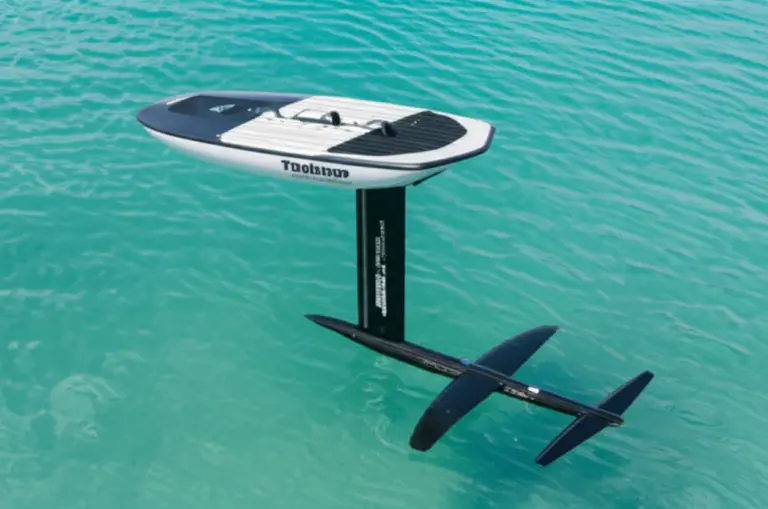
For a useful foundation on hydrofoil basics, remember that a complete foil typically combines a front wing, mast, fuselage, and stabilizer. Compatibility is the question of whether those pieces connect as intended—not just whether they can be persuaded touch.
🧭 Hydrofoil Compatibility Charts: What They Show and Why They Matter
A hydrofoil compatibility chart maps which boards, masts, fuselages, wings, stabilizers, and hardware are designed to work together. Think of it as a fitment guide for a modular system: useful, sometimes incomplete, and absolutely not a substitute for checking the actual parts.
We’ve seen riders assume a wing must fit because it shares a brand name with their fuselage. That is like assuming every door handle from one carmaker fits every car they have ever built. Manufacturers change interfaces, dimensions, and fasteners; the details matter.
Foil-system compatibility at a glance
A chart may cover only part of the assembly. One might show which wings fit a fuselage, while saying nothing about board mounting or screw length.
| Compatibility point | Typical information shown | What the chart may not tell you |
|---|---|---|
| Board to foil | Track system, plate, or box connection | Correct bolt length for your board and plate |
| Mast to fuselage | Supported mast and fuselage families | Condition, wear, or damage on used components |
| Front wing to fuselage | Wing range and compatible fuselage | Whether your exact generation uses the same fasteners |
| Stabilizer to fuselage | Tail-wing options and mounting interface | Recommended shims or setup-specific tuning |
| Hardware | Thread type or supplied screws | Whether a seller has included the original hardware |
A chart is strongest when it identifies exact model names or generations. A vague note like “compatible with our foil range” deserves a follow-up question: which range, and from what year?
For buyer-focused advice on foil equipment, make a parts list before you shop. Include the names stamped on the components, the board’s mount type, and clear photos of every connection.
How brands, generations, and product names affect fit
Hydrofoil brands may keep a familiar product name while revising its interface. Conversely, two products with different names may share a documented connection. Names are clues, not proof.
Before buying a replacement part, record:
- Brand and exact product family.
- Model year or generation, if known.
- Part name and size.
- Connection type and number of fasteners.
- Existing hardware dimensions and condition.
- Board mounting style.
If a manufacturer’s page lists compatible parts, treat that documentation as more authoritative than an unverified marketplace description or forum comment. When the official chart does not cover your exact combination, ask the brand or its authorized dealer to confirm it in writing.
📜 A Brief History of Hydrofoil Mounting Standards

Hydrofoils have evolved from specialized, relatively fixed setups into modular systems where riders can change wings, masts, and stabilizers to suit different conditions. That modularity is brilliant—until a newer component meets an older interface and the two disagree.
Board connections also vary. Many modern foil boards use dual US tracks and a plate-mounted foil; other systems use a proprietary plate or a recessed box. Meanwhile, connections within the foil itself have changed across brands and generations.
There is no single universal standard that makes every hydrofoil component interchangeable. The International Organization for Standardization describes standards as agreed specifications for consistent products and processes; that general concept is useful here, but it does not mean that all hydrofoil brands follow one shared foil-part interface.
Why the history matters to your parts search
- Older gear may have discontinued interfaces. A current product page may not describe an earlier generation.
- A model-year change can affect fit. Don’t infer compatibility from product-family names alone.
- Used parts can lose their labels. Measure and photograph interfaces before relying on seller descriptions.
- Board compatibility and foil compatibility are separate checks. A mast plate may fit the board while the mast cannot accept your fuselage.
For comparison across manufacturers, our hydrofoil brands guide is a sensible place to start—but final fitment should come from model-specific documentation.
🔩 Hydrofoil Bolt Patterns and Board Mount Compatibility
The board-to-mast connection is one of the easiest places to create confusion. The foil plate can appear to sit neatly on the board while the wrong bolts, track spacing, or plate geometry leave the system insecure.
Track systems: dual US tracks and other board mounts
With dual US tracks, the plate’s T-nuts slide along the tracks to adjust foil position. But “US track compatible” does not answer every fit question. Check that the board has the expected track arrangement, that the plate can sit flat, and that the supplied fasteners engage properly.
Other boards may use a different plate layout or a box-style mount. Do not assume a plate adapter is safe just because its holes line up. The board, adapter, and foil maker should support the specific combination.
| Board mount | Typical connection | Checks before assembly |
|---|---|---|
| Dual US tracks | Plate and sliding T-nuts | Track spacing, plate footprint, T-nut fit, bolt engagement |
| Proprietary plate | Brand- or system-specific plate | Exact supported board and mast interfaces |
| Tuttle-style box | Foil inserts into a board box | Box dimensions, depth, fit, and retention method |
| Other legacy or custom mount | Varies by design | Written confirmation from the board or foil manufacturer |
MAKAi? No—don’t let naming confusion muddy the water. For a practical overview of board and bolt-pattern questions, see MACkiteboarding’s guide to hydrofoil boards, bolt patterns, and compatibility. The page may require security verification, so if it does not load, use your board manufacturer’s documentation or ask a qualified shop to inspect the setup.
Bolt spacing, thread size, and hardware length
Check the thread type, diameter, length, head style, and usable thread engagement specified for your components. A bolt that is too short may not hold securely; one that is too long can bottom out or contact internal surfaces before clamping the plate.
Use the correct tools and hardware. If a fastener will not thread smoothly by hand for the initial turns, stop. Cross-threading a foil component is a grim way to turn a quick session into a machine-shop visit.
Never use a longer bolt as a guess. Confirm the manufacturer’s hardware guidance, especially if you are replacing missing fasteners or assembling used equipment.
Plate mounts, Tuttle boxes, and legacy connections
A plate mount and a Tuttle-style box are not interchangeable just because both attach a foil to a board. An adapter may exist for a specific pairing, but it introduces another interface that must be approved and correctly installed.
For older or custom boards, verify:
- The mount is structurally sound, with no cracks, crushing, or water damage.
- The foil seats fully and does not rock or shift.
- Fasteners match the manufacturer’s specifications.
- The adapter—if used—is designed for that exact board and foil arrangement.
If anything moves under hand pressure, don’t ride it. Ask a knowledgeable foil shop or the manufacturer to assess it.
🧩 Mast, Fuselage, and Wing Compatibility
A hydrofoil is a linked assembly, not a pile of brand-name parts. Each joint has to align, seat, and fasten as designed. A front wing may fit one fuselage but not another; a mast may connect to a fuselage only within a particular product family.
Mast-to-fuselage connections
Manufacturers use different mast-to-fuselage interfaces, including variations in shape, fastener arrangement, and generation. Even parts from the same brand may not share an interface.
Before pairing a mast and fuselage, verify:
- Exact product family and generation.
- Interface shape and seating surface.
- Fastener number, pattern, and specified hardware.
- Manufacturer confirmation for the combination.
A connection that can be bolted together is not automatically a supported connection. Fit is not the same as tested compatibility.
Front-wing and fuselage fit
The front wing must match the fuselage’s designed interface. Check the mounting pattern, mating surfaces, fasteners, and any locating features. Don’t file, drill, or force the parts to “make them work”; that can weaken components and compromise alignment.
A front wing’s size and shape affect how the foil rides, but they do not tell you whether it fits. The first video in this article, available at #featured-video, discusses how wing area, aspect ratio, and riding discipline shape foil choice. Its performance advice is useful context; for physical compatibility, the manufacturer’s fitment information takes priority.
Stabilizer compatibility and tuning options
The stabilizer—or tail wing—also needs a compatible interface and correct hardware. Some setups use shims or other tuning pieces, but these are not universal spacers. Use only parts intended for your system and follow the manufacturer’s assembly direction.
| Component | Compatibility question | Safe next step |
|---|---|---|
| Mast | Does this exact mast connect to this fuselage generation? | Check official model-specific documentation |
| Front wing | Does its interface match the fuselage? | Compare part numbers and mounting details |
| Stabilizer | Is it listed for this fuselage and fastener setup? | Use the specified screws and orientation |
| Shim | Is it approved for this foil system? | Follow the maker’s setup guidance |
Riders often change tails or wings to tune feel. That can be a great way to adapt a setup, but the part must be both mechanically compatible and intended for the system.
📊 Hydrofoil Compatibility Chart: What to Compare
Use this checklist as a working chart—not as a universal brand-pairing table. There is no reliable one-chart-fits-all answer when models and generations differ.
| Connection | Record these details | Confirm with |
|---|---|---|
| Board → mast | Board mount type, plate layout, hardware specs | Board and foil maker |
| Mast → fuselage | Brand, family, generation, joint, fasteners | Foil manufacturer |
| Fuselage → front wing | Wing model, interface, mounting pattern | Foil manufacturer |
| Fuselage → stabilizer | Tail model, interface, screw details | Foil manufacturer |
| Hardware → component | Thread, length, head, condition | Component manual or brand support |
| Complete assembly | Approved combination and setup instructions | Manufacturer or authorized dealer |
Board-to-mast compatibility
Board-to-mast compatibility starts at the board’s mount, not the foil’s brand. A board can accept a foil plate even if the foil’s mast and fuselage are incompatible with the wings you own.
Confirm:
- Plate or box type.
- Track configuration, if applicable.
- Plate dimensions and whether it sits flush.
- Correct fasteners and engagement.
- Board condition around the mount.
For help choosing a board around your intended setup, see Hydrofoil Board Selection.
Mast-to-fuselage compatibility
The mast-fuselage joint is a structural connection. Match the exact interface and generation; don’t rely on approximate measurements or photographs alone.
If you are considering parts from different brands, ask both manufacturers whether they approve the combination. If neither confirms it, the safest recommendation is to keep the components within a documented system.
Wing-to-fuselage and stabilizer compatibility
Compare the exact wing and fuselage models, not just dimensions. Two wings with similar bolt spacing may differ in their seating geometry or intended fasteners.
Check:
- Part names and generation.
- Mounting pattern and locating features.
- Mating surfaces and alignment.
- Correct screw specification.
- Official compatibility listing.
Hardware and accessory compatibility
Hardware is part of the system. A correctly matched wing with incorrect screws is still an unsafe assembly.
- Use the specified fastener material and dimensions.
- Replace damaged, coroded, or mismatched screws.
- Don’t mix fasteners simply because their heads look similar.
- Check any shims, adapters, or spacers against official guidance.
🔍 How to Verify Compatibility with Manufacturer Charts
A web search can turn up useful information, but search snippets and seller listings are not the final word. We recommend finding the manufacturer’s product page, manual, archived documentation, or direct support answer.
Find the exact model, year, and product generation
Start with the markings on every part. Photograph labels and connection points, and note any serial or part number. If the gear is used, ask the seller for clear close-ups rather than relying on a broad “fits most” claim.
Step by step:
- Write down every component’s brand and model.
- Identify the likely year or generation from labels, receipts, manuals, or product archives.
- Photograph the joints from multiple angles.
- Find the manufacturer’s compatibility chart or technical documentation.
- Match every connection—not just the wing or mast you plan to replace.
- Ask the brand or an authorized dealer to confirm any gap in the documentation.
Check official documentation and product details
Use the brand’s own support resources where possible. Brand product pages, manuals, and customer-service replies are usually more reliable for fitment than comments on a forum or marketplace.
The available summaries of some competitor pages in the research material did not expose their actual compatibility details: the MACkiteboarding brand compatibility page showed a security-verification screen, and the supplied text for the FoilMount connection guide contained only footer and payment information. That means we cannot responsibly quote a chart or claim those pages verify a particular brand pairing. When access is blocked, go to the manufacturer directly.
When charts disagree or information is missing
If a retailer chart and a manufacturer page conflict, favor the manufacturer’s current, model-specific information and request confirmation. Retailers can be extremely helpful, but product listings may summarize, omit generation details, or remain online after a product has changed.
If you cannot get a definitive answer:
- Don’t assume compatibility based on brand or appearance.
- Don’t modify the part to fit.
- Don’t ride the assembly.
- Ask the manufacturer, an authorized dealer, or a qualified foil technician to inspect it.
That careful pause is less exciting than a first run—but much better than discovering a questionable joint when the board is already flying.
🏄 Brand-Specific Hydrofoil Compatibility Considerations
Brands organize product families differently, and interface details can change by generation. The examples below are places to verify information, not a claim that any one brand’s parts interchange with another.
Axis, Armstrong, F-ONE, and Lift Foils
Look for the exact foil family and generation in the official documentation for AXIS Foils, Armstrong Foils, F-ONE, and Lift Foils.
For each brand, check whether the manufacturer lists:
- The mast and fuselage combination.
- Front-wing and stabilizer fit.
- Required screws and any tuning pieces.
- Board-mount options or supported adapters.
Avoid assuming that similar-looking plate connections mean parts are interchangeable across brands. The same caution applies to parts within one brand if they come from separate product families or generations.
Naish, Slingshot, and North Foils
Use official documentation for Naish, Slingshot Sports, and North to confirm the exact part family and hardware.
For a used foil, request photos of:
- The mast-fuselage joint.
- The front-wing and stabilizer interfaces.
- Fastener heads, threads, and seating surfaces.
- Product labels or model markings.
A retailer may help identify older equipment, but ask for confirmation against the manufacturer’s actual fitment information.
Duotone, Cabrinha, and other foil systems
For Duotone and Cabrinha, as with any manufacturer, use model-specific documentation rather than assumptions based on brand, discipline, or a shared-looking bolt pattern.
When comparing other brands, the Hydrofoil Brands Comparison category can help you research product families. It is a starting point for shopping—not a substitute for official compatibility confirmation.
Why similar-looking parts may not interchange
A connection can differ in ways that are hard to spot in a listing photo:
- Recess depth or mating-surface shape.
- Bolt spacing or hole diameter.
- Thread type and fastener length.
- Locating pins, shoulders, or alignment features.
- Material thickness or reinforced areas.
- Product generation and intended load path.
If a seller says “it should fit,” ask what that claim is based on. A manufacturer compatibility listing or written technical confirmation beats a confident shrug every time.
🛠️ Compatibility Checks Before You Buy or Assemble
A few minutes of checking can prevent a bad purchase and keep a questionable assembly off the water. We do this even with familiar gear—because a replacement screw or used fuselage can introduce a mismatch where none existed before.
Measure your setup accurately
Measurements help identify parts, but they do not independently prove compatibility. Use the manufacturer’s specified measurement points and a suitable measuring tool; do not measure a curved or recessed surface by guessing from a photograph.
Record:
- Track spacing or mount dimensions.
- Plate and board connection type.
- Bolt diameter, thread, and length, where documented.
- Fastener spacing and interface shape.
- Part labels, model names, and generation.
- Whether each component seats flush without force.
Take photos with a ruler or caliper visible when contacting customer support, but let the manufacturer confirm what the dimensions mean.
Inspect used and older foil components
Used gear can be a bargain, but inspect it as if it has a history—because it does.
Look for:
- Cracks, delamination, impact marks, and corrosion.
- Damaged or stretched threads.
- Distorted holes or uneven seating.
- Missing or substituted hardware.
- Signs of unauthorized drilling, filing, or repair.
- Labels that do not match the seller’s compatibility claim.
If a part has been modified or repaired, ask who performed the work and whether the manufacturer approves it. For advice on assessing gear, browse our hydrofoil equipment reviews.
Avoid unsafe modifications and forced fits
❌ Don’t enlarge holes, trim a wing, or force mismatched bolts.
❌ Don’t use improvised spacers or hardware to hide a gap.
❌ Don’t ride with a joint that shifts, rocks, or refuses to seat.
✅ Do stop and contact the manufacturer or a qualified technician.
A compatible connection should assemble as specified, without persuasion. If you need a malet and optimism, something is wrong.
🌊 Compatibility by Foiling Discipline
Wing foiling, surf foiling, downwind foiling, kite foiling, and wake foiling share basic foil components, but the preferred setup varies with speed, conditions, and rider goals. Discipline influences what you may want to ride; it does not make incompatible parts fit.
The first YouTube video in this article makes a useful distinction: larger, lower-aspect wings can offer earlier lift and a more forgiving feel, while smaller, higher-aspect wings often prioritize efficiency and speed. That’s a performance conversation. For a deeper look at technique, see Advanced Hydrofoiling Techniques.
| Discipline | Common setup priorities | Compatibility reminder |
|---|---|---|
| Wing foiling | Takeoff, control, speed range, conditions | Confirm each wing and tail fit the fuselage |
| Surf/prone foiling | Wave response, pump, glide, maneuverability | Check exact wing, fuselage, and mast family |
| Downwind foiling | Efficient glide and suitable board placement | Don’t mix parts solely to copy another rider’s setup |
| Kite foiling | Control at speed and discipline-specific handling | Verify the complete assembly and hardware |
| Wake foiling | Stable progression and appropriate equipment | Board mounting and system fit still require confirmation |
Wing foiling
Wing foilers often value a setup that lifts reliably in their local wind and remains manageable through gusts. A larger front wing may help at lower speeds but can add drag; a smaller wing may feel more efficient but demand more speed and control.
Choose from the options documented for your mast and fuselage, then tune within the manufacturer-approved system. For broader equipment decisions, see Hydrofoil Board Selection.
Surf foiling and prone foiling
Surf and prone riders may prioritize turning, glide, pumping, and how the foil responds to the wave. A wing’s shape and size influence those qualities, but compatibility still depends on the physical interface and approved combination.
If you’re replacing a damaged wing, identify the original model first. A similarly sized wing from another family may not fit your fuselage—and a mechanically compatible wing may still ride very differently.
Downwind foiling
Downwind riders often discuss glide and efficiency, but not every long, high-aspect wing is suitable for every rider or condition. Ask experienced local riders about performance, then check manufacturer documentation for compatibility.
If you’re adapting an existing setup, confirm the board mount, mast-fuselage joint, wing, and stabilizer as one system. More glide is no bargain if the connection is undocumented.
Kite foiling and wake foiling
Kite and wake setups may have different performance priorities from wing or surf foiling. That does not establish universal compatibility between their components. Start with the foil maker’s approved configuration and the board manufacturer’s mounting guidance.
The video’s discipline-specific advice is best treated as general equipment-selection context, not a substitute for a compatibility chart or technical manual.
❌ Common Hydrofoil Compatibility Mistakes
- Assuming one brand means one interface. Brands can have several product families and generations.
- Checking only the board mount. The mast may fit the board while its fuselage or wings do not match.
- Trusting bolt spacing alone. Recesses, shoulders, threads, and mating surfaces also count.
- Using the wrong screw length. A bolt can bottom out before it clamps the part securely.
- Treating an adapter as a universal fix. Use only an adapter approved for the exact pairing.
- Buying from a vague listing. Ask for model names, generation, photos, and fitment evidence.
- Assuming a performance recommendation proves physical fit. Wing size and aspect ratio describe ride characteristics, not connection compatibility.
When we help a rider sort a mixed used setup, the most useful first question is not “What brand is it?” It’s “What are the exact parts, and where does each one connect?”
✅ Troubleshooting a Foil That Does Not Fit
If a part will not seat or a fastener will not thread, stop before applying more force. Work through this checklist:
- Separate the parts and inspect them. Look for dirt, damaged threads, burrs, bent hardware, or impact damage.
- Confirm the labels. Verify model, family, and generation on both components.
- Check orientation. Some parts have a specific front/back or top/bottom direction.
- Compare the interface. Look for different recesses, locating features, hole patterns, or mating surfaces.
- Verify the hardware. Confirm thread, length, and fastener type from official documentation.
- Consult the manufacturer or authorized dealer. Send clear photos and the full parts list.
- Do not ride until confirmed. If the joint is loose, forced, or modified, treat it as incompatible unless a qualified source confirms otherwise.
A clean, correctly matched part should not require guesswork. If the fit still seems mysterious, the answer is not to tighten harder; it’s to identify the system before it gets wet.