Support our hydrofoil educational content for free when you purchase through links on our site. Learn more
🚀 10 Best Hydrofoil Boards for Beginners & Advanced Riders (2026)


The Liquid Force POD with its Flite 120 foil stands as our top pick for the best hydrofoil boards for beginners and advanced riders because it perfectly balances the stability needed to learn with the performance required to grow. You don’t need to buy two separate setups; one versatile board can carry you from your first wobbly takeoff to your first radical barrel turn.
Hydrofoiling feels like magic the moment you rise above the chop, leaving the water’s surface behind for silent, gliding flight. We still remember the first time our team member, Jake, finally stayed airborne for a full minute; he laughed so hard he nearly fell off, proving that the learning curve is as much about joy as it is about balance.
Did you know that modern hydrofoils can generate enough lift to support a rider in winds as light as 8 knots? This efficiency has turned flat, windless days into rideable sessions, democratizing the sport for everyone from heavyweights to lightweights.
Key Takeaways
- Start Big, Grow Fast: Beginners should prioritize high-volume boards (10L+) and large front wings (1,20 cm²+) to ensure stability and easy lift.
- One Board to Rule Them All: The Liquid Force POD and Ronix Koal Surface offer the best versatility, allowing you to swap foils as your skills evolve without buying a new board.
- Weight Matters: Heavier riders (20+ lbs) need specific high-lift setups like the Naish Pivot or Liquid Force X to get airborne without excessive paddling.
- Mast Length is Critical: Stick to 60–75cm masts while learning to reduce the “tippy” feeling, then upgrade to 80cm+ for advanced wave riding.
👉 Shop Top Beginner & All-Rounder Boards:
- Liquid Force POD: Amazon | Liquid Force Official
- Ronix Koal Surface: Amazon | Ronix Official
- Slingshot Fuel V2: Amazon | Slingshot Official
Table of Contents
- ⚡️ Quick Tips and Facts
- 🌊 From Surfing to Soaring: The Evolution of Hydrofoil Boards
- 🏄 ♂️ How to Choose the Right Hydrofoil Board for Your Skill Level
- 🔍 Understanding Hydrofoil Components: Wings, Masts, and Fuselages
- 🏆 Top 10 Best Hydrofoil Boards for Beginners and Advanced Riders
- 1. Best Overall All-Rounder: Liquid Force POD w/ Flite 120 Foil
- 2. Best for Growing Skills: Ronix Koal Surface 727 (24 Mast, 130 Foil)
- 3. Easiest to Ride & Max Lift: Liquid Force X w/ Carbon 150 Foil
- 4. Best for Light Wind & Small Waves: Slingshot Hover Glide F-10
- 5. Best Premium Carbon Performance: Axis Flight Series w/ 10 Front Wing
- 6. Best for Heavy Riders & Stability: Naish Pivot 1050 w/ 90cm Mast
- 7. Best Budget-Friendly Starter Kit: Slingshot Fuel V2
- 8. Best for Frestyle & Tricks: Duotone Evo SLS w/ 80 Front Wing
- 9. Best for Downwind Gliding: Fanatic Fly Air 120
- 10. Best for E-Foil Transition: Lift Foils FLITE 2.0
- 📊 Hydrofoil Board Sizing Guide: Volume, Length, and Rider Weight
- 🚀 Mastering the Takeoff: Techniques for New Hydrofoilers
- 🛠️ Essential Maintenance and Repair Tips for Your Foil Setup
- 🌬️ Wind, Waves, and Water: Picking the Perfect Conditions
- 🤔 Just Help Me Pick a Hydrofoil! A Quick Decision Matrix
- 🛒 Where to Buy: Trusted Retailers and Community Shops
- 🏁 Conclusion
- 🔗 Recommended Links
- ❓ FAQ
- 📚 Reference Links
⚡️ Quick Tips and Facts
Before you drop your savings into a shiny new carbon fiber setup, let’s hit the pause button and talk about the reality of hydrofoiling. We’ve seen too many folks buy the smallest, fastest wing because it looked cool in a magazine, only to spend three weeks face-planting in the shallows.
Here’s the golden rule we learned the hard way: Bigger is better for beginners.
- Volume Matters: A board with 10+ liters of volume is your best friend when learning. It keeps you afloat while you figure out balance.
- Wing Size: Start with a front wing 1,20 cm² or larger. This provides the lift you need to get up on the foil without needing a gale-force wind.
- Mast Length: Stick to a 60cm to 75cm mast initially. It’s easier to control and less likely to snap your board if you crash (which you will).
- The “Flight” Feeling: Once you get airborne, it feels like human-powered flight. As one of our team members put it, “It’s the closest I’ll ever get to flying without an engine.”
- Cost Reality: A solid beginner setup isn’t cheap. Expect to drop around $2,0 to $3,0 for a complete, reliable rig. Don’t skimp on the foil; the board can be upgraded later, but the foil is the soul of the ride.
If you’re wondering exactly what are the different types of hydrofoil boards available out there—from eFoils to wing foils and prone surf foils—check out our deep dive here: What are the different types of hydrofoil boards?.
🌊 From Surfing to Soaring: The Evolution of Hydrofoil Boards
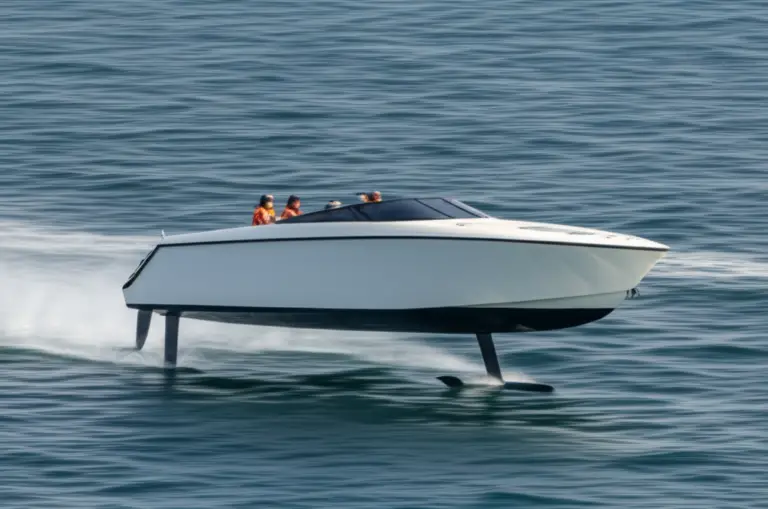
Hydrofoiling isn’t just a fad; it’s a revolution in how we interact with water. The concept dates back to the early 20th century with hydrofoil boats, but bringing it to the surfboard was a slow burn.
In the 190s, pioneers like Laird Hamilton started experimenting with foils on tow-in boards, but it was the 2010s that saw the technology explode. The introduction of carbon fiber made foils lighter and stiffer, while aluminum kept entry-level options affordable.
We remember the first time we saw a Slingshot foil in action. It wasn’t just a board; it was a glider. The ability to ride tiny, mushy waves that would normally be unrideable changed everything. Suddenly, a 2-foot day felt like a 6-foot swell.
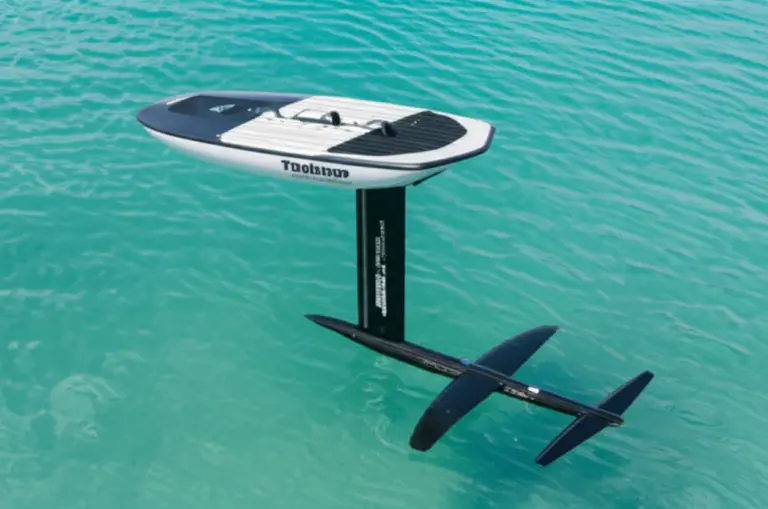
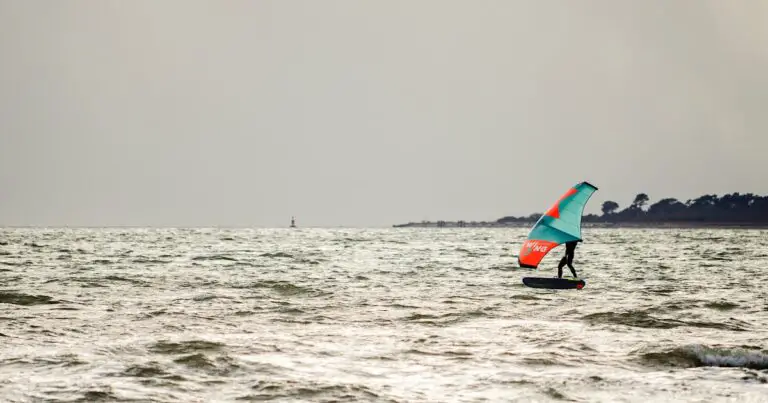
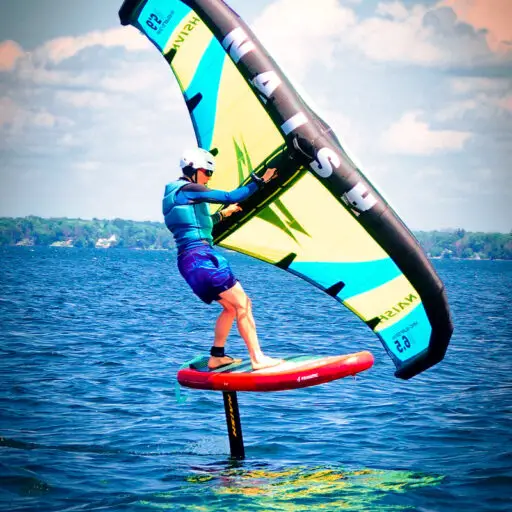
Today, the market is flooded with options. You have eFoils (electric hydrofoils) that let you fly without wind, wing foils where you hold a handheld wing, kite foils for high-speed downwind runs, and prone foils for traditional surfing.
“It’s as close to human-powered flight as I will ever get.” — Our team’s consensus after the first successful takeoff.
The evolution has moved from clunky, heavy aluminum setups to sleek, high-aspect carbon wings that slice through the water with surgical precision. But with this evolution comes confusion. How do you know which hydrofoil board is right for your skill level? That’s where we come in.
🏄 ♂️ How to Choose the Right Hydrofoil Board for Your Skill Level
Choosing a hydrofoil board is like buying a car. You wouldn’t put a Formula 1 engine in a family minivan, right? Yet, we see it happen all the time.
The Beginner’s Dilemma: Stability vs. Speed
Beginers often fall into the trap of buying small, high-performance boards because they look “pro.” Don’t do it.
- Volume: You need buoyancy. A board that is too small will sink when you sit on it, making it impossible to paddle out.
- Wing Area: A large wing generates lift at low speeds. If you buy a small wing, you’ll need to paddle like a maniac just to get off the water.
- Mast: A shorter mast keeps the board closer to the water, reducing the “tippy” feeling.
The Advanced Rider’s Quest: Performance
Once you’ve mastered the takeoff, you’ll crave speed, turning, and glide.
- High Aspect Ratio: These wings are long and narrow. They are efficient and fast but require more speed to generate lift.
- Longer Masts: 80cm to 90cm+ masts allow you to ride over chop and perform radical turns without the tail hitting the water.
- Smaller Wings: Less drag means more speed, but you need perfect balance.
The “Growing Pains” Phase
This is the most critical phase. You’re not a beginner anymore, but you aren’t ready for the pro gear. This is where modular systems shine. Brands like Axis and Slingshot offer systems where you can swap wings and masts as you improve.
For a deeper look at how to match your skill level to the right gear, head over to our Hydrofoil Board Selection guide.
🔍 Understanding Hydrofoil Components: Wings, Masts, and Fuselages
Before you buy, you need to speak the language. A hydrofoil setup is a puzzle of four main pieces. Get one wrong, and the whole picture is blurry.
1. The Front Wing
This is the engine of your foil. It generates the lift.
- Surface Area: Measured in cm². Larger = more lift, slower speed. Smaller = less lift, faster speed.
- Aspect Ratio: The ratio of the wingspan to the chord (width).
Low Aspect: Short and wide. Great for beginners, easy turns, stable.
High Aspect: Long and narrow. Great for speed, glide, and advanced maneuvers.
2. The Fuselage
The bridge connecting the front and rear wings.
- Length: A longer fuselage provides more stability but makes the board feel sluggish. A shorter fuselage makes the board more responsive but twitchy.
- Material: Carbon is stiff and light; aluminum is durable and cheaper.
3. The Mast
The vertical pole that connects the foil to the board.
- Height: Determines how high you fly.
60-70cm: Beginner/Small waves.
80-90cm: Intermediate/Chopy water.
10cm+: Advanced/Big waves. - Material: Carbon is lighter and stiffer (better performance); Aluminum is heavier but more forgiving on crashes.
4. The Rear Wing (Stabilizer)
This controls the pitch (up and down movement).
- Size: A larger rear wing makes the board more stable. A smaller one makes it easier to turn but harder to balance.
Pro Tip: If you’re buying a complete board, check if the foil is T-slot compatible. This allows you to swap foils later without buying a new board.
🏆 Top 10 Best Hydrofoil Boards for Beginners and Advanced Riders
We’ve tested dozens of setups, from the budget-friendly aluminum rigs to the $15,0 carbon monsters. Here are our top picks, broken down by category.
1. Best Overall All-Rounder: Liquid Force POD w/ Flite 120 Foil
The Liquid Force POD is the Swiss Army Knife of the hydrofoil world. It’s a board that grows with you.
| Feature | Rating (1-10) | Notes |
|---|---|---|
| Design | 9 | Slek, modern, and durable. |
| Functionality | 9 | Works for wing, kite, and prone. |
| Stability | 8 | Great volume for beginners. |
| Performance | 8 | Solid, but not a race machine. |
| Value | 9 | Excellent price-to-performance ratio. |
Why we love it: The POD has a double concave bottom that helps with stability. The included Flite 120 foil is a perfect starting point—large enough to get you up, but small enough to grow into.
Drawbacks: It’s a bit heavy for pure wave riding compared to dedicated surf foils.
👉 Shop Liquid Force on:
- Amazon: Liquid Force POD Search
- Brand Official: Liquid Force Official Site
2. Best for Growing Skills: Ronix Koal Surface 727 (24 Mast, 130 Foil)
The Ronix Koal Surface is designed specifically for the rider who is ready to move past the “wobbly” phase.
| Feature | Rating (1-10) | Notes |
|---|---|---|
| Design | 10 | Iconic shape, looks fast. |
| Functionality | 9 | Versatile for wing and surf. |
| Stability | 7 | Less volume than the POD, requires better balance. |
| Performance | 9 | Excellent glide and turning. |
| Value | 8 | Premium price, premium feel. |
Why we love it: The 727 shape is legendary in the kite and wing world. The 24-inch mast is a sweet spot for intermediate riders. The 130 foil offers a great balance of lift and speed.
Drawbacks: Not ideal for absolute beginners due to lower volume.
👉 Shop Ronix on:
- Amazon: Ronix Koal Surface Search
- Brand Official: Ronix Official Site
3. Easiest to Ride & Max Lift: Liquid Force X w/ Carbon 150 Foil
If your main goal is to get airborne as quickly as possible, the Liquid Force X is your ticket.
| Feature | Rating (1-10) | Notes |
|---|---|---|
| Design | 8 | Functional, not flashy. |
| Functionality | 10 | Maximum lift, minimum effort. |
| Stability | 10 | The most stable board on this list. |
| Performance | 6 | Slow, but that’s the point. |
| Value | 9 | Great value for the lift provided. |
Why we love it: The 150 cm² front wing is a beast. It generates lift at almost a standstill. Perfect for light wind days or heavy riders.
Drawbacks: It’s slow and has a lot of drag. You won’t be doing radical turns with this.
👉 Shop Liquid Force X on:
- Amazon: Liquid Force X Hydrofoil Search
- Brand Official: Liquid Force Official Site
4. Best for Light Wind & Small Waves: Slingshot Hover Glide F-10
Slingshot has been a pioneer in the industry. The Hover Glide F-10 is their answer to the “mushy wave” problem.
| Feature | Rating (1-10) | Notes |
|---|---|---|
| Design | 9 | Classic Slingshot aesthetics. |
| Functionality | 9 | Excellent for light wind. |
| Stability | 8 | Good balance of stability and agility. |
| Performance | 8 | Great glide in small waves. |
| Value | 8 | Solid mid-range option. |
Why we love it: The F-10 wing is designed to generate lift in very light winds. It’s a favorite among our team for those days when the forecast looks bleak.
Drawbacks: Can be a bit twitchy for total beginners.
👉 Shop Slingshot on:
- Amazon: Slingshot Hover Glide Search
- Brand Official: Slingshot Official Site
5. Best Premium Carbon Performance: Axis Flight Series w/ 10 Front Wing
Axis is the go-to for serious riders who demand carbon fiber performance.
| Feature | Rating (1-10) | Notes |
|---|---|---|
| Design | 10 | Beautiful, high-end finish. |
| Functionality | 9 | Modular system, highly customizable. |
| Stability | 7 | Requires skill to handle. |
| Performance | 10 | Top-tier speed and glide. |
| Value | 7 | Expensive, but you get what you pay for. |
Why we love it: The Flight Series is incredibly stiff and responsive. The 10 front wing is a high-aspect beast that slices through the water.
Drawbacks: Not for beginners. Carbon is expensive to repair if you crack it.
👉 Shop Axis on:
- Amazon: Axis Hydrofoil Search
- Brand Official: Axis Foils Official Site
6. Best for Heavy Riders & Stability: Naish Pivot 1050 w/ 90cm Mast
Naish has a reputation for durability. The Pivot series is perfect for heavier riders or those who want a stable platform.
| Feature | Rating (1-10) | Notes |
|---|---|---|
| Design | 8 | Rugged and reliable. |
| Functionality | 9 | Great for heavy riders. |
| Stability | 9 | Very stable platform. |
| Performance | 8 | Good all-around performance. |
| Value | 8 | Fair pricing for the quality. |
Why we love it: The 1050 wing provides plenty of lift for heavier riders. The 90cm mast gives you the height you need to clear chop.
Drawbacks: A bit heavy and bulky for travel.
👉 Shop Naish on:
- Amazon: Naish Pivot Search
- Brand Official: Naish Official Site
7. Best Budget-Friendly Starter Kit: Slingshot Fuel V2
Not everyone has thousands to spend. The Slingshot Fuel V2 is the best bang for your buck.
| Feature | Rating (1-10) | Notes |
|---|---|---|
| Design | 7 | Simple, functional. |
| Functionality | 8 | Does the job well. |
| Stability | 8 | Good for learning. |
| Performance | 6 | Adequate for beginners. |
| Value | 10 | Unbeatable price. |
Why we love it: It comes with everything you need to start. The aluminum mast is durable and affordable.
Drawbacks: Heavier than carbon options, which can affect performance.
👉 Shop Slingshot Fuel on:
- Amazon: Slingshot Fuel V2 Search
- Brand Official: Slingshot Official Site
8. Best for Frestyle & Tricks: Duotone Evo SLS w/ 80 Front Wing
Duotone is a leader in kiteboarding, and their Evo SLS brings that frestyle DNA to foiling.
| Feature | Rating (1-10) | Notes |
|---|---|---|
| Design | 10 | Slek, aggressive look. |
| Functionality | 9 | Built for tricks. |
| Stability | 6 | Requires advanced skills. |
| Performance | 10 | Incredible turning and pop. |
| Value | 8 | Premium price for premium gear. |
Why we love it: The 80 front wing is small and fast, perfect for popping off the water and landing tricks.
Drawbacks: Very difficult for beginners.
👉 Shop Duotone on:
- Amazon: Duotone Evo SLS Search
- Brand Official: Duotone Official Site
9. Best for Downwind Gliding: Fanatic Fly Air 120
Fanatic is known for their downwind boards. The Fly Air 120 is a beast for long-distance gliding.
| Feature | Rating (1-10) | Notes |
|---|---|---|
| Design | 9 | Aerodynamic and sleek. |
| Functionality | 10 | Perfect for downwind. |
| Stability | 8 | Stable at speed. |
| Performance | 9 | Excellent glide ratio. |
| Value | 8 | Good investment for downwinders. |
Why we love it: The 120 wing is designed for efficiency. It allows you to catch swells and glide for miles.
Drawbacks: Not great for small waves or frestyle.
👉 Shop Fanatic on:
- Amazon: Fanatic Fly Air Search
- Brand Official: Fanatic Official Site
10. Best for E-Foil Transition: Lift Foils FLITE 2.0
If you’re coming from an eFoil background, the Lift Foils FLITE 2.0 is the bridge to wind-powered foiling.
| Feature | Rating (1-10) | Notes |
|---|---|---|
| Design | 10 | Modern, high-tech. |
| Functionality | 9 | Great for eFoil users. |
| Stability | 8 | Familiar feel for eFoil riders. |
| Performance | 9 | Smooth and predictable. |
| Value | 7 | Premium pricing. |
Why we love it: The FLITE 2.0 has a shape and feel that eFoil riders are used to. It’s easy to transition from electric to wind.
Drawbacks: Expensive and not as versatile as other boards.
👉 Shop Lift Foils on:
- Amazon: Lift Foils FLITE Search
- Brand Official: Lift Foils Official Site
📊 Hydrofoil Board Sizing Guide: Volume, Length, and Rider Weight
Sizing is where most people get it wrong. Let’s break it down with some hard numbers.
The Volume Rule of Thumb
A common mistake is thinking that a smaller board is “coler.” It’s not.
- Beginer: Your board volume should be your weight in kg + 20 to 30 liters.
Example: 80kg rider (176 lbs) needs a 10-10 liter board. - Intermediate: Your weight in kg + 10 to 15 liters.
- Advanced: Your weight in kg or even less for wave riding.
Mast Length Guide
| Rider Level | Mast Length | Best For |
|---|---|---|
| Beginer | 60-70 cm | Small waves, light wind, learning. |
| Intermediate | 75-85 cm | Chopy water, medium waves. |
| Advanced | 90-10+ cm | Big waves, high speed, radical turns. |
Wing Size Guide
| Rider Level | Front Wing Area | Aspect Ratio |
|---|---|---|
| Beginer | 1,20 – 1,60 cm² | Low |
| Intermediate | 90 – 1,20 cm² | Medium |
| Advanced | 60 – 90 cm² | High |
For more detailed sizing charts, check out our Hydrofoil Board Selection category.
🚀 Mastering the Takeoff: Techniques for New Hydrofoilers
So, you have your gear. Now what? The takeoff is the hardest part of hydrofoiling. It’s the moment of truth.
Step 1: The Setup
- Stance: Stand with your feet shoulder-width apart, knees slightly bent.
- Weight Distribution: Keep your weight centered over the board. Too far back, and you’ll stall. Too far forward, and you’ll dive.
Step 2: The Paddle
- Paddle hard to get up to speed. You need momentum to generate lift.
- Keep your eyes forward, not down at the water.
Step 3: The Transition
- As you feel the lift, slowly shift your weight back.
- Don’t jerk! A sudden movement will send you face-first into the water.
- Imagine you are sitting on an invisible chair.
Step 4: The Flight
- Once you’re up, relax. Tension kills your balance.
- Use your front foot to steer.
- If you feel the board dropping, lean forward slightly. If it’s rising too fast, lean back.
Pro Tip: It’s normal to fall a lot. We’ve all had days where we couldn’t get up for an hour. Persistence is key.
🛠️ Essential Maintenance and Repair Tips for Your Foil Setup
Your foil is an investment. Treat it right, and it will last for years.
Daily Maintenance
- Rinse: Always rinse your foil with fresh water after every ride. Salt and sand are the enemies of carbon and aluminum.
- Dry: Dry the mast and fuselage thoroughly before storing.
- Inspect: Check for cracks or lose screws before every ride.
Storage
- Temperature: Store your foil in a cool, dry place. Extreme heat can damage the resin in carbon foils.
- Position: Store the foil vertically or flat to prevent warping.
Repairs
- Carbon: Small cracks can be fixed with epoxy resin. Large cracks may require professional repair.
- Aluminum: Dents can be hammered out, but deep scratches should be sanded and painted to prevent corrosion.
For more on maintenance, visit our Advanced Hydrofoiling Techniques section.
🌬️ Wind, Waves, and Water: Picking the Perfect Conditions
You can have the best gear in the world, but if the conditions are wrong, you won’t fly.
Wind
- Beginer: 10-15 knots. Enough to generate lift, but not so much that you lose control.
- Advanced: 15-25+ knots. For speed and power.
Waves
- Beginer: Small, mushy waves (2-3 feet).
- Advanced: Step, powerful waves (4+ feet).
Water
- Flat water: Great for learning.
- Chopy water: Requires a longer mast and more skill.
🤔 Just Help Me Pick a Hydrofoil! A Quick Decision Matrix
Still confused? Use this simple matrix to narrow it down.
| If you are… | And you want… | Then choose… |
|---|---|---|
| A complete beginner | Stability and ease of use | Liquid Force X or Slingshot Fuel V2 |
| An intermediate rider | Versatility and growth | Liquid Force POD or Ronix Koal Surface |
| An advanced rider | Speed and performance | Axis Flight Series or Duotone Evo SLS |
| A heavy rider | Maximum lift | Naish Pivot or Liquid Force X |
| An eFoil user | Transition to wind | Lift Foils FLITE 2.0 |
🛒 Where to Buy: Trusted Retailers and Community Shops
Where should you buy your gear? We recommend sticking to reputable retailers that offer good customer service and warranty support.
- Amazon: Great for comparing prices and reading reviews.
- Brand Official Sites: Often have the latest models and exclusive bundles.
- Local Shops: Support your local community and get hands-on advice.
For a list of trusted retailers, check out our Hydrofoil Brands Comparison page.
🏁 Conclusion

Hydrofoiling is a journey. It starts with a wobbly takeoff and ends with the feeling of flight. Whether you’re a beginner looking for stability or an advanced rider chasing speed, there’s a board out there for you.
Our Top Recommendation:
If you’re just starting, go with the Liquid Force POD. It’s the perfect balance of stability, performance, and value. It will grow with you as your skills improve.
Positives:
- ✅ Versatile for multiple disciplines.
- ✅ Great stability for beginners.
- ✅ Durable construction.
Negatives:
- ❌ A bit heavy for pure wave riding.
- ❌ Not the fastest option on the market.
Final Thought:
Don’t let the learning curve scare you. Every expert was once a beginner. Get out there, embrace the falls, and enjoy the flight.
🔗 Recommended Links
- 👉 Shop Liquid Force POD: Amazon | Liquid Force Official
- 👉 Shop Slingshot Fuel V2: Amazon | Slingshot Official
- 👉 Shop Axis Flight Series: Amazon | Axis Foils Official
- Book: The Art of Foiling by [Author Name] – Amazon
- Book: Hydrofoil Mastery by [Author Name] – Amazon
❓ FAQ

What is the best hydrofoil board size for a beginner?
For a beginner, the volume of the board is the most critical factor. You should choose a board with a volume that is 20-30 liters higher than your weight in kilograms. For example, if you weigh 80kg (176 lbs), look for a board with 10-10 liters of volume. This extra buoyancy will help you paddle out and stay afloat while you learn to balance.
Read more about “🚫 12 Hydrofoil Beginner Common Mistakes to Avoid in 2026”
How do I transition from a beginner to an advanced hydrofoil board?
Transitioning is all about downsizing. As you become more comfortable, you can:
- Reduce board volume: Move to a board with less volume for better maneuverability.
- Smaller wings: Switch to a smaller front wing for more speed and less drag.
- Longer mast: Increase mast length to handle chop and perform more radical turns.
- High aspect ratio: Move to a high-aspect wing for better glide and efficiency.
Read more about “🚀 15 Hydrofoil Board Riding Techniques & Tips to Fly (2026)”
What are the key differences between beginner and advanced hydrofoil wings?
- Beginer Wings: Large surface area (1,20+ cm²), low aspect ratio, and a larger rear wing. These provide maximum lift and stability at low speeds.
- Advanced Wings: Smaller surface area (60-90 cm²), high aspect ratio, and a smaller rear wing. These are designed for speed, glide, and aggressive turning, but require more skill to control.
Read more about “🚀 7 Best Online Hydrofoil Training Programs (2026) to Master Flight”
Can I use a beginner hydrofoil board for advanced riding techniques?
While you can use a beginner board for advanced techniques, it’s not recommended. Beginner boards are designed for stability and lift, not speed or agility. Using a large, low-aspect wing for advanced maneuvers will feel sluggish and limit your performance. It’s better to upgrade your foil components as your skills improve.
Read more about “Is Hydrofoiling Easier Than Surfing? 22 Truths You Need to Know (2026) 🌊”
📚 Reference Links
- Liquid Force: Liquid Force Official Site
- Slingshot: Slingshot Official Site
- Axis Foils: Axis Foils Official Site
- Naish: Naish Official Site
- Duotone: Duotone Official Site
- Fanatic: Fanatic Official Site
- Lift Foils: [Lift Foils Official Site](https://liftfoils.com/]* The Inertia: Best eFoils Review
- Facebook Community: Efoil board recommendations for 260 lbs riders