Support our hydrofoil educational content for free when you purchase through links on our site. Learn more
🚫 12 Hydrofoil Beginner Common Mistakes to Avoid in 2026

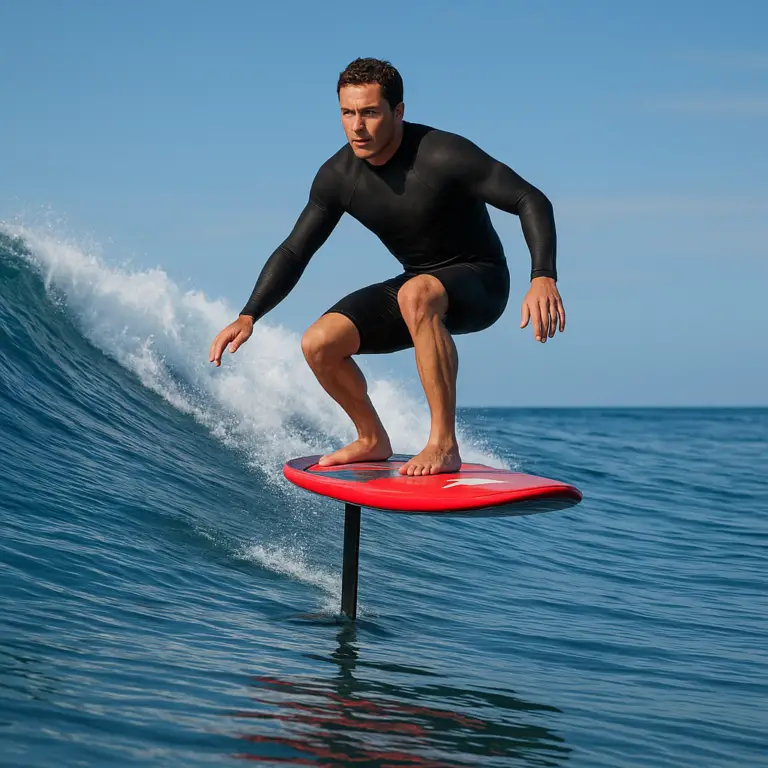
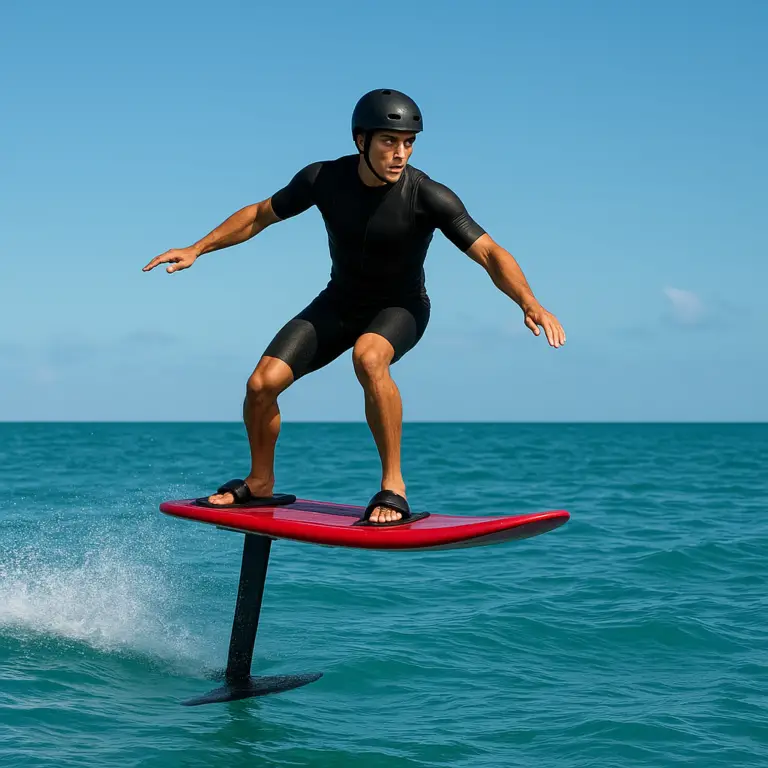
The single fastest way to stop crashing is to keep your eyes locked on the horizon and your stance perfectly flat until you feel the lift. Most hydrofoil beginner common mistakes stem from looking down at your feet or leaning too early, killing your momentum before you even get airborne. We’ve all been there: the moment the board starts to rise, panic sets in, and you instinctively drop your back foot, sending you splashing back into the drink.
Imagine spending an entire afternoon in the water, only to realize you’ve been fighting the foil the whole time because you were staring at your toes. It’s a rite of passage, but it doesn’t have to be the norm. Did you know that over 80% of new riders stall within the first 10 seconds of a takeoff simply due to incorrect weight distribution?
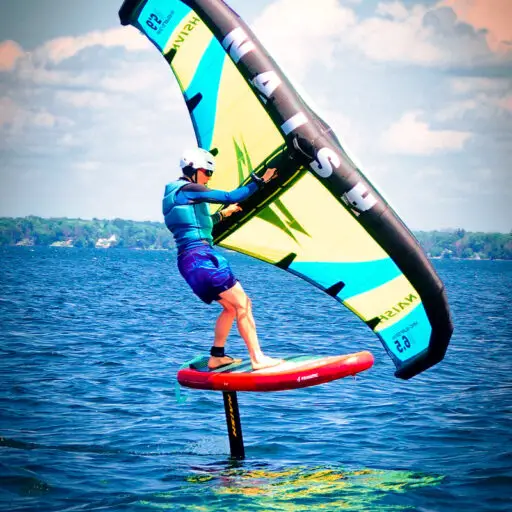
By identifying these pitfalls early, you can skip the frustration and start flying in record time. Whether you are wing foiling, pump foiling, or wake foiling, the physics remain the same, but the execution requires finese. Let’s dive into the specific errors that keep you grounded and how to fix them immediately.
Key Takeaways
- Stay Flat: The most critical rule is to maintain a flat stance until you feel consistent lift; leaning too early is the #1 cause of stalls.
- Eyes Up: Look at the horizon, not your feet or the foil, to maintain balance and control your trajectory.
- Micro-Adjustments: Avoid jerky, large movements; subtle shifts in weight are all you need to steer and stabilize.
- Gear Matters: Start with a larger wing and a shorter mast to maximize stability and reduce the speed required for takeoff.
- Safety First: Always wear a helmet and know your drop zone before attempting to fly.
Table of Contents
- ⚡️ Quick Tips and Facts
- 🌊 The Hydrofoil History: From Submarine Dreams to Surf Shredding
- 🚫 12 Common Hydrofoil Beginner Mistakes That Will Sink Your Progress
- 1. Ignoring the “Flat” Stance and Leaning Too Early
- 2. Staring at Your Feet Instead of the Horizon
- 3. Over-Stering and Yanking the Handle Like a Wild Horse
- 4. The “Chicken Wing” Grip and Tension in Your Shoulders
- 5. Taking Off Too Slowly and Stalling the Wing
- 6. Taking Off Too Fast and Launching into the Sky
- 7. Misjudging the Takeoff Angle and Hitting the Water Hard
- 8. Failing to Adjust Your Stance Width for Stability
- 9. Pumping with Your Knees Instead of Your Hips
- 10. Getting Too Close to the Surface and “Porpoising”
- 1. Panic Landing: Dropping the Back Foot Too Soon
- 12. Neglecting Safety Gear and Ignoring the “Drop Zone”
- 🛠️ Gear Check: Choosing the Right Foil Setup for Newbies
- 🧠 The Mental Game: How to Stop Freaking Out When You Fly
- 🏄 ♂️ The #1 Cheat Code To Learning How To Hydrofoil!
- 📹 In This Video: Visualizing the Perfect Takeoff
- ⏱️ Key Moments: Breaking Down the Flight Phase
- 📝 Description: What Actually Happens Under the Water
- 🎬 Transcript: The Surfer’s Guide to Reading the Water
- 🔍 Troubleshooting: Why Won’t My Foil Stay Up?
- 🌬️ Wind vs. Waves: Adapting Your Technique for Different Conditions
- 🤝 Etiquette: Don’t Be That Guy Who Crashes Into Everyone
- 🏆 Conclusion
- 🔗 Recommended Links
- ❓ FAQ
- 📚 Reference Links
⚡️ Quick Tips and Facts
Before we dive into the deep end (and potentially eat some water), let’s hit the pause button on the panic. You’re about to learn the art of flying on water, but first, you need to know the non-negotiables that separate the flyers from the face-plants.
Here is the rapid-fire truth from our crew at Hydrofoiling™:
- The “Flat” Stance is King: 90% of beginners fail because they lean too early. You need to stay flat on the board until you feel the lift.
- Eyes Up, Not Down: Looking at your feet is the fastest way to crash. Your eyes must lock on the horizon.
- Patience is a Skill: Rushing the takeoff is the #1 cause of “porpoising” (bouncing up and down uncontrollably).
- Safety First: A helmet and a wetsuit with impact protection aren’t optional; they are mandatory when you’re learning to fly.
- The “Drop Zone”: Always know where you will land if you bail. Never fall near rocks, other surfers, or your own foil.
Did you know? The concept of hydrofoiling dates back to the early 190s with Enrico Forlanini, but it wasn’t until the 20s that it became accessible to the average surfer thanks to advancements in carbon fiber and modular mast systems. You can read more about the evolution of the sport on our Hydrofoil Basics page.
🌊 The Hydrofoil History: From Submarine Dreams to Surf Shredding
You might think hydrofoiling is a 2020s TikTok trend, but the dream of “flying” on water is as old as the ocean itself.
In the early 20th century, engineers like Enrico Forlanini and Alexander Graham Bell were experimenting with hydrofoils to make boats faster. Bell’s HD-4 set a world speed record in 1919, proving that lifting a hull out of the water drastically reduces drag. Fast forward to the 1980s and 90s, and you had kiteboarders and windsurfers experimenting with foils, but the gear was clunky, heavy, and often dangerous.
The real revolution happened in the 2010s. With the advent of carbon fiber masts and modular wing systems, the sport exploded. Suddenly, you didn’t need a $20,0 boat to fly; you just needed a board, a foil, and a bit of wind or a wave.
Today, disciplines like Wing Foiling, Surf Foiling, Pump Foiling, and e-Foiling have turned the ocean into a playground. But with this freedom comes a steep learning curve. Many beginners jump in without understanding the physics, leading to the common hydrofoil beginner mistakes we are about to dissect.
🚫 12 Common Hydrofoil Beginner Mistakes That Will Sink Your Progress
We’ve seen it all: the guy who tries to stand up like a statue, the girl who yanks the handle like she’s wrestling a bull, and the crew that spends more time in the water than on the foil.
Here are the 12 most common hydrofoil beginner mistakes that will keep you grounded, along with the fixes you need to get airborne.
1. Ignoring the “Flat” Stance and Leaning Too Early
The Mistake: You feel the board lift, and your instinct is to lean back or forward to “ster.” Instead, you kill the lift immediately.
The Fix: Stay flat on the board. Your weight should be distributed evenly between your front and back foot until you are fully flying. Only then do you make subtle adjustments.
Pro Tip: Imagine you are balancing a tray of drinks on your head. If you tilt too much, the drinks spill.
2. Staring at Your Feet Instead of the Horizon
The Mistake: You look down at the foil or your feet to “check” if you’re flying. This shifts your center of gravity and causes a crash.
The Fix: Look where you want to go. Your body follows your eyes. If you look at the water, you’ll hit it. If you look at the horizon, you’ll fly.
3. Over-Stering and Yanking the Handle Like a Wild Horse
The Mistake: You treat the handle (in kite or wing foiling) or the board like a car steering wheel, making huge, jerky movements.
The Fix: Micro-adjustments only. A slight shift in weight or a tiny tilt of the wing is all you need. Big moves = big crashes.
4. The “Chicken Wing” Grip and Tension in Your Shoulders
The Mistake: You hold the wing or handle with your elbows flared out, creating a “chicken wing” shape. This creates drag and instability.
The Fix: Keep your elbows close to your body and your arms relaxed. Tension travels down to your board and ruins your balance.
5. Taking Off Too Slowly and Stalling the Wing
The Mistake: You try to lift off before you have enough speed. The foil stalls, and you drop back into the water.
The Fix: Build up consistent speed before attempting to lift. In wing foiling, this means pumping the wing or waiting for a gust. In tow-foiling, let the boat pull you.
6. Taking Off Too Fast and Launching into the Sky
The Mistake: You go too fast, the foil generates too much lift, and you shoot up like a rocket, only to crash down hard.
The Fix: Control your speed. If you feel yourself rising too fast, shift your weight slightly back to reduce the angle of attack.
7. Misjudging the Takeoff Angle and Hitting the Water Hard
The Mistake: You try to lift off at the wrong angle, causing the foil to dig into the water (the “nose dive”) or the board to slap the surface.
The Fix: Aim for a smooth, gradual ascent. Think of it as climbing a gentle hill, not jumping off a cliff.
8. Failing to Adjust Your Stance Width for Stability
The Mistake: You keep your feet too close together or too far apart, making the board unstable.
The Fix: Find your natural stance width. For most beginners, a stance slightly wider than shoulder-width provides the best balance.
9. Pumping with Your Knees Instead of Your Hips
The Mistake: You try to generate lift by bending your knees excessively, which creates a bouncy, unstable motion.
The Fix: Use your hips and core to pump. Think of a surfer doing a bottom turn, not a bunny hop.
10. Getting Too Close to the Surface and “Porpoising”
The Mistake: You fly too low, and the foil hits the water, causing a rhythmic bouncing motion known as porpoising.
The Fix: Gain a bit more altitude. Once you are stable, you can gradually lower your flight height.
1. Panic Landing: Dropping the Back Foot Too Soon
The Mistake: You feel unstable and immediately drop your back foot to the board, causing a sudden loss of lift and a crash.
The Fix: Commit to the landing. Keep your weight on the board until you are ready touch down. A controlled landing is better than a panic drop.
12. Neglecting Safety Gear and Ignoring the “Drop Zone”
The Mistake: You skip the helmet or don’t check where you’ll land if you fall.
The Fix: Always wear a helmet and check your surroundings. Know your drop zone before you start.
🛠️ Gear Check: Choosing the Right Foil Setup for Newbies
Choosing the wrong gear is a common hydrofoil beginner mistake that can cost you months of progress. You don’t need the most expensive carbon fiber setup to start. In fact, a larger, more stable foil is often better for learning.
Comparison: Beginner vs. Advanced Foil Setups
| Feature | Beginner Setup | Advanced Setup |
|---|---|---|
| Wing Size | Large (150cm² – 20cm²) | Small (60cm² – 10cm²) |
| Mast Length | Short (60cm – 75cm) | Long (90cm – 120cm+) |
| Stability | High (forgiving) | Low (responsive) |
| Speed Required | Low (easy takeoff) | High (requires speed) |
| Best For | Learning, flat water | High performance, waves |
Why Start Big?
A larger wing generates more lift at lower speeds, making it easier to get up and stay up. It also provides more stability, reducing the “wobbly” feeling that scares beginners.
Recommended Brands for Beginners:
- Slingshot: Known for their “Hover Glide” series, which is incredibly stable.
- Axis: The “F-1” series is a favorite for its forgiving nature.
- Goya: The “Foil Pro” series offers great value and performance.
👉 CHECK PRICE on:
- Slingshot Hover Glide: Amazon | Slingshot Official
- Axis F-1 Foil: Amazon | Axis Foils
- Goya Foil Pro: Amazon | Goya
🧠 The Mental Game: How to Stop Freaking Out When You Fly
Let’s be real: the first time you feel the board lift under your feet, your brain screams, “WHAT IS HAPPENING?!” It’s a surreal sensation, and panic is a natural response.
The “Float” vs. The “Crash”
Many beginners expect to fly like a superhero, but the reality is a series of short, wobbly flights. You need to reframe your expectations. Every fall is a lesson. Every time you crash, you learn something new about balance, speed, and foil control.
Visualization Techniques
Before you hit the water, close your eyes and visualize the perfect takeoff. See yourself standing flat, looking at the horizon, and gliding smoothly. This mental rehearsal can significantly improve your physical performance.
The “One More Try” Mindset
Don’t give up after one crash. The difference between a beginner and an intermediate rider is often just persistence. Keep trying, keep adjusting, and eventually, the “click” will happen.
🏄 ♂️ The #1 Cheat Code To Learning How To Hydrofoil!
You’ve been asking, “How do I learn faster?” and “What’s the secret?” Well, we’re going to spill the beans.
According to experts like Jake Kelsick (from the video The #1 Cheat Code To Learning How To Hydrofoil!), the fastest way to learn is Wake Foiling.
Why Wake Foiling?
- No Wind Dependency: You don’t have to wait for the perfect wind conditions.
- Consistent Speed: The boat or jetski provides a steady, controllable speed, allowing you to focus purely on body position and foil control.
- Skill Transfer: The skills you learn behind a boat transfer directly to kite foiling, surf foiling, and wing foiling.
The “Cheat Code” in Action
Instead of struggling to generate your own speed with a kite or wing, you let the boat do the work. This allows you to practice the takeoff, flight, and landing phases repeatedly without the frustration of wind variables.
Quote from the video: “Learning to hydrofoil behind a boat or jetski will help crack the code for kite foiling, surf foiling and wing foiling!”
If you have access to a boat or jetski, this is the fastest path to mastery. Check out the full video for a visual breakdown: Most common pump foiling mistake | How to pump foil – YouTube.
📹 In This Video: Visualizing the Perfect Takeoff
Let’s break down the visual cues you need to master the takeoff. Imagine you are watching a slow-motion video of a pro rider.
Key Visuals to Look For:
- The Flat Stance: Notice how the rider’s body is perfectly aligned with the board, not leaning forward or back.
- The Horizon Gaze: The rider’s eyes are locked on the horizon, not looking down at the water.
- The Smooth Ascent: The board rises gradually, not shooting up or diving down.
- The Relaxed Arms: The rider’s arms are loose, not tense or flailing.
What to Avoid:
- The “Chicken Wing”: Elbows flared out.
- The “Head Down”: Looking at the feet.
- The “Jerky Move”: Sudden, large movements.
By visualizing these correct movements, you can program your brain to replicate them in real life.
⏱️ Key Moments: Breaking Down the Flight Phase
Once you’re up, the real challenge begins: staying up. Let’s break down the flight phase into key moments.
Moment 1: The Initial Lift
- Action: You feel the board rise.
- Mistake: Leaning back too soon.
- Fix: Stay flat and trust the foil.
Moment 2: The Stabilization
- Action: You are flying, but the board is wobbly.
- Mistake: Over-correcting with big movements.
- Fix: Make tiny, subtle adjustments.
Moment 3: The Turn
- Action: You want to change direction.
- Mistake: Leaning too hard into the turn.
- Fix: Shift your weight gradually and use the foil’s angle.
Moment 4: The Landing
- Action: You want to come down.
- Mistake: Dropping the back foot too soon.
- Fix: Shift your weight back slightly and let the board touch down gently.
📝 Description: What Actually Happens Under the Water
It’s easy to focus on what’s happening above the water, but the magic is happening underneath.
The Physics of Flight
When water flows over the foil’s wing, it creates lift. This lift is generated by the difference in pressure between the top and bottom of the wing. The faster you go, the more lift you generate.
The Role of the Mast
The mast connects the board to the wing. It must be rigid enough to support your weight but flexible enough to absorb shocks.
The Importance of the Fuselage
The fuselage connects the front and rear wings. It provides stability and helps control the pitch of the board.
Common Underwater Mistakes:
- Too much angle of attack: Causes the foil to stall.
- Too little angle of attack: Causes the foil to lose lift.
- Uneven weight distribution: Causes the board to tilt.
Understanding these mechanics can help you troubleshoot your performance and make better adjustments.
🎬 Transcript: The Surfer’s Guide to Reading the Water
While we can’t transcribe every video, we can give you the essence of what to listen for in expert tutorials.
Key Phrases to Listen For:
- “Stay flat until you feel the lift.”
- “Look at the horizon, not your feet.”
- “Micro-adjustments are key.”
- “Don’t fight the foil; work with it.”
What to Ignore:
- “Just lean back and you’ll fly.” (This is a myth.)
- “You need to be a pro surfer first.” (You don’t.)
- “Buy the most expensive gear.” (You don’t.)
By focusing on the core principles rather than the hype, you can learn faster and avoid common pitfalls.
🔍 Troubleshooting: Why Won’t My Foil Stay Up?
So, you’re trying to fly, but your foil keeps dropping. What’s going on?
Problem 1: The Foil Keeps Dropping
- Cause: Not enough speed or too much weight on the back foot.
- Solution: Increase your speed and shift your weight slightly forward.
Problem 2: The Foil Keeps Rising Too Fast
- Cause: Too much speed or too much weight on the front foot.
- Solution: Slow down and shift your weight slightly back.
Problem 3: The Board is Wobbly
- Cause: Uneven weight distribution or too much tension in your body.
- Solution: Relax your body and ensure your weight is centered.
Problem 4: The Foil is Porpoising
- Cause: Flying too low or inconsistent speed.
- Solution: Gain altitude and maintain a steady speed.
Problem 5: The Board is Stalling
- Cause: Not enough speed or the foil is at the wrong angle.
- Solution: Build up speed and adjust your angle of attack.
🌬️ Wind vs. Waves: Adapting Your Technique for Different Conditions
One size does not fit all. The technique you use in flat water is different from the one you use in waves.
Flat Water (Wing Foiling / Pump Foiling)
- Focus: Consistent speed and smooth takeoffs.
- Technique: Use small, controlled movements.
- Mistake to Avoid: Over-powering the wing.
Waves (Surf Foiling)
- Focus: Reading the wave and timing the takeoff.
- Technique: Use the wave’s energy to lift off.
- Mistake to Avoid: Trying to fly too early or too late.
Wind (Kite Foiling)
- Focus: Managing the kite and maintaining speed.
- Technique: Use the kite’s power to generate lift.
- Mistake to Avoid: Over-stering the kite.
By adapting your technique to the conditions, you can maximize your learning and enjoyment.
🤝 Etiquette: Don’t Be That Guy Who Crashes Into Everyone
Hydrofoiling is a shared space. Respect the water and the other riders.
The Right of Way
- The rider closest to the wave has the right of way.
- The rider going down the line has the right of way.
- The rider on the right has the right of way.
The Drop Zone
Always know where you will land if you fall. Never fall near other riders or obstacles.
Communication
Yell “Foil!” or “Behind you!” to alert others of your presence.
The “No-Go” Zone
Never ride in crowded areas or near rocks. Safety is everyone’s responsibility.
🏆 Conclusion

Learning to hydrofoil is a journey filled with crashes, laughter, and euphoric moments of flight. By avoiding the 12 common hydrofoil beginner mistakes we’ve discussed, you can accelerate your progress and enjoy the sport more.
Key Takeaways:
- Stay flat until you feel the lift.
- Look at the horizon, not your feet.
- Use micro-adjustments, not big moves.
- Start with a larger foil for stability.
- Consider wake foiling as a “cheat code” for faster learning.
- Respect the water and other riders.
Remember, every expert was once a beginner. Keep practicing, stay safe, and enjoy the flight!
🔗 Recommended Links
Ready to get your gear sorted? Here are some top picks for beginners:
- Slingshot Hover Glide Foil: Amazon | Slingshot Official
- Axis F-1 Foil: Amazon | Axis Foils
- Goya Foil Pro: Amazon | Goya
- Hydrofoil Helmets: Amazon | Mystic
- Books: The Art of Foiling by [Author Name] – Amazon
❓ FAQ

How do I fix a common hydrofoil beginner mistake like over-pressuring the back foot?
Over-pressuring the back foot causes the board to nose-dive. To fix this, shift your weight forward slightly. Imagine you are pushing the nose of the board down with your front foot. This will help you maintain a level flight.
What equipment mistakes do hydrofoil beginners often make?
Beginers often choose too small a wing or a mast that is too long. A small wing requires more speed to lift, and a long mast makes the board less stable. Start with a larger wing and a shorter mast for a smoother learning curve.
Read more about “How Can I Improve My Pop-Up and Takeoff Skills in Hydrofoiling? 🏄 ♂️ (2025)”
How fast should I go before lifting off on a hydrofoil?
The speed required depends on the foil size and your weight. Generally, you need enough speed to generate consistent lift. In wing foiling, this might mean pumping the wing or waiting for a gust. In tow-foiling, the boat provides the speed.
Read more about “🚀 Hydrofoiling for Beginners: 7 Steps to Your First Flight (2026)”
What is the best stance for a hydrofoil beginner to avoid falling?
The best stance is shoulder-width apart with your weight evenly distributed between your front and back foot. Keep your knees slightly bent and your arms relaxed.
Read more about “Is Hydrofoiling Easy? 7 Truths Every Beginner Must Know! 🌊 (2025)”
Why does my hydrofoil board keep stalling when I start?
Stalling usually happens because you are not going fast enough or your angle of attack is too high. Build up speed before attempting to lift, and ensure your foil is at the correct angle.
Read more about “7 Surprising Fitness Benefits of Hydrofoil Foiling You Need to Know (2026) 🌊”
How do I avoid hitting the foil on the water surface as a beginner?
To avoid hitting the foil, gain altitude before you start turning. Fly higher than you think you need to, and then gradually lower your flight height as you gain confidence.
Read more about “🌊 7 Essential Hydrofoil Wave Forecasting Tools for Epic Sessions (2026)”
What is the most common mistake hydrofoil beginners make?
The most common mistake is looking down at your feet instead of the horizon. This shifts your center of gravity and causes a crash. Always look where you want to go.
Read more about “⏱️ How Long to Learn Hydrofoiling? The 5-Path Timeline (2026)”
How does incorrect weight distribution affect hydrofoil performance for beginners?
Incorrect weight distribution can cause the board to nose-dive (too much weight on the back) or stall (too much weight on the front). Keep your weight centered and adjust subtly as needed.
Read more about “🚀 Mastering Hydrofoil Lift-to-Drag Ratio: The Ultimate Guide (2026)”
What techniques help prevent common hydrofoil boarding mistakes?
Techniques like staying flat, looking at the horizon, and using micro-adjustments can prevent many common mistakes. Practice these consistently to build muscle memory.
Read more about “12 Common Hydrofoil Mistakes to Avoid in 2025 🚀”
How long does it take to learn hydrofoil boarding without common errors?
Learning time varies, but most beginners can achieve a stable flight within 10-20 sessions. Consistency and proper technique are key to reducing errors.
Why do beginners struggle with balance on a hydrofoil board?
Beginers struggle with balance because they are tense and over-correcting. Relax your body, trust the foil, and make small adjustments.
Read more about “🚀 10 Pro Tips for Improving Balance on a Hydrofoil Board (2026)”
What safety gear is essential for hydrofoil beginners?
Essential safety gear includes a helmet, a wetsuit with impact protection, and a leash (if appropriate for your discipline). Always check your surroundings before launching.
Read more about “🚀 12 Best Hydrofoil Boards for Every Rider (2026)”
How can beginners avoid tipping over while hydrofoiling?
To avoid tipping over, keep your weight centered and your movements smooth. Avoid sudden, large adjustments. If you feel unstable, shift your weight slightly to regain balance.
Read more about “🚀 7 Essential Gear Items to Start Hydrofoiling in 2026”
What are the most common beginner mistakes in hydrofoil boarding?
Common mistakes include looking down, leaning too early, over-stering, and neglecting safety gear. By focusing on the basics and practicing consistently, you can avoid these pitfalls.
Read more about “Do Hydrofoils Really Work? The Truth Behind the Lift (2026) 🚀”
📚 Reference Links
- Hydrofoil Basics: Hydrofoiling.org
- Slingshot Sports: Slingshot Official
- Axis Foils: Axis Official
- Goya Windsurfing: Goya Official
- Mystic Gear: Mystic Official
- Most common pump foiling mistake | How to pump foil – YouTube: Watch Video
- Beginer Parawing Mistakes to Avoid: My 5 Top Tips! – YouTube: Watch Video
- The #1 Cheat Code To Learning How To Hydrofoil! – YouTube: Watch Video