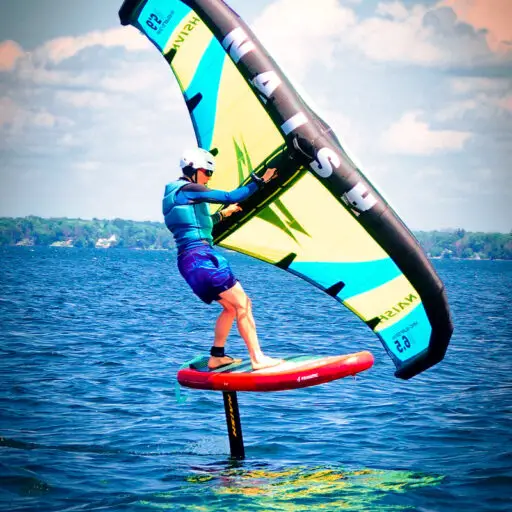
Support our hydrofoil educational content for free when you purchase through links on our site. Learn more
🌊 Hydrofoil Environmental Impact: The Surprising Truth (2026)

The verdict is in: hydrofoiling is one of the greenest ways to ride the waves, slashing noise and emissions by up to 90% compared to traditional boats, though battery manufacturing remains a hidden cost. Understanding the full hydrofoil environmental impact requires looking beyond the silent glide to the materials and energy that power your flight.
Imagine gliding silently over a coral reef, the only sound the gentle hum of your electric motor, while a gas boat chugs noisily behind you, churning up sediment and scaring away marine life. This isn’t a fantasy; it’s the daily reality for e-foil riders who have swapped fumes for fresh air.
Yet, the story isn’t entirely black and white. While the ride itself is clean, the carbon footprint of crafting carbon fiber wings and mining lithium for batteries is significant. We dive deep into the data to separate the myth from the reality of our eco-friendly obsession.
Key Takeaways
- ✅ Massive Efficiency Gains: Hydrofoils reduce drag by up to 80%, requiring significantly less energy to move than displacement hulls.
- ✅ Noise & Wake Reduction: Lifting the hull out of the water drastically cuts noise pollution and minimizes shoreline erosion.
- ⚠️ The Manufacturing Trade-off: Carbon fiber production and lithium battery disposal present the primary environmental challenges of the sport.
- ✅ Smart Choices Matter: Opting for aluminum components, durable gear, and renewable charging can further lower your footprint.
Ready to find the perfect eco-conscious setup? Check out our Hydrofoil Brands Comparison or browse top-rated Hydrofoil Equipment Reviews to start your green journey.
Table of Contents
- ⚡️ Quick Tips and Facts
- 🌊 From Surfboards to Submarines: A Brief History of Hydrofoil Evolution
- 🔍 The Carbon Footprint of Your Ride: Manufacturing and Materials
- 🌿 Direct Ecological Effects: Noise, Vibration, and Marine Life Disturbance
- 🚤 Hydrofoil vs. Traditional Propulsion: A Comparative Energy Analysis
- 🛠️ 7 Critical Maintenance Habits That Minimize Environmental Harm
- 🌍 E-Waste and End-of-Life Disposal: The Unsung Challenge of Foiling Gear
- 🏖️ Coastal Erosion and Wake Dynamics: How Foils Change the Shoreline
- 🔋 The Electric Revolution: Battery Toxicity and Renewable Charging Solutions
- 📊 5 Real-World Case Studies on Hydrofoil Sustainability Initiatives
- 🧭 Navigating Regulations: Global Policies on Low-Impact Water Sports
- 🤔 The Verdict: Is Hydrofoiling Actually Green?
- 🏁 Conclusion
- 🔗 Recommended Links
- ❓ FAQ
- 📚 Reference Links
⚡️ Quick Tips and Facts
Before we dive into the murky depths of carbon footprints and marine noise, let’s hit the highlights. If you’re here because you love the glide but hate the guilt, here is the hydrofoil environmental impact cheat sheet:
- ✅ Efficiency King: Hydrofoils reduce drag by up to 80% compared to displacement hulls, meaning significantly less energy is needed to move the same mass.
- ✅ Noise Reduction: By lifting the hull out of the water, foils drastically reduce cavitation and engine noise, a massive win for marine mammals.
- ❌ The Battery Catch: While electric foils are cleaner, the mining and disposal of lithium-ion batteries remain a significant environmental hurdle.
- ✅ Invasive Species Control: Foils are often lighter and easier to clean than heavy displacement boats, reducing the risk of transporting invasive species between water bodies.
- ✅ Coral Safety: With no propeller churning the bottom, foils are far less likely to damage fragile coral reefs or seagrass beds.
For a deeper dive into the mechanics of why this matters, check out our guide on hydrofoiling.
🌊 From Surfboards to Submarines: A Brief History of Hydrofoil Evolution

You might think hydrofoiling is the new kid on the block, popping up in the last decade with the rise of e-foils. But the story of lifting a vessel out of the water is as old as the desire to fly on water.
The Early Days: From Theory to Reality
The concept dates back to the late 19th century, but it wasn’t until the early 20th century that Alexander Graham Bell and his team actually built a working hydrofoil, the HD-4, which set a world speed record in 1919. Back then, the goal was speed, not sustainability. The environmental impact wasn’t even a blip on the radar; the focus was purely on conquering the water.
The Surfing Revolution
Fast forward to the 190s and 20s. Surfers like Laird Hamilton started experimenting with foils to catch waves that were too small for traditional boards. This was the birth of wing foiling and stand-up paddle foiling. The environmental angle here was subtle: by using human power (paddling or pumping) to generate lift, the carbon footprint was effectively zero.
The Electric Boom
The real game-changer arrived with the e-foil. Brands like Fliteboard and Lift Foils introduced battery-powered foils that allowed anyone to glide silently. Suddenly, the question shifted from “How fast can we go?” to “How clean is our ride?”
Did you know? The shift from diesel feries to electric hydrofoils in commercial transport is already proving to cut emissions by nearly 97.5% over a 30-year lifecycle, according to a study by KTH Royal Institute of Technology.
🔍 The Carbon Footprint of Your Ride: Manufacturing and Materials
Let’s get real for a second. Just because your ride is silent and electric doesn’t mean it’s born from thin air. The manufacturing process of a hydrofoil board and its components is where the hidden carbon cost lives.
The Composite Conundrum
Most high-performance foils are made from carbon fiber and epoxy resin.
- The Good: Carbon fiber is incredibly strong and light, allowing for efficient flight with less energy.
- The Bad: Producing carbon fiber is energy-intensive. It involves heating polyacrylonitrile (PAN) to extreme temperatures, a process that releases significant greenhouse gases.
Aluminum vs. Carbon
Not all foils are created equal.
- Aluminum Foils: Brands like Slingshot offer aluminum mast and fuselage options. Aluminum is highly recyclable, and the production process, while energy-heavy, is often less carbon-intensive than carbon fiber per unit of strength.
- Carbon Foils: Brands like Glide or Axis use carbon for maximum stiffness and weight reduction.
The Board Itself
The board is often the biggest offender. Traditional epoxy/foam cores are durable but hard to recycle.
- Sustainable Alternatives: Some brands are experimenting with bio-resins and recycled foam cores. F-One and Naish have started incorporating more eco-friendly materials, though they often come with a slight performance trade-off.
| Material | Durability | Weight | Recyclability | Carbon Footprint (Manufacturing) |
|---|---|---|---|---|
| Carbon Fiber | High | Very Low | Low (Difficult) | High |
| Aluminum | Medium-High | Medium | High (Easy) | Medium |
| Wood (Bamboo) | Medium | Medium-High | High (Biodegradable) | Low-Medium |
| Bio-Resin/Recycled Foam | Medium | Medium | Medium | Low |
Pro Tip: If you’re looking for the most sustainable setup, consider a wooden mast or an aluminum fuselage paired with a board made from recycled materials. Check out our Hydrofoil Equipment Reviews for specific brand breakdowns.
🌿 Direct Ecological Effects: Noise, Vibration, and Marine Life Disturbance
Here is where the magic happens. One of the most profound benefits of hydrofoiling is the reduction in noise pollution.
The Silent Glide
Traditional motorboats create a cacophony of engine noise and propeller cavitation. This noise travels far underwater, disrupting the communication, navigation, and feeding patterns of marine life.
- Marine Mammals: Whales and dolphins rely on sound. A noisy boat can force them to alter migration paths or abandon feeding grounds.
- Fish Behavior: Studies show that constant noise can stress fish, affecting their reproduction and growth rates.
The Hydrofoil Advantage
When a hydrofoil lifts the hull, the propeller (if electric) is often submerged in a much quieter environment, or the noise is dampened by the lack of hull slap.
- Cavitation Reduction: By operating at higher speeds with less drag, electric foils can often run at lower RPMs, reducing cavitation noise.
- Vibration: The smooth lift eliminates the “chop” that vibrates through the water, creating a much gentler environment for sensitive ecosystems.
Wait, is it completely silent? Not quite. The motor still hums, and the foil wings create some hydrodynamic noise. However, compared to a 20-horsepower outboard, it’s a whisper.
For more on how to ride responsibly around wildlife, check our Advanced Hydrofoiling Techniques.
🚤 Hydrofoil vs. Traditional Propulsion: A Comparative Energy Analysis
Let’s do the math. How does a hydrofoil stack up against a traditional displacement boat or even a standard surfboard?
Drag Reduction: The Physics of Flight
The primary reason hydrofoils are efficient is drag reduction.
- Displacement Hulls: Push water aside, creating a bow wave. This consumes massive amounts of energy.
- Hydrofoils: Lift the hull out of the water. Only the thin foils and strut remain submerged, reducing weted surface area by 90%.
Energy Consumption Comparison
| Vessel Type | Power Source | Avg. Energy Consumption (per km) | Noise Level (dB) | Marine Disturbance |
|---|---|---|---|---|
| Gas Outboard Boat | Gasoline | High | 10+ dB | High (Noise, Wake, Fumes) |
| Electric E-Foil | Lithium Battery | Low-Medium | 40-50 dB | Low (Minimal Noise/Wake) |
| Manual Surf Foil | Human Power | Zero | 0 dB | None |
| Traditional Surfboard | Human Power | Zero | 0 dB | Low (Wake only) |
The “Range Anxiety” Factor
While e-foils are efficient, battery range is a limitation. A typical Fliteboard might get 45-60 minutes of ride time. This encourages shorter, more frequent sessions, which can actually better for the environment than long, fuel-guzzling boat trips.
But what about the wake?
This is a common misconception. While foils lift the hull, they still generate a wake. However, because the hull isn’t displacing water, the wake is often smaller and less erosive than a displacement boat at the same speed.
🛠️ 7 Critical Maintenance Habits That Minimize Environmental Harm
You can have the greenest gear in the world, but if you maintain it poorly, you’re still hurting the planet. Here are 7 habits to keep your foiling footprint light:
- Rinse with Fresh Water: Saltwater corrosion leads to premature failure. Rinse your foil and board after every session to extend their lifespan.
- Inspect for Cracks: A small crack in a carbon foil can lead to a catastrophic failure, sending debris into the ocean. Check your gear regularly.
- Use Eco-Friendly Cleaners: Avoid harsh chemicals. Use biodegradable soaps for cleaning your board and gear.
- Proper Battery Care: Don’t overcharge or let your battery sit at 0% for long periods. Proper care extends battery life, reducing e-waste.
- Avoid Sanding: If you need to repair a board, try to use minimal sanding to avoid releasing microplastics into the air and water.
- Recycle Old Gear: Don’t throw your old foil in the trash. Many brands, like Lift Foils, have take-back programs or can direct you to recycling centers.
- Clean Your Hull: If you’re using a boat tow your foil, ensure the hull is clean of invasive species before moving to a new location.
Fun Fact: A single invasive species like the Zebra Mussel can clog intake pipes and destroy local ecosystems. Cleaning your gear is a small act with a huge impact.
🌍 E-Waste and End-of-Life Disposal: The Unsung Challenge of Foiling Gear
Here is the elephant in the room: What happens when your foil dies?
The Battery Problem
Lithium-ion batteries are the heart of e-foils, but they are also a nightmare for disposal.
- Toxicity: They contain heavy metals and toxic chemicals that can leach into the soil and water if not disposed of correctly.
- Recycling Rates: Currently, less than 5% of lithium batteries are recycled globally.
The Composite Dilemma
Carbon fiber and epoxy are notoriously difficult to recycle. Unlike aluminum, which can be melted down and reused indefinitely, carbon fiber composites often end up in landfills.
- Thermal Recycling: Some companies are developing thermal processes to break down the resin and recover the fibers, but it’s expensive and not yet widespread.
- Mechanical Recycling: Grinding the material down for use in lower-grade applications (like car parts) is an option, but it downcycles the material.
What Can You Do?
- Buy Durable: Invest in high-quality gear that lasts longer.
- Support Green Brands: Look for brands that are investing in recycling programs. Fliteboard and Lift Foils are starting to address this, but the industry has a long way to go.
- Repurpose: Can an old foil mast be turned into a coat rack? Get creative!
🏖️ Coastal Erosion and Wake Dynamics: How Foils Change the Shoreline
We often talk about the water, but what about the shore?
The Wake Factor
Boats create large wakes that erode shorelines, destroy vegetation, and disturb nesting birds.
- Hydrofoil Wakes: Because the hull is lifted, the wake is generally smaller. However, at high speeds, the foil itself can still generate a significant wake.
- Speed Matters: The faster you go, the bigger the wake. Riding at moderate speeds minimizes shoreline impact.
Anchoring and Launching
- Avoid Sensitive Areas: Don’t launch or anchor in seagrass beds or coral reefs. Foils are great because they can operate in shallow water, but that doesn’t mean you should drag your foil over the bottom.
- Use Designated Launches: Stick to established launch sites to minimize trampling of coastal vegetation.
Did you know? Seagrass meadows are critical carbon sinks. Destroying them releases stored carbon back into the atmosphere. Protecting them is essential for climate change mitigation.
🔋 The Electric Revolution: Battery Toxicity and Renewable Charging Solutions
The electric revolution is here, but it’s not without its flaws.
The Grid Mix
The environmental benefit of an e-foil depends heavily on how the electricity is generated.
- Coal Grid: If you charge your e-foil with coal-powered electricity, the carbon footprint is higher.
- Renewable Grid: If you charge with solar or wind, the impact is minimal.
Solar Charging
Some enthusiasts are taking it a step further by using portable solar panels to charge their e-foils on the beach.
- Benefits: Zero grid emissions, off-grid capability.
- Challenges: Slower charging times, weather dependence.
Battery Swapping
Some commercial operators are moving toward battery swapping stations, where a depleted battery is instantly replaced with a charged one. This reduces downtime and allows for more efficient battery management and recycling.
📊 5 Real-World Case Studies on Hydrofoil Sustainability Initiatives
Let’s look at who is doing it right.
- Candela (Sweden): A pioneer in electric hydrofoil feries. Their P-30 ferry emits 97.5% less CO2 than diesel equivalents. They use a unique foil design that lifts the hull completely, reducing drag and energy consumption.
- Fliteboard (Australia/Global): Known for their e-foils, they are actively researching battery recycling and sustainable materials for their boards.
- Lift Foils (USA): Focuses on durability and longevity, encouraging users to repair rather than replace. They also offer a wide range of accessories to extend the life of their products.
- Naish (Global): A leader in wind and water sports, Naish has introduced boards made with bio-resins and is exploring more sustainable manufacturing processes.
- Glide Foils (USA): Offers a range of foils, including aluminum options, and emphasizes the importance of proper maintenance to extend product life.
🧭 Navigating Regulations: Global Policies on Low-Impact Water Sports
The world is waking up to the need for sustainable water sports.
Speed Limits and No-Wake Zones
Many coastal areas are implementing speed limits and no-wake zones to protect marine life and shorelines. Hydrofoils, with their reduced wake, are often exempt from some of these restrictions, but it’s crucial to check local regulations.
Protected Areas
Some marine protected areas (MPAs) have strict rules about motorized water sports. E-foils are often allowed in these areas due to their low noise and minimal disturbance, but always check before you go.
Invasive Species Laws
Many regions now require boats to be cleaned, drained, and dried before entering new water bodies. This applies to foils too, especially if you’re towing them on a trailer.
🤔 The Verdict: Is Hydrofoiling Actually Green?
So, is hydrofoiling the savior of our oceans?
The Short Answer: It’s significantly better than traditional motorized water sports, but it’s not perfect.
The Long Answer:
- Pros: Drastic reduction in noise, lower energy consumption, minimal wake, and no direct fuel emissions.
- Cons: Manufacturing carbon footprint, battery disposal issues, and the potential for microplastic pollution from composite materials.
The Bottom Line: Hydrofoiling is a step in the right direction. It allows us to enjoy the ocean with a much lighter footprint. But true sustainability requires us to be mindful of our gear, our charging habits, and our behavior in the water.
As we mentioned earlier, the first YouTube video on foil design highlights the importance of span and twist. Understanding these principles helps you choose a foil that is efficient and long-lasting, reducing the need for frequent replacements.
🏁 Conclusion

We started this journey wondering if our love for the glide was costing the planet. The answer is a resounding yes, but with a caveat. Hydrofoiling is one of the most environmentally friendly ways to enjoy the water, especially when compared to gas-powered boats. The reduction in noise, wake, and emissions is undeniable.
However, the manufacturing and disposal of our gear remain challenges. Carbon fiber and lithium batteries are not yet fully sustainable. But the industry is evolving. Brands are experimenting with bio-resins, recycling programs, and more efficient designs.
Our Recommendation:
If you want to minimize your impact:
- Choose durable, high-quality gear that lasts.
- Opt for aluminum or wood components where possible.
- Maintain your gear to extend its life.
- Charge with renewable energy if you can.
- Respect marine life and local regulations.
Hydrofoiling isn’t just a sport; it’s a statement. It says we can enjoy the ocean without destroying it. And that’s a wave worth riding.
🔗 Recommended Links
Ready to get started or upgrade your eco-friendly setup? Here are some top picks:
- 👉 CHECK PRICE on: Fliteboard E-Foils | Fliteboard Official
- 👉 CHECK PRICE on: Lift Foils E-Foils | Lift Foils Official
- 👉 CHECK PRICE on: Slingshot Hydrofoils | Slingshot Official
- 👉 CHECK PRICE on: Naish Hydrofoils | Naish Official
- Book: The Hydrofoil Handbook – A comprehensive guide to understanding and maintaining your gear.
❓ FAQ

How can hydrofoil boarding promote environmental awareness and conservation?
Hydrofoil boarding promotes environmental awareness by offering a low-impact alternative to traditional motorized water sports. The silent, clean nature of e-foiling encourages riders to be more attuned to their surroundings, fostering a deeper connection with the ocean and a greater appreciation for its fragility.
Does hydrofoil boarding contribute to noise pollution in aquatic environments?
Compared to traditional boats, hydrofoil boarding contributes significantly less noise pollution. The elimination of hull slap and the reduced cavitation of electric motors create a much quieter environment, which is beneficial for marine life.
What materials are used in hydrofoil boards and are they sustainable?
Hydrofoil boards are typically made from carbon fiber, epoxy resin, and foam cores. While carbon fiber is durable and lightweight, it is not easily recyclable. However, some brands are exploring bio-resins and recycled materials to improve sustainability.
Can hydrofoil boarding reduce water pollution compared to motorized water sports?
Yes. Hydrofoil boarding, especially electric models, eliminates the risk of fuel spills and oil leaks associated with gas-powered boats. This significantly reduces water pollution.
Are hydrofoil boards more eco-friendly than traditional surfboards?
It depends. Traditional surfboards are often made from similar materials (polyurethane foam and polyester resin) and have a similar carbon footprint. However, hydrofoils can be more energy-efficient if they are used for propulsion (e-foils) or if they allow for longer rides with less effort.
Read more about “7 Best Electric Hydrofoil Boards Reviewed for 2026 🚀”
How does hydrofoil boarding affect marine ecosystems?
Hydrofoil boarding has a minimal impact on marine ecosystems due to reduced noise, wake, and the absence of propeller strikes. However, riders must still be cautious not to disturb sensitive habitats like coral reefs or seagrass beds.
What are the environmental benefits of hydrofoil boarding?
The primary benefits include reduced carbon emissions, lower noise pollution, minimal wake, and no direct fuel pollution. These factors make hydrofoiling a more sustainable option for water sports.
Read more about “🚀 10 Insane Benefits of Hydrofoiling You Need to Know (2026)”
How do hydrofoils reduce carbon emissions compared to traditional boats?
Hydrofoils reduce carbon emissions by lifting the hull out of the water, which drastically reduces drag and energy consumption. When paired with electric propulsion, the carbon footprint is further minimized.
Read more about “Unveiling Flight: How Hydrofoils Work on Boats (2026) ✨”
Are hydrofoil boards more energy efficient than standard surfboards?
In terms of human effort, hydrofoils are more efficient for covering distance, as they allow for gliding with less paddling. For e-foils, the energy efficiency depends on the battery and motor, but they are generally more efficient than gas-powered boats.
Read more about “🌊 What is Hydrofoiling? The Secret to Flying on Water (2026)”
What is the noise pollution impact of hydrofoils on marine life?
The noise pollution impact of hydrofoils is significantly lower than that of traditional boats. The reduced noise levels help protect marine mammals and fish from stress and disruption.
Do hydrofoil propellers cause less damage to coral reefs?
Yes. Hydrofoil propellers are often submerged and operate in a way that minimizes the risk of striking the bottom. Additionally, the lack of hull drag reduces the need for high-speed maneuvers that could damage reefs.
How does the manufacturing process of hydrofoil boards affect the environment?
The manufacturing process involves energy-intensive materials like carbon fiber and epoxy resin, which have a high carbon footprint. However, the long lifespan of these boards can offset some of this impact.
Can hydrofoils help reduce fuel consumption in commercial shipping?
Yes. Commercial hydrofoil feries, like those developed by Candela, have shown significant reductions in fuel consumption and emissions compared to traditional diesel feries.
What are the long-term ecological benefits of switching to hydrofoil technology?
Long-term benefits include reduced greenhouse gas emissions, lower noise pollution, and minimized habitat destruction. These factors contribute to healthier marine ecosystems and a more sustainable future for water sports.
📚 Reference Links
- Environmental Impacts of Vessel Operations – National Park Service
- KTH Royal Institute of Technology: Electric Hydrofoil Feries
- Fliteboard Official Website
- Lift Foils Official Website
- Slingshot Sports Official Website
- Naish Official Website
- Candela Official Website
- Berkeley Pier Ferry Access Project (Page Unavailable)
