Support our hydrofoil educational content for free when you purchase through links on our site. Learn more
Wing vs. Kite vs. Surf Foiling: What’s the Difference? 🌊


Wing foiling uses a handheld wing, kite foiling harnesses a kite and lines, and surf foiling rides wave power. Which is best depends on your local conditions and what you want to manage: wing handling, kite control, or surf takeoffs.
At Hydrofoiling™, we’ve felt the difference firsthand. A wing session can start with you wrestling an inflatable sail; a kite session adds lines and a kite to steer; surf foiling removes both, but asks you to read the wave and time your takeoff. The foil may look similar beneath the board, but the ride—and the learning curve—can feel worlds apart.
So, what are the differences between wing foiling, kite foiling, and surf foiling? We compare how each sport works, the gear and conditions they need, their beginner challenges, and how to choose the right one for your spot.
Key Takeaways
- Wing foiling uses a handheld wing and offers a wind-powered ride without kite lines.
- Kite foiling uses a kite, control bar, and lines; it can be highly efficient in light wind but requires kite-specific skills and a clear launch area.
- Surf foiling uses wave energy, rewarding surf skills and wave reading rather than wind handling.
- The easiest option depends on your experience and conditions. Wing handling may be approachable for wind-sport beginners, while surfers may find wave-powered foiling more familiar.
- Safety and space matter in every discipline. Take lessons, use suitable gear, and keep clear of other water users.
Table of Contents
- ⚡️ Quick Tips and Facts
- 🌊 Foiling 101: What Wing Foiling, Kite Foiling, and Surf Foiling Have in Common
- 🏄 The Three Foiling Disciplines: How They Work
- 1. Wing Foiling: A Handheld Wing and a Foilboard
- 2. Kite Foiling: A Kite, Lines, and a Hydrofoil
- 3. Surf Foiling: Wave Power and a Foilboard
- 📊 Wing Foiling vs. Kite Foiling vs. Surf Foiling: At-a-Glance Comparison
- 💨 Wind, Waves, and Water Conditions: Where Each Foil Sport Shines
- Best wind ranges and light-wind performance
- Wave size, swell, and flat-water suitability
- Choosing a spot and reading local conditions
- 🎒 Gear Differences: Wings, Kites, Boards, and Hydrofoils
- Wing-foiling equipment and setup
- Kite-foiling equipment, lines, and control bar
- Surf-foiling boards, foil setups, and wave gear
- Foil wings, masts, fuselages, and stabilizers explained
- Safety gear, leashes, and wetsuits
- 🧠 Learning Curve: Which Foiling Sport Is Easiest to Learn?
- Balance, board starts, and getting your first flights
- Wing handling versus kite control
- Surf-foil takeoffs, pumping, and wave reading
- Common beginner mistakes and how to avoid them
- 🛟 Safety, Risks, and Essential Lessons
- Hydrofoil hazards and fall technique
- Kite lines, wind shadows, and launch-zone safety
- Wing and surf-foil etiquette in crowded water
- When to take lessons and how to choose an instructor
- 💪 Fitness, Skills, and Cross-Training Between Foil Sports
- 💰 Setup, Transport, Storage, and Ongoing Costs
- 🌱 Environmental Impact and Access to Launch Spots
- 🤔 Which Foiling Sport Should You Choose?
- Choose wing foiling if…
- Choose kite foiling if…
- Choose surf foiling if…
- Can you switch between wing, kite, and surf foiling?
- ✅ Quick Tips for Your First Foiling Sessions
- 🏁 Conclusion
- 🔗 Recommended Links
- ❓ FAQ
- Is wing foiling safer than kite foiling?
- Is surf foiling possible without surfing experience?
- Which foiling sport works best in light wind?
- Can one hydrofoil setup work for all three sports?
- How long does it take to learn to foil?
- Do you need lessons to learn wing or kite foiling?
- 📚 Reference Links
Quick Tips and Facts
If you’re new to foiling, start with our hydrofoiling overview and Hydrofoil Basics: the key difference between these sports is what powers you, not the foil under your feet.
| Sport | Main power source | What you hold or control | Best suited to |
|---|---|---|---|
| Wing foiling | Wind | A handheld inflatable wing | Riders who want a self-contained wind sport and flexible launch spots |
| Kite foiling | Wind | A kite through control lines and a bar | Riders chasing efficient light-wind speed, long rides, or kite-sport variety |
| Surf foiling | Waves | Usually nothing once riding | Surfers seeking long, quiet glides on open-face waves |
- All three use a hydrofoil: a submerged front wing and stabilizer generate lift as the board moves.
- Wing foiling is often simpler to launch and manage than kite foiling, but learning board starts and staying powered can still be a workout. The ENSIS wing-versus-kite comparison describes a wing as unattached to both rider and board, while a kite connects through lines and a control bar.
- Kite foiling can work in lighter wind than wing foiling because a kite can travel through the window to generate power. Actual performance depends on kite size, foil, rider weight, water state, and skill.
- Surf foiling relies on wave energy, not a kite or wing. You need wave-reading and board-control skills, and the foil adds a sharp-edged piece of equipment to an already busy surf zone.
- A foil that suits one sport may not suit another. Wing and surf setups can share components, but board volume, mast length, front-wing area, and stability needs vary.
- Our quick recommendation: choose wing foiling for flexible, independent wind sessions; kite foiling for efficient wind-powered range; and surf foiling for wave-powered glide.
We’ll compare the gear and learning curve in detail below. First, though: why do these three sports look so similar from shore while feeling so different under your feet?
Foiling 101: What Wing Foiling, Kite Foiling, and Surf Foiling Have in Common
Foiling is the art of riding a board lifted above the water by a submerged hydrofoil. As water flows around the foil’s wings, the foil produces lift. Once the board rises, its hull creates much less drag, which is why a foil can feel like a quiet elevator ride over choppy water.
For the fundamentals of lift, parts, and setup, see our Hydrofoil Basics guide. For an accessible explanation of how foils create lift, NASA’s Beginer’s Guide to Aeronautics explains the underlying aerodynamic principles; water is denser than air, but the basic concept of a wing producing lift through fluid flow is shared.
The shared hydrofoil anatomy
Most modern setups include:
- Front wing: The main lifting surface. Larger area generally makes it easier to lift at lower speeds, while smaller, faster designs typically need more speed and control.
- Mast: The vertical connection between board and foil. A longer mast offers more room before the board touches down, but can feel less forgiving when learning.
- Fuselage: The central connector that sets the spacing between front wing and stabilizer.
- Stabilizer: The rear foil wing that helps balance pitch and control.
- Board: The platform for starting, turning, and riding. Its shape and volume differ significantly by discipline.
The foil is common ground. The power source—and what you must manage to stay powered—is where the sports split.
Why getting “up” changes everything
At low speed, the board still has substantial water contact and drag. When the foil builds enough lift, the board rises and the sensation changes: less slap, less resistance, more glide. That flight can feel wonderfully smooth, but it also means small changes in speed, stance, or foil angle matter.
Our team learned this the memorable way: the first clean flight often feels effortless, followed immediately by the realization that staying in control is a separate skill from getting airborne. A controlled touchdown is progress. A dramatic nose-first landing is usually a reminder to soften your knees and look ahead.
Three ways to supply the energy
- Wing foiling: Wind fills a handheld wing. You pump the wing and board to build speed, then keep the wing working as you ride.
- Kite foiling: A kite pulls through lines attached to a control bar. The kite can move through the window to generate power, while a harness transfers much of the load to your body.
- Surf foiling: A breaking wave supplies the initial push. Once up to speed, a skilled rider can use the foil’s glide and pumping technique to connect sections or link waves.
That last distinction matters: wing and kite foiling are primarily wind-driven, while surf foiling is wave-driven. Downwind foiling, tow foiling, and prone foiling add still more variations, but here we’re comparing the three headline disciplines.
The Three Foiling Disciplines: How They Work
1. Wing Foiling: A Handheld Wing and a Foilboard
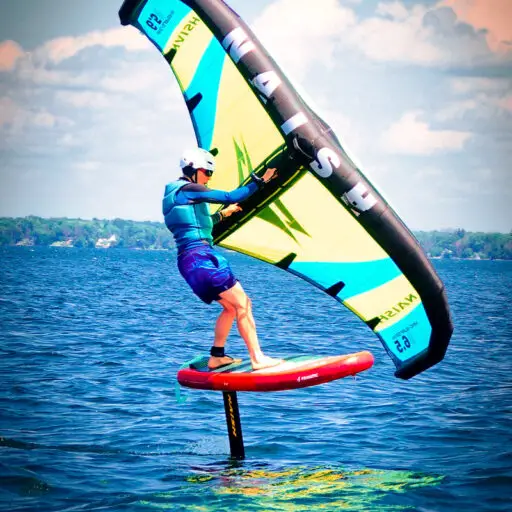
In wing foiling, you stand or knel on a foilboard and hold an inflatable wing by its handles or boom. The wing catches the wind, helps propel you across the water, and can be depowered or released if conditions change.
The ENSIS comparison highlights a practical appeal: the wing is not connected to the board or rider. That means no kite lines to lay out or manage, and the wing can be set down or released when appropriate. It does not mean a wing is risk-free: the wing can still pull, drift, or obstruct you, especially in gusty wind or crowded water.
What it feels like
Wing foiling combines elements of windsurfing, kitesurfing, and surfing, but it’s its own sport. You steer the wing with your hands while controlling board direction and foil pitch with your feet. Once flying, the wing can be held high and slightly forward, letting you cruise with less effort than the initial pumping may suggest.
Benefits
- ✅ No long kite lines to launch, land, or avoid.
- ✅ Often manageable from smaller launch areas than kiteboarding.
- ✅ The wing can be used for non-foiling windsurf-style riding too.
- ✅ Easy to carry compared with many traditional windsurfing rigs.
Drawbacks
- ❌ Getting onto foil in light wind can take energetic pumping and good technique.
- ❌ A wing can feel awkward during falls, transitions, and self-rescue.
- ❌ You need room to move the wing without hitting people or obstacles.
- ❌ Board-and-wing transport can still take up space; “portable” is relative.
For gear options and board advice, browse our Hydrofoil Equipment Reviews and Hydrofoil Board Selection categories.
2. Kite Foiling: A Kite, Lines, and a Hydrofoil
Kite foiling uses a kite connected to a control bar by lines. The rider sters the kite through the window to generate traction, usually wearing a harness that helps manage sustained pull. The board can be a kite foilboard, often smaller than a beginner wing board, though kite foiling can also use other board types depending on the discipline.
The advantage is efficiency: a kite can move through the window to create power, and experienced riders can maintain speed in conditions where a handheld wing may struggle. The trade-off is a more involved system: kite, lines, bar, harness, launch area, and careful attention to wind direction and other users.
What it feels like
Kite foiling can feel like being towed by a very responsive engine. The foil’s low drag pairs beautifully with the kite’s ability to generate power, making fast, long reaches possible. The kite also introduces a separate control task: your hands may be on the bar, but your attention must track the kite, lines, board, and water.
One rider in a Progression Project discussion called returning to kite foiling “so silly and ridiculous in the most fun way.” That’s one rider’s experience, not a universal verdict, but it captures the playful, high-glide appeal many foilers describe.
Benefits
- ✅ Often more efficient than wing foiling in light wind.
- ✅ Harness support can reduce the load on your arms.
- ✅ Offers a broad range of riding styles, including speed, freestyle, and wave riding.
- ✅ A small foilboard can be easier to carry than a larger-volume board.
Drawbacks
- ❌ Lines need space and careful handling.
- ❌ Launching and landing commonly require a safe, clear area and a competent helper.
- ❌ Kite control adds a steep early learning task.
- ❌ A kite can create serious hazards if launched in unsuitable wind, near obstacles, or in a crowded area.
The International Kiteboarding Organization provides information about kiteboarding instruction and safety. For a first kite-foiling experience, we strongly recommend qualified lessons rather than learning kite control and hydrofoiling at the same time.
3. Surf Foiling: Wave Power and a Foilboard
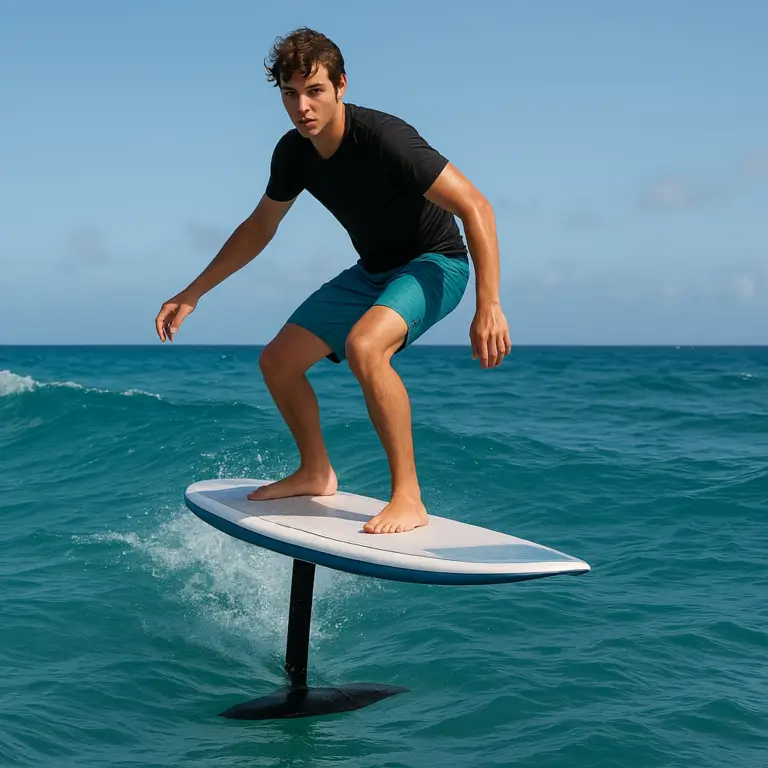
Surf foiling uses wave energy instead of a handheld wing or kite. In prone surf foiling, the rider paddles into a wave and pops up on a foilboard. In other surf-foil variations, a rider may use a tow, a boat, or a beach-start and pump to access waves, but the core idea is the same: the wave supplies the energy.
What it feels like
When it clicks, surf foiling can feel like surfing on a moving walkway that continues after the wave face seems to fade. The foil can glide through flatter sections, and skilled riders may pump to connect energy between waves. That glide is a joy—and a responsibility. A foil can travel through water with speed and momentum, so spacing and awareness matter.
Benefits
- ✅ No kite or wing required once you’re riding a wave.
- ✅ Excellent for linking sections and making use of wave energy.
- ✅ Can reward subtle wave reading and smooth, efficient movement.
- ✅ A compelling option for surfers who want a new way to use swell.
Drawbacks
- ❌ It can be difficult to learn takeoffs while managing a foil.
- ❌ The foil increases the consequences of a fall or collision.
- ❌ Crowded surf breaks are poor learning environments.
- ❌ Wave quality, access, currents, and local rules strongly affect where you can ride.
For board choice and foil setup guidance, explore Hydrofoil Board Selection and Advanced Hydrofoiling Techniques.
Wing Foiling vs. Kite Foiling vs. Surf Foiling: At-a-Glance Comparison
| Factor | Wing foiling | Kite foiling | Surf foiling |
|---|---|---|---|
| Primary power | Wind through handheld wing | Wind through kite and lines | Waves |
| Main control task | Wing handling plus board and foil | Kite control plus board and foil | Wave selection, takeoff, balance, and foil control |
| Lines | None | Yes | None |
| Typical launch needs | Open water and room for wing handling | Clear space for kite setup and launch | Suitable wave access and space away from other surfers |
| Light-wind potential | Limited by wing size, rider effort, and board/foil | Often strong with suitable kite and foil | Not dependent on wind, but depends on waves |
| Wave dependence | Optional; can ride waves with wind power | Optional; kite can be used in waves | Essential to the usual surf-foil session |
| Common beginner challenge | Getting up and keeping wing power | Kite control, launch, and safe power management | Catching waves and controlling foil height |
| Portability | Wing and board are manageable but bulky together | Kite packs compactly; lines and foil gear add setup | No wing or kite, but board and foil still need transport |
| Crowd considerations | Wing span and drifting equipment | Long lines and kite flight path | Foil separation from other surfers |
| Best fit | Flexible wind sessions and independent handling | Light-wind efficiency and kite-sport range | Wave-powered glide and surf skills |
These are broad tendencies, not fixed laws. Gear design and rider skill can change the outcome dramatically. A high-lift foil and a powerful wing may get a rider going in modest wind; a poorly chosen kite or foil can make an otherwise favorable session feel like a waiting room.
For gear-specific comparisons, see our Hydrofoil Brands Comparison and Hydrofoil Equipment Reviews.
The shortest useful answer
- Choose wing foiling if avoiding kite lines and having flexible launch options are priorities.
- Choose kite foiling if low-drag travel and light-wind efficiency matter most, and you’re willing to learn kite handling.
- Choose surf foiling if you want the wave—not the wind—to provide your ride.
What the comparison can’t decide for you
The best sport depends heavily on your local conditions, previous skills, and access. A flat-water reservoir with steady wind is a very different classroom from a rocky surf break with shifting currents. So before buying a quiver, ask yourself: What conditions can you ride most often, not just on your dream day?
Wind, Waves, and Water Conditions: Where Each Foil Sport Shines
Best wind ranges and light-wind performance
There is no single wind-speed number that applies to every rider. Kite size, wing size, foil area, board volume, rider weight, water chop, and skill all influence the usable range. Follow the maker’s guidance for your gear and local instruction; do not treat a general wind-range chart as a guarantee of safe conditions.
| Condition | Wing foiling | Kite foiling | Surf foiling |
|---|---|---|---|
| Light wind | Can require active pumping and larger gear | Often efficient with suitable kite and foil | Wind may matter little; wave energy is the key |
| Steady moderate wind | Often a comfortable learning and cruising zone | Can be highly effective, but power management matters | May add chop or affect takeoff conditions |
| Gusty wind | Can make wing power and balance inconsistent | Can increase kite-control demands and risk | Wind may degrade wave quality and make paddling harder |
| No useful wind | Usually not a practical wind session | Usually not a practical kite session | Still possible if rideable waves are present |
The ENSIS article says kite foiling can work in lighter winds than wing foiling. That’s a reasonable general comparison, but it is not a promise that any kite will outperform any wing in every light-air session. Kite size and foil choice matter; so do rider judgment and the conditions at launch.
The first featured video’s perspective, linked here as the first YouTube video, similarly emphasizes kite foiling’s light-wind efficiency while describing wing as more accessible to launch independently. That is helpful as a broad comparison, but local wind, gear, and instructional needs should decide your plan—not a single video sound bite.
Wave size, swell, and flat-water suitability
- Wing foiling: Flat water is useful for learning starts and foil control. Once comfortable, riders can venture into swell and waves, where the wing can provide propulsion and the foil can glide.
- Kite foiling: Flat water can make early board control easier, but kite wind and a safe launch area remain essential. In waves, riders must manage both the kite and changing water.
- Surf foiling: Rideable wave energy is essential for the usual prone surf-foil session. Smaller, clean waves can be useful for experienced riders using suitable foils, but “small wave friendly” does not mean “beginer safe.”
A tiny, glassy wave can be more challenging than it looks because it may not provide enough push for a poorly matched setup. A larger wave can provide plenty of energy but leave less room for mistakes. The right balance is manageable energy, clear space, and appropriate coaching.
Choosing a spot and reading local conditions
Before launching, check:
- Wind direction and changes: Offshore wind can carry riders away from shore; gusts and lulls affect control.
- Water depth and obstacles: Refs, rocks, sandbars, docks, swimmers, and boat traffic can turn a routine fall into a serious problem.
- Launch and exit routes: Know where you can safely stop, recover equipment, and get back to shore.
- Local rules and etiquette: Some beaches restrict kite launches or separate wind sports from swimmers.
- Forecast and alerts: Consult official local forecasts and marine conditions. In the United States, the National Weather Service marine forecast is a useful starting point.
Don’t choose a spot just because it looks empty from the parking lot. Wind shadows, current, shorebreak, and hidden hazards may tell a different story once you’re on the water.
Gear Differences: Wings, Kites, Boards, and Hydrofoils
Wing-foiling equipment and setup
A wing-foiling setup commonly includes:
- Inflatable wing with handles or boom
- Wing leash
- Foilboard, often with enough volume to help with early starts
- Hydrofoil assembly
- Board leash, where appropriate for local conditions and safe practice
- Personal flotation device or impact protection as conditions and local rules require
- Wetsuit or suitable thermal protection
For an example of a current wing manufacturer, see the official Duotone Wing page. Brand names are examples, not endorsements of a particular model or size; match equipment to your weight, wind, board, and coaching advice.
Kite-foiling equipment, lines, and control bar
A kite-foiling kit generally requires:
- Kite matched to conditions and rider
- Control bar and lines
- Harness
- Kite foilboard
- Hydrofoil
- Safety leash and release system
- Suitable helmet, flotation, and thermal gear as appropriate
- Clear setup and launch area, typically with a trained helper
Kitesurfing setups involve more preflight checks than a handheld wing: inspect lines, bridles, bar, safety release, and kite condition. The International Kiteboarding Organization offers training information, and the U.S. Coast Guard boating safety resources provide broader water-safety information relevant to anyone sharing waterways.
Surf-foiling boards, foil setups, and wave gear
Surf foiling commonly uses:
- A prone foilboard designed for paddling or wave takeoff
- Hydrofoil selected for wave energy, rider size, and skill
- Surf leash setup suited to the board and conditions
- Wetsuit and impact protection as appropriate
- Helmet, particularly while learning or riding unfamiliar equipment
A surf-foil board may be compact and low volume for an experienced rider, while a learner may benefit from a larger, more stable board. The right choice depends on paddling ability, wave access, foil lift, and the way you enter the wave. For board-selection considerations, visit our Hydrofoil Board Selection category.
Foil wings, masts, fuselages, and stabilizers explained
| Component | What it affects | General trade-off |
|---|---|---|
| Front-wing area | Lift and low-speed behavior | Larger may lift earlier but can feel slower or less nimble |
| Front-wing shape | Glide, turning, speed, and control | High aspect designs often prioritize glide; shape and profile matter too |
| Mast length | Clearance and control range | Longer gives more room before touchdown but can be less forgiving |
| Fuselage length | Pitch stability and turning response | Longer can feel more stable; shorter can feel more agile |
| Stabilizer | Pitch balance and tracking | Size and shape influence trim, control, and maneuverability |
| Board volume and shape | Starting, paddling, and stability | More volume can aid flotation; less volume can suit experienced riders |
These are useful tendencies, not rules. A foil’s behavior is the result of the complete setup and the rider’s input. Don’t mix components just because the bolt pattern fits; follow the manufacturer’s compatibility guidance.
Safety gear, leashes, and wetsuits
A helmet, properly fitted flotation or impact vest, thermal protection, and suitable leash setup can make a session safer and more comfortable. No safety item makes a risky launch safe. Choose gear according to the sport, conditions, local regulations, and instruction.
- Wing foiling: Keep the wing leash arranged so it does not tangle with the foil or board. Know how to depower and manage the wing after a fall.
- Kite foiling: Learn the quick-release system, safety leash, and self-rescue procedures with a qualified instructor. Never assume that knowing how to fly a trainer kite is enough for water launching.
- Surf foiling: Avoid crowded lineups and learn how to fall away from the foil when possible. A foil can injure the rider or others, so give yourself a large safety buffer.
Learning Curve: Which Foiling Sport Is Easiest to Learn?
There’s no universal winner. Many beginners find wing handling more approachable than full kite control, but they still need to learn board starts, foil balance, and safe falls. Surf foiling removes the wind-control task but adds wave timing and takeoff demands.
The first video’s speaker says, “Winging after two, three lessons you have more than enough info to kind of figure it out,” while kiteboarding takes “quite a few more lessons.” Treat that as one instructor’s perspective, not a guaranteed lesson count. Learning speed varies with prior board sports, conditions, equipment, fitness, and lesson quality.
Balance, board starts, and getting your first flights
A practical learning sequence is:
- Learn basic water awareness and equipment handling. Identify hazards, understand your leash system, and practice recovering the board and propulsion device.
- Build board familiarity without forcing flight. Learn how the board responds to pressure, stance, and direction.
- Practice getting moving. In wing, coordinate wing power and board speed; in kite foiling, learn controlled kite power; in surf foiling, practice paddling and catching waves on an appropriate board.
- Work on brief, low flights. Focus on controlled lift and gentle touchdowns rather than maximum height.
- Develop trim and direction control. Small foot-pressure changes matter. Keep your eyes forward and avoid staring down at the foil.
- Practice stopping and recovering. Ending a run safely is part of riding, not an optional extra.
- Increase speed and range gradually. Add distance or harder conditions only after reliable control.
The first flight is thrilling. The first controlled touchdown is the real milestone.
Wing handling versus kite control
Wing handling is more immediately visible: you hold the wing, move it into the wind, and feel the pull directly. A kite offers more range and power, but its movement through the window creates a more complex control task, with lines that must remain clear.
Our practical view: if you have no wind-sport background, wing foiling may be easier to approach, but not necessarily effortless. If you already kiteboard confidently, kite foiling may be a more natural progression than learning a new handheld wing.
Surf-foil takeoffs, pumping, and wave reading
Surf foiling asks you to read the wave and manage a board that may lift abruptly as speed builds. You must also judge where other surfers are and where the foil will travel if you fall.
A sensible surf-foil progression:
- Practice in a quiet, uncrowded area with appropriate instruction.
- Start with a stable board and a foil suited to learning.
- Learn takeoff timing before chasing long rides.
- Keep early flights short and controlled.
- Develop pumping only after you can manage pitch, turns, and safe exits.
Pumping can extend a ride, but it is not a substitute for wave selection or control. For technique discussions, see our Advanced Hydrofoiling Techniques category.
Common beginner mistakes and how to avoid them
| Common mistake | Why it causes trouble | Better approach |
|---|---|---|
| Starting in powerful or gusty conditions | Leaves little room to learn control | Choose manageable conditions and get coached |
| Using an advanced, low-lift foil too early | Requires more speed and precise trim | Select beginner-oriented gear with expert guidance |
| Looking down at the foil | Encourages poor posture and late reactions | Look toward your route and keep a soft, balanced stance |
| Chasing height immediately | Makes touchdowns harder and more dangerous | Aim for low, brief flights |
| Learning kite control and foiling simultaneously alone | Combines two demanding skills | Take lessons; learn control before adding a foil |
| Riding close to swimmers or surfers | Increases collision risk | Keep generous separation and follow local rules |
| Ignoring the return route | Can leave you stranded downwind or outside | Plan launch, exit, and recovery before entering |
Safety, Risks, and Essential Lessons
A hydrofoil is not a soft board fin. Its wing, mast, and edges can cause serious injury. The most reliable safety upgrade is good judgment, suitable instruction, and enough space.
Hydrofoil hazards and fall technique
- Keep distance from other water users, especially during early learning.
- Wear a suitable helmet and flotation or impact protection where appropriate.
- Learn how to fall away from the foil and protect your head.
- Avoid trying to grab the foil or mast during an uncontrolled fall.
- Check for submerged hazards and use water depth suitable for the setup.
- Don’t ride beyond your ability to return safely.
There is no single fall technique that works in every situation. Take instruction specific to your sport and local conditions.
Kite lines, wind shadows, and launch-zone safety
Kite lines can injure people and snag on objects. Give the kite a clear launch and landing area, check the wind direction, and keep lines away from roads, trees, power lines, and bystanders. Learn how to activate the release system and perform self-rescue before riding independently.
A kite may look calm on the beach and become powerful as it moves through the window. That is why qualified kite instruction matters; do not substitute confidence for practiced release skills.
Wing and surf-foil etiquette in crowded water
- Keep wing tips, boards, and foil masts away from people on shore and in the water.
- Don’t launch a wing where a gust can sweep it into others.
- Avoid surf foiling in crowded lineups or close to beginners and swimmers.
- Follow local right-of-way rules, but never assume that priority makes a foil collision safe.
- If the area is busy, choose another spot or wait.
When to take lessons and how to choose an instructor
We recommend lessons for all three disciplines, and especially strongly for kite foiling. Look for an instructor with relevant sport-specific experience, suitable insurance or recognized credentials where available, and a clear safety briefing.
Ask before booking:
- Do you teach this exact discipline and hydrofoil setup?
- How are wind, water, and rider ability assessed?
- What safety equipment and rescue support are provided?
- Will you teach recovery, self-rescue, and safe exits?
- How is progression adapted to your experience?
The IKO instructor and school information can help kite learners understand training pathways. For wing and surf foiling, check established local schools and the equipment maker’s guidance.
Fitness, Skills, and Cross-Training Between Foil Sports
Each discipline rewards balance, coordination, and calm decision-making. The physical demands differ:
| Sport | Common physical demands | Useful prior skills |
|---|---|---|
| Wing foiling | Shoulder and arm work during starts; leg and core control while riding | Windsurfing, kitesurfing, skateboarding, wakeboarding |
| Kite foiling | Core and leg control; sustained attention to kite power | Kitesurfing is a major advantage |
| Surf foiling | Paddling, pop-up timing, balance, and wave reading | Surfing and prone foil experience |
A rider from the Progression Project forum discussion described combining kite foiling, wing, and prone foiling in the same session. That’s a good illustration of cross-training: skills and equipment can complement each other, though one sport won’t automatically make you competent in another.
- Wing experience helps with wind awareness and foil balance, but it does not teach kite-line safety.
- Kite experience helps with wind-powered riding and board control, but wing handling has its own timing.
- Surfing helps with wave reading and takeoffs, but foil lift can change the feel of familiar waves.
- General fitness helps, but smooth technique matters more than brute force.
If you want to extend your skill set, our Advanced Hydrofoiling Techniques section covers progression ideas.
Setup, Transport, Storage, and Ongoing Costs
A complete foiling setup may include more than the board and foil. Add propulsion gear, protective equipment, lessons, repairs, transport, and storage when comparing the practical commitment.
| Practical factor | Wing foiling | Kite foiling | Surf foiling |
|---|---|---|---|
| Main bulky items | Board, foil, wing | Kite bag, bar and lines, board, foil | Board and foil |
| Setup complexity | Inflate wing, assemble/check foil | Lay out lines, inspect kite, bar, releases, and foil | Assemble/check foil and prepare surf gear |
| Solo launching | Often more practical where conditions and access allow | Often requires a helper and clear space | Depends on surf access and local conditions |
| Storage concern | Wing bladder and canopy care; foil parts | Kite canopy, lines, bar, and foil maintenance | Board and foil protection |
| Ongoing upkeep | Rinse and inspect wing, board, and foil | Inspect lines, bridle, bar, releases, kite, and foil | Inspect board, leash, and foil hardware |
There is no universal cost ranking. Equipment overlaps in some areas, but lesson needs, local access, replacement parts, travel, and the number of conditions you want to cover can change the total substantially. We’re avoiding a simplistic “one sport is always cheaper” verdict because it rarely survives a real gear list.
To compare reputable equipment options, browse Hydrofoil Equipment Reviews and Hydrofoil Brands Comparison.
Simple gear-care routine
- Rinse salt and sand from components after sessions.
- Dry fabric and inflatable equipment fully before long-term storage.
- Inspect foil bolts and hardware according to the manufacturer’s instructions.
- Check kite lines, bridles, and safety releases before every session.
- Protect foil edges and keep assembled gear away from people, pets, and vehicles.
- Replace worn or damaged components before they fail on the water.
Environmental Impact and Access to Launch Spots
All three sports can be low-emission while riding, but equipment production, transport, access, and local impacts still matter. Wind and wave sports also share space with swimmers, boaters, wildlife, and other riders.
- Choose established launch sites and follow local access rules.
- Avoid sensitive habitat, nesting areas, and restricted zones.
- Keep equipment and packaging out of waterways.
- Share launch areas respectfully and give beginners extra room.
- Consider how far you travel to reach a dependable spot; transport can be a meaningful part of your sport’s footprint.
The NOAA Marine Debris Program explains how plastic debris affects marine environments. For broader ocean stewardship, Surfrider Foundation provides beach and coastal protection resources.
Which Foiling Sport Should You Choose?
Start with what you can ride safely and regularly. Your local conditions, previous experience, and access to instruction are usually more decisive than which sport looks coolest in a video.
Choose wing foiling if…
- You want a wind-powered sport without kite lines.
- Your launch options are limited but still provide safe, open water and room for wing handling.
- You enjoy hands-on control and don’t mind active pumping while learning.
- You want a discipline that can also be enjoyed without foiling in some conditions.
Choose kite foiling if…
- You already kiteboard or have access to high-quality kite instruction.
- You value efficient light-wind performance and long, fast reaches.
- You have a suitable launch area and understand that setup, launch, and landing require care.
- You enjoy the kite as much as the foil. The kite is not just a tow rope; it is a core part of the sport.
The first video’s comparison says kite foiling offers more long-term variety, including freestyle, big air, and wave riding. That reflects the wider kite-sport toolkit, but your actual options depend on your spot, equipment, skill, and willingness to manage kite-specific risks.
Choose surf foiling if…
- You have dependable access to suitable waves.
- You already understand surf etiquette and wave selection, or can learn with an experienced coach.
- You want wave-powered glide without carrying a wing or kite into the ride.
- You can find an uncrowded learning environment with a safe exit.
Can you switch between wing, kite, and surf foiling?
Yes, many skills transfer: foil balance, board trim, water awareness, and a feel for glide. But the power systems do not transfer automatically. A competent winger should not assume they can safely launch a kite, and a strong kiter still needs to learn wave takeoffs for prone surf foiling.
The forum rider who enjoyed moving between kite foiling, wing, and prone foiling shows how rewarding cross-training can be. The sensible route is to carry your transferable skills forward, but get discipline-specific instruction before treating a new setup as familiar.
Quick Tips for Your First Foiling Sessions
- Pick the sport your local conditions support most often. A great setup won’t fix a poor launch or unreliable conditions.
- Take a lesson before buying a full quiver. An instructor can help match equipment to your skill and spot.
- Start with control, not height. Short, low flights are easier to manage and safer to repeat.
- Use suitable beginner gear. A stable board and forgiving foil can make early progress less punishing.
- Learn the recovery plan before launch. Know what you’ll do after a fall, equipment separation, or wind change.
- Keep a session log. Record wind, water, setup, and what worked; patterns appear faster than you’d expect.
- Give other water users plenty of space. A hydrofoil needs a much larger safety buffer than a soft surfboard.
- Stop before you’re exhausted. Tired reactions and hurried decisions make every discipline harder.
And that lingering question—which one is best? The honest answer is the one that matches your spot, your skills, and the days you actually get to ride: wing for flexible wind-powered sessions, kite for efficient traction and broad kite-sport progression, surf for wave-powered glide.