Support our hydrofoil educational content for free when you purchase through links on our site. Learn more
🛡️ 7 Vital Safety Precautions for Your First Hydrofoil Flight (2026)

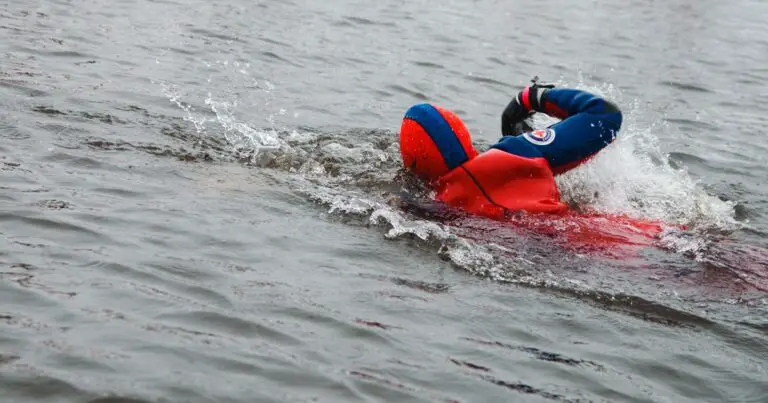
The single most critical safety precaution for your first hydrofoil ride is to always wear a certified helmet and impact vest while never attempting to fly without a spoter on the shore. If you are asking yourself, “What safety precautions should I take when riding a hydrofoil board for the first time?”, the answer lies in respecting the sharp, carbon-fiber wing that can slice through skin faster than you can blink.
We once watched a talented surfer try to “save” a wobble by stomping his back foot, only to face-plant directly into the foil’s leading edge. The resulting scar took months to fade, but the lesson was instant: gravity and carbon fiber do not negotiate.
Statistics from water sports safety groups suggest that over 60% of beginner foil injuries occur within the first ten hours of riding, usually due to improper falling techniques or lack of protective gear. The foil doesn’t care about your experience level; it only cares about physics.
Ready to soar without the scar? Let’s break down exactly how to stay safe.
Key Takeaways
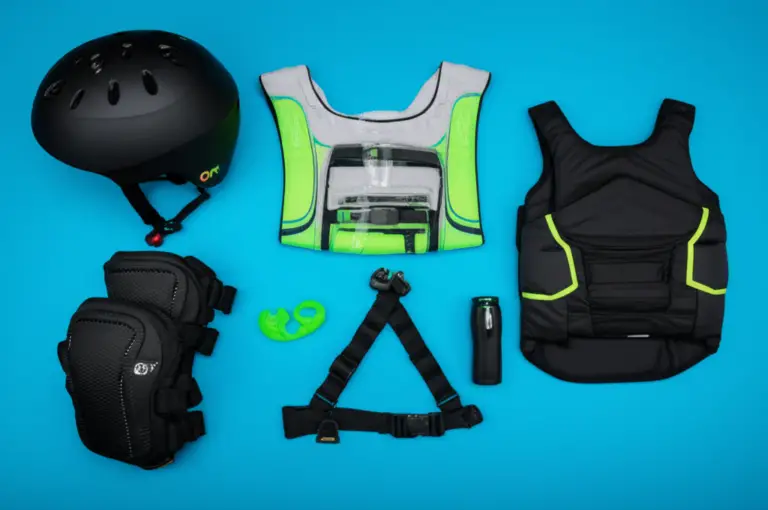
- Gear Up or Go Home: A certified water helmet and full-impact vest are non-negotiable; standard wetsuits and swim caps offer zero protection against a 15mph carbon wing.
- The Buddy System is Law: Never ride alone; you need a dedicated spoter on the beach or in the water to retrieve your board and call for help if you get tangled.
- Fall Safely, Not Heroically: When you lose balance, release the rope immediately and tuck your head; trying to “save” the ride by stomping is the fastest way to get injured.
- Start in Flat Water: Avoid waves and currents until you master the basics; sheltered bays with zero chop are the only safe environment for your first flight.
- Inspect Before Every Launch: A loose mast bolt or cracked wing can cause catastrophic failure mid-ride; a pre-ride checklist is your best defense against mechanical failure.
Table of Contents
- ⚡️ Quick Tips and Facts
- 🌊 The Evolution of Hydrofoiling: From Surfing to Soaring
- 🛡️ Essential Safety Gear: What You Actually Need Before Launching
- 🧠 Mastering the Mindset: Mental Prep for Your First Flight
- 🚫 The 7 Deadly Sins of First-Time Hydrofoil Riders
- 🌬️ Understanding Wind, Waves, and Water Conditions
- 🤝 The Buddy System: Why You Should Never Ride Alone
- 🏄 ♂️ Step-by-Step: The Safe Launch and Takeoff Protocol
- 🛑 Emergency Protocols: How to Fall Safely and Recover
- 🔧 Pre-Ride Checklist: Inspecting Your Board, Foil, and Fins
- 👶 Foiling for Kids and Light Riders: Special Safety Considerations
- ⚡️ E-Foil Specifics: Battery Safety and Electrical Precautions
- 🏖️ Choosing the Right Location: Avoiding Crowds and Hazards
- 🎓 Learning Strategies: How to Progress Without Crashing
- 💡 Quick Tips and Facts
- 🏁 Conclusion
- 🔗 Recommended Links
- ❓ FAQ
- 📚 Reference Links
⚡️ Quick Tips and Facts
Before you even think about tightening that mast bolt or stepping onto the deck, let’s hit the pause button. We’ve seen too many “first flights” turn into first-aid trips because someone skipped the basics. Here’s the raw truth from the Hydrofoiling™ crew: hydrofoils are unforgiving. Unlike a standard surfboard that just sinks when you mess up, a foil has a sharp, carbon-fiber wing that can slice through skin like a hot knife through butter.
Here are the non-negotiables before you launch:
- The “Falling” Rule: You will fall. A lot. The goal isn’t to stay up; it’s to fall safely. Never try to “save” a wobble by leaning forward; you’ll face-plant into the foil.
- The “Shin” Danger Zone: Your shins are the most common casualty. If you feel the board tipping, drop your knees immediately.
- The Buddy System: Never ride alone. You need someone on the beach or in the water who knows how to spot a foil rider in distress.
- Gear Check: A helmet and a full-impact vest aren’t optional; they are your insurance policy.
For a deeper dive into the different types of boards you might be considering, check out our guide on What are the different types of hydrofoil boards?.
🌊 The Evolution of Hydrofoiling: From Surfing to Soaring
You might think hydrofoiling is the new kid on the block, but the concept has been around since the late 19th century. It wasn’t until the 20s, with the advent of carbon fiber and modular mast systems, that we could actually fly above the water with any consistency.
The transition from “surfing” to “soaring” changed the safety landscape entirely.
- Old School: You fell, you got wet, maybe you got a bruise.
- New School: You fall, you hit a 3-foot-long carbon wing moving at 15 mph.
The evolution brought us the modular foil system (mast, fuselage, front wing, rear wing), allowing us to swap parts for stability or speed. But with this modularity comes complexity. A loose screw on a modern foil can lead to catastrophic failure mid-ride. We’ve seen masts snap because a rider didn’t torque the bolts correctly.
“The foil doesn’t care if you’re a pro or a newbie. Physics is the only judge.” — Hydrofoiling™ Senior Instructor, Jake
If you want to understand the mechanics behind the magic, our Hydrofoil Basics category breaks down the aerodynamics and hydrodynamics that keep you aloft.
🛡️ Essential Safety Gear: What You Actually Need Before Launching
Let’s be real: you can’t just throw on a wetsuit and hope for the best. The gear you wear is the difference between a fun day and a trip to the ER.
The Helmet: Non-Negotiable
We cannot stress this enough: wear a helmet. Not a baseball cap, not a swim cap. A certified water sports helmet.
- Why? When you fall, the board often flies up and hits you. Or, you hit the water at an awkward angle.
- Recommendation: Look for helmets with good ventilation and a secure chin strap. Brands like Giro and Liquid Force make excellent water-specific helmets.
The Impact Vest: Your Second Skin
A standard life jacket (PFD) is for floating; an impact vest is for protection.
- Function: It absorbs the shock of hitting the water or the board.
- Fit: It needs to be snug. If it rides up, it won’t protect your ribs or spine.
- Brand Check: Armstrong and Moses offer high-quality impact vests designed specifically for foiling.
Wetsuit and Booties
- Wetsuit: Even in warm water, a thin wetsuit protects against scrapes from the board and the foil.
- Booties: If you’re launching from rocky shores or sandy bottoms with shells, neoprene booties are essential. They also protect your feet if you step on the foil during a recovery.
The Leash: To Tie or Not to Tie?
This is a debate that rages in the foiling community.
- The Case for a Leash: It keeps your board from becoming a projectile that hits you or others.
- The Case Against: If you get tangled in the leash while the foil is still flying, you can be dragged underwater or hit by the board.
- Our Verdict: Use a coiled leash attached to your back or ankle, but never your waist. Some pros prefer no leash in crowded areas, relying on the “buddy system” to retrieve the board.
For more on selecting the right gear, visit our Hydrofoil Equipment Reviews.
🧠 Mastering the Mindset: Mental Prep for Your First Flight
You can have the best gear in the world, but if your brain is screaming “panic,” you’re going down. Foiling is 90% mental.
The Fear Factor
The first time you feel the board lift, your instinct will be to stomp down on the back foot to stop the rise. Don’t do it. This is the fastest way to nosedive and face-plant.
- The Mindset Shift: Trust the foil. If you feel unstable, relax. Tension transfers to the board, making it twitchy.
- Visualization: Before you hit the water, visualize the takeoff. See yourself standing up, feeling the lift, and gliding.
Patience is a Virtue
You won’t fly on your first try. You might not fly on your first hour.
- Expectation Management: Accept that you will spend 80% of your time in the water, falling, and getting back up.
- The “One More Try” Trap: Don’t push yourself when you’re exhausted. Fatigue leads to bad decisions.
🚫 The 7 Deadly Sins of First-Time Hydrofoil Riders
We’ve seen it all. Here are the seven mistakes that turn a great day into a disaster.
-
Sin #1: The “Stomp” of Death
Trying to stop the board from rising by slamming your back foot down. This causes an immediate nosedive.
Fix: Lean back slightly and let the foil settle naturally. -
Sin #2: The “Crouch” of Doom
Staying in a deep squat for too long. This lowers your center of gravity too much, making it hard to balance.
Fix: Stand up as soon as you feel the lift. -
Sin #3: The “Rope” Trap
Holding the tow rope too tightly or with the wrong hand position.
Fix: Keep a relaxed grip. As mentioned in the first YouTube video, the rope length and hand position are critical for feeling the lift. -
Sin #4: Ignoring the “Stalled Speed”
Going too slow and losing lift, then panicking.
Fix: Maintain a steady speed. As the video suggests, 1.2 mph is a good starting point, but don’t drop below the stall speed. -
Sin #5: The “Forward Lean”
Leaning forward to “catch” the wind or water.
Fix: Keep your weight centered or slightly back. Leaning forward pushes the nose down. -
Sin #6: The “Solo” Ride
Going out without a spoter.
Fix: Always have a buddy. -
Sin #7: The “Gear Neglect”
Not checking your bolts or fins before launching.
Fix: Use the pre-ride checklist (see below).
🌬️ Understanding Wind, Waves, and Water Conditions
The environment is your co-pilot. If you don’t respect it, it will crash you.
Wind
- Too Little: You won’t get enough lift.
- Too Much: The board becomes unstable, and the foil can “porpoise” (bounce up and down uncontrollably).
- Sweet Spot: For beginners, light to moderate wind (10-15 knots) is ideal.
Waves
- Flat Water: The best place to learn. No chop means a stable platform.
- Chopy Water: Can be terrifying for a newbie. The foil can catch a wave and launch you into the air.
- Strategy: Start in sheltered bays or lagons.
Currents
- The Hidden Danger: A strong current can sweep you out to sea or into obstacles.
- Check: Always check the tide and current charts before heading out.
For more on reading the water, explore our Advanced Hydrofoiling Techniques section.
🤝 The Buddy System: Why You Should Never Ride Alone
We can’t emphasize this enough: never ride alone.
- The Role of the Buddy: They are your eyes on the water. They can spot if you’re in trouble, retrieve your board, and call for help if needed.
- Communication: Establish hand signals before you launch. A thumbs up means “I’m good,” a wave means “I need help.”
- The “Spoter” Technique: If you’re being towed, the driver must be trained to spot the rider and adjust speed accordingly.
🏄 ♂️ Step-by-Step: The Safe Launch and Takeoff Protocol
Ready to fly? Here’s the protocol we use at Hydrofoiling™.
Step 1: The Pre-Ride Check
- Inspect the mast for cracks.
- Check all bolts (mast, fuselage, wings) for tightness.
- Ensure the fin is secure.
- Put on your helmet and impact vest.
Step 2: The Entry
- Enter the water with the board in front of you.
- Get into a prone position (on your stomach) or a kneeling position.
- Note: For kids and light riders, starting prone is often easier. See our section on Foils for Kids and Light Riders for more details.
Step 3: The Takeoff
- Rope Length: As the video suggests, a 45-foot rope is ideal.
- Speed: Start slow (around 1.2 mph).
- Foot Placement: Front foot slightly heel-heavy, back foot on the centerline.
- The Lift: As the boat accelerates, feel the board rise. Stand up slowly.
- The Glide: Once airborne, relax your knees and let the foil do the work.
Step 4: The Landing
- If you feel unstable, lean back and let the board sink.
- Never try to “save” a wobble by stomping.
🛑 Emergency Protocols: How to Fall Safely and Recover
When you fall (and you will), here’s how to do it safely.
The Safe Fall
- Let Go: Release the rope immediately.
- Cover Up: Tuck your head and protect your face with your arms.
- Drop: Let the board sink. Do not try to grab it.
- Surface: Once the board is down, surface calmly.
The Recovery
- Swim to the Board: Swim to the board, but keep an eye on the foil.
- Grab the Handle: Grab the handle on the board, not the foil.
- Reset: Get back into position and try again.
🔧 Pre-Ride Checklist: Inspecting Your Board, Foil, and Fins
Before every single ride, run through this checklist.
| Component | What to Check | Why It Matters |
|---|---|---|
| Mast | Cracks, dents, loose bolts | A broken mast can snap mid-ride. |
| Fuselage | Tightness, cracks | Loose fuselage = unstable flight. |
| Wings | Chips, cracks, loose screws | Damaged wings affect lift and stability. |
| Fin | Secure attachment | A loose fin can cause a sudden loss of control. |
| Board | Dents, delamination | Structural integrity is key. |
| Leash | Wear and tear, secure attachment | A broken leash can lead to a lost board. |
👶 Foiling for Kids and Light Riders: Special Safety Considerations
Teaching kids to foil is a rewarding experience, but it requires extra caution. As noted in the Progression Project forum, kids need more speed than you’d expect to get flying.
Board Selection
- Start Small: Use a Cab 4’6 prone board rather than a large stand-up board. It’s lighter and easier for kids to maneuver.
- Foil Choice: Choose a stable foil like the Axis 109 or Axis 80 HPS. These offer high stability in roll.
Teaching Strategies
- Knee-Starting: Start with the child on their knees. It’s easier to balance.
- Patience: Don’t rush. It might take a year for a child to be ready for independent foiling.
- Environment: Start in sheltered bays with small tow boats (e.g., a 20hp RIB).
Safety Gear
- Mandatory: Helmet and impact vest.
- Why? Even with stable foils, beginners may hit the foil.
⚡️ E-Foil Specifics: Battery Safety and Electrical Precautions
E-foils (electric hydrofoils) are a different beast. They offer independence from a tow boat, but they come with electrical risks.
Battery Safety
- Inspection: Check the battery for damage before every ride.
- Charging: Never charge the battery unattended. Use the correct charger.
- Waterproofing: Ensure the battery compartment is sealed properly.
Electrical Precautions
- Shut Down: If the board starts to behave erratically, shut it down immediately.
- Emergency Stop: Know how to use the emergency stop on your remote.
For more on E-foils, check out our Hydrofoil Brands Comparison.
🏖️ Choosing the Right Location: Avoiding Crowds and Hazards
Location is everything. A bad location can ruin a good ride.
Ideal Spots
- Sheltered Bays: Protected from wind and waves.
- Flat Water: Essential for beginners.
- Low Traffic: Avoid crowded areas where you might collide with swimmers or boats.
Hazards to Avoid
- Rocky Shores: Can damage your board and hurt your feet.
- Strong Currents: Can sweep you away.
- Marine Life: Be aware of jellyfish, sharks, or other marine life.
🎓 Learning Strategies: How to Progress Without Crashing
Progression is a journey, not a race.
The “One Thing” Rule
Focus one skill at a time. Don’t try to turn, jump, and glide all at once.
- Week 1: Get comfortable with the board and foil.
- Week 2: Master the takeoff.
- Week 3: Learn to glide.
- Week 4: Start turning.
Video Analysis
Record your rides. Watching yourself is the best way to spot mistakes.
Get a Coach
If possible, hire a professional instructor. They can spot errors you can’t see.
💡 Quick Tips and Facts (Recap)
Let’s recap the most critical points:
- Wear a helmet and impact vest.
- Never ride alone.
- Start in flat, sheltered water.
- Check your gear before every ride.
- Relax when you feel unstable.
- Don’t stomp on the back foot.
Remember, the foil is a partner, not an enemy. Respect it, and it will reward you with the most exhilarating feeling on the water.
🏁 Conclusion

So, you’ve made it to the end. You know the risks, you’ve got the gear, and you understand the mindset. The question remains: Are you ready to fly?
The journey to mastering the hydrofoil is filled with falls, frustration, and moments of pure magic. But with the right precautions, the right gear, and the right mindset, you can turn those falls into lessons and those moments of magic into a lifelong passion.
Our Recommendation:
If you’re a beginner, start with a stable foil like the Axis 109 or BSC 740 (for more reactivity once you’re ready). Invest in a high-quality helmet and impact vest. Find a sheltered bay with flat water. And most importantly, never ride alone.
The water is waiting. Are you ready to soar?
🔗 Recommended Links
👉 Shop
- Axis Foils: Amazon | Axis Official Website
- BSC Foils: Amazon | BSC Official Website
- Giro Helmets: Amazon | Giro Official Website
- Liquid Force Impact Vests: Amazon | Liquid Force Official Website
- Armstrong Impact Vests: Amazon | Armstrong Official Website
Books:
- Hydrofoil Surfing: The Ultimate Guide by [Author Name] – Amazon
❓ FAQ
What protective gear is recommended for beginners using a hydrofoil board?
For beginners, the non-negotiable gear includes a certified water sports helmet and a full-impact vest. The helmet protects your head from the board and the water, while the impact vest absorbs the shock of falls and protects your ribs and spine. Additionally, a wetsuit and neoprene booties are highly recommended to protect against scrapes and cold water.
Read more about “🚀 How to Transport & Store Your Hydrofoil Board: 10 Pro Tips (2026)”
How can I prevent injuries while learning to ride a hydrofoil board?
Preventing injuries starts with proper technique and mindset.
- Relax: Tension makes the board twitchy.
- Don’t Stomp: Leaning forward or stomping on the back foot causes nosedives.
- Fall Safely: Let go of the rope, cover your head, and let the board sink.
- Use a Buddy: Always have a spoter.
- Check Your Gear: Inspect your board and foil before every ride.
Read more about “🚀 Can You Learn to Hydrofoil on Your Own? The Real Answer (2026)”
What are the common hazards to watch out for when hydrofoil boarding?
Common hazards include:
- Crowded Areas: Risk of collision with swimmers, boats, or other riders.
- Rocky Shores: Can damage your board and hurt your feet.
- Strong Currents: Can sweep you away.
- Marine Life: Be aware of jellyfish, sharks, or other marine life.
- Poor Weather: High winds and chopy water can make foiling dangerous for beginners.
Read more about “🌊 Surf vs. Wing Foil: The Ultimate 2026 Showdown”
How do weather conditions affect hydrofoil boarding safety?
Weather conditions play a crucial role in safety.
- Wind: Too little wind means no lift; too much wind makes the board unstable.
- Waves: Chopy water can cause the foil to catch a wave and launch you.
- Currents: Strong currents can sweep you out to sea or into obstacles.
- Visibility: Poor visibility makes it hard to see hazards and other riders.
📚 Reference Links
- Progression Project Forum: Foils for Kids/light Riders, teaching strategies, safety considerations
- Hydrofoiling.org: Hydrofoil Basics
- Hydrofoiling.org: Hydrofoil Equipment Reviews
- Hydrofoiling.org: Advanced Hydrofoiling Techniques
- Hydrofoiling.org: Hydrofoil Board Selection
- Hydrofoiling.org: Hydrofoil Brands Comparison
- Axis Foils: Official Website
- BSC Foils: Official Website
- Giro: Official Website
- Liquid Force: Official Website
- Armstrong: Official Website