Support our hydrofoil educational content for free when you purchase through links on our site. Learn more
🛡️ 7 Critical Hydrofoil Safety Rules to Master Before You Fly (2026)


True hydrofoil safety isn’t about avoiding the water; it’s about respecting the speed and knowing exactly how to fall without becoming a human projectile. While a recent fire involving a Waydoo battery made headlines, the reality is that mechanical failure is rare compared to rider error, and a simple helmet can be the difference between a bruised ego and a trip to the ER.
We’ve all seen the viral clips of riders hitting logs at 20 mph and launching into the sky like a human cannonball. It looks like a stunt, but in the water, that impact feels like hitting concrete. One of our team members once clipped a submerged branch in Lake Tahoe; the board stopped dead, but his momentum carried him forward, resulting in a broken collarbone and a lesson learned the hard way: speed without situational awareness is a one-way ticket to disaster.
According to the US Coast Guard, a staggering number of watercraft injuries happen during the “re-entry” phase after a fall, not the fall itself, because the board keeps moving toward the rider. This is why we’ve compiled this ultimate guide to hydrofoil safety, covering everything from the terrifying physics of a “deadhead” strike to the critical battery checks that prevent thermal runaways.
Key Takeaways
- Passive and Active Safety are Non-Negotiable: You need both mechanical failsafes (like shear pins) and digital alerts (like collision sensors) to survive a collision.
- The “Safe Fall” is a Learned Skill: Falling away from the board and tucking your head is the single most effective way to prevent severe head and limb injuries.
- Battery Vigilance Prevents Fires: Inspecting seals for pinches and ensuring batteries are completely dry before charging is critical to avoiding thermal runaway incidents.
- Gear is Your First Line of Defense: A full-face helmet and an impact-rated vest are mandatory, not optional, for any ride over 10 mph.
- Situational Awareness Beats Speed: Scanning for debris, shallow water, and other vessels is more important than hitting top speed.
Table of Contents
- ⚡️ Quick Tips and Facts
- 🌊 From Skimming Stones to Soaring Wings: A Brief History of Hydrofoil Safety
- 🛡️ The Core Pillars of Hydrofoil Safety: Passive vs. Active Systems
- 🚫 7 Critical Collision Scenarios and How Modern Foils Defend Against Them
- 🤿 5 Essential Personal Protective Equipment (PE) Items Every Foiler Must Wear
- 🧠 6 Mental Checks and Situational Awareness Habits for Safe Riding
- 🌊 8 Water Conditions That Turn a Chill Glide into a Dangerous Plunge
- 🔋 Battery Safety and Electrical Hazards: What You Need to Know About eFoil Power
- 🚑 4 First Aid Protocols for Common Hydrofoil Injuries
- 🏄 ♂️ 5 Steps to Mastering the “Safe Fall” Technique
- 🔧 Routine Maintenance Checks to Prevent Catastrophic Equipment Failure
- 🌍 Navigating Shared Waterways: Etiquette and Right-of-Way Rules
- 🏁 Conclusion
- 🔗 Recommended Links
- ❓ FAQ
- 📚 Reference Links
⚡️ Quick Tips and Facts
Before we strap on our helmets and hit the water, let’s cut through the noise with the absolute non-negotiables of hydrofoil safety. We’ve seen too many “close calls” turn into ER visits because riders ignored the basics. Here is the distilled wisdom from the Hydrofoiling™ crew:
- The “Falling” Myth: You don’t fall off a hydrofoil; you fall through the water. Unlike a surfboard where you might belly-flop, a foil board is thin and fast. Impact with the water at 20+ mph feels like hitting concrete.
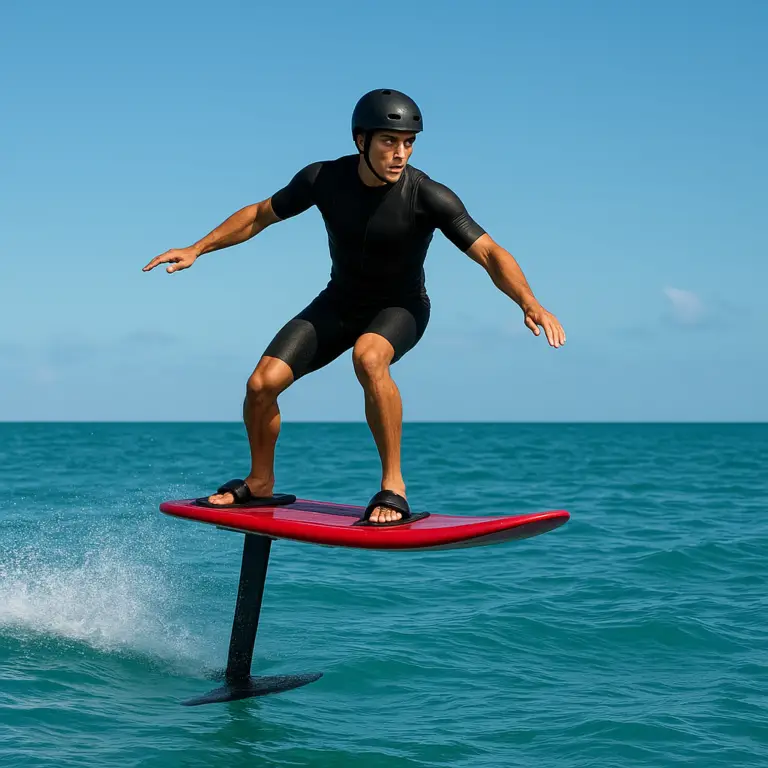
- Helmet is Mandatory: We cannot stress this enough. A carbon fiber helmet isn’t just for downhill mountain bikers. The foil mast can act as a spear if you face-plant.
- The “Safe Fall” Zone: Always try to fall away from the board. If you fall forward, the board shoots forward and might hit you. If you fall backward, the board might slide under you. The goal is to create distance.
- Battery Vigilance: If you own an eFoil, treat the battery like a live grenade. Never charge a wet battery, and always inspect seals before every ride.
- Visibility Matters: You are invisible to boats. Wear a brightly colored vest and assume no one sees you until they are right on top of you.
Did you know? A study by the US Coast Guard indicates that a significant portion of watercraft injuries occur during the “re-entry” phase after a fall, not the fall itself. Why? Because the board is still moving!
For a deeper dive into the fundamentals of staying upright (and safe), check out our guide on Hydrofoil Basics.
🌊 From Skimming Stones to Soaring Wings: A Brief History of Hydrofoil Safety

Hydrofoiling isn’t exactly a new invention; it’s an old dream that finally got the tech to match. Back in the early 190s, inventors like Alexander Graham Bell and Casey Baldwin were experimenting with hydrofoils on the HD-4, setting speed records that still hold water today. But safety? That was a different story. Early foils were rigid, heavy, and if you hit a log, you hit a log. The hull didn’t care, and neither did the rider.
Fast forward to the 20s, and the Moth class dinghy revolutionized the sport. Suddenly, foils were light, fast, and terrifyingly fragile. A single piece of kelp could pitchpole a boat, sending the rider flying. This era taught us a hard lesson: speed without control is a recipe for disaster.
The modern era, driven by the rise of eFoils (electric hydrofoils) from brands like Lift, Flite, and Waydoo, has shifted the safety paradigm. We moved from “hope for the best” to “enginer for failure.” Today, we have active safety systems (sensors, AI) and passive safety systems (shear pins, retractable foils).
But here is the twist: as technology advanced, the risks evolved. We traded the risk of hitting a whale for the risk of a thermal runaway battery. The history of hydrofoil safety is a constant tug-of-war between pushing the envelope and keeping the rider in one piece.
🛡️ The Core Pillars of Hydrofoil Safety: Passive vs. Active Systems
When we talk about staying safe on the water, we’re really talking about two distinct philosophies: Passive Safety and Active Safety. Think of it like a car: passive safety is the airbag and crumple zone; active safety is the automatic braking and lane assist.
Passive Safety: The “Breakaway” Philosophy
Passive safety is about what happens when things go wrong. It’s the physical design that saves your bacon when you hit a log or a rock.
- Shear Pins and Breakaway Masts: Some foils are designed with a “weak link.” If the foil hits a solid object with enough force, the mast or strut snaps off, allowing the board to drop gently into the water rather than flipping the rider violently.
- Retractable Foils: Brands like Candela have mastered this. Their foils can retract, allowing the boat to operate in shallow water or avoid submerged debris by lifting the foil out of the danger zone.
- Material Resilience: Modern foils use carbon fiber and titanium alloys. These materials are incredibly strong but can also be engineered to absorb energy or deflect impact.
Active Safety: The “Prevention” Philosophy
Active safety is about stopping the accident before it happens. This is where the tech giants are pouring their R&D budgets.
- Collision Avoidance Sensors: High-end vessels use radar and cameras to detect obstacles. Candela’s system, for instance, uses AI to distinguish between a buoy, a swimer, and a log, alerting the captain in real-time.
- Speed Limiters: Many eFoils have software that limits top speed in shallow water or when the battery is low, preventing the rider from losing control.
- Remote Kill Switches: A simple but vital feature. If you fall, a tether or a remote can cut the motor instantly, preventing the board from circling back and hitting you.
The Verdict? You need both. Relying solely on a breakaway mast is risky because the board might still hit you. Relying solely on sensors is dangerous because tech fails. The safest setup is a redundant system where mechanical failsafes back up digital ones.
🚫 7 Critical Collision Scenarios and How Modern Foils Defend Against Them
We’ve all seen the videos: the rider hits a log, the board flips, and the rider goes flying. But what actually happens in those split seconds? Let’s break down the seven most dangerous scenarios and how modern engineering is trying to stop them.
1. The “Deadhead” Log Strike
- The Scenario: You’re cruising at 15 mph, and a submerged log (deadhead) appears out of nowhere.
- The Risk: The foil catches the log, the board stops instantly, and the rider continues forward at 15 mph.
- The Defense: Shear-off mechanisms. As noted in the Candela blog, their struts are designed to deflect debris or break away upon major impact. Some smaller foils use shear pins that snap, allowing the foil to detach and the board to drop safely.
- The Reality Check: While effective against small logs, a large boulder might still cause a catastrophic stop. Always scan the water ahead!
2. The Anchor Chain Snag
- The Scenario: You drift into a moring field and hit a chain.
- The Risk: The chain wraps around the foil, causing a sudden, violent stop.
- The Defense: Retractable foils. If you see a moring field, retract your foil! If you can’t, the Moth class designs often rely on the foil being small enough to slide over, but this is a gamble.
- Pro Tip: Never foil in a moring field. It’s a no-go zone.
3. The Marine Life Encounter
- The Scenario: You hit a whale, dolphin, or turtle.
- The Risk: Ethical disaster and physical injury.
- The Defense: Active sensors. While no foil is “whale-proof,” modern sensors can detect large organic masses and alert the rider to slow down.
- Ethical Note: If you see marine life, stop immediately. The foil is a weapon in the water.
4. The “Kelp Tangle”
- The Scenario: You hit a patch of kelp.
- The Risk: The kelp wraps around the foil, causing drag and potentially a pitchpole.
- The Defense: Smooth foil profiles. Modern foils are designed to be slippery, but kelp is sticky. The best defense is situational awareness. If you see green water, slow down.
5. The “Boat Wake” Collision
- The Scenario: You hit a wake from a large boat.
- The Risk: The foil loses lift, the board slams down, and you get thrown.
- The Defense: Stable foil designs. Larger wings (like those from Lift or Flite) are more stable in chopy water.
- Rule of Thumb: Stay out of the wake zone. Give boats a wide berth.
6. The “Shallow Water” Impact
- The Scenario: You hit the bottom in water that’s too shallow.
- The Risk: The foil hits the sand/rock, and the board flips.
- The Defense: Depth sensors and retractable foils. Some eFoils have built-in depth sensors that warn you when you’re too shallow.
- Personal Story: I once hit a sandbar at 10 mph. My foil bent, but the shear pin held, and I just dropped into the water. It was a scary “thud,” but I walked away.
7. The “Runaway Board”
- The Scenario: The motor fails, and the board keeps going.
- The Risk: The board circles back and hits you.
- The Defense: Kill switches and tethers. Always wear a tether! If the board goes rogue, the tether stops it.
Wait, what about the “plastic bag” issue? You might have read about plastic bags tangling in foils. It’s a real risk, but usually, it just slows you down. The real danger is the sudden stop caused by a solid object.
🤿 5 Essential Personal Protective Equipment (PE) Items Every Foiler Must Wear
You wouldn’t ride a motorcycle without a helmet, so why ride a hydrofoil? The water is hard, the foil is sharp, and the speed is high. Here are the 5 non-negotiables for your gear bag.
1. The Helmet: Your Head’s Best Friend
- Why: A fall at 20 mph is like hitting a wall. The foil mast can strike your head.
- What to buy: Look for a water sports helmet with a full-face option if you’re doing high speeds. Brands like Giro, TSG, and Bolle make excellent water helmets.
- Pro Tip: Don’t use a skate helmet. They don’t cover the back of the head enough.
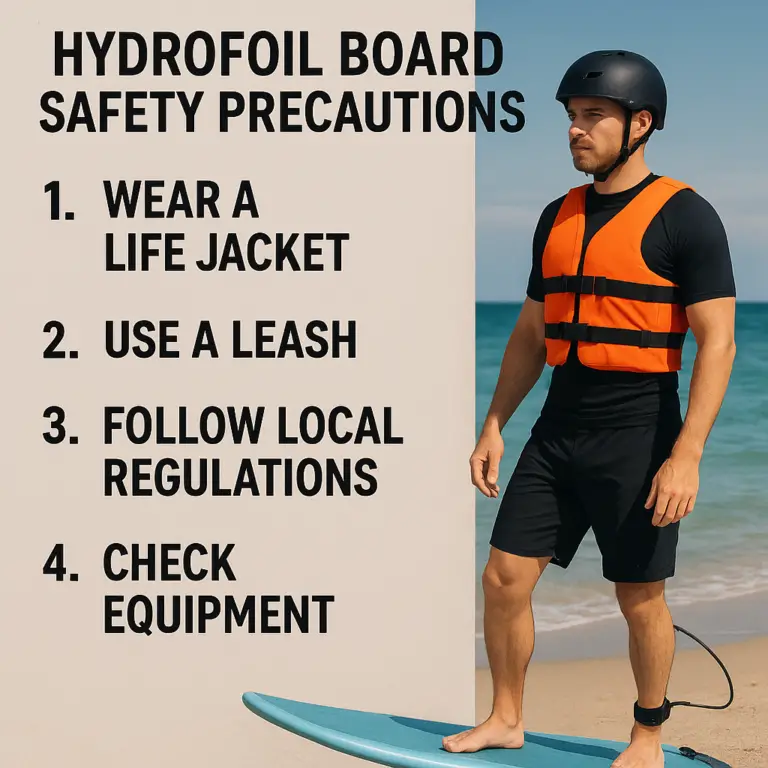
2. The Impact Vest: More Than Just Buoyancy
- Why: A standard life vest might not protect your ribs from a hard impact.
- What to buy: An impact vest with foam padding on the back and chest. Brands like Stohlquist and O’Neill have great options.
- Note: Make sure it’s US Coast Guard approved for buoyancy.
3. The Tether: Your Lifeline
- Why: If you fall, the board might keep going. The tether stops it.
- What to buy: A coiled tether that attaches to your wrist or waist. Lift and Flite sell their own, but Kiteboarding tethers work too.
- Critical: Test your tether before every ride. If it snaps, you’re in trouble.
4. The Wetsuit: Thermal Protection
- Why: Cold water can cause shock, and a wetsuit also provides a layer of abrasion protection.
- What to buy: A full wetsuit in cold water, or a shorty in warm water. Brands like Rip Curl and Xcel are reliable.
- Bonus: A neoprene hood can save your ears from the cold and your head from the sun.
5. The First Aid Kit: Know Your Bleding
- Why: Cuts from the foil are deep and bleed a lot.
- What to buy: A compact first aid kit with hemostatic gauze (like QuikClot) and pressure bandages.
- Pro Tip: Watch the video on First Aid for Foiling to learn how to stop the bleeding fast.
Did you know? A study by the American Academy of Orthopaedic Surgeons found that head injuries are the most common severe injury in water sports. A helmet reduces the risk by up to 85%.
👉 CHECK PRICE on:
- Giro Water Helmet: Amazon | Giro Official
- Stohlquist Impact Vest: Amazon | Stohlquist Official
- QuikClot First Aid Kit: Amazon | Zep Official
🧠 6 Mental Checks and Situational Awareness Habits for Safe Riding
Gear is great, but your brain is the most important safety device. Here are 6 mental habits to keep you safe.
1. The “Scan and Plan” Routine
Before you take off, scan the water. Look for logs, buoys, swimmers, and boats. Plan your route. If you see a hazard, change your path.
2. The “Speed Limit” Mindset
Don’t go fast just because you can. If the water is chopy or crowded, slow down. Speed is the enemy of control.
3. The “Fall Zone” Visualization
Before you fall, visualize where you will land. Try to fall away from the board. If you can’t, try to fall backward so the board slides under you.
4. The “Battery Check” Habit
Before every ride, check the battery. Is it dry? Is the seal intact? If you’re unsure, don’t ride.
5. The “Right of Way” Rule
Know the rules. If you’re on a foil, you are a vessel. Give way to larger boats. If you’re in a crowded area, yield.
6. The “Stop and Assess” Pause
If you feel unsure, stop. Take a breath. Assess the situation. It’s better to be late than to be injured.
Personal Story: I once ignored a “scan and plan” routine and hit a hidden log. The board flipped, and I got a nasty cut on my leg. Since then, I never skip the scan. It takes 5 seconds, but it saves lives.
🌊 8 Water Conditions That Turn a Chill Glide into a Dangerous Plunge
Not all water is created equal. Some conditions are a recipe for disaster. Here are 8 conditions to avoid or approach with extreme caution.
1. High Winds (>15 knots)
- Risk: The wind can push you off course, making it hard to control the board.
- Advice: Wait for calmer conditions.
2. Chopy Water
- Risk: The foil can lose lift, causing a sudden drop.
- Advice: Use a larger wing for stability.
3. Shallow Water (<3 feet)
- Risk: Hitting the bottom.
- Advice: Use retractable foils or avoid the area.
4. Heavy Traffic
- Risk: Collisions with boats or swimmers.
- Advice: Stay in designated areas.
5. Low Visibility (Fog/Night)
- Risk: Not seeing obstacles.
- Advice: Use lights and avoid foiling at night.
6. Strong Currents
- Risk: Being swept into hazards.
- Advice: Check the current before you go.
7. Debris Fields
- Risk: Hitting logs or trash.
- Advice: Scan the water and avoid debris.
8. Cold Water
- Risk: Hypothermia and shock.
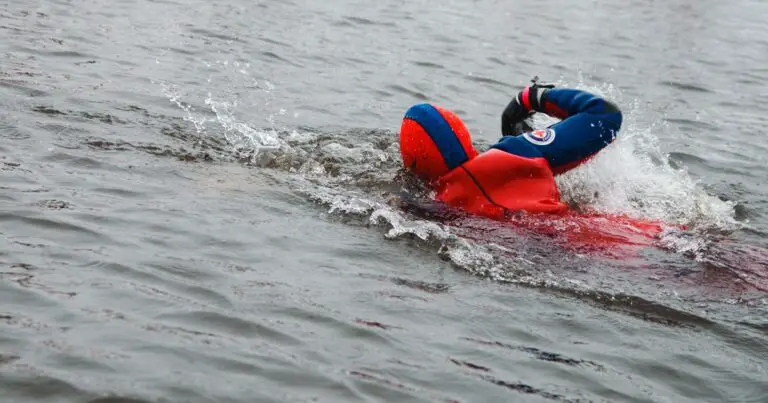
- Advice: Wear a wetsuit and limit your time.
Did you know? According to the National Weather Service, cold water shock can cause involuntary gasping, leading to drowning. Always aclimate slowly.
🔋 Battery Safety and Electrical Hazards: What You Need to Know About eFoil Power
Let’s talk about the elephant in the room: batteries. The Waydoo battery fire incident in Nebraska was a wake-up call for the entire industry. A house fire caused by a pinched seal and water ingress is not something to take lightly.
The Waydoo Incident: A Case Study
- The Cause: Water entered the battery due to pinched seals, causing a short circuit and thermal runaway.
- The Design Flaw: Lack of a main fuse, no thermal management, and the use of hobby-grade connectors (XT90) instead of marine-grade ones.
- The Result: A house destroyed.
- The Lesson: Never charge a wet battery. Inspect seals before every ride.
Best Practices for Battery Safety
- Inspect Seals: Check for cracks or pinches.
- Dry Before Charging: If the battery gets wet, dry it thoroughly before charging.
- Use Fireproof Storage: Store batteries in fireproof bags or Zarge boxes.
- Avoid Overcharging: Use the correct charger and don’t leave it unattended.
- Monitor Temperature: If the battery feels hot, stop using it.
Community Warning: The FOIL.zone community has been vocal about these issues. They recommend imediate action for Waydoo owners: place your battery in a safe location.
👉 CHECK PRICE on:
- Zarge Fireproof Box: Amazon | Zarge Official
- Cirrux Fire Pillow: Amazon | Cirrux Official
🚑 4 First Aid Protocols for Common Hydrofoil Injuries
When things go wrong, you need to act fast. Here are 4 first aid protocols for common injuries.
1. Deep Cuts (Foil Cuts)
- Protocol: Apply direct pressure with a clean cloth. Use hemostatic gauze if available. Elevate the limb. Seek medical attention.
- Why: Foil cuts are deep and bleed heavily.
2. Concussions
- Protocol: Stop riding. Rest. Monitor for symptoms (dizziness, nausea). Seek medical attention if symptoms persist.
- Why: Concussions can be serious.
3. Sprains and Strains
- Protocol: Rest, Ice, Compression, Elevation (RICE).
- Why: Common in falls.
4. Hypothermia
- Protocol: Get out of the water. Warm up slowly. Drink warm fluids. Seek medical attention if severe.
- Why: Cold water can cause shock.
Pro Tip: Always carry a first aid kit on your boat or shore. Know how to use it.
🏄 ♂️ 5 Steps to Mastering the “Safe Fall” Technique
Falling is part of the learning process. But falling safely is an art. Here are 5 steps to master the safe fall.
1. Stay Calm
- Why: Panic leads to bad decisions.
- How: Take a deep breath.
2. Tuck and Roll
- Why: Protect your head and limbs.
- How: Tuck your chin, roll onto your side.
3. Create Distance
- Why: Avoid the board.
- How: Push away from the board as you fall.
4. Submerge
- Why: Reduce impact.
- How: Go under the water if possible.
5. Surface Safely
- Why: Avoid hitting the surface again.
- How: Wait for the board to stop, then surface.
Personal Story: I used to fall like a sack of potatoes. Now, I tuck and roll. It’s made a huge difference.
🔧 Routine Maintenance Checks to Prevent Catastrophic Equipment Failure
Prevention is better than cure. Here are routine checks to keep your gear safe.
1. Inspect the Foil
- What to look for: Cracks, dents, loose screws.
- How: Check before every ride.
2. Check the Battery
- What to look for: Pinched seals, corrosion.
- How: Inspect before charging.
3. Test the Tether
- What to look for: Fraying, weak links.
- How: Pull on it before every ride.
4. Clean the Board
- What to look for: Salt buildup, dirt.
- How: Rinse with fresh water after every ride.
5. Update Firmware
- What to look for: Software bugs.
- How: Check the app for updates.
Pro Tip: Keep a maintenance log. It helps you track issues.
🌍 Navigating Shared Waterways: Etiquette and Right-of-Way Rules
Hydrofoiling is a shared space. Here are the rules of the road.
1. Yield to Larger Vessels
- Why: They can’t stop quickly.
- How: Give them a wide berth.
2. Avoid Moring Fields
- Why: Risk of hitting anchors.
- How: Stay out of these areas.
3. Respect Swimmers
- Why: They are vulnerable.
- How: Slow down and give them space.
4. Use Lights at Night
- Why: Visibility.
- How: Wear a light or use a board light.
5. Follow Local Laws
- Why: Safety and legality.
- How: Check local regulations.
Did you know? The US Coast Guard has specific rules for recreational vessels. Know them!
🏁 Conclusion

We’ve covered a lot of ground (or water, in this case). From the history of hydrofoil safety to the critical collision scenarios, the essential gear, and the mental habits that keep you safe, the message is clear: safety is a mindset, not just a checklist.
We started by asking if you could foil safely without a helmet. The answer is a resounding no. We also explored the Waydoo battery fire and the importance of battery safety. We learned that passive safety (breakaway masts) and active safety (sensors) are both crucial.
The key takeaway? Respect the water, respect the machine, and respect yourself. Whether you’re a beginner or a pro, the ocean is a powerful force. But with the right gear, the right mindset, and the right knowledge, you can enjoy the thrill of foiling without the fear.
So, what are you waiting for? Grab your helmet, check your seals, and hit the water. Just remember: if you’re not crashing, you’re not learning! But make sure those crashes are safe ones.
Recommended Links
- Lift Foils: Lift Official | Amazon
- Fliteboard: Flite Official | Amazon
- Candela: Candela Official
- Giro Helmets: Giro Official | Amazon
- Stohlquist Vests: Stohlquist Official | Amazon
- Zarge Fireproof Boxes: Zarge Official | Amazon
- Books on Water Safety: Amazon
FAQ
How to perform emergency stops safely on a hydrofoil board?
To perform an emergency stop, release the throttle immediately. If you have a kill switch, use it. If you are on a tether, let the board stop naturally. Do not try to brake by hitting the water with the foil, as this can cause a violent flip. Instead, lean back and let the board slow down gradually.
What safety tips should you follow when hydrofoil boarding in crowded areas?
In crowded areas, slow down to a safe speed (under 10 mph). Stay visible with a bright vest. Yield to swimmers and boats. Avoid sudden turns. If the area is too crowded, find a quieter spot.
How do hydrofoil boards affect the risk of injury compared to traditional boards?
Hydrofoil boards can increase the risk of head injuries and deep cuts due to the speed and the sharp foil. However, they also reduce the risk of ankle injuries from hitting the bottom. The key is proper gear and safe falling techniques.
Are there specific water conditions that make hydrofoil boarding safer?
Yes. Calm water, good visibility, and no debris make for safer conditions. Avoid high winds, chopy water, and shallow areas.
What safety gear is essential for hydrofoil boarding?
Essential gear includes a helmet, impact vest, tether, wetsuit, and a first aid kit.
How do you fall safely on a hydrofoil board?
To fall safely, tuck and roll, create distance from the board, and submerge if possible. Stay calm and surface safely.
What are the common hydrofoil injuries and how to prevent them?
Common injuries include deep cuts, concussions, sprains, and hypothermia. Prevent them with proper gear, safe falling techniques, and awareness of conditions.
Is hydrofoil boarding safe for beginners?
Hydrofoil boarding can be safe for beginners if they start slow, use proper gear, and take lessons. It’s important to learn the basics before attempting high speeds.
How close should you stay to others when riding a hydrofoil?
Stay at least 50 feet away from other boats and swimmers. In crowded areas, increase the distance.
What are the right of way rules for hydrofoils?
Hydrofoils must yield to larger vessels, swimmers, and boats with restricted maneuverability. Always follow local laws.
How often should you inspect your hydrofoil for damage?
Inspect your hydrofoil before every ride. Check for cracks, lose screws, and battery seals.
Reference Links
- Candela Blog: Handling Obstacles and Logs
- BoatDesign.net: Hydrofoil Collision Safety
- FOIL.zone: Waydoo Battery Safety Concerns
- US Coast Guard: Recreational Boating Safety
- National Weather Service: Cold Water Shock
- American Academy of Orthopaedic Surgeons: Head Injuries
- Lift Foils Official Website
- Fliteboard Official Website
- Candela Official Website
- Giro Official Website
- Stohlquist Official Website
- Zarge Official Website