Support our hydrofoil educational content for free when you purchase through links on our site. Learn more
🚀 5 Unique Hydrofoil Tricks to Master Soaring (2026)

Yes, hydrofoil boarding relies on entirely unique physics like the “pump” and precise weight shifts that don’t exist in regular surfing. If you’ve ever asked, “Are there any specific techniques or tricks that are unique to hydrofoil boarding and how can I learn them?”, the answer is a definitive yes, and mastering them transforms you from a rider into a pilot.
Unlike traditional boards that skim the surface, foils demand you generate your own lift through rhythmic body movements. We once watched a rookie try to “surf” a foil like a regular board, only to nose-dive into the sand within seconds. The moment he stopped fighting the water and started pumping with his legs, he was flying.
This sport requires a mental shift where looking forward becomes your lifeline and micro-adjustments replace big, sweeping motions. It’s not just about catching a wave; it’s about creating a sustainable flight path where drag is your enemy and lift is your best friend.
Key Takeaways
- Master the “Pump”: Unlike surfing, you must generate speed through rhythmic body undulations to maintain lift in flat water.
- Weight Distribution is Critical: Shifting your center of gravity forward or backward by mere inches determines whether you fly or crash.
- Look at the Horizon: Your body follows your eyes; looking down at your feet is the fastest way to stall and fall.
- Embrace the Crash: Falling is a fundamental part of the learning curve, with most beginners needing 10–15 sessions to achieve consistent flight.
- Gear Matters: Start with a large wing surface area and a shorter mast to build confidence before progressing to high-performance setups.
Table of Contents
- ⚡️ Quick Tips and Facts
- 🌊 From Surfing to Soaring: A Brief History of Hydrofoil Boarding
- 🚀 Mastering the Lift: Core Techniques Unique to Hydrofoiling
- 1. The “Pop” vs. The “Pump”: Generating Speed Without a Wave
- 2. Weight Distribution Secrets: Finding Your Center of Gravity
- 3. The Art of the Turn: Banking and Carving on the Foil
- 4. Tackling the “Crash”: How to Fall Safely and Get Back Up
- 5. Riding the “Bump”: Mastering the Transition from Water to Air
- 🛠️ Gear Talk: Choosing the Right Foil, Mast, and Board for Your Style
- 🧠 Mental Game: Overcoming the Fear of the “Deep Dive” and Stall
- 🌬️ Wind vs. Waves vs. Electric: Adapting Techniques to Different Conditions
- 🏄 ♂️ Advanced Maneuvers: Frestyle Tricks and High-Performance Riding
- 📈 Learning Curve: How Long Does It Take to Get Foiling?
- 🏆 Conclusion
- 🔗 Recommended Links
- ❓ FAQ
- 📚 Reference Links
⚡️ Quick Tips and Facts
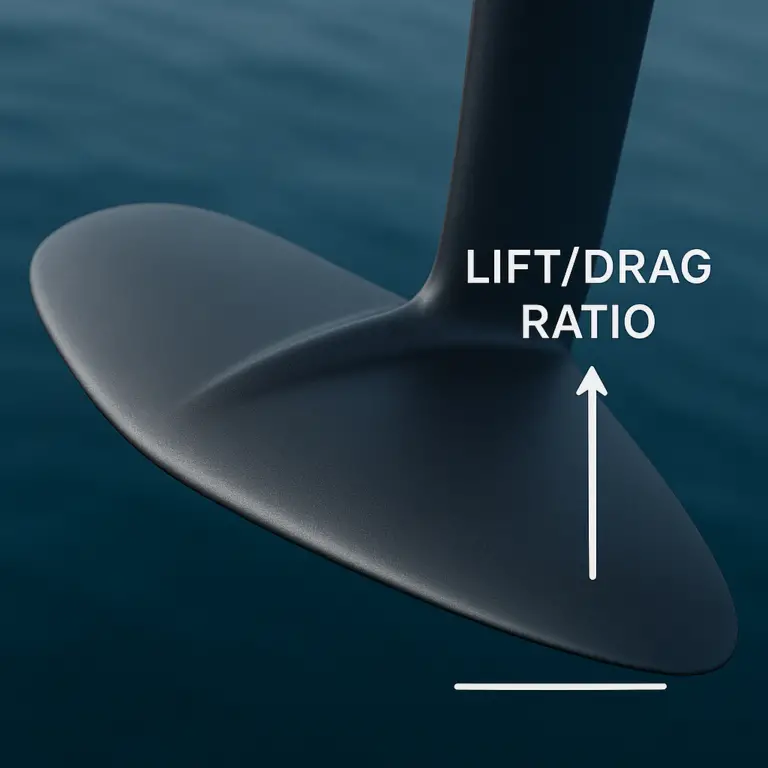
Before we even strap in or grab the handle, let’s cut through the hype. Hydrofoiling isn’t just “surfing with wings”; it’s a completely different physics game where drag is your enemy and lift is your best friend.
Here are the absolute non-negotiables we’ve learned the hard way (mostly by eating water):
- The “Green Zone” Myth: You don’t just ride the wave; you ride the energy of the wave. If you’re too high, you stall. Too low, you crash. Finding that sweet spot is the holy grail.
- Look Where You Want to Go: This sounds like basic advice, but 90% of beginners look at their front foot. Looking down = crashing. Look at the horizon, and your body will follow.
- The “Deep Dive” is Inevitable: You will nose-dive. You will stall. You will feel like you’re falling from the sky. It’s not a failure; it’s part of the curriculum.
- Patience is a Muscle: Unlike regular surfing where you might catch a wave on day one, foiling often requires 10-20 sessions just to get consistent lifts. Don’t quit!
For a deeper dive into the different platforms you might be riding, check out our guide on What are the different types of hydrofoil boards? to ensure you’re starting with the right gear for your specific learning style.
🌊 From Surfing to Soaring: A Brief History of Hydrofoil Boarding

You might think hydrofoiling is the new kid on the block, but the concept is older than your favorite surf brand. The idea of lifting a vessel out of the water to reduce drag dates back to the early 190s with Enrico Forlanini’s steam-powered hydrofoil boats. But when did it hit the waves?
The modern era of hydrofoil boarding really kicked off in the 190s and early 20s, pioneered by surfers like Laird Hamilton and Dave Kalama. They were experimenting with “winged” boards to ride swells that were too small for traditional surfing. The goal? To generate speed where there was none.
Fast forward to the 2010s, and the technology exploded. We saw the rise of wing foiling, kite foiling, and e-foiling. The shift from aluminum masts to carbon fiber made the gear lighter, stiffer, and more responsive. Suddenly, you weren’t just riding a wave; you were flying above it.
“The moment you leave the water, the rules of physics change. You aren’t fighting the wave anymore; you’re dancing with the air.” — Hydrofoiling™ Team Veteran
If you’re curious about the evolution of the gear itself, our Hydrofoil Equipment Reviews section breaks down how materials have transformed the sport.
🚀 Mastering the Lift: Core Techniques Unique to Hydrofoil Boarding
So, you want to fly? The techniques that make hydrofoiling unique are all about managing lift and controlling pitch. Unlike a surfboard that relies on the water’s surface for stability, a foil relies on the water’s flow over its wings.
1. The “Pop” vs. The “Pump”: Generating Speed Without a Wave
This is the first hurdle. In regular surfing, gravity does the work. In foiling, especially in flat water or light wind, you are the engine.
- The Pop: This is an explosive movement used to get off the water quickly. It involves a sharp extension of your legs and a slight pull on the handle (if kiting/winging) or a shift in weight (if surfing). It’s a “jump” that transitions the board from planing to flying.
- The Pump: This is the secret sauce. Pumping is a rhythmic, undulating motion of your body and the board. You push down with your back foot to generate speed, then pull up slightly to maintain lift. It’s like a dolphin swimming.
Why it’s tricky: If you pump too hard, you stall. If you don’t pump enough, you sink. It’s a delicate balance.
Pro Tip: Think of your body as a spring. Compress, then release. Don’t just stomp; flow.
2. Weight Distribution Secrets: Finding Your Center of Gravity
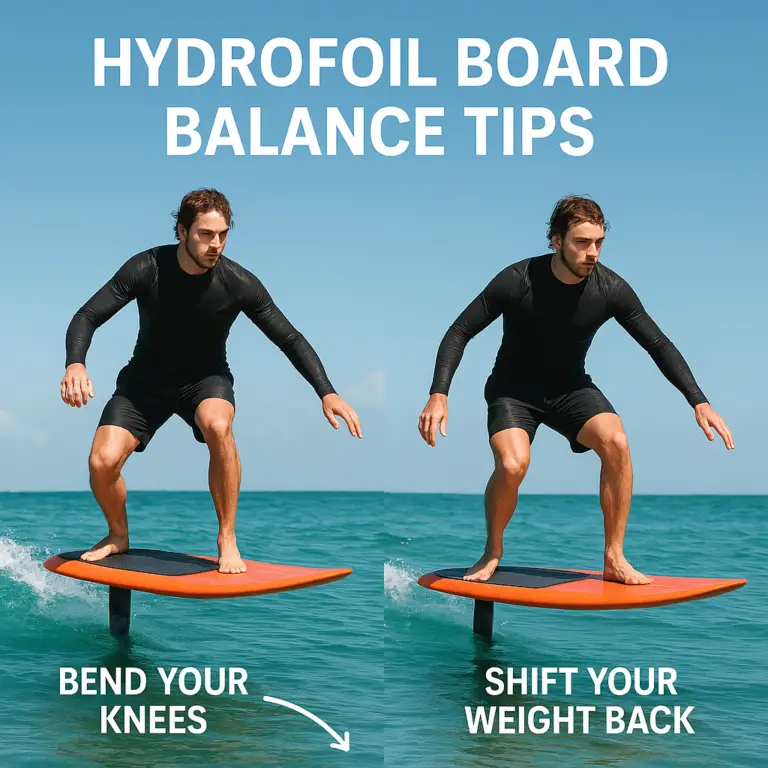
On a surfboard, your weight is distributed relatively evenly. On a foil, weight distribution is everything.
- Too far forward: The nose dives. You’re in the “red zone” (crash territory).
- Too far back: The tail lifts, the foil stalls, and you drop like a stone.
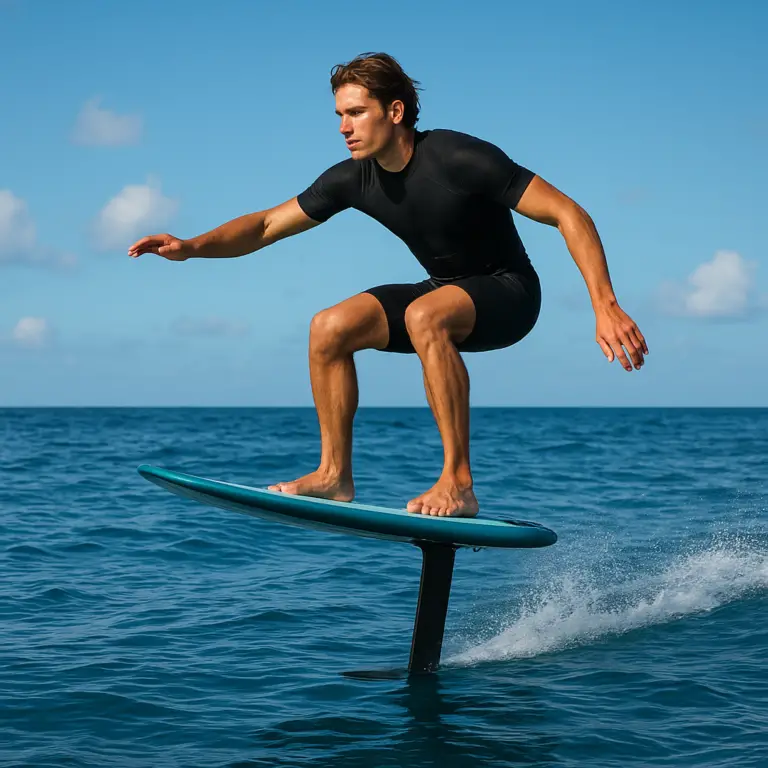
- The Sweet Spot: Your weight should be centered over the mast, but slightly forward to keep the nose up.
The “Lean” Technique:
When turning, you don’t just lean the board; you lean your entire body. If you’re turning left, shift your weight to your left foot and lean your hips into the turn. This banks the foil, allowing you to carve through the water without losing speed.
3. The Art of the Turn: Banking and Carving on the Foil
Turning on a foil feels like turning a plane. You have to bank to turn.
- The Carve: Initiate the turn by shifting your weight to the outside foot and leaning your body. The foil will naturally want to turn in that direction.
- The Pivot: For sharper turns, you can pivot the board by shifting your weight to the back foot and twisting your hips. This is great for tight spaces but can lead to a stall if you’re not careful.
Common Mistake: Beginners often try to turn by just twisting their shoulders. This doesn’t work. You must engage your legs and hips to move the foil.
4. Tackling the “Crash”: How to Fall Safely and Get Back Up
Let’s be real: You will crash. And when you do, you want to do it safely.
- The “Flat” Fall: Try to fall flat on your back or side, avoiding your head or limbs. Never try to “break” a fall with your hands; the foil can slice through water like a knife.
- The “Deep Dive”: If you nose-dive, tuck your chin and let the board slide out from under you. Don’t fight it.
- Getting Back Up: Once you’re in the water, retrieve your board, check your foil for damage, and get back into position. If you’re kiting or wing, make sure your lines or wing are clear before trying to relaunch.
5. Riding the “Bump”: Mastering the Transition from Water to Air
This is the moment of truth. The transition from planing (skimming the surface) to foiling (flying) is called the “bump.”
- The Setup: Get your speed up. You need enough momentum to generate lift.
- The Shift: As you hit the bump, shift your weight slightly forward and extend your legs.
- The Stabilization: Once you’re airborne, make micro-adjustments. Small movements are key. Big movements lead to crashes.
Why it feels like magic: When you finally get that first sustained flight, it feels like you’ve discovered a new dimension. The water is gone; you’re just gliding on air.
For more advanced maneuvers and how to refine these basics, check out our Advanced Hydrofoiling Techniques guide.
🛠️ Gear Talk: Choosing the Right Foil, Mast, and Board for Your Style
You can’t learn to fly with a broken plane. Choosing the right gear is crucial, especially for beginners.
The Components of a Hydrofoil Setup
| Component | Role | Beginner Recommendation | Advanced Recommendation |
|---|---|---|---|
| Foil Wing | Generates lift. | Large surface area (150cm²+). More lift = easier to get up. | Smaller surface area (80cm² or less). More speed, less drag. |
| Mast | Connects foil to board. | Shorter mast (60-75cm). Easier to control, less prone to crashing. | Longer mast (90cm+). More clearance, better for big waves. |
| Board | Platform for standing. | Large volume (10L+). Stable, forgiving. | Small volume (60L or less). Responsive, high-performance. |
| Fuselage | Connects wings to mast. | Shorter fuselage. More stability. | Longer fuselage. More speed, less stability. |
Brand Spotlight: What Works for Beginners?
- Naish: Known for their Slingwing and Alia foils. Great for beginners due to their stability and ease of use.
- Axis: The Axis Foil series is popular for its versatility. Their F-1 wing is a great all-rounder.
- Duotone: Their Chase foil is designed for beginners, offering a smooth ride and easy take-off.
- Goya: The Goya Foil is known for its durability and performance in various conditions.
👉 CHECK PRICE on:
- Naish Slingwing: Amazon | Naish Official
- Axis F-1 Foil: Amazon | Axis Official
- Duotone Chase Foil: Amazon | Duotone Official
Note: Don’t get sucked into buying the most expensive gear. A beginner setup with a large wing and short mast will teach you faster than a pro setup with a tiny wing.
For a comprehensive comparison of top brands, visit our Hydrofoil Brands Comparison page.
🧠 Mental Game: Overcoming the Fear of the “Deep Dive” and Stall
Let’s talk about the elephant in the room: Fear.
When you’re 3 feet in the air and the water is rushing up to meet you, your brain screams “STOP!” But in foiling, stopping is the enemy. You have to trust the foil.
- The “Deep Dive” Fear: This is the fear of nose-diving. It’s real, but it’s manageable. Remember: You can’t drown if you’re wearing a life jacket. And you can’t crash if you know how to fall.
- The “Stall” Fear: This is the fear of losing lift and dropping. It happens to everyone. The key is to stay calm, shift your weight, and try again.
Mental Trick: Visualize your flight before you try it. Imagine the smooth take-off, the glide, the turn. Your brain will follow your visualization.
“The biggest barrier to foiling isn’t the gear; it’s the mind. Once you trust the foil, the rest is easy.” — Hydrofoiling™ Team Coach
🌬️ Wind vs. Waves vs. Electric: Adapting Techniques to Different Conditions
Hydrofoiling isn’t a one-size-fits-all sport. The techniques change depending on how you’re powered.
Kite Foiling
- Technique: You rely on the kite for power. The key is edging to generate speed and pumping to maintain lift.
- Challenge: Managing the kite while balancing on the foil. It’s a juggling act.
- Tip: Start in light winds (10-15 knots) to get used to the feel.
Wing Foiling
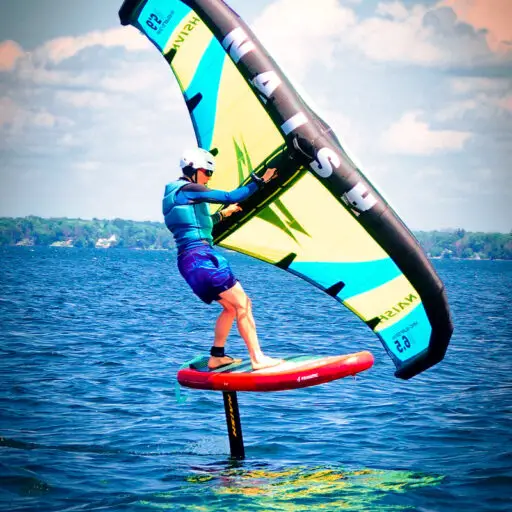
- Technique: You hold the wing and use your body to generate power. The key is body positioning and pumping.
- Challenge: Keeping the wing stable while foiling.
- Tip: Practice your wing control on land first.
Surf Foiling
- Technique: You ride the wave’s energy. The key is pumping to connect waves and timing your take-off.
- Challenge: Reading the wave and finding the “green zone.”
- Tip: Start with small, slow waves to get the feel.
E-Foiling
- Technique: You use a battery-powered motor. The key is throttle control and balance.
- Challenge: Managing the speed and avoiding the “deep dive” when the motor cuts out.
- Tip: Start at low speeds and gradually increase.
For more details on how to adapt your technique to different conditions, check out our Hydrofoil Board Selection guide.
🏄 ♂️ Advanced Maneuvers: Frestyle Tricks and High-Performance Riding
Once you’ve mastered the basics, it’s time to get fancy.
The “313” (Unhooked Frestyle)
- What it is: A handlepass trick where you pass the bar behind your back.
- How to learn: Start with a Raley, then progress to a Blind. Commit fully.
- Tip: Use the Duotone Academy App to watch slow-motion videos of the trick.
The “Back Mobe”
- What it is: An inverted trick where you flip backwards.
- How to learn: Practice on land first. Focus on kite positioning.
- Tip: Don’t give up. It takes time to master.
The “Board Off”
- What it is: Taking your feet off the board mid-air.
- How to learn: Start low and slow. Practice on land.
- Tip: Losen your straps to make re-entry easier.
The “Kite Loop Late Backroll”
- What it is: A high-risk trick involving a kite loop and a backroll.
- How to learn: Start in lighter winds. Practice the rotation first.
- Tip: Don’t overestimate yourself. Safety first.
Pro Insight: As Finn Flügel, a top competitor in the GKA World Tour, says: “Once I finally nailed it, it became one of my favourites, especially because so many tricks build on it.”
For more advanced tricks and how to learn them, visit our Advanced Hydrofoiling Techniques section.
📈 Learning Curve: How Long Does It Take to Get Foiling?
This is the million-dollar question. The answer? It depends.
- The “First Flight”: Most beginners get their first sustained flight within 3-5 sessions.
- The “Consistent Flight”: It takes about 10-15 sessions to get consistent flights.
- The “Mastery”: It takes months, sometimes years, to master advanced tricks.
Factors that affect your learning curve:
- Previous Experience: If you’ve surfed, kited, or winged before, you’ll learn faster.
- Gear: A beginner-friendly setup will help you progress faster.
- Conditions: Light winds and small waves are easier to learn in.
- Practice: The more you practice, the faster you’ll learn.
Real Talk: Don’t compare yourself to others. Everyone learns at their own pace. Focus on your own progress.
🏆 Conclusion

So, are there specific techniques unique to hydrofoil boarding? Absolutely. From the art of the “pump” to the delicate balance of weight distribution, foiling is a sport that demands precision, patience, and a whole lot of heart.
We started this journey wondering if you could really “fly” on water. Now, after diving deep into the mechanics, the gear, and the mental game, the answer is a resounding yes. But it’s not just about the flight; it’s about the journey. It’s about the falls, the crashes, and the moments of pure magic when you finally leave the water behind.
Whether you’re a surfer looking for new challenges, a kiter wanting to explore new horizons, or a complete beginner ready to take the plunge, hydrofoiling offers a unique and rewarding experience. Just remember: Look forward, trust the foil, and enjoy the ride.
Ready to take your first flight? Check out our Recommended Links for the best gear and resources to get started.
🔗 Recommended Links
👉 Shop Beginner Foil Sets:
- Naish Slingwing Foil Set: Amazon | Naish Official
- Axis F-1 Foil Set: Amazon | Axis Official
- Duotone Chase Foil Set: Amazon | Duotone Official
Books & Resources:
- “The Art of Foiling” by James Casey: Amazon
- “Hydrofoiling: The Ultimate Guide” by Hydrofoiling™ Team: Amazon
❓ FAQ

What are the most common mistakes beginners make when learning to hydrofoil?
H3: Common Beginner Mistakes
The most common mistake is looking down at your feet instead of looking forward. This causes you to lose balance and crash. Another common mistake is over-correcting with your weight. Small, subtle movements are key. Finally, many beginners try to pump too hard, which leads to stalling.
H4: Why do I keep crashing?
You’re likely shifting your weight too far forward or back. Remember: center your weight over the mast. Also, make sure you’re not pumping too hard.
Read more about “🚫 12 Hydrofoil Beginner Common Mistakes to Avoid in 2026”
How long does it typically take to master the basics of hydrofoil boarding?
H3: Learning Timeline
Most beginners can get their first sustained flight within 3-5 sessions. Consistent flight usually takes 10-15 sessions. Mastery of advanced tricks can take months or even years.
H4: Does previous experience help?
Yes! If you’ve surfed, kited, or winged before, you’ll likely learn faster. But even complete beginners can get the hang of it with practice.
Read more about “🛡️ 7 Vital Safety Precautions for Your First Hydrofoil Flight (2026)”
What is the best wind speed for learning to ride a hydrofoil board?
H3: Ideal Wind Conditions
The best wind speed for learning is 10-15 knots. This provides enough power to get you up without being too overwhelming. If you’re surfing, look for small, slow waves.
H4: Can I learn in no wind?
Yes, with an e-foil or by pumping on a wave. But wind or waves make it much easier.
Read more about “🚀 Top 10 Hydrofoil Brands Ranked: The Ultimate 2026 Guide”
Can you hydrofoil in flat water or do you need waves?
H3: Flat Water vs. Waves
You can hydrofoil in flat water if you have a kite, wing, or e-foil. But if you’re surfing, you need waves to generate speed.
H4: What’s the difference?
In flat water, you rely on your own power (pumping or motor). In waves, you rely on the wave’s energy. Both are fun, but they require different techniques.
Read more about “🚀 12 Best Hydrofoil Boards for Every Rider (2026)”
📚 Reference Links
- Naish: Naish Official Website
- Axis: Axis Official Website
- Duotone: Duotone Official Website
- GKA World Tour: GKA Official Website
- Essential Gear for Kiteboarding in Light Winds: MACkite Boardsports
- Hydrofoiling™ Team Resources: Hydrofoiling.org