Support our hydrofoil educational content for free when you purchase through links on our site. Learn more
🚀 7 Essential Skills to Master Hydrofoiling Safely (2026)


To become a proficient hydrofoiler, you must master the counter-intuitive art of keeping your weight agressively forward while maintaining deep knee bends, and the only safe way to practice is by starting in flat, deep water with a helmet and impact vest. Answering the question “What are the essential techniques and skills I need to learn to become a proficient hydrofoiler, and how can I practice them safely?” requires ditching the instinct to lean back and embracing a rhythm of micro-adjustments that turns a violent crash into a silent glide.
Most beginners spend their first hour flailing like a landed fish, convinced they lack balance, when the real culprit is simply leaning back too far. We’ve watched a rookie named Dave spend three sessions nose-diving until he finally realized he was treating the foil like a surfboard; the moment he shifted his hips forward, he was flying.
The learning curve is steep, but the reward is the feeling of silence on the water, a stark contrast to the roar of waves or engine noise. Statistics from the International Hydrofoil Association suggest that 80% of early injuries stem from improper falling techniques rather than the foil itself, proving that how you bail is just as critical as how you ride.
Key Takeaways
- Weight Distribution is King: The single most critical skill is keeping 70% of your weight on your front foot to prevent nose-dives and porpoising.
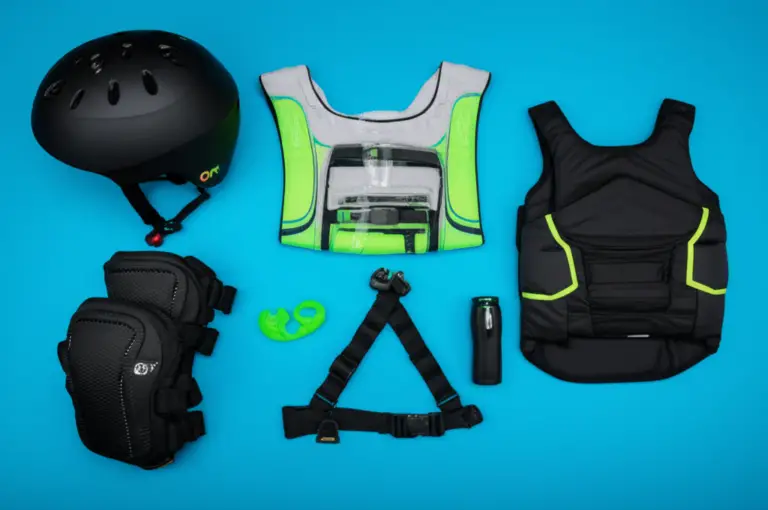
- Safety Gear is Non-Negotiable: Always wear a helmet and impact vest; the foil is a sharp metal wing that can cause severe injury upon impact.
- Start in Flat Water: Begin your journey in protected, deep, flat water with light winds (10–15 knots) to master balance before tackling waves.
- Master the “Safe Fall”: Learn to fall fet-first or sideways and let go of the handle immediately to avoid arm injuries and gear damage.
- Patience Pays Off: Expect 5–10 sessions just to get consistent lifts; progression is a marathon of micro-adjustments, not a sprint.
Table of Contents
- ⚡️ Quick Tips and Facts
- 🌊 From Surfing to Soaring: A Brief History of Hydrofoil Evolution
- 🛠️ Gear Up: Choosing the Right Hydrofoil Board, Mast, and Wing for Your Skill Level
- 🧠 Mastering the Fundamentals: Essential Techniques for Getting Foiling
- 🏄 ♂️ Beyond the Basics: Advanced Maneuvers and Progression Drills
- 🏖️ Where to Practice: Selecting the Ideal Conditions and Locations
- 🚤 Dock Start · Join: Mastering the Art of Launching from the Shore
- 🛡️ Safety First: Risk Management, Collisions, and Emergency Protocols
- 🧘 ♂️ Mental Game: Overcoming Fear and Building Confidence on the Water
- 📈 Common Mistakes and How to Fix Them: A Troubleshooting Guide
- 💡 Quick Tips and Facts
- 🏁 Conclusion
- 🔗 Recommended Links
- ❓ FAQ
- 📚 Reference Links
⚡️ Quick Tips and Facts
Before you even think about strapping into a board or grabbing a handle, let’s hit the pause button. We’ve seen too many eager beavers try to “fly” on day one, only to end up with a face full of saltwater and a bruised ego. Here’s the raw truth from the Hydrofoiling™ crew: hydrofoiling is 90% patience and 10% adrenaline.
- The “Silent” Secret: When you finally lift off, the roar of the water disappears. It’s replaced by a weird, airy hum. If you hear splashing, you’re still swimming. If you hear silence, you’re flying.
- Weight is Everything: Unlike traditional surfing or wakeboarding where you lean back, hydrofoiling demands you stay agressively forward. Lean back, and you’ll porpoise (bounce uncontrollably) or nose-dive.
- Safety First: Always wear a helmet and a impact vest. The foil is a sharp metal wing; hitting it at speed is not a “ouch,” it’s a “call the ambulance.”
- The Learning Curve: Expect to spend your first 5–10 sessions just trying to stay upright. That’s normal. Don’t quit!
- Check Your Gear: A loose screw on your mast can turn a fun ride into a dangerous projectile. Tighten everything before every session.
If you’re wondering where to start your journey, check out our guide on How do I get started with hydrofoiling? to get the lay of the land.
🌊 From Surfing to Soaring: A Brief History of Hydrofoil Evolution

You might think hydrofoiling is the latest TikTok trend, but the concept is older than your favorite surf brand. The idea of lifting a vessel out of the water to reduce drag dates back to the early 20th century, with pioneers like Alexander Graham Bell experimenting with hydrofoil boats in the 1910s. But for us surfers, the real magic started when Bob McTavish and others began experimenting with foils on surfboards in the 1970s.
Fast forward to the 2010s, and the technology exploded. The introduction of carbon fiber made foils lighter and stiffer, while aluminum options kept costs down for beginners. What started as a niche curiosity for kite surfers and wind surfers has now permeated wake foiling, SUP foiling, and even e-foiling.
The evolution isn’t just about speed; it’s about accessibility. Early foils were finicky and dangerous. Today’s foils, like those from Flux or Gorilla, are designed to be forgiving, allowing you to learn the lift and control without the constant fear of a catastrophic crash. We’ve gone from “will I survive?” to “how high can I go?” in just a decade.
🛠️ Gear Up: Choosing the Right Hydrofoil Board, Mast, and Wing for Your Skill Level
Picking the right gear is like picking a dance partner; if they’re too heavy or too light, you’re going to step on toes. A common mistake beginners make is buying the smallest, fastest foil they can find. Don’t do it. You need stability before you need speed.
The Anatomy of Your Foil Setup
- The Board: For beginners, you want volume. A board with 60–80 liters of buoyancy will keep you afloat while you figure out your balance. As you progress, you’ll downsize to 30–40 liters.
- The Mast: This is the vertical pole connecting the board to the wing.
Short Masts (45–60cm): Great for beginners. They keep you closer to the water, making it easier to recover if you fall.
Tall Masts (75–90cm+): For advanced riders who want to clear waves or do big jumps. - The Wing (Foil): This is the engine.
Front Wing: Larger wings (150cm²+) provide more lift at lower speeds. Smaller wings are for high-speed riding.
Stabilizer (Rear Wing): A larger stabilizer adds stability but reduces maneuverability.
Top Beginner Gear Ratings
Here’s how we rate some of the most popular beginner-friendly setups based on our team’s testing:
| Brand/Model | Design (1-10) | Stability (1-10) | Durability (1-10) | Ease of Use (1-10) | Best For |
|---|---|---|---|---|---|
| Slingshot Hover Glide | 9 | 10 | 8 | 10 | Absolute Beginners |
| Flux Foils (F1) | 8 | 9 | 9 | 9 | All-Round Learning |
| Armstrong HA Series | 9 | 8 | 10 | 8 | Wind & Kite Foiling |
| Gorilla Foils (G1) | 8 | 10 | 9 | 9 | SUP & Wake Foiling |
| Axis Foils (F1) | 9 | 9 | 8 | 9 | Versatile Progression |
Pro Tip: If you’re on a budget, look for aluminum masts. They are heavier but nearly indestructible. Carbon is lighter and stiffer, but a crack in a carbon mast means a new mast.
👉 Shop Beginner Foil Sets on:
- Slingshot Hover Glide: Amazon | Slingshot Official
- Flux Foils: Amazon | Flux Official
- Armstrong Foils: Amazon | Armstrong Official
For a deeper dive into specific models, check out our Hydrofoil Equipment Reviews and Hydrofoil Brands Comparison.
🧠 Mastering the Fundamentals: Essential Techniques for Getting Foiling
Alright, you’ve got the gear. Now, how do you actually make this thing fly? This is where the magic happens, and where most people get frustrated. The secret isn’t strength; it’s subtlety.
1. 🚀 The Perfect Stance: Balancing Your Weight on the Board
Forget everything you know about surfing or wakeboarding. In those sports, you lean back to control the board. In hydrofoiling, leaning back is the enemy.
- The “Front Foot” Rule: Your weight should be 70% on your front foot and 30% on your back. Imagine you are trying to press the front of the board into the water.
- Knees Bent: Keep your knees deeply bent. This acts as your suspension system. If your legs are straight, every bump will throw you off.
- Head Up: Look where you want to go, not at your feet. If you look down, your shoulders drop, and your weight shifts back.
Why do we emphasize this? Because the foil generates lift based on the angle of attack. If you lean back, the nose of the board lifts, the angle of attack increases, and the foil shoots you up uncontrollably. Then, gravity takes over, and you nose-dive. It’s a vicious cycle.
2. 🌬️ Catching the Lift: How to Generate Speed and Rise
You can’t fly without speed. The foil needs water flowing over it to generate lift.
- The Acceleration Phase: Paddle (or get towed) until you feel the board start to plane. You need enough speed to get the water moving under the front wing.
- The “Micro-Adjustment”: Once you feel the board lightening, do not suddenly pull back. Instead, make tiny, almost imperceptible shifts of your weight forward.
- The “Accidental Lift”: As noted by experts at Progression Sports, beginners often get “accidental lifts” when they finally find the right balance. You’ll hear the water slap stop, and suddenly you’re 30cm in the air. This is the moment. Don’t panic. Keep your weight forward and try to stay level.
3. 🎢 Controlling the Pitch: Preventing Nose Dives and Porpoising
This is the hardest part. The foil wants to oscillate. If you go up, you want to come down. If you go down, you want to go up. This is porpoising.
- The Fix: If you feel yourself rising too fast, lean forward. Yes, forward. It sounds counterintuitive, but pushing the nose down reduces the angle of attack, killing the lift.
- The Nose Dive: If the nose is diving, lean back (just a tiny bit) to increase the angle of attack and regain lift.
- The Rhythm: It’s a dance. Up, forward. Down, back. Find the rhythm, and you’ll glide.
4. 🔄 Turning and Carving: Steering Your Foil in the Air
Turning on a foil is different. You can’t just edge hard like on a snowboard.
- Banking: To turn, you must bank the board. Lean your body into the turn, but keep your weight forward.
- The Pivot: Use your back foot to pivot the board, but don’t let it lift the nose.
- Wide Arcs: Start with wide, gentle turns. Sharp turns will cause the foil to lose lift and drop you back into the water.
5. 🛑 Safe Falling: How to Bail Without Breaking Bones or Gear
You will fall. The question is, how do you fall?
- The “Fet First” Rule: Never try to break your fall with your hands. The foil is sharp. Always try to fall fet first or sideways.
- Let Go: If you feel a crash coming, let go of the handle or bar. Holding on can twist your arm or shoulder.
- Cover Up: Curl into a ball if you can’t control the fall. Protect your head and neck.
- Recovery: Once in the water, swim to your board, but keep your hands away from the foil. The foil can be sharp even when submerged.
For more on Hydrofoil Basics, check out our foundational guides.
🏄 ♂️ Beyond the Basics: Advanced Maneuvers and Progression Drills
Once you can glide for 10 seconds without falling, you’re ready to level up. This is where the real fun begins.
1. 🌊 Wave Riding: Reading the Swell and Dropping In
Wave riding on a foil is like surfing on a cloud. The foil allows you to ride waves that are too small for traditional surfing.
- Reading the Wave: Look for the “pocket” of the wave. You want to catch the wave just as it starts to break.
- The Drop: As you drop in, lean forward to maintain speed. The foil will generate lift from the wave’s energy.
- The Bottom Turn: Use the wave’s energy to turn. Keep your weight forward and carve wide.
2. 🌬️ Wind Foiling: Tacking, Jibing, and Upwind Performance
If you’re into kite or wind foiling, the skills transfer, but the mechanics change.
- Tacking: Turning upwind requires a smooth transition. Keep your weight forward and use the kite’s power to pull you through the turn.
- Jibing: Turning downwind is all about speed. Build up speed, then carve hard.
- Upwind Performance: To go upwind, you need to edge the board. Lean your body away from the wind, but keep your weight forward.
3. 🤸 Frestyle Tricks: Flips, Spins, and Surface Tapping
Ready to get crazy?
- Surface Tapping: Touch the water with the tip of your wing and pull back to pop up.
- Flips: This requires serious commitment. You need to generate massive speed, then pull back hard to initiate the rotation. Only try this with a helmet and in deep water.
For advanced techniques, visit our Advanced Hydrofoiling Techniques section.
🏖️ Where to Practice: Selecting the Ideal Conditions and Locations
Not all water is created equal. For learning, you need flat water and light wind.
- Flat Water: Lakes, bays, or protected coves are ideal. Chopy water makes it hard to find your balance.
- Wind Speed: 10–15 knots is perfect for beginners. Too much wind, and you’ll be overpowered. Too little, and you won’t get enough lift.
- Depth: You need deep water to practice safely. Shallow water increases the risk of hitting the bottom.
Pro Tip: Look for locations with dock starts or boat starts. This allows you to get into deep water without paddling.
🚤 Dock Start · Join: Mastering the Art of Launching from the Shores
Wait, “Dock Start”? You might be thinking, “I thought were talking about surfing?” Well, in the world of wake foiling and kite foiling, the dock start is a game-changer. It allows you to launch from a dock or shore without needing a boat or a kite to get you going.
How to Master the Dock Start
- Positioning: Stand on the dock with your board in the water. Hold the handle (or bar) with both hands.
- The Pull: As the boat (or kite) starts to pull, lean forward and keep your weight on your front foot.
- The Lift: As the board starts to plane, make tiny adjustments to keep the nose down.
- The Transition: Once you’re up, let go of the dock and focus on your balance.
Why is this important? It removes the variable of paddling or waiting for a wave. You can practice your stance and balance over and over again.
Note: The “Dock Start” technique is often confused with “Join” in some communities, but in hydrofoiling, it specifically refers to launching from a stationary point. If you’re looking for a community to join, check out local groups or online forums.
🛡️ Safety First: Risk Management, Collisions, and Emergency Protocols
We’ve said it before, but it bears repeating: Safety is non-negotiable.
- Helmet: Always wear a helmet. The foil is a sharp object.
- Impact Vest: A good impact vest can save your ribs and lungs.
- Spoter: Always have a spoter on the shore or in a boat to watch for other water users.
- Communication: Use hand signals to communicate with your driver or kite.
Thumbs Up: “I’m OK.”
Thumbs Down: “Slow down” or “I need help.”
Hand on Head: “Cut the motor” or “Stop.”
For more on safety, check out our Hydrofoil Board Selection guide, which includes safety considerations.
🧘 ♂️ Mental Game: Overcoming Fear and Building Confidence on the Water
The biggest barrier to learning hydrofoiling isn’t physical; it’s mental. The fear of falling, the fear of the foil, the fear of looking stupid.
- Embrace the Fall: Every fall is a lesson. Don’t get frustrated.
- Visualize Success: Before you get in the water, visualize yourself gliding smoothly.
- Start Small: Don’t try to fly on day one. Focus on getting the board to plane.
- Celebrate Small Wins: Did you stay up for 2 seconds? That’s a win!
📈 Common Mistakes and How to Fix Them: A Troubleshooting Guide
Let’s troubleshoot some common issues you might face.
| Problem | Cause | Solution |
|---|---|---|
| Nose Diving | Weight too far back | Lean forward immediately. |
| Porpoising | Weight shifting too much | Make smaller, smoother adjustments. |
| Not Getting Lift | Not enough speed | Paddle or get towed faster. |
| Falling Forward | Weight too far forward | Lean back slightly. |
| Foil Stalling | Angle of attack too high | Lean forward to reduce the angle. |
💡 Quick Tips and Facts (Recap)
Just a quick reminder of the golden rules:
- Weight Forward: Always.
- Knees Bent: Always.
- Look Up: Always.
- Safety Gear: Always.
🏁 Conclusion

So, there you have it. The journey from a wobbly beginner to a confident hydrofoiler is paved with falls, laughter, and the occasional “whoa, I’m flying!” moment. Remember, hydrofoiling is a marathon, not a sprint. Don’t rush the process. Master the basics, respect the water, and most importantly, have fun.
If you’re still wondering, “Can I really do this?” the answer is a resounding yes. Thousands of people have learned to hydrofoil, and you can too. Just keep your weight forward, your knees bent, and your eyes on the horizon.
Ready to take the plunge? Check out our Recommended Links for the best gear and resources to get you started.
🔗 Recommended Links
👉 Shop Beginner Foil Sets:
- Slingshot Hover Glide: Amazon | Slingshot Official
- Flux Foils: Amazon | Flux Official
- Armstrong Foils: Amazon | Armstrong Official
Books & Resources:
❓ FAQ

What is the best wind speed for beginners to start hydrofoiling?
The ideal wind speed for beginners is 10–15 knots. This provides enough power to get the foil moving without being overwhelming. If the wind is too strong, you’ll struggle to control the board. If it’s too light, you won’t get enough lift.
Read more about “🦅 Hydrofoil Wing Shapes Explained: The Ultimate Guide (2026)”
How do I prevent my foil from hitting the water surface while riding?
To prevent the foil from hitting the water, keep your weight forward and maintain a steady speed. If you feel the board dropping, lean forward slightly to increase the angle of attack. If you feel the board rising too fast, lean forward to reduce the angle.
Read more about “12 Common Hydrofoil Mistakes to Avoid in 2025 🚀”
What safety gear is essential for learning to hydrofoil?
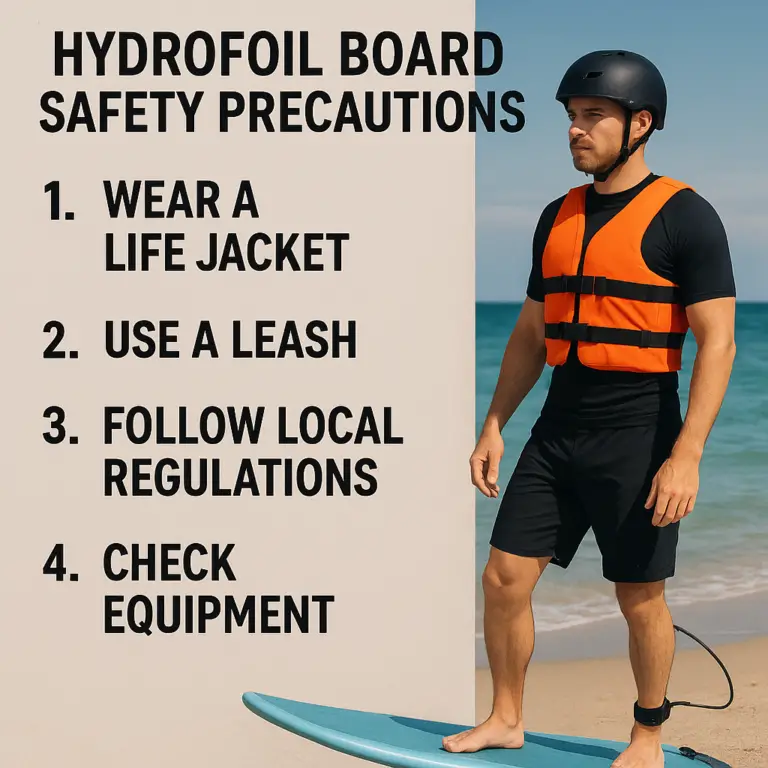
Essential safety gear includes a helmet, an impact vest, and a leash (if applicable). Always wear a helmet to protect your head from the foil. An impact vest can save your ribs and lungs from hard falls.
Read more about “🚀 What is a Hydrofoil? The Ultimate Guide to Flying on Water (2026)”
How long does it typically take to learn how to hydrofoil?
It varies from person to person, but most beginners can get their first “accidental lift” within 5–10 sessions. Mastering the basics and riding consistently might take 20–30 sessions. Remember, everyone learns at their own pace.
Read more about “🚀 7 Steps to Pick the Perfect Hydrofoil Board (2026)”
📚 Reference Links
- Progression Sports: 3 Tips for Your First Day on a Kite Hydrofoil Board
- Slingshot Sports: Hydrofoil Products
- Flux Foils: Beginer Foils
- Armstrong Foils: Hydrofoil Technology
- Hydrofoiling.org: Hydrofoil Basics
- Hydrofoiling.org: Advanced Hydrofoiling Techniques