Support our hydrofoil educational content for free when you purchase through links on our site. Learn more
🚀 7 Hydrofoil Board Designs & Styles to Master the Sky (2026)


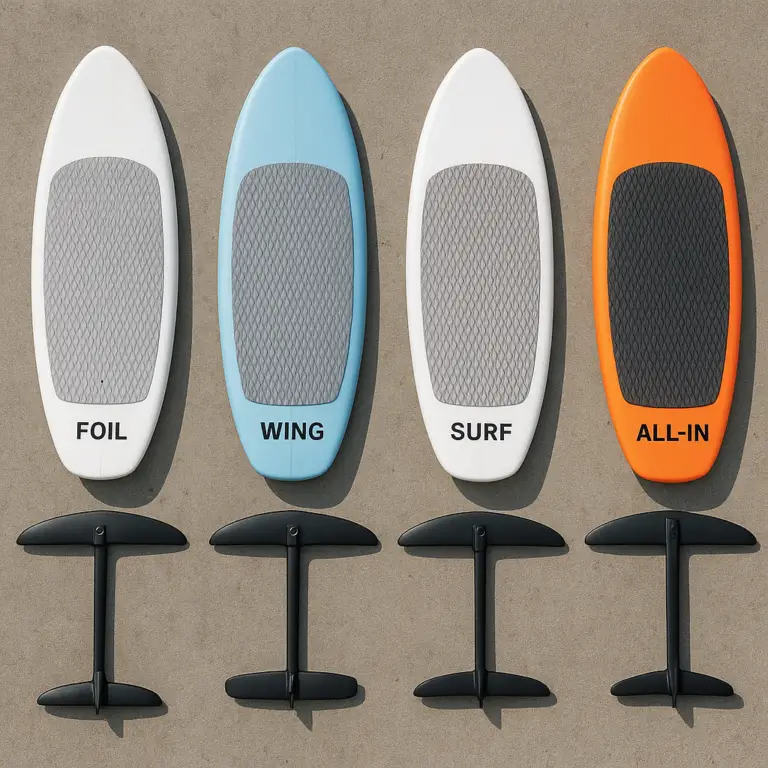
The perfect hydrofoil board design isn’t about finding the “best” one; it’s about matching the specific wing aspect ratio and board volume to your local wind, waves, and skill level. Whether you are chasing downwinders or carving tight frestyle turns, choosing the wrong hydrofoil board style is the fastest way to stay grounded.
We learned this the hard way when a teammate tried to learn on a race-spec, high-aspect wing in light chop. The result? A frantic, exhausting struggle that ended with a face-plant and a bruised ego. That day taught us that stability comes before speed for beginners, and that low-aspect wings are the secret to playful tricks.
Did you know that a mere 10cm difference in mast length can completely alter your board’s stability and range? It’s the difference between feeling like you’re flying a jet and riding a unicycle on water. Understanding these nuances is the key to unlocking hours of smooth, effortless flight.
Key Takeaways
- Match the Wing to the Mission: High-aspect wings are for speed and glide, while low-aspect wings excel in maneuverability and tricks.
- Volume is Your Lifeline: Beginners need 10L+ more volume than their body weight to get on foil easily; don’t skimp here.
- Mast Length Dictates Feel: Shorter masts (60-70cm) offer stability for learning, while longer masts (10cm+) provide range for big waves and downwinders.
- Material Impacts Performance: Carbon fiber offers responsiveness, but epoxy construction provides the durability needed for frequent crashes.
👉 Shop by Category:
- Beginer All-Rounders: Amazon | Naish Official | F-One Official
- Speed & Downwind: Amazon | Axis Official | Glide Official
- Frestyle & Tricks: Amazon | Mason Official | Ride Engine Official
- Wing Foiling Boards: Amazon | Duotone Official | Fanatic Official
Table of Contents
- ⚡️ Quick Tips and Facts
- 📜 From Surfing to Sky: The Evolution of Hydrofoil Board Designs
- 🏄 ♂️ 1. The All-Rounder: Best for Beginners and Versatile Sessions
- 🚀 2. The Speed Demon: High-Aspect Wings for Downwinders and Racing
- 🌊 3. The Frestyler: Low-Aspect Wings for Tricks and Tight Turns
- 🏄 ♀️ 4. The Big Wave Beast: Massive Boards for Stability and Power
- 🛹 5. The SUP Foiler: Stand-Up Paddleboard Specific Shapes and Volumes
- 🛥️ 6. The Wind Rider: Wing Foiling Boards with Handles and Volume Distribution
- 🔧 Anatomy of a Foil: How Mast Length, Fuselage, and Wing Shape Dictate Performance
- 📏 Board Volume vs. Rider Weight: Finding Your Perfect Match
- 🧱 Material Matters: Carbon Fiber, Epoxy, and Wood Core Comparisons
- 🌊 Riding Conditions: Matching Your Board Style to the Swell and Wind
- 🚀 Dock Start · Join: Mastering the Launch and Takeoff Techniques
- 🛠️ Maintenance and Care: Keeping Your Foil Sharp and Your Board Durable
- 🏆 Top Brands and Models We Actually Ride: A Real-World Breakdown
- ❓ Frequently Asked Questions About Hydrofoil Board Styles
- 🔗 Recommended Links for Further Reading
- 📚 Reference Links and Sources
⚡️ Quick Tips and Facts
Before we strap you into the cockpit of a hydrofoil board, let’s hit the ground running with some hard truths from the Hydrofoiling™ team. We’ve seen too many folks buy the wrong gear because they thought “bigger is always better” or “carbon fiber is magic.” Spoiler alert: it’s not that simple.
- The “Magic Carpet” Myth: Yes, you fly above the water, but that doesn’t mean you’re immune to gravity. Lift is generated by your speed and the angle of your foil, not by wishing really hard.
- Volume is King (at first): If you can’t get up, you can’t fly. Beginners often underestimate the board volume needed to get planing before the foil takes over.
- Aspect Ratio Matters: This is the single biggest factor in how your board feels. High aspect wings glide like eagles but are twitchy; low aspect wings are stable tanks but drag more.
- Mast Length vs. Stability: A longer mast gives you more room to maneuver in the air, but it acts like a long lever, making the board feel tippier and harder to control for newbies.
- Material Weight: Carbon fiber isn’t just about looking cool; it reduces swing weight, making your board feel more responsive. However, aluminum is your best friend if you’re on a budget or prone to smashing rocks.
Want to know exactly which shape fits your riding style? We’ll break down the anatomy of these beasts in the next section. But first, let’s look at how we got here.
📜 From Surfing to Sky: The Evolution of Hydrofoil Board Designs
The story of the hydrofoil board isn’t just about adding a wing to a surfboard; it’s a saga of engineering evolution, from the early days of surf foiling in Hawaii to the high-speed wind foiling craze of today.
In the early 20s, pioneers like Laird Hamilton and Dave Kalama were experimenting with hydrofoils on massive waves, but the boards were clunky, heavy, and often dangerous. The technology was there, but the board design laged behind. Fast forward to the 2010s, and the introduction of modular foil systems changed everything. Suddenly, you could swap a wing, change a mast, and ride the same board in waves, wind, or flat water.
The real game-changer, however, was the shift from aluminum to carbon fiber construction. As noted in structural analysis studies, the transition to carbon fiber layups (specifically the CF Box Structure and Longitudinal Inserts) allowed boards to handle the immense cantilever forces of the foil without snapping. This meant boards could be lighter, stiffer, and more responsive.
“Instead of levitating off the surface, these hydrofoil boards have a miniature plane attached to the board via a long stick.” — Siemens Community Analysis
Today, we have specialized designs for every discipline. But how do you choose? The answer lies in understanding the specific hydrofoil board styles tailored to your preferred environment. If you’re still confused about the different types, check out our deep dive on What are the different types of hydrofoil boards? to get a quick overview before we get into the nitty-gritty.
🏄 ♂️ 1. The All-Rounder: Best for Beginners and Versatile Sessions
If you’re just starting out or want one board that can do a little bit of everything, the All-Rounder is your best friend. These boards are the Swiss Army knives of the hydrofoil world.
Why Choose an All-Rounder?
- Forgiving Volume: They usually have a volume between 10L and 140L, giving you enough buoyancy to get up on the foil easily.
- Moderate Aspect Ratio: The foil wings are typically medium-aspect, offering a balance between glide and stability.
- Versatility: You can use them for light wind, small waves, and even some flat-water cruising.
The Trade-Off
The downside? They aren’t the fastest, nor are they the most playful. They are the “safe” choice, which is exactly what you want when you’re learning to dock start or your first time pumping.
Top Brands to Consider:
- Naish: The Naish Pivot series is legendary for its versatility.
- F-One: The F-One Bandit offers a great balance of volume and performance.
- Slingshot: The Slingshot Hover Glide is a classic choice for mixed conditions.
👉 CHECK PRICE on:
- Naish Pivot: Amazon | Naish Official
- F-One Bandit: Amazon | F-One Official
- Slingshot Hover Glide: Amazon | Slingshot Official
🚀 2. The Speed Demon: High-Aspect Wings for Downwinders and Racing
Ready to leave the competition in your wake? The Speed Demon category is all about high-aspect ratio wings and streamlined board shapes designed for maximum efficiency.
The Physics of Speed
High-aspect wings are long and narrow. According to fluid dynamics, they generate more lift with less induced drag. This means you can maintain speed with less effort, making them perfect for downwinders (riding the swell) and racing.
The Catch
- Twitchy Handling: These wings are sensitive. A slight shift in weight can send you into a spin.
- Low-End Struggle: They require more speed to get on foil. If the wind dies, you’re paddling.
- Fragility: The long wings are prone to bending or breaking on impact.
Who is this for?
Experienced riders who prioritize glide and speed over tricks. If you love the feeling of pumping across a flat lake for miles, this is your setup.
Top Brands to Consider:
- Axis: The Axis Flight series is renowned for its high-aspect performance.
- Glide: Known for their Glide Pro series, offering incredible lift.
- Duotone: The Duotone Slick is a favorite for downwind racing.
👉 CHECK PRICE on:
- Axis Flight: Amazon | Axis Official
- Glide Pro: Amazon | Glide Official
- Duotone Slick: Amazon | Duotone Official
🌊 3. The Frestyler: Low-Aspect Wings for Tricks and Tight Turns
Want to do 360s, tail slides, and carve like a madman? The Frestyler is built for agility and playfulness.
The Low-Aspect Advantage
Low-aspect wings are short and wide. They generate less lift but offer massive maneuverability. They allow you to turn on a dime and recover from mistakes quickly.
The Drawback
- Drag: You’ll feel the drag more, requiring constant pumping to maintain speed.
- Stability: They can feel “lose” at high speeds, making them less ideal for straight-line cruising.
The Vibe
This is the “skateboard” of the hydrofoil world. If you want to express yourself and hit the park, this is the way to go.
Top Brands to Consider:
- Mason: The Mason Frestyle series is designed for tricks.
- Ride Engine: Their Frestyle foils are built for high-performance maneuvers.
- Patrik: The Patrik Frestyle line offers great stability for learning tricks.
👉 CHECK PRICE on:
- Mason Frestyle: Amazon | Mason Official
- Ride Engine Frestyle: Amazon | Ride Engine Official
- Patrik Frestyle: Amazon | Patrik Official
🏄 ♀️ 4. The Big Wave Beast: Massive Boards for Stability and Power
When the waves get huge, you need a board that won’t sink under the pressure. The Big Wave Beast is designed for stability and power.
Key Features
- Massive Volume: Often 150L+, these boards can handle the drop of a 10-foot wave without nosediving.
- Reinforced Construction: Built to withstand the impact of landing from high jumps.
- Large Foil Wings: To support the extra weight and speed required for big waves.
The Trade-Off
These boards are heavy and cumbersome in small waves. They are overkill for a flat lake day.
Top Brands to Consider:
- Starboard: The Starboard Code series is a legend in big wave foiling.
- Fanatic: The Fanatic Sky series offers great volume and stability.
- Gong: Known for their Gong Big Wave boards.
👉 CHECK PRICE on:
- Starboard Code: Amazon | Starboard Official
- Fanatic Sky: Amazon | Fanatic Official
- Gong Big Wave: Amazon | Gong Official
🛹 5. The SUP Foiler: Stand-Up Paddleboard Specific Shapes and Volumes
For those who love the SUP (Stand-Up Paddleboard) lifestyle but want to fly, the SUP Foiler is the perfect bridge.
Unique Characteristics
- Volume Distribution: Designed to be stable while standing and paddling, with volume concentrated in the center.
- Handles: Many come with handles for easy carrying and launching.
- Foil Compatibility: Often feature a U-box or track system that accepts standard foils.
Why Choose SUP Foiling?
It’s the most accessible way to get into foiling. You can paddle out, find a wave, and then switch to foiling. It’s also great for flat water cruising.
Top Brands to Consider:
- Naish: The Naish Glide series is a top choice for SUP foiling.
- Starboard: The Starboard Go series is designed for SUP foiling.
- BIC Sport: The BIC Ace-Tec offers great value for SUP foilers.
👉 CHECK PRICE on:
- Naish Glide: Amazon | Naish Official
- Starboard Go: Amazon | Starboard Official
- BIC Ace-Tec: Amazon | BIC Official
🛥️ 6. The Wind Rider: Wing Foiling Boards with Handles and Volume Distribution
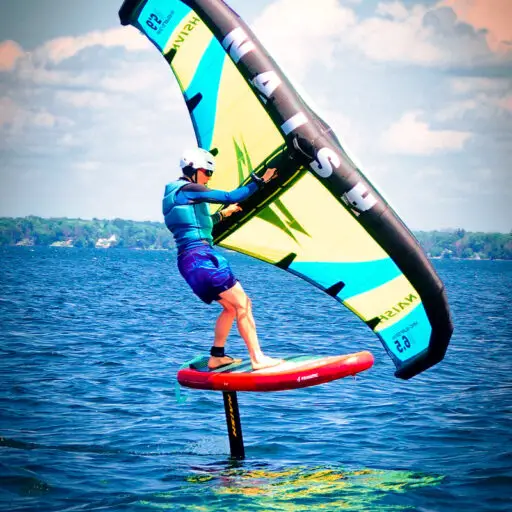
Wing foiling has exploded in popularity, and the boards designed for it are a breed apart. The Wind Rider is optimized for wind power and handling.
Design Specifics
- Handles: Essential for holding the wing while getting up on the foil.
- Volume: Usually 10L-130L, depending on rider weight and wind conditions.
- Shape: Narrower and more streamlined than SUP foilers to reduce drag in the wind.
The Experience
Wing foiling feels like flying with a kite, but without the lines. It’s incredibly intuitive and fun.
Top Brands to Consider:
- Duotone: The Duotone Rebel is a top-tier wing foiling board.
- F-One: The F-One Rocket is designed for performance.
- Naish: The Naish Hover is a versatile choice for all levels.
👉 CHECK PRICE on:
- Duotone Rebel: Amazon | Duotone Official
- F-One Rocket: Amazon | F-One Official
- Naish Hover: Amazon | Naish Official
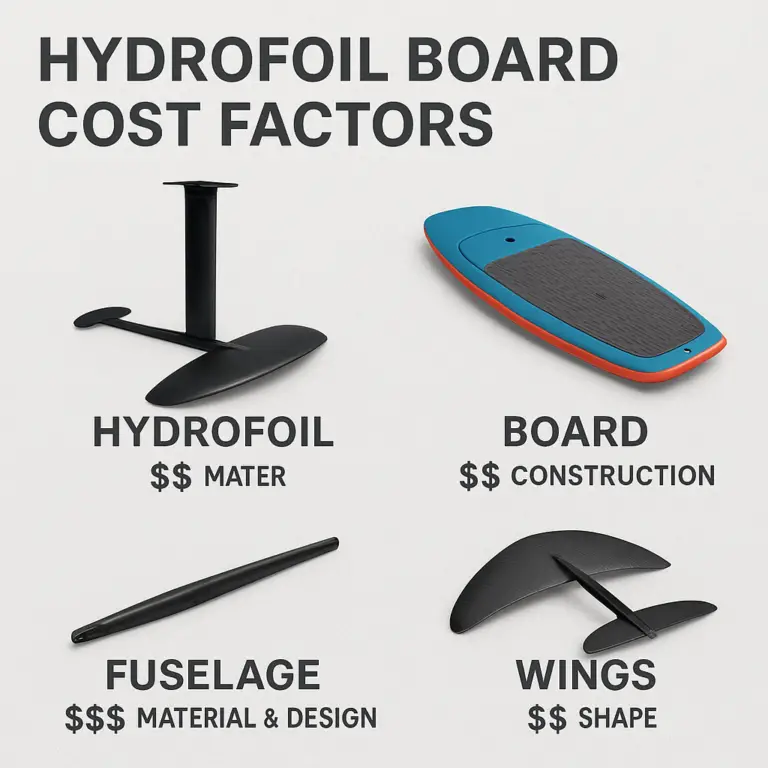
🔧 Anatomy of a Foil: How Mast Length, Fuselage, and Wing Shape Dictate Performance
You can have the best board in the world, but if your foil is wrong, you’re sunk. Let’s break down the anatomy of a foil.
Mast Length
- Short (60-70cm): Great for beginners, waves, and tricks. More stable, less prone to breaching.
- Medium (80-90cm): The sweet spot for most riders. Good balance of stability and range.
- Long (10cm+): For downwinders and big waves. More range, but less stable.
“Longer masts help you to not breach or touch down your foil, but they also make your foil feel strangely and restrictively.” — First Video Perspective
Fuselage
The fuselage connects the front and back wings.
- Short Fuselage: More agile, better for tricks.
- Long Fuselage: More stable, better for speed.
Wing Shape
- High Aspect: Long and thin. Less drag, more glide.
- Low Aspect: Short and wide. More stability, more maneuverability.
Stabilizers (Stabs)
- Surf Stabs: Smaller, for playfulness.
- Race Stabs: Larger, for downforce and speed.
Shims
Shims are small wedges you can add to adjust the angle of attack. This can fine-tune your lift and downforce.
Top Brands to Consider:
- Axis: Known for their modular system.
- Glide: Excellent for high-performance wings.
- Mason: Great for frestyle setups.
👉 CHECK PRICE on:
- Axis Foil System: Amazon | Axis Official
- Glide Foil System: Amazon | Glide Official
- Mason Foil System: Amazon | Mason Official
📏 Board Volume vs. Rider Weight: Finding Your Perfect Match
One of the most common mistakes is choosing a board that’s too small. Board volume is critical for getting on foil.
The Formula
A general rule of thumb is:
- Beginer: Rider Weight (kg) + 50L
- Intermediate: Rider Weight (kg) + 30L
- Advanced: Rider Weight (kg) + 10L
Table: Recommended Volume by Rider Weight
| Rider Weight (kg) | Beginner Volume (L) | Intermediate Volume (L) | Advanced Volume (L) |
|---|---|---|---|
| 50-60 | 10-10 | 80-90 | 60-70 |
| 60-70 | 10-120 | 90-10 | 70-80 |
| 70-80 | 120-130 | 10-10 | 80-90 |
| 80-90 | 130-140 | 10-120 | 90-10 |
| 90-10 | 140-150 | 120-130 | 10-10 |
Note: These are guidelines. Wind conditions and skill level also play a role.
🧱 Material Matters: Carbon Fiber, Epoxy, and Wood Core Comparisons
The materials used in your board and foil affect performance, durability, and price.
Carbon Fiber
- Pros: Light, stiff, responsive.
- Cons: Expensive, can be brittle on impact.
- Best For: Performance riders, racing.
Epoxy/Fiberglass
- Pros: Durable, affordable, forgiving.
- Cons: Heavier, less responsive.
- Best For: Beginners, casual riders.
Wood Core
- Pros: Natural feel, eco-friendly, durable.
- Cons: Heavy, can absorb water if damaged.
- Best For: Enthusiasts who love the aesthetic.
Structural Integrity
As highlighted in the Siemens FEA study, the CF Box Structure and Longitudinal Inserts are superior for handling the cantilever loads of the foil. Without these reinforcements, even the best materials can fail under stress.
Top Brands to Consider:
- Starboard: Uses a mix of carbon and wood cores.
- Naish: Known for their durable epoxy construction.
- F-One: High-end carbon fiber options.
👉 CHECK PRICE on:
- Starboard Boards: Amazon | Starboard Official
- Naish Boards: Amazon | Naish Official
- F-One Boards: Amazon | F-One Official
🌊 Riding Conditions: Matching Your Board Style to the Swell and Wind
Your board choice should match your local conditions.
Small Waves & Light Wind
- Best Board: All-Rounder or SUP Foiler.
- Foil: Low to Medium Aspect.
- Mast: Short to Medium.
Big Waves & Strong Wind
- Best Board: Big Wave Beast or Wind Rider.
- Foil: High Aspect.
- Mast: Long.
Flat Water & Downwinders
- Best Board: Speed Demon.
- Foil: High Aspect.
- Mast: Long.
Tricks & Park
- Best Board: Frestyler.
- Foil: Low Aspect.
- Mast: Short.
🚀 Dock Start · Join: Mastering the Launch and Takeoff Techniques
Now that you have the right gear, let’s talk about how to get going. Dock starting is a crucial skill for wind and wing foiling.
Step-by-Step Dock Start
- Position: Stand on the board with the foil submerged. Hold the wing (or kite) in the power zone.
- Tension: Pull the wing to generate tension.
- Lean: Lean back slightly to lift the nose.
- Pump: Use your legs to pump the board up.
- Fly: Once you’re on foil, relax and enjoy the ride.
Common Mistakes
- Leaning too far forward: This causes the nose to dive.
- Not enough tension: You won’t get enough lift.
- Panic: Stay calm and trust your foil.
For more advanced techniques, check out our guide on Advanced Hydrofoiling Techniques.
🛠️ Maintenance and Care: Keeping Your Foil Sharp and Your Board Durable
Your gear is an investment. Here’s how to keep it in top shape.
Cleaning
- Rinse: Always rinse with fresh water after every session. Salt and sand are the enemies.
- Dry: Dry your board and foil thoroughly before storing.
Inspection
- Check for Cracks: Inspect the board and foil for cracks or delamination.
- Tighten Bolts: Ensure all bolts are tight.
- Sharpen Edges: If your foil edges are dull, sharpen them.
Storage
- Temperature: Store in a cool, dry place.
- Position: Store the board flat or on a rack to avoid warping.
🏆 Top Brands and Models We Actually Ride: A Real-World Breakdown
We’ve ridden them all. Here are our top picks based on real-world performance.
Best All-Rounder
- Naish Pivot: Versatile, durable, and great for all levels.
- F-One Bandit: Excellent glide and stability.
Best Speed
- Axis Flight: Unbeatable for downwinders.
- Glide Pro: Incredible lift and speed.
Best Frestyle
- Mason Frestyle: Agile and fun.
- Ride Engine Frestyle: Great for tricks.
Best Big Wave
- Starboard Code: Built for the big stuff.
- Fanatic Sky: Stable and powerful.
Best SUP Foiler
- Naish Glide: Perfect for SUP foiling.
- Starboard Go: Great for beginners.
Best Wind Rider
- Duotone Rebel: Top-tier performance.
- F-One Rocket: Fun and versatile.
👉 CHECK PRICE on:
- Naish Pivot: Amazon | Naish Official
- F-One Bandit: Amazon | F-One Official
- Axis Flight: Amazon | Axis Official
- Glide Pro: Amazon | Glide Official
- Mason Frestyle: Amazon | Mason Official
- Ride Engine Frestyle: Amazon | Ride Engine Official
- Starboard Code: Amazon | Starboard Official
- Fanatic Sky: Amazon | Fanatic Official
- Naish Glide: Amazon | Naish Official
- Starboard Go: Amazon | Starboard Official
- Duotone Rebel: Amazon | Duotone Official
- F-One Rocket: Amazon | F-One Official
Conclusion

So, there you have it. The world of hydrofoil board designs and styles is vast, but with the right knowledge, you can find the perfect setup for your riding style. Whether you’re a beginner looking for a forgiving All-Rounder, a speed demon chasing the perfect downwinder, or a frestyler looking to land that first 360, there’s a board out there for you.
Remember, the key is to match your board to your riding conditions and skill level. Don’t be afraid to experiment with different foil shapes and mast lengths to find your sweet spot. And always prioritize safety and maintenance.
We hope this guide has helped you navigate the complex world of hydrofoiling. If you have any questions or want to share your experiences, feel free to join the conversation in our Hydrofoiling™ Community.
🔗 Recommended Links for Further Reading
- Books:
Aero-Hydrodynamics of Sailing by C.A. Marchaj: Amazon
The Physics of Sailing by various authors: Amazon - Online Resources:
- Hydrofoil Basics
- Hydrofoil Equipment Reviews
- Advanced Hydrofoiling Techniques
- Hydrofoil Board Selection
- Hydrofoil Brands Comparison
❓ Frequently Asked Questions About Hydrofoil Board Styles
What are the best hydrofoil board designs for beginners?
Answer: For beginners, the All-Rounder or SUP Foiler designs are ideal. These boards typically have higher volume (10L-140L) and medium-aspect foils, providing the stability and forgiveness needed to learn the basics of foiling. Brands like Naish and F-One offer excellent entry-level options.
How do different hydrofoil board styles affect performance?
Answer: Different styles cater to specific performance goals. High-aspect wings offer better glide and speed but are less stable. Low-aspect wings provide more maneuverability and stability but have more drag. Board volume affects buoyancy and ease of takeoff, while mast length influences stability and range.
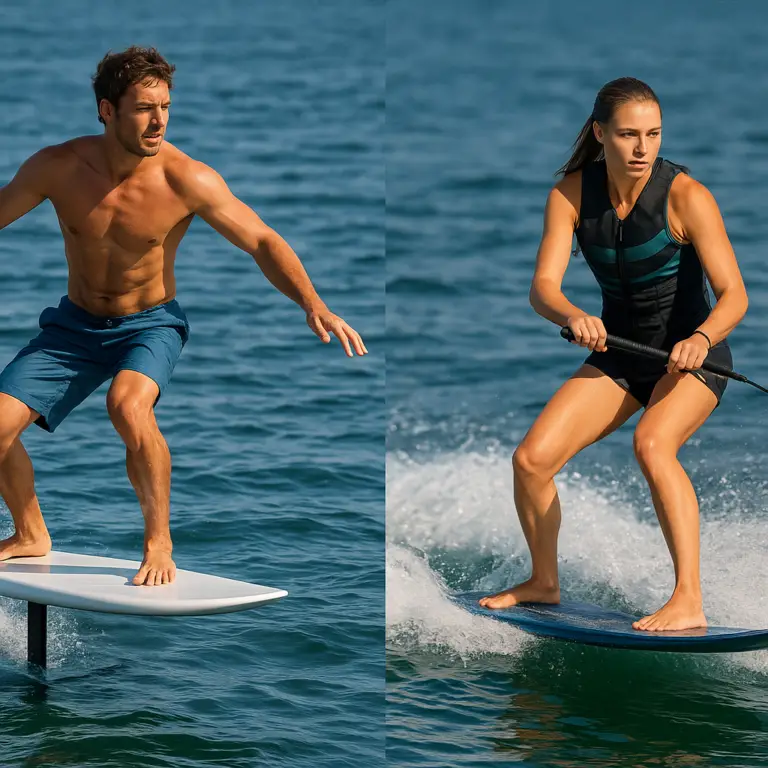
What is the difference between surf foiling and wind foiling board designs?
Answer: Surf foiling boards are typically shorter, with more volume in the tail for stability in waves. Wind foiling boards are often longer and narrower, with handles for holding the wing, and are designed to handle the constant pull of the wind.
Which hydrofoil board shape is best for frestyle riding?
Answer: For frestyle riding, a low-aspect foil and a shorter, wider board are best. This combination provides the agility and stability needed for tricks and tight turns. Brands like Mason and Ride Engine specialize in frestyle setups.
How do I choose the right mast length for my skill level?
Answer: Beginners should start with a short mast (60-70cm) for stability. Intermediate riders can move to a medium mast (80-90cm) for more range. Advanced riders can opt for a long mast (10cm+) for big waves and downwinders.
What materials are best for hydrofoil boards?
Answer: Carbon fiber is the best for performance, offering lightness and stiffness. Epoxy/fiberglass is more durable and affordable, making it suitable for beginners. Wood cores offer a natural feel but are heavier.
How do I maintain my hydrofoil board and foil?
Answer: Always rinse with fresh water after use, dry thoroughly, and inspect for cracks or damage. Tighten bolts regularly and store in a cool, dry place.
📚 Reference Links and Sources
- Siemens Community: Skimming the surface of hydrofoil board design with FEA
- Progression Project Forum: The physics of a hydrofoil – Foils and Boards – Gear Talk
- Naish Official: Naish
- F-One Official: F-One
- Axis Official: Axis
- Glide Official: Glide
- Mason Official: Mason
- Ride Engine Official: Ride Engine
- Starboard Official: Starboard
- Fanatic Official: Fanatic
- Duotone Official: Duotone
- Slingshot Official: Slingshot
- BIC Sport Official: BIC Sport
- Gong Official: Gong