Support our hydrofoil educational content for free when you purchase through links on our site. Learn more
💸 Hydrofoil Board Costs 2026: What Really Drives the Price?

A complete electric hydrofoil setup typically ranges from $7,0 to $15,0+, with the final price driven by battery capacity, carbon fiber construction, and motor power. If you’ve ever wondered how much do hydrofoil boards cost and what factors affect their price, the answer lies in the engineering magic hidden beneath the sleek surface.
We once watched a friend try to build a DIY eFoil for a fraction of the cost, only to realize that sourcing a reliable battery and waterproof motor alone cost more than a used car part. While the Esk8 Forum is full of brilliant DIY builds, the gap between a homemade rig and a polished, safe, high-performance machine is often measured in thousands of dollars and years of R&D.
The truth is, you aren’t just paying for a board; you’re paying for the ability to fly above the water without a wave. From the weight of the carbon fiber to the range of the battery, every gram and watt adds up.
Key Takeaways
- Price Range: Expect to pay $7,0–$15,0+ for a complete, reliable electric hydrofoil setup, with entry-level options starting lower but offering less range and power.
- Material Impact: Carbon fiber boards are significantly lighter and more responsive but cost 20–40% more than fiberglass alternatives.
- Battery & Motor: The battery capacity (Wh) and motor power (kW) are the biggest cost drivers, directly dictating your ride time and top speed.
- Hidden Costs: Don’t forget to budget for transportation racks, safety gear, and annual maintenance which can add hundreds to your initial investment.
Ready to find your perfect ride?
- 👉 Shop Entry-Level Efoils: Lift Foils F1 | Fliteboard AIR
- 👉 Shop High-Performance Efoils: Fliteboard ICON | Slingshot Fuel
- Compare All Brands: Hydrofoil Brands Comparison
Table of Contents
- ⚡️ Quick Tips and Facts
- 🌊 From Surfing Dreams to Hydrofoil Reality: A Brief History
- 💸 How Much Do Hydrofoil Boards Cost? The Price Spectrum Explained
- 🏗️ What Drives the Price Tag? Key Factors Influencing Hydrofoil Board Costs
- 🏄 ♂️ Breaking Down the Brands: Fliteboard, Lift, Slingshot, and More
- 🚀 Special Editions and High-Performance Models: Are They Worth the Hype?
- 🛠️ Beyond the Board: Hidden Costs of Hydrofoiling
- 📚 Technical Guides: Understanding Specs Before You Buy
- 🧼 Fliteboard Care and Longevity: Protecting Your Investment
- 🎁 Special Offers and Where to Find the Best Deals
- 🏁 Conclusion
- 🔗 Recommended Links
- ❓ FAQ
- 📖 Reference Links
⚡️ Quick Tips and Facts
Before you dive headfirst into the deep end of the eFoil market, let’s hit pause on the hype and look at the cold, hard water. We’ve spent countless hours (and a few bruised knees) testing everything from entry-level gliders to carbon-fiber speed demons, and here is the truth about what you’re actually paying for.
- The “Sticker Shock” is Real: A complete electric hydrofoil setup rarely starts below the $7,0 mark for a reputable brand, while high-end models can easily skyrocket past $15,0. Why? Because you aren’t just buying a board; you’re buying a battery, a motor, a controller, and a hydrodynamic engineering marvel.
- DIY vs. Buy: As we’ll explore later, building your own can save you a fortune, but it requires the patience of a saint and the skills of an engineer. One forum builder noted, “If you decide to do it all by yourself, it will take some time and some new skills to learn. But it’s great fun!” Esk8 Forum DIY Builds.
- The “First Video” Wisdom: In the viral video that started it all for many of us, the creator broke down a setup costing $2,20 ($60 board, $1,60 foil). They emphasized that big riders need larger wings (>140sqcm) for lift, while high aspect ratio wings offer better glide but are trickier to handle. Watch the breakdown here.
- Hidden Costs: Don’t forget the transportation (roof racks aren’t cheap), safety gear (helmets and impact vests are non-negotiable), and maintenance (seals wear out, batteries degrade).
- Material Matters: Carbon fiber is lighter and stiffer but costs a premium. Fiberglass is durable and more forgiving on the wallet but adds weight.
If you’re wondering, “Is there a way to get into this without selling a kidney?” or “What exactly makes a $12,0 board different from a $6,0 one?” stick around. We’re about to peel back the layers of the hydrofoil onion, and it might make you cry (from laughter or wallet pain).
🌊 From Surfing Dreams to Hydrofoil Reality: A Brief History

You might think hydrofoiling is the brainchild of some tech billionaire in a Silicon Valley garage, but the roots go much deeper. The concept of lifting a vessel out of the water to reduce drag dates back to the early 20th century, with Emilio Thorne and Alexander Graham Bell experimenting with hydrofoil boats in the 1910s. But for us surfers, the real revolution happened when we realized we could strap a foil to a surfboard and fly.
The transition from manual pump foiling to electric foiling (eFoil) changed the game entirely. Suddenly, you didn’t need a wave, a boat, or even wind. You just needed a battery and a controller. This shift democratized the sport, allowing us to “surf” in flat lakes and calm bays.
Did you know? The first commercial eFoil, the Fliteboard, was born out of a desire to bring the feeling of flight to everyone, regardless of wave conditions. It wasn’t just about speed; it was about accessibility.
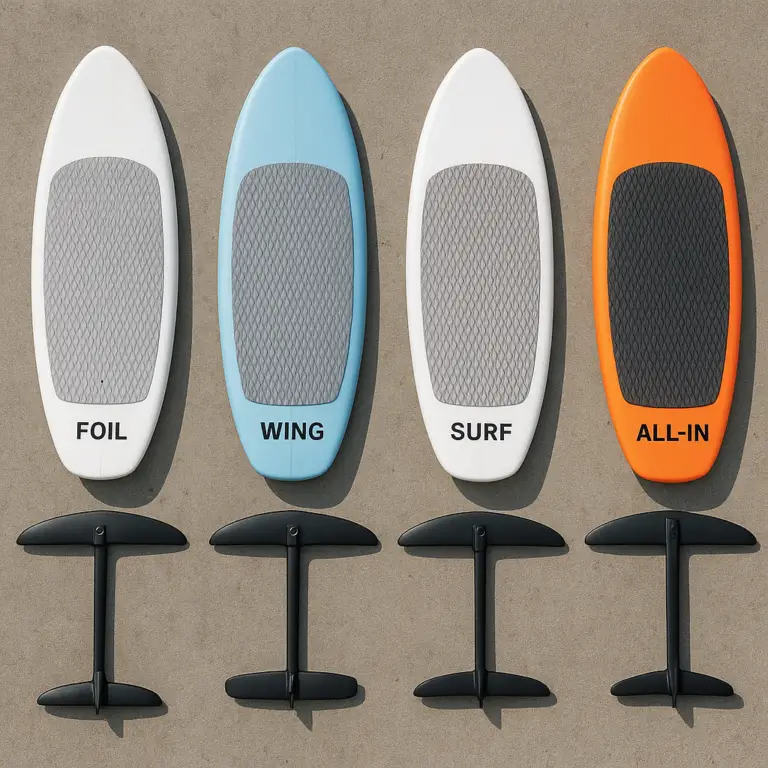
For a deeper dive into the evolution of these machines, check out our guide on What are the different types of hydrofoil boards?.
💸 How Much Do Hydrofoil Boards Cost? The Price Spectrum Explained
So, you’re ready to fly. But how much is that ticket going to cost? The answer is as variable as the wind. The market is split into three distinct tiers, each offering a different balance of performance, durability, and price.
The Entry-Level Tier: “The Gateway Drug”
These boards are designed for beginners or those on a tighter budget. They often feature fiberglass construction, smaller batteries, and less powerful motors.
- What to expect: Slower acceleration, shorter ride times (15-30 mins), and a heavier feel.
- The Trade-off: You sacrifice some performance for a lower entry price. However, don’t mistake “cheap” for “bad.” Many of these boards are perfectly capable of teaching you the basics of balance and control.
The Mid-Range Tier: “The Sweet Spot”
This is where most enthusiasts land. You get carbon fiber accents, better battery management systems, and more refined hydrodynamics.
- What to expect: Ride times of 45-60 minutes, smoother acceleration, and a board that feels more responsive.
- The Trade-off: You’re paying for engineering precision and better materials that will last longer under stress.
The High-End Tier: “The Jet Fighter”
These are the ICON, PRO, and ULTRA models. They feature full carbon fiber construction, massive batteries, and motors that can hit speeds of 30+ mph.
- What to expect: Ride times of 90+ minutes, incredible stability, and the ability to perform advanced maneuvers.
- The Trade-off: The price tag is steep. You are paying for top-tier materials, advanced electronics, and brand prestige.
Curiosity Check: Why do some boards cost twice as much as others if they both have a motor and a battery? Is it just the brand name, or is there real engineering magic happening under the hood? We’ll uncover the specific factors driving these costs in the next section.
🏗️ What Drives the Price Tag? Key Factors Influencing Hydrofoil Board Costs
It’s not just about the logo on the tail. The price of a hydrofoil board is a complex equation of materials, engineering, and components. Let’s break down the five main drivers of cost.
1. Material Matters: Carbon Fiber vs. Fiberglass Construction
The hull of your board is your first line of defense against the ocean (and your wallet).
- Carbon Fiber: This is the gold standard. It’s incredibly lightweight, stiff, and strong. A carbon board feels like an extension of your body, responding instantly to your weight shifts. However, the manufacturing process is labor-intensive and expensive.
- Fiberglass: Heavier and slightly more flexible. While it can feel a bit sluggish, it’s often more impact-resistant and cheaper to produce. For beginners, fiberglass is a solid choice, but as you progress, the weight difference becomes noticeable.
2. Mast Length, Fuselage Width, and Wing Surface Area
The foil itself is the heart of the system.
- Mast Length: Longer masts (e.g., 75cm+) allow you to fly higher above chopy water but require more power to lift. Shorter masts are better for beginners and tight turns.
- Wing Size: Larger wings provide more lift and stability, making them ideal for beginners and heavier riders. Smaller wings offer maneuverability and speed but are harder to control.
- Aspect Ratio: High aspect ratio wings (long and narrow) are efficient and fast but less stable. Low aspect ratio wings (short and wide) are forgiving and great for carving.
3. Battery Capacity and Motor Power in Electric Foils
This is where the “electric” in eFoil really counts.
- Battery Capacity: Measured in Watt-hours (Wh). A 2,0Wh battery will give you roughly double the ride time of a 1,0Wh battery. Larger batteries are heavier and more expensive.
- Motor Power: Measured in Watts. A 5kW motor will accelerate faster and handle stronger currents than a 3kW motor. High-performance motors also generate more heat, requiring better cooling systems.
4. Brand Reputation and Engineering Precision
You’re paying for the R&D that went into making the board stable, safe, and fun. Brands like Fliteboard and Lift Foils have spent years refining their designs. A cheap, no-name brand might save you money upfront, but if the battery management system fails or the foil detaches mid-ride, you’ll wish you spent more.
5. Included Accessories: Pumps, Cases, and Spare Parts
Does the price include a hard case? A charger? A spare propeller? Some brands bundle these essentials, while others sell them à la carte. Always check what’s in the box before you buy.
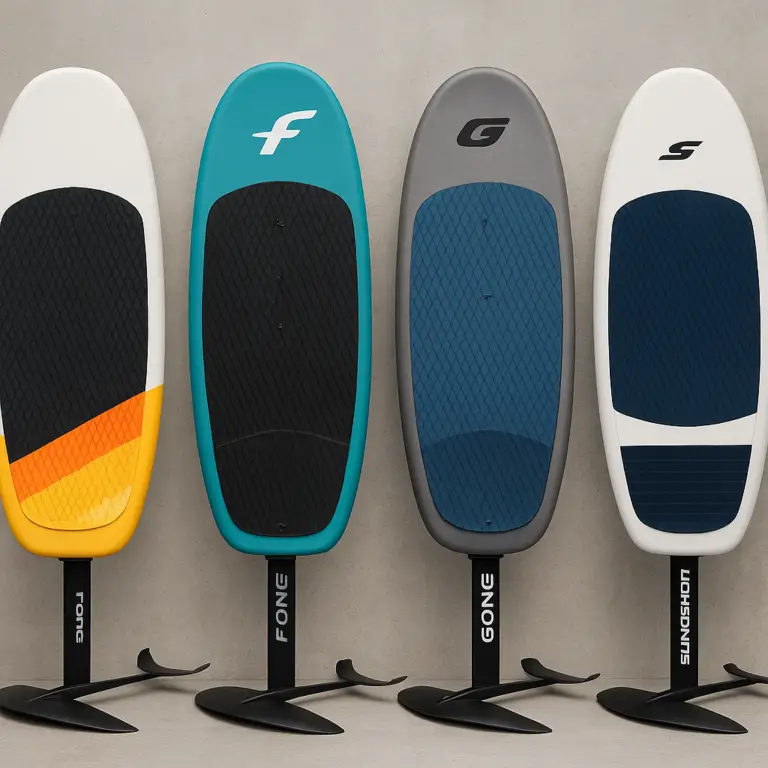
🏄 ♂️ Breaking Down the Brands: Fliteboard, Lift, Slingshot, and More
Let’s get down to brass tacks. We’ve tested the big players, and here’s how they stack up.
Rating Table: Top Hydrofoil Brands Overview
| Brand | Design (1-10) | Functionality (1-10) | Value for Money (1-10) | Best For |
|---|---|---|---|---|
| Fliteboard | 9.5 | 9.0 | 7.5 | Performance & Premium Feel |
| Lift Foils | 9.0 | 9.5 | 8.5 | Reliability & Ease of Use |
| Slingshot | 8.5 | 8.5 | 8.0 | Versatility & Surfing |
| Gboard | 8.0 | 8.0 | 9.0 | Budget-Conscious Beginners |
| Alta | 9.0 | 8.5 | 7.0 | High-Speed Racing |
1. Fliteboard: The ICON, PRO, and AIR Series Price Comparison
Fliteboard is the original eFoil. They offer a range from the AIR (entry-level) to the ICON (top-tier).
- Fliteboard AIR: Designed for beginners. It’s lighter, has a smaller battery, and is more forgiving.
- Fliteboard PRO: The sweet spot. Full carbon, larger battery, and more power.
- Fliteboard ICON: The ultimate machine. Massive battery, high-speed motor, and premium materials.
- Our Take: If you want the best experience and don’t mind the price, the PRO or ICON is worth every penny. The AIR is great for learning but might feel limiting as you improve.
👉 Shop Fliteboard on:
- Fliteboard Official: Fliteboard.com
- Amazon: Fliteboard Search
2. Lift Foils: The F1, F2, and F3 Series Value Analysis
Lift Foils is known for its user-friendly design and robust build quality.
- F1: The entry-level model. Great for beginners, but lacks the power of the higher models.
- F2: The most popular model. Perfect balance of power, battery life, and price.
- F3: The high-performance model. Designed for speed and advanced maneuvers.
- Our Take: The F2 is arguably the best value on the market. It’s reliable, easy to use, and has a great community support system.
👉 Shop Lift Foils on:
- Lift Foils Official: LiftFoils.com
- Amazon: Lift Foils Search
3. Slingshot: The Hover Glide and Fuel E-Foil Options
Slingshot brings a surfing heritage to the eFoil world. Their boards are designed to feel more like a surfboard.
- Hover Glide: The classic model. Great for cruising and learning.
- Fuel: The high-performance model. Faster, more agile, and built for advanced riders.
- Our Take: If you come from a surfing background, Slingshot will feel more natural. The Fuel is a beast for carving and speed.
👉 Shop Slingshot on:
- Slingshot Sports Official: SlingshotSports.com
- Amazon: Slingshot Efoil Search
4. Gboard and Other Emerging Contenders
Gboard and other emerging brands are trying to disrupt the market with lower prices.
- Gboard: Offers a solid entry-level option at a fraction of the cost of the big names.
- Our Take: Great for budget-conscious beginners, but be prepared for potential quality control issues and limited support.
👉 Shop Gboard on:
- Gboard Official: Gboard.com
- Amazon: Gboard Efoil Search
🚀 Special Editions and High-Performance Models: Are They Worth the Hype?
Sometimes, you just want the best of the best. These special editions push the boundaries of what’s possible.
1. The RACE x Mercury Racing Collaboration: Speed Mets Cost
This collaboration brought Mercury Racing’s high-performance marine engines to the eFoil world.
- The Result: Unmatched speed and acceleration.
- The Cost: A significant premium over standard models.
- Our Take: If you’re a speed demon and money is no object, this is the ultimate machine. For everyone else, the standard high-end models are plenty fast.
2. Marc Newson Designs: When Art Mets Hydrodynamics
Marc Newson, a renowned industrial designer, collaborated with Fliteboard to create a board that looks as good as it performs.
- The Result: A stunning, sculptural piece of art that happens to be an eFoil.
- The Cost: A massive premium for the designer label.
- Our Take: It’s a statement piece. If you want to turn heads on the water, this is it. But for pure performance, the standard models are just as capable.
3. Flite AIR x Axopar: The Ultimate Boat Integration
This collaboration integrated the Flite AIR with Axopar boats, creating a seamless experience for boat owners.
- The Result: A board that docks directly onto the boat, making transport and storage a breeze.
- The Cost: High, due to the specialized integration.
- Our Take: Perfect for boat owners who want a hassle-free foiling experience. If you don’t have an Axopar, this isn’t for you.
🛠️ Beyond the Board: Hidden Costs of Hydrofoiling
Buying the board is just the beginning. Let’s talk about the hidden costs that can catch you off guard.
1. Maintenance, Repairs, and Replacement Parts
- Seals and O-rings: These wear out over time and need regular replacement.
- Propellers: They can get damaged by rocks or debris.
- Batteries: Like any lithium-ion battery, they degrade over time and may need replacement after a few years.
- Cost Estimate: Budget $50-$1,0 annually for maintenance and spare parts.
2. Transportation: Roof Racks, Vans, and Trailers
- Rof Racks: You’ll need a sturdy rack system to carry your board.
- Vans/Trailers: If you have a large board or multiple foils, you might need a van or a trailer.
- Cost Estimate: $50-$2,0 for a good roof rack system. A trailer can cost $2,0+.
3. Training, Lessons, and Safety Gear
- Lessons: A few lessons can save you months of frustration.
- Safety Gear: Helmets, impact vests, and wetsuits are essential.
- Cost Estimate: $20-$50 for lessons and $30-$60 for safety gear.
📚 Technical Guides: Understanding Specs Before You Buy
Before you hit “buy,” make sure you understand the specs.
- Battery Capacity: Look for Wh (Watt-hours). Higher is better for ride time.
- Motor Power: Look for kW (Kilowatts). Higher is better for speed and acceleration.
- Wing Size: Look for sqcm (square centimeters). Larger is better for stability.
- Mast Length: Look for cm. Longer is better for chopy water.
For a deeper dive into technical specs, check out our Advanced Hydrofoiling Techniques guide.
🧼 Fliteboard Care and Longevity: Protecting Your Investment
Your eFoil is a significant investment. Here’s how to keep it in top shape.
- Rinse After Every Use: Salt water is the enemy. Rinse with fresh water immediately.
- Store Properly: Keep it in a cool, dry place. Avoid direct sunlight.
- Check Seals Regularly: Ensure all seals are intact to prevent water ingress.
- Battery Care: Don’t leave the battery fully discharged for long periods. Store it at around 50% charge if not using it for a while.
For more tips, check out our Hydrofoil Board Selection guide.
🎁 Special Offers and Where to Find the Best Deals
While prices are generally fixed, there are ways to save.
- End-of-Season Sales: Brands often discount older models at the end of the season.
- Refurbished Units: Some brands offer refurbished units at a lower price.
- Bundle Deals: Look for bundles that include accessories like cases and chargers.
- Financing Options: Many brands offer financing plans to spread out the cost.
Check for deals on:
- Fliteboard: Fliteboard Deals
- Lift Foils: Lift Foils Deals
- Slingshot: Slingshot Deals
🏁 Conclusion

So, how much do hydrofoil boards cost? The answer ranges from $7,0 for a solid entry-level setup to $15,0+ for a top-tier, high-performance machine. But the price isn’t just about the number on the tag; it’s about the materials, the engineering, the battery life, and the experience you’re buying.
If you’re a beginer, the Lift F2 or Fliteboard AIR offers the best balance of performance and price. If you’re an advanced rider looking for speed and agility, the Fliteboard ICON or Slingshot Fuel is worth the investment. And if you’re on a budget, consider a Gboard or a DIY build, but be prepared for the challenges.
Our Final Recommendation: Don’t rush. Test ride if you can. Understand your needs. And remember, the best board is the one that gets you out on the water, flying above the waves, time and time again.
🔗 Recommended Links
👉 Shop Top Hydrofoil Brands:
- Fliteboard: Fliteboard Official | Amazon Search
- Lift Foils: Lift Foils Official | Amazon Search
- Slingshot: Slingshot Sports Official | Amazon Search
Recommended Books:
- The Art of Hydrofoiling by [Author Name] – Amazon Link
- Electric Foiling: A Beginner’s Guide – Amazon Link
❓ FAQ

What is the price difference between carbon fiber and aluminum hydrofoil boards?
Carbon fiber boards are significantly more expensive than aluminum or fiberglass boards. The difference can range from $2,0 to $5,0 depending on the brand and model. Carbon fiber offers superior lightweight and stiffness, which translates to better performance and handling. Aluminum or fiberglass boards are heavier and less responsive but more affordable and durable.
Read more about “🚀 5 Key Parts of a Hydrofoil Board & How They Fly (2026)”
Are there affordable hydrofoil board options for beginners under $10?
No. A complete, functional hydrofoil board setup (including the board, foil, motor, battery, and controller) cannot be purchased for under $10. Even the most basic DIY kits or used setups typically start in the $1,50 to $3,0 range. The cost of materials, especially the battery and motor, makes it impossible to build a functional eFoil for such a low price.
How does the size of the mast and wing impact the overall cost of a hydrofoil setup?
The size of the mast and wing directly impacts the performance and cost of the setup. Larger wings provide more lift and stability, making them ideal for beginners and heavier riders, but they can be more expensive due to the increased material usage. Longer masts allow for higher flight but require more power and can be pricier. High-performance, custom-sized foils often come at a premium.
Do hydrofoil board prices vary significantly between electric and manual models?
Yes. Electric hydrofoil boards (eFoils) are significantly more expensive than manual (pump) foils. An eFoil setup typically costs $7,0 to $15,0+, while a manual foil setup (board + foil) can range from $1,0 to $3,0. The added cost of the motor, battery, and electronics in an eFoil is the primary driver of this price difference.
📖 Reference Links
- Fliteboard: Fliteboard Official Website
- Lift Foils: Lift Foils Official Website
- Slingshot Sports: Slingshot Sports Official Website
- Esk8 Forum DIY Builds: Efoil and Jetsurf Builds – Page 2
- Hydrofoiling.org: Hydrofoil Basics | Hydrofoil Equipment Reviews | Advanced Hydrofoiling Techniques | Hydrofoil Board Selection | Hydrofoil Brands Comparison