Support our hydrofoil educational content for free when you purchase through links on our site. Learn more
🏆 5 Top Hydrofoil Competitions & Championships (2026)


The GKA Kite World Tour currently stands as the premier stage for hydrofoil competitions and championships, where riders like Hugo Wigglesworth are redefining human flight with record-breaking heights and technical precision. If you are looking to witness the absolute pinnacle of the sport, the 2026 season promises to be the most competitive yet, blending light-wind mastery with high-stakes aerial acrobatics.
Forget the days when foiling was just a niche trick; it has exploded into a global spectacle where a 19-year-old rookie can snatch a world title in his debut season. Imagine watching a rider soar three meters above the water, executing a complex aerial maneuver, and landing without a single splash—that is the new standard of hydrofoil racing.
From the tactical chess matches of the IKA Formula Foil circuit to the electric silence of the Red Bull Air E-Prix, the landscape is diverse and thrilling. Whether you are a spectator seeking the next big thing or an athlete plotting your path to the podium, understanding these events is your first step into the sky.
Key Takeaways
- The GKA Kite World Tour dominates the hydrofoil big air scene, prioritizing clean landings and technical difficulty over raw speed.
- Hugo Wigglesworth and Andrea Zust have set a new benchmark, proving that debut seasons can result in world championship titles.
- Light wind conditions (under 15 knots) are now the primary battleground, utilizing foil kites to generate massive lift and hangtime.
- Tactical awareness is just as critical as physical skill, especially in Formula Foil racing where wind shifts dictate the winner.
- Carbon fiber technology has revolutionized gear, allowing for lighter boards and more agile maneuvers in competitive settings.
Table of Contents
- ⚡️ Quick Tips and Facts
- 📜 From Hydroplane Rivals to Winged Kings: The Evolution of Foil Racing
- 🏆 The Global Circuit: Major Hydrofoil Competitions and Championships
- 1. The GKA Kite World Tour: Where Big Air Mets Precision
- 2. IKA Formula Foil: The Olympic Standard for Speed and Tactics
- 3. Red Bull Air E-Prix: The Electric Future of Foil Racing
- 4. Wing Foil World Championships: The New Frontier of Human Flight
- 5. Hydrofoil Surfing Contests: Riding the Invisible Wave
- 🛠️ Gear Up: Essential Equipment for Competitive Foiling
- 🧠 Mastering the Mental Game: Strategy and Tactics in High-Stakes Racing
- 🌊 Reading the Water: How Wind, Current, and Tides Dictate the Podium
- 🏅 Legends of the Lift: Profiles of Top Foil Athletes and Record Breakers
- 🎓 How to Get Started: Training Plans and Local Club Resources
- 📊 Scoreboards and Formats: Understanding How Winners Are Decided
- 💡 Quick Tips and Facts
- 🔗 Recommended Links
- ❓ FAQ: Your Burning Questions About Foil Racing Answered
- 📚 Reference Links
⚡️ Quick Tips and Facts
Before you strap in and chase the horizon, let’s hit the highlights. The world of hydrofoil competitions is moving faster than a Formula 1 car on water, and the rules are shifting like the tides.
- The “Silent” Revolution: Unlike traditional surfing or kiteboarding, hydrofoil racing is often eerily quiet. The board lifts above the chop, and the only sound is the wind and the hum of the foil cutting through the water. It’s like flying on a cloud made of carbon fiber.
- Debut Dominance: Did you know a 19-year-old rookie, Hugo Wigglesworth, just snatched the 2025 GKA Hydrofoil Big Air World Champion title in his very first season? He didn’t just participate; he won his first event in Sylt and carried that momentum to the Abu Dhabi final. Talk about a fairytale start! 🏆
- The Doctor’s Dilemma: On the women’s side, Andrea Zust, a newly qualified doctor, secured her second consecutive title. She balances saving lives and saving the podium, proving you don’t need to be a full-time athlete to dominate the skies.
- Wind Matters: Foil kites are the kings of light wind (under 15 knots), offering massive hangtime. However, once the wind hits 20 knots, Leading Edge Inflatable (LEI) kites often take over for extreme looping tricks.
- The “Tricycle” Effect: Wigglesworth noted that switching from hydrofoil back to a twin-tip kiteboard felt “like going back to a tricycle.” The skills transfer, but the foil adds a layer of complexity that makes landing a true art form.
For a deeper dive into the mechanics of how these boards actually fly, check out our guide on hydrofoiling basics.
📜 From Hydroplane Rivals to Winged Kings: The Evolution of Foil Racing
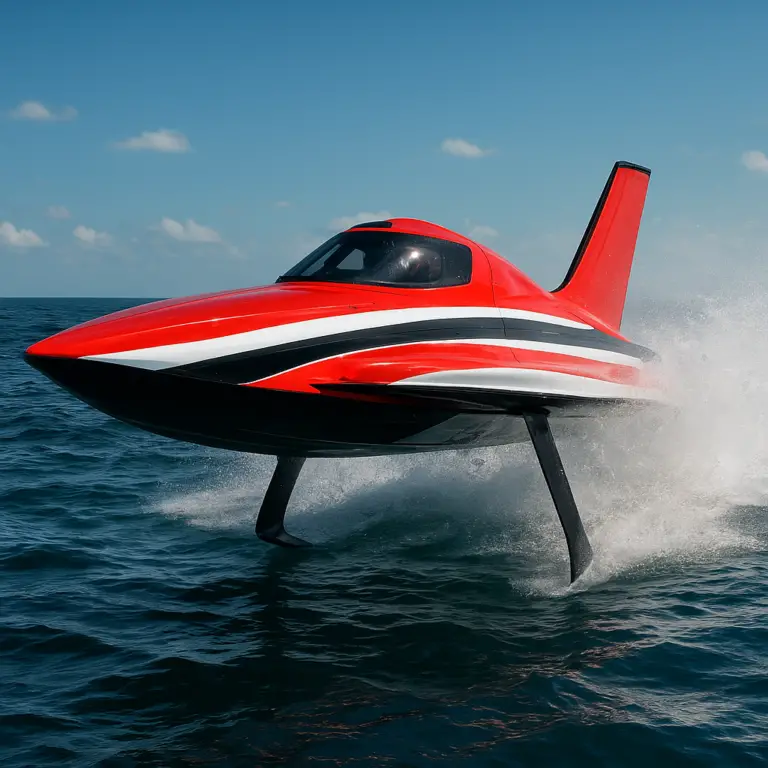
The story of hydrofoil competitions isn’t just about who jumps highest; it’s a saga of engineering ingenuity meeting human grit. It started with the clunky hydroplanes of the early 20th century, designed to slice through water for speed records. Fast forward to the 2010s, and the hydrofoil found its soul in the hands of kiteboarders and windsurfers looking to escape the chop.
We remember the early days at local spots, watching pioneers struggle to get “on foil” for more than three seconds. The boards were heavy, the masts were wobbly, and the learning curve was a vertical cliff. Today? We’re talking about carbon fiber wings that lift riders 3 meters into the air with the grace of a ballet dancer.
The transition from a niche hobby to a world championship discipline was fueled by the GKA Kite World Tour. They saw the potential: if you can fly, you can do tricks that were previously impossible. The Hydrofoil Big Air discipline was born, turning light-wind days into high-stakes aerial theaters.
“Once I got there and saw the level, I realised I was up there,” admitted Hugo Wigglesworth. That realization is the heartbeat of the sport. It’s not just about showing up; it’s about realizing you belong in the sky.
🏆 The Global Circuit: Major Hydrofoil Competitions and Championships
The global circuit is a whirlwind of travel, wind forecasts, and adrenaline. It’s not just one race; it’s a collection of distinct disciplines, each with its own flavor, rules, and heroes. Let’s break down the big leagues.
1. The GKA Kite World Tour: Where Big Air Mets Precision
The GKA (Global Kiteboarding Association) is the heartbeat of the hydrofoil big air scene. This isn’t your average race; it’s a judged contest of style, height, and technical difficulty.
- The Objective: Riders aim to score the highest points by executing massive jumps and complex aerial maneuvers.
- The Twist: Judges heavily penalize touching the water on landing. The goal is a clean takeoff and landing, keeping the board airborne the entire time.
- The Stakes: In 2025, the tour saw Hugo Wigglesworth and Andrea Zust rise to the top, redefining what’s possible in light wind.
The GKA events are held in diverse locations, from the windy cliffs of Sylt, Germany, to the light-wind paradise of Abu Dhabi. Each venue demands a different strategy. In Sylt, you need power and aggression. In Abu Dhabi, you need finese and the ability to generate lift in lighter breezes.
2. IKA Formula Foil: The Olympic Standard for Speed and Tactics
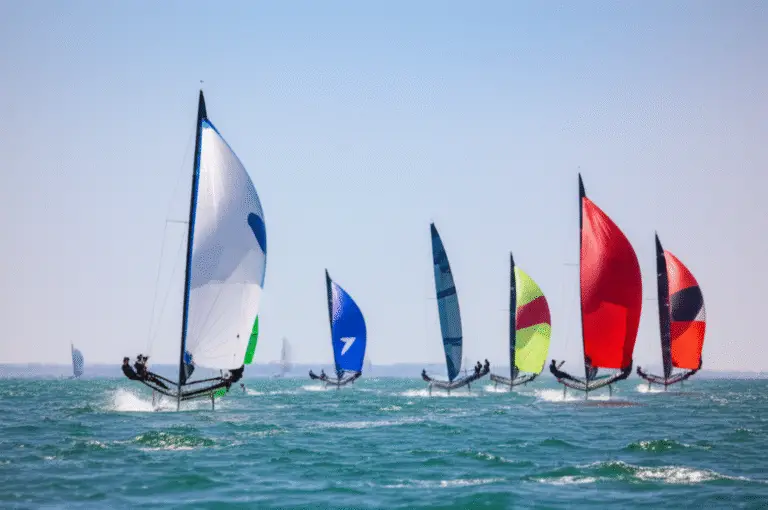
While GKA is about the “big air,” the IKA (International Kiteboarding Association) focuses on the Formula Foil discipline. This is the racing side of the sport, the one that’s on the cusp of becoming an Olympic event.
- The Format: It’s a tactical battle. Riders race against each other in heats, navigating upwind and downwind legs.
- The Skill Set: Here, tactics are just as important as speed. You need to read the wind shifts, manage your foil angle, and outmaneuver your opponent.
- The Gear: Formula Foil uses specific, standardized equipment to ensure the race is about the rider, not just who has the most expensive board.
This discipline is where the Red Bull Air E-Prix and other high-speed events shine. It’s a chess match played at 80 km/h.
3. Red Bull Air E-Prix: The Electric Future of Foil Racing
Enter the Red Bull Air E-Prix, where the future is electric. This event features e-foils (electric hydrofoils) and is pushing the boundaries of what’s possible with battery-powered flight.
- The Tech: Riders use silent, electric-powered boards that can maintain speed regardless of wind conditions.
- The Challenge: It’s a test of endurance and precision. The courses are tight, and the margins for error are slim.
- The Spectacle: Imagine silent boats slicing through the water, leaving no wake, just a trail of electric hum. It’s the future of foiling.
4. Wing Foil World Championships: The New Frontier of Human Flight
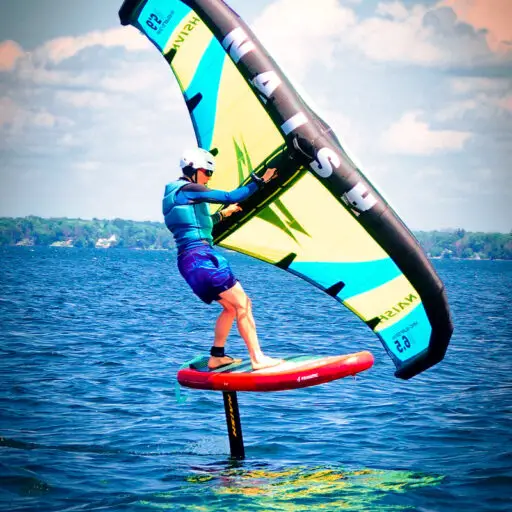
The Wing Foil World Championships are the newest addition to the mix. Using a handheld wing instead of a kite, riders have even more freedom to maneuver.
- The Appeal: It’s accessible, versatile, and incredibly fun. You can ride in waves, flat water, or even light wind.
- The Competition: The judging criteria focus on wave riding, frestyle, and speed.
- The Growth: This discipline is exploding in popularity, with new athletes joining every year.
5. Hydrofoil Surfing Contests: Riding the Invisible Wave
For those who prefer the ocean’s natural power, hydrofoil surfing contests are the place to be. Here, the focus is on wave riding and frestyle on the foil.
- The Difference: Unlike traditional surfing, you can ride the wave for much longer, even in smaller swells.
- The Style: Riders perform turns, cutbacks, and aerials, all while gliding silently above the water.
- The Vibe: It’s a more relaxed, yet highly technical, form of competition.
🛠️ Gear Up: Essential Equipment for Competitive Foiling
You can’t win a championship with a rusty bike, and you can’t fly a foil with a broken wing. The gear you choose can make or break your performance. Here’s what the pros are using.
The Kite: Power vs. Efficiency
- Foil Kites: These are the go-to for light wind conditions. They generate massive lift and are perfect for big air jumps. Brands like Ozone and North dominate this space.
- LEI Kites: When the wind picks up (15+ knots), Leading Edge Inflatable kites take over. They are more durable and better for looping tricks. Duotone and Slingshot are top contenders here.
The Board: Lift and Control
- Foil Boards: These are designed to be light and responsive. They often have a twin-tip shape for versatility.
- Masts and Wings: The mast length determines your height, while the wing size affects your lift and speed. A longer mast gives you more height but is harder to control. A larger wing gives you more lift but less speed.
The Foil: The Heart of the Machine
- Carbon Fiber: Almost all pro foils are made of carbon fiber for maximum stiffness and lightness.
- Front Wing: The front wing generates the lift. A larger front wing is better for light wind, while a smaller one is better for high speed.
- Rear Wing: The rear wing provides stability. A larger rear wing makes the foil more stable but less agile.
👉 Shop
- Ozone Kites: Amazon | Ozone Official
- Duotone Kites: Amazon | Duotone Official
- Slingshot Kites: Amazon | Slingshot Official
🧠 Mastering the Mental Game: Strategy and Tactics in High-Stakes Racing
It’s not just about physical strength; it’s about mental toughness. The mental game is what separates the champions from the rest.
- Pressure Management: Hugo Wigglesworth admitted that the final in Abu Dhabi felt like “twice the amount of pressure.” But he used that pressure to execute specific tricks.
- Focus: In a race, you need to stay focused on the course, the wind, and your competitors. One lapse in concentration can cost you the win.
- Adaptability: Conditions change rapidly. You need to be able to adapt your strategy on the fly.
The “Tricycle” Mindset
Wigglesworth’s comment about twin-tips being like a “tricycle” highlights a key mental shift. When you’re on a foil, you’re flying. When you’re on a twin-tip, you’re riding. The mental transition requires a different approach.
🌊 Reading the Water: How Wind, Current, and Tides Dictate the Podium
The ocean is a living, breathing entity. To win, you need to read the water.
- Wind: The most obvious factor. You need to know the wind direction, speed, and gusts.
- Current: Underwater currents can push you off course or give you a boost.
- Tides: Tides affect the depth of the water and the shape of the waves.
The “Microsystems” of Switzerland
Andrea Zust’s success in Switzerland is a testament to understanding microsystems. She checks forecasts daily to find the best wind in different parts of the country. This level of detail is crucial for competitive foiling.
🏅 Legends of the Lift: Profiles of Top Foil Athletes and Record Breakers
Who are the people making history in the hydrofoil world?
- Hugo Wigglesworth (NZL): The 19-year-old rookie who took the world by storm. His debut season was nothing short of spectacular.
- Andrea Zust (SUI): The doctor who balances her medical career with world-class foiling. Her calmness and perspective are her superpowers.
- Finn Flügel: A primary competitor for Wigglesworth, known for his technical skills.
- Charles Brodel: An athlete who focuses on Red Bull events, utilizing LEI advantages in stronger winds.
These athletes are not just competitors; they are pioneers, pushing the boundaries of what’s possible.
🎓 How to Get Started: Training Plans and Local Club Resources
Ready to join the ranks? Here’s how to get started.
- Find a Club: Look for local hydrofoil clubs or schools. They offer lessons and equipment rentals.
- Start Small: Begin with a large foil and a light wind kite. Focus on getting on foil and staying balanced.
- Practice: Consistency is key. Practice regularly to build muscle memory.
- Join the Community: Connect with other foilers online and offline. The community is supportive and full of valuable tips.
For more on selecting the right gear, check out our hydrofoil board selection guide.
📊 Scoreboards and Formats: Understanding How Winners Are Decided
How do judges decide who wins? It’s not just about who jumps highest.
- Smoothness of Landing: This is heavily rewarded. A clean landing without touching the water is crucial.
- Height and Amplitude: The vertical and horizontal distance of the jump.
- Technical Difficulty: Execution of complex aerial maneuvers.
- Risk Factor: A combination of power, commitment, height, and difficulty.
- Inovation: Tricks that have never been landed before are specifically considered.
The Scoring Structure
- Highest Score in Each Category: Only the highest score in each category counts towards an athlete’s total heat score.
- Heat Format: Riders compete in heats, with the top performers advancing to the next round.
💡 Quick Tips and Facts
Wait, didn’t we already do this? Yes, but let’s add a few more nugets of wisdom.
- Safety First: Always wear a helmet and a life jacket. The foil can be dangerous if you fall.
- Check the Weather: Always check the wind forecast before heading out.
- Respect the Water: Be aware of other water users and follow local regulations.
- Keep Learning: The sport is evolving rapidly. Stay updated on the latest techniques and gear.
For more advanced techniques, visit our advanced hydrofoiling techniques section.
🔗 Recommended Links
- GKA Kite World Tour: Official Website
- IKA Formula Foil: Official Website
- Red Bull Air E-Prix: Official Website
- Wing Foil World Championships: Official Website
👉 Shop
- Ozone Kites: Amazon | Ozone Official
- Duotone Kites: Amazon | Duotone Official
- Slingshot Kites: Amazon | Slingshot Official
Books:
❓ FAQ: Your Burning Questions About Foil Racing Answered

What are the upcoming hydrofoil events and championships?
The GKA Kite World Tour schedule is released annually, with events in locations like Sylt, Abu Dhabi, and Jericoacoara. The IKA Formula Foil circuit also has a full schedule of races leading up to the World Championships.
What equipment is used in professional hydrofoil championships?
Pros use carbon fiber foils, foil kites or LEI kites, and specialized hydrofoil boards. The specific gear depends on the discipline and wind conditions.
What are the rules and scoring criteria in hydrofoil racing events?
In big air, judges score based on height, difficulty, smoothness of landing, and innovation. In racing, the winner is the first to cross the finish line.
What are the major hydrofoil boarding competitions worldwide?
The GKA Kite World Tour, IKA Formula Foil, Red Bull Air E-Prix, and Wing Foil World Championships are the major events.
What are the rules and judging criteria in hydrofoil competitions?
Judges look for clean landings, height, technical difficulty, and risk. Only the highest score in each category counts.
How has hydrofoil technology impacted competitive boarding?
Hydrofoil technology has allowed riders to fly higher, ride in lighter winds, and perform more complex tricks. It has revolutionized the sport.
Read more about “What Is a Hydrofoil? 🌊 The Ultimate Guide to Flying Over Water (2026)”
Where can I watch live hydrofoil championship events?
You can watch live streams on the GKA Kite World Tour website, Red Bull TV, and other sports streaming platforms.
Read more about “🚀 7 Ultimate Hydrofoil Racing Events to Watch in 2026”
What equipment is used in professional hydrofoil racing events?
Racing events use Formula Foil equipment, which is standardized to ensure fair competition.
Who are the top athletes in hydrofoil boarding competitions?
Hugo Wigglesworth, Andrea Zust, Finn Flügel, and Charles Brodel are among the top athletes.
How do hydrofoil championships differ from traditional surfing contests?
Hydrofoil championships focus on flight, height, and technical difficulty, while traditional surfing focuses on wave riding and style.
What are the most popular hydrofoil competitions worldwide?
The GKA Kite World Tour and IKA Formula Foil are the most popular.
Read more about “Are Hydrofoil Boards Hard to Ride? 8 Truths You Need to Know in 2026 🏄♂️”
📚 Reference Links
- GKA Kite World Tour: Hydrofoil Big Air
- GKA Kite World Tour: World Champions Help Redefine Hydrofoil Big Air
- International Kiteboarding Association (IKA): Formula Foil
- Red Bull: Air E-Prix
- SailGP: Season 4 Grand Final
- Ozone Kites: Official Website
- Duotone: Official Website
- Slingshot: Official Website