Support our hydrofoil educational content for free when you purchase through links on our site. Learn more
💸 Hydrofoil Setup Cost 2026: The Ultimate Price Breakdown (7 Types)


Ever watched a surfer glide silently above the waves, defying gravity, and wondered, “How much did that magic cost?” We’ve all been there. One minute you’re paddling like a maniac, the next you’re soaring on a wing of carbon fiber, and the price tag on that freedom can feel just as heavy as the ocean. At Hydrofoiling™, we’ve seen friends blow their entire vacation budget on a single eFoil battery, while others scored a killer wing-foil setup for the price of a used car. The truth is, the cost of getting airborne varies wildly depending on whether you’re chasing waves, wind, or just a silent glide on flat water.
In this comprehensive guide, we’re pulling back the curtain on the real numbers for 2026. We aren’t just giving you a single average; we’re breaking down the exact price ranges for seven different hydrofoil disciplines, from budget-friendly aluminum entry kits to high-end racing rigs and electric eFoils. You’ll discover why a carbon mast costs three times as much as aluminum, how to spot a deal that’s too good to be true, and exactly what hidden costs (like Tef-Gel and safety gear) you need to budget for. By the end, you’ll know exactly how to spend your money to get the most flight for your buck.
Key Takeaways
- Costs vary by discipline: A basic surf or SUP foil setup can start under $1,20, while electric eFoils can exceed $15,0.
- Material matters: Carbon fiber components offer superior performance and lightness but come at a premium price compared to durable aluminum entry-level options.
- Hidden costs add up: Always budget an extra $20–$40 for essential safety gear like impact vests, helmets, and specialized leashes.
- Smart buying saves cash: Buying last year’s models or used gear from reputable brands can save you 30–50% without sacrificing performance.
Ready to find your perfect setup?
- 👉 Shop Entry-Level Foils: Amazon Search | Naish Official
- 👉 Shop Carbon Performance Foils: Amazon Search | Lift Foils Official
- 👉 Shop Electric eFoils: Amazon Search | Fliteboard Official
Table of Contents
- ⚡️ Quick Tips and Facts
- 🌊 From Ancient Dreams to Modern Lift: A Brief History of Hydrofoiling
- 💸 The Real Price Tag: Average Hydrofoil Setup Cost in 2026
- 🏄 ♂️ Breaking Down the Bill: Cost Differences by Hydrofoil Discipline
- 1. Surf Hydrofoil Cost: Riding the Waves for Less
- 2. Kite Hydrofoil Cost: High-Performance Pricing for Wind Riders
- 3. Wing Foil Cost: The Sweet Spot for Freedom and Fun
- 4. SUP Hydrofoil Cost: Standing Tall on a Budget
- 5. eFoil Cost: The Electric Premium for Silent Gliding
- 6. Pumping Hydrofoil Cost: Maximizing Efficiency Without a Motor
- 🔍 What Drives the Price? Key Factors Affecting Hydrofoil Cost
- Material Selection: Carbon Fiber Hydrofoil Cost vs Aluminum and Composite
- Manufacturing and Brand Positioning: Why Name Brands Cost More
- Design Complexity: Aspect Ratio, Surface Area, and Engineering
- Included Components: Mast, Fuselage, and Backplate Breakdown
- 🎯 Choosing Your Ride: Cost Guides by Rider Level
- For Beginners: Affordable Entry-Level Hydrofoil Setups
- For Intermediate Riders: Balancing Performance and Price
- For Advanced Riders: Premium Carbon and Custom Configurations
- For Businesses (Rental / Brands): Durability vs. Cost Analysis
- 💡 Smart Spending: How to Choose the Right Hydrofoil Based on Cost
- Step 1: Define Your Budget and Hidden Costs
- Step 2: Identify Your Primary Use Case
- Step 3: Choose the Right Material for Your Needs
- Step 4: Evaluate Suppliers and Warranty Terms
- 🛠️ Ways to Reduce Your Overall Investment Without Sacrificing Fun
- ❓ FAQ: Hydrofoil Cost Questions Answered
- Why is hydrofoil cost so expensive?
- What is the most affordable option?
- How long does a hydrofoil last?
- Is hydrofoil cheaper than traditional surfing long-term?
- 🏁 Hydrofoil Cost Conclusion: Is the Investment Worth It?
- 🔗 Recommended Links
- 📚 Reference Links
⚡️ Quick Tips and Facts
Before you dive headfirst into the deep end of the wallet, let’s hit the pause button and drop some hydrofoil truth bombs. We’ve seen too many friends burn cash on gear that didn’t fit their style, only to end up with a closet full of expensive “paperweights.”
Here is the lowdown straight from the Hydrofoiling™ crew:
- The “One Size Fits All” Myth is Dead: A foil that works for a 120lb beginner wing in 10 knots is terible for a 20lb surfer chasing overhead barrels. Weight and discipline dictate cost more than brand names.
- The “Hidden” Costs: The sticker price of the foil is just the tip of the iceberg. Don’t forget the impact vest, helmet, specific leash, and board bag. These safety essentials can add $30–$60 to your initial outlay.
- Aluminum vs. Carbon: Think of aluminum as the Toyota Camry of foils: reliable, heavy, and affordable. Carbon fiber is the Ferrari: light, stiff, responsive, and expensive. You can learn on aluminum, but you’ll feel the difference immediately.
- The “Salt Weld” Nightmare: If you don’t apply Tef-Gel or anti-seize grease to your bolts after every session, saltwater will fuse your mast to your fuselage. This isn’t a joke; it’s a $20 repair bill waiting to happen.
- Resale Value: Surprisingly, top-tier brands like Lift Foils and Fliteboard hold their value incredibly well (often 70% after two seasons), whereas cheap, no-name imports can lose 50% of their value the moment you unbox them.
Curious about how much a specific setup costs? We’ll break down the exact numbers for every discipline later, but here’s a teaser: eFoils can cost as much as a used car, while a basic surf foil can be had for the price of a nice dinner for four. Keep reading to see where your budget fits!
For a deeper dive into the mechanics before you spend a dime, check out our guide on Hydrofoil Basics.
🌊 From Ancient Dreams to Modern Lift: A Brief History of Hydrofoiling

You might think hydrofoiling is a 21st-century invention born in a Silicon Valley garage, but the concept is actually older than the internet. The idea of lifting a boat out of the water to reduce drag dates back to 1860s experiments by Italian inventor Emilio Thorne. However, it wasn’t until 1961 that Alexander Graham Bell (yes, that Bell) and his team built the first practical hydrofoil boat, the HD-4, which set a world speed record that stood for decades.
But how did we get from massive metal boats to the carbon wings we strap to our surfboards today?
The transition to recreational hydrofoiling began in the 190s and early 20s, pioneered by surfers like Laird Hamilton and Dave Kalama. They started experimenting with modified windsurfing rigs, attaching a mast and wing to the bottom of a board. It was clunky, heavy, and often ended in a face-plant, but the sensation of flight was undeniable.
Fast forward to the 2010s, and the kitefoiling and wingfoiling revolutions exploded. Brands like Naish and Slingshot began manufacturing dedicated foils, moving away from DIY modifications. The introduction of modular systems (where you can swap masts and wings) changed the game, allowing riders to customize their setup without buying a whole new board.
Today, we are in the Golden Age of Foiling. From eFoils that glide silently on flat water to high-aspect racing foils that allow you to pump up waves without a single push, the technology has matured. But with this evolution comes a price tag that reflects the precision engineering required.
Why does history matter to your wallet? Because understanding the R&D behind these foils explains why a $40 foil feels like a toy compared to a $1,20 carbon masterpiece. You aren’t just buying metal; you’re buying decades of fluid dynamics research.
💸 The Real Price Tag: Average Hydrofoil Setup Cost in 2026
So, you’re ready to fly. But how much will it hurt your bank account? In 2026, the market has stabilized, but the range is still staggering. We’ve analyzed hundreds of setups, from garage-sale finds to luxury eFoils, to give you the real numbers.
The Short Answer:
- Entry-Level Manual Setup: $60 – $1,20
- Mid-Range Performance Setup: $1,20 – $2,50
- High-End/Pro Setup: $2,50 – $6,0+
- Electric (eFoil) Setup: $6,0 – $20,0+
Let’s break this down further. The price isn’t just about the foil; it’s about the entire system. A “setup” usually includes the board, the foil (mast, fuselage, wings), and the necessary safety gear.
| Setup Tier | Estimated Cost Range | What You Get | Best For |
|---|---|---|---|
| Budget/Entry | $60 – $1,20 | Aluminum mast, composite wings, basic board | Beginners, rental fleets, casual riders |
| Mid-Range | $1,20 – $2,50 | Carbon mast, modular wings, quality board | Intermediate riders, all-around use |
| Pro/High-End | $2,50 – $6,0+ | Full carbon, high-aspect wings, custom boards | Advanced riders, racing, specific disciplines |
| Electric (eFoil) | $6,0 – $20,0+ | Motor, battery, controller, board, foil | Silent cruising, no-wind days, luxury |
Why the massive spread?
It comes down to materials and modularity. A cheap setup often uses an aluminum mast which is heavy and can bend under pressure. A pro setup uses pre-preg carbon fiber, which is incredibly stiff and light, allowing for sharper turns and less drag.
Wait, is it possible to get a setup for under $50?
Technically, yes, if you buy a used, damaged kit or a very cheap import. But we strongly advise against it. Cheap foils can be dangerous; they may snap under load or have poor quality control. It’s better to save up for a reliable entry-level kit than to risk injury.
For a comprehensive look at how these prices compare across different brands, check out our Hydrofoil Equipment Reviews.
🏄 ♂️ Breaking Down the Bill: Cost Differences by Hydrofoil Type
Not all foils are created equal. The discipline you choose dictates the engineering complexity, which directly impacts the price. Let’s dive into the specific costs for each style of riding.
1. Surf Hydrofoil Cost: Riding the Waves for Less
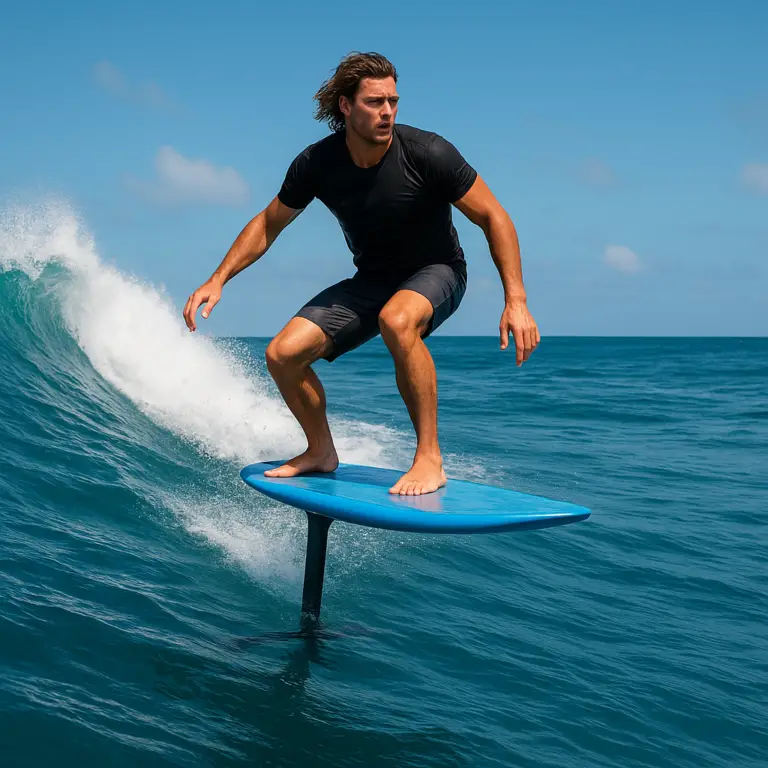
Surf foiling is the original discipline. You need a foil that can handle the variable power of waves.
- Entry-Level: $70 – $1,20. These usually feature larger wings (10+ sq cm) for stability and aluminum masts. Brands like Slingshot and Naish offer great entry kits.
- Mid-Range: $1,20 – $2,0. You get carbon masts and modular wings. This allows you to swap to a smaller wing as you get better.
- High-End: $2,0 – $4,0+. Think high-aspect ratio wings for speed and full carbon construction for responsiveness. Brands like Axis and Armstrong dominate here.
Pros: Great for wave lovers, versatile.
Cons: Requires wave conditions, can be tricky to learn.
2. Kite Hydrofoil Cost: High-Performance Pricing for Wind Riders
Kite foils are designed for high speeds and low drag. They often have narrower wings and longer masts to avoid surface chop.
- Entry-Level: $80 – $1,50. Often sold as part of a kite package.
- Mid-Range: $1,50 – $2,50. High-quality carbon masts and specialized kite wings.
- High-End: $2,50 – $4,50+. Racing foils with extreme aspect ratios and titanium hardware.
Pros: Unbeatable speed, can ride in light wind.
Cons: Expensive, requires kite skills, dangerous in high wind.
3. Wing Foil Cost: The Sweet Spot for Freedom and Fun
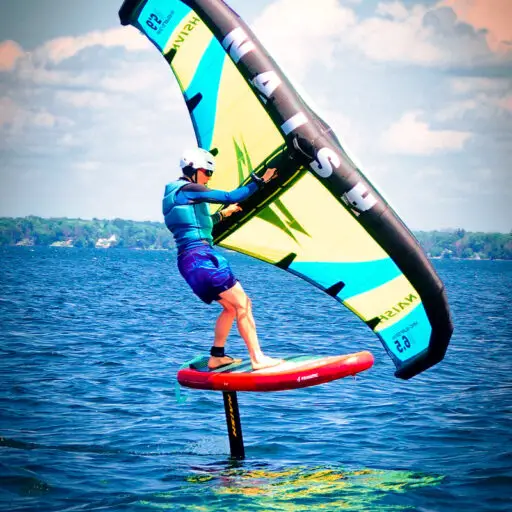
Wing foiling has exploded in popularity because it’s accessible and fun. You hold a wing in your hands, no kite or board leash needed.
- Entry-Level: $90 – $1,80 (Foil only). A complete setup (Board + Wing + Foil) starts around $2,50.
- Mid-Range: $1,80 – $3,0 (Foil only). Modular systems from Duotone or Naish.
- High-End: $3,0+ (Foil only). Ultra-light carbon foils for advanced pumping.
Pros: Easy to learn, portable, no wind dependency (can use waves).
Cons: Requires a separate wing purchase, can be tiring for beginners.
4. SUP Hydrofoil Cost: Standing Tall on a Budget
SUP foiling is perfect for those who want to stand up and glide. The foils need larger surface areas to generate lift at slower paddling speeds.
- Entry-Level: $60 – $1,20. Large wings, aluminum masts.
- Mid-Range: $1,20 – $2,20. Carbon masts, adjustable fuselage.
- High-End: $2,20 – $3,50. Specialized SUP foils with high volume and stiffness.
Pros: Great exercise, stable, works in flat water.
Cons: Heavier gear, requires paddling strength.
5. eFoil Cost: The Electric Premium for Silent Gliding
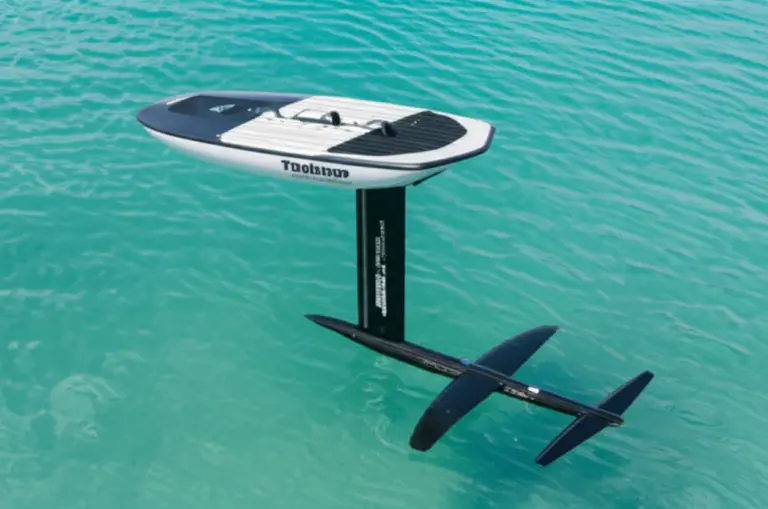
This is the Rolls Royce of foiling. An eFoil includes a motor, battery, and controller.
- Entry-Level: $6,0 – $8,50. Brands like Waydoo or SiFly.
- Mid-Range: $8,50 – $12,0. Fliteboard or Lift Foils standard models.
- High-End: $12,0 – $20,0+. Radinn or custom builds with extended range batteries.
Pros: No wind/waves needed, silent, incredibly fun.
Cons: Very expensive, heavy, battery maintenance required.
6. Pumping Hydrofoil Cost: Maximizing Efficiency Without a Motor
Pumping foils are designed for flat water or dock starts. They have ultra-high aspect ratios to minimize drag and maximize efficiency.
- Entry-Level: $1,0 – $1,80.
- Mid-Range: $1,80 – $3,0.
- High-End: $3,0 – $5,0+. Race-grade foils from Axis or Armstrong.
Pros: Can ride anywhere, no wind needed.
Cons: Step learning curve, expensive.
Which one is right for you? If you’re on a budget, SUP or Wing Foiling offers the best value. If you want the ultimate thrill and have the cash, eFoil is unmatched.
🔍 What Drives the Price? Key Factors Affecting Hydrofoil Cost
Why does one foil cost $80 and another $3,0? It’s not just the logo. Here are the four pillars that drive the price up.
Material Selection: Carbon Fiber Hydrofoil Cost vs Aluminum and Composite
The material is the bigest cost driver.
- Aluminum: Durable, heavy, affordable. Great for beginners who might crash often. Cost: Low.
- Fiberglass/Composite: A middle ground. Lighter than aluminum but heavier than carbon. Cost: Medium.
- Carbon Fiber: The gold standard. It’s incredibly light, stiff, and responsive. It allows for higher aspect ratios without flexing. Cost: High.
Fun Fact: A full carbon mast can weigh half as much as an aluminum one, making a huge difference in how the board feels under your feet.
Manufacturing and Brand Positioning: Why Name Brands Cost More
You pay for R&D. Brands like Naish, Lift Foils, and Armstrong spend millions on fluid dynamics simulations and protyping.
- Precision Tolerances: High-end foils have tighter tolerances, meaning less “wigle” and better performance.
- Warranty: Established brands offer better warranties and customer support.
- Brand Premium: Just like in the car industry, a “name brand” carries a premium.
Design Complexity: Aspect Ratio, Surface Area, and Engineering
- Aspect Ratio: High aspect ratio (long and narrow) wings are harder to manufacture and more expensive, but they offer less drag and more speed.
- Surface Area: Larger wings require more material and are often heavier, but they provide more lift for beginners.
- Modularity: Systems that allow you to swap parts (like the Axis Round Tools or Armstrong systems) are more expensive upfront but save money in the long run.
Included Components: Mast, Fuselage, and Backplate Breakdown
Some brands sell kits (everything included), while others sell components separately.
- Kit: Usually cheaper, but you might get a mast you don’t need.
- Components: More expensive, but you can customize.
- Hidden Costs: Don’t forget the backplate (the part that attaches to the board). Some boards come with it, some don’t.
Is it worth paying extra for carbon?
If you are a beginner, no. An aluminum mast is fine. But if you are an intermediate or advanced rider, the performance gain from carbon is massive. It’s the difference between a sluggish boat and a speedboat.
🎯 Choosing Your Ride: Cost Guides by Rider Level
Let’s match your skill level to the right budget. We don’t want you overspending on gear you can’t use, or underspending on gear that will hold you back.
For Beginners: Affordable Entry-Level Hydrofoil Setups
Goal: Learn to get on foil without breaking the bank.
Recommended Gear:
- Mast: Aluminum (75cm or 90cm).
- Wing: Large surface area (10+ sq cm) for stability.
- Board: Large volume (80L+).
Estimated Cost: $60 – $1,20.
Top Picks: Slingshot (Aluminum series), Naish (Aluminum masts), Armstrong (Entry kits).
For Intermediate Riders: Balancing Performance and Price
Goal: Improve turning, speed, and efficiency.
Recommended Gear:
- Mast: Carbon (90cm or 10cm).
- Wing: Medium surface area (70–90 sq cm).
- Board: Medium volume (50–70L).
Estimated Cost: $1,20 – $2,50.
Top Picks: Axis (Carbon masts), Duotone (Modular systems), Lift Foils (Lift3/Lift4).
For Advanced Riders: Premium Carbon and Custom Configurations
Goal: Maximize performance, speed, and maneuverability.
Recommended Gear:
- Mast: Full Carbon (10cm+).
- Wing: High aspect ratio, small surface area (40–70 sq cm).
- Board: Low volume, specialized shape.
Estimated Cost: $2,50 – $6,0+.
Top Picks: Armstrong (Race series), Axis (High aspect), Slingshot (Hyperspeed).
For Businesses (Rental / Brands): Durability vs. Cost Analysis
Goal: Maximize lifespan and minimize maintenance.
Recommended Gear:
- Mast: Aluminum or reinforced composite.
- Wing: Durable, impact-resistant.
- Board: High volume, durable construction.
Estimated Cost: $1,0 – $2,0 per unit (bulk discounts apply).
Top Picks: Naish (Rental series), Slingshot (Durability focus).
What if you’re a heavy rider?
If you weigh over 20lbs, you’ll need larger wings and stiffer masts, which can push you into the mid-range or high-end price bracket. Don’t try to save money here; a setup that can’t lift you is useless.
💡 Smart Spending: How to Choose the Right Hydrofoil Based on Cost
Choosing the right foil is a four-step process. Follow this guide to avoid buyer’s remorse.
Step 1: Define Your Budget and Hidden Costs
Set a hard limit. Remember to add $30–$60 for safety gear (vest, helmet, leash).
- Budget: $1,0? Stick to aluminum entry kits.
- Budget: $2,50? You can get a solid carbon mid-range setup.
- Budget: $10,0+? Look at eFoils or high-end race foils.
Step 2: Identify Your Primary Use Case
- Waves? Go for a surf foil.
- Flat water? Go for a pumping or eFoil.
- Wind? Go for a kite or wing foil.
- All-around? A modular wing foil setup is your best bet.
Step 3: Choose the Right Material for Your Needs
- Beginer: Aluminum.
- Intermediate: Carbon mast, composite wings.
- Advanced: Full carbon.
Step 4: Evaluate Suppliers and Warranty Terms
- Check Warranty: Does the brand cover delamination or cracks?
- Check Support: Can you get parts easily?
- Check Resale: Will it hold value?
Pro Tip: Buy last year’s model. Brands like Lift Foils often release new models annually. The previous year’s model is often 95% as good but 20–30% cheaper.
🛠️ Ways to Reduce Your Overall Investment Without Sacrificing Fun
You don’t have to sell a kidney to start foiling. Here are our top money-saving hacks:
- Rent Before You Buy: Many shops offer hourly rentals ($75–$150). Try it first!
- Buy Used: Check Facebook Marketplace, eBay, or local forums. Look for carbon cracks and battery health (for eFoils). You can save 30–50%.
- Start with Aluminum: Learn on an aluminum mast, then upgrade to carbon later.
- Buy a Kit: Kits are often cheaper than buying parts separately.
- Look for Bundle Deals: Some brands offer lesson credits if you buy gear.
- Maintain Your Gear: A simple application of Tef-Gel can save you hundreds in repairs.
Is DIY foiling cheaper?
Technically, yes. But building a foil from scratch requires epoxy, carbon cloth, and molds. It’s time-consuming (10+ hours) and risky. Unless you’re an engineer, buying a pre-made kit is safer and often cheaper in the long run.
❓ FAQ: Hydrofoil Cost Questions Answered

What is the average cost of a beginner hydrofoil board setup?
A complete beginner setup (board + foil + safety gear) typically ranges from $1,20 to $2,0. This includes an aluminum mast, a large wing, and a high-volume board.
Read more about “🚀 Mastering Hydrofoil Lift-to-Drag Ratio: The Ultimate Guide (2026)”
How much does a carbon fiber hydrofoil mast cost compared to aluminum?
A carbon fiber mast typically costs $40–$80, while an aluminum mast costs $20–$40. The price difference is due to the complex manufacturing process and material costs of carbon fiber.
Are there affordable hydrofoil wing options for beginners?
Yes! Brands like Slingshot and Naish offer entry-level wings in the $30–$50 range. These are larger and more stable, perfect for learning.
Read more about “🚀 What Equipment Do I Need for Hydrofoiling? The 2026 Starter Guide”
What additional costs should I expect when buying my first hydrofoil?
Don’t forget:
- Helmet: $60–$20
- Impact Vest: $80–$250
- Foil Leash: $30–$80
- Board Bag: $10–$30
- Tef-Gel: $20–$40
Read more about “🚀 15 Best Hydrofoils for Sale (2026): The Ultimate Flight Guide”
How much does it cost to replace a damaged hydrofoil wing?
Replacing a wing can cost $20–$60 depending on the size and material. Carbon wings are more expensive than composite ones.
Read more about “Master Windfoil Flight: 7 Essential Windsurfing Hydrofoil Lessons 🚀 (2025)”
Is it cheaper to build a DIY hydrofoil or buy a pre-made kit?
While materials might seem cheaper, the time investment and risk of failure make DIY more expensive. A pre-made kit is safer, more reliable, and often cheaper when you factor in the cost of tools and mistakes.
What is the price range for high-performance racing hydrofoil setups?
High-performance racing setups can range from $3,0 to $6,0+. These include full carbon construction, high-aspect wings, and custom boards.
Still have questions?
We’ve covered a lot, but every rider is unique. If you’re still unsure, check out our Advanced Hydrofoiling Techniques guide for more insights.
Read more about “Can You Customize Your Hydrofoil Board? 7 Benefits Explained! 🌊”
🏁 Hydrofoil Cost Conclusion: Is the Investment Worth It?

So, is the price tag worth it? Absolutely.
We’ve seen the transformation in our community. People who once struggled to catch a wave are now gliding effortlessly above the water. The addictive sensation of flight is unlike anything else in the water world.
The Verdict:
- For Beginners: Start with an aluminum setup. It’s affordable, durable, and gets the job done.
- For Intermediates: Invest in carbon. The performance gain is worth every penny.
- For Advanced Riders: Go high-end. You deserve the best.
- For the Ultimate Experience: If budget allows, an eFoil is a game-changer.
Don’t let the cost scare you. Start small, learn the basics, and upgrade as you grow. The water is worth the price of admission.
Ready to take the plunge?
Check out our Hydrofoil Board Selection guide to find the perfect board for your budget.
🔗 Recommended Links
👉 Shop Top Brands & Products:
- Slingshot Foils: Amazon Search | Slingshot Official
- Naish Foils: Amazon Search | Naish Official
- Lift Foils: Lift Foils Official
- Fliteboard: Fliteboard Official
- Waydoo: Waydoo Official
- Armstrong Foils: Armstrong Official
- Axis Foils: Axis Official
Essential Safety Gear:
- Impact Vests: Amazon Search
- Foil Leashes: Amazon Search
- Tef-Gel: Amazon Search
Books & Guides:
- The Art of Foiling (Available on Amazon)
📚 Reference Links
- Water Comfort: Hydrofoil Board Cost: Full Price Breakdown — Entry-Level to eFoil
- Unity Surf: How Much Does a Hydrofoil Cost?
- Hydrofoiling.org: How Much Does a Hydrofoil Cost?
- Fliteboard: Technology & Specs
- Lift Foils: Product Lineup
- Naish: Hydrofoil Collection
- Slingshot: Hydrofoil Division
- Armstrong Foils: Racing & Performance
- Axis Foils: Foil Technology
Featured Video:
For a visual breakdown of component costs and setup recommendations, check out this YouTube Video where the presenter details a $2,20 setup and explains the importance of aspect ratio.