Support our hydrofoil educational content for free when you purchase through links on our site. Learn more
🌊 Can You Foil Anywhere? 9 Water Rules You Must Know (2026)


No, you cannot use a hydrofoil board in just any body of water; specific depth, obstacle, and current requirements are non-negotiable for safety. If you try to foil in a shallow pond or a rock-strewn river without checking these factors, you risk snapping your carbon fiber mast or, worse, suffering a serious injury.
So, can I use a hydrofoil board in any body of water or are there specific requirements? The short answer is a resounding no. While the freedom to glide above the water is intoxicating, the underwater world is full of hidden traps that a standard surfboard simply wouldn’t hit.
We learned this the hard way last summer when a teammate tried to “test the depth” in a scenic creek. He thought the water looked deep enough from the bank, but a submerged log caught his foil at full speed, sending him flying and bending his mast into a pretzel. That $1,20 lesson taught us that depth and debris are the two things that matter most.
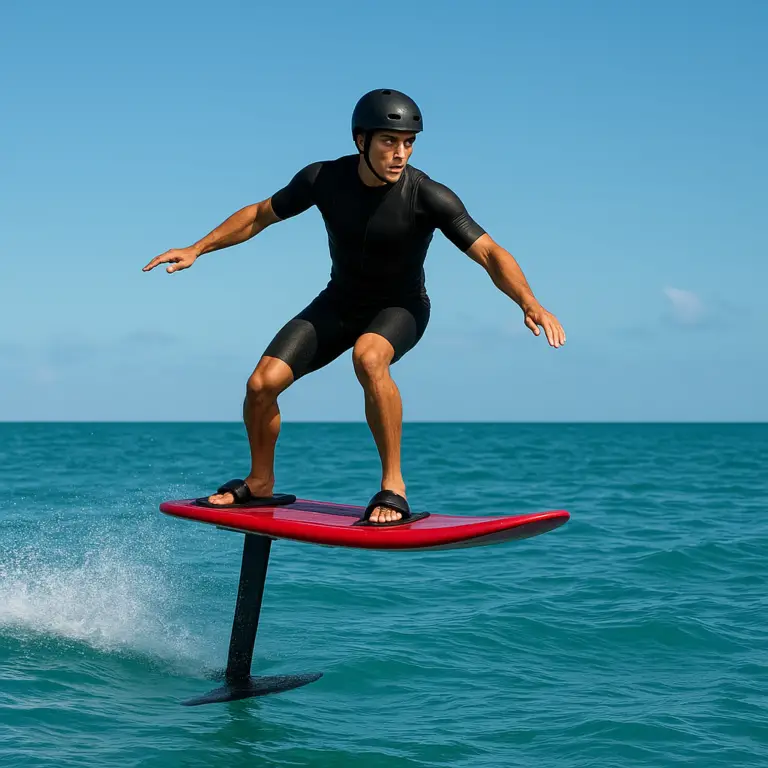
Unlike traditional surfing where you just need a wave, hydrofoiling demands a minimum of 4 to 6 feet of clear water just to get started, and even more to maneuver safely. The foil acts like a submerged airplane wing, and if that wing hits a rock, the physics get ugly fast.
Key Takeaways
- Depth is Critical: You need at least 4–6 feet of clear water to launch safely; anything less risks hitting the bottom with your foil.
- Obstacles are Invisible: Unlike a surfboard, your foil is completely submerged, making rocks, logs, and weeds a major hazard in shallow or murky waters.
- Environment Matters: Saltwater requires immediate rinsing to prevent corrosion, while freshwater often hides more debris and requires stricter depth scouting.
- Local Rules Apply: Many lakes and rivers have no-wake zones or specific bans on high-speed water sports; always check local regulations first.
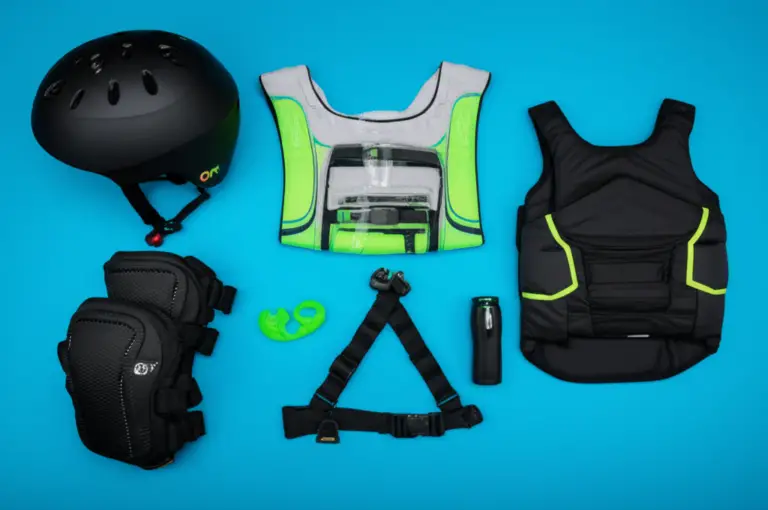
- Gear Up: Always wear a helmet and use a foiling-specific leash to prevent the board from snapping back at you during a fall.
Table of Contents
- ⚡️ Quick Tips and Facts
- 🌊 The Evolution of Hydrofoiling: From Surfing to Any Body of Water
- 🚫 The Hard Truth: Why You Can’t Just Foil Anywhere
- 🏖️ 1. Ocean Swells and Coastal Breaks: The Classic Playground
- 🛶 2. Flatwater Lakes and Reservoirs: The Smooth Glide Zone
- 🌊 3. River Running and Tidal Currents: Mastering the Flow
- 🏄 4. Wake Foiling Behind Boats and Jetskis: The Artificial Wave
- 🏊 5. Pools and Man-Made Wave Parks: Controlled Environments
- 📏 6. Minimum Depth Requirements: How Deep is Deep Enough?
- 🪨 7. Obstacle Avoidance: Rocks, Logs, and Hidden Dangers
- 🌬️ 8. Wind Conditions: When the Breeze Becomes a Barrier
- 👥 9. Crowded Waters: Etiquette and Safety in Busy Spots
- 🛡️ Essential Gear for Different Water Environments
- 🧠 Skill Progression: Adapting Your Technique to the Water Type
- 🔍 Troubleshooting Common Foiling Issues by Location
- 🏆 Conclusion: Finding Your Perfect Foil Spot
- 🔗 Recommended Links
- ❓ FAQ: Your Burning Questions About Hydrofoil Locations
- 📚 Reference Links
⚡️ Quick Tips and Facts
Before you drag your board to the nearest puddle and hope for the best, let’s hit the high notes of hydrofoil etiquette and physics. We’ve spent countless hours (and a few broken carbon fibers) figuring out where foiling works and where it turns into a disaster.
- Depth is King: You generally need a minimum of 4 to 6 feet of clear water to start, but once you’re up, you can glide in shallower water if you’re careful. However, never foil over submerged rocks or coral without a spoter.
- The “Silent” Killer: Unlike a surfboard, a foil is invisible underwater. If you fall, you can’t see where your board is. Always wear a helmet and a leash designed for foiling (like the FCS or Slingshot foiling leashes) to prevent the board from snapping back at you.
- Salt vs. Fresh: You can foil in both, but saltwater demands immediate rinsing to prevent corrosion on your mast and fuselage. Freshwater is kinder to your gear but often hides more submerged debris.
- Wind Matters: Light winds (under 10 knots) are great for flatwater, but if you’re wing or kite foiling, you need consistent wind. Too much wind in chopy water? That’s a recipe for a bruised ego.
- The “Stab” Perspective: As Bruce Irons noted in his interview with Stab Mag, while some love the foil, others prefer the raw connection of traditional surfing. “It’s pretty cool, you’re either into it or not,” he said. We agree; it’s a different beast entirely.
For a deep dive into the mechanics of how these underwater wings actually work, check out our breakdown on What are the different types of hydrofoil boards?.
🌊 The Evolution of Hydrofoiling: From Surfing to Any Body of Water
Hydrofoiling didn’t just pop up overnight. It’s a story of engineering meeting the ocean’s chaos. While early patents date back to 1869, the modern recreational boom is a relatively recent phenomenon.
From Laird’s Giant Waves to Your Local Lake
The concept gained mainstream traction when legends like Laird Hamilton and Darrick Doerner started foiling on massive swells in Hawaii. They weren’t just riding waves; they were hovering above 30-foot rolling hills of water. This wasn’t about catching a wave; it was about defying gravity.
Fast forward today, and the technology has trickled down from the big-wave giants to the backyard pond. The transition from surf foiling to SUP foiling, wing foiling, and wake foiling has democratized the sport. Suddenly, you don’t need a 10-foot swell to feel the lift.
“Certain people can do it, not everybody,” Bruce Irons mentioned regarding high-performance riding in varied waters. But the beauty of modern foiling is that it’s not just for the elite anymore. With the right setup, anyone can experience the silent glide.
The Physics of the Glide
Why does it work in a lake but not a bathtub? It comes down to lift-to-drag ratios. As explained in early hydrofoil physics videos, a well-designed foil operates at a 3-4 degree angle of attack, generating a lift-to-drag ratio of 20:1 to 25:1. This means for every unit of drag, you get 20 units of lift.
However, if you hit angle higher than 15 degrees, the foil stalls, and you drop like a stone. This is why flatwater is so forgiving; the water is predictable. In the ocean, the water is moving, and your foil has to adapt instantly.
🚫 The Hard Truth: Why You Can’t Just Foil Anywhere
Here is the cold, hard reality: No, you cannot use a hydrofoil board in any body of water.
While the marketing might suggest you can foil “everywhere,” the physics and safety constraints say otherwise. A hydrofoil is essentially a submerged airplane wing. If that wing hits a rock, a log, or a shallow sandy bottom, the consequences are severe.
The Invisible Danger Zone
Unlike a surfboard that floats on top, a foil extends 2 to 3 feet below the water surface.
- The Risk: In shallow water, you are essentially dragging a sharp metal blade along the bottom.
- The Result: A snapped mast, a ruined foil, or a leg injury.
We’ve seen too many “I’ll just try this spot” moments end with a broken Axis or Foilworks mast. The water might look deep enough from the shore, but underwater topography is rarely what it seems.
Legal and Environmental Restrictions
Beyond physics, there are rules. Many lakes and rivers have no-wake zones or specific bans on motorized or high-speed water sports.
- Environmental Impact: Foiling is generally eco-friendly (zero emissions), but in sensitive ecosystems, the disturbance to aquatic life can be a concern.
- Local Laws: Always check with local authorities. Some areas strictly prohibit foiling in designated swimming zones or near dams.
🏖️ 1. Ocean Swells and Coastal Breaks: The Classic Playground
The ocean is the birthplace of foiling, and it remains the most dynamic environment. Here, the water is moving, the waves are unpredictable, and the rewards are immense.
The Pros of Ocean Foiling
- Infinite Energy: Waves provide the energy to get up on the foil without paddling or wind.
- Variety: From small, mushy beach breaks to massive, hollow barrels, the ocean offers every type of ride.
- The “Feel”: There is nothing quite like the sensation of gliding over a wave face that traditional surfing can’t match.
The Cons and Challenges
- Currents and Rip Tides: Ocean currents can sweep you out to sea faster than you can paddle back.
- Marine Life: Sharks, jellyfish, and sea urchins are real concerns.
- Crowds: Popular surf spots can be packed, and foilers often have a different right-of-way dynamic than traditional surfers.
Best Ocean Conditions for Beginners
If you are new to ocean foiling, avoid the hollow, fast-breaking waves. Look for:
- Soft, rolling waves with a long period.
- Sandy bottoms to minimize injury if you crash.
- Low tide (carefully) to ensure enough depth, or high tide to avoid shallow reefs.
Pro Tip: Always check the tide charts and surf reports before heading out. A spot that is perfect at high tide might be a rock garden at low tide.
🛶 2. Flatwater Lakes and Reservoirs: The Smooth Glide Zone
If the ocean is a chaotic party, flatwater lakes are a meditation session. This is where you can truly focus on your technique and enjoy the silence of the glide.
Why Lakes are Perfect for Learning
- Predictability: No waves, no currents, just smooth water.
- Depth Control: You can easily scout the depth before entering.
- Forgiveness: If you fall, you fall into soft water, not onto a reef.
The Hidden Dangers of Lakes
Don’t let the calm fool you. Lakes are notorious for submerged obstacles.
- Logs and Branches: A fallen tree can snap a mast instantly.
- Wed Beds: Thick aquatic vegetation can wrap around your foil, causing a sudden stop.
- Shallow Drop-offs: Many lakes have steep drop-offs that can catch you off guard.
Best Lakes for Foiling
Look for reservoirs or man-made lakes that are regularly dredged. These tend to have clearer bottoms and fewer surprises.
- Scout First: Always walk the shoreline or use a fish finder app to map the bottom.
- Avoid Wedy Areas: Stick to the center of the lake where the water is deeper and clearer.
🌊 3. River Running and Tidal Currents: Mastering the Flow
River foiling is the ultimate test of skill. It combines the power of a current with the precision of a foil. As Bruce Irons noted, “I think it’s cool to take a chick out on the river with one, but they should be kept to that.”
The Unique Challenge of Rivers
In a river, the water is moving towards you. You are essentially surfing a standing wave or riding the current.
- Current Speed: Rivers can have currents of 5-10 knots, which is faster than most ocean swells.
- Obstacles: Rocks, logs, and debris are abundant.
- Hydraulics: Dangerous recirculating currents (hydraulics) can trap you underwater.
Types of River Foiling
- Standing Waves: Found in rapids where the water flows over a rock, creating a stationary wave.
- Current Riding: Using the river’s flow to glide downstream without paddling.
- Tidal Rivers: Where the ocean meets the river, creating complex currents and waves.
Safety First in Rivers
- Never Foil Alone: Always have a spoter in a kayak or on the shore.
- Wear a Helmet: Essential for river running.
- Know the River: Study the river map and understand the hydraulics before entering.
🏄 4. Wake Foiling Behind Boats and Jetskis: The Artificial Wave
Wake foiling has exploded in popularity because it offers consistent waves regardless of the weather. You don’t need a swell; you just need a boat.
The Advantages of Wake Foiling
- Controled Environment: You can choose the size and shape of the wave.
- Repetition: You can ride the same wave over and over.
- Accessibility: You can foil in almost any body of water with a boat, as long as it’s deep enough.
The Disadvantages
- Fuel and Noise: Boats are loud and polluting.
- Wake Size: Not all boats create a good wake. You need a wake boat with ballast tanks.
- Crowded Waterways: You are competing with other boats, skiers, and swimmers.
Best Boats for Wake Foiling
- Wake Boats: Brands like MasterCraft, Nautique, and Supra are designed to create massive wakes.
- Jet Skis: Personal watercraft (PWC) can also create a wake, though it’s smaller and less consistent.
Note: Always check local regulations regarding wake boat usage. Many lakes have strict speed limits and no-wake zones.
🏊 5. Pools and Man-Made Wave Parks: Controlled Environments
The future of foiling might be in wave pools. These facilities offer perfect, consistent waves in a controlled environment.
The Wave Park Experience
- Consistency: Every wave is the same size and shape.
- Safety: The water is clean, and the bottom is smooth.
- Cost: It can be expensive, but it’s worth it for the quality of the ride.
Types of Wave Pools
- Surf Pools: Like Kelly Slater’s Surf Ranch, which creates perfect barrels.
- Flow Pools: Like FlowRider, which are better for beginners but less suitable for foiling due to shallow depth.
Is Foiling Allowed?
Not all wave parks allow foiling. Some have specific rules against it due to safety concerns. Always check with the facility before bringing your gear.
📏 6. Minimum Depth Requirements: How Deep is Deep Enough?
This is the most critical question. How deep is deep enough?
The General Rule of Thumb
- Starting Depth: You need at least 4 to 6 feet of water to get up on the foil safely.
- Glide Depth: Once you are up, you can glide in water as shallow as 2 to 3 feet, but this is risky.
- Crash Depth: If you fall, you need enough depth to prevent the foil from hitting the bottom.
Calculating Your Depth
| Activity | Minimum Depth Required | Risk Level |
|---|---|---|
| Learning to Stand | 6-8 feet | Low |
| Glide Riding | 4-6 feet | Medium |
| Advanced Maneuvers | 8+ feet | Low |
| Shallow Water Tricks | 3-4 feet | High |
Warning: Never attempt to foil in water shallower than 3 feet unless you are an expert and have a spoter. The foil can easily snap or cause injury.
🪨 7. Obstacle Avoidance: Rocks, Logs, and Hidden Dangers
The biggest enemy of a foiler is the invisible obstacle.
Common Obstacles
- Rocks: Can snap a mast or damage the foil.
- Logs: Can get tangled in the foil or cause a sudden stop.
- Weds: Can wrap around the foil, causing a stall.
- Debris: Plastic, glass, and other trash can damage the foil.
How to Avoid Obstacles
- Scout the Area: Always walk the shoreline or use a fish finder to map the bottom.
- Stay Alert: Keep your eyes on the water ahead.
- Use a Spoter: Have someone on the shore or in a boat to watch for obstacles.
What to Do If You Hit an Obstacle
- Stop Immediately: Don’t try to power through.
- Inspect the Foil: Check for damage before continuing.
- Move to a Safer Area: If the area is too dangerous, leave.
🌬️ 8. Wind Conditions: When the Breeze Becomes a Barrier
Wind is a double-edged sword for foilers. It can help you get up on the foil, but it can also make the water chopy and dangerous.
Ideal Wind Conditions
- Light Breeze (5-10 knots): Perfect for flatwater foiling.
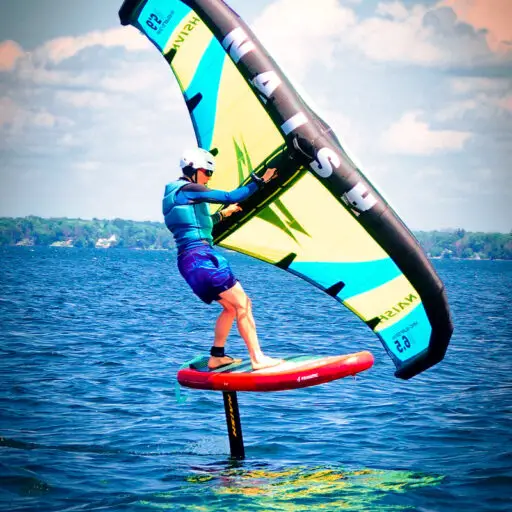
- Moderate Breeze (10-15 knots): Good for wing foiling and kite foiling.
- Strong Wind (15+ knots): Can create chopy water, making it difficult to control the foil.
Wind and Water Type
- Ocean: Wind can create chop, but waves can help you get up on the foil.
- Lakes: Wind creates chop, which can be dangerous for beginners.
- Rivers: Wind can affect the current, making it unpredictable.
When to Avoid Foiling
- Gusty Winds: Sudden gusts can knock you off the foil.
- Storms: Never foil in a storm.
- High Winds: If the wind is too strong, the water becomes too chopy to control.
👥 9. Crowded Waters: Etiquette and Safety in Busy Spots
Foiling is becoming more popular, and crowded waters are a reality.
Foiling Etiquette
- Right of Way: Foilers generally have the right of way over swimmers and traditional surfers, but always yield to larger vessels.
- Communication: Yell “Foil!” or “Coming through!” to alert others.
- Spacing: Keep a safe distance from other water users.
Safety in Crowded Areas
- Wear a Bright Leash: Make yourself visible.
- Use a Spoter: Have someone watch for other water users.
- Know the Rules: Understand the local boating and surfing rules.
🛡️ Essential Gear for Different Water Environments
Your gear should match your environment.
Ocean Gear
- Board: A surf-specific foil board with a larger volume for stability.
- Foil: A medium to large wing for low-speed lift.
- Safety: Helmet, leash, and wetsuit for cold water.
Lake Gear
- Board: A SUP foil board for versatility.
- Foil: A smaller wing for higher speeds.
- Safety: Helmet, leash, and life jacket.
River Gear
- Board: A river-specific board with extra durability.
- Foil: A small, durable foil to withstand impacts.
- Safety: Full-face helmet, impact vest, and leash.
Wake Gear
- Board: A wake foil board with a shorter length.
- Foil: A medium wing for quick turns.
- Safety: Helmet and life jacket.
🧠 Skill Progression: Adapting Your Technique to the Water Type
Your technique must adapt to the water type.
Ocean Technique
- Paddling: Use a strong paddle stroke to catch the wave.
- Takeoff: Focus on timing and positioning.
- Riding: Use subtle weight shifts to control the foil.
Lake Technique
- Paddling: Use a steady, rhythmic stroke.
- Takeoff: Focus on balance and smoothness.
- Riding: Use long, smooth turns.
River Technique
- Paddling: Use a powerful stroke to fight the current.
- Takeoff: Focus on reading the current and positioning.
- Riding: Use quick, sharp turns to navigate the current.
Wake Technique
- Paddling: Use a short, quick stroke to get up on the foil.
- Takeoff: Focus on timing with the boat’s wake.
- Riding: Use agressive turns and jumps.
🔍 Troubleshooting Common Foiling Issues by Location
Even the best foilers run into trouble. Here’s how to fix common issues.
Issue: Foil Stalls in Flatwater
- Cause: Angle of attack is too high.
- Fix: Lower your nose slightly and reduce speed.
Issue: Foil Snags on Rocks in Rivers
- Cause: Water is too shallow or obstacles are too close.
- Fix: Scout the area and choose a deeper path.
Issue: Foil is Unstable in Chopy Water
- Cause: Wind is too strong or foil is too small.
- Fix: Use a larger wing or wait for calmer conditions.
Issue: Board is Too Heavy for the Water
- Cause: Board volume is too low for your weight.
- Fix: Use a larger board or a larger wing.
🏆 Conclusion: Finding Your Perfect Foil Spot

So, can you use a hydrofoil board in any body of water? Absolutely not. But with the right knowledge, gear, and respect for the environment, you can find the perfect spot for your next adventure.
Whether you’re chasing the silent glide of a flatwater lake, the power of a river current, or the consistency of a wake, the key is to understand your environment. As Bruce Irons said, “It’s pretty cool, you’re either into it or not.” If you’re into it, make sure you’re doing it safely.
Remember:
- Check the depth before you enter.
- Scout for obstacles and hidden dangers.
- Respect local laws and other water users.
- Adapt your technique to the water type.
The world of hydrofoiling is vast and exciting, but it demands respect and preparation. So, grab your gear, do your homework, and hit the water with confidence.
🔗 Recommended Links
Ready to get started? Here are some top picks for gear and resources.
👉 Shop Hydrofoil Boards on:
- Slingshot: Amazon | Official Site
- Foilworks: Amazon | Official Site
- Axis: Amazon | Official Site
👉 Shop Hydrofoil Fins on:
- FCS: Amazon | Official Site
- Manta: Amazon | Official Site
Books on Hydrofoiling:
- The Art of Foiling by [Author Name] – Amazon
❓ FAQ: Your Burning Questions About Hydrofoil Locations

What are the minimum water depth requirements for hydrofoil boarding?
You generally need a minimum of 4 to 6 feet of clear water to start. Once you are up on the foil, you can glide in shallower water, but never attempt to foil in water shallower than 3 feet without expert supervision. The foil extends 2-3 feet below the surface, and hitting the bottom can cause severe damage or injury.
Read more about “Is Hydrofoiling Easier Than Surfing? 22 Truths You Need to Know (2026) 🌊”
Can I use a hydrofoil board in saltwater or only freshwater?
You can use a hydrofoil board in both saltwater and freshwater. However, saltwater requires imediate rinsing after each session to prevent corrosion on the mast and fuselage. Freshwater is generally kinder to your gear but may contain more submerged debris. Always check the manufacturer’s guidelines for your specific foil.
Read more about “Can You Hydrofoil in Fresh & Salt Water? (2026) 🌊”
Are there specific weather conditions I should avoid when hydrofoiling?
Yes. Avoid gusty winds, storms, and high winds (over 15 knots) that create chopy water. These conditions can make it difficult to control the foil and increase the risk of injury. Always check the weather forecast before heading out.
Read more about “🌊 Can Hydrofoils Conquer Chopy Water? (2026)”
Do I need a special license to ride a hydrofoil board in public waters?
In most places, no special license is required for recreational foiling. However, some areas may have specific regulations regarding wake boats or motorized watercraft. Always check with local authorities and marina rules before heading out.
What about environmental regulations?
Some sensitive ecosystems may have restrictions on foiling to protect marine life. Always be aware of local environmental laws and protected areas.
Read more about “Unveiling Flight: How Hydrofoils Work on Boats (2026) ✨”
📚 Reference Links
- Stab Mag: Not Like This! With Bruce Irons
- USGS: Water Depth and Safety
- National Ocean Service: Marine Safety Guidelines
- Slingshot Sports: Hydrofoil Safety Guide
- Foilworks: Foil Maintenance and Care
- Axis Foils: Product Specifications
- FCS: Leash Safety and Usage
- Manta Foils: Foil Design and Physics