Support our hydrofoil educational content for free when you purchase through links on our site. Learn more
🚀 Hydrofoil vs. All: The Ultimate 2026 Guide to Flying on Water


Remember the first time you tried to catch a wave, only to spend twenty minutes paddling until your arms felt like jelly, just to get one measly ride? We’ve all been there. But imagine a world where you could glide silently above the water’s surface, catching tiny ripples that would leave a traditional surfboard stranded, or cruising across a glassy lake with nothing but a gentle breeze or a silent electric hum for propulsion. That, my friends, is the magic of hydrofoiling. It’s not just a new sport; it’s a completely different dimension of water riding that redefines what’s possible on the water.
In this deep dive, we’re tearing down the walls between disciplines to answer the burning question: What is the difference between hydrofoiling and other board sports? From the electric thrill of eFoiling to the wind-powered freedom of wing foiling, and the raw power of kite foiling, we’ll break down exactly how the hydrofoil changes the game. We’ll explore why a “mushy” wave becomes a playground for a foil rider, how the learning curve compares to your favorite board sport, and which setup is the perfect match for your local conditions. Spoiler alert: the answer might surprise you, and you’ll never look at a calm lake the same way again.
Key Takeaways
- The “Flying” Factor: Unlike traditional surfing, SUP, or wakeboarding where you ride on the water, hydrofoiling lifts the board entirely out of the water, reducing drag and allowing you to glide on tiny swells or flat water.
- Versatility is King: Hydrofoiling isn’t limited to one condition; it encompasses surf foiling (waves), wing foiling (wind), kite foiling (wind + jumps), wake foiling (boat wakes), and eFoiling (electric motor), making it the most adaptable board sport.
- Learning Curve Reality: While the initial balance challenge is steeper than traditional board sports, eFoiling offers the fastest path to “flight,” whereas manual disciplines like surf foiling require more patience and wave-reading skills.
- Gear Matters: The hydrofoil system (mast, fuselage, wings) is the heart of the experience, with larger wings offering stability for beginners and smaller, high-aspect wings providing speed and agility for experts.
- Safety First: Always wear a helmet and impact vest; the foil is sharp, and falling is part of the process, but proper gear and technique make the learning curve much safer and more enjoyable.
Table of Contents
- ⚡️ Quick Tips and Facts
- 🌊 From Surfing to Soaring: The Evolution of Hydrofoil Board Sports
- 🦈 The Core Distinction: How Hydrofoiling Differs from Traditional Surfing
- 🚤 Wing Foiling vs. Kite Foiling: Mastering the Wind-Powered Showdown
- 🛥️ eFoil vs. Manual Foiling: Electric Thrills or Pure Skill?
- 🏄 ♂️ SUP Foiling vs. Stand-Up Paddleboarding: The Battle for Flat Water
- 🏂 Wake Foiling vs. Boat Foiling: Chasing the Perfect Wake
- 🧠 Skill Transferability: Can You Jump Between Foil Disciplines?
- 🛠️ Gear Breakdown: Foils, Boards, and Wings Explained
- 🌍 Where to Ride: Ideal Conditions for Each Foil Sport
- 🚀 The Learning Curve: What to Expect as a Beginner
- 💰 Cost Analysis: Investing in Your Foiling Journey
- 🏆 Top Brands and Equipment Recommendations
- 🎓 Conclusion: Which Foil Sport is Your Perfect Match?
- 🔗 Recommended Links
- ❓ FAQ: Your Burning Questions About Hydrofoiling Answered
- 📚 Reference Links
<
a id=”-quick-tips-and-facts”>
⚡️ Quick Tips and Facts
Alright, fellow water warriors, let’s dive straight into the exhilarating world of hydrofoiling! As the Hydrofoiling™ team, we
‘ve seen it all, ridden it all, and fallen spectacularly more times than we can count (it’s part of the fun, trust us!). So, what’s the big deal with hydrofoiling compared to your classic board
sports? Here are some rapid-fire facts to get your fins wet:
- ✅ The “Flying” Sensation: Hydrofoiling literally lifts you above the water, creating an unparalleled sensation of gliding silently and effortlessly. It’
s like a magic carpet ride, but with more spray! - ❌ No More Chop: Unlike traditional surfing, paddleboarding, or wakeboarding, where choppy water can be a nightmare, hydrofoils cut through it, offering a smoother
ride. You’re above the fray, literally. - ✅ Less Power, More Glide: Whether it’s a small wave, a gentle breeze, or a tiny boat wake, hydrofoils make the most of minimal energy
. You can ride longer, further, and in conditions that would leave traditional board sports high and dry. - ❌ Steep but Rewarding Learning Curve: While the initial learning phase can be challenging, especially finding that sweet spot of
balance and lift, the payoff is immense. Many find eFoiling, in particular, has one of the fastest learning curves among board sports. - ✅ Versatility is Key: From tiny lake ripples
to ocean swells, and powered by wind, waves, or electric motors, there’s a hydrofoiling discipline for almost every water condition and preference. - ❌ Equipment Investment: Getting into hydrofoiling often requires a more
significant initial investment compared to a basic surfboard or paddleboard. However, the durability and advanced technology often justify the cost.
🌊 From Surfing to Soaring: The Evolution of Hydrofoil Board Sports
Remember those days, endlessly paddling for a wave, or waiting for the perfect gust of wind? We certainly do! The evolution of board
sports has always been about pushing boundaries, finding new ways to interact with water, and, let’s be honest, going faster and looking cooler. For a deeper dive into the fundamentals, check out our Hydrofoil Basics section.
The concept of hydrofoiling isn’t new; it’s been around in the maritime world for over a century, allowing boats to lift out of the water
to reduce drag and increase speed. But applying this ingenious principle to personal board sports? That’s where the magic truly began! Imagine a small airplane wing, but instead of air, it’s slicing through water, generating
lift. That’s your hydrofoil.
Early pioneers experimented with attaching these “wings” to surfboards and windsurfers, often with hilarious (and sometimes painful) results. The goal was simple: overcome the inherent drag of a
board pushing through water. By lifting the board clear, only the slender mast and the foil itself remain submerged, drastically reducing friction and unlocking incredible speeds and efficiency. It was a game-changer, opening up possibilities for riding in conditions previously deemed
unrideable – tiny bumps, light winds, or even flat water. The dream of “flying” over the water was no longer just a dream; it was becoming a reality, paving the way for the diverse and thrilling hydrofoil disciplines we know and
love today.
🦈 The Core Distinction: How Hydrofoiling Differs from Traditional Sur
fing
Let’s get down to the nitty-gritty. You’ve ridden a surfboard, right? You know the feeling of catching a wave, carving down the line, and feeling the power of the ocean. It’s primal
, exhilarating. Now, imagine that, but amplified, with a completely different dimension. That’s hydrofoiling.
The most fundamental difference is the lift. In traditional surfing, your board displaces water, creating drag. You’re *
on* the water. With a hydrofoil, once you reach a certain speed, the foil generates enough lift to raise the entire board out of the water. You’re literally above the water, connected only by the mast.
This “flying” sensation is what sets it apart. It’s a silent, almost ethereal glide that feels entirely different from the spray-filled ride of a surfboard.
How does this change the game?
- Wave Requirements
: Traditional surfing demands a breaking wave with enough power to push the board. Hydrofoiling, particularly with a surf foil, can catch incredibly small, unbroken swells, even boat wakes, and ride them for extended periods. We’ve had
sessions where we’re riding “waves” that are barely ripples, just pumping the board to generate speed and stay on foil. - Speed and Efficiency: Because of the reduced drag, hydrofoils are incredibly efficient. You can
maintain speed with less effort and cover vast distances. We’ve found that the board is “more stable at speed” than a paddleboard, allowing for drastic stance adjustments without tipping. - Balance and St
ance: While both require balance, the mechanics differ. On a surfboard, you’re constantly adjusting to the water’s surface. On a hydrofoil, you’re balancing on a single point (the foil) beneath the water, controlling pitch
(up and down) by shifting your weight forward and back, and roll (side to side) by leaning. It’s a delicate dance, but once you find that sweet spot, it feels incredibly stable. As a beginner, the
upper body can get fatigued from repeatedly climbing back onto the board. - Propulsion: Traditional surfing relies solely on wave energy. Hydrofoiling can harness waves, wind (wing foiling, kite foiling), or even electric motors (eFoiling), giving riders more options for propulsion. With eFoiling, for instance, an electric motor provides propulsion, meaning you don’t need to paddle or use leg power to move forward. This is a stark contrast to other sports that typically require physical exertion to generate movement.
It’s not just a different sport; it’s a different dimension of water riding. If you’re
curious about the gear that makes this magic happen, our Hydrofoil Equipment Reviews are a great place to start!
🚤 Wing Foiling vs. Kite Foiling: Mastering the Wind-Powered Showdown
Ah, the wind!
Our faithful friend and sometimes mischievous foe. When it comes to harnessing its power with a hydrofoil, two titans stand out: wing foiling and kite foiling. Both offer incredible freedom and speed, but they do it in distinctly different
ways, each with its own charm and challenges.
Wing Foiling: The Handheld Sail Revolution 🌬️
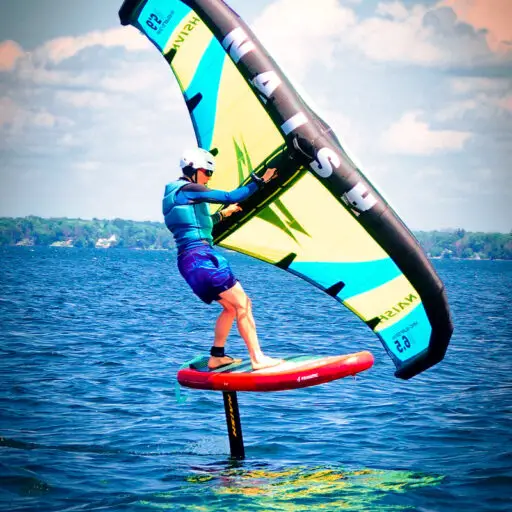
Imagine holding a lightweight, inflatable wing directly in your hands, using it to propel yourself across the water on a hydrofoil board
. That’s wing foiling! It’s the new kid on the block, and it’s taken the watersports world by storm.
Pros:
- Simplicity: No lines to untangle, no
harness needed (initially). Just a board, a foil, and a wing. - Freedom of Movement: The wing isn’t attached to you, allowing for incredible maneuverability and easy transitions from riding to paddling or resting
. - Safety: If you get overpowered, you simply let go of the wing. It’s less intimidating than a kite for many beginners.
- Versatility: Can be done in a wide range of wind
conditions and even on flat water. You can also use it for downwinding without a foil.
Cons:
- Arm Fatigue: Holding the wing can be tiring, especially for beginners or in strong winds.
- Up
wind Performance: Generally, wing foiling isn’t as efficient upwind as kite foiling, though advancements are rapidly improving this. - Learning Curve: While easier than kite foiling for some, mastering the coordination of board
, foil, and wing takes practice.
Our Take: We absolutely love wing foiling for its accessibility and the sheer joy of it. There’s something incredibly satisfying about feeling the wind directly in your hands. Brands like F
-One (check out their Strike V3 Wing and Duotone (their Unit D/LAB Wing is a powerhouse) are leading the charge with innovative designs that make learning and progressing a blast.
Kite Foiling: The High-Performance Thrill Ride 🪁
Kite foiling combines the power of a kite with the efficiency of a hydrofoil, creating one of the fastest and most exhilarating ways to ride on water. You’re connected to a large kite via a harness and lines, using
its pull to generate speed.
Pros:
- Speed and Upwind Performance: Kite foils are incredibly fast and can go upwind at astonishing angles, allowing you to cover huge distances.
- Light Wind Performance
: With a large kite and efficient foil, you can ride in incredibly light winds that would be impossible for other board sports. - Jumps and Tricks: The kite provides lift for massive jumps and aerial maneuvers, taking your riding
to new heights.
Cons:
- Complex Setup: Dealing with lines, a harness, and launching/landing a large kite can be more complex and requires more space.
- Safety Considerations: Kites are
powerful. Proper training and understanding of wind conditions are crucial for safety. - Learning Curve: Generally considered steeper than wing foiling, especially for those new to kiting.
Our Take: Kite foiling is where we go
when we want to feel the raw power of the wind and push our limits. The speed and efficiency are unmatched. For top-notch gear, Slingshot offers excellent foil setups like their Phantasm Foils, and North Kiteboarding has fantastic performance kites like the Reach.
Comparison Table: Wing Foiling vs. Kite Foiling
| Feature | Wing Foiling | Kite Foiling |
|---|---|---|
| Propulsion | Handheld inflatable wing | Large kite connected via lines and harness |
| Setup Complexity | Relatively simple, minimal lines | More complex, requires managing lines and kite |
| ** | ||
| Learning Curve** | Generally considered easier for beginners | Steeper, especially for those new to kiting |
| Speed | Fast, but typically slower than kite foiling | Very fast, excellent for racing |
| ** | ||
| Upwind Ability** | Good, constantly improving | Excellent, can go very high upwind |
| Maneuverability | High, great for carving and transitions | High, great for jumps and aerial tricks |
| Safety | Easier to depower by releasing wing | Requires more skill in managing kite power |
| Arm Fatigue | Can be significant for beginners | Less, power is transferred to harness |
|
Ideal Conditions | Wide range, from light to strong wind | Best in consistent wind, can excel in light wind |
So, which one is for you? If you’re looking for a more immediate, hands-on
connection to the wind and a simpler setup, wing foiling might be your jam. If you crave blistering speed, incredible upwind performance, and the thrill of big air, kite foiling could be your ultimate ride. Or, like us, why
not both? Variety is the spice of life, after all!
🛥️ eFoil vs. Manual
Foiling: Electric Thrills or Pure Skill?
This is where the future truly meets the present! The debate between eFoiling (electric hydrofoiling) and manual foiling (human-powered, be it by paddle, wave, or wind) is a hot one, and for good reason. Both offer the incredible sensation of flying over water, but their approaches are as different as night and day.
eFoiling: The Silent, Electric
Glide ⚡️
eFoils are essentially motorized surfboards with a hydrofoil attached. An electric propeller, usually located at the end of the mast, provides propulsion, controlled by a handheld Bluetooth remote. This means you don’t
need wind, waves, or a boat to get up and flying.
Pros:
- Instant Gratification: No need for external forces. Just press the trigger and go! This makes it incredibly accessible.
Fast Learning Curve:** Many beginners find eFoiling has one of the fastest learning curves among board sports. The consistent, controllable power makes it easier to get on foil and maintain stability. “Everything is easy once you
know how,” and eFoiling helps you get there quickly.
- Any Water, Any Time: Lakes, rivers, calm ocean bays – if there’s enough depth, you can eFoil. No
wind or waves required. - Quiet and Smooth: The electric motor is “almost silent,” offering a serene, gliding experience.
- Safety Features: Most eFoils have safety features like automatic
shut-off if the remote is too far or the board submerges. Speed limits can also be pre-set for beginners.
Cons:
- Weight and Portability: eFo
ils are generally heavier and bulkier due to the battery and motor, making transport a bit more cumbersome. - Battery Life: Your ride time is limited by battery capacity, typically 60-90 minutes depending on conditions
and speed. - Cost: The advanced technology and components mean eFoils are a significant investment.
- Less Physical Exertion: While still demanding balance and core strength, the electric propulsion means less physical effort
compared to manual foiling.
Our Take: eFoiling is pure magic for those who want to experience the “flying” sensation without relying on Mother Nature’s whims. We’ve spent countless hours on Fliteboard
(their Fliteboard AIR is incredibly stable for learning) and Lift Foils (the Lift3 F offers a fantastic performance blend). The feeling of “flying” over the water, moving almost silently, is truly unique.
👉 Shop eFoils on:
- Fliteboard
: Fliteboard Official Website - Lift Foils: Lift Foils Official Website
Manual Foiling: The Art
of Harnessing Nature 🏄
Manual foiling encompasses all hydrofoil disciplines where human power or natural forces (waves, wind) provide the propulsion. This includes surf foiling, SUP foiling, wake foiling, wing foiling, and
kite foiling.
Pros:
- Pure Connection to Nature: There’s an undeniable satisfaction in harnessing the power of a wave or the wind with your own skill.
- Physical Workout: Manual foiling
offers a fantastic full-body workout, engaging core, legs, and arms. - Lighter and More Portable: Without heavy batteries and motors, manual foil setups are generally lighter and easier to transport.
- Unlimited
Ride Time: As long as the conditions hold and your stamina lasts, you can ride all day. - Lower Entry Cost: While still an investment, manual foil setups can be less expensive than eFoils.
Cons:
*
Reliance on Conditions: You need waves, wind, or a boat to get going, which can limit your opportunities.
- Steeper Learning Curve: Getting on foil and maintaining it requires more skill and practice, especially in
wave or wind-driven scenarios. - More Physical Effort: Requires significant physical exertion to generate and maintain speed.
Our Take: Manual foiling is where we find our deepest connection to the water. The challenge of reading
the conditions, pumping for speed, or mastering the wind is incredibly rewarding. Brands like Armstrong Foils (their HS Series Foils are legendary for
surf and SUP) and GoFoil (the Maliko 200 is a favorite for downwind) are at the forefront of manual
foil design.
Comparison Table: eFoil vs. Manual Foiling
| Feature | eFoiling | Manual Foiling |
|---|---|---|
| :— | :— | :— |
| Propulsion | Electric motor, remote control | Waves, wind, human paddle, boat wake |
| Conditions | Any calm water with sufficient depth | Requires specific conditions (waves, wind, boat) |
| Learning Curve | Generally faster and more accessible | Steeper, requires more coordination and practice |
| Physical Demand | High concentration, engages many muscles, but less propulsion effort | Significant physical exertion for propulsion & balance |
| Speed Control | Precise via remote trigger | Varies with conditions and rider skill |
| ** | ||
| Weight/Portability** | Heavier, less portable due to battery/motor | Lighter, more portable |
| Ride Time | Limited by battery life (e.g., 60-90 min) | Unlimited (conditions & stamina permitting) |
| Cost | Higher initial investment | Can be lower, but varies widely |
So, are you an electric thrill-seeker or a purist who loves
to dance with nature? Both eFoiling and manual foiling offer incredible experiences. The choice often comes down to your local conditions, budget, and how much you enjoy the physical challenge versus the immediate gratification. Why not try both and see which one truly
makes you fly?
🏄 ♂️ SUP Foiling vs. Stand-Up Paddleboarding
: The Battle for Flat Water
You’ve probably seen stand-up paddleboarders (SUP) gracefully gliding across lakes and calm bays. It’s a fantastic way to explore the water, get a workout, and enjoy the scenery.
But what happens when you introduce a hydrofoil into the mix? You get SUP foiling, and it transforms the serene paddle into an exhilarating flight!
Stand-Up Paddleboarding (Traditional SUP): The Water Walker 🚶
Traditional SUP involves
standing on a large, buoyant board and propelling yourself with a long paddle. It’s accessible, great for fitness, and offers a unique perspective on the water.
Pros:
- Accessibility: Easy to learn for most people
; if you can stand, you can likely paddleboard. - Versatility: Great for touring, fitness, yoga, fishing, and even small wave surfing.
- Low Barrier to Entry: Relatively inexpensive to get started with basic
equipment. - Full-Body Workout: Engages core, arms, and legs.
Cons:
- Limited Speed: You’re pushing a board through water, so speed is inherently limited by drag.
Choppy Water Issues: Can be unstable and uncomfortable in windy or choppy conditions.
- Reliance on Paddle: Constant paddling is required for propulsion.
Our Take: We still love a good SUP session for a mellow
cruise or a workout. It’s a fantastic way to enjoy the water, and brands like Starboard (their Touring SUPs are excellent
) and NSP (check out their Cruise SUPs for stability) make some of the best boards out there.
SUP Fo
iling: Catching the Unseen Glide 🚀
SUP foiling takes the concept of paddleboarding and adds a hydrofoil. The goal is to paddle the board up to speed, generate lift from small bumps, swells, or even boat wakes,
and then glide silently above the water without paddling.
Pros:
-
Unlocks New Conditions: You can ride tiny, otherwise unrideable bumps and swells that a traditional SUP would never catch.
-
Eff
ortless Glide: Once on foil, the sensation is incredibly smooth and efficient, allowing for long rides with minimal effort. -
Extended Rides: You can connect multiple bumps and swells, riding for much longer distances than traditional SUP surfing.
-
Quiet and Serene: The silent glide above the water is incredibly peaceful and meditative.
Cons:
- Steeper Learning Curve: Getting up on foil with a paddle requires significant technique, balance, and timing
. It’s a whole new skill set. - Equipment Specifics: Requires a dedicated SUP foil board (often shorter and wider than traditional SUPs) and a hydrofoil.
- Depth Requirements: You need sufficient
water depth to avoid hitting the foil on the bottom.
Our Take: SUP foiling is a revelation! We’ve had some of our most magical sessions catching tiny, barely visible ocean swells and gliding for what feels like miles.
It transforms flat-water paddling into an adventure. Remember the Slingshot Rant SUP with Hydrofoil from the video? It’s “huge!” in size, making it “incredibly stable and suitable for tanker surfing or simply ‘paddle
around on this bad boy’ in no wind”. Its large size helps catch waves easily, providing a boost to foiling speed. While the Rant is great for stability, for more advanced
SUP foiling, we often look to brands like Fanatic (their Sky SUP Foil Boards are top-notch) and Naish (the Hover SUP Foil is a fantastic option).
Comparison Table: SUP Foiling vs. Traditional SUP
| Feature | SUP Foiling
| Traditional Stand-Up Paddleboarding |
| :—————– | :——————————————– | :———————————————— |
| Propulsion | Paddle to gain speed, then lift from bumps/swells | Constant paddling with a
paddle |
| Ride Sensation | “Flying” above water, silent glide | Gliding on water, displacement |
| Conditions | Small bumps, ocean swells, boat wakes, light
wind | Flat water, calm bays, small surf |
| Speed | Can achieve higher speeds once on foil | Limited by paddle power and board drag |
| Learning Curve | Steeper, requires specific
foil technique | Easier, more accessible for beginners |
| Physical Demand | Intense initial paddle, then balance & core | Consistent full-body paddle workout |
| Equipment | Dedicated SUP foil board,
hydrofoil, paddle | Standard SUP board, paddle |
| Portability | Foil adds complexity to transport | Generally easier to transport |
If you’re already a SUP enthusiast and looking for a new challenge that
will completely change your perception of flat water, SUP foiling is a must-try. It’s about finding the hidden energy in the water and transforming it into effortless flight.
🏂 Wake Foiling vs. Boat Foiling: Chasing the Perfect Wake
For those of us who love the thrill of being pulled behind a boat, wake foiling
offers an entirely new dimension to the experience. Forget just skimming the surface; with a foil, you’re literally flying above the wake! While often used interchangeably, “wake foiling” specifically refers to riding the boat’s wake on
a hydrofoil, whereas “boat foiling” could be a broader term for any foil sport where a boat provides the initial tow or propulsion (like kite foiling with a boat launch). For our purposes, we’ll focus on the magic
of wake foiling.
Traditional Wakeboarding/Wakesurfing: The Surface Glide 🚤
Before the foil revolution, wakeboarding and wakesurfing were the kings of boat-pulled sports.
Wakeboarding: Riders
are strapped to a board and pulled by a rope, performing aerial tricks and carving across the wake.
Wakesurfing: Riders drop the rope and surf the boat’s continuous wave, mimicking ocean surfing.
Pros (Traditional):
- Adrenaline-Pumping: High speeds, big air, and dynamic maneuvers.
- Social: Great for groups, with riders taking turns behind the boat.
- Accessible: Many resorts
and lakes offer lessons and equipment.
Cons (Traditional):
- Wake Dependent: Requires a boat capable of producing a good wake.
- Rope Reliance (Wakeboarding): Constantly pulled by the
boat. - Limited Glide (Wakesurfing): The ride ends when you fall out of the sweet spot of the wake.
Our Take: We still have a soft spot for traditional wake sports. There’s nothing
quite like launching off a wake or carving a perfect turn. Brands like Hyperlite (their State 2.0 Wakeboard is a classic) and Ronix (check out their Koalition Wakesurfers for a smooth ride) continue
to innovate.
Wake Foiling: The Endless Glide Behind the Boat 🚀
Wake foiling involves riding a hydrofoil board behind a boat. The goal is to use the boat’s wake to generate lift and then ride the foil, often
dropping the rope and “pumping” the foil to stay in the sweet spot of the wake, similar to wakesurfing but with vastly extended glide.
Pros:
-
“Endless” Ride: Once you’re up
and on foil, you can often drop the rope and ride the boat’s wake for incredibly long distances, connecting the energy of the wake with the efficiency of the foil. -
Minimal Wake Required: Unlike wakesurfing,
which needs a perfectly shaped, large wake, wake foiling can be done behind smaller boats and with less pronounced wakes. -
Smoothness: The foil lifts you above the chop and turbulence of the wake, providing an incredibly smooth ride.
-
Unique Sensation: The feeling of flying silently behind the boat, often without a rope, is truly addictive.
Cons:
- Learning Curve: Getting up on foil behind a boat, especially without a rope,
requires practice and good balance. - Depth Awareness: You need to be mindful of water depth to avoid hitting the foil.
- Boat Speed: Finding the optimal boat speed for foiling can take some experimentation.
Our Take: Wake foiling has revolutionized our boat days! We’ve had sessions where we’ve ridden for minutes behind the boat, dropping the rope and just carving effortlessly. It’s a fantastic way to extend your ride and
experience the wake in a completely new way. For wake foiling, we often recommend versatile foil setups from brands like Liquid Force (their Wake Foil Boards are
excellent for beginners) and Slingshot (the Hover Glide Wake Foil is a popular choice).
Comparison Table: Wake Foiling vs. Traditional
Wake Sports
| Feature | Wake Foiling | Traditional Wakeboarding/Wakesurfing |
|---|---|---|
| Propulsion | Boat tow | |
| for start, then wake energy + pumping | Boat tow (wakeboarding), wake energy (wakesurfing) | |
| Ride Sensation | “Flying” above wake, silent glide | Gliding on wake, |
| dynamic carving/jumps | ||
| Wake Requirement | Minimal wake needed, can ride smaller bumps | Requires well-formed, larger wake |
| Rope Reliance | Can drop rope and ride endlessly | |
| Constant rope (wakeboarding), drops rope (wakesurfing) | ||
| Speed | Efficient, can maintain speed with less effort | High speed (wakeboarding), moderate (wakesurfing) |
| Learning Curve | Moderate to steep, requires balance & timing | Moderate (wakeboarding), easier (wakesurfing) |
| Physical Demand | Balance, core strength, pumping for glide | Arm
strength, leg power, core for tricks/carving |
| Equipment | Hydrofoil board, foil, tow rope (optional) | Wakeboard/wakesurf board, bindings, tow rope |
If
you’re looking to add a new level of excitement and efficiency to your boat days, wake foiling is an absolute must-try. It’s a fantastic way to get more out of smaller wakes and enjoy an almost meditative glide across
the water.
🧠 Skill Transferability: Can You Jump Between Foil Disciplines?
One of the most common
questions we get at Hydrofoiling™ is, “If I learn one foil sport, will it help me with another?” The answer, dear reader, is a resounding YES! While each discipline has its unique nuances, there’
s a significant amount of skill transferability, not just between different foil sports but also from traditional board sports.
Think of it like learning to ride a bicycle. Once you master the fundamental balance, you can generally ride a mountain bike, a road
bike, or even a unicycle (okay, maybe that last one is a stretch, but you get the idea!).
Core Skills that Transfer Across Foiling:
- Balance and Stance: This is the absolute bedrock
of all foiling. The ability to find your center, adjust your weight distribution (front-to-back for pitch, side-to-side for roll), and maintain stability on a moving platform is paramount. Whether you’re e
Foiling, wing foiling, or surf foiling, that core balance is key. The need for total concentration and engaging almost every muscle for balance is a common thread. - Foil Control (Pitch and Roll): Learning how to gently shift your weight to control the foil’s height above the water (pitch) and how to lean to initiate turns (roll) is a universal foiling skill. Once you understand how the foil reacts
to your subtle movements, you can apply that knowledge across various setups. - Reading the Water: While the specific “reads” might differ, developing an eye for bumps, swells, and wind patterns is invaluable. A surf foiler looking
for tiny ripples will benefit from a wing foiler’s understanding of wind direction and chop. - Falling Gracefully (and Safely!): Let’s be real, you’re going to fall. A
lot. Learning how to fall away from your board and foil, and how to recover efficiently, is a skill honed in any foil sport that will serve you well in all of them. “Be prepared to fall frequently (dozens of times) but view
it as a pleasant break,” advises one eFoiling instructor.
From Traditional Board Sports to Foiling:
If you’ve spent time on a surfboard, snowboard, skateboard, or even a wakeboard, you
‘re already ahead of the curve.
- Surfing/Snowboarding: These give you an excellent foundation in board control, edge awareness (though foiling doesn’t use edges in the same way, the concept of leaning to turn is similar), and reading dynamic environments. The “goofy” or “regular” stance is directly transferable.
- Kitesurfing/Windsurfing: If you’re coming from these, you’
ll have a huge advantage with kite/sail control and understanding wind dynamics, which will accelerate your learning in kite foiling or wing foiling. - Wakeboarding/Wakesurfing: These teach you how to get up on
a board behind a boat and how to ride a wake, which is directly applicable to wake foiling.
Our Anecdote: We’ve seen experienced kiteboarders pick up wing foiling in a single session, largely because
they already understood wind windows and board control. Similarly, a seasoned surfer will often grasp surf foiling quicker due to their innate ability to feel the ocean’s energy. However, even for experienced boarders, foiling introduces a new dimension of
balance that requires dedicated practice. “Speed corrects mistakes,” is a common saying in eFoiling, highlighting that maintaining momentum can sometimes aid stability.
So, don’t hesitate! The skills you build in one area
of foiling, or even in your favorite traditional board sport, are valuable assets that will help you unlock the next exciting chapter in your hydrofoiling journey. It’s all about building that muscle memory and understanding the unique physics of flight
on water.
🛠️ Gear Breakdown: Foils, Boards, and Wings Explained
Alright, let’s talk toys
! The right gear makes all the difference in your hydrofoiling experience. It’s not just about having a board and a foil; it’s about understanding how each component works together to create that magical “flying” sensation. For
in-depth reviews, make sure to visit our Hydrofoil Equipment Reviews section.
The Hydrofoil: Your Underwater Wing System 🦅
This is the heart of the operation, the part that actually lifts you out of the water. A hydrofoil system typically consists of several key components:
- Mast: The vertical strut connecting the board to the rest of the foil.
Longer masts offer more clearance from chop and allow for higher flights, but are harder to control for beginners. Shorter masts are great for learning in shallow water or for wake foiling. - Fuselage: The horizontal body
that connects the front wing and the tail wing to the mast. It’s like the body of an airplane. - Front Wing: This is the main lifting surface. Its size and shape are crucial:
- Larg
er Wings: Generate more lift at lower speeds, making them easier for learning, light wind, or catching small waves. They are more stable but less maneuverable. - Smaller Wings: Require more speed to generate lift,
but offer higher top speeds and greater maneuverability for advanced riders and carving. - Aspect Ratio: High aspect ratio wings (long and narrow) are efficient for glide and speed, while low aspect ratio wings (shorter and wider)
are more playful and turn easily.
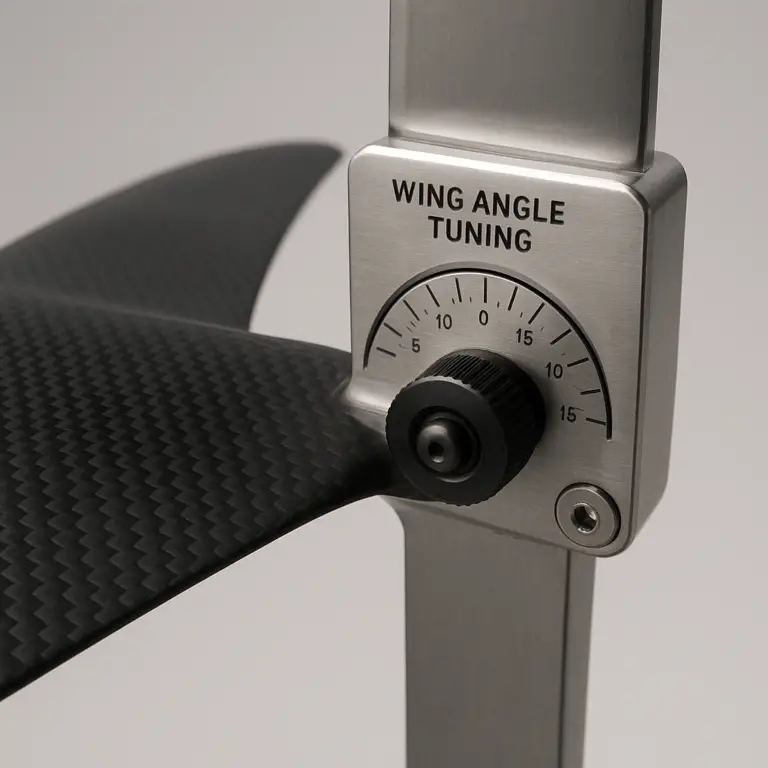
- Tail Wing (Stabilizer): Located at the back of the fuselage, this wing provides stability and helps control the pitch of the foil. Its size and angle can be adjusted to
fine-tune the foil’s behavior.
Our Take: The choice of foil is incredibly personal and depends heavily on your weight, skill level, and the conditions you’ll be riding in. We’ve seen incredible innovation from brands like **
Armstrong Foils** (their A+ System Foils are modular and high-performance) and GoFoil (known for their excellent glide, check out their GT Series).
The Board: Your Platform for Flight 🛹
While the foil does the lifting, the board is your connection
to the system and dictates how you interact with the water before you get on foil. For more guidance, check out our Hydrofoil Board Selection
guide.
- Volume and Length:
- High Volume/Longer Boards: Easier for beginners, more stable for paddling, and better for catching small waves or light wind. The Slingshot Alien Air (4’8″) is praised as the “best light wind board made” with ample displacement, making it ideal for heavier riders and light wind conditions, also “easy for learning”. The Slingshot
Rant SUP with Hydrofoil (9’0″) is “huge!” and “incredibly stable” for catching waves easily. - Low Volume/Shorter Boards: More challenging to start
but offer greater maneuverability, reduced swing weight, and are preferred by advanced riders for aggressive carving and tricks. The Slingshot Dwarfcraft (42″ & 54″) is “great for travel” due to its compact
size but “maybe not the best for light winds” and “too small for learning” if the rider lacks skill. - Shape: Specific shapes are optimized for different disciplines. Surf foil boards are often compact
, wing foil boards might have more nose rocker to prevent “pearling” (nose diving), and eFoil boards are designed to house batteries and motors. - Track System: Most modern foil boards use a twin-track system (e.g., 90mm track) that allows you to adjust the foil’s position, fine-tuning how the board balances and performs. The Liquid Force Happy Pill (4’10”) offers a “versatile
track system for the foil mount”. The 2017 Slingshot Converter (5’4″) also features a “fast track system for the foil mount”.
**
Our Take:** Don’t underestimate the importance of board choice! A good board can make the learning process much smoother. Brands like Fanatic (their Sky Wing Boards are excellent) and Naish (the Hover Wing/SUP Boards are incredibly versatile) offer a wide range.
The Wing
(for Wing Foiling): Your Handheld Power Source 🪁
For wing foiling, the wing is your engine. These inflatable wings are held directly in your hands, allowing you to harness the wind’s power.
- Size:
Larger wings generate more power in lighter winds, while smaller wings are used in stronger winds or for lighter riders. - Design: Modern wings are lightweight, durable, and designed for efficient power delivery and easy handling. They feature inflatable leading
edges and struts that give them their shape. - Handles/Boom: Wings come with either multiple soft handles or a rigid boom, offering different ergonomic experiences and control.
Our Take: The wing market is exploding with innovation!
We’re constantly impressed by the performance and ease of use from brands like F-One (their Strike CWC Wing is a light
wind beast) and Duotone (the Slick D/LAB Wing offers incredible stability).
Table: General
Gear Considerations by Discipline
| Discipline | Typical Board Volume | Typical Front Wing Size (cm²) | Mast Length (cm) | Propulsion Method |
|---|
| Surf Foiling | Low to Medium | 1000 – 2000 | 60 – 85 | Wave energy, pumping |
| SUP Foiling | Medium
to High | 1500 – 2500+ | 75 – 95 | Paddle power, small swells |
| Wing Foiling | Medium to High | 1
500 – 2500+ | 75 – 95 | Handheld wing |
| Kite Foiling | Low | 600 – 1500
| 80 – 100+ | Kite power |
| eFoiling | Medium to High | 1500 – 2500+ | 70 – 90
| Electric motor |
| Wake Foiling | Low to Medium | 1000 – 2000 | 60 – 80 | Boat wake, pumping |
Remember, this
is just a general guide. The best way to find your perfect setup is to try different gear, talk to experienced riders, and consider your local conditions. Don’t be afraid to mix and match components from different brands – modularity is a
beautiful thing in the foil world!
🌍 Where to Ride: Ideal Conditions for Each Foil Sport
One of the coolest
things about hydrofoiling is its incredible versatility. Unlike traditional board sports that often need very specific conditions, there’s a foil discipline for almost every body of water and weather pattern. But to truly maximize your stoke, understanding the ideal
conditions for each is key!
Surf Foiling: Chasing the Unseen Swell 🌊
- Ideal Conditions: Small, unbroken ocean swells; long-period groundswells; even boat wakes. You don’t need
big, hollow waves. In fact, smaller, mushier waves are often easier to learn on and ride for longer. - Water Depth: Crucial! You need enough depth to clear your mast and foil, especially when starting
or turning. Aim for at least 4-5 feet (1.2-1.5 meters) of clear water. - Locations: Any beach break or point break that generates consistent, mellow swells. Lakes with large
boat traffic can offer fun wake-foiling opportunities.
Our Tip: Don’t dismiss those “unrideable” days at your local surf spot. What’s too small for a surfboard might be perfect for a foil!
SUP
Foiling: The Flat Water Revelation 🛶
- Ideal Conditions: Very similar to surf foiling, but with an emphasis on catching even smaller, less powerful bumps. Flat water with a slight texture, small ocean swells, or
even distant boat wakes. - Water Depth: Again, sufficient depth is critical. Shallow areas are a no-go.
- Locations: Large, calm lakes; protected ocean bays; long stretches of coastline where small
groundswells roll in.
Our Tip: We’ve had epic SUP foil sessions on seemingly flat days, just pumping to catch subtle energy lines in the ocean. It’s a fantastic workout and incredibly rewarding.
Wing Foiling:
The Wind Whisperer’s Playground 🌬️
- Ideal Conditions: Consistent, moderate wind (typically 10-25 knots, depending on rider weight and wing size). Can be ridden in chop, small waves, or flat
water. - Water Depth: Moderate depth is good, but you can get away with shallower water once you’re up on foil.
- Locations: Any open body of water with reliable wind – lakes, harbors
, ocean bays, coastal areas.
Our Tip: Wing foiling is incredibly forgiving in terms of water conditions. We often head out when the wind is too light for kiting or too choppy for traditional windsurfing.
Kite Foiling:
Speed and Efficiency in the Breeze 🪁
- Ideal Conditions: Consistent wind, from light breezes (8-12 knots with large kites/efficient foils) to stronger winds (15-30+ knots). Can handle
chop and waves, but flat water is ideal for speed and racing. - Water Depth: Deeper water is preferred, especially for launching and landing the kite and for high-speed runs.
- Locations: Open
ocean beaches, large lakes, and lagoons with ample space for kite launching and landing.
Our Tip: Kite foiling truly shines in light wind, allowing you to ride when others are stuck on the beach. Just be mindful of obstacles
and other water users due to the long lines.
eFoiling: Your Personal Magic Carpet Ride 🔋
- Ideal Conditions: Calm, flat water is best for learning and cruising. Can handle light chop, but glassy
conditions are pure bliss. - Water Depth: Sufficient depth for the mast and propeller is essential. Approximately 3-4 feet (1 meter) minimum is usually recommended.
- Locations: Lakes
, calm rivers, protected ocean bays, marinas – anywhere you have enough clear water and no strong currents.
Our Tip: eFoiling is the ultimate “anytime, anywhere” foil sport (within reason, of course!). We
love taking them to new, unexplored waterways for a unique perspective.
Table: Ideal Conditions Summary
| Discipline | Wind Conditions | Wave Conditions | Water Depth | Surface Condition |
|---|---|---|---|---|
| :— | :— | :— | :— | :— |
| Surf Foiling | N/A (or light offshore) | Small, unbroken swells | Deep (4-5ft+) | Smooth to light chop |
| SUP Foiling | N/A (or light) | Tiny bumps, small swells | Deep (4-5ft+) | Smooth to light chop |
| Wing Foiling | Moderate (10-25 knots) | Chop to small waves | Moderate to Deep | Any |
| Kite Foiling | Light to Strong (8-30+ knots) | Chop to waves | Deep (5ft+) | |
| Any, flat best for speed | ||||
| eFoiling | N/A | N/A | Moderate (3-4ft+) | Smooth to light chop |
| Wake Foiling | ||||
| N/A | Boat wake | Moderate to Deep | Any |
Understanding these ideal conditions will not only help you choose the right gear but also ensure you have the most enjoyable and successful sessions possible. Happy hunting for those perfect spots
!
🚀 The Learning Curve: What to Expect as a Beginner
So, you’re stoked to fly!
That’s awesome. But let’s be real: hydrofoiling isn’t something you just jump on and instantly master. It has a unique learning curve, one that can be steep but is incredibly rewarding. As the Hydrofoiling
™ team, we’ve guided countless beginners, and we’ve got some insights to share. For more detailed guidance, check out our Hydrofoil Basics section.
The Initial Wobble: Finding Your Feet (Literally!)
Your very first attempts will likely involve a lot of falling. And we mean a lot. One eFoiling instructor noted that a beginner ”
fell approx. 68 times” in an intensive session. Don’t be discouraged! This is completely normal. The sensation of the foil lifting and the board becoming unstable is unlike anything you’ve experienced in
other board sports.
Key Challenges for Beginners:
- The “Lift-Off” Moment: Learning to generate just enough speed and shift your weight precisely to get the board out of the water without “breaching” (the foil coming completely out of the water) or “pearling” (the nose diving) is tricky.
- Maintaining Height: Once on foil, controlling your height is a constant dance. Too high, and you breach; too low, and
you touch down. This is where subtle weight shifts become crucial. - Directional Control: While foiling, turning requires leaning and rolling the board, not just twisting your feet.
Why It Feels Different from Other Board
Sports:
- Third Dimension: Unlike surfing or snowboarding where you’re primarily moving in two dimensions (forward/backward, side-to-side), foiling adds a third: up and down. This requires a new level of proprio
ception and fine motor control. - Reduced Drag = Increased Sensitivity: Because there’s so little drag once on foil, every tiny movement you make has a magnified effect. This sensitivity is what makes it so efficient but also challenging
to control initially. - Falling is Different: Falling into warm water is “much more pleasant than hitting asphalt or hard snow,” which encourages faster progression. However, always try to fall to the side of the
board to avoid hitting the mast or foil.
Discipline-Specific Learning Curves:
- eFoiling: Often cited as having one of the fastest learning curves. The consistent electric propulsion removes the need to generate speed from waves or wind, allowing you to focus solely on balance and foil control. You control it via a pistol-like Bluetooth remote with a sensitive trigger for throttle control.
- Wake Foiling: Also relatively quick to learn as the boat provides consistent pull, allowing you to focus on getting up and riding the wake.
- Wing Foiling: Can be moderate. If you have
windsurfing or kiteboarding experience, it’s faster. Newcomers need to learn board balance, foil control, and wing handling simultaneously. - Kite Foiling: Generally considered steeper, especially if you’re new to kiting.
You’re managing a powerful kite, lines, a harness, and the foil simultaneously. - Surf Foiling/SUP Foiling: Can be the steepest, as you need to generate speed from very small waves/bumps with your paddle
or by pumping, then get on foil and maintain it.
Our Personal Anecdote:
“I remember my first time trying to eFoil,” laughs Maya from our team. “I thought, ‘I’ve
surfed for years, this will be easy!’ Nope. I spent the first 20 minutes doing my best impression of a seal trying to get back on the board. But then, something clicked. I found that sweet spot
, the board lifted, and suddenly I was flying. It was the most incredible feeling, and all those falls were instantly forgotten. That’s the magic of foiling – the moment it clicks, you’re hooked.”
Tips
for Accelerating Your Learning:
- Start with an Instructor: Seriously, this is the best investment. A good instructor will provide the right gear, teach you safety, and give you immediate feedback.
- Use
the Right Gear: For beginners, a larger, more stable board and a larger, lower aspect ratio front wing will make a huge difference. - Practice on Land: Get comfortable with your stance and weight shifts on a balance
board or even just your foil board on grass. - Visualize: Before you get in the water, visualize yourself flying. Sounds cheesy, but it helps!
- Be Patient and Persistent: You will fall.
Embrace it, learn from each splash, and keep trying. The reward is absolutely worth the effort.
The learning curve might feel like a mountain at first, but with persistence, the right guidance, and a good dose of humor, you’ll
be soaring above the water in no time. And trust us, the view from up there is absolutely breathtaking!
💰 Cost Analysis
: Investing in Your Foiling Journey
Let’s talk brass tacks. Getting into any new watersport involves an investment, and hydrofoiling is no exception. In fact, due to the advanced materials and engineering involved, it can sometimes feel like
you’re buying a small aircraft! However, the range of options means there’s usually a way to get started without breaking the bank, or you can go all-in for the top-tier performance.
We won’t list specific
prices here, as they fluctuate, but we’ll give you a clear picture of the investment levels for different hydrofoiling disciplines.
The Big Picture: What You’re Paying For
When you invest in hydrofoiling gear,
you’re paying for:
- Advanced Materials: Carbon fiber, aerospace-grade aluminum, and durable composites are common, offering strength, stiffness, and lightweight performance.
- Precision Engineering: The hydrofoil itself is a finely
tuned instrument, designed to generate lift and stability with incredible efficiency. - Research & Development: Brands pour significant resources into R&D to create faster, more stable, and easier-to-use foils and boards.
Safety Features: Especially in eFoiling, integrated safety systems add to the cost.
Cost Spectrum by Discipline:
- Entry-Level Wake Foiling:
- Investment: Generally the most
accessible entry point. You might already have a boat, and basic wake foil setups (board + foil) are often more budget-friendly. - What you get: A durable, often aluminum mast with a larger, stable
front wing and a beginner-friendly board. - Considerations: Still requires access to a boat.
- Basic Surf Foiling / SUP Foiling:
- Investment: Moderate. You’ll need
a dedicated foil board (which can be pricier than a regular surfboard/SUP) and a complete foil system. - What you get: A versatile board and a foil designed for wave catching and pumping.
Considerations: Can often use your existing paddle for SUP foiling, but the board and foil are specific.
- Entry-Level Wing Foiling:
- Investment: Moderate to High. You’ll need
a board, a foil, and a wing. The wing itself is a significant component. - What you get: A stable beginner board, a versatile foil, and a reliable inflatable wing.
- Consider
ations: You might also want a wetsuit, helmet, and impact vest.
- Entry-Level Kite Foiling:
- Investment: High. If you’re starting from scratch, you’ll need a
kite, control bar, harness, board, and foil. Kites are a major expense. - What you get: A light wind-capable kite, a specialized foil board, and an efficient foil.
Considerations: Requires more accessories and safety gear (helmet, impact vest, leash).
- eFoiling:
- Investment: The highest initial investment. The integrated battery, motor, and advanced electronics push
the price significantly higher. - What you get: A complete, self-contained unit that offers instant gratification and riding in almost any calm water.
- Considerations: Ongoing costs for battery charging, potential battery replacement
down the line.
Beyond the Initial Purchase:
- Accessories: Don’t forget essentials like leashes, board bags, wetsuits, helmets, impact vests, and repair kits. These add up!
Maintenance:** Foils are durable, but dings happen. Learning basic repair for boards and wings can save money.
- Upgrades: As you progress, you’ll likely want to experiment with different wing sizes, mast lengths
, or even a smaller, more performance-oriented board. This is where the modularity of many foil systems shines, allowing you to upgrade components rather than buying a whole new setup.
Our Take: While the initial sticker shock can
be real, think of it as an investment in countless hours of unparalleled fun and progression. We always recommend starting with solid, beginner-friendly gear from reputable brands. It might cost a bit more upfront than the cheapest options, but it will be
more durable, perform better, and ultimately make your learning experience much more enjoyable. And remember, you can often find great deals on used gear as riders upgrade!
🏆 Top Brands and Equipment Recommendations
Alright, team, after countless hours on the water, testing gear, and pushing the limits, we’ve developed some strong opinions on who’s doing it right in the hydrofoiling world. This
isn’t just about what’s shiny and new; it’s about reliability, performance, and innovation that truly enhances your ride. We’re talking real brands, real products, and real insights. For even more detailed reviews,
dive into our Hydrofoil Equipment Reviews.
Our Top Picks & Why They Fly High:
1. Fliteboard (eFoiling)
- Rating: Design 10/10 | Functionality 10/10 | Innovation 10/10 | Durability 9/10 | Learning Curve Friendliness 9/
10 - Analysis: Fliteboard is, simply put, the gold standard in eFoiling. Their boards are beautifully designed, incredibly robust, and offer an intuitive, exhilarating ride. The Fliteboard AIR is fantastic
for beginners due to its volume and stability, while the Fliteboard PRO offers unmatched performance for experienced riders. The remote control is precise, and the battery life is excellent. They truly deliver on the promise of silent, effortless flight.
Features: Integrated propulsion system, advanced battery management, a range of board sizes and wing options.
- Benefits: Unparalleled eFoiling experience, high-quality construction, excellent customer support.
- Draw
backs: Premium price point, heavier than manual setups. - 👉 CHECK PRICE on:
- Fliteboard: Fliteboard Official Website
2.
Lift Foils (eFoiling & Manual Foiling)
- Rating: Design 9/10 | Functionality 9/10 | Innovation 9/10 | Durability 9/10 | Learning
Curve Friendliness 8/10 - Analysis: Lift Foils are another powerhouse in the eFoiling space, known for their sleek designs and high-performance foils. Their Lift3 F eFoil offers
a fantastic blend of stability and agility. What’s more, Lift also excels in manual foiling, offering some of the best surf and wake foils on the market. Their modular system allows for easy customization. - Features: Carbon
fiber construction, advanced hydrodynamics, versatile wing options. - Benefits: High performance, durable, excellent for both electric and manual foiling.
- Drawbacks: Also a premium brand, can be less forgiving for absolute beginners than
Fliteboard’s largest options. - 👉 CHECK PRICE on:
- Lift Foils: Lift Foils Official Website
3. Armstrong Foils (Manual Foiling – Surf, SUP, Wing, Kite)
- Rating: Design 9/10 | Functionality 10/10 | Innovation 9/10 | Durability 9/10 | Learning Curve Friendliness
8/10 - Analysis: If you’re serious about manual foiling, Armstrong is a name you’ll hear constantly. Their A+ System Foils are renowned for their incredible glide, pumping ability, and modular
ity. Whether you’re surf foiling tiny bumps, downwinding on a SUP, or ripping on a wing, Armstrong has a wing and mast combination that will elevate your ride. Their build quality is exceptional. - Features: Modular system
, high-quality carbon construction, wide range of wing sizes and mast lengths. - Benefits: Exceptional performance, incredible glide, highly customizable.
- Drawbacks: Higher price point for manual foils, can be overwhelming
with all the options for beginners. - 👉 CHECK PRICE on:
- Armstrong Foils: Armstrong Foils Official Website
4. **F
-One (Wing Foiling & Kite Foiling)**
-
Rating: Design 9/10 | Functionality 9/10 | Innovation 9/10 | Durability 9/10 | Learning
Curve Friendliness 9/10 -
Analysis: F-One has consistently been at the forefront of wind-powered foiling. Their Strike V3 Wing is a favorite among our team for its power, stability
, and ease of use. For kite foiling, their foils and boards are top-tier, offering speed and maneuverability. They offer a comprehensive ecosystem of boards, foils, and wings that work seamlessly together. -
Features: Lightweight
wing designs, durable construction, excellent power delivery. -
Benefits: Great for both beginners and advanced riders, high-quality gear across disciplines.
-
Drawbacks: Can be a bit pricier than some entry-level brands
. -
👉 CHECK PRICE on:
-
F-One Wings: F-One Official Website
-
F-One Foils: F-One Official Website
5. Slingshot (Wake Foiling, Kite Foiling, Wing Foiling)
-
Rating: Design 8/10 | Functionality 8/10 | Innovation 8/10 | Durability 9/10 | Learning Curve Friendliness
9/10 -
Analysis: Slingshot is a fantastic brand, especially for those looking for robust, user-friendly gear that often offers great value. Their Hover Glide Wake Foil is a perennial favorite for learning
wake foiling, and their Phantasm Foils offer excellent performance across kite and wing disciplines. The video review highlighted several Slingshot boards: -
Slingshot Dwarfcraft: “Great for travel”.
-
Slingshot Alien Air: “Best light wind board made” and “easy for learning”.
-
Slingshot Rant SUP with Hydrofoil: “Huge!”
and “incredibly stable”. -
2017 Slingshot Converter: A versatile “one board for everything”.
-
201
7 Slingshot Hypermiler Foilboard: “Super lightweight” race board with “awesome grip”. -
2017 Slingshot Simulator: “Super fun board to ride” and
“great for learning”. -
Features: Durable construction, modular foil systems, good range of boards for different skill levels.
-
Benefits: Excellent value, great for beginners, versatile across
multiple disciplines. -
Drawbacks: Some of their older designs might not be as cutting-edge as the top-tier performance brands.
-
👉 CHECK PRICE on:
-
Slingshot Foils: Shop Slingshot Foils on Amazon | Slingshot Official Website
-
Slingshot Boards: Shop Slingshot Boards on Amazon | Slingshot Official Website
6. Liquid Force (Wake Foiling & Kite Foiling)
- Rating: Design 8/10 | Functionality 8
/10 | Innovation 7/10 | Durability 8/10 | Learning Curve Friendliness 8/10 - Analysis: Liquid Force has a strong presence in wake sports and offers solid, reliable foil setups.
Their wake foil boards are particularly good for those transitioning from wakeboarding. The Liquid Force Happy Pill (4’10”) from the video review was noted for its “big EVA grippy top,” making it comfortable, and a
“versatile track system for the foil mount”. However, it was also noted for being “pretty heavy” and “very, very flexy”. - Features:
Durable construction, good entry-level to intermediate options. - Benefits: Accessible price point, good for progression, especially in wake foiling.
- Drawbacks: Some designs can be heavier or less refined than premium
brands. - 👉 CHECK PRICE on:
- Liquid Force Foils: Shop Liquid Force Foils on Amazon
| Liquid Force Official Website
A Word on Choosing Your Gear:
Remember, the “best” gear is ultimately what’s best for you. Consider your:
*
Skill Level: Beginners benefit from larger, more stable boards and foils.
- Primary Discipline: Are you chasing waves, wind, or electric thrills?
- Local Conditions: What kind of wind, waves, and
water depth do you typically have? - Budget: There’s a wide range of price points. Don’t be afraid to look at last year’s models or used gear for great value.
We’ve found
that investing in a good quality foil system is often more impactful than the board itself, as the foil is what truly dictates the “flight” characteristics. But don’t skimp on safety gear – a good helmet and impact vest are non-negoti
able!