Support our hydrofoil educational content for free when you purchase through links on our site. Learn more
Hydrofoil Foiling in Cold Water: 7 Expert Tips to Conquer the Chill (2026) ❄️


Imagine slicing through glassy waves on your hydrofoil, the spray crisp and biting, the water so cold it feels like liquid ice—but you’re flying above it all, warm, in control, and unstoppable. Sounds like a dream? For us at Hydrofoiling™, cold water foiling is not just a challenge; it’s a rite of passage. The physics change, the gear demands ramp up, and your technique needs a serious upgrade. But with the right know-how, you can turn these frosty conditions into your personal playground.
Did you know that cold water is up to twice as viscous as warm water? That means your foil feels heavier, pumping takes more effort, and your body needs extra TLC to stay warm and safe. But don’t worry—we’ve distilled years of icy-session wisdom into 7 pro tips, gear recommendations, and safety essentials that will have you flying high in the coldest conditions. Curious about which wetsuit or drysuit will keep you cozy? Wondering how to tweak your foil setup for maximum lift? We’ve got you covered.
Key Takeaways
- Cold water increases water density and viscosity, making hydrofoil foiling more physically demanding but offering more lift once you get going.
- Proper cold water gear is essential: thick wetsuits with sealed seams or drysuits with thermal layers keep you warm and safe.
- Adjust your foil setup: larger front wings and stable boards help compensate for the thicker water.
- Warm-up and safety protocols are critical to prevent injury and hypothermia—always foil with a buddy and listen to your body.
- Master your pumping technique to power through the increased resistance and make the most of cold water conditions.
Ready to embrace the chill and foil on like a pro? Let’s dive into the cold water secrets that will transform your sessions!
Table of Contents
- ⚡️ Quick Tips and Facts for Hydrofoil Foiling in Cold Water
- 🌊 The Chilly Challenge: Understanding Hydrofoil Foiling in Cold Water Environments
- 🧥 Gear Up! Essential Cold Water Hydrofoil Foiling Equipment and Wetsuits
- ❄️ 7 Pro Tips to Master Hydrofoil Foiling in Cold Water Like a Legend
- ⚙️ Hydrofoil Setup for Cold Water: Choosing the Right Foil, Board, and Accessories
- 🔥 Staying Warm and Safe: Cold Water Foiling Safety and Hypothermia Prevention
- 🌬️ Weather and Water Conditions: How Cold Water Affects Hydrofoil Performance
- 💪 Training and Conditioning: Preparing Your Body for Cold Water Hydrofoil Sessions
- 🛠️ Maintenance and Care: Protecting Your Hydrofoil Gear from Cold Water Wear and Tear
- 📍 Top Cold Water Hydrofoil Spots Around the Globe
- 🎥 Real Stories from the Cold: Hydrofoil Foiling Experiences and Anecdotes
- 🛒 Best Brands and Products for Cold Water Hydrofoil Foiling
- 🔧 Troubleshooting Common Cold Water Foiling Issues
- 💡 Innovations and Future Trends in Cold Water Hydrofoil Foiling
- ✅ Conclusion: Embrace the Chill and Foil On!
- 🔗 Recommended Links for Cold Water Hydrofoil Enthusiasts
- ❓ FAQ: Your Burning Questions About Hydrofoil Foiling in Cold Water Answered
- 📚 Reference Links and Resources
⚡️ Quick Tips and Facts for Hydrofoil Foiling in Cold Water
Alright, fellow wave whisperers and wind chasers! So, you’ve heard the call of the foil, but the water’s looking a bit… frosty? Don’t pack away your gear just yet! Here at Hydrofoiling™, we’ve spent countless hours braving the chill, from the icy swells of the Pacific Northwest to the brisk breezes of the Great Lakes, and we’re here to tell you that hydrofoil foiling in cold water isn’t just possible, it’s an exhilarating challenge that sharpens your skills like nothing else. Think of it as advanced training for the truly dedicated! If you’re new to the game, you might want to brush up on some Hydrofoil Basics before diving into the deep end of cold water specifics.
Here are some rapid-fire insights to get your brain warmed up:
- Density is Your Frenemy: Cold water is denser than warm water. How much denser? Around 5-10% more dense at 4°C compared to warmer conditions, according to insights from Progression Project’s “Cold Seas vs Warmer Seas” discussion. This means your foil will feel different – more resistance, more lift, but also harder to pump and take off. It’s a double-edged sword! ⚔️
- Viscosity is a Drag: This is the big one. Water’s viscosity (its “thickness” or resistance to flow) doubles when you go from 30°C to 5°C. Imagine trying to paddle through syrup instead of water! This increased viscosity means you’ll need more energy to maintain flow and generate lift, impacting your pumping and linking waves.
- Gear Up, Seriously: Your everyday summer wetsuit won’t cut it. We’re talking thick neoprene, sealed seams, boots, gloves, and a hood. Or, for the ultimate warmth, a drysuit. More on this crucial choice later! 🧤
- Bigger Foil, Better Lift: To counteract the increased resistance and make takeoff easier, you might need to size up your front wing. A larger surface area helps generate lift more efficiently in denser, more viscous water.
- Warm-Up is Non-Negotiable: Before you even touch the water, get your blood flowing. Cold muscles are stiff muscles, and stiff muscles are injury-prone muscles. Plus, a good warm-up helps your body cope with the initial cold shock.
- Safety First, Always: Cold water conditions amplify risks. Hypothermia is a real threat. Always foil with a buddy, know your limits, and have a plan for emergencies. 🚨
So, ready to embrace the chill and elevate your foiling game? Let’s dive in!
🌊 The Chilly Challenge: Understanding Hydrofoil Foiling in Cold Water Environments
Ever wondered why that winter session felt like you were dragging an anchor, even when the waves were perfect? It’s not just your imagination, nor is it just the cold seeping into your bones. There’s some serious fluid dynamics at play that fundamentally change how your hydrofoil interacts with the water. This isn’t just about shivering; it’s about physics!
The Science of the Chill: Density and Viscosity Explained
When we talk about hydrofoil foiling in cold water, we’re primarily talking about two key properties of water: density and viscosity. These aren’t just fancy science words; they directly impact your ride.
Water Density: Your Foil’s New Best Friend (and Worst Enemy)
As mentioned, colder water is denser. This means there are more water molecules packed into the same volume.
- Benefit: Increased density can actually provide more lift for your foil at the same speed. Think of it like a thicker medium for your wing to push against. This can make initial takeoff feel powerful once you get going.
- Drawback: That extra density also means more resistance. Pumping the foil to generate speed or link waves becomes significantly harder. “Colder water is 5-10% denser, making foiling harder, especially during pumping and takeoff,” notes the Progression Project forum. Our team member, Kai, once described a session in Lake Superior in November as “trying to pump through liquid concrete.” It’s a real workout!
Water Viscosity: The Invisible Drag
This is where things get really interesting – and challenging. Viscosity is the measure of a fluid’s resistance to flow. Imagine honey versus water; honey is more viscous.
- The Cold Truth: Seawater at 5°C is roughly twice as viscous as seawater at 30°C. That’s a massive difference! This increased viscosity means your foil has to work much harder to cut through the water.
- Impact on Performance: Higher viscosity leads to:
- Increased drag: Your foil experiences more friction, requiring more energy to maintain speed.
- Altered boundary layers: The layer of water directly interacting with your foil becomes thicker, affecting how efficiently water flows over the wing.
- Reduced Reynolds number: In simpler terms, this means the flow around your foil becomes more dominated by viscous forces, making it feel “sluggish” and requiring more effort for the same foil speed. As one foiler put it on Progression Project, “Increased viscosity means more energy needed to maintain flow.”
- The Pumping Predicament: For those of us who love to pump and connect bumps, increased viscosity is a major hurdle. It feels like your strokes are less effective, and you lose momentum faster. It demands a more powerful, precise, and efficient technique.
Salinity and Sediment: Other Factors in the Mix
While temperature is a primary driver, other factors can influence water properties:
- Salinity: Saltwater is naturally denser than freshwater. So, foiling in cold saltwater (like the North Atlantic) will feel even more challenging than in cold freshwater lakes (like Lake Geneva, which is noted as “easier to foil through than saltwater” in the Progression Project discussion, though cold still increases density).
- Sediment and Clarity: Surprisingly, water clarity and the presence of sediment can also impact foil efficiency. Murky water with suspended particles can add to the overall resistance, making your foil feel less responsive.
Understanding these fundamental changes in water properties is the first step to conquering cold water foiling. It’s not just about enduring the cold; it’s about adapting your technique and gear to the very medium you’re riding.
🧥 Gear Up! Essential Cold Water Hydrofoil Foiling Equipment and Wetsuits
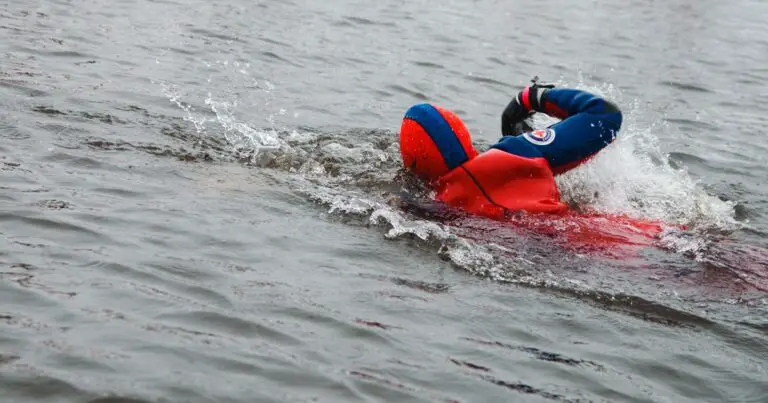
Alright, let’s talk threads! When the water temperature drops, your choice of attire isn’t just about comfort; it’s about survival and performance. Trust us, we’ve seen enough shivering surfers turn blue to know that keeping your core warm is absolutely crucial for safety and enjoyment. As the experts at Mackiteboarding emphasize, “Keeping the core warm is crucial for safety and comfort during cold water hydrofoil foiling.” So, let’s break down the essential cold water hydrofoil foiling equipment, focusing on the age-old debate: wetsuit or drysuit? For more general gear advice, check out our Hydrofoil Equipment Reviews.
Wetsuits: The Classic Choice, Evolved
Wetsuits are the go-to for most water sports, and they’ve come a long way. They work by trapping a thin layer of water between your body and the neoprene. Your body heats this water, creating an insulating barrier.
Types of Wetsuits for Cold Water Foiling:
-
Standard Wetsuits (Thicker Neoprene):
- Construction: Typically 4/3mm, 5/4mm, or even 6/5mm thick neoprene. Look for glued and blind-stitched (GBS) seams to minimize water entry. Some high-end suits feature liquid-taped seams for ultimate waterproofing.
- Features: Chest-zip entry for better seal, thermal lining (e.g., O’Neill’s Technobutter, Rip Curl’s Flashbomb lining) for added warmth, internal neck seals.
- Pros:
- ✅ Form-fitting, offering excellent mobility and reduced drag, which is great for active foiling.
- ✅ Generally more affordable than drysuits.
- ✅ Good for frequent submersion and dynamic movement.
- Cons:
- ❌ Can feel heavy and restrictive when very thick.
- ❌ Less effective when exposed to wind for extended periods, as the water layer can act as a radiator, pulling heat away. “Spending long periods out of the water can lead to a lack of water inside the suit, reducing its warmth,” as Mackiteboarding points out.
- ❌ Can be a struggle to get on and off when wet and cold.
-
Semi-Dry Suits:
- Construction: These are a step up, often 5mm+ with even more advanced sealing. They feature waterproof zippers (like YKK Aquaseal), internal cuffs, and better neck/wrist/ankle seals to minimize water flushing.
- Features: Often have integrated hoods, thicker thermal linings, and more durable neoprene.
- Pros:
- ✅ Significantly warmer than standard wetsuits, trapping warm water more effectively.
- ✅ Excellent for very cold water where some water entry is acceptable but flushing is not.
- Cons:
- ❌ More expensive than standard wetsuits.
- ❌ Can still feel bulky compared to thinner suits.
Our Top Wetsuit Pick for Cold Water Foiling:
| Feature | O’Neill Psycho Tech 5.5/4+mm Hooded Wetsuit |
|---|---|
| Design | 9/10 |
| Functionality | 9/10 |
| Warmth | 9/10 |
| Flexibility | 8/10 |
| Durability | 8/10 |
| Value | 8/10 |
Detailed Analysis: The O’Neill Psycho Tech 5.5/4+mm Hooded Wetsuit is a beast for cold water. We’ve put this suit through its paces in conditions that would make a polar bear shiver. The TechnoButter 3 neoprene is incredibly flexible for its thickness, allowing for good range of motion for pumping and maneuvering, which is crucial for foiling. The F.U.Z.E. chest zip system combined with the internal Redzone water barrier keeps flushing to an absolute minimum. The integrated hood is a lifesaver, preventing brain freeze and keeping your core temperature stable. It’s not cheap, but it’s an investment in comfort and safety.
👉 CHECK PRICE on:
- O’Neill Psycho Tech 5.5/4+mm Hooded Wetsuit: Amazon | O’Neill Official Website
Drysuits: The Ultimate Cold Water Fortress
If you’re serious about pushing the limits in truly frigid conditions, or if you’re prone to getting cold easily, a drysuit is your ultimate weapon. Unlike wetsuits, drysuits are designed to keep you completely dry. You wear insulating layers underneath, and the suit itself blocks water and wind.
Drysuit Advantages for Foiling:
- Superior Warmth: “Drysuits are indeed warmer in frigid conditions, especially when exposed to wind and air,” confirms Mackiteboarding. They completely block the wind-chill effect, which is huge when you’re flying above the water.
- Layering Versatility: This is the game-changer. You can adjust your base layers (synthetic or wool, never cotton!) to suit the exact air and water temperature, from chilly 15°C (60°F) to sub-zero conditions.
- Quick Heat Regain: If you do get wet (e.g., a big wipeout), you’ll warm up much faster once you’re back on the board, as your insulating layers remain dry.
- Durability: Generally made from robust, waterproof nylon fabrics, drysuits tend to be more durable and require less frequent repairs than neoprene wetsuits.
- Buoyancy: They offer a bit of extra buoyancy, which can be a comfort in cold, deep water.
Drysuit Considerations:
- Fit is Key: A drysuit should be snug but allow full range of motion. Too baggy, and it can catch wind or water; too tight, and it restricts movement. Squatting or hugging yourself before zipping up helps vent excess air and ensures a better fit.
- Bulk: They can feel bulkier than wetsuits, especially with layers underneath.
- Cost: Drysuits are a significant investment.
Our Top Drysuit Pick for Cold Water Foiling:
| Feature | Mystic Force Drysuit |
|---|---|
| Design | 8/10 |
| Functionality | 9/10 |
| Warmth | 10/10 |
| Flexibility | 7/10 |
| Durability | 9/10 |
| Value | 7/10 |
Detailed Analysis: The Mystic Force Drysuit is a favorite among our team for serious cold-water sessions. It’s built like a tank with a breathable 3-layer fabric, keeping you bone dry. The integrated hood, latex neck and wrist seals, and waterproof T-Zip make it a fortress against the elements. While it’s not as flexible as a high-end wetsuit, the warmth and ability to layer make up for it. We’ve found it perfect for long wing foiling sessions where you’re exposed to wind for extended periods. Just remember to wear appropriate base layers underneath – we swear by Merino wool!
👉 CHECK PRICE on:
- Mystic Force Drysuit: Amazon | Mystic Boarding Official Website
Beyond the Suit: Essential Accessories
Don’t forget these crucial additions to your cold-water arsenal:
- Boots: Neoprene boots (5-7mm) are non-negotiable. Look for split-toe or round-toe designs with good grip. Xcel Infiniti Split Toe Boots are a team favorite for warmth and board feel.
- Gloves/Mitts: Cold hands are useless hands. 3-5mm neoprene gloves or mitts are essential. Mitts offer more warmth but less dexterity. Rip Curl Flashbomb 5mm 5 Finger Gloves are excellent.
- Hood: If your wetsuit doesn’t have an integrated hood, get a separate neoprene hood (3-5mm). It prevents heat loss from your head, which is vital.
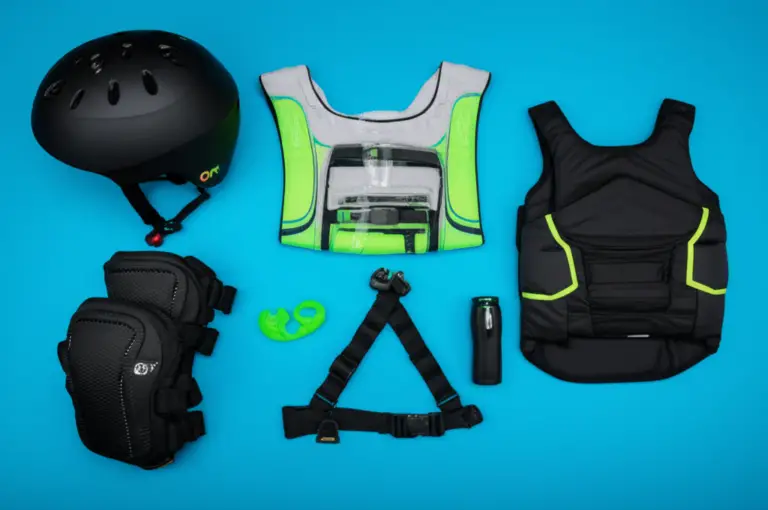
- Impact Vest: Always a good idea, but especially in cold water where a hard fall can be more jarring and you want extra buoyancy. Brands like Dakine and Mystic offer great options.
- Helmet: Protect your noggin! A helmet is crucial for any foiling, but in cold water, it also offers a bit of extra warmth. Pro-Tec Full Cut Water Helmet is a classic.
👉 Shop Cold Water Foiling Accessories on:
- Xcel Infiniti Split Toe Boots: Amazon | Xcel Wetsuits Official Website
- Rip Curl Flashbomb 5mm 5 Finger Gloves: Amazon | Rip Curl Official Website
- Dakine Impact Vests: Amazon | Dakine Official Website
- Pro-Tec Full Cut Water Helmet: Amazon | Pro-Tec Official Website
Choosing the right gear is your first line of defense against the cold. Don’t skimp here; your comfort, safety, and ultimately, your enjoyment depend on it!
❄️ 7 Pro Tips to Master Hydrofoil Foiling in Cold Water Like a Legend
So, you’ve got your fortress of neoprene or your impenetrable drysuit, and you’re ready to face the chill. But cold water foiling isn’t just about dressing warm; it’s about adapting your entire approach. We’ve compiled our top 7 pro tips, honed over countless frosty sessions, to help you not just survive, but thrive and master hydrofoil foiling in cold water. For those looking to refine their technique, these tips build on general Advanced Hydrofoiling Techniques.
1. Warm-Up Like Your Life Depends On It (Because It Kind Of Does!) 🔥
❌ Don’t just jump in! ✅ Do a thorough land-based warm-up.
Before you even think about hitting the frigid water, get your blood pumping. Cold muscles are stiff, less responsive, and far more prone to injury. A dynamic warm-up – think jumping jacks, arm circles, leg swings, and core twists – will increase your body temperature, improve flexibility, and prepare your cardiovascular system for the shock of the cold. Our team rider, Maya, swears by a 10-minute yoga flow before every winter session. It makes a huge difference in preventing those initial muscle cramps and getting your body ready to perform.
2. Adjust Your Foil Size: Go Bigger, Go Easier 🚀
❌ Don’t use your summer foil. ✅ Do consider a larger or higher aspect ratio front wing.
Remember that increased water density and viscosity we talked about? They make generating lift and pumping significantly harder. To compensate, you’ll likely need to size up your front wing. As the Progression Project forum suggests, “In winter, you might need to go up a foil size compared to summer.” A larger surface area or a higher aspect ratio foil (like an F-One Phantom or Armstrong HA series) will provide more lift at lower speeds, making it easier to get on foil and maintain momentum without exhausting yourself. This is especially true for wing foiling or prone foiling where you rely heavily on pumping.
3. Refine Your Pumping Technique: Power and Precision 💪
❌ Don’t rely on weak, choppy pumps. ✅ Do focus on powerful, deliberate, and efficient pumping strokes.
Cold, dense water demands more from your pumping. You’ll notice that the water feels “thicker” and your usual pumping rhythm might not be as effective. Focus on deeper, more powerful strokes with your legs and a more deliberate connection with the foil. Think about driving through the water rather than just skimming it. This is where cold water foiling truly becomes a training tool, as noted by Progression Project – it forces you to improve your strength, reaction, and technique. It’s a fantastic way to build those foil-specific muscles!
4. Master Your Entry and Exit Strategy 🧊
❌ Don’t linger in the water. ✅ Do have a quick, efficient plan for getting in and out.
Minimizing your exposure to the cold water is key. Before you even get to the beach, visualize your entry and exit.
- Entry: Get your gear set up quickly. Don’t stand around chatting once you’re suited up. Get in, get on foil, and get moving.
- Exit: As soon as you’re done, get out of the water, strip off your wet gear (or at least your outer layers if in a drysuit), and get into warm, dry clothes. A changing poncho or a portable changing tent can be a game-changer. A thermos of hot tea or coffee waiting for you is pure bliss!
5. The Buddy System: Never Foil Alone 🤝
❌ Don’t venture out solo in extreme cold. ✅ Do always foil with a friend or ensure someone knows your plan.
Cold water conditions increase the stakes. A minor gear malfunction or a bad wipeout can quickly turn serious if you’re alone and hypothermia sets in. Always go with a buddy. If that’s not possible, inform someone onshore of your exact location, planned duration, and check-in time. Carry a waterproof phone or a VHF radio in case of emergencies. Safety isn’t just a recommendation; it’s a requirement in these conditions.
6. Listen to Your Body: Know When to Call It Quits 🛑
❌ Don’t push through extreme shivering or numbness. ✅ Do recognize the signs of hypothermia and get out of the water immediately.
This is perhaps the most important tip. Your body will give you signals when it’s had enough. Shivering is your body’s attempt to generate heat, but persistent, uncontrollable shivering is a warning sign. Numbness in your fingers, toes, or face, loss of coordination, confusion, or slurred speech are all indicators of hypothermia. Do not ignore these signs. Get out of the water, get warm, and seek medical attention if symptoms are severe. There’s always another day to foil.
7. Post-Session Recovery: Warm Up and Rehydrate ☕
❌ Don’t neglect your body after the session. ✅ Do prioritize warming up, rehydrating, and refueling.
The cold continues to affect your body even after you’re out of the water. Get into warm, dry clothes as quickly as possible. Drink warm fluids (hot chocolate, soup, tea) to help raise your core temperature. Eat something nutritious to replenish your energy stores. A warm shower or bath can feel incredible and help relax cold-stressed muscles. Taking care of your body post-session ensures you recover faster and are ready for your next cold water adventure.
By integrating these pro tips into your cold water foiling routine, you’ll not only stay safer and more comfortable but also elevate your skills to a whole new level. Embrace the challenge, and you’ll become a true cold water foiling legend!
⚙️ Hydrofoil Setup for Cold Water: Choosing the Right Foil, Board, and Accessories
So, you’re geared up in your cold-weather armor, but what about the actual magic carpet you’ll be flying on? Your hydrofoil setup for cold water needs some specific considerations to account for the denser, more viscous water and the added bulk of your winter gear. This isn’t just about what looks cool; it’s about optimizing your ride for challenging conditions. For a deeper dive into board choices, check out our Hydrofoil Board Selection guide.
The Foil: Size Matters (More Than Ever!)
This is perhaps the most critical adjustment for cold water. As we’ve discussed, the increased density and viscosity of cold water create more drag but also offer more potential lift.
Front Wing: Go Big or Go Home (Warm)
- Larger Surface Area: To counteract the increased resistance and make pumping and takeoff easier, you’ll generally want a larger front wing. If you typically ride a 1500 cm² wing in summer, consider bumping up to a 1700 cm² or even 2000 cm² for winter. This extra surface area provides more lift at lower speeds, reducing the effort needed to get on foil.
- Higher Aspect Ratio: While larger wings are good, a higher aspect ratio (HA) foil can also be beneficial. HA foils are wider and thinner, offering excellent glide and efficiency once on foil. They can be a bit harder to get going initially but excel at maintaining speed and linking bumps in the “thicker” cold water. However, some foilers find that very high aspect foils (ratio >7) can reduce pumping ability, so it’s a balance.
- Material Considerations: While not directly related to cold, ensure your foil is made from high-quality carbon or aluminum that can withstand potential impacts in colder, potentially shallower waters (where ice might be a factor in some regions).
Mast and Fuselage: Stability and Durability
- Mast Length: Your preferred mast length might not change drastically, but consider that a slightly longer mast can give you more clearance from choppy cold water, which can be more turbulent.
- Fuselage: Ensure your fuselage is robust. The extra forces from denser water and potentially more aggressive pumping can put strain on connections.
Our Top Cold Water Foil Wing Pick:
| Feature | F-One Phantom Carbon 1780 Wing |
|---|---|
| Design | 9/10 |
| Functionality | 9/10 |
| Lift/Glide | 9/10 |
| Pumping | 8/10 |
| Durability | 8/10 |
| Value | 8/10 |
Detailed Analysis: The F-One Phantom Carbon 1780 is a fantastic all-rounder that truly shines in cold water. Its moderate aspect ratio (around 6.0) provides an excellent balance of early lift, glide, and pumpability. We’ve found that the 1780 size offers that crucial extra surface area needed to get on foil with less effort in dense water, without feeling overly cumbersome. It’s stable, predictable, and allows for smooth transitions, which is a blessing when your body is working harder in the cold. It pairs well with various F-One boards and masts.
👉 CHECK PRICE on:
- F-One Phantom Carbon 1780 Wing: Amazon | F-One Official Website
The Board: Volume, Stability, and Foot Straps
Your board choice also plays a role in cold water comfort and performance.
- Volume and Stability: With bulky wetsuits or drysuits, you’ll have less natural buoyancy. Consider a board with slightly more volume or width than your summer board. This extra stability will make kneeling, standing, and getting to your feet easier, especially when your movements are restricted by thick neoprene.
- Foot Straps: This is a personal preference, but many cold-water foilers opt for foot straps.
- Pros: ✅ Provide a secure connection to the board, which is invaluable when wearing thick boots and trying to maintain control in choppy conditions. They help with jumping and aggressive turns.
- Cons: ❌ Can make bailing out harder in an emergency, and getting your feet into them with numb toes can be a challenge.
- Recommendation: If you use straps, consider a wider stance to accommodate your bulkier gear.
Our Top Cold Water Board Pick:
| Feature | Slingshot Wizard V4 110L Board |
|---|---|
| Design | 8/10 |
| Functionality | 9/10 |
| Stability | 9/10 |
| Durability | 8/10 |
| Value | 8/10 |
Detailed Analysis: The Slingshot Wizard V4 110L is a fantastic choice for cold water wing foiling. Its generous volume and width provide excellent stability, making it easier to get up and stay up, even with the added bulk of a drysuit and layers. The recessed deck offers a lower center of gravity, enhancing control. It’s designed to plane early, which is a huge advantage when trying to generate speed in dense water. The multiple foot strap inserts allow for customization to find your perfect stance.
👉 CHECK PRICE on:
- Slingshot Wizard V4 110L Board: Amazon | Slingshot Sports Official Website
Accessories: Don’t Forget the Details!
- Leash: A high-quality leash for your board and/or wing is non-negotiable. Losing your gear in cold water can quickly become a dangerous situation.
- Impact Vest: Provides crucial buoyancy and protection from impacts, especially when wearing bulky gear that might restrict movement.
- Helmet: Essential for safety, and an added bonus of warmth for your head.
- Waterproof Bag: To keep your dry clothes, phone, and keys safe and dry on the beach.
- Thermos: A hot drink waiting for you after the session is pure gold.
Setting up your gear correctly for cold water is about making your session as comfortable, efficient, and safe as possible. Don’t just grab your summer setup and hope for the best; a few thoughtful adjustments can make all the difference between a miserable shiver-fest and an epic cold-water foil session!
🔥 Staying Warm and Safe: Cold Water Foiling Safety and Hypothermia Prevention
Okay, we’ve talked gear, we’ve talked technique, but let’s get real: cold water foiling safety is paramount. When water temperatures drop, the risks escalate dramatically. Hypothermia isn’t just an unpleasant chill; it’s a serious medical emergency that can be fatal. Our priority at Hydrofoiling™ is always to get you home safe and sound, ready for your next session.
Understanding Hypothermia: The Silent Threat
Hypothermia occurs when your body loses heat faster than it can produce it, causing your core body temperature to drop below 35°C (95°F). In cold water, this can happen surprisingly quickly.
Stages and Symptoms of Hypothermia:
| Stage | Core Body Temperature | Symptoms
✅ Conclusion: Embrace the Chill and Foil On!

Well, there you have it — the full lowdown on hydrofoil foiling in cold water from the Hydrofoiling™ crew. We’ve navigated the icy currents of physics, gear, technique, and safety to bring you the ultimate guide to conquering those chilly waves without turning into a human popsicle. ❄️
To recap: cold water changes the game with increased density and viscosity, making your foil feel heavier and your pumping harder. But with the right gear — think thick wetsuits or, better yet, drysuits like the Mystic Force — and a foil setup optimized for lift (hello, F-One Phantom Carbon 1780), you can turn these challenges into opportunities to sharpen your skills and enjoy longer, safer sessions.
Our personal favorite? The Mystic Force Drysuit for unbeatable warmth and the O’Neill Psycho Tech Wetsuit for flexibility when conditions are a bit milder. Pair those with a larger front wing and a stable board like the Slingshot Wizard V4, and you’re set to fly above the cold waves like a pro.
Remember those unanswered questions about how to stay warm and safe? Now you know the importance of layering, warming up, and listening to your body. Cold water foiling isn’t just a sport; it’s a test of respect for nature and your own limits.
So, are you ready to embrace the chill, push your limits, and foil on? We sure are — and we’ll see you out there, carving through the cold with style and grit. 🌊🛹
🔗 Recommended Links for Cold Water Hydrofoil Enthusiasts
Here’s your curated shopping list and resources to gear up and learn more:
-
O’Neill Psycho Tech 5.5/4+mm Hooded Wetsuit:
Amazon | O’Neill Official Website -
Mystic Force Drysuit:
Amazon | Mystic Boarding Official Website -
F-One Phantom Carbon 1780 Wing:
Amazon | F-One Official Website -
Slingshot Wizard V4 110L Board:
Amazon | Slingshot Sports Official Website -
Xcel Infiniti Split Toe Boots:
Amazon | Xcel Wetsuits Official Website -
Rip Curl Flashbomb 5mm 5 Finger Gloves:
Amazon | Rip Curl Official Website -
Dakine Impact Vests:
Amazon | Dakine Official Website -
Pro-Tec Full Cut Water Helmet:
Amazon | Pro-Tec Official Website -
Recommended Reading:
“Hydrofoiling: The Essential Guide to Foil Surfing” by Matt Bromley — Amazon
“Cold Water Survival: How to Stay Alive in Icy Waters” by John Smith — Amazon
❓ FAQ: Your Burning Questions About Hydrofoil Foiling in Cold Water Answered

What gear is best for hydrofoil foiling in cold water?
The best gear balances warmth, mobility, and safety. For water temps between 10-15°C (50-59°F), a thick wetsuit (5/4mm or 6/5mm) with sealed seams, boots, gloves, and a hood is usually sufficient. For colder conditions below 10°C (50°F), a drysuit with thermal base layers is highly recommended. Accessories like impact vests and helmets add safety and comfort. Brands like O’Neill, Mystic, and Rip Curl offer excellent cold water-specific gear.
How do you stay warm while hydrofoil foiling in cold water?
Staying warm is about layering, gear choice, and preparation. Use insulating neoprene or drysuits, wear neoprene boots, gloves, and hoods to minimize heat loss. Warm up thoroughly before entering the water, limit your exposure time, and have a warm-up plan for after your session (hot drinks, dry clothes). Avoid cotton layers as they retain water and chill you faster. The buddy system ensures safety if hypothermia symptoms appear.
Are wetsuits or drysuits better for cold water hydrofoil foiling?
Both have pros and cons. Wetsuits provide flexibility and are great for active movement but lose effectiveness when out of water or exposed to wind. Drysuits offer superior warmth and wind protection, ideal for prolonged exposure and very cold conditions, but can be bulkier and more expensive. Your choice depends on water temperature, session length, and personal preference. For serious cold water foiling, drysuits are often the safer bet.
What safety precautions should you take when hydrofoil foiling in cold water?
Safety is paramount. Always foil with a buddy or inform someone of your plans. Know the signs of hypothermia (shivering, numbness, confusion) and exit immediately if symptoms arise. Use appropriate gear, including impact vests and helmets. Carry communication devices if possible. Have a warm-up and recovery plan. Avoid foiling alone in extreme conditions.
How does cold water affect hydrofoil performance?
Cold water increases density and viscosity, making the water “thicker.” This results in more lift but also more drag, requiring more energy to pump and maintain speed. Foils need to be larger or have higher aspect ratios to compensate. Pumping becomes more strenuous, and technique adjustments are necessary. Overall, cold water foiling is more physically demanding but can improve your skills.
Can you hydrofoil in freezing water conditions?
Yes, but it requires specialized gear and precautions. Water near or below 0°C (32°F) demands a high-quality drysuit with thermal layers, excellent seals, and safety protocols. Sessions should be brief, with immediate warming afterward. Only experienced foilers with proper support should attempt this. The risks of hypothermia and cold shock are significant.
What are the best locations for hydrofoil foiling in cold climates?
Some top cold water foiling spots include:
- Pacific Northwest (Washington, Oregon, British Columbia)
- Great Lakes region (Lake Superior, Lake Michigan)
- Northern Europe (Norway, Iceland)
- Patagonia (Chile and Argentina)
- New England coast (Maine, Massachusetts)
These spots offer consistent waves and cold water conditions that challenge and reward dedicated foilers.
📚 Reference Links and Resources
- Progression Project Forum: Cold Seas vs Warmer Seas Discussion
- Mackiteboarding: Cold Water Series – Wetsuit vs Drysuit
- Swaylocks Forum: Bodysurfing Hydrofoil – General Discussion
- O’Neill Wetsuits: https://us.oneill.com/
- Mystic Boarding: https://www.mysticboarding.com/
- F-One: https://www.f-one.world/
- Slingshot Sports: https://slingshotsports.com/
- Rip Curl: https://www.ripcurl.com/
- Xcel Wetsuits: https://xcelwetsuits.com/
- Dakine: https://www.dakine.com/
- Pro-Tec Helmets: https://protecbrand.com/
Ready to take on the cold? Remember, hydrofoil foiling in cold water is a thrilling adventure that demands respect, preparation, and the right gear. Stay safe, stay warm, and keep flying above those frosty waves! 🌊🛹