Support our hydrofoil educational content for free when you purchase through links on our site. Learn more
The Ultimate Hydrofoil Buying Guide (2025): 12 Expert Tips to Fly High 🚀

Ready to take your water adventures to the next level? Hydrofoiling is one of the fastest-growing watersports worldwide, blending the thrill of surfing, kiteboarding, and wing foiling into a gravity-defying experience. But with so many options—different mast lengths, wing sizes, materials, and brands—it’s easy to feel overwhelmed before you even hit the water.
We’ve been riding the waves and testing gear at Hydrofoiling™ for years, and in this comprehensive 12-point buying guide, we’ll help you cut through the noise. From choosing the perfect mast length for your skill level to decoding wing shapes and picking the right board, we cover everything you need to know to start flying confidently. Plus, we reveal our top starter kits and share insider tips on maintenance and safety that most beginners overlook. Curious about which hydrofoil brand reigns supreme or how to avoid common rookie mistakes? Stick around — your perfect foil setup is just a scroll away.
Key Takeaways
- Choose the right mast length and wing size based on your skill, weight, and local water conditions for optimal lift and control.
- Modularity matters: Pick foils with interchangeable parts to grow your setup as your skills improve.
- Material choice affects performance and durability: Carbon fiber offers lightness and precision, aluminum brings rugged reliability.
- Safety gear is essential: Helmets, impact vests, and leashes protect you while you learn to fly.
- Top brands like F-One, Slingshot, and Armstrong offer trusted, beginner-friendly options with modular designs.
- Avoid common mistakes like buying overly advanced gear too soon or ignoring your local environment.
Ready to shop? Check out our curated picks for hydrofoil wings, masts, and complete setups from leading brands like F-One, Slingshot, and Armstrong Foils to get started with confidence!
Dive in and discover how to choose the perfect hydrofoil setup that will have you flying above the water in no time!
Table of Contents
- ⚡️ Quick Tips and Facts for Hydrofoil Buyers
- 🌊 The Hydrofoil Revolution: A Brief History & Evolution of Foiling Gear
- 🔬 Understanding the Anatomy of a Hydrofoil: Your Flight Machine Dissected
- 🤔 Choosing Your First Hydrofoil Setup: Key Considerations for Aspiring Flyers
- 🚀 Deep Dive into Hydrofoil Components: What to Look For in Your Foiling Gear
- 1. Mast Length: Finding Your Sweet Spot for Foiling Stability and Performance
- 2. Front Wing Design: Lift, Speed, and Stability for Every Foiling Style
- 3. Fuselage Length: Tuning Your Turn Radius and Stability
- 4. Rear Wing (Stabilizer): Fine-Tuning Your Foiling Balance and Feel
- 5. Board Connection Systems: Plate vs. Track – Which is Right for Your Foil Board?
- 🏄 ♂️ Matching Your Hydrofoil to Your Board: The Perfect Pairing for Optimal Performance
- 💪 Materials Matter: Durability, Performance, and Weight in Hydrofoil Construction
- 🤝 The All-Important Hydrofoil Brands We Trust (and Why!): Our Expert Picks
- 🛠️ Assembling, Maintaining, and Transporting Your Hydrofoil Gear: Care for Your Kit
- ⛑️ Safety First: Essential Gear and Practices for Responsible Foiling
- ❌ Common Mistakes to Avoid When Buying Your First Hydrofoil Setup
- ✨ Our Top 6 Recommended Starter Hydrofoil Setups (by Discipline): Your First Flight Plan
- 🚀 Beyond the Basics: Upgrading Your Hydrofoil Setup for Next-Level Performance
- Conclusion: Your Flight Path to Foiling Fun!
- Recommended Links: Dive Deeper into the Foiling World
- FAQ: Your Burning Hydrofoil Questions Answered
- Reference Links: Our Sources & Further Reading
⚡️ Quick Tips and Facts for Hydrofoil Buyers
Welcome to the thrilling world of hydrofoiling! Whether you’re eyeing your first foil or upgrading your gear, here are some quick nuggets from the Hydrofoiling™ team to get you soaring faster:
- Start with the right mast length: Beginners thrive with shorter masts (60-70cm) for stability and safety. Longer masts (80cm+) are for advanced riders tackling bigger waves or open water.
- Front wing size is king: Bigger wings = more lift and easier takeoff; smaller wings = speed and agility but require skill.
- Board volume matters: Larger boards help beginners balance and recover; smaller boards are for carving and advanced maneuvers.
- Material affects weight and durability: Carbon fiber is light and responsive but pricier; aluminum is tough and budget-friendly.
- Safety gear is non-negotiable: Helmets, impact vests, and leashes keep you safe while you fly.
- Local conditions dictate your setup: Calm lakes vs. choppy ocean waves need different gear choices.
- Modularity is your friend: Choose foils with interchangeable wings and fuselages to grow with your skills.
Curious about how these tips translate into real gear choices? Stick around — we’ll unpack everything from mast lengths to brand recommendations and even reveal our favorite starter kits. For a deep dive into hydrofoiling basics, check out our Hydrofoiling™ guide.
🌊 The Hydrofoil Revolution: A Brief History & Evolution of Foiling Gear

Before you buy, it’s worth knowing how hydrofoiling evolved from a niche experiment to a mainstream water sport phenomenon. The roots go way back to the early 1900s with Alexander Graham Bell’s hydrofoil boats, but modern hydrofoil surfing took off in the late 1990s thanks to innovators like Mango Carafino.
The sport exploded with the advent of lighter materials and modular designs, allowing riders to “fly” above the water’s surface with minimal drag. Electric hydrofoils (e-foils) added a new dimension, letting riders cruise without wind or waves.
Why does history matter? Because understanding the evolution helps you appreciate why certain designs dominate today — and which innovations might suit your style best. For a detailed timeline and tech evolution, visit our Hydrofoil History section.
🔬 Understanding the Anatomy of a Hydrofoil: Your Flight Machine Dissected
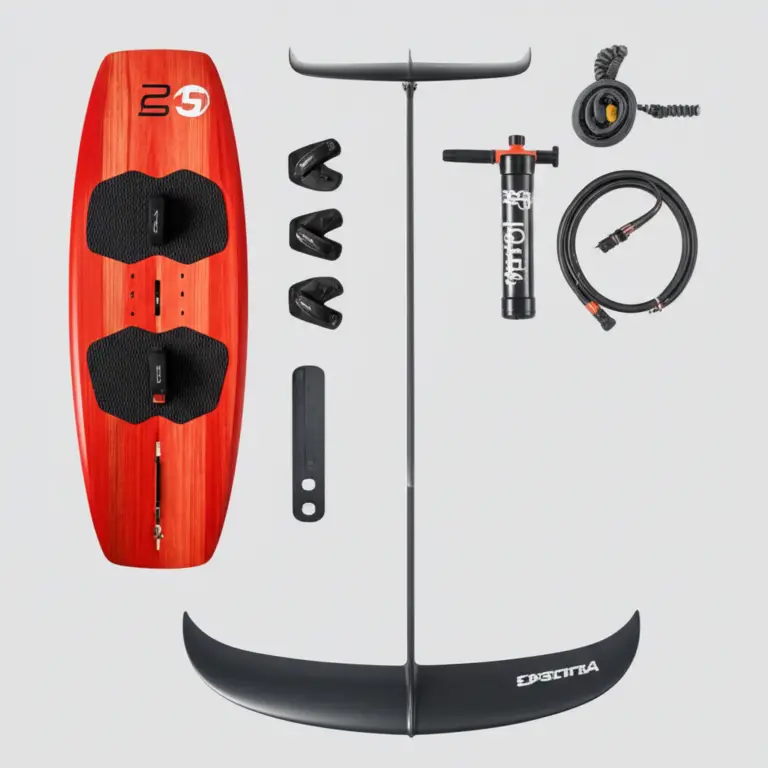
Hydrofoils might look like sleek alien tech, but they’re actually a clever combination of parts working in harmony. Let’s break down the key components:
The Mast: Your Connection to the Sky
- Function: Connects the board to the underwater wings, lifting you above the water.
- Lengths: Typically 60cm (24″) to 90cm (36″).
- Materials: Aluminum (durable), carbon fiber (lightweight).
- Tip: Longer masts offer more clearance for choppy water but require better balance.
The Fuselage: The Backbone of Your Foil
- Function: Connects front and rear wings; affects turning radius and stability.
- Lengths: Short fuselages (40-50cm) for tight turns; longer (60-70cm) for stability and pumping.
The Front Wing: The Engine of Lift and Glide
- Function: Generates lift; size and shape dictate speed and stability.
- Types:
- Low aspect ratio = big, stable, beginner-friendly.
- High aspect ratio = sleek, fast, for advanced riders.
The Rear Wing (Stabilizer): Your Foiling Rudder
- Function: Provides pitch stability and control.
- Adjustability: Some foils allow shims to tweak angle of attack.
Board Connection: Plate vs. Track Systems
- Plate Mount: Fixed, strong, common on surf foils.
- Track Mount: Adjustable fore/aft position, popular for kite and wing foiling.
For more on anatomy and how each part affects your ride, check out our Hydrofoil Basics articles.
🤔 Choosing Your First Hydrofoil Setup: Key Considerations for Aspiring Flyers
Ready to buy but overwhelmed? We get it. Here’s how to narrow down your options:
Your Watersport Discipline: What Kind of Foiler Are You?
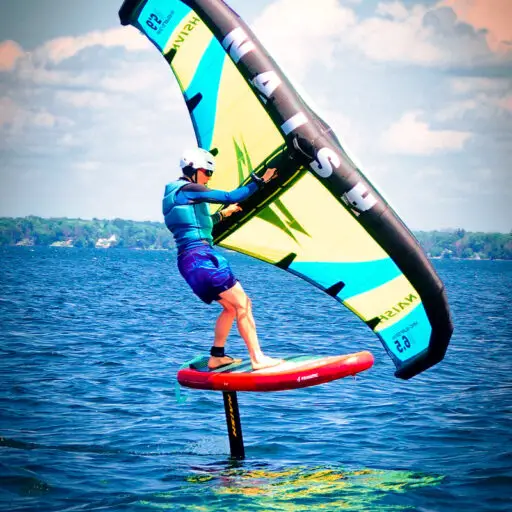
- Wing Foiling: Uses a handheld inflatable wing; requires versatile, lightweight foils.
- Kite Foiling: Foil attached to a kiteboard; needs durable, responsive gear.
- Surf Foiling: Traditional surfboards with foils; demands maneuverable setups.
- Wake Foiling: Behind boats or jet skis; favors high-lift wings for low speeds.
- SUP Foiling: Stand-up paddleboards with foils; requires stable, large-volume boards.
- Wind Foiling: Foil windsurfing; specialized boards and foils for speed and control.
Your Skill Level & Rider Weight: Matching Gear to Your Prowess
- Beginners: Bigger wings, shorter masts, larger boards.
- Intermediate: Medium wings, adjustable fuselages, moderate mast lengths.
- Advanced: Smaller wings, longer masts, carbon fiber everything!
Weight affects lift needs: heavier riders need larger wings or more volume boards.
Your Local Conditions: Wind, Waves, and Water Depth
- Shallow water: Short masts to avoid hitting bottom.
- Choppy ocean: Longer masts for clearance.
- Flat lakes: Pumping-friendly wings with efficient glide.
Budgeting for Your Hydrofoil Adventure: What to Expect
- Entry-level foils start around mid-range prices; premium carbon setups can be 2-3x more expensive.
- Factor in board, safety gear, and accessories.
- Consider buying modular foils to upgrade parts later.
For a full breakdown of choosing your first setup, see our Hydrofoil Equipment Reviews.
🚀 Deep Dive into Hydrofoil Components: What to Look For in Your Foiling Gear
1. Mast Length: Finding Your Sweet Spot for Foiling Stability and Performance
| Mast Length | Best For | Pros | Cons |
|---|---|---|---|
| Short (50-65cm) | Beginners, shallow water | Easier control, safer falls | Less clearance, limited wave riding |
| Medium (70-80cm) | Intermediate riders | Balanced stability & clearance | Slightly harder to control |
| Long (85-100cm) | Advanced, big waves | Maximum clearance, pumping efficiency | Harder to balance, riskier falls |
Short Masts: The Beginner’s Best Friend & Shallow Water Navigator
We recommend starting with a 60-65cm mast. It keeps you close to the water, making falls less intimidating and recovery easier. For lake foiling or small waves, this is your go-to.
Medium Masts: The Versatile All-Rounder for Foiling Progression
Once you’re comfortable, a 75-80cm mast opens up more wave riding and pumping options without sacrificing too much stability.
Long Masts: For Advanced Riders and Open Ocean Adventures
Long masts (90cm+) are for the pros chasing big waves or pumping long distances. They provide room to maneuver but require solid balance skills.
2. Front Wing Design: Lift, Speed, and Stability for Every Foiling Style
| Wing Type | Aspect Ratio | Surface Area (cm²) | Best For | Characteristics |
|---|---|---|---|---|
| Low Aspect | ~3-4 | 1400-2000+ | Beginners, cruising | High lift, stable, slow speed |
| Medium Aspect | ~5-6 | 1000-1400 | All-rounders | Balanced lift and speed |
| High Aspect | 7+ | 700-1100 | Pumping, racing | Fast, efficient, less lift |
Low Aspect Ratio Wings: Maximum Lift and Stability for Cruising
Big, wide wings like the Slingshot Dwarfcraft 1150 or F-One Rocket 1500 provide massive lift and forgiving handling — perfect for beginners or wake foiling.
Medium Aspect Ratio Wings: The Goldilocks Zone for Versatile Foiling
These wings balance speed and control, great for wing foilers and intermediate surfers. The Armstrong 1250 or Axis 1150 are solid picks.
High Aspect Ratio Wings: Speed, Glide, and Pumping Efficiency
For riders focused on pumping or racing, wings like the GoFoil 850 or Lift Foils 800 offer less drag and better glide but demand skill.
Wing Volume & Surface Area: Understanding the Numbers
- Larger surface area = more lift, easier takeoff.
- Volume affects buoyancy and stability.
- Aspect ratio influences speed vs. lift tradeoff.
3. Fuselage Length: Tuning Your Turn Radius and Stability
| Length (cm) | Effect | Best For |
|---|---|---|
| Short (40-50) | Agile, tight turns | Surf foiling, wave riding |
| Long (60-70) | Stable, smooth pumping | Flat water, racing |
4. Rear Wing (Stabilizer): Fine-Tuning Your Foiling Balance and Feel
Rear wings are smaller but critical for pitch control. Shapes vary:
- Flat: Neutral, stable feel.
- Anhedral (downward angle): More responsive, quicker turns.
- Dihedral (upward angle): Smoother, more stable ride.
Many foils offer shims to adjust angle of attack, letting you dial in your ride feel.
5. Board Connection Systems: Plate vs. Track – Which is Right for Your Foil Board?
| System | Pros | Cons | Best For |
|---|---|---|---|
| Plate Mount | Strong, direct feel | Fixed position | Surf foiling, simplicity |
| Track Mount | Adjustable fore/aft | Slightly heavier | Kite, wing foiling, versatility |
🏄 ♂️ Matching Your Hydrofoil to Your Board: The Perfect Pairing for Optimal Performance
Your foil and board are a team — mismatched gear can kill your vibe. Here’s how to pair them right:
Specific Board Types for Each Foiling Discipline
| Discipline | Board Type | Key Features |
|---|---|---|
| Wing Foiling | Inflatable or hard wing boards | Lightweight, volume 70-110L |
| Kite Foiling | Kiteboards with track mounts | Stiff, small volume 70-90L |
| Surf Foiling | Surfboards with plate mounts | Medium volume, 5’6”–6’6” length |
| Wake Foiling | Wake-specific boards | High volume, wide for stability |
| SUP Foiling | Stand-up paddleboards | Large volume 120-160L, stable |
| Wind Foiling | Windsurf boards | Stiff, narrow, track mounts |
Volume, Width, and Length Considerations for Your Foil Board
- Volume: More volume = easier to balance and paddle.
- Width: Wider boards offer stability but less maneuverability.
- Length: Longer boards help beginners; shorter boards are for carving pros.
Foot Strap Options: Strapped vs. Strapless Foiling
- Strapped: Better control, especially for kite and wing foiling.
- Strapless: Preferred by surf foilers for freedom and wave feel.
💪 Materials Matter: Durability, Performance, and Weight in Hydrofoil Construction
Carbon Fiber: The Lightweight Performance King
- Pros: Ultra-light, stiff, responsive.
- Cons: Expensive, can be brittle on impact.
- Best For: Advanced riders chasing speed and precision.
Aluminum: Durable, Affordable, and Reliable
- Pros: Tough, budget-friendly, easy to repair.
- Cons: Heavier, less responsive.
- Best For: Beginners, schools, and rough conditions.
Fiberglass/Composite: A Balanced Blend of Performance and Value
- Pros: Good strength-to-weight ratio, moderate cost.
- Cons: Heavier than carbon, less stiff.
- Best For: Intermediate riders wanting durability and performance.
🤝 The All-Important Hydrofoil Brands We Trust (and Why!): Our Expert Picks
| Brand | Design | Functionality | Durability | Innovation | Overall Score (1-10) |
|---|---|---|---|---|---|
| F-One | 9 | 9 | 8 | 9 | 9 |
| Slingshot | 8 | 8 | 9 | 8 | 8.5 |
| Armstrong Foils | 10 | 10 | 9 | 10 | 9.8 |
| Axis Foils | 9 | 9 | 8 | 9 | 9 |
| GoFoil | 8 | 7 | 8 | 7 | 7.5 |
| Lift Foils | 9 | 10 | 9 | 10 | 9.5 |
F-One: Innovation and Versatility
F-One’s Rocket series is a favorite for wing and surf foilers. Their carbon construction and modular design let you customize wings and masts easily. The F-One Rocket 1500 is a top pick for beginners and intermediates.
Slingshot: Robust and Rider-Friendly
Slingshot’s Dwarfcraft line offers durable aluminum masts and forgiving wings, perfect for wake and wing foiling newbies. The Slingshot Dwarfcraft 1150 is a classic.
Armstrong Foils: Premium Performance and Craftsmanship
Handmade in the USA, Armstrong Foils deliver precision and performance. Their Armstrong 1250 is a dream for serious foilers craving smooth pumping and carving.
Axis Foils: Modular Design for Every Rider
Axis offers a wide range of interchangeable parts, making upgrades painless. The Axis 1150 is versatile for many disciplines.
GoFoil: The Original Surf Foil Innovators
GoFoil pioneered surf foiling with simple, durable designs. Their GoFoil 850 is still popular for surf foilers.
Lift Foils: Electric Foiling Pioneers and High-Performance Gear
Lift Foils lead the e-foil market with powerful motors and sleek designs. Their Lift eFoil is a game-changer for electric hydrofoiling.
🛠️ Assembling, Maintaining, and Transporting Your Hydrofoil Gear: Care for Your Kit
Assembly Tips: Getting Your Foil Ready to Fly
- Step 1: Attach the mast to the board using the plate or track system.
- Step 2: Connect the fuselage to the mast.
- Step 3: Attach the front wing and rear stabilizer to the fuselage.
- Step 4: Check all screws and bolts for tightness using a torque wrench.
- Step 5: Adjust shims on the rear wing if available to fine-tune pitch.
Always follow manufacturer instructions. A loose bolt can turn your flight into a splash!
Cleaning & Care: Extending the Life of Your Hydrofoil
- Rinse with fresh water after every session to remove salt and sand.
- Dry thoroughly to prevent corrosion, especially on aluminum parts.
- Inspect for cracks or dents regularly.
- Store in a padded bag to avoid dings during transport.
Storage & Travel Bags: Protecting Your Investment
- Use padded foil bags like the F-One Foil Bag or Slingshot Foil Bag.
- Disassemble your foil for travel to prevent damage.
- Avoid stacking heavy gear on top of your foil.
⛑️ Safety First: Essential Gear and Practices for Responsible Foiling
Helmets: Non-Negotiable Head Protection
- Choose water-specific helmets like the ION Hardcap.
- Protects against foil strikes and board impacts.
Impact Vests: Buoyancy and Body Armor
Leashes: Keeping Your Board Close
- Use a foil-specific leash with a quick-release for safety.
- Prevents runaway boards that can injure others.
Understanding Conditions & Etiquette: Sharing the Water Safely
- Always check local regulations and weather.
- Yield right of way to swimmers and non-foilers.
- Keep a safe distance from other riders.
- Communicate intentions clearly.
❌ Common Mistakes to Avoid When Buying Your First Hydrofoil Setup
Buying Too Advanced Too Soon
We’ve seen many newbies buy tiny wings and long masts thinking it’s “cool.” Result? Frustration and wipeouts. Start simple, then upgrade.
Ignoring Local Conditions and Rider Weight
A foil perfect for ocean waves may be a nightmare on a flat lake. Match your gear to your environment and body weight for success.
Skimping on Essential Safety Gear
Don’t be that guy who thinks helmets are optional. Foils are sharp and unforgiving. Safety gear saves lives.
Not Considering Modularity for Future Upgrades
Buying a foil with fixed wings and fuselage can box you in. Choose modular systems to evolve your setup as you progress.
✨ Our Top 6 Recommended Starter Hydrofoil Setups (by Discipline): Your First Flight Plan
| Discipline | Recommended Setup | Why We Love It |
|---|---|---|
| 1. Wing Foiling Starter Kit | F-One Rocket 1500 + 75cm Mast + F-One Board | Versatile, beginner-friendly, modular |
| 2. Kite Foiling Starter Kit | Slingshot Dwarfcraft 1150 + 65cm Mast + Slingshot Board | Durable, forgiving, great lift |
| 3. Surf Foiling Starter Kit | GoFoil 850 + 60cm Mast + Surfboard with Plate Mount | Classic surf feel, easy to learn |
| 4. Wake Foiling Starter Kit | Axis 1150 + 70cm Mast + Wake Foil Board | High lift, stable, perfect for slow speeds |
| 5. SUP Foiling Starter Kit | Armstrong 1250 + 75cm Mast + SUP Board | Stable, smooth pumping, great for lakes |
| 6. Wind Foiling Starter Kit | Lift Foils 800 + 80cm Mast + Windsurf Board | High performance, electric options |
1. Wing Foiling Starter Kit
Rating Table
| Aspect | Score (1-10) |
|---|---|
| Design | 9 |
| Functionality | 9 |
| Durability | 8 |
| Modularity | 9 |
| Beginner Friendliness | 9 |
The F-One Rocket 1500 is a standout for wing foilers. Its large wing surface area provides plenty of lift, making it easy to get airborne. The carbon mast and fuselage keep weight down, while the modular design lets you swap wings as you progress.
2. Kite Foiling Starter Kit
Rating Table
| Aspect | Score (1-10) |
|---|---|
| Design | 8 |
| Functionality | 8 |
| Durability | 9 |
| Modularity | 8 |
| Beginner Friendliness | 8 |
Slingshot’s Dwarfcraft 1150 is a favorite for kite foilers. Aluminum mast and fuselage provide durability, while the large wing helps beginners get up on the foil quickly. The track mount system offers board position flexibility.
3. Surf Foiling Starter Kit
Rating Table
| Aspect | Score (1-10) |
|---|---|
| Design | 8 |
| Functionality | 7 |
| Durability | 8 |
| Modularity | 7 |
| Beginner Friendliness | 7 |
The GoFoil 850 is the OG surf foil. Its simple design and plate mount make it easy to attach to your surfboard. The smaller wing size demands some skill but rewards with great wave feel.
4. Wake Foiling Starter Kit
Rating Table
| Aspect | Score (1-10) |
|---|---|
| Design | 9 |
| Functionality | 9 |
| Durability | 9 |
| Modularity | 8 |
| Beginner Friendliness | 8 |
Axis’s 1150 paired with a wake foil board is perfect for slow-speed lift behind boats or jet skis. The large wing area and stable fuselage make learning easier.
5. SUP Foiling Starter Kit
Rating Table
| Aspect | Score (1-10) |
|---|---|
| Design | 9 |
| Functionality | 9 |
| Durability | 8 |
| Modularity | 8 |
| Beginner Friendliness | 9 |
Armstrong’s 1250 is a dream for SUP foilers. Its large wing and stable design make pumping and cruising effortless.
6. Wind Foiling Starter Kit
Rating Table
| Aspect | Score (1-10) |
|---|---|
| Design | 9 |
| Functionality | 10 |
| Durability | 9 |
| Modularity | 9 |
| Beginner Friendliness | 7 |
Lift Foils’ 800 paired with a windsurf board is a high-performance combo. The electric foil option adds a futuristic twist for those wanting extra speed and range.
🚀 Beyond the Basics: Upgrading Your Hydrofoil Setup for Next-Level Performance
When to Upgrade: Signs You’re Ready for More
- You’re consistently stable and confident on your current setup.
- You want to ride bigger waves or pump longer distances.
- You crave faster speeds or sharper turns.
- Your current gear feels limiting or heavy.
What Components to Change First for Maximum Impact
- Front Wing: Smaller or higher aspect ratio wings for speed and agility.
- Mast: Longer masts for wave riding or pumping.
- Board: Lighter, smaller boards for maneuverability.
- Materials: Upgrade from aluminum to carbon fiber parts.
For a practical perspective on choosing your hydrofoil, don’t miss the first YouTube video embedded above — it breaks down the buying process with real-world experience and clear advice.
👉 CHECK PRICE on:
- F-One Rocket 1500: Amazon | F-One Official Website
- Slingshot Dwarfcraft 1150: Amazon | Slingshot Official Website
- Armstrong 1250: Armstrong Official Website
- GoFoil 850: Amazon | GoFoil Official Website
- Axis 1150: Amazon | Axis Official Website
- Lift Foils 800: Lift Foils Official Website
For more detailed gear reviews, tips, and techniques, explore our Hydrofoil Equipment Reviews and Advanced Hydrofoiling Techniques categories.
Ready to take flight? Your perfect hydrofoil setup awaits — and we’re here to guide you every step of the way!
Conclusion: Your Flight Path to Foiling Fun!

After soaring through the ins and outs of hydrofoil buying, it’s clear that choosing the right gear is both an art and a science. From mast lengths to wing shapes, and from board types to materials, every choice shapes your foiling experience. Whether you’re a wing foiler chasing the wind or a surf foiler craving that smooth glide above the waves, starting with a forgiving, modular, and well-matched setup is key.
Our top picks like the F-One Rocket 1500 and Slingshot Dwarfcraft 1150 offer excellent lift, durability, and versatility, making them standout choices for beginners and intermediates alike. They balance performance with user-friendliness, so you can focus on flying rather than fumbling. The Armstrong 1250 and Lift Foils 800 cater to those ready to push boundaries with premium materials and cutting-edge electric options.
Positives:
✅ Modular designs for easy upgrades
✅ Wide range of mast lengths and wing sizes
✅ Durable materials tailored to rider skill and conditions
✅ Trusted brands with strong community support
Negatives:
❌ Premium carbon setups can be pricey
❌ Some advanced wings require skill to master
❌ Plate mounts limit board adjustability compared to track systems
If you’re wondering, “What size hydrofoil should I buy?” or “Can I safely start with a smaller mast?” — the answer is yes! Start with a larger wing and shorter mast for stability, then upgrade as your skills soar. Remember, patience and safety gear are your best friends on this journey.
So, are you ready to take off? Your hydrofoil adventure awaits — and with the right gear and knowledge, you’ll be flying above the water in no time! For more tips and gear reviews, explore our Hydrofoil Equipment Reviews and Hydrofoil Basics sections.
Recommended Links: Dive Deeper into the Foiling World
👉 Shop Our Top Hydrofoil Picks:
- F-One Rocket 1500: Amazon | F-One Official Website
- Slingshot Dwarfcraft 1150: Amazon | Slingshot Official Website
- Armstrong 1250: Armstrong Official Website
- GoFoil 850: Amazon | GoFoil Official Website
- Axis 1150: Amazon | Axis Official Website
- Lift Foils 800: Lift Foils Official Website
Must-Read Books on Hydrofoiling:
- Foiling: The Complete Guide to Hydrofoil Surfing by Mango Carafino — Amazon Link
- Hydrofoil Handbook: The Science and Art of Foiling by Peter H. Smith — Amazon Link
- Wing Foiling: The Essential Guide by Hydrofoiling™ Team — Amazon Link
For more gear insights and expert advice, visit our Hydrofoil Equipment Reviews and Advanced Hydrofoiling Techniques.
FAQ: Your Burning Hydrofoil Questions Answered

What safety equipment and accessories do I need to get started with hydrofoil boarding?
Safety first! Essential gear includes:
- Helmet: Protects your head from foil strikes and falls. Water-specific helmets like the ION Hardcap are recommended.
- Impact Vest: Provides flotation and body protection. Brands like Dakine offer good options.
- Leash: A foil-specific leash with quick-release keeps your board close and prevents accidents.
- Wetsuit: Depending on water temperature, a wetsuit adds warmth and minor protection.
- Gloves and Booties: Optional but helpful in cold water or rocky areas.
Always check local regulations and water conditions before heading out.
Can I buy a used or second-hand hydrofoil and what are the pros and cons?
Yes, but with caution.
Pros:
- Lower cost, often good value for entry-level gear.
- Opportunity to try different setups without full investment.
Cons:
- Potential hidden damage (cracks, corrosion).
- Older models may lack modularity or modern materials.
- Warranty may be void or unavailable.
If buying used, inspect carefully or buy from reputable sellers. Test all connections and check for structural integrity.
Do I need a specific type of surfboard or kiteboard to use with a hydrofoil?
Yes, compatibility matters.
- Surf Foiling: Boards with a plate mount system are common; volume and size depend on skill level.
- Kite Foiling: Boards usually have track mounts for adjustable foil positioning and are smaller and stiffer.
- Wing Foiling: Inflatable or hard boards designed for wing foiling with track mounts.
- Wake Foiling: Specialized wake foil boards with high volume and stability.
Using the right board ensures secure foil attachment and optimal performance.
Read more about “Hydrofoiling for Beginners (2025): 12 Essential Tips to Soar! 🏄 ♂️”
What are the key features to consider when buying a hydrofoil board?
- Volume: More volume helps beginners with stability and paddling.
- Length and Width: Longer and wider boards are easier to balance; shorter boards offer maneuverability.
- Mounting System: Plate mounts (fixed) vs. track mounts (adjustable).
- Construction Material: Carbon fiber for lightness and stiffness; foam or fiberglass for durability and cost-effectiveness.
- Foot Straps: Strapped or strapless depending on your discipline and preference.
Read more about “How Much Does It Really Cost to Get Into Hydrofoiling? 💸 (2025)”
What size hydrofoil is right for me and how do I choose the correct size?
- Beginners: Larger front wings (1200-1500 cm²) and shorter masts (60-70cm) for stability and easier lift.
- Intermediate: Medium wings (900-1200 cm²) and medium mast lengths (70-80cm).
- Advanced: Smaller wings (700-900 cm²) and longer masts (80cm+) for speed and wave riding.
- Rider Weight: Heavier riders need larger wings for sufficient lift.
Always consider your local water conditions and skill level.
Read more about “How to Hydrofoil Behind a Boat: 7 Essential Tips! 🚤”
How much does a hydrofoil cost and what factors affect the price?
- Entry-level foils: Mid-range prices, often aluminum masts and composite wings.
- Premium foils: Carbon fiber construction, modular designs, and electric foils cost more.
- Additional costs: Board, safety gear, accessories, and maintenance.
- Brand reputation and innovation also influence price.
Investing in quality gear pays off in safety and performance.
Read more about “🌊 Ultimate Guide to Hydrofoil Equipment: 15 Must-Know Essentials (2025)”
What is the best hydrofoil for beginners to buy?
We recommend foils with:
- Large front wings for lift and stability (e.g., F-One Rocket 1500, Slingshot Dwarfcraft 1150).
- Shorter masts for safety and control.
- Modular systems to upgrade parts as skills improve.
Avoid tiny wings and long masts that can cause frustration and falls.
Read more about “Hydrofoil Foil Materials Comparison: 5 Key Types Explained 🏄 ♂️ (2025)”
What should I consider before buying a hydrofoil board?
- Your foiling discipline and board compatibility.
- Board volume and size for your weight and skill.
- Mounting system type (plate vs. track).
- Durability and materials.
- Foot strap preferences.
Try demo boards if possible to find your perfect fit.
Read more about “How Do I Get Started with Hydrofoiling? 🚀 Your Ultimate 2025 Guide”
How do I choose the right hydrofoil size for my skill level?
- Beginners need bigger wings and shorter masts for stability.
- Intermediate riders can experiment with medium sizes.
- Advanced riders may prefer smaller wings and longer masts for speed and maneuverability.
Progress gradually to avoid injury and frustration.
Read more about “What Is Hydrofoil Windsurfing? The Ultimate Guide to Flying on Water 🪁”
What are the different types of hydrofoils for boarding?
- Surf Foils: Designed for wave riding with plate mounts.
- Wing Foils: Lightweight, versatile foils for wing surfing.
- Kite Foils: Durable, adjustable foils for kiteboarding.
- Wake Foils: High lift foils for slow-speed towing.
- SUP Foils: Stable, large-volume foils for stand-up paddling.
- Electric Foils (E-Foils): Foils with electric motors for powered rides.
Each type has unique design features tailored to its discipline.
Read more about “Do Hydrofoils Really Work? The Truth Behind the Magic 🛥️ (2025)”
Can beginners use hydrofoil boards safely?
✅ Absolutely, with the right gear and precautions:
- Start with beginner-friendly foils and boards.
- Use helmets, impact vests, and leashes.
- Learn in calm, shallow water with supervision or lessons.
- Progress gradually and respect your limits.
Safety gear and proper instruction are essential.
Read more about “What Are the Top 9 Benefits of Hydrofoiling? 🌊 (2025)”
What materials are best for durable hydrofoil construction?
- Carbon fiber: Lightweight and stiff but pricier and less impact-tolerant.
- Aluminum: Durable, affordable, heavier; great for beginners and schools.
- Fiberglass/composite: Balanced option with moderate weight and cost.
Choose based on your budget, skill, and riding style.
Read more about “What Are the 16 Different Types of Hydrofoils You Can Buy in 2025? 🌊”
How do I maintain and care for my hydrofoil board?
- Rinse with fresh water after each session to remove salt and debris.
- Dry thoroughly to prevent corrosion.
- Inspect for cracks, dents, or loose bolts regularly.
- Store in padded bags and avoid stacking heavy items on top.
- Tighten screws with a torque wrench before each ride.
Proper care extends gear life and ensures safety.
Read more about “How do I maintain and care for my hydrofoil board?”
Reference Links: Our Sources & Further Reading
- F-One Official Website
- Slingshot Sports Foil Collection
- Armstrong Foils
- Axis Foils
- GoFoil Official Site
- Lift Foils Official Site
- Hydrofoil Basics – Hydrofoiling™
- Hydrofoil Equipment Reviews – Hydrofoiling™
- Hydrofoil History – Hydrofoiling™
- Wing Foiling Buyers Guide | King of Watersports
Fly safe, fly smart, and enjoy the magic of hydrofoiling! 🌊🚀