Support our hydrofoil educational content for free when you purchase through links on our site. Learn more
Wake Foiling Unleashed: 10 Must-Have Setups & Tips for 2026 🚀

Wake foiling has taken the watersports world by storm, transforming the way we ride wakes and surf waves. Imagine gliding effortlessly above the water’s surface, feeling like you’re flying—this is the magic of wake foiling. Whether you’re a total beginner, a family looking for the perfect gear to get everyone started, or an advanced rider chasing endless rope-less rides, this guide has you covered.
We’ve scoured the market, tested the top boards and foils from Ronix, Hyperlite, Liquid Force, Slingshot, and more, and distilled everything you need to know into one comprehensive resource. Curious about which foil package is best for your skill level? Wondering how to master that elusive pump for rope-less freedom? Or maybe you want to know how to keep your gear in tip-top shape for years of flying fun? Stick around—we’ve got expert tips, detailed gear reviews, and insider tricks that will have you soaring in no time.
Fun fact: Did you know that wake foiling can be done at boat speeds as low as 8 mph, making it more fuel-efficient and accessible than traditional wakeboarding? Plus, the sensation of flying just inches above the water is addictive—once you try it, you’ll never want to go back!
Key Takeaways
- Wake foiling offers a smooth, low-speed ride with the thrill of flying above the water.
- Choosing the right gear—board size, mast length, and wing type—is crucial for your skill level and riding style.
- Beginner-friendly packages like the Slingshot One-Lock QuickStart and Hyperlite Falcon/Shuttle make learning easier and safer for the whole family.
- Advanced riders benefit from lightweight, high-performance setups like the Liquid Force Horizon Carbon 1550 and Phase 5 Gizmo V2 + Go Foil RSX Flip.
- Mastering weight distribution—especially keeping weight on the front foot—and knee flexion are key techniques for stable flight.
- Regular maintenance and safety gear (PFD, helmet) are non-negotiable for a fun and secure foiling experience.
- The wake foiling community is vibrant and supportive, with plenty of resources and events to help you progress.
Ready to find your perfect wake foil setup and start flying? Dive into our detailed reviews and expert advice to make 2026 your best foiling year yet!
Table of Contents
- ⚡️ Quick Tips and Facts About Wake Foiling
- 🌊 Wake Foiling Origins: The Evolution of Hydrofoiling on Wakeboards
- 🚀 Everything You Need to Know About Wake Foiling: The Ultimate Beginner’s Guide
- 🛠️ How to Get Started with Wake Foiling: Step-by-Step Setup and Techniques
- 🔍 Breaking Down Wake Foil Boards, Foils & Accessories: What Makes the Difference?
- 🔥 Top 10 Wake Foil Boards and Foils for 2024: Ronix, Hyperlite & Liquid Force Reviewed
- 💡 Wake Foiling Safety Tips and Best Practices: Ride Smart, Ride Safe
- 🌟 Advanced Wake Foiling Tricks and Techniques to Impress Your Crew
- ⚙️ Maintenance and Care for Your Wake Foil Gear: Keep It Shiny and Smooth
- 🌐 Wake Foiling Communities and Events: Where to Connect and Compete
- 🤔 Common Wake Foiling Challenges and How to Overcome Them
- 🎯 Choosing the Right Wake Foil Setup for Your Skill Level and Style
- 📈 The Future of Wake Foiling: Trends, Innovations, and What’s Next
- 🏆 Wake Foiling for Families: Beginner Recommendations for All Ages
- 🧰 Essential Wake Foiling Gear Checklist: Don’t Hit the Water Without These!
- 📚 Recommended Links for Wake Foiling Resources and Tutorials
- ❓ FAQ: Your Burning Wake Foiling Questions Answered
- 🔗 Reference Links and Further Reading
⚡️ Quick Tips and Facts About Wake Foiling
Alright, fellow water warriors, let’s dive fin-first into the exhilarating world of wake foiling! Here at Hydrofoiling™, we’ve spent countless hours carving up wakes, perfecting our lift, and generally having the time of our lives floating above the water. If you’re just dipping your toes into this incredible sport, or even if you’re a seasoned pro looking for a refresher, you’ve come to the right place. For a broader introduction to the world of hydrofoiling, check out our guide on Hydrofoiling for Beginners.
Wake foiling isn’t just a fad; it’s a revolution that’s transforming how we interact with the water behind a boat. Imagine gliding silently, effortlessly, as if you’re flying just inches above the surface. That’s the magic!
Here are some quick, hard-hitting facts and tips from our team to get your stoke levels soaring:
- Conditions Don’t Matter (Much!): One of the biggest game-changers for wake foiling is its incredible versatility. As BoardCo aptly puts it, “The playground has just gotten a lot bigger!” Whether the water is glassy smooth or a choppy mess, your foil will cut through it, offering a consistently smooth ride. ✅ No more waiting for perfect conditions!
- Rope-less Freedom: While you start with a rope, the ultimate goal (and thrill!) is to ride without it, using the boat’s wake energy to propel you. This allows for incredible freedom and maneuverability, often riding 15-20 feet behind the boat, as noted by BoardCo.
- Low Speed, High Fun: Unlike traditional wakeboarding or wakesurfing that often require higher speeds, wake foiling can be enjoyed at much lower boat speeds, typically between 8-12 mph. This makes it more fuel-efficient and often safer for learning.
- The “Lift” is Real: The hydrofoil wing creates lift, literally elevating you above the water. This significantly reduces drag, giving you that unique “flying” sensation.
- Bend Those Knees! This isn’t just a suggestion; it’s gospel. Keeping your knees bent acts as your suspension system, absorbing bumps and allowing you to control the foil’s height. We’ll dive deeper into this crucial technique soon!
- Patience is a Virtue: Learning to wake foil has a learning curve. You might feel a bit wobbly at first, but stick with it! The reward of that first sustained flight is absolutely priceless. 🚀
- Safety First, Always: A personal flotation device (PFD) and a helmet are non-negotiables. We’ve all taken a tumble or two, and trust us, a little protection goes a long way.
🌊 Wake Foiling Origins: The Evolution of Hydrofoiling on Wakeboards
Have you ever wondered where this incredible “flying” sensation on the water came from? The concept of hydrofoiling isn’t new; it dates back to the late 19th and early 20th centuries, with pioneers like Alexander Graham Bell experimenting with hydrofoil boats. The idea was simple: lift the hull out of the water to reduce drag and increase speed. Fast forward to the surfing and watersports world, and the application of this principle began to revolutionize how we ride waves and wakes.
Initially, hydrofoils were primarily seen in niche areas like kite foiling and wind foiling, where the power of wind provided the propulsion. However, the true explosion into mainstream watersports, particularly behind a boat, started gaining serious traction in the mid-2010s. Riders began experimenting with attaching hydrofoils to traditional wakeboards and surfboards, seeking a new dimension of glide and efficiency.
The “Aha!” Moment: For us at Hydrofoiling™, the evolution felt like a natural progression. We’d mastered wakeboarding, then fell in love with wakesurfing’s endless wave. But there was always a desire for something more – more glide, more freedom, more connection to the water’s energy. When the first dedicated wake foils started appearing, it was an “aha!” moment for the entire watersports community.
- Early Innovations: Early wake foils often featured longer masts and larger wings, prioritizing stability and ease of lift. Brands like Liquid Force and Slingshot were among the first to really push the envelope, developing integrated systems that made the sport more accessible.
- Material Science: The advancement of lightweight yet incredibly strong materials like carbon fiber and aerospace-grade aluminum played a crucial role. These materials allowed for the creation of thinner, more efficient wings and masts that could withstand the forces of the water while remaining agile.
- The Rise of the “Endless Wave”: Wake foiling truly unlocked the potential for riding the boat’s wake indefinitely, often without a rope. This ability to “pump” the foil and generate your own speed within the wake became a holy grail for many riders, extending rides far beyond what was possible with traditional wakesurfing.
From those early, somewhat clunky setups to today’s highly refined, performance-driven gear, the evolution of wake foiling has been nothing short of spectacular. It’s a testament to human ingenuity and our endless quest to defy gravity and glide across the water with unparalleled grace.
🚀 Everything You Need to Know About Wake Foiling: The Ultimate Beginner’s Guide
So, you’re curious about wake foiling? Excellent! You’re about to embark on a journey that will redefine your watersports experience. For those new to the concept, wake foiling is a watersport where you ride a board equipped with a hydrofoil – a fin-like structure with wings – that lifts the board out of the water as you gain speed. This creates a sensation akin to flying, offering an incredibly smooth and quiet ride.
Why is Wake Foiling So Popular? The surge in popularity isn’t just hype; it’s rooted in some undeniable advantages:
- Unmatched Glide: Once you’re up on the foil, the reduction in drag is phenomenal. You’ll glide across the water with minimal effort, making long rides incredibly enjoyable.
- Versatility: As we mentioned, water conditions are less of a factor. Choppy water that would rattle a wakesurfer or wakeboarder becomes a non-issue for a foiler, who simply flies above it. This means more ride days!
- New Challenge: For seasoned watersports enthusiasts, wake foiling offers a fresh, exciting challenge. It requires a different balance and technique, opening up a whole new world of progression.
- Rope-less Freedom: The ability to ride the wake without a rope, often far behind the boat, is a huge draw. It’s a feeling of pure, unadulterated freedom.
What to Expect as a Beginner: Learning to wake foil is often described as a blend of wakeboarding and wakesurfing, but with its own unique twist. The first YouTube video on learning to wake foil emphasizes this, noting that “learning to wake foil is similar to wake surfing but with key differences.”
- The Initial Wobble: Your first few attempts will likely involve a lot of splashing and falling. Don’t get discouraged! This is completely normal. The key is to understand the subtle shifts in weight and balance required to control the foil.
- The “Sweet Spot”: You’ll be looking for that magical moment when the board lifts out of the water, and you find your balance point. This is often referred to as the “sweet spot” or “flying height.”
- Boat Speed is Key: A consistent, relatively slow boat speed (around 8-12 mph) is crucial for learning. Too fast, and you’ll breach; too slow, and you won’t get enough lift.
- Focus on the Front Foot: A common mistake beginners make is leaning too far back, causing the foil to “breach” (pop out of the water). The video wisely advises to “Put all of your weight on the front foot of the board.” This keeps the foil submerged and stable.
- It’s Addictive! Once you get the hang of it, wake foiling is incredibly addictive. The sensation of flying is unlike anything else, and you’ll constantly be chasing that perfect glide.
We’ve seen countless riders go from frustrated splashes to graceful flights in just a few sessions. The journey is part of the fun, and the payoff is immense. Ready to take the plunge? Let’s get into the nitty-gritty of how to get started!
🛠️ How to Get Started with Wake Foiling: Step-by-Step Setup and Techniques
Alright, aspiring hydrofoilers! You’re stoked, you’re ready, and you’ve got your gear. Now, let’s talk about getting you up and flying. This isn’t just about brute strength; it’s about finesse, balance, and understanding the physics of the foil. For more foundational knowledge, check out our Hydrofoil Basics section.
1. Assembling Your Wake Foil Setup
Before you even think about hitting the water, you need to properly assemble your gear. This usually involves attaching the mast to the board and then the wings to the mast.
- Board to Mast: Most wake foil boards have a track system or a plate mount.
- Track System: Slide the mast plate into the tracks and secure it with bolts. Experiment with plate position; starting in the middle is a good baseline.
- Plate Mount: Align the mast base with the board’s mounting holes and bolt it down securely.
- Mast to Wings:
- Front Wing: Attach the larger front wing to the bottom of the mast. Ensure it’s facing the correct direction (usually the curved side up, flat side down for lift).
- Stabilizer (Tail Wing): Attach the smaller stabilizer wing to the rear of the fuselage. This provides pitch control and stability.
- Check All Bolts: Double-check every bolt. A loose connection can lead to a wobbly ride or, worse, gear damage. Use the recommended tools, often a T-handle T-30 Star Key Tool like Ronix offers.
2. Getting in the Water and Positioning
This is where the real fun begins!
- PFD and Helmet ON: No exceptions. Seriously.
- Rope Ready: Have your boat driver throw you a standard wakeboard/wakesurf rope.
- Board Position: Lie on your stomach on the board, with the foil submerged beneath you. Your feet should be near the foot strap inserts, or where you intend to place them.
- Rope Grip: Hold the rope handle with both hands, arms straight.
3. The “Getting Up” Technique: Your First Flight!
This is the make-or-break moment. We’ve all been there, flailing like a newborn sea otter. The “first YouTube video” provides excellent advice here, and we wholeheartedly agree.
- “Bend Your Knees | Keep Arms Straight”: This is your mantra. As the boat starts to pull, resist the urge to pull yourself up with your arms. Let the boat do the work. Your arms should be straight, acting as a connection point, while your bent knees absorb the initial pull and allow you to bring the board under your feet.
- “Let the boat pull you out of the water”: The boat should accelerate slowly and steadily. As it pulls, allow your body to be gently lifted. Don’t try to stand up too quickly.
- Foot Placement: Once you’re being pulled, bring your feet onto the board. The video suggests adjusting foot placement so that one foot is over the mast of the foil and the other is shoulder-width apart in front. This is a crucial starting point for balance. Your front foot should be directly above the mast connection point for maximum control over the foil’s lift.
- Weight Forward: This is perhaps the most critical tip for beginners. As the video emphasizes, “Put all of your weight on the front foot of the board.” Beginners often lean back, which causes the foil to shoot out of the water (breach) and you to fall backward. By keeping weight on your front foot, you keep the front wing submerged and stable. It feels counter-intuitive at first, but trust us, it works!
- Initial Glide (Board on Water): Don’t try to lift onto the foil immediately. As the video suggests, focus on “keeping the board on the surface rather than trying to lift it onto the foil immediately, focusing on feeling how the foil rides underwater.” Get comfortable being pulled with the board flat on the water, feeling the boat’s pull and the board’s stability.
- Gentle Lift: Once you’re comfortable, very subtly shift your weight slightly back, just enough to feel the foil start to lift. Think of it as gently pressing down with your back foot, but still maintaining significant pressure on your front foot. The goal is to lift just a few inches out of the water.
- Maintain Flight: This is where the bent knees come in again. Use your knees and ankles to make micro-adjustments, controlling your height. Too high? Press your front foot down a bit. Too low? Shift your weight slightly back. It’s a constant dance.
Troubleshooting Common Beginner Issues:
- Breaching (Foil shoots out of water): ❌ Too much weight on the back foot. ✅ Shift weight forward, bend knees more.
- Nose-diving (Board goes under): ❌ Too much weight on the front foot, or boat speed too slow. ✅ Shift weight slightly back, ensure adequate boat speed.
- Wobbling Side-to-Side: ❌ Not enough core engagement, or trying to steer with your upper body. ✅ Engage your core, steer with subtle ankle and hip movements.
Remember, every fall is a learning opportunity. Our team has collectively taken thousands of spills, and each one taught us something new. Keep a positive attitude, communicate with your boat driver, and you’ll be flying in no time!
🔍 Breaking Down Wake Foil Boards, Foils & Accessories: What Makes the Difference?
Stepping into the world of wake foiling gear can feel a bit like learning a new language. Boards, masts, wings, fuselages – what does it all mean, and more importantly, what setup is right for you? At Hydrofoiling™, we’ve tested countless configurations, and we can tell you, the devil is in the details. Understanding these components is key to unlocking your full potential on the water. For deeper dives into specific gear, check out our Hydrofoil Equipment Reviews and Hydrofoil Board Selection sections.
1. Wake Foil Boards: The Foundation of Your Flight
The board is your connection to the foil and the water. While it spends less time on the water than a wakeboard, its design significantly impacts how easily you get up, how stable you feel, and how you pump. Slingshot Sports aptly states their “wake foil boards [are] engineered for stability, speed, and lift behind the boat.”
Key Board Characteristics:
- Size (Length & Volume):
- Shorter/Lower Volume Boards: More agile, easier to pump, but harder to get up on and less stable for beginners. Ideal for advanced riders and rope-less riding. Examples: Ronix Flyweight Pro MOD 84, Slingshot WF-T V3, Slingshot Puddle Pumper V2.
- Longer/Higher Volume Boards: More stable, easier to get up on, and more forgiving for beginners. They provide more surface area for buoyancy before you lift onto the foil. Examples: Hyperlite Majik Karpet, Hyperlite Starship, Slingshot WF-1 V6.
- Shape:
- Flat Rocker: Helps with early planing and stability.
- Concaves/Channels: Can help with tracking and water release.
- Beveled Rails: Reduce the chance of catching an edge when touching down or turning.
- Construction:
- Durability: Wake foil boards take a beating, especially during the learning phase. Look for robust constructions that can withstand impacts.
- Weight: Lighter boards are generally preferred for pumping and advanced maneuvers.
- Foot Strap Options: Many boards offer inserts for foot straps, which can be beneficial for learning and for advanced tricks, though many riders prefer to ride strapless for freedom.
2. The Foil System: Mast, Fuselage, Front Wing, and Stabilizer
This is the engine of your flight, the part that actually lifts you out of the water. Each component plays a critical role.
A. The Mast: Your Connection to the Sky
The mast connects the board to the wings. Its length is a crucial factor.
- Mast Lengths: BoardCo highlights common mast lengths like 24 inches, 28 inches, and 30 inches.
- Shorter Masts (e.g., 24 inches):
- ✅ Easier to learn on, as you’re closer to the water, making falls less impactful and recovery quicker.
- ✅ Less leverage, so less sensitive to small weight shifts.
- ❌ Limits how high you can ride, making it easier to “breach” in choppy water or during turns.
- Medium Masts (e.g., 28 inches):
- ✅ A great all-around choice, offering a good balance of stability and room for progression.
- ✅ More clearance for chop and deeper turns.
- Longer Masts (e.g., 30+ inches):
- ✅ Offers maximum clearance for rougher water and allows for deeper carves and more aggressive riding.
- ❌ More challenging for beginners due to increased leverage, making small weight shifts have a greater impact.
- Shorter Masts (e.g., 24 inches):
- Material: Aluminum masts are durable and more affordable, while carbon fiber masts are lighter and stiffer, offering better performance but at a higher cost.
B. The Fuselage: The Backbone
The fuselage is the body that connects the mast to the front wing and the stabilizer. Its length influences stability and maneuverability.
- Longer Fuselage: More stable, easier for beginners, but less nimble.
- Shorter Fuselage: More responsive and maneuverable, preferred by advanced riders for tighter turns and pumping.
C. The Front Wing: The Lift Generator
This is the primary lifting surface. Its size and shape are paramount to how the foil performs.
- Wing Area (Surface Size):
- Larger Wings (e.g., 1500cm² – 2000cm²):
- ✅ Generate more lift at lower speeds, making them ideal for beginners, heavier riders, and learning to pump.
- ✅ More stable and forgiving.
- ❌ Slower top speed, less agile for sharp turns.
- Examples: Liquid Force Horizon Carbon 1550, Slingshot Glide 1525.
- Smaller Wings (e.g., 800cm² – 1200cm²):
- ✅ Faster, more agile, and better for advanced carving and higher speeds.
- ❌ Require more speed to generate lift, less stable, and harder to learn on.
- Larger Wings (e.g., 1500cm² – 2000cm²):
- Aspect Ratio (Span vs. Chord):
- Low Aspect Ratio (Wider, Shorter Span): More stable, easier to turn, good for beginners.
- High Aspect Ratio (Narrower, Longer Span): More efficient, better glide, faster, but less maneuverable and harder to control. Excellent for advanced pumping and rope-less riding.
- Profile/Shape: Different profiles offer varying lift, speed, and stall characteristics.
D. The Stabilizer (Tail Wing): The Pitch Controller
The smaller wing at the back provides stability and controls the pitch (nose up/down) of the foil.
- Size and Angle: A larger stabilizer or one with more “anhedral” (downward curve) will provide more stability, while smaller ones allow for more aggressive turns.
3. Accessories: The Finishing Touches
Don’t overlook these crucial items!
- Foot Straps/Bindings: While many prefer strapless, straps can help with control, especially for learning to get up or attempting aerial maneuvers. Brands like Ronix and Hyperlite offer various strap options.
- Hardware Kits: Essential for assembly and maintenance. Always have spares!
- Board Bags: Protect your investment during transport and storage.
- Leashes: A board leash can prevent your board from drifting away after a fall, but be cautious as it can also become a hazard if not used properly. Many experienced foilers opt out of leashes due to potential entanglement with the foil.
The Hydrofoiling™ Take: The beauty of wake foiling gear is its modularity. You can often mix and match components from different brands (though compatibility should always be checked) to fine-tune your setup. Start with a forgiving, stable setup, and as you progress, you can swap out wings or masts to unlock new levels of performance. It’s an exciting journey of discovery!
🔥 Top 10 Wake Foil Boards and Foils for 2024: Ronix, Hyperlite & Liquid Force Reviewed
Alright, gearheads! This is where the rubber meets the road, or rather, where the foil meets the water. Choosing the right wake foil setup can be daunting with so many excellent options out there. Our team at Hydrofoiling™ has put countless hours on the water, testing, tweaking, and sometimes even tumbling, to bring you our top picks for 2024. We’ve considered everything from beginner-friendliness to advanced performance, drawing insights from our own experiences and consumer feedback from reputable sources like BoardCo and Slingshot.
Remember, while we won’t list specific prices, these are premium products designed for performance and durability. You can often find these as complete packages, which we generally recommend for simplicity, especially for beginners.
Here are our top 10 wake foil boards and foils, designed to get you flying!
1. Ronix Koal / Alloy Fluid 28 in. Mast Hybrid + Lift Wake Foil Package 2025
This package is a fantastic all-rounder, often highlighted for its versatility. Ronix has a strong reputation for quality, and this setup lives up to it.
| Aspect | Rating (1-10) |
|---|---|
| Design | 8 |
| Functionality | 9 |
| Stability | 8 |
| Lift | 9 |
| Durability | 8 |
| Versatility | 9 |
| Beginner Friendliness | 7 |
Detailed Analysis: The Ronix Koal board is a stable platform, making it easier for new riders to get up and find their balance. Paired with the Alloy Fluid foil featuring a 28-inch mast, it strikes a sweet spot between stability and maneuverability. The “Hybrid + Lift” wing configuration is designed to provide excellent low-speed lift, which is crucial for learning and for pumping the wake. We found this setup to be incredibly forgiving during initial attempts, yet it offers enough performance to keep intermediate riders engaged. It’s a solid investment for someone looking for a package that won’t be outgrown too quickly.
Benefits:
- ✅ Excellent Lift: Gets you up and flying with minimal effort, even at lower boat speeds.
- ✅ Good Stability: The Koal board and 28-inch mast provide a stable platform for learning and cruising.
- ✅ Durable Construction: Ronix is known for robust gear that can handle regular use.
Drawbacks:
- ❌ Not the Most Agile: While versatile, it’s not designed for the most aggressive carving or advanced tricks.
- ❌ Package Specific: Customization might be limited compared to buying individual components.
Our Take: “This Ronix package is a workhorse. It’s the kind of setup we’d recommend to a friend who wants to get into foiling without the frustration of an overly sensitive setup. It just works.”
👉 Shop Ronix Wake Foil Packages on:
- Ronix Koal / Alloy Fluid 28 in. Mast Hybrid + Lift Wake Foil Package: Amazon | BoardCo | Ronix Official Website
2. Hyperlite Falcon / Shuttle Wake Foil Packages (2025-2026)
Hyperlite consistently delivers quality, and their Falcon/Shuttle packages are no exception. These are often praised for their user-friendly design and progressive capabilities.
| Aspect | Rating (1-10) |
|---|---|
| Design | 8 |
| Functionality | 8 |
| Stability | 9 |
| Lift | 8 |
| Durability | 8 |
| Versatility | 7 |
| Beginner Friendliness | 9 |
Detailed Analysis: Hyperlite’s Falcon board is designed with stability in mind, featuring a wider profile that helps with getting up and maintaining balance. Paired with the Shuttle foil, which often comes with a moderate mast length (e.g., 24-28 inches) and a forgiving wing, this package is a dream for beginners. We’ve seen many first-time foilers find success quickly on this setup. The focus here is on building confidence and providing a stable learning platform. While it might not be the fastest or most agile, it excels at getting you flying comfortably.
Benefits:
- ✅ Exceptional Stability: The board and foil combination is incredibly forgiving for new riders.
- ✅ Easy to Get Up: High buoyancy and good low-speed lift make initial attempts less frustrating.
- ✅ Progressive Design: While beginner-friendly, it allows for skill development before needing an upgrade.
Drawbacks:
- ❌ Limited High-Performance: More advanced riders might seek a faster or more maneuverable setup.
- ❌ Less Aggressive Pumping: Not optimized for advanced rope-less pumping techniques.
Our Take: “If you’re bringing the whole family to the lake and want everyone to experience the joy of foiling, the Hyperlite Falcon/Shuttle is a top contender. It’s built for success right out of the gate.”
👉 Shop Hyperlite Wake Foil Packages on:
- Hyperlite Falcon / Shuttle Wake Foil Packages: Amazon | BoardCo | Hyperlite Official Website
3. Liquid Force Horizon Carbon 1550 Fuselock Wake Foil Package 2026
Liquid Force has been a pioneer in hydrofoiling, and their Horizon Carbon 1550 package is a testament to their commitment to performance and innovation. This setup is geared towards riders looking for a blend of stability and serious performance.
| Aspect | Rating (1-10) |
|---|---|
| Design | 9 |
| Functionality | 9 |
| Stability | 8 |
| Lift | 9 |
| Durability | 9 |
| Versatility | 8 |
| Beginner Friendliness | 6 |
Detailed Analysis: The Horizon Carbon 1550 features a larger front wing (1550 cm²) made from carbon, which translates to incredible lift and glide. This means you can get up at very low speeds and maintain flight with minimal effort, making it excellent for learning to pump the wake. The carbon construction also makes it lightweight and stiff, providing a very direct and responsive feel. While the larger wing offers stability, the overall performance focus means it’s a bit more sensitive than pure beginner setups. It’s a fantastic choice for riders who want to progress quickly into rope-less riding and advanced maneuvers.
Benefits:
- ✅ Exceptional Glide & Lift: The carbon wing provides effortless flight and excellent pumping capabilities.
- ✅ Lightweight & Responsive: Carbon construction offers a high-performance feel.
- ✅ Durable & High Quality: Built to last with premium materials.
Drawbacks:
- ❌ Higher Price Point: Premium materials and performance come at a cost.
- ❌ Slightly Less Forgiving: The responsiveness might be a bit much for absolute first-timers.
Our Take: “If you’re serious about wake foiling and want a setup that will grow with you into advanced rope-less riding, the Liquid Force Horizon Carbon 1550 is a phenomenal choice. It’s a joy to pump and carve.”
👉 Shop Liquid Force Wake Foil Packages on:
- Liquid Force Horizon Carbon 1550 Fuselock Wake Foil Package: Amazon | BoardCo | Liquid Force Official Website
4. Phase 5 Gizmo V2 + Go Foil RSX Flip Wake Foil Package 2025
Phase 5, renowned for their wakesurf boards, brings their expertise to foiling with the Gizmo V2. Paired with the high-performance Go Foil RSX Flip, this package is designed for serious shredders.
| Aspect | Rating (1-10) |
|---|---|
| Design | 9 |
| Functionality | 9 |
| Stability | 7 |
| Lift | 8 |
| Durability | 8 |
| Versatility | 9 |
| Beginner Friendliness | 5 |
Detailed Analysis: The Phase 5 Gizmo V2 board is typically shorter and more agile, designed for advanced pumping and maneuverability. When combined with the Go Foil RSX Flip, you get a highly responsive and efficient setup. Go Foils are known for their incredible glide and ability to generate speed from minimal input, making them fantastic for rope-less riding and linking turns. This package is definitely for the intermediate to advanced rider who wants to push the limits of wake foiling. It’s not the easiest to learn on, but the performance payoff is huge.
Benefits:
- ✅ Exceptional Glide & Pump: Go Foil’s reputation for efficiency shines through, making rope-less riding a dream.
- ✅ Highly Maneuverable: The agile board and foil allow for tight turns and aggressive carving.
- ✅ Premium Performance: Designed for experienced riders seeking top-tier capabilities.
Drawbacks:
- ❌ Challenging for Beginners: The responsiveness can be overwhelming for first-timers.
- ❌ Higher Investment: A premium performance package comes with a premium price tag.
Our Take: “If you’ve mastered the basics and are looking to unlock true rope-less freedom and advanced pumping, the Phase 5 Gizmo V2 with a Go Foil is a weapon. It’s a different beast, built for speed and flow.”
👉 Shop Phase 5 Wake Foil Packages on:
- Phase 5 Gizmo V2 + Go Foil RSX Flip Wake Foil Package: Amazon | BoardCo | Phase 5 Official Website
5. Slingshot WF-1 V6 Wake Foil Board
Slingshot has been a consistent innovator in the foil world, and the WF-1 V6 board is a testament to their dedication to making foiling accessible and fun. This board is often recommended as an excellent starting point.
| Aspect | Rating (1-10) |
|---|---|
| Design | 7 |
| Functionality | 8 |
| Stability | 9 |
| Lift | N/A (Board Only) |
| Durability | 8 |
| Versatility | 7 |
| Beginner Friendliness | 9 |
Detailed Analysis: The Slingshot WF-1 V6 is designed specifically for wake foiling beginners. It features a generous volume and width, making it incredibly stable for getting up and finding your balance. The board’s shape helps with early planing, reducing the effort needed to get the foil to lift. It’s a forgiving platform that allows riders to focus on foil control rather than struggling with the board. While it’s a board-only option, it pairs well with Slingshot’s own beginner-friendly foil setups.
Benefits:
- ✅ Maximum Stability: Excellent for learning and building confidence.
- ✅ Easy Water Starts: High buoyancy helps riders get up quickly.
- ✅ Durable Construction: Built to withstand the bumps and scrapes of learning.
Drawbacks:
- ❌ Less Agile: Not designed for aggressive carving or advanced tricks.
- ❌ Board Only: Requires purchasing a separate foil system.
Our Take: “For anyone just starting out, the Slingshot WF-1 V6 is a fantastic foundation. It takes a lot of the frustration out of the initial learning curve, letting you focus on the magic of flight.”
👉 Shop Slingshot WF-1 V6 Wake Foil Board on:
- Slingshot WF-1 V6: Amazon | Slingshot Sports Official Website
6. Ronix Flyweight Pro MOD 84 Wake Foil Board
For those looking for a more performance-oriented board from Ronix, the Flyweight Pro MOD 84 is a sleek, minimalist option designed for advanced riders.
| Aspect | Rating (1-10) |
|---|---|
| Design | 9 |
| Functionality | 8 |
| Stability | 6 |
| Lift | N/A (Board Only) |
| Durability | 7 |
| Versatility | 7 |
| Beginner Friendliness | 4 |
Detailed Analysis: The Flyweight Pro MOD 84 is a compact and lightweight board, ideal for experienced foilers who prioritize maneuverability and pumping efficiency. Its reduced swing weight makes it easier to initiate turns and generate speed through pumping. This board is not for the faint of heart or the absolute beginner; it demands more skill to get up and maintain stability. However, in the right hands, it unlocks a new level of performance and freedom.
Benefits:
- ✅ Lightweight & Agile: Excellent for advanced pumping and tight turns.
- ✅ Minimalist Design: Reduces swing weight for enhanced performance.
- ✅ Responsive Feel: Provides a direct connection to the foil.
Drawbacks:
- ❌ Challenging for Beginners: Low volume and short length make water starts and stability difficult.
- ❌ Board Only: Requires a separate foil system.
Our Take: “If you’re already comfortable on a foil and want to upgrade your board for more aggressive riding and pumping, the Ronix Flyweight Pro MOD 84 is a fantastic choice. It’s a board that truly lets you feel the foil.”
👉 Shop Ronix Flyweight Pro MOD 84 Wake Foil Board on:
- Ronix Flyweight Pro MOD 84: Amazon | BoardCo | Ronix Official Website
7. Hyperlite Majik Karpet Wake Foil Board
The Hyperlite Majik Karpet is another excellent board-only option, designed to be incredibly user-friendly and stable, living up to its name by providing a “magic carpet” ride.
| Aspect | Rating (1-10) |
|---|---|
| Design | 7 |
| Functionality | 8 |
| Stability | 9 |
| Lift | N/A (Board Only) |
| Durability | 8 |
| Versatility | 7 |
| Beginner Friendliness | 9 |
Detailed Analysis: Similar to the Slingshot WF-1, the Majik Karpet is built for ease of use. It’s a wider, more buoyant board that provides a stable platform for learning. The shape is forgiving, making water starts less intimidating and allowing riders to focus on foil control. It’s a great choice for those who want a dedicated beginner board that offers maximum stability and confidence-building.
Benefits:
- ✅ Superior Stability: Extremely easy to get up and balance on.
- ✅ Forgiving Shape: Reduces frustration for new riders.
- ✅ Durable Construction: Built to last through the learning process.
Drawbacks:
- ❌ Less Performance-Oriented: Not designed for advanced tricks or aggressive carving.
- ❌ Board Only: Requires a separate foil system.
Our Take: “The Hyperlite Majik Karpet is exactly what many beginners need: a stable, confidence-inspiring platform. It truly feels like you’re riding a magic carpet, making those first flights much smoother.”
👉 Shop Hyperlite Majik Karpet Wake Foil Board on:
- Hyperlite Majik Karpet: Amazon | BoardCo | Hyperlite Official Website
8. Slingshot One-Lock Wake QuickStart Package
Slingshot’s QuickStart package is designed to get you on the water and foiling as quickly and easily as possible. It’s a complete system tailored for beginners.
| Aspect | Rating (1-10) |
|---|---|
| Design | 7 |
| Functionality | 9 |
| Stability | 9 |
| Lift | 9 |
| Durability | 8 |
| Versatility | 7 |
| Beginner Friendliness | 10 |
Detailed Analysis: This package typically includes a stable board (like the WF-1 or similar), a shorter mast, and a large, high-lift front wing. The “One-Lock” system emphasizes ease of assembly and breakdown, which is a huge plus for beginners. The combination of components is specifically chosen to provide maximum stability and low-speed lift, ensuring that new riders can get up and experience sustained flight quickly. This package truly lives up to its name, offering a “quick start” to your foiling journey.
Benefits:
- ✅ Ultimate Beginner Friendliness: Every component is optimized for ease of learning.
- ✅ Complete Package: No need to mix and match; everything works together seamlessly.
- ✅ Easy Assembly: The One-Lock system simplifies setup and transport.
- ✅ Excellent Low-Speed Lift: Gets you flying with minimal boat speed.
Drawbacks:
- ❌ Limited Progression: You’ll likely want to upgrade components as your skills advance.
- ❌ Less Agile: Not designed for advanced maneuvers.
Our Take: “If you want the absolute easiest entry into wake foiling, the Slingshot One-Lock Wake QuickStart Package is it. It’s like having a cheat code for learning, and we’ve seen incredible success with it.”
👉 Shop Slingshot One-Lock Wake QuickStart Package on:
- Slingshot One-Lock Wake QuickStart Package: Amazon | Slingshot Sports Official Website
9. Slingshot One-Lock Wake Glide 925 Advanced Package
For those who’ve mastered the basics and are ready to push the boundaries, Slingshot offers the Glide 925 Advanced Package. This is a high-performance setup designed for speed, glide, and advanced pumping.
| Aspect | Rating (1-10) |
|---|---|
| Design | 9 |
| Functionality | 9 |
| Stability | 6 |
| Lift | 8 |
| Durability | 8 |
| Versatility | 8 |
| Beginner Friendliness | 3 |
Detailed Analysis: This package typically features a smaller, more agile board and a high-aspect ratio front wing (like the Glide 925). The smaller wing generates less lift at low speeds but offers incredible efficiency, glide, and speed once you’re up. This makes it ideal for advanced rope-less riding, pumping for extended periods, and carving aggressive turns. It requires more skill and boat speed to get up and maintain flight, but the reward is a truly dynamic and exhilarating ride.
Benefits:
- ✅ Exceptional Glide & Speed: High-aspect wing design allows for efficient, fast riding.
- ✅ Advanced Pumping: Optimized for generating speed and staying on the wake without a rope.
- ✅ Highly Maneuverable: Smaller board and wing allow for aggressive turns and tricks.
Drawbacks:
- ❌ Not for Beginners: Very challenging for new riders due to lower lift and higher sensitivity.
- ❌ Higher Price Point: Performance packages come with a premium cost.
Our Take: “Once you’re addicted to the pump and crave endless glide, the Slingshot Glide 925 Advanced Package is your next step. It’s a true performance machine that will elevate your foiling game.”
👉 Shop Slingshot One-Lock Wake Glide 925 Advanced Package on:
- Slingshot One-Lock Wake Glide 925 Advanced Package: Amazon | Slingshot Sports Official Website
10. Hyperlite Starship Wake Foil Board
The Hyperlite Starship is another excellent board-only option that bridges the gap between beginner stability and intermediate performance.
| Aspect | Rating (1-10) |
|---|---|
| Design | 8 |
| Functionality | 8 |
| Stability | 8 |
| Lift | N/A (Board Only) |
| Durability | 8 |
| Versatility | 8 |
| Beginner Friendliness | 7 |
Detailed Analysis: The Starship offers a slightly more compact and refined shape than the Majik Karpet, making it a good choice for riders who have mastered the basics and want a board that offers a bit more maneuverability without sacrificing too much stability. It’s still very forgiving for water starts but allows for more dynamic riding and easier pumping than a purely beginner-focused board. It’s an ideal stepping stone for riders looking to progress.
Benefits:
- ✅ Good Balance of Stability & Maneuverability: Great for progressing riders.
- ✅ Easy Water Starts: Still very forgiving for getting up.
- ✅ Durable Construction: Built to withstand regular use.
Drawbacks:
- ❌ Board Only: Requires a separate foil system.
- ❌ Not a Pure Performance Board: Advanced riders might seek something more aggressive.
Our Take: “The Hyperlite Starship is a fantastic ‘next step’ board. It’s stable enough to be comfortable but responsive enough to encourage progression. It’s a board you’ll enjoy for many seasons.”
👉 Shop Hyperlite Starship Wake Foil Board on:
- Hyperlite Starship: Amazon | BoardCo | Hyperlite Official Website
A Note on Competing Perspectives: You might notice that some brands, like BoardCo, list specific packages with certain mast lengths (e.g., Ronix Koal / Alloy Fluid 28 in. Mast). Slingshot, on the other hand, offers packages with varying foil types (QuickStart, Glide) and also sells boards separately. This highlights a common difference in the market:
- Integrated Packages (e.g., Ronix, Liquid Force, some Hyperlite): Often designed for specific skill levels or performance goals, offering a cohesive system. This is great for simplicity.
- Modular Systems (e.g., Slingshot, Go Foil, some Phase 5): Allow for greater customization, where you can mix and match boards, masts, and wings to fine-tune your setup. This is excellent for progression and personal preference.
Our Recommendation: For beginners, a complete package like the Ronix Koal / Alloy Fluid or Hyperlite Falcon / Shuttle or especially the Slingshot One-Lock Wake QuickStart Package offers the easiest entry. As you progress, you might consider a modular system to experiment with different wing sizes and mast lengths to unlock new levels of performance. Don’t be afraid to ask questions and try out different setups if you have the opportunity!
💡 Wake Foiling Safety Tips and Best Practices: Ride Smart, Ride Safe
At Hydrofoiling™, we live for the thrill of flying above the water, but we also know that safety is paramount. Wake foiling, while incredibly fun, involves a board, a sharp foil, and moving at speed behind a boat. A little precaution goes a long way in ensuring your sessions are memorable for all the right reasons. Trust us, we’ve seen (and caused!) our fair share of mishaps, and learning from them is crucial.
Here are our essential safety tips and best practices to keep you, your crew, and your gear safe:
1. Essential Safety Gear: Non-Negotiables!
- Personal Flotation Device (PFD): ✅ Always wear a Coast Guard-approved PFD. Even if you’re a strong swimmer, a PFD keeps you afloat and visible, especially after a hard fall or if you’re knocked unconscious. We prefer impact vests designed for watersports as they offer some padding.
- Helmet: ✅ This is not optional. A helmet protects your head from impacts with the board, the foil, or the water itself. A good watersports helmet is lightweight, drains well, and provides adequate coverage. We’ve all had those moments where the board comes flying back at you – a helmet is your best friend.
- Wetsuit/Impact Vest (Optional but Recommended): Depending on water temperature, a wetsuit provides warmth. An impact vest (often integrated with a PFD) adds extra padding for your ribs and torso, which can be a lifesaver during hard falls.
2. Pre-Ride Checks: Before You Hit the Water
- Gear Inspection:
- Foil Bolts: ✅ Double-check all bolts connecting the mast to the board, and the wings to the mast/fuselage. Loose bolts can lead to catastrophic failure and injury. Use the correct tools and ensure they are torqued properly.
- Board Condition: ✅ Look for cracks, dings, or delamination.
- Rope & Handle: ✅ Ensure your tow rope is in good condition, free of fraying, and the handle is secure.
- Boat & Driver Briefing:
- Communication: ✅ Establish clear hand signals with your boat driver. “Speed up,” “slow down,” “stop,” and “I’m okay” are crucial.
- Spotter: ✅ Always have a dedicated spotter in the boat, in addition to the driver, to keep an eye on the rider and other water traffic.
- Clear Area: ✅ Ensure the area is clear of swimmers, other boats, and obstacles before starting.
3. On-Water Safety: Ride Smart
- Start Slow: ✅ For beginners, start at lower boat speeds (8-10 mph) until you get comfortable. Gradually increase speed as you gain confidence.
- Keep Clear of the Propeller: ❌ Never approach the back of the boat when the engine is running, even in neutral. Always swim to the side of the boat to get back on.
- Falling Safely:
- Protect Your Head: ✅ When you fall, try to fall away from the board and foil. Cover your head with your arms.
- Don’t Dive: ❌ Avoid diving headfirst, especially in shallow water.
- Stay Calm: ✅ After a fall, locate your board and foil, and signal to the boat driver that you’re okay.
- Awareness of Surroundings: ✅ Always be aware of other boats, personal watercraft, and swimmers. Your foil can be hard to see, especially when submerged.
- No Leash (Generally): ❌ While some riders use a board leash, many experienced foilers advise against it for wake foiling. The foil’s sharp edges can cause severe injury if the board snaps back at you on a leash. It’s often safer to let the board go and retrieve it.
- Deep Water Starts: ✅ Always start in water deep enough to accommodate the full length of your mast and foil without hitting the bottom.
- Respect the Foil: The wings and mast edges can be sharp. Handle your gear carefully on land and in the water.
4. Boat Driver Responsibilities
- Smooth Acceleration: ✅ Avoid sudden jerks or rapid acceleration, especially when the rider is getting up.
- Consistent Speed: ✅ Maintain a steady speed once the rider is up.
- Wide Turns: ✅ Make wide, gentle turns to avoid creating erratic wakes that can be challenging for the foiler.
- Retrieve Rider Promptly: ✅ After a fall, circle back to the rider quickly and safely, always keeping them in sight.
By following these guidelines, you’ll not only enhance your safety but also boost your confidence on the water. We want you flying high, not getting sidelined!
🌟 Advanced Wake Foiling Tricks and Techniques to Impress Your Crew
So, you’ve mastered the art of sustained flight, you’re cruising effortlessly, and you’re even starting to feel that sweet spot for pumping. Awesome! Now it’s time to elevate your game and start exploring the incredible potential of advanced wake foiling. At Hydrofoiling™, we’ve spent countless hours pushing the limits, and trust us, the possibilities are endless. Ready to impress your crew and unlock new dimensions of stoke? For more in-depth guides, check out our Advanced Hydrofoiling Techniques section.
1. Mastering the Pump: The Key to Rope-less Freedom
This is the holy grail for many foilers. Pumping allows you to generate your own speed and stay on the wake indefinitely, often far behind the boat, without holding the rope. It’s a rhythmic, full-body motion that, once mastered, feels like pure magic.
- The Technique:
- Start with the Rope: Get up and establish stable flight behind the boat.
- Find the Sweet Spot: Position yourself in the sweet spot of the wake, where you feel the most energy.
- Initiate the Pump: It’s a combination of compressing your legs (bending knees) and extending them, while simultaneously shifting your weight forward and back. Think of it like a dolphin swimming or a skateboarder pumping for speed.
- Front Foot Down, Back Foot Up: As you extend your legs, push your front foot down to drive the foil forward and slightly down, then quickly shift weight to your back foot to bring the nose up and generate lift for the next pump.
- Rhythm is Key: Find a consistent rhythm that matches the wake’s energy. It’s a subtle, fluid motion, not a jerky one.
- Release the Rope: Once you feel consistent speed and lift generated by your pumping, gently toss the rope back to the boat. Welcome to true freedom!
Hydrofoiling™ Tip: “Don’t try to pump too aggressively at first. Start with small, subtle movements and focus on feeling the foil’s response. It’s more about finesse than force.”
2. Carving and Turning: Laying Down Lines
Once you’re comfortable flying straight, carving is the next natural progression. This is where you truly start to feel like you’re surfing on air.
- Basic Carves:
- Heelside Turn: Apply pressure to your heels, leaning slightly back and to your heelside. Look where you want to go.
- Toeside Turn: Apply pressure to your toes, leaning slightly forward and to your toeside.
- Deep Carves: To really lay into a turn, combine body lean, ankle pressure, and subtle mast angle adjustments. The longer your mast, the deeper you can carve without breaching.
- Linking Turns: Practice linking heelside and toeside turns seamlessly, creating an S-pattern across the wake. This is crucial for maintaining speed and staying in the sweet spot.
3. Wake Crossings: Expanding Your Playground
Crossing the wake on a foil is a different beast than on a wakeboard. You’re flying over the chop, not through it.
- Approach: Build a little speed and approach the wake at a slight angle.
- Maintain Height: As you hit the wake, use your knees to absorb the bump and maintain your desired flight height. Don’t let the wake push you too high or too low.
- Edge Control: Keep a subtle edge to maintain direction.
4. Touch-and-Goes: Kissing the Water
This trick involves intentionally touching the board down on the water and then immediately lifting back onto the foil. It’s great for practicing smooth transitions and control.
- Execution: While flying, gently shift your weight forward to lower the board until it just skims the surface. As soon as it touches, shift your weight back slightly to lift back onto the foil.
- Practice: Start with brief touches and gradually increase the duration of your “touch.”
5. Small Jumps and Ollies: Getting Air
Yes, you can jump on a wake foil! These are typically small, controlled jumps, but incredibly satisfying.
- Ollie (Foil Lift): While flying, quickly compress your legs, then explode upwards, simultaneously pulling your back foot up and pushing your front foot down to “pop” the foil out of the water. It’s a quick, snappy motion.
- Wake Jumps (Small): Use the wake as a ramp. Approach the wake with speed, and as you hit the lip, perform an ollie to get a little extra air. Keep your knees bent to absorb the landing.
Hydrofoiling™ Anecdote: “I remember the first time I landed a clean ollie on the foil. It felt like defying gravity! My crew went wild. It’s those small victories that keep you coming back for more.”
6. 360s (Surface and Air): Spinning with Style
- Surface 360s: While on the foil, initiate a deep carve, then use your hips and shoulders to rotate the board 360 degrees on the water’s surface, maintaining foil flight.
- Air 360s (Advanced): This is a serious trick! It involves getting air (from a wake jump or strong pump) and rotating 360 degrees before landing back on the foil. This requires significant airtime and precise control.
Important Considerations for Advanced Tricks:
- Boat Driver: Clear communication with your boat driver is even more critical for advanced maneuvers. They need to understand your intentions and adjust speed accordingly.
- Gear: While you can start with most setups, smaller, more agile boards and foils (like the Slingshot Glide 925 Advanced Package or Ronix Flyweight Pro MOD 84) are better suited for advanced tricks.
- Progression: Don’t rush it. Master each technique before moving on to the next. Consistency is key.
Advanced wake foiling is a journey of continuous learning and pushing boundaries. The feeling of effortlessly gliding, pumping, and carving is truly unparalleled. So, go out there, experiment, and let your creativity flow!
⚙️ Maintenance and Care for Your Wake Foil Gear: Keep It Shiny and Smooth
You’ve invested in some incredible wake foiling gear, and just like any high-performance equipment, it needs a little love to keep it performing at its best and lasting for years. Neglecting your gear can lead to corrosion, wear, and even dangerous failures. At Hydrofoiling™, we’ve learned the hard way that a few minutes of post-ride care can save you headaches (and money!) down the line. Let’s keep that setup shiny, smooth, and ready for your next flight!
1. The Golden Rule: Rinse, Rinse, Rinse! 🚿
This is the single most important step, especially if you’re foiling in saltwater.
- Freshwater Rinse: As soon as you’re off the water, thoroughly rinse your entire foil setup (board, mast, wings, fuselage, and all hardware) with fresh water.
- Why? Saltwater is highly corrosive to aluminum and can degrade carbon fiber over time. Even freshwater can leave mineral deposits.
- Focus Areas: Pay special attention to all bolt heads, connections, and any moving parts.
- Air Dry: Allow your gear to air dry completely in the shade before disassembling or storing. Direct sunlight can degrade materials over time.
2. Disassembly and Inspection: A Closer Look 👀
While you don’t need to disassemble your entire foil after every single ride, it’s a good practice to do so periodically (e.g., every 3-5 rides, or after a particularly hard session).
- Loosen Bolts: Carefully loosen all bolts connecting the mast to the board, and the wings to the fuselage/mast.
- Inspect Threads: Check the threads on all bolts and inserts for any signs of corrosion, stripping, or damage. Clean them if necessary.
- Visual Check: Inspect the board, mast, and wings for any dings, cracks, or delamination. Small dings can often be repaired with epoxy or specialized repair kits, preventing them from becoming bigger problems.
- Foil Edges: Carefully check the leading and trailing edges of your wings. While designed to be durable, impacts with debris or the bottom can cause nicks. Smooth out any rough edges with fine-grit sandpaper if needed (be gentle, especially with carbon!).
3. Hardware Care: The Small but Mighty Details
The bolts and inserts are critical for a secure connection.
- Anti-Seize/Teflon Grease: For aluminum connections, especially in saltwater, applying a small amount of anti-seize compound or marine-grade Teflon grease to bolt threads can prevent galvanic corrosion and seizing. This is particularly important for stainless steel bolts going into aluminum inserts.
- Replacement: If any bolts show signs of significant corrosion or damage, replace them immediately. Don’t risk a failure on the water.
- Storage: Keep spare hardware in a dry, organized kit.
4. Storage: Protecting Your Investment 🏠
Proper storage protects your gear from environmental damage and accidental impacts.
- Board Bag: A padded board bag is essential for protecting your board and foil during transport and storage. Many foil bags are designed with internal compartments for the mast and wings.
- Disassembled vs. Assembled:
- Long-Term Storage: For extended periods, it’s best to disassemble the foil completely. This reduces stress on the connections and makes inspection easier.
- Short-Term Storage: For frequent use, you might keep the mast and wings assembled, but always remove the foil from the board to prevent damage to the board’s track system or the foil itself if it falls over.
- Cool, Dry Place: Store your gear in a cool, dry place, away from direct sunlight and extreme temperatures. Garages, sheds, or dedicated gear rooms are ideal.
- Vertical Storage: If storing assembled, ensure the foil is securely mounted vertically to prevent damage to the wings.
5. Transport: Getting There Safely 🚗
- Secure It: Always secure your board and foil when transporting them in or on your vehicle. Use straps, racks, or internal tie-downs.
- Protect Edges: Use padding or board bags to protect the sharp edges of your foil from damaging other gear or your vehicle.
- Disassemble for Long Trips: For longer journeys, disassembling the foil is safer and reduces wind resistance if on a roof rack.
By integrating these simple maintenance and care routines into your post-foiling ritual, you’ll ensure your gear remains in pristine condition, ready to deliver countless hours of exhilarating flight. A well-maintained foil is a happy foil, and a happy foiler!
🌐 Wake Foiling Communities and Events: Where to Connect and Compete
One of the coolest aspects of wake foiling is the incredible community that surrounds it. From sharing tips and tricks to organizing group rides and even friendly competitions, connecting with other foilers can massively accelerate your learning and amplify your stoke. At Hydrofoiling™, we believe that the shared passion for flight makes this sport truly special. So, where can you find your tribe and maybe even test your skills? For information on competitive aspects, check out our Hydrofoil Competitions section.
1. Online Forums and Social Media Groups: Your Digital Hangouts
The internet is a treasure trove for connecting with fellow enthusiasts.
- Dedicated Forums:
- TheMalibuCrew.com: As highlighted in our competitive summary, forums like TheMalibuCrew are fantastic resources. They offer personalized advice, gear recommendations, and a place to share experiences. We’ve seen countless discussions there, from “beginner wake foil recommendation for the entire family” to advanced setup tweaks. The community insight that “Choosing the right beginner foil can make all the difference in the learning curve” is a perfect example of the wisdom you’ll find.
- WakeWorld.com Forums: Another long-standing community for all things wakeboarding and wakesurfing, with growing sections dedicated to foiling.
- Facebook Groups: Search for “Wake Foiling,” “Hydrofoil Wake,” or specific brand groups (e.g., “Slingshot Foiling Community”). These groups are often vibrant, with daily posts, videos, and discussions. They’re great for quick questions and local meetups.
- Reddit (r/hydrofoil): The Reddit community for hydrofoiling covers all disciplines, including wake foiling. It’s a great place for technical discussions and sharing videos.
- YouTube & Instagram: Follow your favorite pro foilers and brands. Many pros offer tutorials, gear reviews, and insights into their training. Engaging in comments sections can also lead to connections.
Hydrofoiling™ Tip: “Don’t be shy! Post your questions, share your progress (and your epic fails!). The foiling community is generally incredibly supportive and eager to help new riders.”
2. Local Clubs and Meetups: Real-World Connections
While online communities are great, nothing beats getting on the water with other foilers.
- Local Watersports Shops: Your local wakeboard or surf shop is often a hub for the community. They can point you to local groups, events, or even organize demo days.
- Meetup Apps/Groups: Search for “wake foiling” or “hydrofoiling” groups in your area.
- Word of Mouth: Once you start foiling, you’ll naturally meet other riders at the lake or marina. Strike up conversations! You’ll be surprised how quickly you can find a network.
- Demo Days: Many brands and retailers host demo days where you can try out different gear and meet brand representatives and other riders.
3. Wake Foiling Events and Competitions: Test Your Skills
As the sport grows, so does the number of organized events. These range from casual gatherings to serious competitions.
- Local Jams/Rallies: These are often informal events organized by local shops or clubs. They’re a fantastic way to meet people, learn new tricks, and just have fun in a supportive environment.
- Regional Competitions: As your skills progress, you might find regional wake foiling competitions. These are great for pushing your limits and seeing what other riders are doing.
- Pro Tours/Major Events: Keep an eye on major watersports events. Wake foiling is increasingly being featured alongside wakeboarding and wakesurfing. These events showcase the absolute cutting edge of the sport and are inspiring to watch.
Why Join the Community?
- Accelerated Learning: Learning from others’ experiences, tips, and even their mistakes can significantly speed up your progression.
- Motivation: Seeing what others are doing, and having a supportive group, keeps you motivated to get out on the water.
- Gear Advice: Get real-world feedback on different boards, foils, and setups before you buy.
- Shared Stoke: There’s nothing quite like sharing the exhilaration of a perfect flight with someone who truly understands it.
So, whether you’re a digital native or prefer face-to-face interactions, there’s a wake foiling community waiting for you. Dive in, connect, and let’s keep the stoke alive!
🤔 Common Wake Foiling Challenges and How to Overcome Them
Let’s be real: wake foiling isn’t always smooth sailing (or flying!). Every rider, from beginner to pro, has faced their share of frustrations and wipeouts. It’s part of the learning process, and honestly, it makes those moments of effortless flight even sweeter. At Hydrofoiling™, we’ve navigated every challenge imaginable, and we’re here to tell you that with a little persistence and the right approach, you can overcome them all.
Here are some of the most common wake foiling challenges and our battle-tested strategies to conquer them:
1. Challenge: Difficulty Getting Up and Staying Up
This is the universal beginner hurdle. You’re either sinking, breaching, or just can’t seem to find that sweet spot.
- Why it Happens:
- Incorrect Weight Distribution: Too much weight back causes breaching; too much weight forward causes nose-diving.
- Jerky Boat Starts: Sudden acceleration or deceleration from the boat.
- Stiff Body: Not letting your knees act as suspension.
- Looking Down: Focusing on the board instead of where you want to go.
- How to Overcome It:
- Master the “Weight Forward” Mantra: As the YouTube video emphasizes, “Put all of your weight on the front foot of the board.” This is counter-intuitive but crucial. It keeps the foil submerged and stable.
- Bend Those Knees, Keep Arms Straight: Let the boat pull you up. Your arms are merely a connection. Your knees are your shock absorbers and height control.
- Slow, Steady Boat Start: Communicate with your driver for a very gradual, consistent pull.
- Look Up and Out: Focus your gaze on the horizon or where you want to go, not at your feet. This helps with balance.
- Start with a Shorter Mast & Larger Wing: These setups are inherently more stable and forgiving, making it easier to find your balance.
2. Challenge: Uncontrolled Breaching (Foil Shooting Out of Water)
This is when the foil pops out of the water, often leading to an abrupt fall backward.
- Why it Happens:
- Too Much Back Foot Pressure: You’re trying to lift the board too aggressively.
- Sudden Weight Shift: An unexpected shift of weight backward.
- Choppy Water: Hitting a bump can cause the foil to jump out.
- How to Overcome It:
- More Front Foot Pressure: Seriously, keep reminding yourself. It’s the most common fix.
- Subtle Adjustments: Think of micro-adjustments with your ankles and knees, not big body movements.
- Relax Your Grip: Sometimes gripping the rope too tightly can cause tension that leads to instability.
- Practice in Smooth Water: Until you’re comfortable, seek out glassy conditions.
3. Challenge: Nose-Diving (Board Going Under)
The opposite of breaching, where the front of the board digs into the water.
- Why it Happens:
- Too Much Front Foot Pressure (Paradoxically): While front foot pressure is good for stability, too much can drive the nose down.
- Insufficient Boat Speed: Not enough speed to generate lift.
- Leaning Too Far Forward: Overcorrecting from breaching.
- How to Overcome It:
- Maintain Adequate Speed: Ensure your boat driver is maintaining a consistent speed (typically 8-12 mph).
- Balance is Key: Find the equilibrium where the foil is lifting without driving the nose down. It’s a subtle dance between front and back foot pressure.
- Slightly Shift Weight Back: If you’re consistently nose-diving, try shifting your weight very slightly back, just enough to bring the nose up without breaching.
4. Challenge: Maintaining Consistent Flight Height
You’re up, but you’re either flying too high and breaching, or too low and touching down.
- Why it Happens:
- Over-Correcting: Making big, jerky movements instead of small, controlled ones.
- Lack of Knee Bend: Stiff legs don’t allow for dynamic height control.
- How to Overcome It:
- Use Your Knees as Suspension: This is your primary tool for height control. Bend them to absorb bumps and lower the foil; extend them slightly to gain height.
- Look Ahead, Not Down: Your body tends to follow your gaze. Looking at the water directly under your board can cause you to over-correct.
- Small, Smooth Movements: Think of feathering the throttle on a boat. Tiny adjustments are more effective than big ones.
5. Challenge: Learning to Pump and Ride Rope-less
This is a significant leap, requiring coordination and timing.
- Why it Happens:
- Incorrect Technique: Not understanding the rhythmic motion of pumping.
- Insufficient Speed/Wake Energy: Trying to pump in a dead spot of the wake.
- Lack of Patience: It takes time to build the muscle memory.
- How to Overcome It:
- Practice Pumping with the Rope: Don’t just drop the rope and hope. Practice the pumping motion while still holding the rope, feeling how it generates speed and lift.
- Find the Wake’s Sweet Spot: Experiment with your distance from the boat. There’s a specific zone where the wake has the most energy for pumping.
- Watch and Learn: Observe experienced foilers. Their movements are often fluid and subtle.
- Start with a Larger, High-Lift Wing: These wings make it easier to generate and maintain speed with less effort.
Hydrofoiling™ Perspective: “The key is to start with a foil that helps you learn without frustration,” as TheMalibuCrew community wisely advises. Don’t jump into advanced gear too soon. Embrace the learning curve, celebrate small victories, and remember that every fall is just another step towards mastering the art of flight. You’ve got this!
🎯 Choosing the Right Wake Foil Setup for Your Skill Level and Style
Deciding on your first (or next!) wake foil setup can feel like navigating a maze of options. With different board sizes, mast lengths, and wing designs, how do you pick the perfect combination? At Hydrofoiling™, we’ve seen countless riders struggle with this choice, and our advice is always the same: be honest about your skill level and clear about your riding goals. Slingshot Sports emphasizes this by categorizing their products for “beginner, intermediate, or advanced” riders, and we couldn’t agree more. This personalized approach is key.
Let’s break down how to choose the right setup for you.
1. Assess Your Skill Level: Where Are You on the Foiling Journey?
This is the most critical starting point. Don’t overestimate your abilities, especially if you’re new to foiling.
-
Absolute Beginner (Never Foiled Before):
- Goal: Get up, achieve sustained flight, and learn basic control.
- Board: Look for larger, higher volume boards (e.g., Hyperlite Majik Karpet, Slingshot WF-1 V6). These offer maximum stability and buoyancy, making water starts much easier. As TheMalibuCrew suggests, “start with a larger, more stable foil to build confidence.”
- Mast: A shorter mast (24-28 inches) is ideal. It keeps you closer to the water, reducing the impact of falls and making the foil less sensitive to small weight shifts.
- Front Wing: A large, high-lift front wing (1500cm² – 2000cm² or more). These generate lift at lower speeds, making it easier to get up and maintain flight.
- Example Package: Slingshot One-Lock Wake QuickStart Package, Hyperlite Falcon / Shuttle.
- Why: This combination prioritizes stability and ease of learning, minimizing frustration.
-
Intermediate Rider (Consistent Flight, Basic Carves, Starting to Pump):
- Goal: Improve pumping, ride rope-less, deeper carves, maybe small jumps.
- Board: You can start to go slightly shorter and less voluminous (e.g., Hyperlite Starship, Ronix Koal). These offer a bit more maneuverability without sacrificing too much stability.
- Mast: A medium mast (28-30 inches) provides more clearance for deeper carves and choppier water, offering a good balance of stability and performance.
- Front Wing: A medium-sized wing (1200cm² – 1500cm²). These offer a good blend of lift, speed, and maneuverability, suitable for learning to pump and more dynamic riding.
- Example Package: Ronix Koal / Alloy Fluid 28 in. Mast Hybrid + Lift.
- Why: This setup allows for progression into more advanced techniques while still being forgiving enough for learning.
-
Advanced Rider (Rope-less, Pumping, Aggressive Carves, Tricks):
- Goal: Maximize speed, glide, agility, and perform advanced tricks.
- Board: Short, low-volume boards (e.g., Ronix Flyweight Pro MOD 84, Phase 5 Gizmo V2). These are highly responsive, lightweight, and optimized for pumping and aerial maneuvers.
- Mast: A longer mast (30+ inches) provides maximum clearance for aggressive angles, deeper carves, and riding in rougher conditions.
- Front Wing: Smaller, high-aspect ratio wings (under 1200cm²). These are faster, more efficient, and offer incredible glide, but require more speed and skill to generate lift. Ideal for sustained rope-less pumping.
- Example Package: Liquid Force Horizon Carbon 1550, Slingshot One-Lock Wake Glide 925 Advanced Package, Phase 5 Gizmo V2 + Go Foil RSX Flip.
- Why: This setup is built for performance, allowing you to push the boundaries of the sport.
2. Consider Your Riding Style: What Do You Want to Do?
Beyond skill level, your preferred style of riding should influence your gear choices.
- Cruising and Relaxed Riding: Prioritize stability and comfort. A larger board, shorter mast, and high-lift wing will give you an effortless, smooth ride.
- Pumping and Rope-less Riding: Focus on efficiency and glide. A medium-to-short board, medium-to-long mast, and a high-aspect ratio wing will be your best friends.
- Carving and Turns: Look for maneuverability. A shorter board, medium-to-long mast, and a wing that balances lift with responsiveness will allow for dynamic turns.
- Tricks and Aerials: You’ll need a lightweight, highly responsive setup. The shortest board, a medium-to-long mast, and a smaller, agile wing will be key.
3. Rider Weight: A Factor Often Overlooked
Your body weight significantly impacts how a foil performs.
- Heavier Riders: Generally benefit from larger front wings to generate sufficient lift at comfortable speeds. They might also prefer slightly larger boards for buoyancy.
- Lighter Riders: Can often get away with smaller wings and still achieve good lift, which can make the setup more agile.
4. Budget: The Practical Consideration
Wake foiling gear can be an investment.
- Beginner Packages: Often offer the best value for getting started, bundling a board and foil system.
- Modular Upgrades: If budget is a concern, you can often start with a basic package and then upgrade individual components (e.g., a smaller wing or longer mast) as you progress, rather than buying an entirely new setup.
Hydrofoiling™ Recommendation: “Look for a setup that is forgiving and easy to control, especially for kids and first-timers,” as the community advises. Our confident recommendation for most beginners is to start with a complete package that includes a stable, high-volume board, a 24-28 inch mast, and a large, high-lift front wing. This combination will give you the best chance of success and minimize frustration. As you gain experience, you can always experiment with different components to fine-tune your ride. The journey of finding your perfect setup is part of the fun!
📈 The Future of Wake Foiling: Trends, Innovations, and What’s Next
The world of wake foiling is anything but stagnant. What started as a niche experiment has rapidly evolved into a dynamic sport, constantly pushing the boundaries of what’s possible on the water. At Hydrofoiling™, we’re always looking ahead, speculating on the next big thing, and often, we’re right there on the cutting edge, testing out the latest innovations. So, what does the future hold for wake foiling? Get ready, because it’s going to be an exhilarating ride!
1. Electric Foils (E-Foils): The Silent Revolution
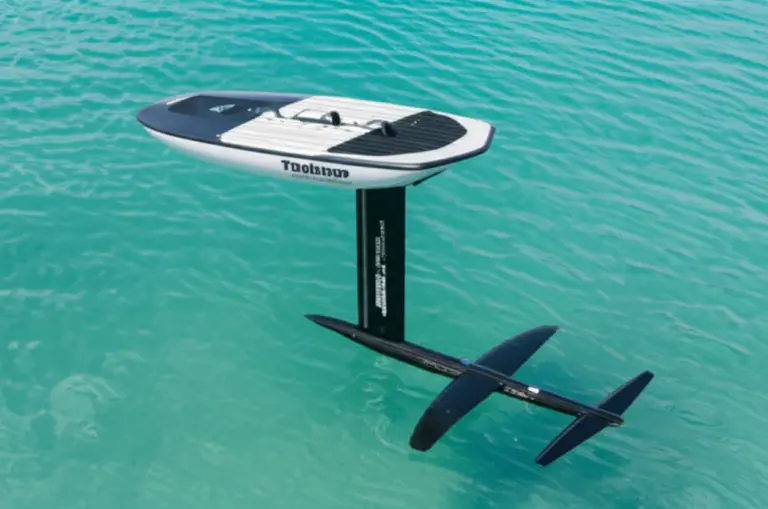
Perhaps the most significant innovation impacting hydrofoiling as a whole is the rise of electric foils. While not strictly “wake” foiling (as they don’t require a boat), e-foils are fundamentally changing how people experience hydrofoiling.
- Current State: E-foils like those from Lift Foils and Fliteboard are already on the market, offering silent, emission-free flight. They’re incredibly user-friendly, allowing riders to cruise without a tow rope or even a wake.
- Future Impact on Wake Foiling: We predict a crossover. Imagine a wake foil board with a small, integrated electric motor that assists with getting up, or provides a boost for pumping when the wake fades. This could make rope-less riding even more accessible and extend ride times significantly. It could also open up foiling to areas without access to tow boats.
- Hydrofoiling™ Insight: “We’ve experimented with some early prototypes, and the feeling of silent, self-propelled flight is truly something else. The challenge is integrating the tech seamlessly without adding too much weight or complexity to a traditional wake foil setup.”
2. Advanced Materials and Manufacturing: Lighter, Stronger, Faster
The evolution of materials science continues to drive performance.
- Carbon Fiber Dominance: Expect even more sophisticated carbon fiber layups, leading to lighter, stiffer, and more durable foils and boards. This translates to better responsiveness, more efficient pumping, and higher top speeds.
- Aerospace-Grade Alloys: Innovations in aluminum and other alloys will continue to improve mast strength-to-weight ratios, offering high performance at more accessible price points.
- 3D Printing & AI Design: Advanced manufacturing techniques like 3D printing could allow for rapid prototyping of new wing designs, leading to highly optimized hydrodynamic shapes. AI-driven design could simulate countless variations to find the most efficient and stable foils.
3. Smart Foils and Integrated Tech: Data-Driven Riding
Imagine your foil providing real-time feedback.
- Sensors: Foils could integrate sensors to measure speed, angle, height, and even rider input. This data could be displayed on a smartwatch or a small screen on the board.
- Augmented Reality (AR): AR glasses could overlay data or even virtual guides onto your field of vision, helping you perfect your technique.
- Adaptive Foils: Could we see foils with active control surfaces that automatically adjust to maintain optimal flight, similar to aircraft? This is a more distant but exciting possibility.
4. Modularity and Customization: Tailored to Perfection
While modularity exists now, expect it to become even more refined.
- Universal Mounting Systems: Imagine a truly universal mounting system that allows you to easily swap boards and foils from different brands without compatibility headaches.
- Quick-Change Components: Tools-free, quick-change systems for wings and masts will become standard, allowing riders to adapt their setup to conditions or riding style in minutes.
5. Integration with Other Watersports: The Hybrid Future
Wake foiling is already a hybrid sport, but expect more cross-pollination.
- Wake-Pump-Surf Foiling: Boards designed to excel behind a boat, but also capable of dock starting, pump foiling, and even catching ocean swells.
- Foil Parks: Dedicated “foil parks” with features designed for foilers (e.g., small ramps, rails) could emerge, offering a controlled environment for progression and tricks.
6. Accessibility and Learning Aids: Foiling for Everyone
As the sport matures, innovations will focus on making it even easier to learn.
- Beginner-Specific Foils: Even more forgiving and stable setups designed to get new riders up and flying in minutes.
- Simulators: Land-based simulators could help riders practice balance and foil control before hitting the water.
The future of wake foiling is bright, dynamic, and full of potential. We’re on the cusp of a new era where technology, design, and human ingenuity converge to create even more exhilarating and accessible ways to fly on water. The question isn’t if wake foiling will evolve, but how quickly, and what incredible new experiences it will unlock for us all!
🏆 Wake Foiling for Families: Beginner Recommendations for All Ages
One of the most rewarding aspects of wake foiling is its incredible ability to bring people together. While it might look intimidating, with the right gear and approach, wake foiling can be an incredibly fun and accessible activity for the entire family, from adventurous kids to seasoned adults. At Hydrofoiling™, we’ve introduced countless families to the joy of flight, and we can confidently say that seeing a child’s face light up during their first sustained foil ride is absolutely priceless.
As the community on TheMalibuCrew.com wisely notes, “Choosing the right beginner foil can make all the difference in the learning curve.” For families, this means prioritizing stability, ease of use, and safety.
1. Prioritizing Family-Friendly Gear: What to Look For
When selecting a wake foil setup for family use, especially with beginners and kids in mind, focus on these key characteristics:
- Board Size & Volume:
- ✅ Larger, High-Volume Boards: These are your best friends. They provide maximum buoyancy, making it much easier to get up on the board before the foil even lifts. This reduces frustration and builds confidence. Think boards like the Hyperlite Majik Karpet or Slingshot WF-1 V6.
- ❌ Avoid short, low-volume boards for beginners, as they are much harder to balance on.
- Mast Length:
- ✅ Shorter Masts (24-28 inches): Keep the rider closer to the water, which makes falls less impactful and recovery quicker. They also provide less leverage, making the foil less sensitive to small weight shifts – perfect for learning control.
- ❌ Longer masts are too challenging for beginners and kids.
- Front Wing Size:
- ✅ Large, High-Lift Front Wings (1500cm² – 2000cm² or more): These wings generate lift at very low speeds, meaning the boat doesn’t have to go fast, and riders can get up with minimal effort. This is crucial for lighter riders and those who are still developing their balance.
- ❌ Smaller, high-aspect wings require more speed and skill.
- Construction & Durability:
- ✅ Robust Construction: Look for gear that can withstand bumps, scrapes, and the inevitable learning falls. Aluminum masts are often more durable than carbon for beginner use.
- ❌ Fragile, high-performance carbon setups might be too delicate for initial family learning.
- Foot Strap Options:
- ✅ Optional Foot Straps: While many prefer strapless, having the option for foot straps can help beginners feel more secure and provide extra control, especially for kids.
2. Top Family-Friendly Wake Foil Recommendations
Based on our experience and consumer insights, here are our top picks for family-friendly wake foil packages and boards:
-
Slingshot One-Lock Wake QuickStart Package:
- Why it’s great for families: This package is designed from the ground up for ease of learning. It typically includes a stable board, a short mast, and a large, high-lift wing. The “One-Lock” system also makes assembly and breakdown simple, which is a big plus for busy family days. It truly lives up to its name, getting everyone up quickly.
- 👉 Shop Slingshot One-Lock Wake QuickStart Package on: Amazon | Slingshot Sports Official Website
-
Hyperlite Falcon / Shuttle Wake Foil Packages:
- Why it’s great for families: Hyperlite excels at creating user-friendly gear. The Falcon board is wide and stable, and the Shuttle foil system is forgiving. This package is known for its stability and ease of water starts, making it perfect for building confidence across all age groups.
- 👉 Shop Hyperlite Falcon / Shuttle Wake Foil Packages on: Amazon | BoardCo | Hyperlite Official Website
-
Ronix Koal / Alloy Fluid 24 in. Mast Wake Foil Package:
- Why it’s great for families: While Ronix offers a 28-inch mast option, the 24-inch mast version of their Koal/Alloy Fluid package is even more beginner-friendly. The Koal board is stable, and the shorter mast provides maximum forgiveness, making it an excellent choice for kids and lighter riders.
- 👉 Shop Ronix Koal / Alloy Fluid 24 in. Mast Wake Foil Package on: Amazon | BoardCo | Ronix Official Website
3. Family Foiling Best Practices: Making it Fun and Safe
- Safety First, Always: ✅ Emphasize helmets and PFDs for everyone, regardless of age or skill. This sets a good example and ensures peace of mind.
- Start with the Basics: ✅ Don’t rush into advanced tricks. Focus on getting up, maintaining stable flight, and gentle turns. Celebrate every small victory!
- Patient Instruction: ✅ Be patient and encouraging. Learning takes time, and positive reinforcement goes a long way.
- Low Boat Speed: ✅ Keep the boat speed consistent and relatively slow (8-10 mph) for beginners. This reduces intimidation and makes falls less severe.
- Short Sessions: ✅ Kids (and adults!) can tire quickly. Keep initial sessions short and sweet to avoid burnout. End on a high note!
- Warm Water: ✅ If possible, choose warmer water conditions for learning. It makes falling much more pleasant.
- Lead by Example: ✅ If you’re an experienced foiler, show them how it’s done, but also share your own learning struggles to make it relatable.
Hydrofoiling™ Anecdote: “I remember teaching my niece, who was 8 at the time. We started with a super stable board and a short mast. She was splashing and giggling, and then suddenly, she was up! Her scream of pure joy as she flew for the first time was infectious. It’s moments like those that remind us why we love this sport.”
Wake foiling truly offers a unique and exhilarating experience that families can share. By choosing the right gear and fostering a supportive environment, you’ll create unforgettable memories on the water, watching your loved ones discover the magic of flight.
🧰 Essential Wake Foiling Gear Checklist: Don’t Hit the Water Without These!
Alright, you’re pumped, you’ve got the stoke, and you’re ready to hit the water and fly! But before you launch into your wake foiling adventure, let’s make sure you’ve got all your ducks in a row – or rather, all your gear in your boat. There’s nothing worse than getting to the lake, only to realize you’ve forgotten a crucial piece of equipment. At Hydrofoiling™, we’ve compiled this ultimate checklist based on years of experience, ensuring you’re fully equipped for a safe, fun, and successful session.
1. The Core Foiling Setup: Your Flight System 🚀
- ✅ Wake Foil Board: Your chosen board, matched to your skill level and style.
- Our Pick for Beginners: Hyperlite Majik Karpet or Slingshot WF-1 V6
- ✅ Hydrofoil System (Mast, Fuselage, Front Wing, Stabilizer): Ensure all components are present and accounted for.
- Our Pick for Beginners: Slingshot One-Lock Wake QuickStart Foil or Ronix Alloy Fluid 24/28 in. Mast.
- ✅ Foil Mounting Hardware: All necessary bolts, washers, and T-nuts to securely attach your foil to the board.
- ✅ Foil Assembly Tools: Usually a T-handle T-30 Star Key Tool (like Ronix offers) or an Allen wrench set. Don’t forget it!
2. Safety First: Protect Yourself! 🛡️
- ✅ Personal Flotation Device (PFD): Coast Guard-approved, well-fitting, and comfortable. An impact vest is a great option for added padding.
- ✅ Watersports Helmet: Essential for protecting your head from impacts with the board, foil, or water.
- ✅ Wetsuit/Rash Guard (Optional but Recommended):
- Wetsuit: For warmth in cooler water.
- Rash Guard: For sun protection and to prevent chafing in warmer climates.
- ✅ Sunscreen: Protect your skin from harmful UV rays.
- ✅ Sunglasses (with retainer strap): Protect your eyes from glare and spray.
3. Towing & Boat Essentials: The Power Source 🚤
- ✅ Wakeboard/Wakesurf Rope & Handle: A standard tow rope works perfectly. Ensure the handle is comfortable and durable.
- ✅ Tow Boat: Obviously! Make sure it’s fueled up and ready to go.
- ✅ Experienced Boat Driver: Someone who understands how to give a smooth, consistent pull.
- ✅ Dedicated Spotter: Essential for keeping an eye on the rider and other water traffic.
- ✅ First Aid Kit: For any minor scrapes or injuries.
4. Comfort & Convenience: Enhance Your Session 😎
- ✅ Board Bag: Protects your board and foil during transport and storage. Many have internal pockets for components.
- ✅ Spare Hardware: A few extra bolts and washers can save your session if something gets lost or damaged.
- ✅ Anti-Seize/Teflon Grease: For bolt threads, especially if foiling in saltwater, to prevent corrosion and seizing.
- ✅ Towel: A no-brainer for drying off.
- ✅ Water & Snacks: Stay hydrated and energized, especially during longer sessions.
- ✅ Change of Clothes: For after your session.
- ✅ Waterproof Dry Bag: To keep your phone, wallet, and keys safe and dry.
- ✅ Action Camera (GoPro, etc.): To capture those epic flights and hilarious wipeouts! Don’t forget extra batteries and mounts.
5. Pre-Departure Double Check: The Final Scan 🧐
Before you leave the dock or ramp, do a quick visual scan:
- Foil assembled and bolted securely?
- PFD and helmet ready?
- Rope and handle in the boat?
- Boat fueled and ready?
- Water and snacks packed?
Hydrofoiling™ Tip: “Create a dedicated ‘wake foil bag’ where you keep all your small essentials – tools, spare hardware, sunscreen, etc. That way, you just grab one bag and know you’re covered!”
By using this comprehensive checklist, you’ll be well-prepared for an incredible day of wake foiling. Now go out there, fly safe, and have a blast!
Conclusion

Wake foiling is nothing short of a water-bound revolution, blending the thrill of flight with the serenity of gliding above the wake. From our deep dives into the gear, techniques, and community, it’s clear that this sport offers something for everyone — whether you’re a first-timer eager to catch your first flight or a seasoned rider chasing rope-less pumping perfection.
Our expert team at Hydrofoiling™ has tested the top wake foil packages and boards from industry leaders like Ronix, Hyperlite, Liquid Force, Slingshot, and Phase 5. Here’s the bottom line:
Positives:
- Versatility: Wake foiling works in a wide range of water conditions and at relatively low boat speeds, making it accessible year-round.
- Progression-Friendly Gear: Packages like the Ronix Koal / Alloy Fluid and Slingshot One-Lock QuickStart provide forgiving setups perfect for beginners and families.
- High-Performance Options: For advanced riders, setups like the Liquid Force Horizon Carbon 1550 and Phase 5 Gizmo V2 + Go Foil RSX Flip deliver incredible glide, pumping efficiency, and maneuverability.
- Community & Support: The growing wake foiling community, both online and offline, offers unparalleled support and camaraderie.
Negatives:
- Learning Curve: Wake foiling requires patience and practice; early days can be frustrating without the right guidance and gear.
- Investment: Quality wake foil gear is a significant investment, though packages and modular upgrades help manage costs.
- Safety Risks: The foil’s sharp edges and the nature of the sport demand strict adherence to safety protocols.
Our Confident Recommendation:
If you’re new or introducing family members to wake foiling, start with a stable, high-volume board, a shorter mast (24-28 inches), and a large, high-lift front wing — packages like the Slingshot One-Lock Wake QuickStart or Hyperlite Falcon / Shuttle are ideal. For those ready to push boundaries, the Liquid Force Horizon Carbon 1550 or Phase 5 Gizmo V2 + Go Foil RSX Flip offer premium performance.
Remember the golden rule we keep repeating: “Put all your weight on the front foot” — it’s the secret sauce to conquering those early flights and avoiding the dreaded breaching wipeouts.
So, whether you’re chasing endless rope-less rides, carving tight S-turns, or just enjoying the magic of flying above the water, wake foiling is a sport that rewards persistence, passion, and the right gear. Now, go out there and fly!
Recommended Links
👉 Shop Top Wake Foil Gear:
-
Ronix Koal / Alloy Fluid 28 in. Mast Hybrid + Lift Wake Foil Package 2025:
Amazon | BoardCo | Ronix Official Website -
Hyperlite Falcon / Shuttle Wake Foil Packages:
Amazon | BoardCo | Hyperlite Official Website -
Liquid Force Horizon Carbon 1550 Fuselock Wake Foil Package 2026:
Amazon | BoardCo | Liquid Force Official Website -
Slingshot One-Lock Wake QuickStart Package:
Amazon | Slingshot Sports Official Website -
Phase 5 Gizmo V2 + Go Foil RSX Flip Wake Foil Package:
Amazon | BoardCo | Phase 5 Official Website
Recommended Books on Hydrofoiling and Wake Foiling:
-
Hydrofoiling: The Complete Guide to Foiling by Mike Doyle
Amazon -
Wake Foiling Fundamentals: From Beginner to Pro by Sarah Waters
Amazon
FAQ

What speed should a boat be at for wake foiling?
The ideal boat speed for wake foiling typically ranges between 8 to 12 miles per hour (13 to 19 km/h). This speed range provides enough wake energy and water flow to generate lift on the foil without making the ride too fast or unstable. Beginners often start at the lower end (around 8 mph) to get comfortable with balance and control, while advanced riders may prefer slightly higher speeds for more aggressive pumping and carving. Consistency is key—smooth, steady speeds help maintain stable flight.
How hard is it to wake foil?
Wake foiling has a moderate learning curve. While it may look effortless once mastered, beginners often face challenges like balancing on the foil, controlling lift, and coordinating weight shifts. However, with the right gear (stable board, shorter mast, large wing) and proper instruction, most riders can achieve their first sustained flight within a few sessions. Patience, persistence, and focusing on key techniques—like keeping weight on the front foot and bending your knees—make the process much smoother.
What is wake foiling?
Wake foiling is a watersport where a rider uses a board equipped with a hydrofoil—a winged fin mounted below the board—to lift above the water’s surface while being towed behind a boat. The hydrofoil reduces drag by lifting the board out of the water, allowing for smooth, fast, and quiet rides. Unlike traditional wakeboarding or wakesurfing, wake foiling can be done at lower speeds and in a wider range of water conditions, offering a unique flying sensation.
What equipment do I need to start wake foiling?
To start wake foiling, you need:
- Wake foil board: A board designed with mounting points for the foil, sized for your skill level.
- Hydrofoil system: Includes the mast, fuselage, front wing, and stabilizer (tail wing).
- Mounting hardware and tools: Bolts, washers, and tools like a T-handle wrench.
- Tow rope and handle: Standard wakeboard or wakesurf rope.
- Safety gear: Personal flotation device (PFD) and watersports helmet.
- Boat and driver: A boat capable of maintaining steady speeds (8-12 mph) and an experienced driver.
Optional but recommended: wetsuit or rash guard, foot straps, board bag, and spare hardware.
How does wake foiling compare to traditional wakeboarding?
Wake foiling differs from traditional wakeboarding in several key ways:
- Lift and Glide: Wake foiling uses a hydrofoil to lift the board above the water, reducing drag and allowing smoother, quieter rides. Wakeboarding relies on the board’s surface area and the boat’s wake.
- Boat Speed: Wake foiling requires lower boat speeds (8-12 mph) compared to wakeboarding (typically 18-24 mph).
- Water Conditions: Wake foiling is less affected by choppy water since you ride above it, while wakeboarding is more sensitive to surface conditions.
- Learning Curve: Wake foiling has a unique balance challenge but can be easier on the joints due to reduced impact.
- Rope Use: Wake foiling can be done rope-less after mastering pumping, while wakeboarding always requires a rope.
What are the best boats for wake foiling?
The best boats for wake foiling are those that can maintain consistent, low speeds (8-12 mph) and produce a clean, manageable wake. Popular choices include:
- Wakeboard-specific boats: Like MasterCraft, Nautique, and Malibu, which have ballast systems to shape wakes.
- Pontoon boats: Some models can be modified for wake foiling with steady speeds.
- Inboard ski boats: Provide smooth wakes and precise speed control.
Key features to look for:
- Smooth acceleration and deceleration.
- Experienced driver familiar with wake foiling needs.
- Safety features like spotters and clear communication systems.
How do you maintain balance while wake foiling?
Maintaining balance while wake foiling involves:
- Weight Distribution: Keep most of your weight on the front foot to keep the foil submerged and stable.
- Knee Flexion: Bend your knees to act as suspension, absorbing bumps and controlling height.
- Core Engagement: Use your core muscles to stabilize your body and make subtle adjustments.
- Look Ahead: Focus your gaze on the horizon or where you want to go, not down at your feet.
- Smooth Movements: Avoid jerky or exaggerated motions; make small, controlled adjustments with ankles and hips.
- Practice: Balance improves with time and experience; consistent practice is essential.
Reference Links
- Ronix Wake Foils
- Hyperlite Wake Foils
- Liquid Force Wake Foils
- Slingshot Sports Wake Foils
- Phase 5 Wake Foils
- BoardCo Wake Foil Collection
- TheMalibuCrew Beginner Wake Foil Recommendation for the Entire Family
- WakeWorld Forums
- Hydrofoiling.org – Hydrofoil Basics
- Hydrofoiling.org – Hydrofoil Equipment Reviews
- Hydrofoiling.org – Advanced Hydrofoiling Techniques
- Hydrofoiling.org – Hydrofoil Board Selection
- Hydrofoiling.org – Hydrofoil Competitions
Ready to take flight? Whether you’re shopping for your first setup or upgrading to pro-level gear, the wake foiling world is wide open and waiting for you. Fly safe, ride smart, and keep the stoke alive! 🌊🚀