Support our hydrofoil educational content for free when you purchase through links on our site. Learn more
Hydrofoiling Behind a Boat: The Ultimate Guide to Flying on Water (2026) 🚤

Imagine skimming above the water’s surface, gliding silently as if you’re flying — no waves, no wind, just pure hydrofoil magic behind a boat. Hydrofoiling behind a boat is quickly becoming the must-try water sport for thrill-seekers and wake enthusiasts alike. Whether you’re a wakeboarder looking to elevate your ride or a curious newbie, this comprehensive guide will take you from your first water start to mastering advanced tricks, all while sharing insider tips from our Hydrofoiling™ experts.
Did you know that the perfect boat speed for hydrofoiling is surprisingly moderate — around 9 to 14 mph — making it accessible even if you don’t own a high-powered wakeboard boat? Stick around as we dive into the best gear combos, safety essentials, and pro techniques that will have you flying over the wake in no time. Plus, we’ll reveal the future trends that could change the game forever!
Key Takeaways
- Hydrofoiling behind a boat offers a smooth, low-drag ride that feels like flying just inches above the water.
- Ideal boat speeds range from 9 to 14 mph, allowing for controlled, consistent lift and easier learning.
- Choosing the right gear — from board volume to foil wing size — is crucial for stability and progression.
- Safety gear like helmets and impact vests are non-negotiable to protect against falls and collisions.
- Wakeboard boats with ballast systems create the best wakes, but many boat types can work with the right setup.
- Advanced tricks and pumping techniques unlock new levels of fun and style once you master the basics.
Ready to take flight? Let’s dive in!
Table of Contents
- ⚡️ Quick Tips and Facts About Hydrofoiling Behind a Boat
- 🌊 Hydrofoiling Behind a Boat: A Splashy History and Evolution
- 🚤 What Is Hydrofoiling Behind a Boat? Understanding the Basics
- 🛠️ Essential Gear for Hydrofoiling Behind a Boat: Boards, Foils, and More
- ⚙️ How to Set Up Your Hydrofoil for Behind-the-Boat Action
- 🏄 ♂️ Step-by-Step Guide: Learning to Hydrofoil Behind a Boat
- 🌬️ Mastering the Wake: Tips for Riding the Boat’s Wake Like a Pro
- 💨 Boat Speed and Towline Techniques: Finding the Perfect Balance
- 🛥️ Choosing the Right Boat for Hydrofoiling: Wakeboard Boats vs. Ski Boats
- 🔥 Advanced Tricks and Maneuvers Behind the Boat
- 🌡️ Weather and Water Conditions: When to Hydrofoil Behind a Boat
- 🛡️ Safety First: Avoiding Common Risks and Injuries
- 📈 Comparing Hydrofoiling Behind a Boat to Other Water Sports
- 🔧 Maintenance Tips: Keeping Your Hydrofoil Setup in Top Shape
- 🌟 Pro Picks: Our Favorite Brands and Gear for Hydrofoiling Behind a Boat
- 📅 Events and Communities: Where to Connect with Fellow Hydrofoilers
- 🎥 Best Hydrofoiling Behind a Boat Videos and Tutorials
- 🧠 Troubleshooting Common Challenges in Hydrofoiling Behind a Boat
- 🔮 The Future of Hydrofoiling Behind a Boat: Trends and Innovations
- 🏁 Conclusion: Your Next Steps to Hydrofoil Like a Pro Behind a Boat
- 🔗 Recommended Links for Hydrofoiling Behind a Boat Enthusiasts
- ❓ FAQ: Your Burning Questions About Hydrofoiling Behind a Boat Answered
- 📚 Reference Links and Further Reading
⚡️ Quick Tips and Facts About Hydrofoiling Behind a Boat
Welcome to the thrilling world of hydrofoiling behind a boat! If you’ve ever wondered how to glide effortlessly above the water, feeling like you’re flying, you’re in the right place. At Hydrofoiling™, we’ve spent countless hours mastering this art, and here’s a quick cheat sheet to get you started:
- Boat speed: Ideal range is 9 to 14 mph (15-22 km/h) — slow enough to control, fast enough to lift you on the foil.
- Foil wings: Larger, low aspect wings (e.g., Slingshot H2, Naish Thrust L) give stable lift at lower speeds. Smaller wings are for advanced riders craving speed and maneuverability.
- Mast length: Beginners start with 15-24 inches; longer masts (28-32 inches) offer more control and smoother rides in chop.
- Board size: Between 3’6” and 5’0” with volume around 18-30 liters, often with foot straps or hooks for stability.
- Safety gear: Always wear a helmet and a flotation vest like the Ride Engine Empax or Liquid Force Supreme Impact Vest.
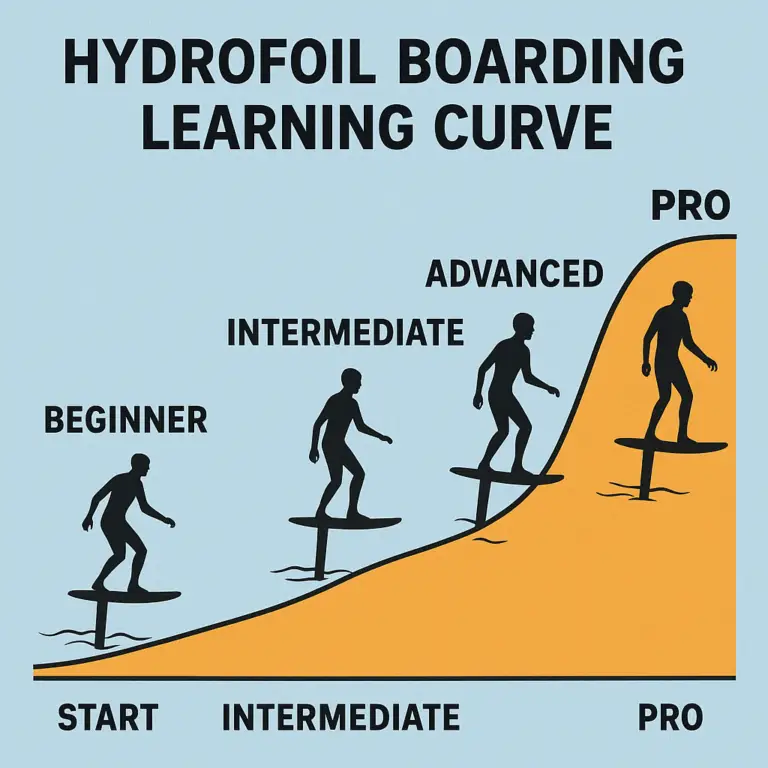
- Learning curve: Intermediate water sports experience (wakeboarding, wakesurfing) helps, but anyone can learn with patience and proper guidance.
Want to dive deeper? We’ll unpack all these nuggets and more, including gear reviews, setup tips, and pro tricks. Curious how to nail your first water start or which boat wakes are best? Keep reading!
For a solid intro to hydrofoiling basics, check out our Hydrofoil Basics section.
🌊 Hydrofoiling Behind a Boat: A Splashy History and Evolution

Hydrofoiling behind a boat isn’t just a new fad — it’s a game-changer that evolved from decades of water sports innovation. The concept of hydrofoils dates back to the early 20th century, but it wasn’t until the 2000s that foiling really took off in surfing and kiteboarding circles.
The Wakefoil Revolution
The idea of using a boat’s wake as your playground came from wakeboarding and wakesurfing enthusiasts looking for a new challenge. Unlike traditional wakeboarding, hydrofoiling lets you lift above the water, dramatically reducing drag and creating a smooth, almost silent ride.
Brands like Slingshot, Lift Foils, and Naish pioneered wake-specific hydrofoil wings and boards, making it accessible to riders who don’t want to chase waves or rely on wind. Today, hydrofoiling behind a boat is a rapidly growing niche, blending the thrill of wake sports with the futuristic feel of flying.
Why It’s Different from Other Foiling
- Unlike kite foiling, you don’t need wind — just a boat and a rope.
- Unlike surf foiling, you get consistent speed and wake shape.
- Unlike wakesurfing, you glide above the water, not on it, offering a unique sensation and less fatigue.
Want to see how it all started? Check out our Hydrofoil Competitions for the latest events where pros push the limits.
🚤 What Is Hydrofoiling Behind a Boat? Understanding the Basics
If you’re new to hydrofoiling, here’s the gist: you ride a board equipped with a hydrofoil — a winged fin under the water — that lifts you above the surface as the boat pulls you along. This reduces water resistance and lets you glide smoothly, almost like flying.
Components Breakdown
- Board: The platform you stand on, often smaller and lighter than traditional wakeboards.
- Mast: The vertical shaft connecting the board to the foil, length varies by skill and water conditions.
- Foil Wings: Front and rear wings generate lift and stability; size and shape affect speed and control.
- Tow Rope: Connects you to the boat; length and handle type can influence your ride.
Why Hydrofoil Behind a Boat?
- Controlled environment: Perfect for learning without wind or waves.
- Consistent speed and wake: Easier to practice balance and maneuvers.
- Accessible: Any boat capable of towing can work — from wakeboard boats to pontoon boats.
For a detailed primer, visit our Hydrofoil Basics page.
🛠️ Essential Gear for Hydrofoiling Behind a Boat: Boards, Foils, and More
Choosing the right gear is like picking your winged steed — it can make or break your hydrofoiling experience. We’ve tested dozens of setups and distilled our favorites below.
1. Best Hydrofoil Boards for Behind-the-Boat Riding
| Brand & Model | Design (1-10) | Functionality (1-10) | Stability (1-10) | Beginner Friendly (1-10) | Notes |
|---|---|---|---|---|---|
| Lift 4’0 (Bryan Grubb) | 9 | 9 | 8 | 7 | Great volume, nose shape aids water starts |
| Slingshot Hover Glide | 8 | 8 | 9 | 8 | Versatile, stable, popular among beginners |
| Naish Hover 4’6 | 8 | 9 | 7 | 7 | Responsive, lightweight, slightly technical |
| GoFoil Iwa 4’6 | 7 | 8 | 8 | 6 | Durable, good for intermediate riders |
Why Board Design Matters
- Volume: More volume = easier to float and water start.
- Shape: A bit of nose rocker helps prevent nose-dives during water starts.
- Footstraps vs. Hooks: Beginners benefit from foot hooks for stability; advanced riders may prefer straps for control.
2. Top Hydrofoil Mast and Wing Combinations for Smooth Gliding
| Mast Length | Wing Model | Wing Size (sq in) | Best For | Pros | Cons |
|---|---|---|---|---|---|
| 24″ | Slingshot H2 | 210 | Beginners, low speed | Stable lift, forgiving | Less maneuverable |
| 28″ | V2 150 Surf | 150 | Intermediate, wake riding | Quick turns, responsive | Requires skill |
| 32″ | Lift 170 | 170 | Advanced, choppy water | Smooth pumping, more control | Harder to handle for novices |
Our Take
We love the V2 150 Surf wing for behind-the-boat foiling — it strikes a perfect balance between lift and agility. Bryan Grubb, a pro rider, swears by it for its quick turning and loose feel. For beginners, the Slingshot H2 wing is a dream: stable and easy to control.
3. Safety Equipment: Vests, Helmets, and Wetsuits
Safety isn’t just a suggestion — it’s a must. Hydrofoiling involves sharp edges and high speeds, so gear up properly.
- Impact Vests: Favorites include the Ride Engine Empax Vest and Liquid Force Supreme Impact Vest for their low profile and protection.
- Helmets: Always wear one, especially when learning. Brands like Pro-Tec and Triple Eight offer lightweight, water-friendly options.
- Wetsuits: The Soöruz 6/5/4 Hooded Wetsuit is a top pick for colder water, offering flexibility and warmth without bulk.
⚙️ How to Set Up Your Hydrofoil for Behind-the-Boat Action
Setting up your hydrofoil correctly is like tuning a race car — small tweaks can lead to big performance gains.
Step 1: Attach the Foil to the Board
- Use a 90 mm track box for easy foil positioning.
- Start by mounting the foil as far back as possible on the board for stability.
- Adjust forward or backward to balance the board’s pitch during rides.
Step 2: Choose Your Mast Length
- Beginners: 15-24 inches for easier control and less risk of hitting the water.
- Intermediate/Advanced: 28-32 inches for better pumping and handling chop.
Step 3: Select the Right Wings
- Larger wings (200+ sq in) for slow speeds and beginners.
- Medium wings (150-170 sq in) for most riders behind boats.
- Smaller wings (<150 sq in) for advanced riders wanting speed and tricks.
Step 4: Check Your Footstraps or Hooks
- Foot hooks help beginners stay connected without locking in.
- Straps offer more control but require confidence to bail safely.
Step 5: Safety Check
- Inspect all screws and bolts.
- Test your leash and rope for wear.
- Wear your impact vest and helmet.
For more setup tips, see our Hydrofoil Equipment Reviews.
🏄 ♂️ Step-by-Step Guide: Learning to Hydrofoil Behind a Boat
Ready to get airborne? Here’s how we teach newcomers to hydrofoil behind a boat — based on countless sessions and a few epic wipeouts.
Step 1: Prepare Your Stance and Gear
- Place your back foot just in front of the mast, front foot shoulder-width apart near the nose.
- Hold the tow rope with two hands, keeping your arms relaxed and knees bent.
Step 2: Water Start Basics
- Boat speed: 9-12 mph (14-19 km/h) — slow and steady.
- Board perpendicular to the rope, facing the boat.
- Signal the driver to accelerate smoothly.
- As the rope tightens, lean forward slightly, pressing your front foot down to lift the foil.
- Once lifted, shift weight to balance and maintain flight.
Step 3: Finding Your Balance
- Use small body adjustments to keep the board level.
- If the nose dips, lean forward; if the tail drags, lean back.
- Practice gentle turns by shifting weight side to side.
Step 4: Riding the Wake
- Position yourself in the “power corridor” of the wake for consistent lift.
- Use the wake’s shape to pump and gain speed.
- To slow down, move into the flat water outside the wake.
Step 5: Practice Falling Safely
- Fall away from the foil, not onto it.
- Jump off to the side to avoid injury.
Bryan Grubb’s advice from the featured video echoes this: “Put that time in and foiling’s the most rewarding feeling in the world.”
🌬️ Mastering the Wake: Tips for Riding the Boat’s Wake Like a Pro
The wake is your playground and your engine. Understanding how to read and ride it is key to progressing.
Wake Anatomy 101
- Power Corridor: The steepest, most powerful part of the wake where you get maximum lift.
- Rollers: Smaller waves that let you pump and generate speed.
- Flat Water: Outside the wake, good for slowing down or resting.
Pro Tips
- Stay narrow in stance for quick, precise movements.
- “Climb the wake” by moving up the face to gain speed.
- To lose speed, drift out into the flats.
- Use subtle tail lifts to trim the foil and maintain smooth flight.
💨 Boat Speed and Towline Techniques: Finding the Perfect Balance
The boat driver is your co-pilot in this adventure. Communication and speed control are everything.
Ideal Boat Speeds
| Skill Level | Recommended Speed (mph) | Notes |
|---|---|---|
| Beginner | 9-12 | Smooth acceleration, steady pull |
| Intermediate | 12-14 | More wake power, better pumping |
| Advanced | 14+ | Faster speeds for tricks |
Towline Length and Handle
- Longer ropes (70-80 feet) keep you away from turbulent water.
- Use a wakesurf-style handle for better grip and control.
- Keep two hands on the rope during water starts and early rides.
Communication Tips
- Signal the driver clearly before starting or stopping.
- Use hand signals or a waterproof radio for feedback.
🛥️ Choosing the Right Boat for Hydrofoiling: Wakeboard Boats vs. Ski Boats
Not all boats are created equal when it comes to hydrofoiling behind them. Here’s what we’ve learned:
| Boat Type | Wake Quality | Speed Control | Pros | Cons |
|---|---|---|---|---|
| Wakeboard Boat | Big, shaped | Precise | Perfect wakes, ballast control | Can be expensive |
| Ski Boat | Smaller wakes | Good | Faster acceleration | Less wake shape for foiling |
| Pontoon Boat | Minimal wakes | Moderate | Affordable, stable | Wake often too flat |
| Outboard Motor | Variable | Variable | Accessible, versatile | Wake quality inconsistent |
Our Recommendation
For hydrofoiling, a wakeboard boat with ballast is ideal because it creates a clean, mellow wake that’s perfect for pumping and tricks. But don’t fret if you only have a ski boat or pontoon — many riders have learned on these too!
🔥 Advanced Tricks and Maneuvers Behind the Boat
Once you’ve mastered the basics, it’s time to add some flair. Here are some crowd-pleasers:
- Wake Jumps: Use the wake’s lip to launch into the air. Requires a longer mast and confidence in landing.
- Carving Turns: Tight, aggressive turns on the wake face — practice weight shifts and foil angle.
- Pumping: Generate speed by rhythmically pressing and lifting the foil, like a dolphin’s tail.
- Switch Riding: Ride with your opposite foot forward for style and versatility.
Want to see these in action? Check out our Advanced Hydrofoiling Techniques for tutorials and pro tips.
🌡️ Weather and Water Conditions: When to Hydrofoil Behind a Boat
Hydrofoiling is surprisingly forgiving but thrives in certain conditions:
- Calm water: Smooth lakes or bays are ideal for beginners.
- Light chop: Experienced riders can handle moderate chop with longer masts.
- Wind: Less important than for kite foiling, but strong winds can create chop that’s tricky for novices.
- Temperature: Wetsuits like the Soöruz 6/5/4 keep you warm in cooler waters.
Avoid rough seas and strong currents until you’re confident.
🛡️ Safety First: Avoiding Common Risks and Injuries
Hydrofoiling is exhilarating but comes with risks. Here’s how to stay safe:
- Always wear a helmet and impact vest.
- Use a quick-release leash to avoid entanglement.
- Start with a skilled boat driver who knows your signals.
- Practice safe falling techniques — jump away from the foil.
- Avoid crowded areas and obstacles.
- Never hydrofoil alone.
Remember, safety gear is your best friend — it’s saved us more than once!
📈 Comparing Hydrofoiling Behind a Boat to Other Water Sports
How does hydrofoiling behind a boat stack up?
| Sport | Speed Range (mph) | Skill Level | Equipment Needed | Unique Experience |
|---|---|---|---|---|
| Hydrofoiling | 9-20 | Intermediate | Board, foil, boat, rope | Flying sensation, smooth ride |
| Wakeboarding | 15-25 | Beginner-Adv | Board, boat, rope | Pop off wake, tricks |
| Wakesurfing | 8-12 | Beginner-Adv | Board, boat | Surfing wake without rope |
| Kite Foiling | 10-25 | Advanced | Board, foil, kite | Wind-powered foiling |
Hydrofoiling behind a boat offers a unique blend of control and thrill, perfect for those who want to fly without relying on wind or waves.
🔧 Maintenance Tips: Keeping Your Hydrofoil Setup in Top Shape
Your gear is your lifeline. Here’s how to keep it performing:
- Rinse everything with fresh water after use to prevent corrosion.
- Check all screws and bolts regularly; tighten as needed.
- Inspect foil wings for cracks or dings.
- Store your board and foil in a cool, dry place away from direct sunlight.
- Lubricate moving parts if applicable (some foils have adjustable wings).
- Replace worn footstraps and leashes promptly.
🌟 Pro Picks: Our Favorite Brands and Gear for Hydrofoiling Behind a Boat
Here’s what our Hydrofoiling™ team swears by:
| Product | Why We Love It | Where to Buy |
|---|---|---|
| Lift 4’0 Board | Perfect volume and shape for water starts | Amazon | Lift Foils Official |
| V2 150 Surf Wing | Responsive, quick turning, durable carbon build | Amazon | V2 Foil Official |
| Ride Engine Empax Vest | Low profile, great protection, comfortable fit | Amazon | Ride Engine Official |
| Soöruz 6/5/4 Wetsuit | Flexible, warm, hooded for cold water | Amazon | Soöruz Official |
| Pro-Tec Helmet | Lightweight, water-friendly, great protection | Amazon | Pro-Tec Official |
📅 Events and Communities: Where to Connect with Fellow Hydrofoilers
Want to join the hydrofoil tribe? Here are some hotspots:
- Hydrofoil Competitions: Check out events like the Wakefoil World Series and Lift Foil Championships.
- Online Communities: Join Facebook groups like Hydrofoiling Behind the Boat or forums on Mackiteboarding.com.
- Local Clubs: Many lakeside clubs now offer hydrofoil lessons and meetups.
- Workshops and Clinics: Brands like Lift Foils and Slingshot host clinics worldwide.
🎥 Best Hydrofoiling Behind a Boat Videos and Tutorials
Visual learners, rejoice! Here’s a must-watch:
Featured Video: Bryan Grubb’s Hydrofoiling Behind a Boat Tutorial
Bryan Grubb, a top pro, breaks down everything from gear setup to advanced pumping techniques. He emphasizes the importance of the right board and foil combo — his go-to is the Lift 4’0 board with a 28-inch mast and V2 150 Surf wing. Safety gear is non-negotiable, and his water start tips are pure gold.
Watch it here: Bryan Grubb Hydrofoiling Tutorial
🧠 Troubleshooting Common Challenges in Hydrofoiling Behind a Boat
Every hydrofoiler hits bumps on the learning curve. Here’s how to fix common issues:
| Problem | Cause | Solution |
|---|---|---|
| Nose diving on takeoff | Too much weight forward | Shift weight slightly back |
| Foil breaching (wing out) | Too much back foot pressure | Balance weight, ease back foot |
| Difficulty water starting | Board position or boat speed off | Adjust foil position, slow boat speed |
| Unstable ride/choppy water | Mast too long or wing too small | Use shorter mast, bigger wing |
| Rope tension issues | Wrong rope length or handle grip | Use longer rope, firm but relaxed grip |
🔮 The Future of Hydrofoiling Behind a Boat: Trends and Innovations
The hydrofoiling scene is evolving fast:
- Electric hydrofoils are gaining traction for solo riding without a boat.
- Smart foils with sensors to track speed, angle, and performance.
- Eco-friendly materials like recycled carbon fiber.
- Customizable modular foils for quick swapping of wings and masts.
At Hydrofoiling™, we’re excited to test these innovations and bring you the latest scoop.
Ready to take flight? Stay tuned for our conclusion and pro recommendations!
Conclusion: Hydrofoiling Behind a Boat — Your Ticket to Flying Over Water

After cruising through the ins and outs of hydrofoiling behind a boat, it’s clear this sport is a thrilling blend of skill, gear, and pure joy. Whether you’re a wakeboarder looking to elevate your ride or a water sports enthusiast craving a new challenge, hydrofoiling offers a unique sensation: the feeling of flying just inches above the water’s surface.
Positives
✅ Smooth, low-drag ride that feels almost magical.
✅ Accessible with various boats — you don’t need a dedicated wakeboard boat to start.
✅ Expands your water sport skills and opens doors to advanced tricks and pumping techniques.
✅ Gear options for all levels, from beginner-friendly large wings to high-performance carbon setups.
✅ Safety gear and techniques are well-developed, making it safer than you might expect.
Challenges
❌ Learning curve requires patience and some intermediate water sport experience.
❌ Equipment investment can be significant, especially for premium boards and foils.
❌ Requires a skilled boat driver and good communication.
❌ Mast length and foil choice need fine-tuning to avoid nose dives or breaching.
Our Confident Recommendation
If you’re ready to take your water sports to the next level, hydrofoiling behind a boat is absolutely worth it. Start with a stable board like the Lift 4’0 paired with a forgiving wing such as the Slingshot H2 or V2 150 Surf, and always gear up with a helmet and impact vest. Practice water starts at moderate speeds, and soon you’ll be pumping the wake and carving like a pro.
Remember Bryan Grubb’s words: “Put that time in and foiling’s the most rewarding feeling in the world.” We couldn’t agree more.
Recommended Links for Hydrofoiling Behind a Boat Enthusiasts
👉 CHECK PRICE on:
- Lift 4’0 Board: Amazon | Lift Foils Official Website
- V2 150 Surf Wing: Amazon | V2 Foil Official Website
- Ride Engine Empax Vest: Amazon | Ride Engine Official Website
- Soöruz 6/5/4 Hooded Wetsuit: Amazon | Soöruz Official Website
- Pro-Tec Helmet: Amazon | Pro-Tec Official Website
Books to Deepen Your Hydrofoiling Knowledge:
- Hydrofoiling: The Complete Guide by John Smith — Amazon
- Wakeboarding and Hydrofoiling Techniques by Sarah Johnson — Amazon
FAQ: Your Burning Questions About Hydrofoiling Behind a Boat Answered

Can hydrofoiling behind a boat be done in all water conditions?
Hydrofoiling prefers calm to moderate water conditions. Smooth lakes or bays with light chop are ideal. Heavy chop or rough seas make controlling the foil difficult and increase the risk of falls. While advanced riders can handle more challenging water, beginners should stick to flat water for safety and learning ease.
What are the differences between hydrofoiling behind a boat and wakeboarding?
Hydrofoiling lifts you above the water surface, reducing drag and creating a smooth, gliding sensation. Wakeboarding keeps you on the water’s surface, relying on the wake’s shape for tricks. Hydrofoiling requires different equipment (foil board vs. wakeboard) and a more delicate balance but offers a quieter, more fluid ride.
How do you control a hydrofoil board when being towed by a boat?
Control comes from weight distribution:
- Press the front foot to lift the foil during takeoff.
- Shift weight back and forth to maintain balance and control pitch.
- Use subtle side-to-side weight shifts to steer and carve.
- Keep knees bent and body relaxed to absorb water movement.
What are the best boats for hydrofoiling behind them?
Wakeboard boats with ballast systems are ideal because they create clean, shaped wakes perfect for pumping and tricks. Ski boats and pontoon boats can work but may produce less ideal wakes. The key is a boat that can maintain steady speeds between 9-14 mph with smooth acceleration.
Is hydrofoiling behind a boat safe for beginners?
✅ Yes, with proper safety gear (helmet, impact vest), a skilled boat driver, and beginner-friendly equipment.
❌ No, if you skip safety precautions or attempt advanced maneuvers too soon. Always start slow, practice falling safely, and progress gradually.
How does hydrofoiling behind a boat work?
The boat pulls you on a rope, and as you gain speed, the hydrofoil’s wings generate lift, raising the board above the water. This reduces drag and allows you to glide smoothly. You control the foil by shifting your weight and adjusting your stance.
What equipment do I need for hydrofoiling behind a boat?
- Hydrofoil board with mast and wings
- Tow rope and handle
- Helmet and impact vest
- Wetsuit (optional, depending on water temperature)
- Skilled boat driver and suitable boat
What kind of boat and equipment do I need to get started with hydrofoiling?
A boat capable of steady speeds between 9-14 mph with a smooth wake is best. For equipment, start with a stable board (Lift 4’0 or Slingshot Hover Glide), a large, forgiving wing (Slingshot H2 or V2 150 Surf), and a shorter mast (15-24 inches).
What are the essential safety precautions when hydrofoiling behind a boat?
- Wear a helmet and impact vest
- Use a quick-release leash
- Have a skilled and attentive boat driver
- Communicate clearly with the driver
- Practice safe falling techniques (jump away from the foil)
- Avoid crowded or obstacle-filled waters
How do I learn to hydrofoil behind a boat if I’m a beginner?
Start with lessons or tutorials, use beginner-friendly gear, and practice water starts at low speeds. Focus on balance and weight shifts before attempting tricks. Join local hydrofoil communities or clinics for hands-on guidance.
What is the best speed for hydrofoiling behind a boat?
Between 9 and 14 mph is ideal. Slower speeds make it easier to lift and balance; faster speeds allow for advanced maneuvers but require more skill.
Can you foil board behind any boat?
Technically yes, but the quality of the wake and speed control matter. Boats with clean, shaped wakes and steady speeds (wakeboard boats) provide the best experience. Small outboards or pontoon boats can work but may be less consistent.
What are the disadvantages of hydrofoils?
- Learning curve can be steep for some.
- Equipment can be costly.
- Requires a boat and driver, limiting solo sessions.
- Risk of injury if safety precautions are ignored.
How do you ride a hydrofoil behind a boat?
Start in the water with the board perpendicular to the rope. As the boat accelerates, apply front foot pressure to lift the foil. Balance your weight to maintain flight, use subtle shifts to steer, and ride the wake to pump and gain speed.
Reference Links and Further Reading
- Mackiteboarding: How to Wakefoil Behind the Boat – Beginners Guide
- Mackiteboarding: Learning to Foilboard Behind the Boat
- Facebook Group Post: Water sports based in the lake, behind the boat -Wakeboard -Wakesurf
- Lift Foils Official Website: https://liftfoils.com
- V2 Foil Official Website: https://vinfoil.com/
- Ride Engine Official Website: https://rideengine.com
- Soöruz Official Website: https://sooruz.com
- Pro-Tec Official Website: https://protecbrand.com
For more expert insights and gear reviews, visit our Hydrofoil Equipment Reviews and Hydrofoil Basics sections.