Support our hydrofoil educational content for free when you purchase through links on our site. Learn more
Hydrofoil Kitesurfing Uncovered: Fly Above Water Like a Pro! 🚀 (2026)

Imagine gliding silently above the water’s surface, the wind pulling your kite as your board lifts effortlessly on a sleek underwater wing. That’s the magic of hydrofoil kitesurfing — a sport that’s transforming kiteboarding into a futuristic flight experience. Whether you’re a seasoned kiter curious about foiling or a complete newbie wondering what all the hype is about, this comprehensive guide from the Hydrofoiling™ team will have you soaring in no time.
We’ll take you through everything: the fascinating history behind hydrofoil kitesurfing, the anatomy of your flying rig, step-by-step learning tips, advanced maneuvers, and the best gear to get started. Plus, we’ll reveal top spots around the globe where the wind and waves align perfectly for foiling fun. Curious about which foil board suits your style or how to avoid common wipeouts? Keep reading — your next epic ride is just a few scrolls away!
Key Takeaways
- Hydrofoil kitesurfing lets you fly above water, reducing drag and enabling rides in lighter winds and choppier conditions than traditional kiteboarding.
- The sport requires specialized gear: a foil board, mast, wings, and kites optimized for light wind and smooth lift.
- Beginners should start with larger front wings and shorter masts for stability and ease of learning.
- Safety gear like helmets and impact vests are essential due to the sharp foil edges and higher speeds.
- Advanced riders can explore carving, pumping, jumping, and wave foiling for an exhilarating experience.
- Top global spots like Cabarete, Maui, and Tarifa offer ideal conditions for every skill level.
- The hydrofoil community is welcoming and growing, with innovations making the sport more accessible every year.
Ready to elevate your kiteboarding? Dive into our detailed guide and get ready to experience the thrill of flight on water like never before!
Table of Contents
- ⚡️ Quick Tips and Facts for Hydrofoil Kitesurfing
- 🌊 The Genesis of Flight: A Brief History of Hydrofoil Kitesurfing
- 🚀 What Exactly is Hydrofoil Kitesurfing? Unpacking the Magic of Flight
- 🛠️ Decoding Your Flying Machine: The Anatomy of a Hydrofoil Kiteboard Setup
- 1. The Foil Board: Your Platform to the Sky
- 2. The Hydrofoil Mast: Connecting You to the Lift
- 3. The Foil Wings: Crafting Your Flight Path
- 4. The Fuselage: The Backbone of Your Foil
- 5. Kites for Foiling: Harnessing the Wind for Effortless Gliding
- 6. Essential Accessories: Safety and Comfort on the Water
- 🎓 Taking Flight: A Step-by-Step Guide to Learning Hydrofoil Kitesurfing
- ✨ Mastering the Glide: Advanced Hydrofoil Kitesurfing Techniques and Maneuvers
- 🛒 The Ultimate Gear Guide: Selecting Your Perfect Hydrofoil Kitesurfing Setup
- 🧼 Care and Feeding of Your Flying Machine: Hydrofoil Gear Maintenance Tips
- 📍 Top Spots to Hydrofoil Kitesurf: Where to Find Your Perfect Flight Conditions
- 🤝 The Foiling Tribe: Community, Etiquette, and Shared Stoke
- 🔮 The Horizon Ahead: Innovations and the Future of Hydrofoil Kitesurfing
- 🌍 Riding Responsibly: Environmental Considerations for Foiling Enthusiasts
- Conclusion: Soaring Beyond the Surface
- Recommended Links
- FAQ: Your Burning Hydrofoil Kitesurfing Questions Answered
- Reference Links
⚡️ Quick Tips and Facts for Hydrofoil Kitesurfing
Welcome to the thrilling world of hydrofoil kitesurfing! Before we dive deep, here are some quick nuggets from our Hydrofoiling™ team to get you stoked and informed:
- Hydrofoil kitesurfing lets you fly above the water surface, drastically reducing drag and opening up new riding possibilities.
- You can ride in lighter winds than traditional kiteboarding — a total game-changer for those calm days.
- The learning curve is steeper than regular kiting but totally worth it for the smooth, almost silent glide.
- Safety gear like a helmet and impact vest is a must — those foils are sharp and wipeouts can sting!
- Foil setup choice depends heavily on your weight, skill, and riding style — no one-size-fits-all here.
- Expect to spend a few hours just mastering balance before you’re soaring confidently.
- The sport is rapidly evolving with new tech and beginner-friendly gear hitting the market every year.
For a quick primer on hydrofoil windsurfing (a close cousin), check out our detailed guide here.
Ready to soar? Let’s unpack the story behind this magical water sport next!
🌊 The Genesis of Flight: A Brief History of Hydrofoil Kitesurfing

Hydrofoil kitesurfing is a relatively young sport but with roots stretching back decades. The idea of hydrofoils — underwater wings that lift boats or boards above water — dates back to the early 1900s. However, it wasn’t until the 2000s that kiteboarding pioneers began experimenting with attaching hydrofoils to kiteboards.
- Early innovators like Laird Hamilton and Moses Hydrofoil helped popularize the concept.
- The rise of carbon fiber and lightweight aluminum in the 2010s made foils lighter and more responsive.
- Racing circuits and freestyle competitions started incorporating hydrofoil divisions, pushing tech and skill levels.
- Today, brands like Slingshot, Cabrinha, Naish, and Duotone offer specialized hydrofoil gear for all levels.
The sport’s explosive growth is fueled by the unique sensation of flying — riders often describe it as “standing on a magic carpet.” This sensation is brilliantly captured in a popular video from Cabarete, showcasing smooth rides and fluid transitions (see featured video).
🚀 What Exactly is Hydrofoil Kitesurfing? Unpacking the Magic of Flight
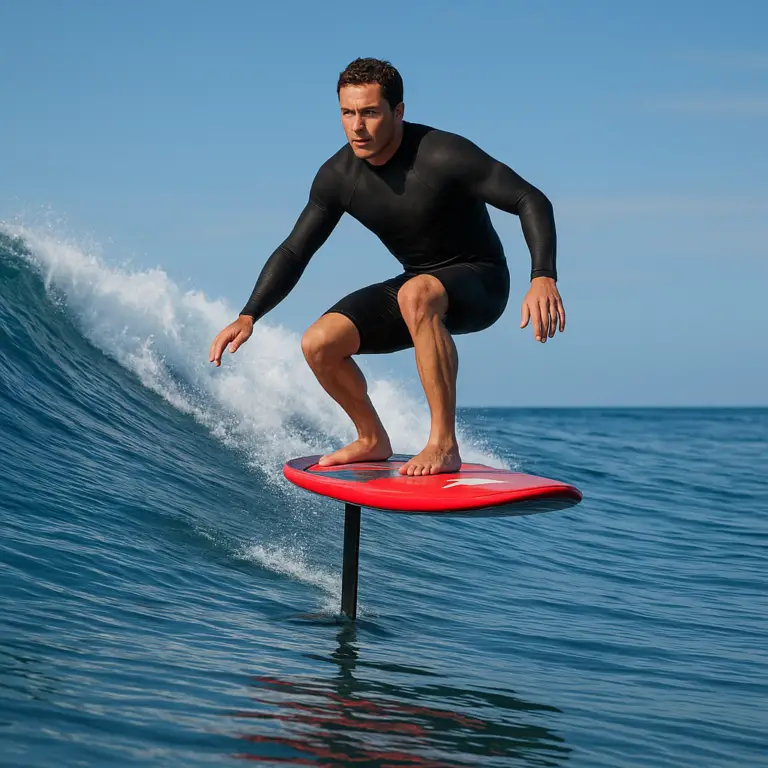
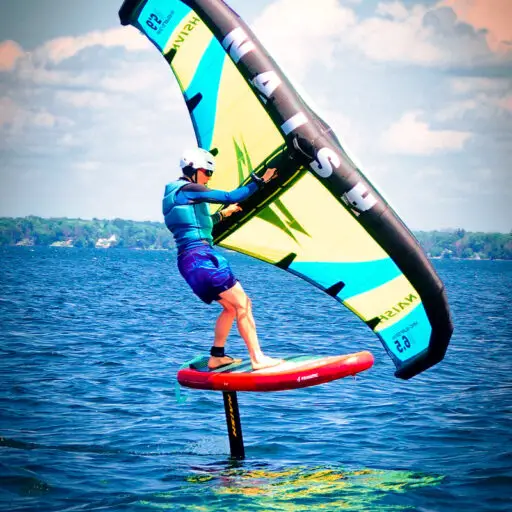
Hydrofoil kitesurfing is kiteboarding’s futuristic cousin — instead of skimming the water, you’re lifted above it by a hydrofoil attached beneath your board. This underwater wing creates lift as you gain speed, reducing drag and allowing you to glide effortlessly.
Why Go Hydrofoil? The Irresistible Allure of Kitefoiling
- Less drag = more speed and efficiency: Glide in winds as low as 8 knots, where traditional boards stall.
- Smooth ride over chop and waves: The foil slices through water, dampening bumps.
- Extended sessions: Light wind foiling means more days on the water.
- New tricks and terrain: Jumping, wave riding, and even racing get a whole new dimension.
But beware — the sensation is addictive, and many of us at Hydrofoiling™ confess: once you foil, you rarely go back!
🛠️ Decoding Your Flying Machine: The Anatomy of a Hydrofoil Kiteboard Setup
To truly appreciate hydrofoil kitesurfing, you need to know your gear inside out. Here’s the breakdown of your flying rig:
1. The Foil Board: Your Platform to the Sky
- Usually longer and narrower than traditional kiteboards, with volume tailored for stability.
- Boards come with different mounting systems: Tuttle box, Rail system, or 90mm plate.
- Dedicated foil boards are preferred, but some surfboards are convertible.
- Brands to check: Axis Race Foilboard, Slingshot Hover Glide, Naish Jet Foil.
2. The Hydrofoil Mast: Connecting You to the Lift
- The vertical strut connecting board to wings.
- Length varies from 60cm (for wave riding) to 90cm+ (for flat water and racing).
- Longer masts offer smoother rides but require more skill.
- Materials: Carbon fiber (light and stiff) or aluminum (durable and affordable).
3. The Foil Wings: Crafting Your Flight Path
Your wings determine lift, speed, and maneuverability.
Front Wing: The Primary Lift Generator
- Larger wings = more lift, easier for beginners.
- Smaller wings = faster, more responsive, preferred by pros.
- Shapes vary: high aspect ratio wings for speed, low aspect for stability.
Rear Wing (Stabilizer): Your Flight’s Rudder
- Controls pitch and stability.
- Usually smaller than front wing but crucial for smooth flight.
4. The Fuselage: The Backbone of Your Foil
- Connects front and rear wings; length affects turning radius and stability.
- Shorter fuselages for quick turns; longer for straight-line stability.
5. Kites for Foiling: Harnessing the Wind for Effortless Gliding
- Light wind kites with good depower and low stall speed are ideal.
- Popular choices: Ozone Reo V3, Cabrinha Switchblade, Duotone Rebel.
- Larger kites (12m+) often preferred for foiling in light winds.
6. Essential Accessories: Safety and Comfort on the Water
- Helmet: Protects from foil strikes and hard falls.
- Impact vest: Adds buoyancy and protection.
- Leash: Optional, but recommended to avoid losing your board.
- Booties: For foot protection on sharp foil edges.
For more on gear, see our Hydrofoil Equipment Reviews.
🎓 Taking Flight: A Step-by-Step Guide to Learning Hydrofoil Kitesurfing
Learning to hydrofoil can feel like taming a mythical beast, but with the right approach, you’ll be flying in no time.
Prerequisites: Are You Ready to Foil?
- Solid kite control skills in various wind conditions.
- Comfort riding twin-tip or directional boards.
- Basic understanding of water safety and self-rescue.
Choosing Your First Foil Setup: Beginner-Friendly Gear Recommendations
| Brand & Model | Design (1-10) | Stability (1-10) | Ease of Use (1-10) | Durability (1-10) | Overall (1-10) |
|---|---|---|---|---|---|
| Moses Silente HP | 8 | 9 | 8 | 8 | 8.5 |
| Slingshot Hover Glide | 7 | 8 | 7 | 9 | 7.8 |
| Liquid Force Foil Fish | 7 | 7 | 8 | 7 | 7.3 |
- Moses Silente HP is a top pick for beginners due to its forgiving lift and smooth handling.
- Slingshot Hover Glide offers a great balance of performance and durability.
- Liquid Force Foil Fish is budget-friendly and user-friendly for newcomers.
Safety First! Essential Tips for a Smooth Learning Curve
- Start in flat water with light winds (8-12 knots).
- Wear a helmet and impact vest — trust us, you’ll thank yourself.
- Practice body dragging and board handling before attempting to foil.
- Have a buddy or instructor watch your first sessions.
- Expect falls — they’re part of the journey!
The Learning Progression: From Dragging to Flying
- Water Start and Board Control: Get comfortable on the foil board without lift.
- Slow Speed Foiling: Gradually increase speed to generate lift.
- Balancing Flight: Find your sweet spot to maintain stable flight above water.
- Turns and Transitions: Practice gentle tacks and gybes while foiling.
- Advanced Maneuvers: Pumping, carving, and jumping once confident.
Common Pitfalls and How to Soar Past Them
- Over-leaning forward or back: Causes loss of lift or nose dives — keep your weight centered.
- Too much speed too soon: Start slow to build control.
- Ignoring wind and water conditions: Choose calm days to reduce surprises.
- Skipping safety gear: Don’t risk it — foils are sharp and unforgiving.
For detailed tutorials, visit our Hydrofoil Basics section.
✨ Mastering the Glide: Advanced Hydrofoil Kitesurfing Techniques and Maneuvers
Once you’ve got the basics dialed, it’s time to push your limits and explore the full potential of hydrofoil kitesurfing.
Carving and Pumping: Unleashing Your Inner Surfer
- Use subtle weight shifts to carve smooth arcs on the foil.
- Pumping the foil (small up/down movements) can generate speed without kite power — a neat trick for light winds or wave riding.
Tacking and Gybing: Smooth Transitions on the Foil
- Timing is everything — initiate kite turn before board turn.
- Keep your weight balanced and eyes on the horizon.
- Practice slow, controlled turns before attempting quick transitions.
Foil Jumping: Defying Gravity with Grace
- Requires speed and precise timing.
- Launch off small waves or chop, using kite lift to get airborne.
- Land softly by absorbing impact with bent knees.
Wave Riding on a Hydrofoil: A New Dimension of Surfing
- Hydrofoil boards allow you to ride waves that are too small or mushy for traditional surfboards.
- The foil lifts you above the wave face, letting you glide smoothly and carve longer lines.
- Brands like Naish and Slingshot offer dedicated wave foil setups.
For pro tips and tutorials, check out our Advanced Hydrofoiling Techniques articles.
🛒 The Ultimate Gear Guide: Selecting Your Perfect Hydrofoil Kitesurfing Setup
Choosing the right gear can feel like navigating a maze — but we’ve broken it down for you.
Foil Boards: Volume, Shape, and Construction
| Feature | Beginner Boards | Intermediate/Pro Boards |
|---|---|---|
| Volume | 120-160L for stability | 80-120L for maneuverability |
| Shape | Wider, more surface area | Narrower, streamlined |
| Construction | EPS foam, fiberglass | Carbon fiber, epoxy resin |
| Mounting System | Tuttle or 90mm plate | Custom or modular systems |
Foil Masts: Length, Material, and Performance
- 60-70cm: Ideal for wave riding and beginners.
- 80-90cm+: Flat water, racing, and advanced riders.
- Carbon fiber masts are lighter but pricier; aluminum offers durability.
Foil Wings: Aspect Ratio, Surface Area, and Riding Style
| Wing Type | Aspect Ratio | Surface Area | Best For |
|---|---|---|---|
| Large Front Wing | Low | 1500+ cm² | Beginners, light wind |
| Medium Wing | Medium | 1000-1500 cm² | All-around use |
| Small Wing | High | <1000 cm² | Speed, racing, advanced |
Kites for Hydrofoiling: Light Wind Dominance and Efficiency
- Larger kites (12m-17m) with excellent depower.
- Brands: Ozone Reo V3, Cabrinha Switchblade, Duotone Rebel.
- Look for kites with stable profiles and smooth power delivery.
Harnesses and Control Bars: Optimized for Foiling
- Waist harnesses preferred for mobility.
- Control bars with adjustable depower and safety systems.
- Brands like Mystic, ION, and Dakine offer foiling-specific options.
🧼 Care and Feeding of Your Flying Machine: Hydrofoil Gear Maintenance Tips
Your hydrofoil rig deserves TLC to keep flying high.
- Rinse with fresh water after every session to remove salt and sand.
- Inspect foil wings and mast for cracks or corrosion regularly.
- Tighten all screws and bolts before each ride; vibration can loosen hardware.
- Store your foil disassembled in padded bags to prevent damage.
- Apply corrosion inhibitors on metal parts if you ride in saltwater frequently.
- Replace worn or damaged parts promptly — safety first!
📍 Top Spots to Hydrofoil Kitesurf: Where to Find Your Perfect Flight Conditions
Looking for the ultimate playground? Here are some of our favorite hydrofoil kitesurfing spots worldwide:
| Location | Wind Conditions | Water Type | Best Season | Notes |
|---|---|---|---|---|
| Cabarete, Dominican Republic | Consistent 15-25 knots | Flat ocean bay | Nov-April | Warm water, vibrant kite community |
| Maui, Hawaii | Steady trade winds | Ocean waves | Apr-Oct | Great for wave foiling |
| Hood River, Oregon | Strong gusty winds | Freshwater river | May-Sept | Challenging but rewarding conditions |
| Tarifa, Spain | Strong Levante wind | Ocean | May-Oct | Popular European kitefoiling hub |
| Cape Town, South Africa | Variable 12-20 knots | Ocean waves | Nov-Mar | World-class wave foiling and racing |
🤝 The Foiling Tribe: Community, Etiquette, and Shared Stoke
Hydrofoil kitesurfing is more than a sport — it’s a tight-knit community.
- Respect local rules and right-of-way on the water.
- Keep a safe distance from swimmers and other riders.
- Share tips and experiences — the foiling tribe loves to help newcomers.
- Join local clubs or online forums like the Hydrofoiling™ community for support and events.
- Attend competitions and demo days to test gear and meet pros.
🔮 The Horizon Ahead: Innovations and the Future of Hydrofoil Kitesurfing
The future looks bright and fast for hydrofoil kitesurfing:
- Smart foils with sensors to optimize lift and stability.
- Modular designs for easy transport and customization.
- Eco-friendly materials reducing environmental impact.
- Integration with electric motors for hybrid foiling experiences.
- Growing race circuits and freestyle competitions pushing the limits.
We’re excited to see how brands like Lift Foils, Slingshot, and Duotone continue to innovate.
🌍 Riding Responsibly: Environmental Considerations for Foiling Enthusiasts
As hydrofoil riders, we have a responsibility to protect our playground:
- Avoid sensitive marine habitats and wildlife areas.
- Use reef-safe sunscreens and eco-friendly gear.
- Respect local regulations and protected zones.
- Participate in beach cleanups and ocean conservation efforts.
- Choose durable gear to reduce waste and frequent replacements.
If you want to see the pure joy and fluidity of hydrofoil kitesurfing in action, check out this fast-paced compilation from Cabarete — it’s 100% GoPro Hero 4 footage showing smooth rides, tight turns, and the colorful kitesurfing community in full flight. The video perfectly captures why so many riders say, “All I want to do is foil now!”
👉 CHECK PRICE on:
- Moses Silente HP Foil: Amazon | Moses Official Website
- Slingshot Hover Glide: Amazon | Slingshot Official Website
- Liquid Force Foil Fish: Amazon | Liquid Force Official Website
For more gear reviews and detailed buying guides, visit our Hydrofoil Equipment Reviews section.
Ready to take the plunge? Keep your questions coming in our FAQ section or dive deeper into gear and techniques with our curated articles. Your hydrofoil adventure awaits! 🏄 ♂️✨
Conclusion: Soaring Beyond the Surface

After our deep dive into hydrofoil kitesurfing, it’s clear why this sport is capturing the hearts of water enthusiasts worldwide. The thrill of flying above the water, the ability to ride in lighter winds, and the smooth, almost magical glide make hydrofoil kitesurfing an unforgettable experience.
From the gear breakdown to learning tips, we’ve seen that while the learning curve is steeper than traditional kiteboarding, the payoff is immense. Beginners should start with forgiving foils like the Moses Silente HP or Slingshot Hover Glide, which offer stability and ease of use, while more advanced riders can explore smaller wings and longer masts for speed and maneuverability.
Positives of recommended beginner foils:
✅ Excellent stability and lift for easy learning
✅ Durable construction with quality materials
✅ Compatible with a variety of boards and kites
✅ Supported by strong brand reputations and communities
Negatives:
❌ Initial investment can be significant
❌ Requires patience and practice to master balance and control
❌ Safety gear is essential due to sharp foil edges and potential wipeouts
Our confident recommendation? If you’re ready to elevate your kiteboarding experience and embrace the future of the sport, investing in a beginner-friendly hydrofoil setup and committing to proper training will reward you with countless hours of exhilarating flight and stoke.
Remember the question we teased earlier: Why go hydrofoil? Now you know — it’s the pure joy of effortless gliding, the ability to ride when others can’t, and the community that shares your passion for pushing boundaries.
Recommended Links
👉 Shop Hydrofoil Kitesurfing Gear:
-
Moses Silente HP Foil:
Amazon | Moses Official Website -
Slingshot Hover Glide:
Amazon | Slingshot Official Website -
Liquid Force Foil Fish:
Amazon | Liquid Force Official Website -
Ozone Reo V3 Kite:
Amazon | Ozone Official Website -
Cabrinha Switchblade Kite:
Amazon | Cabrinha Official Website -
Duotone Rebel Kite:
Amazon | Duotone Official Website
Recommended Books on Hydrofoil Kitesurfing and Kiteboarding:
- Kiteboarding: The Complete Guide by Aaron Hadlow — Amazon
- Hydrofoil Surfing: The Art of Foiling by Alex Aguera — Amazon
- Kitesurfing Manual: The Essential Guide by Andy Yates — Amazon
FAQ: Your Burning Hydrofoil Kitesurfing Questions Answered

How does a kite foil work?
A kite foil consists of an underwater wing (the foil) attached beneath your kiteboard via a mast. As you gain speed, water flows over the foil’s wings, generating lift — much like an airplane wing in air. This lift raises the board and rider above the water surface, reducing drag and allowing for smoother, faster rides. The front wing provides the primary lift, while the rear stabilizer wing controls pitch and stability. The mast length and wing size influence how high and stable you fly.
What is hydrofoil kitesurfing?
Hydrofoil kitesurfing is a form of kiteboarding where the rider uses a board equipped with a hydrofoil to lift above the water. This technique reduces water resistance, enabling riders to glide smoothly at lower wind speeds and over choppy water. It combines the thrill of kiteboarding with the sensation of flying, offering new possibilities for speed, tricks, and wave riding.
What are the benefits of hydrofoil kitesurfing compared to traditional kitesurfing?
- Rides in lighter winds: Hydrofoils require less wind to generate lift, extending your kiteboarding season.
- Smoother ride: The foil cuts through chop and small waves, reducing bumps and fatigue.
- Higher speeds: Less drag means you can reach faster speeds with less effort.
- New maneuvers: Foil jumping, wave foiling, and pumping open new creative avenues.
- Access to new spots: Ride in shallow or protected areas where traditional boards struggle.
How do you get started with hydrofoil kitesurfing as a beginner?
Start by mastering your kite control and riding twin-tip or directional boards confidently. Choose a beginner-friendly foil setup with a larger front wing and shorter mast for stability. Practice in flat water with light winds, wear safety gear, and consider lessons or coaching. Progress slowly, focusing on balance and smooth transitions. Expect to spend several sessions getting comfortable before flying confidently.
What equipment is essential for hydrofoil kitesurfing?
- Hydrofoil board compatible with your foil system.
- Hydrofoil (mast, fuselage, front and rear wings).
- Kite suitable for light wind and foiling (e.g., Ozone Reo, Cabrinha Switchblade).
- Harness and control bar optimized for foiling.
- Safety gear: Helmet, impact vest, and optionally a leash and booties.
What safety tips should you follow when hydrofoil kitesurfing?
- Always wear a helmet and impact vest to protect against foil strikes and falls.
- Start in safe, uncrowded areas with flat water and light winds.
- Check your gear thoroughly before each session for loose screws or damage.
- Learn self-rescue techniques and kite control to handle emergencies.
- Respect local water rules and keep a safe distance from swimmers and other riders.
- Consider taking lessons from certified instructors to build skills safely.
Reference Links
- Moses Hydrofoil Official Site
- Slingshot Sports Official Site
- Liquid Force Kites Official Site
- Ozone Kites Official Site
- Cabrinha Kites Official Site
- Duotone Sports Official Site
- When It’s Windy — What is Kitefoil or Foilboarding?
- International Kiteboarding Association
- Hydrofoiling.org — Hydrofoil Basics
- Hydrofoiling.org — Equipment Reviews
- Hydrofoiling.org — Advanced Techniques
Ready to take flight? Your hydrofoil adventure awaits — fly safe, fly smart, and most importantly, enjoy every second of that magical glide above the water! 🌊🪁🚀