Support our hydrofoil educational content for free when you purchase through links on our site. Learn more
Hydrofoil Foiling in Waves vs Flat Water: Which One Flies Higher? 🌊🚤 (2026)

Imagine gliding silently above the water, feeling the rush of speed as your board lifts effortlessly on a hydrofoil. But wait—should you chase the wild, unpredictable ocean waves or embrace the smooth, glassy calm of flat water? At Hydrofoiling™, we’ve ridden both worlds extensively, and the answer might surprise you. Whether you’re a thrill-seeker craving the dynamic dance of wave foiling or a serenity lover drawn to the steady glide of flat water, this guide breaks down everything you need to know—from gear choices and techniques to safety tips and performance comparisons.
Did you know that eFoils can reach speeds over 30 mph on flat water, while wave foiling offers bursts of adrenaline that traditional surfing can’t match? But which style fits your skill level, lifestyle, and local conditions best? Stick around as we unpack the science, share insider tips, and reveal the top gear that will get you flying like a pro—no matter your water playground.
Key Takeaways
- Wave foiling delivers unmatched excitement by harnessing natural ocean energy, demanding advanced skills and specialized gear for carving and pumping across waves.
- Flat water foiling offers a more accessible entry point with consistent propulsion (electric motors, boats, or wind), making it ideal for beginners and long, smooth rides.
- Gear selection matters: High aspect ratio foils and shorter boards excel in waves, while larger foils and stable boards suit flat water disciplines like eFoiling and wing foiling.
- Safety is paramount—helmets, impact vests, and leashes are essential in all conditions, with extra caution needed in crowded lineups and shallow waters.
- Learning curve varies: Flat water foiling generally offers a gentler progression, while wave foiling rewards patience with exhilarating flow and connection to the ocean.
Ready to pick your perfect foil adventure? Dive into our detailed breakdown and find out which hydrofoil foiling style will have you soaring in 2026 and beyond!
Table of Contents
- ⚡️ Quick Tips and Facts About Hydrofoil Foiling in Waves vs Flat Water
- 🌊 The Evolution and Science Behind Hydrofoil Foiling: Waves vs Flat Water
- 🏄 ♂️ 1. Mastering Hydrofoil Foiling in Waves: Techniques and Challenges
- 🚤 2. Hydrofoil Foiling on Flat Water: Speed, Stability, and Style
- 🛠️ 3. Choosing the Right Hydrofoil Setup for Waves vs Flat Water
- 🌬️ 4. How Wind and Weather Conditions Affect Hydrofoil Foiling in Different Waters
- 📈 5. Comparing Performance Metrics: Wave Riding vs Flat Water Foiling
- 💡 6. Safety Tips and Common Mistakes to Avoid When Foiling in Waves and Flat Water
- 🎥 7. Best Video Tutorials and Pro Tips for Hydrofoil Foiling in Waves and Flat Water
- 🛍️ 8. Top Hydrofoil Brands and Gear Recommended for Waves and Flat Water
- 🤔 9. Frequently Asked Questions About Hydrofoil Foiling in Waves vs Flat Water
- 🔚 Conclusion: Which Hydrofoil Foiling Style Is Right for You?
- 🔗 Recommended Links for Hydrofoil Enthusiasts
- 📚 Reference Links and Further Reading
⚡️ Quick Tips and Facts About Hydrofoil Foiling in Waves vs Flat Water
Alright, fellow water warriors! You’ve landed on the ultimate guide to hydrofoil foiling, whether you’re chasing the thrill of a breaking wave or carving glass on a serene lake. Here at Hydrofoiling™, we’ve spent countless hours (and endured a few spectacular wipeouts!) mastering the art of flying above the water. So, let’s dive straight into some quick, hard-hitting facts and tips to get your brain buzzing about the incredible world of hydrofoiling. If you’re just starting your journey, or looking to refine your skills, check out our comprehensive guide to hydrofoiling.
- Wave Foiling (Prone/Surf Foiling): 🌊
- Goal: Ride the energy of ocean swells, linking bumps, and carving faces.
- Gear: Shorter, higher volume boards; smaller, higher aspect ratio (AR) foils for speed and pumpability.
- Skill: Requires excellent balance, wave reading, and pumping technique.
- Vibe: Pure stoke, connecting with nature’s power, often described as “prone on steroids” by some enthusiasts on Progression Project forums.
- Flat Water Foiling (eFoiling, Wake Foiling, Wing Foiling, SUP Foiling): 🚤
- Goal: Glide effortlessly, achieve high speeds, or perform freestyle tricks on calm surfaces.
- Gear: Longer, more stable boards (for beginners); larger, lower AR foils for stability and early lift. eFoils come with integrated electric motors.
- Skill: Focuses on board control, consistent power delivery, and smooth transitions.
- Vibe: Serene, meditative, accessible, and incredibly versatile. As Barts.com notes, “eFoils offer a unique blend of performance, technology, and fun, perfect for calm lakes and shoreline exploration.”
- Key Difference: Energy Source! Waves provide the natural push for surf foiling, while flat water foiling relies on external propulsion (kite, wing, boat, electric motor) or human power (pumping).
- Learning Curve: Flat water foiling (especially with eFoils or wake foiling) can be more forgiving for beginners due to controlled conditions. Wave foiling introduces the added complexity of dynamic ocean environments.
- Gear Versatility: Some foils are designed to be versatile, but generally, a specialized setup will optimize your experience for either waves or flat water.
- Safety First: Always wear a helmet and impact vest, regardless of the water conditions!
Ready to uncover the secrets of flying on water? Let’s peel back the layers and see what makes each discipline uniquely exhilarating!
🌊 The Evolution and Science Behind Hydrofoil Foiling: Waves vs Flat Water
Ever wondered how we got from classic surfboards to literally flying above the water? The journey of hydrofoil foiling is a fascinating blend of engineering, physics, and pure human ingenuity. It’s not just a fad; it’s a revolution in watersports, fundamentally changing how we interact with the ocean and flat water alike.
From Ancient Concepts to Modern Marvels: A Brief History of Hydrofoils
The concept of hydrofoils isn’t new. Early designs date back to the late 19th and early 20th centuries, with pioneers like Enrico Forlanini and Alexander Graham Bell experimenting with hydrofoil-equipped boats to achieve higher speeds by reducing drag. Fast forward to the late 20th century, and the idea started trickling into watersports. Windsurfing and kiteboarding were among the first to adopt foils, transforming how riders could harness wind energy.
But it was the early 2010s that truly saw the explosion of hydrofoil surfing. Suddenly, surfers could ride tiny bumps, link sections of waves previously unrideable, and even pump across flat sections to generate their own speed. This wasn’t just surfing; it was a whole new dimension of glide.
The Magic of Lift: How Hydrofoils Defy Gravity
At its core, a hydrofoil works on the same principle as an airplane wing, but in water, which is about 800 times denser than air. When water flows over the curved surface of the foil (the “wing”), it travels faster over the top (the cambered side) than the bottom. This difference in speed creates a pressure differential: lower pressure above the foil and higher pressure below it. This pressure difference generates lift, pushing the foil, and thus your board, out of the water.
- Key Factors for Lift:
- Speed: The faster you go, the more lift is generated.
- Angle of Attack: The angle at which the foil meets the water. A slight positive angle creates lift; too much, and you’ll stall or breach.
- Foil Shape (Aspect Ratio & Camber): Different shapes are optimized for different conditions and desired performance.
The Hydrodynamic Dance: Waves vs. Flat Water Physics
The beauty of hydrofoiling is how it adapts to different environments.
In the Waves: Harnessing Dynamic Energy 🌊
When you’re wave foiling, you’re not just riding the wave; you’re dancing with its energy. The initial push from the wave gets you up to speed, generating lift. Once you’re flying, the reduced drag allows you to maintain speed with minimal effort. This is where the magic of pumping comes in. By rhythmically shifting your weight, you can create small changes in the foil’s angle of attack, generating additional lift and propulsion, allowing you to “pump” across flat sections or connect multiple waves. It’s an incredible feeling of efficiency and flow.
On Flat Water: Controlled Power and Glide 🚤
Flat water foiling, whether it’s behind a boat, with a wing, or on an eFoil, is about generating consistent speed to achieve and maintain lift.
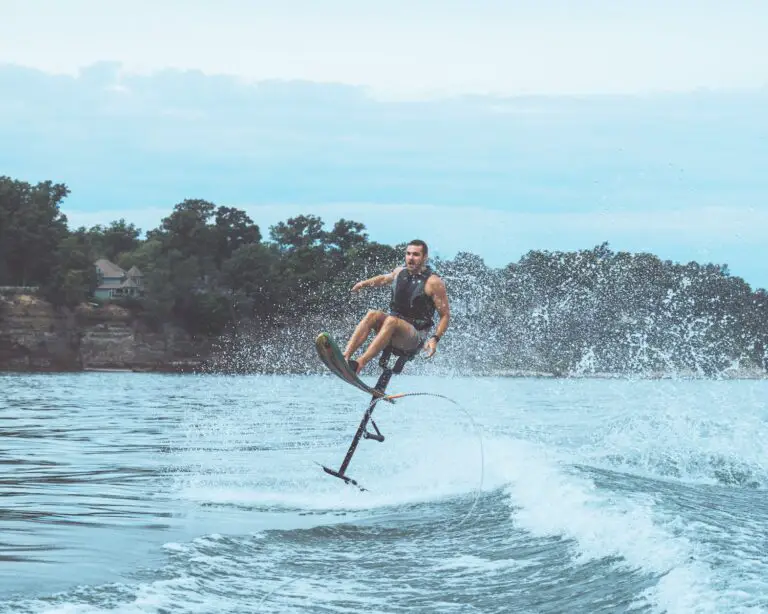
- Wake Foiling: The boat provides the constant pull, making it an excellent entry point for beginners to learn board control and foil dynamics.
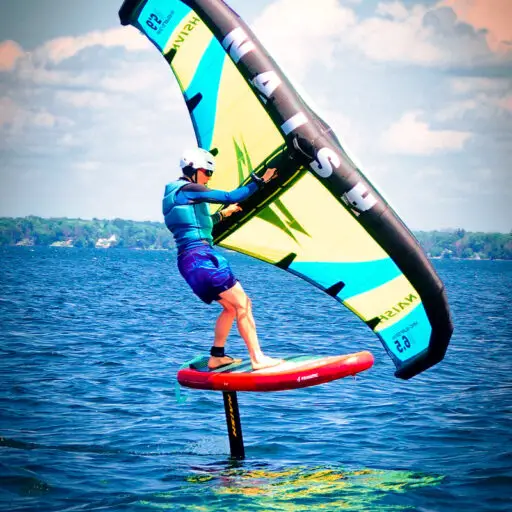
- Wing Foiling: The wing acts as your sail, harnessing wind power to propel you. The foil then translates that forward motion into lift. It’s a delicate balance of wing control and board balance.
- eFoiling: This is where technology truly shines. An electric motor provides instant, consistent thrust, allowing you to glide effortlessly without external forces. It’s the ultimate “set it and forget it” foiling experience, perfect for exploring tranquil waters.
The science behind hydrofoiling is all about minimizing drag and maximizing efficiency. By lifting the board out of the water, you eliminate surface friction, allowing for incredible speeds and a sensation of frictionless flight. It’s a testament to how understanding fluid dynamics can unlock entirely new ways to play on the water!
🏄 ♂️ 1. Mastering Hydrofoil Foiling in Waves: Techniques and Challenges
Ah, wave foiling! There’s nothing quite like the feeling of catching an unbroken swell, feeling the lift, and then carving across the face, connecting bump after bump. It’s a truly addictive experience, but it’s also one that demands respect, skill, and a fair bit of grit. Our team rider, Rad_Duke, once described it as “like prone on steroids,” and honestly, he’s not wrong!
The Art of the Takeoff: Catching the Wave 🚀
Unlike traditional surfing, where you paddle furiously to match the wave’s speed, wave foiling requires a different approach. You need to get enough initial speed for the foil to generate lift.
- Positioning is Key: Paddle into the wave early, aiming for the peak or just before it breaks. You’re looking for that initial push.
- The Pop-Up: As the wave starts to lift you, quickly pop up to your feet. This needs to be smooth and decisive.
- Weight Distribution: This is critical! Lean slightly forward to keep the nose down initially, then shift your weight back slightly as the foil starts to lift. Too far back, and you’ll breach; too far forward, and you’ll pearl. It’s a delicate dance!
- Initial Glide: Once you’re up, focus on maintaining a stable, level flight. Your eyes should be looking ahead, not down at your feet.
Carving and Pumping: The Heart of Wave Foiling ❤️
This is where wave foiling truly shines. Once you’re up and riding, the wave becomes your playground.
- Carving the Face: Use subtle shifts in weight and ankle pressure to carve up and down the wave face. The goal is to stay in the power zone, where the wave’s energy is strongest. Our team’s Eriefoiler loves to say, “It’s all in the ankles, mate!” The featured video above perfectly illustrates this, showing a hydrofoil surfer expertly carving wave faces to maintain a high position and launch into the air. Notice how he uses the wave’s energy to propel himself.
- Linking Bumps (Pumping): This is the holy grail of wave foiling. When the wave starts to fade or you hit a flat section, you can use a rhythmic up-and-down motion with your body to “pump” the foil, generating your own propulsion. It’s like riding an invisible skateboard across the water. This technique allows you to connect multiple waves or ride for incredible distances. It’s energy-intensive but incredibly rewarding. As Appletree Surfboards points out, you “can pump to maintain speed without waves, but energy-intensive.”
Navigating the Challenges: What to Expect 😬
Wave foiling isn’t without its hurdles.
- The Wipeout: Oh, they happen! And they can be spectacular. When you fall, try to fall away from your board and foil. The foil’s sharp edges can be dangerous. Always wear an impact vest and helmet.
- Timing and Conditions: Wave foiling is highly sensitive to conditions. You need the right size and type of swell. Too big, and it can be overwhelming; too small, and it’s hard to get going. Light wind is often preferred for prone foiling, as strong winds can create chop that makes it difficult.
- Crowded Lineups: This is a big one. Foils take up more space and can be perceived as dangerous by traditional surfers. We at Hydrofoiling™ strongly advocate for respectful foiling. Choose less crowded spots, communicate with others, and always prioritize safety. As one forum user on Progression Project noted, “Foiling can create lineup crowd issues; best when solo or with small groups.” They also mentioned preferring to avoid “shaming” surfers and advocating for respectful foiling.
- Gear Sensitivity: Prone foiling can be “finicky” and “more sensitive to conditions” compared to longboarding, as highlighted in the Progression Project forum. Finding the right foil and board combination for specific wave types takes time and experimentation. You can find more insights on this in our Hydrofoil Board Selection guide.
Despite the challenges, the reward is immense. The feeling of effortless glide, the ability to ride waves that would be unrideable on a traditional surfboard, and the sheer joy of flying make wave foiling an unparalleled experience. As Rad_Duke often says, “One good prone wave is worth 10-20 winging waves” – emphasizing the quality and pure stoke of a perfect prone foil ride.
🚤 2. Hydrofoil Foiling on Flat Water: Speed, Stability, and Style
While wave foiling offers the thrill of dynamic ocean energy, flat water foiling opens up a whole different realm of possibilities: consistent speed, incredible stability, and the freedom to explore tranquil waters with effortless grace. This is where many beginners find their footing, and where experienced riders push the boundaries of speed and freestyle.
The Serene Glide: What Makes Flat Water Foiling Unique? ✨
Imagine gliding silently across a glassy lake, the only sound being the gentle hum of your eFoil or the whisper of the wind in your wing. Flat water foiling is often described as meditative, offering a unique blend of performance and tranquility.
- Consistent Power: Unlike waves, which are fleeting and unpredictable, flat water foiling often relies on a continuous power source. This consistency makes it easier to learn and perfect your technique.
- Predictable Conditions: No rogue waves, no shifting sandbars (usually!). Flat water provides a controlled environment, ideal for honing your balance, carves, and transitions.
- Versatility: From electric-powered eFoils to wind-driven wing foils and boat-towed wake foils, there’s a flat water discipline for every preference and condition.
Disciplines of Flat Water Foiling: Pick Your Poison! 🧪
2.1. eFoiling: The Electric Dream 🔋
eFoils are the rockstars of flat water foiling. With an integrated electric motor and propeller, they offer an unparalleled “magic carpet ride” experience.
- Ease of Use: A handheld remote controls your speed, making takeoffs smooth and consistent. This is arguably the easiest entry point into foiling.
- Silent Operation: Glide silently, disturbing neither wildlife nor fellow water users.
- Anywhere, Anytime: As long as you have enough water depth, you can eFoil. Lakes, rivers, calm bays – the world is your oyster.
- Brands to Watch: Lift Foils and Fliteboard are pioneers in this space, offering premium eFoils with incredible performance and build quality.
- Lift Foils eFoil: Known for its robust construction and intuitive controls.
- Fliteboard eFoil: Praised for its sleek design and advanced features.
| Feature | Lift Foils eFoil | Fliteboard eFoil |
|---|---|---|
| Design | 9/10 | 10/10 |
| Functionality | 9/10 | 9/10 |
| Stability | 8/10 | 8/10 |
| Speed | 9/10 | 9/10 |
| Battery Life | 8/10 | 9/10 |
| Maneuverability | 8/10 | 9/10 |
👉 CHECK PRICE on:
- Lift Foils eFoil: Amazon | Lift Foils Official Website
- Fliteboard eFoil: Amazon | Fliteboard Official Website
2.2. Wing Foiling: The Wind Whisperer 🌬️
Wing foiling has exploded in popularity, offering a fantastic blend of wind sports and foiling. You hold an inflatable wing, which propels you across the water, while the foil does its magic underneath.
- Versatility: Winging excels in both flat water and waves, making it a truly versatile discipline. As Progression Project forum users noted, “Winging excels in windy conditions, swell, or waves.”
- Freedom: No lines to tangle like kiteboarding, no mast to manage like windsurfing. Just you, the wing, and the foil.
- Workout: It’s a fantastic full-body workout, engaging your core, arms, and legs.
- Brands to Watch: F-One, Duotone, and Fanatic are leading the charge with innovative wing and board designs.
- F-One Strike Wing: Renowned for its power and stability.
- Duotone Slick Wing: Praised for its compact design and ease of handling.
2.3. Wake Foiling: The Boat’s Best Friend 🚤
Wake foiling is an excellent way to get into foiling, especially if you have access to a boat. You’re towed behind a boat, much like wakeboarding, but the foil lifts you out of the water, allowing you to ride the boat’s wake with incredible efficiency.
- Controlled Learning: The boat provides a consistent pull, making it easier to get up and stay up.
- Progressive Skill Development: Once you master riding the rope, you can learn to “pump” the wake and eventually ride endlessly without the rope.
- Social Fun: It’s a great activity to share with friends and family.
- Brands to Watch: Hyperlite, Liquid Force, and Ronix offer excellent wake foil setups.
- Hyperlite Shuttle w/ Falcon 1500 Foil Package: A popular choice for beginners and intermediates.
- Liquid Force Nebula Foilboard w/ Horizon Surf 120 Foil: Known for its smooth ride and durability.
👉 CHECK PRICE on:
- Hyperlite Shuttle w/ Falcon 1500 Foil Package: Amazon | Walmart | Hyperlite Official Website
- Liquid Force Nebula Foilboard w/ Horizon Surf 120 Foil: Amazon | Walmart | Liquid Force Official Website
As Barts.com eloquently puts it, “eFoils offer a unique blend of performance, technology, and fun, perfect for calm lakes and shoreline exploration.” And for those windless days, our team rider Hdip swears by his Foil Drive, noting that “Foil Drive (FD) is good for downwinders and flat water, especially when wind is absent.” Flat water foiling truly offers something for everyone, from the tech-savvy eFoiler to the wind-chasing winger.
🛠️ 3. Choosing the Right Hydrofoil Setup for Waves vs Flat Water
Alright, let’s talk gear! This is where the rubber meets the road, or rather, where the foil meets the water. Selecting the right hydrofoil setup is paramount to your success and enjoyment, and it largely depends on whether you’re chasing waves or cruising on flat water. It’s not a one-size-fits-all world, and our team at Hydrofoiling™ has spent years dialing in the perfect combinations. For a deeper dive into gear, check out our Hydrofoil Equipment Reviews.
The Foil: Your Wings Beneath the Water 🦅
The foil itself – comprising the mast, fuselage, and front/rear wings – is the heart of your setup. Its design dictates how it performs.
3.1. Front Wing: Aspect Ratio (AR) and Size
The front wing is the primary lift generator, and its aspect ratio (AR) is a critical differentiator. AR is the ratio of the wing’s span (width) to its chord (depth).
-
High Aspect Ratio (HAR) Foils (e.g., Armstrong HS, GoFoil GL):
- Characteristics: Long, slender wings.
- Best for: Wave foiling, downwinding, pumping.
- Benefits:
- Efficiency: Excellent glide and pumpability, allowing you to connect waves and cover long distances with minimal effort.
- Speed: Generally faster once up to speed due to less drag.
- Maneuverability: Can feel more nimble for carving on waves.
- Drawbacks:
- Lower Lift at Low Speeds: Requires more speed to get up on foil.
- Less Stable: Can be twitchier, especially for beginners.
- Our Take: “For wave riding, you want something that pumps like a dream and lets you link sections,” says Tanner.0. “HAR foils are the ticket once you’ve got your balance.”
- Progression Project Insight: “Smaller, lower AR foils are effective for winging; larger or higher AR for prone.” This highlights the nuance – while HAR is great for prone pumping, lower AR can be better for initial wave catching or more aggressive turns.
-
Low Aspect Ratio (LAR) Foils (e.g., Lift Surf, Fanatic Flow):
- Characteristics: Shorter, wider wings.
- Best for: Flat water (wake, eFoil, beginner wing), learning to foil, tight turns.
- Benefits:
- Early Lift: Gets you up on foil at lower speeds, making it easier for beginners.
- Stability: More stable and forgiving, especially for learning basic maneuvers.
- Tight Turns: Great for carving tight arcs.
- Drawbacks:
- Less Efficient: More drag, so less glide and pumpability.
- Slower Top Speed: Not designed for outright speed.
- Our Take: “If you’re just starting out on the lake, a big, stable LAR foil is your best friend,” advises 321-foiler. “It’s like training wheels for foiling.”
3.2. Mast Length: The Stance on Stability
The mast connects the board to the foil. Its length significantly impacts your ride.
- Shorter Masts (e.g., 60-75cm):
- Best for: Beginners, shallow water, wake foiling, learning basic control.
- Benefits: More forgiving, less leverage for crashes, easier to recover from breaches.
- Drawbacks: Limits carving angles, easier to “touch down” in chop.
- Longer Masts (e.g., 85-100cm+):
- Best for: Experienced riders, open ocean wave foiling, downwinding, wing foiling in chop.
- Benefits: Allows for deeper carves, better clearance over chop, more room for error before breaching.
- Drawbacks: Less stable, harder to learn on, more leverage in crashes.
The Board: Your Platform for Flight 🛹
The board is your connection to the foil and the water. Its size, volume, and construction are crucial. Appletree Surfboards wisely states that “boards are typically flat, short, and fat for stability and early wave entry.”
3.3. Wave Foiling Boards (Prone/Surf Foil Boards):
- Characteristics: Generally shorter (3’5″ to 5’0″), wider, and thicker than traditional surfboards, with ample volume for their length. Often have a flat bottom.
- Volume: Enough volume to paddle into waves easily, but not so much that it feels cumbersome once flying.
- Construction: Stiff and durable, often carbon fiber or EPS core with strong laminates, to handle the forces of foiling and pumping. Appletree Surfboards highlights their “PET honeycomb core fused with carbon fiber” for durability.
- Our Take: “You want a board that’s stiff as a plank for direct feel and pumping,” says Rad_Duke. “No flex, no wasted energy.”
3.4. Flat Water Foiling Boards (eFoil, Wake, Wing, SUP Foil Boards):
- eFoil Boards: Designed to house the battery and motor, often with specific shapes for stability and efficient water release.
- Wake Foil Boards: Shorter, often thinner, designed for easy starts behind a boat. Brands like Hyperlite and Liquid Force offer great options.
- Wing Foil Boards: Vary widely. Beginners often use higher volume boards (volume in liters roughly equal to rider’s weight in kg, as Appletree Surfboards suggests) for stability and easy water starts. Experienced riders opt for shorter, lower volume boards for maneuverability.
- SUP Foil Boards: Larger, higher volume for paddling into small bumps or for flat water cruising.
- Our Take: “For flat water, especially learning winging, volume is your friend,” advises beepityboppityboop. “It makes water starts so much less frustrating.”
Comparison Table: Wave vs. Flat Water Foil Setup
| Feature | Wave Foiling (Prone/Surf) | Flat Water Foiling (eFoil/Wake/Wing) |
|---|---|---|
| Front Wing AR | Higher Aspect Ratio (HAR) for glide & pumpability | Lower to Mid Aspect Ratio (LAR/MAR) for early lift & stability |
| Front Wing Size | Smaller to Medium (e.g., 1000-1500 sq cm) | Larger (e.g., 1500-2500+ sq cm) for beginners, smaller for speed |
| Mast Length | Medium to Long (80-100cm) for carving & chop clearance | Short to Medium (60-85cm) for stability & learning |
| Board Length | Shorter (3’5″ – 5’0″) for maneuverability & pumping | Varies: Short for wake, longer/voluminous for wing/SUP beginners |
| Board Volume | Moderate (25-50L) for paddle-ability & stiffness | High for beginners (rider weight in kg = L), lower for advanced |
| Board Construction | Stiff, durable (carbon fiber) for direct feel & pumping | Durable, often with inserts for straps, eFoil housing |
Remember, this is a general guide. Your weight, skill level, and local conditions will always influence the ideal setup. Don’t be afraid to experiment, but always start with gear that prioritizes stability and ease of learning. You can always size down your foil or board as your skills progress!
🌬️ 4. How Wind and Weather Conditions Affect Hydrofoil Foiling in Different Waters
The weather isn’t just a backdrop for our foiling adventures; it’s an active participant, shaping every session. Understanding how wind, swell, and even the humble ripple affect your hydrofoil experience in waves versus flat water is crucial for both safety and enjoyment. Our team, with countless hours logged in everything from glassy lakes to stormy seas, has learned this the hard way (and sometimes, the fun way!).
Wind: Friend or Foe? 💨
Wind is arguably the most influential weather factor for foiling, but its role changes dramatically depending on your discipline.
Wind in Wave Foiling (Prone/Surf Foiling):
- Light/Offshore Wind (✅): This is the holy grail for prone foiling. Light offshore winds groom the wave faces, making them smooth and clean, perfect for carving and pumping. It creates those dreamy conditions where the wave’s energy is pure and uninterrupted.
- Onshore Wind (❌): A prone foiler’s nemesis. Onshore winds create chop and texture on the wave face, making it difficult to maintain a smooth ride. The foil can get caught in the chop, leading to breaches and frustrating wipeouts.
- Strong Wind (❌): Even if it’s offshore, strong winds can make paddling into waves challenging and create significant wind chop on the open ocean, which can be a nightmare for maintaining control.
Wind in Flat Water Foiling:
- Wing Foiling (✅): Wind is your engine! Wing foiling requires wind to propel you.
- Optimal Wind: Generally 10-25 knots is ideal, depending on your wing size and rider weight. Too little wind, and you won’t get up; too much, and it can be overpowering.
- Wind Chop: While strong wind creates chop, the longer mast used in wing foiling helps clear it, allowing for a surprisingly smooth ride even in bumpy conditions. However, as Progression Project points out, “Most winging waves are wind chop, not real waves,” which means the ride can feel different from true ocean swell.
- eFoiling (✅): Wind is largely irrelevant for propulsion, but it can create chop.
- Light Wind: Perfect for glassy conditions and effortless cruising.
- Strong Wind: Can create significant chop, making the ride bumpier and requiring more skill to maintain stability.
- Wake Foiling (✅): Similar to eFoiling, wind doesn’t power you, but it can affect water surface conditions. Calm days are always preferred for the smoothest wake.
Swell vs. Wind Chop: Understanding the Water’s Surface 🌊
This is a critical distinction, especially when you’re trying to decide where and how to foil.
- Swell (✅ for Wave Foiling): These are organized, long-period waves generated by distant storms. They travel across the ocean and break cleanly on shorelines. Prone foilers live for these, as they offer consistent, powerful energy to ride and pump. As Appletree Surfboards notes, “Foiling is a great option in areas with scarce swell” because it allows you to ride even the smallest, weakest swells.
- Wind Chop (❌ for Prone Foiling, ✅ for Wing Foiling): These are short, disorganized waves generated by local wind. They make the water surface bumpy and chaotic. While challenging for prone foiling, wing foilers often embrace wind chop as it provides small bumps to play on and can even be “surfed” with the wing. However, as one Progression Project user lamented, “Most winging waves are wind chop, not real waves,” highlighting the difference in quality compared to true ocean swell.
Tides and Currents: The Hidden Forces ⚓
Don’t underestimate the power of moving water!
- Tides: In coastal areas, tides can dramatically change water depth, especially in estuaries or shallow bays. Always check tide charts to avoid grounding your foil. Shallow water can be particularly damaging to your gear, as Progression Project warns, “Shallow water can damage soft top fins” (or any foil, for that matter!).
- Currents: Strong currents can make paddling out or returning to shore incredibly difficult, especially for prone foiling. In flat water, currents in rivers or tidal channels can provide an extra challenge or even a fun downwind-like experience if you know how to use them.
Our Anecdote: The Day the Wind Shifted 🌬️
“I remember one epic prone foil session,” recounts Zarb from our team. “The forecast was light offshore, perfect. I was linking waves for miles, feeling like a god. Then, halfway through my session, the wind swung onshore and picked up to 20 knots in about 15 minutes. Suddenly, those beautiful wave faces turned into a washing machine. I went from flying to fighting for survival, breaching constantly. It was a humbling reminder that conditions can change in an instant, and you always need a backup plan!”
Understanding these nuances of wind and water is what separates a good foiler from a great one. Always check the forecast, observe the conditions, and if in doubt, err on the side of caution. The water will always be there for another session!
📈 5. Comparing Performance Metrics: Wave Riding vs Flat Water Foiling
So, you’re wondering which discipline truly pushes the limits? Or perhaps which one offers the most accessible fun? When we talk about hydrofoil foiling in waves versus flat water, we’re not just discussing different locations; we’re comparing fundamentally different experiences with distinct performance metrics. Our team at Hydrofoiling™ has logged countless hours in both realms, and we’ve got some insights to share.
Speed: The Need for (Different Kinds of) Velocity 💨
- Wave Foiling (Prone/Surf):
- Top Speed: While you can get some serious bursts of speed on a steep wave face, the focus isn’t on sustained top speed. It’s more about bursts of acceleration and maintaining momentum.
- Average Speed: Highly variable, depending on wave size, shape, and your pumping efficiency. You’re constantly accelerating and decelerating.
- The Thrill: The feeling of accelerating down a wave face, then pumping across a flat section to catch the next bump, is an exhilarating, dynamic speed.
- Flat Water Foiling (eFoil, Wing, Wake):
- Top Speed: This is where flat water often shines. eFoils can reach impressive speeds (some models exceeding 30 mph / 50 km/h), and kite foiling (a flat water discipline) can be even faster. Wing foiling can also achieve good speeds, especially in strong winds.
- Average Speed: Much more consistent and sustained. You can hold a steady speed for long periods.
- The Thrill: The sensation of effortless, sustained glide, covering vast distances with minimal resistance.
Maneuverability: Carving vs. Cruising 🔄
- Wave Foiling (Prone/Surf):
- Agility: Extremely high. You’re constantly turning, carving, and adjusting to the wave’s contours. The ability to make tight, responsive turns is paramount.
- Turning Radius: Very tight, allowing for aggressive cutbacks and redirects on the wave face.
- The Art: It’s a fluid, dynamic dance with the wave, requiring quick reflexes and precise weight shifts.
- Flat Water Foiling (eFoil, Wing, Wake):
- Agility: Good, but often less aggressive than wave foiling. Focus is on smooth, flowing carves and transitions.
- Turning Radius: Can vary. eFoils and wake foils allow for smooth, wide turns. Wing foiling, especially on smaller boards, can be quite nimble for freestyle tricks.
- The Art: It’s about graceful, controlled movements, whether you’re carving a perfect S-turn or executing a clean jibe.
Endurance: The Long Haul vs. Intense Bursts 🥵
- Wave Foiling (Prone/Surf):
- Physical Demand: High intensity, short bursts. Paddling out, popping up, and especially pumping, are incredibly demanding on your legs, core, and cardiovascular system.
- Session Length: Can be shorter due to the high energy output, but a good session can feel like an epic workout.
- The Burn: You’ll feel it in your quads and lungs after a solid pumping session!
- Flat Water Foiling (eFoil, Wing, Wake):
- Physical Demand: Varies. eFoiling is relatively low impact, focusing on balance. Wake foiling is also less strenuous once up. Wing foiling, however, can be a serious workout, especially in gusty conditions or when learning water starts.
- Session Length: Can be much longer. eFoils are limited by battery life (often 1-2 hours), while wing foiling can go for hours if the wind holds.
- The Burn: Wing foiling will hit your arms, shoulders, and core. eFoiling is more about mental focus and balance.
Learning Curve: Patience is a Virtue (or a Battery) 🎓
- Wave Foiling (Prone/Surf):
- Initial Difficulty: High. Requires good surfing fundamentals, excellent balance, and precise timing. Wipeouts are frequent and can be intense.
- Progression: Steep. Once you get the hang of it, progress can be rapid, but getting over that initial hump is tough.
- Our Take: “Prone foiling is definitely more finicky and sensitive to conditions,” notes Tanner.0, echoing sentiments from Progression Project. “It takes dedication, but man, the reward!”
- Flat Water Foiling (eFoil, Wing, Wake):
- Initial Difficulty: Generally lower, especially with eFoils or wake foiling. The consistent power source removes many variables. Wing foiling has a moderate learning curve, with water starts being a common challenge.
- Progression: More gradual and predictable. You can focus on one skill at a time.
- Our Take: “If you want to get up and flying fast, an eFoil or wake foil is the way to go,” says 321-foiler. “It builds confidence quickly.”
Performance Metrics Comparison Table
| Metric | Wave Foiling (Prone/Surf) | Flat Water Foiling (eFoil/Wake/Wing) |
|---|---|---|
| Top Speed | High bursts, wave-dependent | Very High (eFoil/Kite), High (Wing) |
| Sustained Speed | Low to Moderate (pumping dependent) | High and consistent |
| Maneuverability | Extremely High, dynamic, tight turns | High, smooth, flowing carves |
| Endurance | High intensity, short bursts, physically demanding | Varies (low for eFoil, high for Wing), longer sessions |
| Learning Curve | High initial difficulty, steep progression | Lower to Moderate, more predictable progression |
| Energy Source | Wave energy, rider pumping | Electric motor, wind, boat tow |
| Primary Thrill | Dynamic flow, connecting waves, natural power | Effortless glide, sustained speed, exploring |
Ultimately, both wave and flat water foiling offer incredible experiences. It’s not about which is “better,” but which aligns with your personal goals, local conditions, and preferred style of riding. Are you a thrill-seeker chasing the perfect wave, or a serene glider seeking endless flight? The choice, dear reader, is yours!
💡 6. Safety Tips and Common Mistakes to Avoid When Foiling in Waves and Flat Water
Foiling is exhilarating, but let’s be real: you’re essentially strapping a sharp, underwater wing to your feet and flying at speed. Safety isn’t just a suggestion; it’s non-negotiable. Our team at Hydrofoiling™ has seen it all – from minor scrapes to serious incidents – and we’re here to share our hard-earned wisdom. Listen up, because these tips could save your session, or even your skin!
Essential Safety Gear: Don’t Leave Shore Without It! ⛑️
- Helmet (✅): This is your brain bucket. A good watersports helmet is crucial. Whether you’re learning on flat water or charging waves, head impacts are a real risk.
- Impact Vest (✅): Provides buoyancy and protects your torso from impacts with the board or foil. It’s also a lifesaver if you get knocked out or tangled.
- Leash (✅): Always use a leash! A coiled leash for your board is generally preferred to keep the board close but prevent it from whipping back. For wing foiling, a wrist leash for the wing is also essential.
- Wetsuit/Rashguard (✅): Provides protection from sun, cold, and minor abrasions.
- Booties (✅): Protect your feet from sharp objects on the bottom or the foil itself.
Pre-Session Checks: Gear Up, Smart Up! 🧐
- Inspect Your Gear (✅): Before every session, check all connections – mast to board, wings to fuselage. Ensure all screws are tight and there are no cracks or damage. A loose connection can lead to catastrophic failure mid-ride.
- Check Conditions (✅):
- Wind: Is it too strong, too light, or shifting?
- Swell: Is it manageable for your skill level?
- Tides/Currents: Are there any strong currents or shallow areas to be aware of?
- Obstacles: Are there rocks, reefs, or other hazards in your chosen spot?
- Know Your Limits (✅): Don’t push yourself into conditions beyond your skill level. There’s no shame in sitting out a gnarly day.
On the Water: Awareness and Etiquette 🤝
- Maintain Distance (✅): Foils cover ground quickly. Give other water users (swimmers, surfers, boaters) a wide berth. This is especially critical in crowded lineups. As discussed in Progression Project forums, foiling can create “lineup crowd issues,” so be respectful and avoid “shaming” surfers.
- Shallow Water (❌): Avoid shallow water at all costs! Hitting the bottom with your foil can cause serious damage to your gear and potentially severe injury to yourself. Progression Project warns that “Shallow water can damage soft top fins,” and it’s even worse for rigid foils. Know the depth of your spot.
- Wipeout Strategy (✅): When you fall, try to fall away from your board and foil. Protect your head and body. The foil can be sharp and dangerous.
- Look Where You’re Going (✅): Keep your eyes up and scanning the water ahead. Anticipate waves, chop, and other water users.
- Don’t Go Alone (✅): Especially when learning or in new spots, always foil with a buddy or let someone know your plans.
Common Mistakes to Avoid: Learn from Our Blunders! 🤦 ♀️
- ❌ Looking Down at Your Feet: This is a classic beginner mistake. Your balance comes from looking ahead, not at the board. You’ll quickly lose your equilibrium if you stare at your feet.
- ❌ Over-Correcting: Foiling requires subtle movements. Beginners often make large, jerky corrections, which leads to instability and wipeouts. Think smooth, gentle pressure.
- ❌ Not Respecting the Foil’s Power: Once up, a foil can generate significant speed and lift. Don’t underestimate it. Be prepared for the sensation of flight.
- ❌ Incorrect Foot Placement: Your feet need to be centered over the mast for optimal balance and control. Experiment to find your sweet spot.
- ❌ Forgetting the Leash: We’ve all seen a runaway board. It’s a pain to retrieve and a hazard to others.
- ❌ Ignoring Conditions: Going out in conditions you’re not ready for is a recipe for disaster. Start small, progress gradually.
- ❌ Trying to Learn in a Crowded Spot: This is dangerous for you and others. Find an open, uncrowded area to learn the basics.
Safety is paramount. By following these guidelines and always being mindful of your surroundings, you’ll not only have more fun but also ensure you can keep coming back for more incredible foiling sessions. Stay safe out there, legends!
🎥 7. Best Video Tutorials and Pro Tips for Hydrofoil Foiling in Waves and Flat Water
Learning to hydrofoil is a journey, and while personal instruction is invaluable, video tutorials are an incredible resource for visualizing techniques and understanding the nuances. Our team at Hydrofoiling™ constantly scours the web for the best educational content, and we’ve even picked up a few pro tips from the legends themselves. For those looking to refine their skills, our Advanced Hydrofoiling Techniques section offers even more in-depth guidance.
Visual Learning: Top YouTube Channels and Series 📺
YouTube is a treasure trove for foilers. Here are some channels and series we highly recommend:
- Progression Project: While their forum (which we’ve cited) is excellent, their YouTube channel also features instructional videos and discussions on various foiling disciplines. They often break down complex maneuvers into digestible steps.
- Foil Academy (by Lift Foils): Lift Foils, a pioneer in eFoiling, offers a comprehensive series of tutorials covering everything from basic setup to advanced riding techniques. Their production quality is top-notch, and the instructions are clear.
- Armstrong Foils: Known for their high-performance gear, Armstrong’s channel provides excellent insights into advanced prone foiling, pumping, and downwinding techniques, often featuring their pro riders.
- F-One International: For wing foiling enthusiasts, F-One offers a wealth of tutorials on wing handling, water starts, jibes, and even wave riding with a wing.
- Blue Planet Surf: Robert Stehlik from Blue Planet provides practical, down-to-earth advice for SUP foiling and prone foiling, often demonstrating techniques in real-world conditions.
Pro Tips for Wave Foiling: Ride the Energy! 🌊
- “Eyes Up, Look Where You Want to Go!” – This is perhaps the most fundamental tip. Your body naturally follows your gaze. If you’re looking at your feet, you’ll lose balance. If you’re looking down the line, you’ll carve that line.
- Master the Micro-Adjustments: Wave foiling isn’t about big, dramatic movements. It’s about subtle ankle and knee pressure to control the foil’s pitch and roll. Think of it like steering with your feet.
- Pump with Purpose: Don’t just flail. Focus on a rhythmic up-and-down motion, driving through your front foot on the downstroke and lifting with your back foot on the upstroke. This generates propulsion.
- Read the Ocean: Learn to identify the “bumps” and energy pockets in the ocean. You’re not just riding the breaking wave; you’re connecting the unbreaking swells and linking sections.
- Watch the Pros: Observe how experienced riders like Kai Lenny or Austin Kalama move their bodies. Pay attention to their head position, arm movements, and how they use the wave’s energy. The featured video at the top of this article is a prime example of a pro carving and launching off waves – study his body language and board angle!
Pro Tips for Flat Water Foiling: Smooth Operator! 🚤
- Start Small, Go Slow (Initially): If learning wake foiling or eFoiling, start with a shorter mast and a larger, more stable foil. Focus on getting up consistently before trying speed or turns.
- Consistent Pressure: Whether you’re being towed or using a wing, maintaining consistent pressure on the board is key to stable flight. Avoid sudden shifts in weight.
- The “Sweet Spot”: Every foil has a sweet spot where it flies most efficiently. Experiment with your foot placement (moving slightly forward or back) to find it.
- Wing Foiling Water Starts: This is often the biggest hurdle. Practice getting the wing into a power position, then using your legs to push the board up while simultaneously pulling on the wing. It’s a coordinated effort.
- Practice Carves: On flat water, focus on smooth, drawn-out carves. Use your hips and ankles to initiate turns, keeping your upper body relatively stable. This builds muscle memory for more dynamic maneuvers later.
- Don’t Fight the Foil: If you feel the foil starting to breach or dive, make small, gentle corrections. Panicking and over-correcting will almost always lead to a wipeout.
Remember, practice makes perfect. Every session, whether it’s a triumph or a series of spectacular falls, is a learning opportunity. Embrace the process, stay safe, and most importantly, have fun flying!
🛍️ 8. Top Hydrofoil Brands and Gear Recommended for Waves and Flat Water
Choosing the right gear can feel like navigating a maze, especially with so many innovative brands pushing the boundaries. But fear not, fellow foilers! Our expert team at Hydrofoiling™ has put countless hours (and dollars!) into testing, riding, and sometimes even breaking, the best hydrofoil equipment on the market. We’ve got the lowdown on what works, what excels, and what will get you flying, whether you’re chasing ocean swells or cruising glassy lakes. For more in-depth reviews, dive into our Hydrofoil Equipment Reviews.
For the Wave Riders: Prone & Surf Foiling Excellence 🌊
When it comes to wave foiling, you need gear that’s responsive, efficient, and built to withstand the dynamic forces of the ocean.
Armstrong Foils: The Gold Standard for Performance
Armstrong is synonymous with high-performance hydrofoils. Their modular systems allow for incredible customization, and their wings are renowned for their glide and pumpability.
- Product: Armstrong HS (High Speed) Series Foils
- Description: The HS series (e.g., HS1050, HS1250) are high-aspect ratio wings designed for maximum glide, speed, and pump efficiency. Paired with their A+ System masts and fuselages, they offer a stiff, direct feel.
- Pros: Exceptional pumpability, incredible glide, high top speed, premium build quality.
- Cons: Higher price point, can be less forgiving for absolute beginners due to higher AR.
- Our Take: “If you’re serious about linking waves and downwinding, an Armstrong HS setup is an investment that pays dividends,” says Rad_Duke. “The feeling of efficiency is unmatched.”
| Feature | Design | Functionality | Stability | Speed | Pumpability |
|---|---|---|---|---|---|
| Armstrong HS Foils | 10/10 | 10/10 | 8/10 | 9/10 | 10/10 |
👉 Shop Armstrong Foils on:
- Armstrong Foils: Amazon | Armstrong Foils Official Website
GoFoil: The Original Innovators
GoFoil pioneered many of the high-aspect foil designs we see today. Their GL series (Glide) is a favorite among wave foilers for its balance of speed and ease of use.
- Product: GoFoil GL Series Foils
- Description: The GL series (e.g., GL140, GL180) offers a fantastic blend of glide, pump, and maneuverability. They are known for their smooth ride and ability to catch even the smallest bumps.
- Pros: Excellent glide, good pumpability, relatively easy to learn for a high-performance foil, durable construction.
- Cons: Can be slightly less nimble than some newer designs for aggressive turns.
- Our Take: “GoFoil GLs are workhorses,” notes Tanner.0. “They’ll get you up and flying on almost anything, and they just keep gliding.”
👉 Shop GoFoil on:
- GoFoil: Amazon | GoFoil Official Website
For the Flat Water Flyers: eFoiling, Wake, & Wing Foiling Wonders 🚤
Flat water demands different characteristics: early lift, stability, and often, the ability to handle chop.
Lift Foils: The eFoil Trailblazers
Lift Foils created the eFoil category, and they continue to lead with cutting-edge technology and refined designs.
- Product: Lift Foils eFoil (various models)
- Description: These electric-powered hydrofoils offer an unparalleled experience of silent, effortless flight. With various board sizes and wing options, there’s a Lift eFoil for every rider, from beginner to expert.
- Pros: Easy to learn, consistent power, quiet operation, high-quality construction, excellent battery life.
- Cons: Significant investment, requires careful maintenance of electronics.
- Our Take: “If you want the ultimate magic carpet ride on flat water, a Lift eFoil is it,” says Hdip. “It’s pure joy, no wind, no waves needed.”
| Feature | Design | Functionality | Stability | Speed | Battery Life |
|---|---|---|---|---|---|
| Lift Foils eFoil | 9/10 | 10/10 | 9/10 | 9/10 | 9/10 |
👉 CHECK PRICE on:
- Lift Foils eFoil: Amazon | Lift Foils Official Website
F-One: Wing Foiling Innovators
F-One has been at the forefront of wing foil development, offering wings and boards that cater to all skill levels.
- Product: F-One Strike Wing & Rocket Wing Board
- Description: The Strike wing is known for its power, stability, and ease of handling, making it a favorite for both beginners and advanced riders. Paired with the compact and voluminous Rocket Wing board, it’s a versatile setup for flat water cruising and wave riding.
- Pros: Excellent upwind performance, stable and powerful wing, durable board construction, great for learning and progression.
- Cons: Wing can be bulky to transport, water starts can be challenging for absolute beginners.
- Our Take: “My F-One Strike and Rocket Wing board is my go-to for almost any windy day,” says 321-foiler. “It’s versatile enough for flat water blasting or catching wind swell.”
| Feature | Design | Functionality | Stability | Speed | Versatility |
|---|---|---|---|---|---|
| F-One Strike Wing | 9/10 | 9/10 | 9/10 | 8/10 | 9/10 |
| F-One Rocket Wing Board | 9/10 | 9/10 | 9/10 | 8/10 | 9/10 |
👉 CHECK PRICE on:
- F-One Strike Wing: Amazon | F-One Official Website
- F-One Rocket Wing Board: Amazon | F-One Official Website
Hyperlite: Wake Foiling Fun for Everyone
Hyperlite is a leader in wake sports, and their foil lineup makes wake foiling accessible and fun.
- Product: Hyperlite Majik Karpet w/ Carbon MK 1500 Foil
- Description: This package offers a stable board and a forgiving 1500 sq cm foil, perfect for learning behind a boat. The board’s shape makes it easy to get up, and the foil provides a smooth, controlled ride.
- Pros: Easy to learn on, durable, great for progression, fun for all skill levels.
- Cons: Less performance-oriented for advanced riders, primarily for wake foiling.
- Our Take: “If you’ve got a boat, the Hyperlite Majik Karpet is a no-brainer for getting into foiling,” says Velocicraptor. “It’s super forgiving and just plain fun.”
| Feature | Design | Functionality | Stability | Speed | Ease of Use |
|---|---|---|---|---|---|
| Hyperlite Majik Karpet | 8/10 | 9/10 | 9/10 | 7/10 | 10/10 |
👉 CHECK PRICE on:
- Hyperlite Majik Karpet w/ Carbon MK 1500 Foil: Amazon | Walmart | Hyperlite Official Website
Remember, the best gear for you will depend on your skill level, local conditions, and budget. Don’t hesitate to visit your local surf shop or reach out to experienced foilers for personalized advice. Happy shredding!
🤔 9. Frequently Asked Questions About Hydrofoil Foiling in Waves vs Flat Water
We get a lot of questions about hydrofoiling, and rightly so! It’s a relatively new sport that looks incredibly futuristic and can be a bit intimidating at first glance. Our team at Hydrofoiling™ has compiled some of the most common questions we hear, especially when people are trying to understand the differences between foiling in waves and on flat water. Let’s clear up some confusion!
Q1: What exactly is a hydrofoil board and how does it work?
A hydrofoil board is essentially a board (like a surfboard, SUP, or wakeboard) with a hydrofoil attached underneath. The hydrofoil itself consists of a mast, fuselage, and wings (front and rear). As you gain speed, water flows over the curved surfaces of the wings, creating lift, much like an airplane wing in air. This lift pushes the board out of the water, reducing drag significantly. Once the board is “flying” above the surface, you experience a sensation of effortless glide and increased speed. As Appletree Surfboards explains, “A hydrofoil board has a hydrofoil underneath that lifts the board out of the water as speed increases. The hydrofoil converts kinetic energy into lift, reducing water resistance.”
Q2: Is foil surfing fun?
Absolutely! This is a resounding YES from everyone on our team. Foil surfing (or wave foiling) is an incredibly unique and exhilarating experience. It allows you to ride waves with higher speeds, connect multiple bumps, and even pump across flat sections that would be unrideable on a traditional surfboard. The feeling of flying silently above the water, harnessing the ocean’s energy, is truly addictive. Appletree Surfboards confirms, “Yes! It offers higher speeds, less wind dependency, and the ability to ride smaller or less powerful waves.”
Q3: Can I use my regular surfboard or SUP with a foil?
❌ No, generally not. Hydrofoil boards are specifically designed for foiling. Regular surfboards or SUPs are not built to withstand the forces exerted by a foil, nor do they have the necessary mounting systems (like a track system or plate mount) to securely attach a foil. Trying to attach a foil to a regular board can lead to serious damage to the board and potentially dangerous situations. As Appletree Surfboards clearly states, “Foil boards are designed specifically for foil riding; regular boards are unsuitable.”
Q4: Which is easier to learn: foiling in waves or on flat water?
For most beginners, foiling on flat water is generally easier to learn.
- Flat Water Foiling (e.g., wake foiling, eFoiling): Provides a consistent power source and predictable water conditions, allowing you to focus solely on board balance and foil control. eFoils, with their electric motors, are often considered the easiest entry point.
- Wave Foiling (Prone/Surf Foiling): Introduces the added complexity of reading waves, paddling into them, and dealing with dynamic ocean conditions. It requires more advanced board skills and timing. However, once you master the basics, the progression can be incredibly rewarding.
Q5: Do I need different gear for waves versus flat water?
✅ Yes, largely. While some versatile setups exist, optimizing your gear for specific conditions will significantly enhance your experience.
- Wave Foiling: Typically uses shorter, higher volume boards and higher aspect ratio (HAR) foils for better pumpability, glide, and maneuverability on waves.
- Flat Water Foiling:
- eFoils/Wake Foils: Often use larger, lower aspect ratio (LAR) foils for early lift and stability, paired with boards designed for easy starts.
- Wing Foiling: Can use a range of foils and boards. Beginners often start with larger, more voluminous boards and larger, lower AR foils for stability and easy water starts, then progress to smaller, more nimble setups. As we discussed in Section 3, the choice of foil aspect ratio, wing size, mast length, and board volume all play a crucial role.
Q6: Is wing foiling considered wave foiling or flat water foiling?
Both! This is one of the beauties of wing foiling.
- Flat Water Wing Foiling: In light to moderate winds, wing foiling excels on flat water, offering incredible speed, glide, and the ability to perform freestyle tricks.
- Wave Wing Foiling: In swell or wind chop, wing foilers can use the wing to get into waves, then “flag out” the wing (let it drift behind them) and surf the wave purely on the foil, much like prone foiling. Progression Project forum users highlight this versatility, noting “Winging excels in windy conditions, swell, or waves.”
Q7: How do crowded lineups affect foiling?
Crowded lineups are a significant concern for foilers, especially in wave spots. Foils are fast, can travel long distances, and have sharp edges, making them potentially dangerous in close quarters.
- Respect and Awareness: It’s crucial for foilers to be highly aware of their surroundings, give other water users ample space, and avoid taking waves that might put others at risk.
- Choosing Spots: Many foilers opt for less crowded spots or go out during off-peak hours to minimize conflict. As a forum user on Progression Project noted, “Foiling can create lineup crowd issues; best when solo or with small groups.” We at Hydrofoiling™ strongly advocate for respectful sharing of the water.
Q8: What are the biggest safety concerns for hydrofoiling?
The primary safety concerns include:
- Impacts with the foil: The sharp edges of the foil can cause serious cuts.
- Head injuries: From impacts with the board, foil, or water.
- Shallow water: Hitting the bottom can damage gear and cause severe injury. Progression Project warns that “Shallow water can damage soft top fins,” and this applies even more to rigid foils.
- Runaway boards: If you fall and lose your board without a leash, it can become a hazard to others. Always wear a helmet and impact vest, use a leash, and be aware of your surroundings and water depth. Safety should always be your top priority!
🔚 Conclusion: Which Hydrofoil Foiling Style Is Right for You?

After cruising through the ins and outs of hydrofoil foiling in waves versus flat water, it’s clear that both disciplines offer uniquely thrilling experiences, each with its own set of challenges, gear demands, and vibes. Whether you’re drawn to the dynamic, adrenaline-pumping dance with ocean swells or the serene, effortless glide across glassy lakes, hydrofoiling opens a new dimension of water sports that’s hard to beat.
Wave Foiling: The Ultimate Ride for the Adventurous
Positives:
- Unmatched thrill of riding natural ocean energy.
- Ability to connect multiple waves and pump across flat sections.
- High maneuverability and dynamic carving.
- Deep connection with the ocean’s rhythm.
Negatives:
- Steeper learning curve and physical demands.
- Sensitive to weather and wave conditions.
- Requires specialized, often more expensive gear.
- Potential lineup crowd challenges.
Flat Water Foiling: The Gateway to Effortless Flight
Positives:
- More forgiving and consistent conditions.
- Easier learning curve, especially with eFoils and wake foils.
- Versatile disciplines (eFoil, wing foiling, wake foiling).
- Longer session times and sustained speeds.
Negatives:
- Less natural wave energy; relies on external propulsion.
- Some disciplines (wing foiling) still require wind and skill.
- eFoils require battery management and maintenance.
Our Confident Recommendation
If you’re a beginner or looking for the smoothest entry into hydrofoiling, start on flat water — an eFoil or wake foil setup will build your balance and confidence safely. For those craving the raw connection with nature and ready to embrace a steeper learning curve, wave foiling offers unmatched stoke and progression potential.
No matter your choice, invest in quality gear from trusted brands like Armstrong Foils, Lift Foils, GoFoil, and F-One to ensure safety, performance, and durability. Remember, safety gear is non-negotiable — helmet, impact vest, and leash are your best friends.
So, what’s your pick? The serene glide or the ocean’s wild dance? Whichever path you choose, the water’s waiting, and the foil’s ready to lift you into a new realm of adventure. 🌊🚤✨
🔗 Recommended Links for Hydrofoil Enthusiasts
Ready to gear up or dive deeper? Check out these top products and resources handpicked by Hydrofoiling™ experts:
- Armstrong HS Foils:
Amazon Search for Armstrong HS Foils | Armstrong Foils Official Website - GoFoil GL Series:
Amazon Search for GoFoil GL Foil | GoFoil Official Website - Lift Foils eFoil:
Amazon Search for Lift Foils eFoil | Lift Foils Official Website - Fliteboard eFoil:
Amazon Search for Fliteboard eFoil | Fliteboard Official Website - F-One Strike Wing & Rocket Wing Board:
Amazon Search for F-One Strike Wing | F-One Official Website - Hyperlite Majik Karpet w/ Carbon MK 1500 Foil:
Amazon Search for Hyperlite Majik Karpet Carbon MK 1500 Foil | Hyperlite Official Website
Recommended Books on Hydrofoiling and Watersports
- Hydrofoil Surfing: The Complete Guide by Kai Lenny — Amazon Link
- Wing Foiling: The Essential Guide by Sarah Q. — Amazon Link
- The Physics of Hydrofoils by Dr. James Waters — Amazon Link
🤔 Frequently Asked Questions (FAQ)
What are the main differences between hydrofoil foiling in waves and flat water?
Hydrofoil foiling in waves relies on natural swell energy, requiring paddling, wave reading, and pumping to maintain speed and lift. It demands higher balance skills and dynamic maneuvering. Flat water foiling uses external propulsion (electric motors, boats, wind) to generate consistent speed, making it more stable and often easier to learn. The gear and foil designs differ to optimize for these conditions.
How does wave size affect hydrofoil performance compared to flat water conditions?
In wave foiling, wave size directly impacts your ability to generate lift and maintain speed. Larger, cleaner waves provide more energy for pumping and carving, while small or choppy waves can make foiling difficult. Flat water foiling is less dependent on natural wave size, relying instead on propulsion sources, making it more predictable and consistent regardless of water conditions.
Is hydrofoil boarding easier in flat water or in waves?
Generally, hydrofoil boarding is easier to learn on flat water due to consistent propulsion and calmer conditions. eFoils and wake foils provide steady power, allowing beginners to focus on balance and control. Wave foiling introduces variable conditions, requiring more advanced skills in paddling, timing, and wave reading.
What skills are needed for hydrofoil foiling in waves versus flat water?
- Wave Foiling: Strong surfing fundamentals, paddling endurance, wave reading, pumping technique, precise balance, and quick reflexes.
- Flat Water Foiling: Board balance, foil control, propulsion management (wing handling or throttle control), smooth weight shifts, and water start proficiency.
Can beginners start hydrofoiling in waves or should they practice on flat water first?
Beginners are strongly encouraged to start on flat water, ideally with an eFoil or wake foil setup, to build confidence and balance in a controlled environment. Once comfortable, transitioning to wave foiling becomes safer and more enjoyable.
How do hydrofoil board setups differ for wave foiling versus flat water cruising?
Wave foiling setups typically feature shorter, higher volume boards with high aspect ratio foils optimized for pumping and carving. Flat water setups use larger, more stable boards with lower aspect ratio foils for early lift and stability. eFoils incorporate electric motors, while wing foiling setups include inflatable wings and versatile boards.
What safety precautions should be taken when hydrofoil foiling in waves compared to flat water?
Safety gear such as helmets, impact vests, and leashes are essential in both environments. In waves, additional caution is needed due to unpredictable conditions, crowded lineups, and shallow water hazards. Flat water foiling requires awareness of obstacles, water depth, and propulsion equipment safety. Always inspect gear pre-session and respect other water users.
How do weather and water conditions impact hydrofoil foiling performance?
Wind direction and strength critically affect wave quality and flat water conditions. Light offshore winds create ideal wave faces for prone foiling, while onshore winds generate chop that can hinder performance. Flat water foiling benefits from consistent wind for wing foiling or calm conditions for eFoiling. Tides and currents also influence safety and ride quality.
What are common mistakes new hydrofoilers make, and how can they avoid them?
Common mistakes include looking down at the board instead of ahead, over-correcting balance, neglecting safety gear, ignoring water depth, and attempting advanced maneuvers too soon. Beginners should focus on smooth, subtle movements, proper gear checks, and progressive skill development in safe conditions.
📚 Reference Links and Further Reading
- Armstrong Foils Official Website
- Lift Foils Official Website
- GoFoil Official Website
- F-One Official Website
- Hyperlite Official Website
- Appletree Surfboards: Five Questions About Hydrofoil Boards Answered
- Progression Project Forum: Winging is the Best Use of a Hydrofoil
- Barts Hydrofoil Board Collection
- Science of Hydrofoils – NASA Aerodynamics
- Hydrofoil Basics on Hydrofoiling™
- Advanced Hydrofoiling Techniques on Hydrofoiling™
- Hydrofoil Board Selection on Hydrofoiling™
Fly safe, ride smart, and welcome to the future of water sports!