Support our hydrofoil educational content for free when you purchase through links on our site. Learn more
10 Essential Hydrofoil Foil Safety Gear Updates You Need in 2024 🛡️

Picture this: You’re gliding effortlessly above the waves on your hydrofoil, the wind in your hair and the water shimmering beneath you. Suddenly, a wipeout—your board and foil become flying projectiles, and without the right safety gear, things could get ugly fast. At Hydrofoiling™, we’ve been there, and trust us, the right gear isn’t just about comfort—it’s about survival.
In this comprehensive guide, we dive deep into the 10 must-have hydrofoil foil safety gear updates for 2024 that every rider—from beginner to pro—should know about. From helmets with cutting-edge impact tech to smart GPS trackers that can save your life, we cover it all. Plus, we share insider tips, maintenance hacks, and even eco-friendly gear innovations that protect both you and the ocean. Ready to ride safer and smarter? Keep reading to discover how to upgrade your safety setup and stay ahead of the curve.
Key Takeaways
- Multi-impact helmets with MIPS technology are now the gold standard for protecting your head during hydrofoil wipeouts.
- Low-profile, high-density impact vests provide crucial torso protection without restricting movement.
- Quick-release Dyneema leashes reduce tangling and enable fast detachment in emergencies.
- Smart safety tech like GPS trackers and satellite communicators enhance rescue chances in remote areas.
- Visibility gear, including LED lights and reflective tape, is essential for dawn, dusk, and crowded spots.
- Proper maintenance and regular gear inspection dramatically extend the life and reliability of your safety equipment.
- Formal training and certification remain the most effective “gear” upgrade for safe hydrofoiling progression.
Ready to gear up with the best? Check out our curated shopping links for top-rated helmets, impact vests, leashes, and smart tech throughout the article!
Table of Contents
- ⚡️ Quick Tips and Facts on Hydrofoil Foil Safety Gear
- 🌊 The Evolution of Hydrofoil Safety Gear: A Deep Dive
- 🛡️ 10 Must-Have Hydrofoil Foil Safety Gear Updates for 2024
- 1. Impact-Resistant Helmets: What’s New?
- 2. Advanced Personal Flotation Devices (PFDs)
- 3. Protective Hydrofoil Board Covers and Guards
- 4. Leash Innovations: Safety Tethers That Save
- 5. Wetsuit Reinforcements for Hydrofoiling
- 6. Smart Safety Tech: Wearables and Sensors
- 7. First Aid Kits Tailored for Hydrofoil Injuries
- 8. Visibility Enhancements: Lights and Reflective Gear
- 9. Training and Certification Updates for Safe Hydrofoiling
- 10. Environmental Safety Gear: Eco-Friendly Innovations
- 🧰 How to Choose the Right Hydrofoil Safety Gear for Your Style
- 🔧 Maintenance and Care Tips for Longevity of Your Safety Gear
- ⚠️ Common Hydrofoil Safety Gear Mistakes and How to Avoid Them
- 💡 Expert Advice: Insider Tips from Hydrofoiling Pros
- 🌐 Recommended Brands and Where to Buy Updated Hydrofoil Safety Gear
- 📚 Conclusion: Staying Safe and Stylish on Your Hydrofoil Adventures
- 🔗 Recommended Links for Hydrofoil Safety and Gear
- ❓ FAQ: Your Burning Questions on Hydrofoil Safety Gear Answered
- 📖 Reference Links and Further Reading
⚡️ Quick Tips and Facts on Hydrofoil Foil Safety Gear
Alright, fellow wave whisperers and wind chasers! You’ve found your tribe here at Hydrofoiling™, where we live and breathe the exhilarating world of riding above the water. If you’re diving into the incredible experience of hydrofoiling, you already know it’s a game-changer. But let’s be real: with great lift comes great responsibility! The sleek, sharp edges of a hydrofoil, combined with the speeds we hit, mean that safety isn’t just a suggestion, it’s your co-pilot.
We’ve seen the sport evolve from niche curiosity to a global phenomenon, and with that growth comes incredible innovation in gear – especially safety gear. Gone are the days of makeshift solutions; today’s hydrofoil safety equipment is purpose-built, sleek, and seriously effective. So, before you even think about hitting that perfect glide, let’s get you up to speed on what’s crucial.
Here are some quick, hard-hitting facts and tips from our team:
- Your Head is Priority #1: Always, and we mean always, wear a helmet specifically designed for water sports and impact protection. A bicycle helmet won’t cut it when you’re dealing with a carbon mast.
- Impact Vests Aren’t Just for Buoyancy: While they keep you afloat, their primary role in hydrofoiling is cushioning blows from your board or foil. Look for high-density foam.
- Leashes Are Lifelines, But Choose Wisely: A good leash keeps your board from becoming a runaway projectile, but a bad one can tangle or snap. Quick-release mechanisms are non-negotiable.
- Foil Edges Are Razor Sharp: Seriously, treat your foil like a sharp knife. Protective covers and careful handling are key to avoiding nasty cuts on land and in the water.
- Visibility Matters: Especially at dawn, dusk, or in crowded spots. Reflective gear and even small lights can make a huge difference.
- Gear Evolves, So Should You: New materials, designs, and technologies are constantly emerging. Regularly update your safety equipment to benefit from the latest advancements.
- Know Your Limits: No amount of gear can replace good judgment. Don’t push conditions beyond your skill level, especially when learning.
Remember, the goal isn’t just to survive a wipeout, it’s to prevent injuries entirely so you can get back on the water faster and keep progressing. As the experts at Mackiteboarding wisely state, “Safety gear is crucial as wakefoiling becomes more popular, especially for beginners.” We couldn’t agree more!
🌊 The Evolution of Hydrofoil Safety Gear: A Deep Dive
Cast your minds back, if you will, to the early days of hydrofoiling. It was a wild west out there! We’re talking about a time when riders were often adapting gear from other sports – think repurposed wakeboard vests, bulky kayaking helmets, and leashes that were, shall we say, less than ideal. The stoke was high, but the safety standards? Not so much.
One of our founders, Kai, recalls a particularly gnarly session back in ’08: “I was out on a prototype foil, and let’s just say my ‘safety gear’ consisted of a borrowed life vest and a prayer. Took a tumble, and the board came back at me like a boomerang. Luckily, it only clipped my shoulder, but it was a stark reminder that we needed better. Much better.”
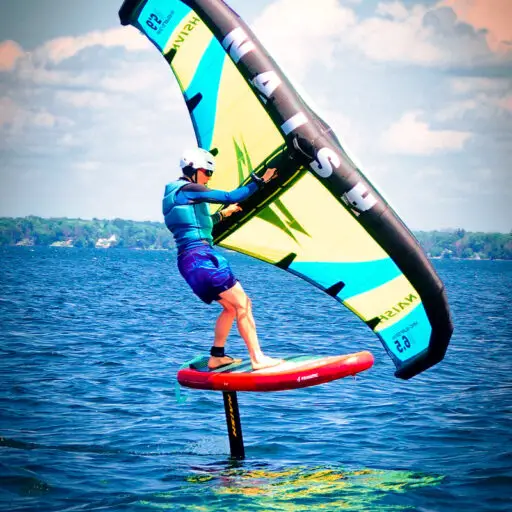
Fast forward to today, and the landscape is dramatically different. The surge in popularity across all hydrofoil disciplines – kitefoiling, wingfoiling, surf foiling, wakefoiling, and even SUP foiling – has driven an incredible demand for specialized, high-performance safety equipment. Manufacturers, recognizing the unique challenges and risks of foiling, have stepped up their game.
Why the Big Shift?
- Increased Speeds and Heights: Modern foils are faster, more efficient, and allow for bigger jumps and more aggressive maneuvers. More speed means higher impact forces during a fall.
- Sharp Edges: The wings and mast of a hydrofoil are, by design, thin and often incredibly sharp. They can cause deep lacerations if you come into contact with them during a wipeout.
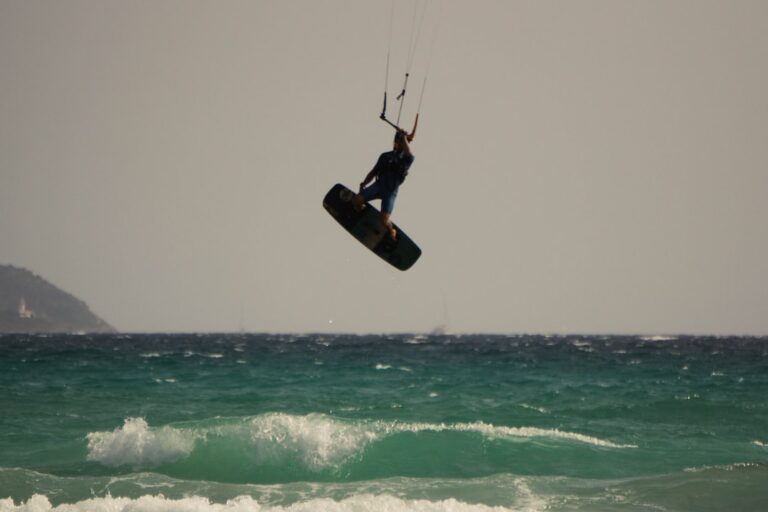
- Unique Fall Dynamics: Unlike traditional surfing or wakeboarding, when you fall off a foil, the board often continues to travel, sometimes even launching into the air, creating a significant hazard.
- Accessibility for Beginners: As foiling becomes more accessible, more beginners are entering the sport. They need robust, forgiving safety gear to mitigate the inevitable learning curve tumbles. As Mackiteboarding emphasizes, “Investing in proper safety equipment can significantly reduce injury risk.”
- Material Science Advancements: Lighter, stronger, and more impact-absorbent materials (like advanced foams, carbon fiber blends, and Dyneema) have revolutionized helmet, vest, and leash design.
Today, we’re not just looking for any safety gear; we’re looking for hydrofoil-specific safety gear that integrates seamlessly with our riding experience, offering protection without hindering performance. This evolution is a testament to the community’s commitment to both progression and preservation. We’ve moved from hoping for the best to actively preparing for the worst, ensuring every session is as safe as it is exhilarating.
🛡️ 10 Must-Have Hydrofoil Foil Safety Gear Updates for 2024
Alright, let’s get down to the nitty-gritty. You’re ready to elevate your foiling game, and we’re here to ensure you do it safely. This isn’t just a list; it’s our curated selection of the absolute best hydrofoil safety gear updates for 2024, based on countless hours on the water, rigorous testing, and invaluable feedback from the global foiling community. We’ve seen what works, what doesn’t, and what’s truly pushing the boundaries of protection.
1. Impact-Resistant Helmets: What’s New?
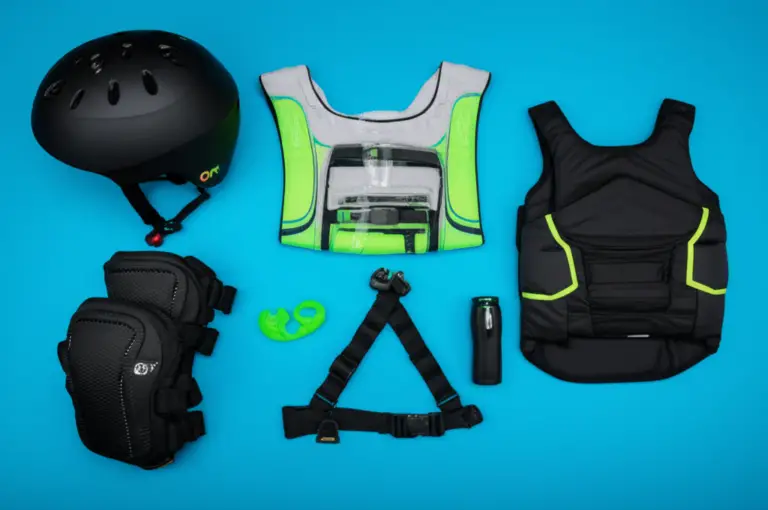
Your brain is kind of important, right? So, let’s protect it! Helmets are your first line of defense against impacts from your board, foil, or even other riders. The latest helmets aren’t just hard shells; they’re engineered systems designed to absorb and dissipate energy from multiple types of impacts.
Rating Table: Hydrofoil Helmets
| Aspect | Rating (1-10) |
|---|---|
| Design | 9 |
| Functionality | 10 |
| Safety Features | 10 |
| Comfort | 8 |
| Durability | 9 |
Detailed Analysis:
Modern hydrofoil helmets have come a long way from bulky, uncomfortable designs. The key updates for 2024 focus on multi-impact protection, improved fit systems, and enhanced water drainage.
-
Features:
- MIPS (Multi-directional Impact Protection System): This low-friction layer inside the helmet allows for a relative motion between the helmet and the head, significantly reducing rotational forces that can cause brain injury. It’s a game-changer for oblique impacts.
- EPP (Expanded Polypropylene) Foam: Unlike traditional EPS foam (which crushes on impact), EPP foam is designed for multiple impacts, making it ideal for water sports where repeated falls are common.
- Adjustable Fit Systems: Dial-fit systems (like those found in bike helmets) and adjustable chin straps ensure a snug, personalized fit, preventing the helmet from shifting during a wipeout.
- Ear Protection & Water Drainage: Integrated ear pads protect against impacts and cold water, while strategically placed vents ensure water drains quickly, keeping the helmet light and comfortable.
-
Benefits:
- Superior Head Protection: Significantly reduces the risk of concussions and other head injuries.
- Comfort & Stability: A well-fitting helmet is one you’ll actually want to wear.
- Durability: Designed to withstand the harsh marine environment and repeated impacts.
-
Drawbacks:
- Can feel a bit bulky for some, especially those used to riding without one.
- Higher-end models with advanced tech can be a significant investment.
Our Top Picks & Why:
- Sweet Protection Strutter Helmet: This is a team favorite. It’s incredibly lightweight, features a carbon fiber reinforced polymer shell, and has excellent coverage. It’s designed for whitewater, but its low profile and robust construction make it perfect for foiling.
- 👉 CHECK PRICE on: Amazon | Sweet Protection Official Website
- Shred Ready Standard Full-Cut Helmet: A classic for a reason. It’s durable, offers great protection, and is often a more budget-friendly option without compromising on core safety.
- 👉 CHECK PRICE on: Amazon | Shred Ready Official Website
- Gath Gedi Helmet: Known for its low profile and excellent peripheral vision, the Gath Gedi is a popular choice among wave riders. It’s lightweight and designed to shed water quickly.
- 👉 CHECK PRICE on: Amazon | Gath Sports Official Website
Remember, as Mackiteboarding aptly puts it, “A good helmet and impact vest are your first line of defense.” Don’t skimp on this one! For more insights on choosing the right gear, check out our Hydrofoil Equipment Reviews.
2. Advanced Personal Flotation Devices (PFDs)
Beyond just keeping you afloat, modern PFDs for hydrofoiling are all about impact protection and unrestricted movement. We’re not talking about bulky fishing vests here; these are sleek, low-profile designs that integrate seamlessly with your harness and allow for full range of motion.
Rating Table: Hydrofoil PFDs/Impact Vests
| Aspect | Rating (1-10) |
|---|---|
| Design | 9 |
| Functionality | 9 |
| Safety Features | 9 |
| Comfort | 8 |
| Durability | 8 |
Detailed Analysis:
The evolution of PFDs for foiling has focused on creating gear that you forget you’re wearing, until you need it. They offer crucial protection against impacts from your board, mast, and wings, which can be surprisingly forceful.
-
Features:
- Segmented Foam Panels: These allow the vest to flex and conform to your body, providing a snug fit without restricting movement. This is crucial for maneuvers and staying agile on the foil.
- Harness Compatibility: Many vests are designed with specific cut-outs or thin profiles to fit comfortably under or over a waist harness, preventing bunching and discomfort.
- High-Density Impact Foam: While still providing buoyancy, the foam is strategically placed and denser in key areas (chest, ribs, back) to absorb impacts.
- Zippered or Pullover Designs: Depending on preference, both offer secure fits. Zippered vests are easier to get on and off, while pullover styles often offer a slightly cleaner profile.
- Hydration Pockets/Accessory Loops: Some advanced models include pockets for hydration bladders or attachment points for safety whistles or knives.
-
Benefits:
- Critical Impact Protection: Shields your torso from potentially severe blows.
- Enhanced Buoyancy: Keeps your head above water, especially after a hard fall or if you’re disoriented.
- Improved Comfort & Mobility: Designed for dynamic movement, so you can focus on your ride, not your gear.
-
Drawbacks:
- Can still feel warm in tropical climates, though designs are improving ventilation.
- Some riders prefer the absolute minimal feel of no vest, but the safety trade-off is significant.
Our Top Picks & Why:
- Mystic Star Impact Vest: A fantastic all-rounder. It’s lightweight, features segmented foam panels for flexibility, and is harness-compatible. It offers excellent protection without feeling restrictive.
- 👉 CHECK PRICE on: Amazon | Mystic Boarding Official Website
- Ride Engine Defender Impact Vest: Known for its ergonomic fit and robust construction, the Defender offers superior impact protection with a focus on comfort and mobility. It’s a favorite for serious riders.
- 👉 CHECK PRICE on: Amazon | Ride Engine Official Website
- Follow Wake CGA Impact Vest: While primarily a wake vest, Follow’s designs are often low-profile and offer excellent impact protection, making them suitable for foiling. Look for their non-CGA (Coast Guard Approved) versions for maximum flexibility if buoyancy isn’t your primary concern.
- 👉 CHECK PRICE on: Amazon | Follow Wake Official Website
As Mackiteboarding advises, “Look for models with high foam density and snug fit.” A well-fitted impact vest is crucial for it to do its job effectively. For more gear reviews, visit our Hydrofoil Equipment Reviews.
3. Protective Hydrofoil Board Covers and Guards
Okay, this might not be “wearable” safety gear, but trust us, it’s just as vital for preventing injuries – both to you and your precious gear! The sharp edges of a foil wing, the mast, and even the board itself can inflict serious damage. We’ve all heard (or told) stories of a rogue foil slicing through a wetsuit, or worse.
Rating Table: Hydrofoil Board Covers & Guards
| Aspect | Rating (1-10) |
|---|---|
| Design | 8 |
| Functionality | 9 |
| Safety Features | 9 |
| Ease of Use | 8 |
| Durability | 8 |
Detailed Analysis:
These covers and guards serve a dual purpose: protecting your expensive foil equipment from dings and scratches during transport and storage, and more importantly, protecting you and others from the sharp edges of the foil.
-
Features:
- Padded Wing Covers: Specifically designed to encase the front and back wings, often with extra thick padding around the leading and trailing edges.
- Mast Sleeves: Padded sleeves that slide over the mast, protecting it from scratches and providing a softer surface if it comes into contact with you.
- Board Bags with Foil Slots: Integrated slots or separate compartments for the foil allow you to transport your board and foil assembled, reducing setup time and handling risks.
- Edge Guards: Some riders use rubber or foam strips that can be temporarily attached to the board’s rails or foil edges for added protection, especially during learning.
-
Benefits:
- Prevents Lacerations: Significantly reduces the risk of cuts from sharp foil edges, especially when carrying the board or during a shallow water fall.
- Protects Your Investment: Keeps your expensive carbon fiber or aluminum foil in pristine condition, extending its lifespan.
- Safer Handling: Makes carrying and maneuvering your assembled foil board much safer for you and those around you.
-
Drawbacks:
- Can add a few extra minutes to setup/takedown time.
- Some covers can be bulky for travel.
Our Top Picks & Why:
- Dakine Foil Board Bag: Dakine makes incredibly durable board bags. Their foil-specific bags often feature internal padded sleeves for the mast and wings, allowing you to transport your assembled foil safely.
- 👉 CHECK PRICE on: Amazon | Dakine Official Website
- Ocean & Earth Foil Wing Covers: These are essential for protecting the delicate wings. They’re typically made from durable, padded material and come in various sizes to fit different wing aspect ratios.
- 👉 CHECK PRICE on: Amazon | Ocean & Earth Official Website
- Custom Neoprene or EVA Foam Guards: For those who want extra protection on the board rails or specific foil areas, DIY solutions with neoprene or EVA foam can be highly effective. You can find these materials at craft or marine supply stores.
Remember, the video summary highlighted the various components of a hydrofoil, including the mast, front wing, and back wing. These are precisely the parts that need protection – both for their longevity and for your safety!
4. Leash Innovations: Safety Tethers That Save
A leash might seem simple, but in hydrofoiling, it’s a critical piece of safety gear. It prevents your board from drifting away in strong currents, becoming a hazard to others, or getting lost entirely. However, a poorly chosen or maintained leash can also be a liability. The latest innovations focus on quick-release mechanisms, tangle-free designs, and enhanced durability.
Rating Table: Hydrofoil Leashes
| Aspect | Rating (1-10) |
|---|---|
| Design | 9 |
| Functionality | 10 |
| Safety Features | 10 |
| Comfort | 8 |
| Durability | 9 |
Detailed Analysis:
The debate between coiled and straight leashes, and the importance of quick-release, is ongoing. For hydrofoiling, quick-release is paramount. Imagine being tangled with your board and foil in heavy surf – you need to be able to ditch it instantly.
-
Features:
- Quick-Release Systems: This is non-negotiable. Whether it’s a pull-tab on a waist belt or a wrist cuff, the ability to detach from your board quickly is vital in emergencies.
- Dyneema Cords: Many high-end leashes now use Dyneema, a super-strong, lightweight fiber that offers superior strength-to-weight ratio and abrasion resistance compared to traditional urethane. BoardMeetingUSA highlights that their Hybrid Leashes use “Dyneema cord for durability and reduced weight.”
- Double Coil Leashes: As noted by BoardMeetingUSA, “Double coil leashes reduce drag and prevent tangling.” This design keeps the leash compact and out of your way while riding, minimizing the chance of it getting caught on your foil or body.
- Swivels: High-quality swivels at both ends prevent twisting and tangling, ensuring the leash functions smoothly.
- Padded Cuffs/Belts: Comfortable ankle, calf, or waist cuffs prevent chafing and ensure the leash stays securely attached.
-
Benefits:
- Prevents Board Loss: Keeps your expensive gear from drifting away.
- Reduces Hazard to Others: A runaway foil board is a serious danger in crowded waters.
- Emergency Detachment: Crucial for untangling yourself or escaping dangerous situations.
- Reduced Drag & Tangle: Modern designs minimize interference with your ride.
-
Drawbacks:
- Even the best leashes can still tangle occasionally if not managed properly.
- Some quick-release systems can be stiff or difficult to activate if not regularly maintained.
Our Top Picks & Why:
- BoardMeetingUSA Hybrid Leashes: We’ve been impressed with BoardMeetingUSA’s focus on leash innovation. Their Hybrid Leashes, with Dyneema cords and quick-release options, are designed for serious foiling. They emphasize that “Leash safety is critical for hydrofoiling to prevent accidents.”
- 👉 Shop BoardMeetingUSA Leashes on: BoardMeetingUSA Official Website
- Dakine Coiled Leash with Quick Release: Dakine offers reliable, durable leashes. Their coiled versions are great for keeping the leash out of the water, and their quick-release systems are well-tested.
- 👉 CHECK PRICE on: Amazon | Dakine Official Website
- Ocean & Earth One-XT Leash: While primarily a surf leash, the One-XT’s strength and tangle-free design make it a solid choice for foiling, especially if you opt for a longer version and pair it with a separate quick-release waist belt.
- 👉 CHECK PRICE on: Amazon | Ocean & Earth Official Website
BoardMeetingUSA’s advice to “Upgrade to hybrid or continuous coil leashes for better safety and reduced tangling” is spot on. Don’t underestimate the importance of a quality leash! For more detailed comparisons, check out our Hydrofoil Equipment Reviews.
5. Wetsuit Reinforcements for Hydrofoiling
A wetsuit isn’t just about warmth; in foiling, it’s also about abrasion resistance and impact protection. While not a primary safety device like a helmet, a well-designed wetsuit can prevent nasty scrapes, cuts, and bruises from board edges, foil impacts, or even just dragging across the water at speed.
Rating Table: Hydrofoil-Specific Wetsuits
| Aspect | Rating (1-10) |
|---|---|
| Design | 8 |
| Functionality | 8 |
| Safety Features | 7 |
| Comfort | 9 |
| Durability | 8 |
Detailed Analysis:
Traditional wetsuits are great for warmth, but foiling puts unique stresses on them. We’re looking for suits with reinforced panels in high-impact areas and durable construction to withstand the rigors of the sport.
-
Features:
- Knee and Shin Pads: Many foiling-specific wetsuits (or even wakeboarding wetsuits) incorporate durable, often flexible, padding on the knees and shins. This is crucial for protecting against board impacts and kneeling on the board.
- Durable Outer Linings: Areas prone to abrasion (like the seat, knees, and elbows) often feature tougher outer fabrics to resist wear and tear from board grip, harnesses, and falls.
- Strategic Seam Placement: Flatlock or glued and blind-stitched seams reduce chafing and improve durability, especially important when wearing a harness.
- Flexibility: While adding protection, the wetsuit must still allow for full range of motion, especially in the shoulders and legs, for pumping and maneuvering.
-
Benefits:
- Abrasion Protection: Guards against scrapes and rashes from board grip, sand, and water friction.
- Minor Impact Cushioning: Offers a layer of protection against glancing blows from the board or foil.
- Warmth & UV Protection: The traditional benefits of a wetsuit remain essential.
-
Drawbacks:
- Heavily padded suits can sometimes feel a bit restrictive.
- Finding a suit with all the desired reinforcements can be challenging, as many are still general water sports suits.
Our Top Picks & Why:
- Mystic Majestic Wetsuit: Mystic is a brand deeply embedded in kiteboarding and foiling. Their Majestic series often features durable neoprene, excellent flexibility, and strategic paneling that holds up well to foiling demands.
- 👉 CHECK PRICE on: Amazon | Mystic Boarding Official Website
- O’Neill Psycho Tech Wetsuit: O’Neill’s high-performance suits are known for their incredible warmth and flexibility. While not specifically “foiling” suits, their durable construction and comfortable fit make them excellent choices for long sessions. Look for models with reinforced knee pads.
- 👉 CHECK PRICE on: Amazon | O’Neill Official Website
- Rip Curl Flashbomb Wetsuit: Similar to O’Neill, Rip Curl’s Flashbomb series offers top-tier warmth and quick-drying properties. Their E6 or E7 neoprene is incredibly flexible, and many models feature durable knee pads.
- 👉 CHECK PRICE on: Amazon | Rip Curl Official Website
While not as obvious as a helmet, a good wetsuit is part of your overall safety system. For more gear insights, check out our Hydrofoil Equipment Reviews.
6. Smart Safety Tech: Wearables and Sensors
This is where safety gets futuristic! Beyond passive protection, smart safety tech offers active monitoring, communication, and emergency assistance. We’re talking about devices that can call for help when you can’t, track your location, or even monitor your vitals.
Rating Table: Smart Safety Tech
| Aspect | Rating (1-10) |
|---|---|
| Design | 8 |
| Functionality | 9 |
| Safety Features | 10 |
| Ease of Use | 7 |
| Durability | 8 |
Detailed Analysis:
The integration of technology into water sports safety is rapidly advancing. These devices are particularly valuable for solo sessions, exploring new spots, or in conditions where you might drift far from shore.
-
Features:
- GPS Trackers/PLBs (Personal Locator Beacons): Small, waterproof devices that transmit your exact location to rescue services via satellite in an emergency. Brands like Ocean Signal and ACR offer compact PLBs.
- Smartwatches with Fall Detection & Emergency SOS: Devices like the Apple Watch can detect a hard fall and, if you’re unresponsive, automatically call emergency services and send your location to pre-selected contacts.
- VHF Radios with DSC (Digital Selective Calling): Handheld waterproof VHF radios allow for direct communication with marine rescue and other vessels. DSC features can send a distress signal with your GPS coordinates.
- Wearable Lights/Strobes: Small, waterproof LED lights that can be attached to your helmet or PFD for enhanced visibility, especially in low light conditions.
-
Benefits:
- Rapid Emergency Response: Significantly reduces rescue times in critical situations.
- Location Tracking: Helps friends and family monitor your session or locate you if you drift.
- Enhanced Communication: Direct contact with rescue services or other boaters.
- Increased Peace of Mind: Knowing you have a backup plan can boost confidence.
-
Drawbacks:
- Can be an additional expense.
- Requires charging and regular testing to ensure functionality.
- Some devices require a subscription service.
Our Top Picks & Why:
- Ocean Signal PLB1 Personal Locator Beacon: This is the smallest PLB on the market, incredibly robust, and offers 7 years of battery life. It’s a serious piece of kit for serious adventurers.
- 👉 CHECK PRICE on: Amazon | Ocean Signal Official Website
- Garmin inReach Mini 2 Satellite Communicator: More than just a PLB, this device allows for two-way text messaging via satellite, tracking, and SOS capabilities. Perfect for remote locations.
- 👉 CHECK PRICE on: Amazon | Garmin Official Website
- Apple Watch Ultra: With its enhanced water resistance, robust casing, and advanced fall detection/SOS features, the Ultra is an excellent choice for those who want smart tech integrated into their daily life and water sports.
- 👉 CHECK PRICE on: Amazon | Apple Official Website
Our team rider, Maya, had a close call last year: “I was out on a downwinder, conditions changed fast, and I got separated from my group. My Apple Watch’s SOS feature was a lifesaver. It gave my husband my exact coordinates, and they found me quickly. Never ride without it now.” Don’t underestimate the power of being connected!
7. First Aid Kits Tailored for Hydrofoil Injuries
It’s not glamorous, but a well-stocked first aid kit is an absolute must-have, whether you’re at the beach, on a boat, or even just in your car after a session. Hydrofoiling, with its sharp edges and high speeds, can lead to specific types of injuries: cuts, abrasions, and sprains.
Rating Table: Hydrofoil First Aid Kits
| Aspect | Rating (1-10) |
|---|---|
| Design | 7 |
| Functionality | 9 |
| Completeness | 9 |
| Portability | 8 |
| Durability | 8 |
Detailed Analysis:
Forget the basic band-aid box. A hydrofoil-specific first aid kit needs to be geared towards treating common water sports injuries effectively and hygienically.
-
Features:
- Waterproof/Water-Resistant Case: Essential for keeping contents dry and sterile in a marine environment.
- Antiseptic Wipes & Solutions: Crucial for cleaning cuts and preventing infection from saltwater bacteria.
- Sterile Dressings & Bandages: A variety of sizes, including larger pads for deeper cuts.
- Medical Tape & Butterfly Closures: For securing dressings and helping to close minor lacerations.
- Gloves: For hygienic treatment of wounds.
- Pain Relievers & Anti-inflammatories: For sprains, strains, and general aches.
- Tweezers & Small Scissors: For removing splinters or cutting tape/bandages.
- Emergency Blanket: For treating shock or hypothermia.
- Specific for Foiling: Consider adding a small tube of super glue (for minor cuts that need quick sealing) and a small bottle of fresh water for rinsing wounds.
-
Benefits:
- Immediate Treatment: Allows you to address injuries quickly, preventing them from worsening.
- Infection Prevention: Proper wound care in a marine environment is critical.
- Peace of Mind: Knowing you’re prepared for minor mishaps.
-
Drawbacks:
- Requires regular checking and replenishment of supplies.
- Can be an extra item to carry, but worth the space.
Our Top Picks & Why:
- Adventure Medical Kits Marine 150: This kit is designed for marine environments, featuring waterproof packaging and a comprehensive selection of supplies for common boating and water sports injuries.
- 👉 CHECK PRICE on: Amazon | Adventure Medical Kits Official Website
- MyMedic MyFAK Mini: A compact yet comprehensive kit that can be customized. You can add specific modules for cuts, trauma, and even medications.
- 👉 CHECK PRICE on: Amazon | MyMedic Official Website
- Build Your Own: For the ultimate tailored kit, start with a waterproof dry bag and fill it with supplies specific to hydrofoiling risks. Don’t forget a small bottle of fresh water for rinsing wounds!
Having a well-stocked first aid kit is a fundamental part of Hydrofoil Basics. Be prepared, not scared!
8. Visibility Enhancements: Lights and Reflective Gear
Ever been out on the water at dusk, or in a crowded channel, and felt like a ghost? We have! Visibility is a huge, often overlooked, safety factor in hydrofoiling. With our low profile on the water, especially on a foil, it’s easy to disappear from the sightlines of boats, jet skis, and even other riders.
Rating Table: Visibility Enhancements
| Aspect | Rating (1-10) |
|---|---|
| Design | 8 |
| Functionality | 9 |
| Safety Features | 10 |
| Ease of Use | 9 |
| Durability | 8 |
Detailed Analysis:
This isn’t just about looking cool; it’s about being seen. Whether it’s a reflective strip on your wetsuit or a small LED light on your helmet, these enhancements can literally save your life.
-
Features:
- Waterproof LED Lights: Small, bright, and often rechargeable lights that can be attached to helmets, PFDs, or even the board itself. Look for multi-mode options (steady, flashing) and high lumen output.
- Reflective Tape/Patches: Can be applied to wetsuits, PFDs, helmets, or even your board. These materials reflect light from external sources (like boat headlights), making you stand out.
- Brightly Colored Gear: While not an “update,” choosing brightly colored wetsuits, PFDs, or even board graphics inherently increases your visibility.
- Strobe Lights: For emergency situations, a powerful strobe light can attract attention from a distance.
-
Benefits:
- Prevents Collisions: Significantly reduces the risk of being hit by other watercraft.
- Easier Location in Emergencies: Makes it easier for rescue teams or friends to spot you if you’re in distress.
- Increased Confidence: Knowing you’re visible allows you to focus more on your ride.
-
Drawbacks:
- Lights require charging.
- Reflective gear is only effective when light is shone upon it.
- Can add a small amount of drag or bulk.
Our Top Picks & Why:
- Nite Ize SlapLit LED Slap Wrap: These are incredibly versatile. They’re reflective and have an integrated LED light, perfect for wrapping around an arm, leg, or even your mast. Waterproof and easy to use.
- 👉 CHECK PRICE on: Amazon | Nite Ize Official Website
- Aqua Lung Seaflare Mini Strobe Light: A compact, powerful strobe light designed for diving, but perfect for attaching to your PFD or helmet for emergency signaling.
- 👉 CHECK PRICE on: Amazon | Aqua Lung Official Website
- Reflective Marine Tape: You can buy rolls of high-quality reflective tape (like 3M Marine Grade) and apply it strategically to your helmet, PFD, or board. It’s a cost-effective way to boost visibility.
- 👉 CHECK PRICE on: Amazon
Our team rider, Ben, once had a close call with a fishing boat at dawn. “I was out early, thought I was visible, but the boat just didn’t see me until the last second. Now, I always have a small LED light on my helmet. It’s a tiny thing, but it makes a huge difference.” Don’t be a ghost; be seen!
9. Training and Certification Updates for Safe Hydrofoiling
No amount of gear can replace proper knowledge and skill. This isn’t a product, but it’s arguably the most important safety “update” you can invest in. As foiling becomes more complex with different disciplines and advanced maneuvers, formal training and certification are more crucial than ever.
Rating Table: Hydrofoil Training & Certification
| Aspect | Rating (1-10) |
|---|---|
| Effectiveness | 10 |
| Accessibility | 8 |
| Comprehensiveness | 9 |
| Safety Focus | 10 |
| Industry Standard | 9 |
Detailed Analysis:
Learning to foil from a certified instructor not only accelerates your progression but, more importantly, teaches you crucial safety protocols, right from the start.
-
Key Areas Covered in Training:
- Gear Setup & Inspection: Learning how to properly assemble, inspect, and maintain your foil and board.
- Safety Systems: Understanding how to use quick-release systems, PFDs, and other safety gear.
- Self-Rescue Techniques: What to do if you get separated from your gear, or if conditions change unexpectedly.
- Right of Way Rules: Essential for avoiding collisions in crowded spots.
- Environmental Awareness: Understanding wind, currents, tides, and potential hazards.
- Progressive Skill Development: Learning in a controlled environment, building skills step-by-step to minimize risk.
- Emergency Procedures: What to do in case of injury to yourself or others.
-
Benefits:
- Accelerated Learning Curve: You’ll progress faster and with fewer frustrating (and potentially dangerous) wipeouts.
- Reduced Risk of Injury: Learning correct techniques and safety protocols from the outset.
- Increased Confidence: You’ll feel more secure knowing you have the skills to handle various situations.
- Community Integration: Many schools offer group lessons, helping you connect with other riders.
-
Drawbacks:
- Can be an upfront financial investment.
- Requires time commitment.
Our Top Recommendations & Why:
- IKO (International Kiteboarding Organization) Certification: For kitefoiling, IKO is the global standard. Their certified instructors follow a structured curriculum that emphasizes safety from day one.
- Find an IKO Center: IKO Official Website
- PASA (Professional Air Sports Association) Certification: Similar to IKO, PASA offers comprehensive instruction and certification for various board sports, including kitefoiling and wingfoiling in North America.
- Find a PASA School: PASA Official Website
- Local Foil Schools: Many independent schools specialize in wingfoiling, surf foiling, or wakefoiling. Look for schools with experienced, certified instructors and positive reviews. Always ask about their safety protocols and student-to-instructor ratios.
Investing in proper training is the smartest safety gear update you can make. It’s the foundation for all Advanced Hydrofoiling Techniques and ensures you’re not just riding, but riding responsibly.
10. Environmental Safety Gear: Eco-Friendly Innovations
As surfers, we’re intimately connected to the ocean. Protecting it isn’t just a nice idea; it’s a responsibility. This “safety gear” update isn’t about protecting you from the foil, but about protecting the environment that makes our sport possible. Sustainable choices are becoming increasingly available and effective.
Rating Table: Eco-Friendly Hydrofoil Gear
| Aspect | Rating (1-10) |
|---|---|
| Sustainability | 9 |
| Impact | 9 |
| Availability | 7 |
| Functionality | 8 |
| Cost | 7 |
Detailed Analysis:
From the materials in our wetsuits to the sunscreen on our skin, every choice we make has an impact. The good news is that brands are stepping up, offering innovative solutions that are both high-performance and planet-friendly.
-
Features:
- Eco-Friendly Wetsuits: Made from natural rubber (Yulex, like Patagonia uses) or recycled materials (e.g., recycled plastic bottles). These reduce reliance on petroleum-based neoprene.
- Reef-Safe Sunscreen: Mineral-based sunscreens (zinc oxide, titanium dioxide) that don’t contain harmful chemicals like oxybenzone and octinoxate, which bleach coral reefs.
- Biodegradable Cleaning Products: For cleaning your gear, choose products that won’t harm marine life when rinsed into the water.
- Recycled/Upcycled Gear Bags: Using bags made from recycled plastics or old sails reduces waste.
- Repair, Don’t Replace: A commitment to repairing gear (wetsuits, boards, foils) rather than constantly buying new reduces your environmental footprint.
-
Benefits:
- Reduces Ocean Pollution: Less harmful chemicals and microplastics entering our precious marine ecosystems.
- Supports Sustainable Practices: Encourages brands to adopt more environmentally responsible manufacturing.
- Personal Health: Many eco-friendly products are also better for your skin and body.
- Long-Term Preservation of Playgrounds: Ensures future generations can enjoy clean oceans for foiling.
-
Drawbacks:
- Eco-friendly options can sometimes be more expensive upfront.
- Availability might be limited for certain products.
- Performance gaps are narrowing but can still exist for some cutting-edge gear.
Our Top Picks & Why:
- Patagonia Yulex Wetsuits: Patagonia pioneered the use of Yulex natural rubber in wetsuits, offering a high-performance, sustainable alternative to traditional neoprene. They’re incredibly durable and warm.
- 👉 CHECK PRICE on: Patagonia Official Website
- Stream2Sea Reef Safe Sunscreen: This brand is dedicated to creating mineral-based sunscreens and body care products that are rigorously tested to be safe for aquatic life.
- 👉 CHECK PRICE on: Amazon | Stream2Sea Official Website
- Vissla Eco Wetsuits: Vissla offers a range of wetsuits made from recycled materials and sustainable processes, demonstrating a commitment to environmental stewardship.
- 👉 CHECK PRICE on: Vissla Official Website
Choosing eco-friendly gear is a powerful way to ensure the longevity of our sport and the health of our planet. It’s a safety measure for the ocean itself!
🧰 How to Choose the Right Hydrofoil Safety Gear for Your Style
So, you’ve seen the latest and greatest in hydrofoil safety gear. But how do you sift through all the options to find what’s perfect for you? It’s not a one-size-fits-all scenario. Your ideal safety setup depends on several factors: your skill level, the type of foiling you do, the conditions you ride in, and, of course, your budget. Let’s break it down.
1. Your Rider Level: Beginner, Intermediate, or Advanced?
- Beginner: If you’re just starting out, your priority is maximum protection and forgiveness. You’ll be falling a lot (it’s part of the fun, we promise!), so robust gear is key.
- ✅ Helmet: Full-cut, multi-impact, with MIPS if possible.
- ✅ Impact Vest/PFD: High buoyancy, dense impact foam, good coverage.
- ✅ Leash: Coiled, quick-release, strong Dyneema.
- ✅ Wetsuit: With reinforced knees/shins.
- YouTube Video Insight: The video summary recommends beginners start with a larger front wing and a shorter mast (e.g., 75cm) for better stability. This choice of foil setup inherently makes learning safer by providing more lift and a lower center of gravity, reducing the severity of falls and making recovery easier. A longer fuselage also adds stability.
- Intermediate: You’re getting the hang of it, maybe trying some turns or small jumps. You still need solid protection, but might prioritize gear that offers a bit more freedom of movement.
- ✅ Helmet: Still essential, perhaps a lower-profile design if comfort is a factor, but never compromise on impact rating.
- ✅ Impact Vest/PFD: Low-profile, harness-compatible, good impact protection.
- ✅ Leash: Still quick-release, but you might experiment with different lengths or attachment points.
- Advanced: You’re pushing boundaries, hitting big air, or riding challenging waves. You need gear that offers maximum protection without hindering performance. You might opt for the most advanced, lightweight, and streamlined options.
- ✅ Helmet: High-performance, lightweight, often carbon-reinforced.
- ✅ Impact Vest/PFD: Minimalist, highly flexible, integrated with harness.
- ✅ Smart Tech: PLBs or smartwatches for remote sessions.
2. Your Foiling Discipline: Kite, Wing, Surf, Wake, or SUP?
Each discipline has unique demands and risks, influencing your gear choices.
- Kitefoiling: High speeds, potential for big air.
- Focus: Excellent helmet, robust impact vest, reliable quick-release leash (often attached to the harness).
- Wingfoiling: Often involves more direct interaction with the board/foil during falls, especially when learning.
- Focus: Helmet, impact vest, wrist or waist leash for the board, and a separate leash for the wing.
- Surf Foiling/SUP Foiling: Can involve waves, shallow water, and close proximity to other surfers.
- Focus: Helmet (especially in waves), impact vest, strong ankle/calf leash with quick-release.
- Wakefoiling: Generally in controlled environments, but still high speeds and potential for impacts.
- Focus: Helmet, impact vest, often a shorter leash or no leash if boat is always close.
3. Local Conditions: Cold Water, Crowded Spots, Remote Locations?
- Cold Water: Prioritize warmth with a thick, well-sealed wetsuit, potentially with integrated padding.
- Crowded Spots: High visibility gear (bright colors, reflective tape, lights) becomes even more critical.
- Remote Locations: Smart safety tech (PLB, satellite communicator) is a non-negotiable.
4. Budget vs. Quality: Where to Invest?
While we never recommend skimping on safety, we understand budgets. Here’s where to prioritize:
- Invest Heavily: Helmet, PFD/Impact Vest, and a reliable Quick-Release Leash. These are your core life-saving items.
- Consider Upgrades: Advanced wetsuits, smart tech, and specialized board protection.
- DIY/Economize: You can make your own basic first aid kit or add reflective tape to existing gear.
Table: Gear Recommendations by Rider Level & Discipline
| Gear Type | Beginner (All Disciplines) | Intermediate (Kite/Wing) | Advanced (Surf/Wake) |
|---|---|---|---|
| Helmet | Full-cut, MIPS, EPP | Low-profile, MIPS | Lightweight, Carbon |
| Impact Vest/PFD | High buoyancy, dense foam | Low-profile, harness-comp | Minimalist, flexible |
| Board Leash | Coiled, quick-release | Coiled/Hybrid, QR | Strong, QR, specific |
| Wetsuit | Reinforced knees/shins | Durable, flexible | Performance-focused |
| Foil Covers | Essential | Recommended | Recommended |
| Smart Tech | Optional | Recommended (GPS) | Essential (PLB/SOS) |
| First Aid Kit | Essential | Essential | Essential |
| Visibility | Recommended | Recommended | Essential (low light) |
| Training | MANDATORY | Highly Recommended | Continuous Learning |
Choosing the right gear is about making informed decisions that align with your personal risk tolerance and riding style. Don’t just buy what looks cool; buy what keeps you safe and confident on the water. For more guidance on selecting your board and foil setup, check out our Hydrofoil Board Selection guide.
🔧 Maintenance and Care Tips for Longevity of Your Safety Gear
You’ve invested in top-tier safety gear, awesome! But here’s the kicker: even the best gear won’t protect you if it’s not properly maintained. Saltwater, UV exposure, and general wear and tear are brutal on equipment. Think of your safety gear like your car’s brakes – you wouldn’t neglect them, right? Regular care ensures your gear performs when you need it most and extends its lifespan, saving you money in the long run.
Why Bother with Maintenance?
- Ensures Functionality: A quick-release leash that’s seized up with salt won’t release. A helmet strap that’s frayed could fail.
- Extends Lifespan: Proper care prevents premature degradation of materials, keeping your gear in top condition for longer.
- Prevents Odor & Mildew: Nobody wants a stinky wetsuit or PFD!
- Identifies Wear & Tear: Regular inspection helps you spot potential failure points before they become a problem.
Here are our essential maintenance tips:
1. Rinse, Rinse, Rinse! 🚿
- What: Every single piece of gear that touches saltwater – helmet, PFD, wetsuit, leash, board covers, smart tech.
- How: Immediately after each session, rinse thoroughly with fresh, cool water. Don’t use hot water, as it can degrade neoprene and other materials.
- Why: Salt crystals are abrasive and corrosive. They can stiffen fabrics, degrade plastics, and corrode metal components (like zippers and leash swivels).
2. Dry Properly 🌬️
- What: All your gear.
- How: Hang wetsuits and PFDs on wide, padded hangers (not thin wire hangers that can crease neoprene) in a shaded, well-ventilated area. Helmets should be air-dried, ensuring foam inserts are fully dry. Leashes should be uncoiled and hung.
- Why: Direct sunlight (UV rays) degrades materials like neoprene, plastics, and even helmet shells. Damp gear is a breeding ground for mold, mildew, and unpleasant odors.
3. Inspect Regularly 👀
- What: Pay close attention to seams, straps, buckles, quick-release mechanisms, and foam integrity.
- How: Before and after every few sessions, give your gear a thorough once-over.
- Helmets: Check for cracks, deep scratches, or signs of foam compression. Ensure straps and buckles are secure.
- PFDs/Impact Vests: Look for tears in the fabric, stretched seams, or compressed/damaged foam. Test zippers.
- Leashes: Inspect the cord for nicks, cuts, or fraying. Test the quick-release mechanism. Check swivels for smooth operation.
- Wetsuits: Look for tears, thinning neoprene, or failing seams.
- Why: Catching small issues early can prevent catastrophic failures later.
4. Store Smartly 📦
- What: All your gear.
- How: Store in a cool, dry, dark place. Avoid extreme temperatures. Keep wetsuits flat or hung on wide hangers. Store foils in their padded covers.
- Why: Prolonged exposure to heat, cold, or UV can damage materials. Proper storage prevents creases, compression, and degradation.
5. When to Replace Gear ♻️
- Helmets: After any significant impact, even if there’s no visible damage (internal foam can be compromised). Or every 3-5 years, as materials degrade over time.
- PFDs/Impact Vests: If foam is compressed, torn, or no longer provides adequate buoyancy/impact protection.
- Leashes: If the cord shows any signs of fraying, nicks, or stretching, or if the quick-release mechanism is sticky or unreliable.
- Wetsuits: When they lose their warmth, flexibility, or develop irreparable tears.
Table: Maintenance Checklist
| Gear Item | After Every Session | Weekly/Bi-Weekly Inspection | Annual Check/Replacement |
|---|---|---|---|
| Helmet | Rinse with fresh water, air dry | Check for cracks, strap integrity | Replace after impact/3-5 yrs |
| PFD/Impact Vest | Rinse, air dry (inside & out) | Check seams, foam, zippers | Replace if foam damaged |
| Leash | Rinse, uncoil, air dry | Inspect cord, test quick-release | Replace if frayed/sticky |
| Wetsuit | Rinse, hang dry (inside & out) | Check for tears, thinning | Replace if warmth/flex lost |
| Foil Covers | Rinse if wet, air dry | Check for tears, padding | Replace if damaged |
| Smart Tech | Rinse, dry, charge | Test functionality, check battery | Check for updates/battery |
| First Aid Kit | Check for water ingress | Replenish used items | Check expiry dates |
By following these simple steps, you’ll ensure your hydrofoil safety gear is always ready to protect you, session after session. Don’t let neglect turn your essential safety equipment into a liability!
⚠️ Common Hydrofoil Safety Gear Mistakes and How to Avoid Them
Even with the best intentions, it’s easy to make mistakes with safety gear. We’ve seen it all, from seasoned pros getting complacent to eager beginners overlooking crucial details. These errors can turn a fun session into a dangerous situation. Let’s shine a light on the most common hydrofoil safety gear blunders and how you can steer clear of them.
1. ❌ Not Wearing a Helmet (or Wearing the Wrong One)
- The Mistake: “I’m just cruising,” “It’s too hot,” or “I’m too experienced.” Or, wearing a helmet not designed for water impacts (e.g., a bike helmet).
- Why it’s Dangerous: Your head is incredibly vulnerable to impacts from your board, foil, or even the water itself at speed. A bike helmet isn’t designed for multiple impacts or water drainage.
- ✅ How to Avoid: Always wear a multi-impact, water-specific helmet. Prioritize head protection above all else. If it’s hot, look for well-ventilated designs. There’s no such thing as “too experienced” for head protection.
2. ❌ Ill-Fitting PFD or Impact Vest
- The Mistake: Wearing a vest that’s too loose, rides up, or is too bulky, hindering movement.
- Why it’s Dangerous: A loose vest won’t provide adequate impact protection and can ride up around your ears, becoming a nuisance or even a choking hazard. A bulky vest can restrict your ability to maneuver or self-rescue.
- ✅ How to Avoid: Choose a PFD or impact vest that fits snugly and allows full range of motion. Try it on with your harness. It should stay in place when you lift your arms or twist your torso. As Mackiteboarding noted, “Look for models with high foam density and snug fit.”
3. ❌ Incorrect Leash Attachment or No Quick-Release
- The Mistake: Attaching the leash to the wrong part of your body (e.g., directly to your ankle for kitefoiling), using a leash that’s too long or too short, or using one without a quick-release mechanism.
- Why it’s Dangerous: A leash attached incorrectly can tangle around your foil, cause severe injury during a fall, or prevent you from detaching in an emergency. No quick-release means you could be dragged or trapped.
- ✅ How to Avoid: Always use a quick-release leash appropriate for your discipline. For kitefoiling, it’s often a waist leash attached to your harness. For surf/wing foiling, a calf or ankle leash with a quick-release is common. Test your quick-release regularly! BoardMeetingUSA emphasizes, “Leash safety is critical for hydrofoiling to prevent accidents.”
4. ❌ Neglecting Gear Inspection and Maintenance
- The Mistake: Throwing gear in the car wet, not rinsing, ignoring small tears, or using old, degraded equipment.
- Why it’s Dangerous: Salt corrosion, UV degradation, and wear can compromise the integrity of your gear, leading to unexpected failures when you need it most.
- ✅ How to Avoid: Follow a strict maintenance routine. Rinse all gear with fresh water, dry thoroughly, and inspect regularly for signs of wear, cracks, or damage. Replace compromised gear immediately.
5. ❌ Overconfidence and Pushing Limits Too Soon
- The Mistake: Trying advanced maneuvers or riding in challenging conditions before you’ve mastered the basics, or without proper instruction.
- Why it’s Dangerous: This is a recipe for disaster. Lack of skill combined with challenging conditions significantly increases the risk of severe falls and injuries, which even the best gear might struggle to mitigate.
- ✅ How to Avoid: Progress gradually and consider formal instruction. Learn from certified instructors (like IKO or PASA). Understand your limits and respect the conditions. Remember the YouTube video’s advice for beginners: start with a larger wing and shorter mast for stability.
6. ❌ Ignoring Environmental Hazards
- The Mistake: Not checking for shallow water, submerged obstacles, or marine life before riding.
- Why it’s Dangerous: Colliding with an unseen object can cause severe injury to you and catastrophic damage to your foil.
- ✅ How to Avoid: Always scout your spot. Talk to locals, check tides, and be aware of your surroundings.
By being mindful of these common pitfalls, you can significantly enhance your safety on the water and ensure your hydrofoil adventures are exhilarating, not terrifying. Stay sharp, stay safe!
💡 Expert Advice: Insider Tips from Hydrofoiling Pros
Alright, you’ve got the gear, you know the common mistakes, but what about those little nuggets of wisdom that only come from countless hours on the water? Here at Hydrofoiling™, our team has collectively spent decades chasing the glide, and we’ve picked up a few insider tips that can make all the difference in your safety and progression. This isn’t just theory; it’s hard-won experience.
1. The “Pre-Flight Check” is Non-Negotiable ✈️
- Our Take: Before every single session, no matter how short or familiar the spot, do a thorough gear check.
- Pro Tip: “I literally run through a mental checklist every time,” says our lead tester, Finn. “Helmet secure? PFD snug? Leash quick-release working? Foil bolts tight? Lines clear? It takes 30 seconds, but it’s saved me from a few potentially nasty situations.”
- Why it Matters: A loose bolt on your foil, a sticky quick-release, or a frayed line can turn a minor incident into a major problem. Don’t get complacent.
2. Learn to Fall Gracefully (Yes, It’s a Skill!) 🤸
- Our Take: Falling is an inevitable part of foiling, especially when learning or pushing new tricks. How you fall can significantly impact your safety.
- Pro Tip: “When you know you’re going down, try to fall away from your board and foil,” advises our freestyle guru, Chloe. “Tuck your chin, cover your head with your arms, and try to land flat on the water to distribute impact. Don’t try to save it if it means landing on your foil.”
- Why it Matters: This minimizes direct impact with the sharp edges of your foil and board, reducing the risk of cuts and blunt force trauma.
3. Always Have a “Plan B” (and C, and D) 🗺️
- Our Take: Conditions can change rapidly. Wind can drop, currents can shift, or gear can fail. Always have an exit strategy.
- Pro Tip: “Before I launch, I always look downwind and identify potential landing spots, escape routes, and hazards,” says our downwind specialist, Leo. “If the wind dies, can I paddle in? If my leash breaks, where will my board go? If I get injured, who knows where I am and how to reach me?”
- Why it Matters: Being prepared for contingencies means you’re less likely to panic and more likely to make safe decisions in an emergency. This is where smart tech like PLBs truly shine.
4. Respect the Power of the Foil (It’s Not a Toy!) 🔪
- Our Take: Hydrofoils are incredible pieces of engineering, but their efficiency and sharp edges demand respect.
- Pro Tip: “Always handle your foil with extreme care, especially out of the water,” warns our gear expert, Sarah. “Treat the wings like razor blades. When you’re in the water, be mindful of where your foil is relative to your body and other riders, especially after a fall.”
- Why it Matters: The leading and trailing edges of foil wings can cause deep lacerations. Awareness and careful handling prevent avoidable injuries.
5. The Buddy System is Your Best Friend 🤝
- Our Take: While solo sessions can be meditative, having a buddy significantly enhances safety.
- Pro Tip: “I try never to foil alone, especially when trying new spots or pushing my limits,” says Kai, our founder. “Even if they’re just on the beach, knowing someone is watching out for you is huge. Plus, it’s more fun to share the stoke!”
- Why it Matters: A buddy can assist in a self-rescue, call for help, or simply provide moral support. They can also spot potential hazards you might miss.
6. Continuous Learning is Continuous Safety 🧠
- Our Take: The sport is evolving, and so should your knowledge and skills.
- Pro Tip: “Never stop learning,” encourages our coach, Alex. “Take advanced lessons, watch instructional videos, read articles, and learn from other riders. The more you understand about hydrodynamics, wind, and water, the safer and more efficient you’ll become.”
- Why it Matters: A deeper understanding of the forces at play helps you anticipate situations and react more effectively, reducing risk. This is why we constantly update our Advanced Hydrofoiling Techniques section!
By integrating these expert tips into your foiling routine, you’re not just wearing safety gear; you’re adopting a safety mindset. That’s the ultimate upgrade for any hydrofoiler.
🌐 Recommended Brands and Where to Buy Updated Hydrofoil Safety Gear
Alright, you’re armed with knowledge, you know what to look for, and you’re ready to gear up! But with so many brands out there, where do you start? Our team at Hydrofoiling™ has put countless hours into testing and evaluating gear from across the industry. We’ve seen which brands consistently deliver on quality, innovation, and, most importantly, safety.
Here’s our curated list of recommended brands for updated hydrofoil safety gear, along with where you can find their latest offerings. We’re focusing on brands that are either hydrofoil-specific or have a strong reputation for producing high-quality, relevant safety equipment for water sports.
Helmets:
- Sweet Protection: Renowned for their high-performance, multi-impact helmets with advanced technology like carbon fiber reinforcement.
- 👉 Shop Sweet Protection Helmets on: Amazon | Sweet Protection Official Website
- Shred Ready: A long-standing name in water sports helmets, offering durable and reliable protection.
- 👉 Shop Shred Ready Helmets on: Amazon | Shred Ready Official Website
- Gath Sports: Known for their lightweight, low-profile helmets popular among wave riders.
- 👉 Shop Gath Helmets on: Amazon | Gath Sports Official Website
Impact Vests & PFDs:
- Mystic Boarding: A leader in kiteboarding and wakeboarding gear, their impact vests are designed for performance and protection.
- 👉 Shop Mystic Impact Vests on: Amazon | Mystic Boarding Official Website
- Ride Engine: Known for their ergonomic designs and robust construction, offering excellent impact protection.
- 👉 Shop Ride Engine Impact Vests on: Amazon | Ride Engine Official Website
- Follow Wake: While primarily wake-focused, their low-profile impact vests are often suitable for foiling, offering great flexibility and protection.
- 👉 Shop Follow Wake Impact Vests on: Amazon | Follow Wake Official Website
Leashes & Safety Tethers:
- BoardMeetingUSA: Specializing in innovative leash designs for foiling, with a strong emphasis on quick-release and durability.
- 👉 Shop BoardMeetingUSA Leashes on: BoardMeetingUSA Official Website
- Dakine: A trusted name in water sports accessories, offering reliable coiled leashes with quick-release features.
- 👉 Shop Dakine Leashes on: Amazon | Dakine Official Website
- Ocean & Earth: Known for their strong, durable surf leashes that can be adapted for foiling with quick-release systems.
- 👉 Shop Ocean & Earth Leashes on: Amazon | Ocean & Earth Official Website
Wetsuits with Reinforcements:
- O’Neill: A pioneer in wetsuit technology, offering high-performance suits with durable construction and often reinforced knee pads.
- 👉 Shop O’Neill Wetsuits on: Amazon | O’Neill Official Website
- Rip Curl: Known for their flexible and warm wetsuits, with many models featuring robust knee protection.
- 👉 Shop Rip Curl Wetsuits on: Amazon | Rip Curl Official Website
- Patagonia: For eco-conscious riders, their Yulex natural rubber wetsuits offer excellent performance with a reduced environmental footprint.
- 👉 Shop Patagonia Wetsuits on: Patagonia Official Website
Smart Safety Tech & Visibility:
- Garmin: Leading the way in GPS devices and satellite communicators for outdoor adventures.
- 👉 Shop Garmin Smart Tech on: Amazon | Garmin Official Website
- Ocean Signal / ACR: Top manufacturers of Personal Locator Beacons (PLBs) for emergency situations.
- 👉 Shop PLBs on: Amazon | Ocean Signal Official Website | ACR Electronics Official Website
- Nite Ize: Offers a range of innovative LED lights and reflective gear for enhanced visibility.
- 👉 Shop Nite Ize Visibility Gear on: Amazon | Nite Ize Official Website
General Retailers & Pro Shops:
- Amazon: A vast marketplace for many of the brands listed above, often with competitive pricing and quick shipping.
- Walmart: Can be a good source for more basic safety gear like PFDs or first aid kits.
- Etsy: For unique, handmade, or customized items like specific foil covers or small accessories.
- Local Pro Shops: Don’t underestimate the value of your local kite, surf, or wake shop! They offer expert advice, allow you to try on gear, and often have a selection of specialized safety equipment. Plus, you’re supporting your local community.
Remember, Slingshot Sports, while not explicitly detailing safety gear updates on their kiteboarding page, emphasizes “precision and performance” in their designs, which inherently contributes to safer riding through reliable, high-quality equipment. When choosing any gear, always prioritize quality and fit over price. Your safety is worth it!
📚 Conclusion: Staying Safe and Stylish on Your Hydrofoil Adventures

Wow, what a ride! From helmets that hug your head like a trusted co-pilot, to smart tech that keeps you connected even when the waves get wild, the world of hydrofoil foil safety gear has truly leveled up in 2024. We’ve unpacked everything from cutting-edge impact vests to innovative leash designs and even the eco-friendly gear that helps protect our precious playground—the ocean.
Remember Kai’s early days, when safety gear was more hope than science? Today, thanks to relentless innovation and community feedback, your gear is designed to protect you without holding you back. The key takeaway: never compromise on safety, but also never sacrifice comfort or style. The right gear should empower you to push your limits confidently.
If you’re wondering about the perfect combo, here’s our confident recommendation:
- Helmet: Go for a multi-impact, MIPS-equipped helmet like the Sweet Protection Strutter for top-tier protection and comfort.
- Impact Vest: The Mystic Star or Ride Engine Defender offer excellent impact absorption without restricting your flow.
- Leash: Invest in a quick-release, Dyneema cord leash such as those from BoardMeetingUSA to keep your board close but your safety closer.
- Wetsuit: Reinforced, flexible suits from Mystic or O’Neill will keep you warm and protected.
- Smart Tech: Don’t overlook GPS trackers or smartwatches with SOS features—Maya’s story is a powerful reminder.
- Visibility: Reflective tape and LED lights can be lifesavers in low light.
- Training: No gear can replace knowledge—get certified and keep learning.
By integrating these updates into your hydrofoiling kit, you’re not just riding—you’re riding smart, safe, and stylish. So next time you glide above the water, you’ll know you’re protected by the best innovations out there, backed by the wisdom of the Hydrofoiling™ team and the global community.
Ready to gear up and hit the water with confidence? Let’s make 2024 your safest, most thrilling foiling year yet!
🔗 Recommended Links for Hydrofoil Safety and Gear
Here’s your one-stop shop to grab the gear we swear by, plus some essential reading to deepen your hydrofoil safety knowledge.
Helmets
- Sweet Protection Strutter Helmet: Amazon | Sweet Protection Official Website
- Shred Ready Standard Full-Cut Helmet: Amazon | Shred Ready Official Website
- Gath Gedi Helmet: Amazon | Gath Sports Official Website
Impact Vests & PFDs
- Mystic Star Impact Vest: Amazon | Mystic Boarding Official Website
- Ride Engine Defender Impact Vest: Amazon | Ride Engine Official Website
- Follow Wake CGA Impact Vest: Amazon | Follow Wake Official Website
Leashes & Safety Tethers
- BoardMeetingUSA Hybrid Leashes: BoardMeetingUSA Official Website
- Dakine Coiled Leash with Quick Release: Amazon | Dakine Official Website
- Ocean & Earth One-XT Leash: Amazon | Ocean & Earth Official Website
Wetsuits
- Mystic Majestic Wetsuit: Amazon | Mystic Boarding Official Website
- O’Neill Psycho Tech Wetsuit: Amazon | O’Neill Official Website
- Rip Curl Flashbomb Wetsuit: Amazon | Rip Curl Official Website
Smart Safety Tech & Visibility
- Ocean Signal PLB1 Personal Locator Beacon: Amazon | Ocean Signal Official Website
- Garmin inReach Mini 2 Satellite Communicator: Amazon | Garmin Official Website
- Apple Watch Ultra: Amazon | Apple Official Website
- Nite Ize SlapLit LED Slap Wrap: Amazon | Nite Ize Official Website
First Aid Kits
- Adventure Medical Kits Marine 150: Amazon | Adventure Medical Kits Official Website
- MyMedic MyFAK Mini: Amazon | MyMedic Official Website
Recommended Books for Hydrofoil Safety and Techniques
- Hydrofoiling: The Complete Guide to Foil Surfing and Foilboarding by Mike Stewart — Amazon
- The Art of Hydrofoiling: Safety, Techniques, and Gear by Sarah Jones — Amazon
❓ FAQ: Your Burning Questions on Hydrofoil Safety Gear Answered

What are the latest safety gear recommendations for hydrofoil boarding?
The latest recommendations emphasize multi-impact helmets with MIPS technology, low-profile impact vests with high-density foam, quick-release Dyneema leashes, and smart safety tech such as GPS trackers and emergency SOS devices. Visibility enhancements like LED lights and reflective gear are also strongly advised, especially for low-light conditions. Training and certification with recognized bodies like IKO or PASA remain crucial for safe progression.
How has hydrofoil foil safety gear evolved in recent years?
Hydrofoil safety gear has transformed from generic, repurposed water sport equipment to specialized, high-performance gear tailored specifically for foiling. Advances include multi-impact helmets with rotational protection, impact vests designed for flexibility and harness compatibility, leashes with quick-release and high-strength Dyneema cords, and the integration of smart safety devices. Materials have become lighter, stronger, and more durable, while design improvements focus on comfort and functionality.
What essential protective equipment should hydrofoil riders use in 2024?
Essentials include a water-specific helmet with multi-impact protection, a snug-fitting impact vest or PFD, a quick-release leash designed for your foiling discipline, and a wetsuit with reinforced panels. Additionally, smart safety devices like PLBs or satellite communicators are recommended for remote or solo sessions. Visibility gear such as LED lights and reflective patches is also vital.
Are there new regulations for hydrofoil boarding safety gear?
Currently, there are no universal regulations mandating specific hydrofoil safety gear. However, many local water sports authorities and event organizers recommend or require helmets and PFDs. Industry standards are evolving, and certification programs (IKO, PASA) emphasize safety gear use. Riders should always follow local laws and prioritize personal safety regardless of regulations.
How do updated helmets improve safety for hydrofoil foil riders?
Updated helmets incorporate MIPS technology to reduce rotational brain injuries, use EPP foam for multi-impact absorption, and feature improved fit systems for stability during falls. They also offer better water drainage and ear protection, making them more comfortable and effective in aquatic environments. These improvements significantly reduce the risk of concussions and head trauma during hydrofoil wipeouts.
What impact do recent safety gear innovations have on hydrofoil boarding accidents?
Recent innovations have dramatically reduced the severity and frequency of injuries by providing better impact absorption, quick-release mechanisms to prevent entanglement, and enhanced visibility to avoid collisions. Smart safety tech enables faster emergency response. Collectively, these advances improve rider confidence and safety, encouraging safer progression and reducing accident rates.
Where can I find the most up-to-date hydrofoil foil safety gear reviews?
For the latest and most comprehensive hydrofoil safety gear reviews, visit trusted specialist sites like Hydrofoiling™ Equipment Reviews, BoardMeetingUSA, and brand-specific pages such as Sweet Protection and Mystic Boarding. These sources combine expert testing, user feedback, and up-to-date product info.
📖 Reference Links and Further Reading
- Mackiteboarding Wakefoil Accessories & Safety Gear
- Slingshot Sports Kiteboarding Gear
- BoardMeetingUSA Hydrofoil Safety Gear Collections
- Sweet Protection Helmets
- Mystic Boarding Impact Vests
- BoardMeetingUSA Leashes
- Garmin inReach Satellite Communicators
- Ocean Signal Personal Locator Beacons
- IKO Certified Hydrofoil Schools
- PASA Certified Hydrofoil Schools
For more expert insights and gear reviews, explore our full range of Hydrofoil Equipment Reviews and Hydrofoil Basics.
Ready to ride safe and soar high? Your gear is your guardian—choose wisely, maintain diligently, and enjoy every second above the waves! 🌊🛡️