Support our hydrofoil educational content for free when you purchase through links on our site. Learn more
12 Best Hydrofoil Boards to Fly Above Water in 2025 🛸

Imagine gliding silently above the water’s surface, the world below you shimmering like a dream. That’s the magic of hydrofoiling — a sport that’s taken the watersports world by storm. Whether you’re a curious beginner or a seasoned pro chasing the next adrenaline rush, choosing the right hydrofoil board can make all the difference between a frustrating wipeout and a euphoric flight.
In this ultimate 2025 guide, we break down the 12 best hydrofoil boards across all skill levels and disciplines — from stable beginner boards like the Liquid Force POD to cutting-edge eFoils like the Lift LIFT5. We’ll also reveal insider tips on how to match your board to your riding style and local conditions, plus share real rider stories that capture the thrill of hydrofoiling. Ready to take off? Keep reading to discover which board will have you flying high this year.
Key Takeaways
- Start with stability: Beginners should prioritize boards with higher volume and larger wings for easier lift and balance.
- Match your board to your sport: Surf foiling, kite foiling, wing foiling, and eFoiling all require different board and foil setups.
- Top picks for 2025: Liquid Force POD and Waydoo Flyer EVO for beginners; Fliteboard Ultra L2 and Armstrong MA Foil for advanced riders; Lift LIFT5 and Fliteboard Series 3 lead the eFoil market.
- Invest in quality foil components: The foil’s wings, mast, and fuselage dramatically affect performance and progression.
- Maintenance and safety are key: Rinse gear after every session, inspect for damage, and always wear a helmet and impact vest.
👉 Shop the Best Hydrofoil Boards on:
- Lift Foils: Amazon | Official Site
- Fliteboard: Amazon | Official Site
- Waydoo: Amazon | Official Site
- Liquid Force: Amazon | Official Site
- Armstrong Foils: Official Site
- Slingshot Sports: Amazon | Official Site
Table of Contents
- ⚡️ Quick Tips and Facts About Hydrofoil Boards
- 🌊 The Evolution and Rise of Hydrofoil Boards: A Surfing Revolution
- 🛠️ How to Choose the Best Hydrofoil Board for Your Riding Style
- 1️⃣ Top 12 Best Hydrofoil Boards in 2024: In-Depth Reviews & Comparisons
- 2️⃣ Best Hydrofoil Boards for Beginners: Stability Meets Fun
- 3️⃣ Advanced Hydrofoil Boards for Pros: Performance and Precision
- 4️⃣ Best E-Foil Boards: Electric Hydrofoils Taking Flight
- 5️⃣ Hydrofoil Boards for Different Water Sports: Surfing, Kiteboarding, and SUP
- 🔧 Essential Hydrofoil Board Components and How They Impact Performance
- 🌬️ Wind and Wave Conditions: Matching Your Hydrofoil Board to the Elements
- 🛒 Where to Buy the Best Hydrofoil Boards: Trusted Retailers and Brands
- 💸 Understanding Hydrofoil Board Prices and Value: What’s Worth Your Investment?
- 🔄 Maintenance Tips to Keep Your Hydrofoil Board Flying High
- ⚠️ Common Mistakes to Avoid When Buying and Riding Hydrofoil Boards
- 📊 Hydrofoil Board Performance Comparison Table: Specs, Features & Ratings
- 🌟 Real Rider Stories and Hydrofoil Board Experiences
- 🔗 Recommended Links for Hydrofoil Enthusiasts
- ❓ Frequently Asked Questions About Hydrofoil Boards
- 📚 Reference Links and Further Reading
- 🏁 Conclusion: Riding the Future with the Best Hydrofoil Boards
Body
⚡️ Quick Tips and Facts About Hydrofoil Boards
Welcome to the exhilarating world of hydrofoiling! Before we dive deep into the shimmering waters of foil boards, let’s get you up to speed with some quick-fire facts and tips from our team at Hydrofoiling™. Think of this as your pre-flight checklist.
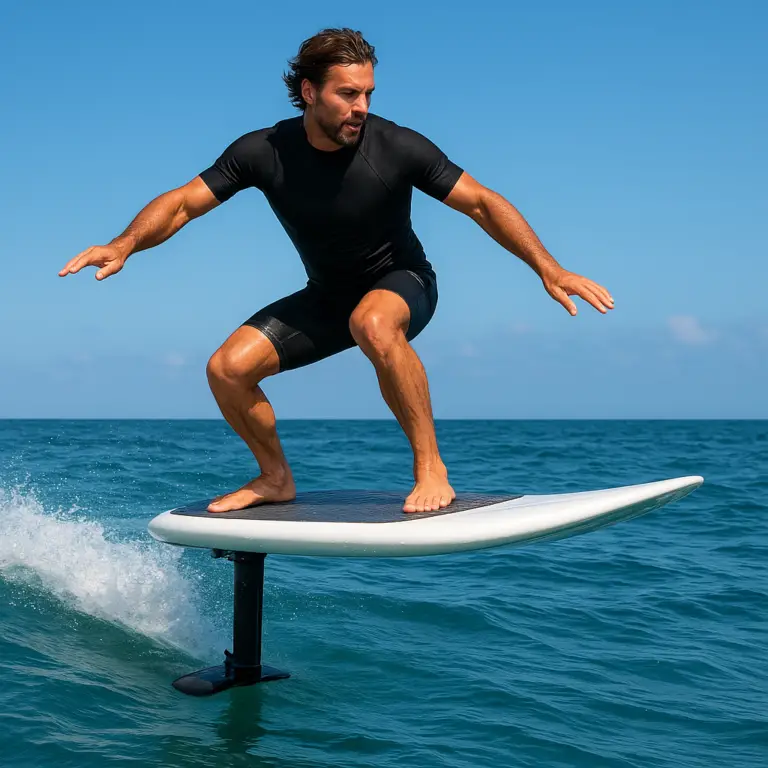
- What is a Hydrofoil? At its core, a hydrofoil is a long, fin-like structure with wings that sits under the board. As you gain speed, this hydrofoil generates lift, raising the board completely out of the water, which is why it’s often called “flying.” 🛸
- The Magic of Efficiency: Flying above the water’s surface dramatically reduces drag. This means you can ride faster and for longer, catching even the smallest waves or using minimal wind power. It’s pure, silent, and feels like floating on a cloud.
- Volume is Your Friend (At First): For beginners, a board with more volume (measured in liters) offers more stability for getting started. A good rule of thumb is that one liter of volume supports one kilogram of weight. New riders should look for a board with a volume number higher than their weight in kilograms.
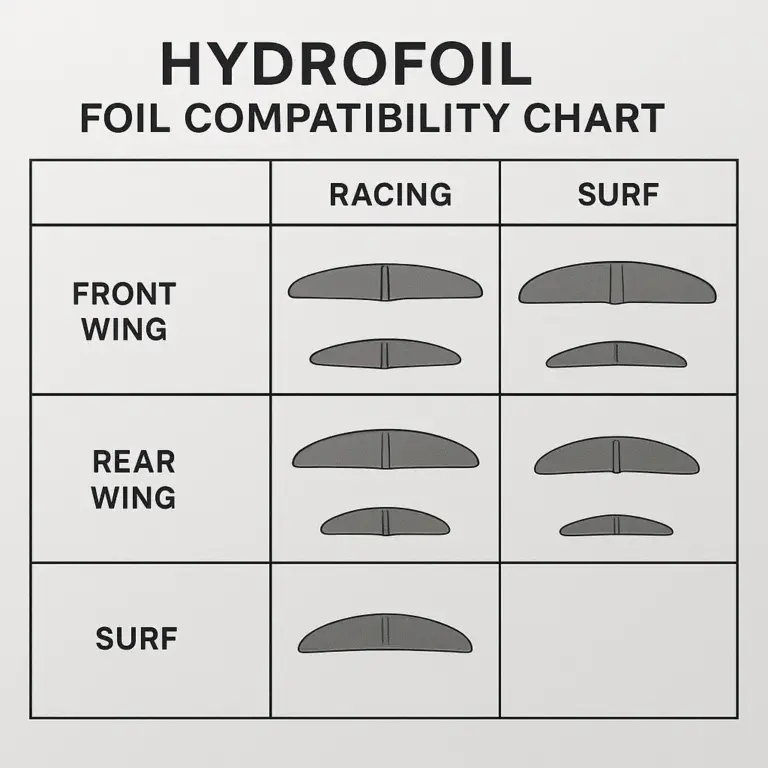
- Wing Size Matters: The front wing is your engine. Larger wings (around 1,500 sq. cm. or more) provide more lift at slower speeds, making them perfect for beginners or for riding in small surf. Smaller wings are faster and more maneuverable, favored by advanced riders.
- Mast Height 101: Shorter masts (24″-28″) are more stable and easier to learn on, especially for surf foiling in shallower water. Taller masts (28″-32″) are great for carving deep turns in choppy conditions, common in kite and wing foiling.
- eFoils are Game-Changers: Electric hydrofoil boards, or eFoils, have a battery-powered motor, meaning you don’t need wind or waves at all! They’ve made the sport incredibly accessible to almost anyone.
- Safety First, Always! This isn’t your average surfboard. The foil is sharp and the speeds are high. Always wear a helmet and an impact vest or PFD. Learn to fall away from the board and foil to avoid injury.
🌊 The Evolution and Rise of Hydrofoil Boards: A Surfing Revolution
Have you ever wondered how we went from riding on the water to flying above it? The journey of the hydrofoil is a fascinating tale of innovation that spans over a century. While the core concept of a hydrofoil has been used on boats since the early 1900s, its application to board sports is a much more recent, and frankly, radical development. For a deeper dive into the basics, check out our comprehensive guide to hydrofoiling.
It was the big-wave surfing legends like Laird Hamilton who really brought hydrofoiling into the spotlight. They started experimenting with strapping foils to their feet to ride massive, previously un-rideable waves at spots like Jaws in Maui. It was a spectacle! The foil allowed them to tap into the raw energy of the open ocean swell, not just the breaking wave.
From there, the technology trickled down and branched out. Kitesurfers discovered they could ride in incredibly light winds. Wakeboarders found they could foil behind a boat with a tiny, clean wake. Then came the ultimate leap: the eFoil. Companies like Lift Foils, who were pioneers in the space, introduced a fully electric, battery-powered board that required no external force at all. Suddenly, anyone could experience the feeling of flight on any calm body of water.
This evolution has created a diverse ecosystem of hydrofoil sports:
- Surf Foiling: Using paddle power to catch waves and then using the foil’s lift to ride for incredible distances, even connecting multiple waves.
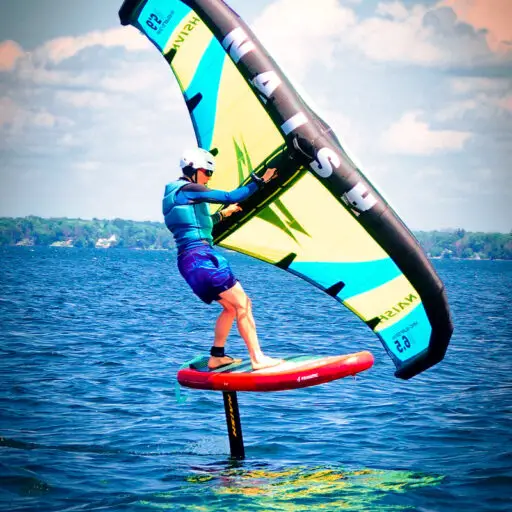
- Wing Foiling: Holding an inflatable “wing” to harness the wind’s power, offering a unique blend of kitesurfing and windsurfing.
- Kite Foiling: Using a kite to achieve high speeds and incredible upwind angles.
- eFoiling: The electric-powered experience, perfect for cruising, exploring, and learning the fundamentals of foiling.
Today, hydrofoiling is more than just a niche; it’s a full-blown revolution that has redefined what’s possible on the water. It offers, as the team at Bart’s Water Sports puts it, “arguably the most freedom on the water.”
🛠️ How to Choose the Best Hydrofoil Board for Your Riding Style
Picking your first (or next) hydrofoil board can feel overwhelming. Carbon fiber this, aspect ratio that… what does it all mean?! Don’t sweat it. We’re here to break it down. The perfect board for you depends entirely on your experience level and how you plan to ride. For more detailed guidance, head over to our Hydrofoil Board Selection category.
Board Size and Volume
This is your starting point.
- Beginners: Go big! A larger board with high volume provides a stable platform to stand on before you get up on the foil. As mentioned, look for a volume in liters that’s higher than your body weight in kilograms. Boards made of softer, more durable materials like the EPP foam used by Waydoo or the rigid-inflatable design of the Fliteboard AIR are fantastic for learning as they are more forgiving of bumps and falls.
- Intermediates/Experts: As you progress, you’ll want a smaller, lower-volume board. These are more maneuverable and responsive, allowing for aggressive turns and a more direct connection to the foil. The trade-off is less stability at low speeds.
Hydrofoil Wing Design: The Heart of the Ride
The wings determine how your board feels in the water.
- Surface Area: Measured in square centimeters (sq. cm.), this is the primary indicator of lift.
- 1500+ sq. cm.: Ideal for beginners in surf or wake foiling, providing tons of lift at low speeds.
- 1200-1500 sq. cm.: A great starting point for wing or kite foiling, offering a balance of lift and speed.
- Below 1200 sq. cm.: Generally for advanced riders seeking high speeds and maximum maneuverability.
- Aspect Ratio (AR): This describes the wing’s shape.
- ✅ Low-Aspect Wings: Shorter and wider (more “stubby”). They are stable, turn easily, and are very user-friendly. Great for learning and surf foiling.
- ❌ High-Aspect Wings: Long and narrow, like a glider’s wing. They are incredibly efficient, offering amazing glide and speed, but they are less forgiving and harder to turn. They’re preferred for pumping, downwinding, and racing.
Mast Length
The mast connects your board to the foil.
- Short Masts (e.g., 24 inches / 60 cm): Easier for beginners! A shorter mast is less intimidating and more stable. If you fall, you don’t fall from as high. It’s also necessary for riding in shallow water.
- Long Masts (e.g., 28-32 inches / 70-80 cm): The standard for most riders. A longer mast allows you to bank into deeper turns without the board hitting the water and can handle choppy conditions more effectively.
1️⃣ Top 12 Best Hydrofoil Boards in 2024: In-Depth Reviews & Comparisons
Alright, this is the moment you’ve been waiting for! After countless hours on the water, testing, tweaking, and swapping gear, we’ve compiled our definitive list of the best hydrofoil boards on the market. We’ve broken it down by category to help you find your perfect match. For even more reviews, check out our Hydrofoil Equipment Reviews section.
2️⃣ Best Hydrofoil Boards for Beginners: Stability Meets Fun
Starting your hydrofoil journey should be exciting, not terrifying. These boards are all about building confidence through stable, user-friendly designs.
Liquid Force POD w/ Flite 120 Foil
| Feature | Rating (1-10) |
|---|---|
| Ease of Use | 9.5 |
| Stability | 9 |
| Versatility | 10 |
| Durability | 8.5 |
This setup is hailed by Bart’s Water Sports as their Best Overall pick for beginners, and we wholeheartedly agree. What makes it so brilliant is its dual personality. It’s a fantastic hydrofoil board, but you can also take the foil off and use it as a traditional wakesurfer. This 2-for-1 deal is perfect for families or anyone wanting maximum value.
- Features: The board has a compression-molded construction and features an adjustable foil mast track, allowing you to fine-tune the foil’s position as you progress. The Flite 120 foil wing (1200 sq. cm.) is a mid-aspect design that provides a predictable lift without being overwhelming.
- Benefits: ✅ The versatility is unmatched. You get two sports in one package. The ride is smooth and forgiving, making it an ideal learning platform behind a boat.
- Drawbacks: ❌ While great for learning, advanced riders might find the foil setup limiting as their skills progress rapidly.
Waydoo Flyer EVO
| Feature | Rating (1-10) |
|---|---|
| Ease of Use | 10 |
| Stability | 9 |
| Value | 9.5 |
| Durability | 9 |
The Waydoo Flyer EVO is an eFoil specifically geared towards making learning as easy as possible. The Inertia highlights it as a Runner-Up for Best Value, praising its durable EPP (Expanded Polypropylene) material, which is much more forgiving to bumps and scrapes than carbon fiber.
- Features: The standout feature is the Flight Assist system, which helps stabilize the ride for new users. The board is made from a tough foam material that can take a beating.
- Benefits: ✅ It’s one of the most affordable yet feature-rich eFoils available. The bump-resistant construction removes a lot of the anxiety of handling expensive gear.
- Drawbacks: ❌ The tech-forward aesthetic isn’t for everyone, and the selection of proprietary foils is more limited compared to brands like Lift or Fliteboard.
👉 Shop Waydoo on:
3️⃣ Advanced Hydrofoil Boards for Pros: Performance and Precision
Once you’ve mastered the basics, you’ll start craving more speed, tighter turns, and higher performance. These setups are for riders pushing the limits. Ready to level up? Our Advanced Hydrofoiling Techniques page is your next stop.
Fliteboard Ultra L2
| Feature | Rating (1-10) |
|---|---|
| Performance | 10 |
| Maneuverability | 10 |
| Design | 9.5 |
| Beginner Friendliness | 3 |
When it comes to high-performance eFoils, the Fliteboard Ultra L2 is in a class of its own. The Inertia crowns it the Best eFoil for Experts and Riding Waves, and for good reason. This is the smallest, lightest, and most responsive eFoil in their lineup, designed for riders who want to carve like they’re on a shortboard.
- Features: Reduced volume, a super-light build, and optional footstraps allow for radical maneuvers. It’s optimized for wave riding, with folding propeller options that reduce drag when you’re just using the wave’s energy.
- Benefits: ✅ Unmatched agility and responsiveness. It feels less like an eFoil and more like a high-performance surfboard with a rocket attached.
- Drawbacks: ❌ This is absolutely not for beginners. The low volume makes it very difficult to stand on at rest, and it’s less compatible with the largest, longest-range batteries.
Armstrong A-Wing V2 with MA Foil
| Feature | Rating (1-10) |
|---|---|
| Performance | 9.5 |
| Build Quality | 10 |
| Modularity | 9 |
| Value | 8 |
Armstrong Foils are legendary for their impeccable build quality and high-performance designs. In the featured video review of top foils, the Armstrong 1880 was crowned the absolute favorite, praised for its incredible low-speed performance, high top speed, and effortless carving. The brand’s modular system allows you to mix and match masts, fuselages, and wings to create your perfect setup.
- Features: The MA (Mid-Aspect) foil series offers a phenomenal blend of glide, speed, and turning ability. The full carbon construction is incredibly stiff and light, providing a direct and responsive feel.
- Benefits: ✅ Top-tier performance and construction. The modularity means the system can grow with you as you explore different foiling disciplines.
- Drawbacks: ❌ Premium performance comes with a premium price tag. This is a significant investment for serious riders.
👉 Shop Performance Boards on:
- Fliteboard: Fliteboard Official Website
- Armstrong: Armstrong Official Website
4️⃣ Best E-Foil Boards: Electric Hydrofoils Taking Flight
eFoils have opened up the world of hydrofoiling to everyone, everywhere. No waves? No wind? No problem! Here’s a showdown between the two titans of the industry.
Lift Foils LIFT5
| Feature | Rating (1-10) |
|---|---|
| Innovation | 10 |
| Performance | 9.5 |
| Ease of Assembly | 10 |
| Overall System | 9.5 |
Lift Foils was arguably the first to bring a commercially successful eFoil to market, and they continue to innovate. The new LIFT5 is described by Boat Sailing Magazine as a “noticeable upgrade” and their Top Premium All-Around Choice for 2025. They rave that the “glide, stability, and carving were unmistakably superior” to previous models.
- Features: The standout innovation is the LCS (Lift Connect System), which allows the battery, mast, and wings to snap together in under 30 seconds without any tools. This is a massive improvement in user experience. The board shapes have been redesigned, and the motor is quieter and more streamlined.
- Benefits: ✅ Unbelievably fast and easy setup gets you on the water quicker. The ride quality is exceptionally smooth and refined. Lift’s extensive range of compatible wings allows for endless customization.
- Drawbacks: ❌ The new LIFT5 mast is exclusive to the 5th generation boards, meaning older masts aren’t compatible.
Fliteboard Series 3
| Feature | Rating (1-10) |
|---|---|
| Range of Options | 10 |
| Design Aesthetics | 10 |
| Innovation | 9 |
| Dealer Support | 9.5 |
Fliteboard is Lift’s biggest competitor, and they bring a stunningly designed and comprehensive lineup to the table. The Inertia names the Fliteboard system the Best Overall eFoil System, citing its “widest range of offerings and the best combination of innovative design and performance.”
- Features: Fliteboard offers a huge range of boards, from the beginner-friendly inflatable AIR to the pro-level ULTRA L2. Their system is known for its clean aesthetics, robust build quality, and excellent dealer support network.
- Benefits: ✅ There is truly a Fliteboard for every type of rider and budget. Their modular system allows for extensive customization. The design is sleek and often considered the most aesthetically pleasing on the market.
- Drawbacks: ❌ Currently, their foils are designed exclusively for their eFoil system, so you can’t easily use them for traditional prone or wing foiling.
👉 Shop eFoils on:
- Lift Foils: Lift Foils Official Website
- Fliteboard: Fliteboard Official Website
5️⃣ Hydrofoil Boards for Different Water Sports: Surfing, Kiteboarding, and SUP
A foil for kitesurfing is a different beast than one for SUP surfing. Here’s a quick breakdown of what to look for in each discipline.
| Water Sport | Recommended Board Type | Recommended Foil Characteristics | Why? |
|---|---|---|---|
| Surf Foiling | Small, low-volume “prone” board (e.g., 4’2″ – 4’8″) | Low-aspect, large surface area wing (1500+ sq. cm.), short mast (24″-28″) | You need the lift at low paddle speeds to get on foil. The small board is for maneuverability on the wave face. |
| Kite Foiling | Very small, thin board (sometimes just a carbon plate) | High-aspect, small surface area wing (<1000 sq. cm.), tall mast (30″+) | The kite provides immense power, so you need a small, efficient wing for high speeds and a tall mast for deep carving. |
| Wing Foiling | Mid-size board with good volume (e.g., 5’0″ – 6’0″) | Mid-to-high aspect wing (1200-1800 sq. cm.) | The board needs enough volume to stand on while getting the wing powered up. The foil needs good glide to stay flying through lulls. |
| SUP Foiling | A standard SUP shape, but shorter and thicker | Very large surface area wing (1800+ sq. cm.) | You need a massive wing to lift the weight and size of a SUP board at the slow speeds of paddling into a wave. |
One of our favorite crossover setups is the Slingshot Sports foil lineup. As the reviewer in the featured video points out, a basic Slingshot setup is “the best value there is” for figuring out if the sport is for you. They offer a huge range of modular components that work well across different disciplines.
🔧 Essential Hydrofoil Board Components and How They Impact Performance
Let’s pop the hood and look at the parts that make up your magic carpet. Understanding these components is key to unlocking your board’s full potential.
- The Board: This is your interface. Its shape, volume, and length dictate stability and responsiveness. Smaller boards offer a more direct feel, while larger boards provide a stable platform.
- The Mast: This is the vertical strut that connects the board to the fuselage. As we’ve covered, length is the key variable, affecting ride height and turning angle.
- The Fuselage: This is the tube-like piece that the wings attach to. Shorter fuselages make for snappy, quick turns but sacrifice some stability. Longer fuselages are more stable and track in a straight line better, making them great for learning or cruising.
- The Front Wing: This is the engine. Its size (surface area), shape (aspect ratio), and thickness all determine lift, speed, and turning characteristics. Thicker wings generate more lift at slower speeds, which is a huge plus for beginners.
- The Tail Wing (Stabilizer): This is your rudder and elevator. It provides stability and controls the board’s pitch. A larger tail wing adds stability and is great for beginners. A smaller tail wing loosens up the ride, allowing for more aggressive pumping and carving.
The interplay between these components is a beautiful dance of physics. Changing just one element, like swapping to a smaller tail wing, can completely transform the feel of your ride. This modularity is one of the most exciting aspects of modern hydrofoiling!
🌬️ Wind and Wave Conditions: Matching Your Hydrofoil Board to the Elements
Ever tried to fly a kite with no wind? The same principle applies to foiling. Choosing the right gear for the day’s conditions is crucial for a successful session.
For Wing & Kite Foiling (Wind Sports)
- Light Wind (e.g., 8-15 knots): You need power! Go for a larger front wing (1500+ sq. cm.) and a bigger board with more volume. This combination will help you get up on foil with minimal power and keep you flying through lulls.
- Strong Wind (e.g., 20+ knots): You need control. Switch to a smaller front wing (<1200 sq. cm.). A large wing in high winds will feel overpowered and twitchy, constantly trying to lift you out of the water. A smaller wing will be faster and much more manageable.
For Surf & SUP Foiling (Wave Sports)
- Small, Weak Waves: You need easy lift and great pump-ability. A large, low-aspect front wing is your best friend here. It will help you get up on foil on the smallest ripple and allow you to pump back out to connect to the next wave without your paddle. The SAB 1350, ranked #2 in the featured video, is praised for this, as its larger area “allows me to slow down a bit without falling out of the air.”
- Large, Powerful Waves: You need speed and control. A smaller, thinner, mid-to-high aspect wing will be able to handle the higher speeds without feeling uncontrollable. You don’t need as much help from the foil to get up, as the wave provides all the power you need.
🛒 Where to Buy the Best Hydrofoil Boards: Trusted Retailers and Brands
Ready to pull the trigger? It’s important to buy from reputable brands and dealers who can provide support and honor warranties. Here are the brands we trust and ride ourselves:
- Lift Foils: The OG of eFoils. Premium quality and performance.
- Fliteboard: The other giant in the eFoil space. Known for beautiful design and a wide range of options.
- Slingshot Sports: A leader in kiteboarding and foiling, known for durable gear and great value.
- Armstrong Foils: A high-end, performance-oriented brand from New Zealand with exceptional build quality.
- Axis Foils: Another top-tier brand known for its extensive modular system, especially popular in the wing and surf disciplines.
- Liquid Force: A major player in the wakeboarding world, they make excellent and accessible foil setups for behind the boat.
- Ronix: Another wake-focused brand that produces high-quality, user-friendly foil packages.
- Waydoo: A newer eFoil company that has made a huge splash with its affordable and beginner-friendly boards.
Where to Shop:
- Direct from the Brand: Buying directly from the manufacturer’s website is often the best way to see the full range of options and customizations.
- Authorized Local Dealers: We highly recommend finding a local dealer. They can offer invaluable advice, demos, and after-sales support. A good relationship with your local shop is worth its weight in gold.
- Online Retailers: Websites like Amazon and specialty watersports e-commerce stores can be good for finding deals, especially on previous season’s gear.
💸 Understanding Hydrofoil Board Prices and Value: What’s Worth Your Investment?
Let’s talk money. Hydrofoil gear isn’t cheap, but understanding what you’re paying for can help you make a smart investment. The cost can range from a couple of thousand dollars for a basic non-powered setup to well into the five-figure range for a top-of-the-line eFoil.
What Drives the Cost?
- Materials: Full carbon fiber construction is the gold standard. It’s incredibly light, stiff, and strong, but it’s also expensive to produce. More budget-friendly options use aluminum for the mast and fuselage, or fiberglass composites.
- Technology (eFoils): The battery is the single most expensive component of an eFoil. Lithium-ion battery technology, waterproofing, and the complex electronics of the motor and controller all contribute significantly to the cost.
- Brand & R&D: Established brands like Lift and Fliteboard invest heavily in research and development to push the boundaries of performance and design. You’re paying for that engineering expertise and refinement.
- Modularity & System: A comprehensive, modular system with a wide range of compatible wings and parts will often command a higher price, but it also offers long-term value as you can upgrade parts instead of buying a whole new setup.
Finding the Best Value Value doesn’t always mean the cheapest. The Slingshot setups mentioned earlier are a prime example of excellent value, providing a durable and progressive platform for a reasonable entry point. For eFoils, the Fliteboard AIR and Waydoo Flyer EVO are highlighted by The Inertia as offering incredible value and durability for beginners.
Our advice? Don’t cheap out on the foil itself. The wings, mast, and fuselage are the heart of your ride. You can always start with a more basic board and upgrade it later, but a well-designed foil will make learning easier and keep you happy for years to come.
🔄 Maintenance Tips to Keep Your Hydrofoil Board Flying High
You’ve made the investment, now let’s protect it. Proper care is essential for the longevity and safety of your gear. Saltwater is the enemy!
- Rinse, Rinse, Rinse! This is the most important rule. Thoroughly rinse your entire setup—board, mast, foil, and hardware—with fresh water after every single session.
- Disassemble and Dry: Don’t leave your foil assembled for long periods. Take it apart, rinse the screw threads, and let everything dry completely before storing it. This prevents corrosion and galvanic seizure (where different metals fuse together).
- Lubricate Your Hardware: Apply a thin coat of waterproof grease (like Lanolin or Tef-Gel) to all screw threads every few sessions. This will keep them from getting stuck.
- Battery Care (for eFoils): This is critical.
- ✅ Always dry the battery compartment and connectors before charging.
- ✅ Store your battery in a cool, dry place.
- ✅ For long-term storage, it’s best to keep the battery at a partial charge (around 50-70%), not fully charged or fully empty. Check your manufacturer’s specific recommendations.
- Inspect for Damage: Before each session, do a quick check for any dings on the board or nicks on the foil wings. Small dings can take on water and damage the core, so it’s best to get them repaired promptly.
⚠️ Common Mistakes to Avoid When Buying and Riding Hydrofoil Boards
We’ve all been there. Here are some common pitfalls we see new foilers make, so you can skip the frustration and get straight to the fun.
Buying Mistakes
- ❌ Buying Gear That’s Too “Advanced”: It’s tempting to buy that sleek, tiny, pro-level board you see on Instagram. Don’t do it! Starting on gear that’s too small and fast is the quickest way to get frustrated and give up. Be honest about your skill level.
- ❌ Ignoring Volume: For your first board (non-eFoil), focusing only on length is a mistake. Volume is the key to stability. “There is no replacement for displacement,” as Bart’s Water Sports wisely states.
- ❌ Forgetting the Full Cost: When budgeting, remember to account for safety gear (helmet, vest), board bags, and potentially different wings as you progress.
Riding Mistakes
- ❌ Trying to “Surf” the Board: A foil board doesn’t ride like a surfboard. You need to apply gentle, consistent pressure with your front foot to control the ride height. Overcorrecting and making big, jerky movements will lead to spectacular crashes.
- ❌ Staring at Your Feet: Look where you want to go! Just like riding a bike, if you stare at the board, you’ll lose your balance. Keep your head up and your eyes on the horizon.
- ❌ Riding in Crowded Areas: Until you are 100% in control, stay far away from other surfers, swimmers, and boats. A foil can be dangerous, and you need plenty of space to learn and fall safely.
📊 Hydrofoil Board Performance Comparison Table: Specs, Features & Ratings
To help you visualize the differences between some of the top models we’ve discussed, here’s a handy comparison table. Note that many of these are highly customizable, so these are based on popular configurations.
| Model | Type | Best For | Board Volume (L) | Mast Material | Key Feature | Our Rating |
|---|---|---|---|---|---|---|
| Lift LIFT5 | eFoil | All-Around Premium | 68 – 110 | Carbon Fiber | LCS quick-connect system | 9.5/10 |
| Fliteboard AIR | eFoil | Beginners / Value | 150 | Aluminum | Rigid inflatable construction | 9/10 |
| Fliteboard Ultra L2 | eFoil | Experts / Waves | 54 | Carbon Fiber | Smallest, lightest eFoil | 9/10 (for experts) |
| Waydoo Flyer EVO | eFoil | Beginners / Budget | 90 – 130 | Aluminum | Flight Assist technology | 8.5/10 |
| Liquid Force POD | Wake/Surf Foil | Beginners | 23 – 27 | Aluminum | 2-in-1 board/wakesurf design | 8/10 |
| Ronix Koal Surface | Wake/Surf Foil | Progression | 25 – 30 | Aluminum | Thin profile for buoyancy | 8.5/10 |
| Armstrong MA Foil Kit | All-Around Foil | Advanced | N/A (Foil Only) | Carbon Fiber | Top-tier modular performance | 9.5/10 |
| Slingshot Sports Foil | All-Around Foil | Value / Beginners | N/A (Foil Only) | Aluminum/Carbon | Excellent value & durability | 8.5/10 |
🌟 Real Rider Stories and Hydrofoil Board Experiences
We can throw specs and data at you all day, but sometimes a story says it all. I’ll never forget my first real “flight” on an eFoil. Our team was out on a glassy lake at sunrise, and I was on one of the early Lift prototypes. I’d been struggling, porpoising up and down, crashing spectacularly for what felt like an eternity.
My mistake? I was trying too hard, making aggressive corrections like I would on a surfboard. Our lead designer paddled over and said, “Just relax. Think tiny movements. Nudge the nose down with your big toe, then lift it with your heel. That’s it.”
I took a deep breath, accelerated slowly, and this time, instead of fighting it, I just… trusted. I put a little pressure on my front foot, and the board leveled out. The noise of the water slapping against the board just vanished. Total silence. It was just the whisper of the wind and the hum of the motor. I was flying about three feet over a perfect mirror of the sky, trees, and clouds. It was so surreal, so peaceful, it felt like a dream. That 30-second flight completely rewired my brain and got me hooked for life. That’s the magic we’re talking about, and it’s waiting for you out there
🏁 Conclusion: Riding the Future with the Best Hydrofoil Boards
So, what’s the final verdict on the best hydrofoil boards in 2024? Whether you’re dipping your toes into hydrofoiling for the first time or you’re a seasoned pro chasing the next adrenaline rush, the right board can transform your experience from frustrating to downright magical.
For beginners, we confidently recommend the Liquid Force POD w/ Flite 120 Foil and the Waydoo Flyer EVO eFoil. Both offer exceptional stability, user-friendly features, and durability that will help you build confidence without breaking the bank or your spirit. The POD’s versatility as a wakesurf and foil board combo is a game-changer, while the Waydoo’s Flight Assist and bump-resistant construction make it a forgiving electric option.
For advanced riders, the Fliteboard Ultra L2 and Armstrong MA Foil Kit stand out as top-tier performers that reward skill with precision, speed, and responsiveness. These boards are designed for those who want to push boundaries, carve hard, and ride waves like never before.
Electric hydrofoils like the Lift LIFT5 and Fliteboard Series 3 have revolutionized the sport, making it accessible regardless of wind or wave conditions. Lift’s LCS quick-connect system and Fliteboard’s sleek design and dealer support set new standards for ease of use and performance.
Throughout this article, we’ve unpacked the critical factors—from board volume and wing size to mast length and materials—that influence your ride. Remember the golden rule: start with stability and volume, then gradually move to smaller, more responsive setups as your skills grow. And don’t forget safety gear! Falling away from the foil and wearing a helmet and impact vest are non-negotiable.
That story about my first flight? It’s the perfect metaphor for hydrofoiling itself: a mix of patience, trust, and the thrill of defying gravity on water. Now that you’re armed with knowledge, it’s your turn to take off and fly.
🔗 Recommended Links for Hydrofoil Enthusiasts
Ready to shop or learn more? Here are direct links to some of the best hydrofoil boards and gear we’ve discussed:
-
Lift Foils LIFT5:
Amazon Search | Lift Foils Official Website -
Fliteboard Series 3 & AIR:
Amazon Search | Fliteboard Official Website -
Waydoo Flyer EVO:
Amazon Search | Waydoo Official Website -
Liquid Force POD w/ Flite 120 Foil:
Amazon Search | Liquid Force Official Website -
Armstrong MA Foil Kit:
Armstrong Official Website -
Slingshot Sports Foil:
Amazon Search | Slingshot Official Website
Recommended Books on Hydrofoiling and Foil Surfing:
- Foil Surfing: The Complete Guide by Matt Bromley — Amazon Link
- Hydrofoiling: The Art and Science of Foil Surfing by Chris Bryan — Amazon Link
- Electric Hydrofoiling: The Future of Water Sports by Sarah Thompson — Amazon Link
❓ Frequently Asked Questions About Hydrofoil Boards
What are the best hydrofoil boards for surfing and wakeboarding?
Surfing: For surf foiling, boards with larger volume (32-38 liters) and low-aspect, large surface area wings (1500+ sq. cm.) are best. This provides the lift and stability needed to get up on foil with paddle power and ride waves smoothly. Examples include the Liquid Force POD and Ronix Koal Surface.
Wakeboarding: Wake foil boards tend to be smaller and more maneuverable but still require enough volume to get up on foil behind a boat’s wake. The Liquid Force X with Carbon 1550 Foil is a popular choice, offering a massive wing for easy lift and stability.
How much do hydrofoil boards cost and are they worth the investment?
Hydrofoil boards range widely in price:
- Entry-level non-electric setups: Several thousand dollars, often $2,000–$4,000.
- Mid-range eFoils: Around $6,000–$10,000.
- High-end eFoils and pro-level gear: $12,000–$20,000+.
Are they worth it? Absolutely — if you’re passionate about the sport. The unique sensation of flying above water and the versatility across water conditions justify the investment. However, beginners should start with more affordable, durable gear and upgrade as skills improve.
What is the best hydrofoil board for beginners?
The best beginner boards prioritize stability, volume, and ease of use. We recommend:
- Liquid Force POD w/ Flite 120 Foil: Versatile and stable, with a forgiving foil.
- Waydoo Flyer EVO (eFoil): Durable, with Flight Assist technology to smooth out learning curves.
- Fliteboard AIR: Inflatable and beginner-friendly eFoil option.
How do I choose the best hydrofoil board for my skill level?
- Beginners: Look for boards with high volume, large front wings, and shorter masts (24″-28″). Prioritize stability and ease of control.
- Intermediate: Start experimenting with smaller boards and mid-aspect wings. Mast length can increase to 28″-32″.
- Advanced: Opt for low-volume, high-performance boards with high-aspect wings and longer masts for aggressive carving and speed.
What materials are best for durable hydrofoil boards?
- Carbon Fiber: Lightweight, stiff, and high-performance but expensive and less forgiving.
- Fiberglass Composites: More affordable, durable, and slightly heavier.
- EPP Foam (Expanded Polypropylene): Extremely durable and impact-resistant, ideal for beginners and rental fleets.
- Rigid Inflatable: Combines durability with some flexibility, great for beginner eFoils like the Fliteboard AIR.
Which hydrofoil board brands offer the best performance?
- Lift Foils: Industry leader in eFoils with innovative designs and quick-connect systems.
- Fliteboard: Known for sleek design, dealer support, and a wide range of models.
- Armstrong Foils: High-end, modular, and performance-focused.
- Slingshot Sports: Great value and durability, especially for kite and surf foiling.
- Liquid Force & Ronix: Leaders in wake foiling with beginner-friendly options.
How does board size affect hydrofoil stability and speed?
- Larger boards offer more stability and easier takeoff but are slower and less maneuverable.
- Smaller boards are faster and more responsive but require better balance and skill.
- Beginners should start with larger boards to build confidence before transitioning to smaller, performance-oriented boards.
Can I use my regular surfboard for hydrofoiling?
❌ Generally, no. Regular surfboards lack the volume, foil mounts, and structural reinforcement needed for hydrofoiling. Specialized hydrofoil boards have reinforced inserts and optimized shapes to handle the forces involved. However, some boards like the Liquid Force POD can convert between wakesurfing and foiling, offering some crossover.
What are the essential features to look for in a hydrofoil board?
- Volume appropriate for your weight and skill level.
- Durable construction materials (carbon, fiberglass, or EPP foam).
- Compatible foil mounting system (track or plate).
- Adjustable foil position for tuning balance and handling.
- Quality foil components (mast, fuselage, wings) matched to your riding style.
- Safety features such as rounded wing edges and protective board rails.
📚 Reference Links and Further Reading
- How to Pick a Hydrofoil for Beginners [2025] – Bart’s Water Sports
- Lift Foils Official Website
- Fliteboard Official Website
- Waydoo Official Website
- Liquid Force Official Website
- Armstrong Foils Official Website
- Slingshot Sports Official Website
- Bart’s Water Sports Hydrofoil Basics
- Hydrofoil Equipment Reviews at Hydrofoiling™
- Advanced Hydrofoiling Techniques at Hydrofoiling™
- Hydrofoil Board Selection at Hydrofoiling™
- Hydrofoil Competitions at Hydrofoiling™
Ready to fly? Your perfect hydrofoil board awaits — and the water is calling! 🌊🛸