Support our hydrofoil educational content for free when you purchase through links on our site. Learn more
Is Wing Foiling Easier Than Windsurfing? 7 Surprising Truths 🏄♂️ (2026)

If you’ve ever watched a windsurfer battle the wind and waves, then glanced over at a wing foiler effortlessly gliding above the water, you might have wondered: Is wing foiling actually easier than windsurfing? Spoiler alert—it often is, but the story isn’t quite that simple.
We’ve spent countless hours testing, wiping out, and soaring on both sports, and in this deep dive, we’ll reveal 7 surprising truths that separate wing foiling from windsurfing. From gear portability and physical demands to wind range and learning curves, we break down everything you need to know before you make the switch—or decide to stick with your trusty sail. Plus, we share insider tips on how to get started flying faster than you ever thought possible.
Ready to find out why wing foiling might just be the future of wind-powered water sports? Keep reading, because the answer might surprise you—and it could change the way you ride forever.
Key Takeaways
- Wing foiling offers a faster learning curve, with many beginners flying within just a few sessions, compared to the longer, more physically demanding windsurfing journey.
- Gear portability is a game-changer: wing foiling equipment is lightweight, inflatable, and fits in a car trunk, unlike bulky windsurfing rigs.
- Wing foiling works in lighter winds, expanding your days on the water and making it more accessible in varied conditions.
- Physical demands are generally lower in wing foiling, focusing on core and arm strength rather than the full-body grind of windsurfing.
- The sensation of silent flight and freedom of movement sets wing foiling apart, especially for wave riders and adventure seekers.
- Safety is improved with wing foiling’s lighter gear and simpler setup, but respect for the foil and water conditions remains essential.
- Transitioning windsurfers have an advantage, but balancing on the foil and mastering wing control are new skills that take practice.
Curious about which gear to choose or how to start your wing foiling journey? We’ve got you covered in the sections ahead!
Welcome to the flight deck! We are the crew at Hydrofoiling™, and we’ve spent more hours hovering over the water than we have walking on dry land. If you’ve ever stood on a beach, watching a windsurfer wrestle with a 7-meter sail while a wing foiler glides past with the grace of a pelican, you’ve probably asked yourself: “Is wing foiling actually easier than windsurfing?”
It’s the million-dollar question (though the gear costs significantly less, thankfully). Whether you’re a salty dog windsurfer looking to save your lower back or a total newbie wanting to join the “foiling revolution,” we’ve got the dirt. Grab a cold one, and let’s dive into the physics of flight versus the brute force of the sail.
Table of Contents
- ⚡️ Quick Tips and Facts
- 🌊 The Evolution of Wind: From Daggerboards to Wings
- 🦋 What Exactly is Wing Foiling? (The New Kid on the Block)
- ⚖️ The Learning Curve: Is Wing Foiling Easier Than Windsurfing?
- 🥊 Wing Foiling vs. Windsurfing vs. Windfoiling: The Ultimate Showdown
- 🎒 The Gear Gap: Comparing Equipment and Portability
- 💪 Physical Demands: Which Sport Will Leave You More Sore?
- 🌬️ Wind Range and Conditions: When to Rig What
- 🚀 12 Reasons Why Windsurfers are Switching to the Wing
- 🎓 How to Learn Wing Foiling: Your Step-by-Step Flight Plan
- 🪁 Wing Foiling vs. Kitesurfing: A Different Kind of Flight
- 🛡️ Safety First: Risks and Precautions in the Foil Zone
- 🏁 Conclusion
- 🔗 Recommended Links
- ❓ FAQ
- 📚 Reference Links
⚡️ Quick Tips and Facts
Before we get into the nitty-gritty, here’s the “too long; didn’t read” version for those of you itching to get on the water.
| Feature | Wing Foiling | Windsurfing |
|---|---|---|
| Learning Curve | Steep at first, then rapid progress ✅ | Linear but very long ❌ |
| Gear Weight | Lightweight & Inflatable (mostly) ✅ | Heavy masts, booms, & sails ❌ |
| Wind Minimum | 8-10 knots (with big foils) | 12-15 knots (to plane) |
| Portability | Fits in a small trunk ✅ | Requires a van or roof racks ❌ |
| Physical Toll | Core and arms (low impact) | Back, knees, and shoulders (high impact) |
| Cool Factor | Hovering like a Jedi | Classic 80s vibes (still cool!) |
Key Facts:
- Fact: Most people can learn to “fly” on a wing foil in 5 to 10 sessions, whereas mastering a windsurfing carve jibe can take years.
- Tip: If you’re transitioning from windsurfing, your biggest hurdle will be the balance on the foil, not the wind handling.
- Fact: Wing foiling gear from brands like Fanatic or Duotone can fit into the back of a Mini Cooper. Try doing that with a 460cm windsurfing mast!
- Tip: Always start on a board with at least 30-40 liters more volume than your body weight in kilograms.
🌊 The Evolution of Wind: From Daggerboards to Wings
To understand where we are, we have to look at where we started. Windsurfing exploded in the 70s and 80s. It was the “extreme” sport of its time. We remember the days of the Windsurfer One Design—heavy, long boards with wooden booms that felt like you were wrestling a garage door. Over decades, the gear got lighter and faster, but the fundamental problem remained: friction.
To go fast in windsurfing, you need to “plane” on top of the water. This requires a lot of wind and a lot of sail area. If the wind drops, you’re “schlogging”—stuck in the water, dragging a heavy rig.
Then came the Hydrofoil. Originally a niche addition to windsurf boards (Windfoiling), it eventually birthed a new monster: Wing Foiling. By decoupling the sail from the board and holding it in your hands, designers like those at Naish and Slingshot realized they could eliminate the heavy mast base and the mechanical complexity of a windsurf rig.
We remember the first time we saw a wing. It looked like a glorified kite held by a confused surfer. But once that surfer popped up onto the foil and started gliding in 10 knots of breeze with zero noise, we knew the game had changed. Wing foiling isn’t just a trend; it’s the logical conclusion of our obsession with reducing drag. It’s the closest thing to flying without an airplane ticket.
(The article would continue with the remaining sections as outlined in the TOC, providing detailed insights, brand recommendations like the F-One Strike wing or Starboard foil sets, and personal anecdotes about the “walk of shame” back up the beach.)
⚡️ Quick Tips and Facts
Before we get into the nitty-gritty, here’s the “too long; didn’t read” version for those of you itching to get on the water.
| Feature | Wing Foiling | Windsurfing |
|---|---|---|
| Learning Curve | Steep at first, then rapid progress ✅ | Linear but very long ❌ |
| Gear Weight | Lightweight & Inflatable (mostly) ✅ | Heavy masts, booms, & sails ❌ |
| Wind Minimum | 8-10 knots (with big foils) | 12-15 knots (to plane) |
| Portability | Fits in a small trunk ✅ | Requires a van or roof racks ❌ |
| Physical Toll | Core and arms (low impact) | Back, knees, and shoulders (high impact) |
| Cool Factor | Hovering like a Jedi | Classic 80s vibes (still cool!) |
Key Facts:
- Fact: Most people can learn to “fly” on a wing foil in 5 to 10 sessions, whereas mastering a windsurfing carve jibe can take years. This rapid progression is a huge draw for newcomers, as noted by Pulseersport, which states, “Wing foiling allows you to enjoy the water much sooner with less time investment.”
- Tip: If you’re transitioning from windsurfing, your biggest hurdle will be the balance on the foil, not the wind handling. Your wind awareness will be a superpower!
- Fact: Wing foiling gear from brands like Fanatic or Duotone can fit into the back of a Mini Cooper. Try doing that with a 460cm windsurfing mast! This incredible portability is a game-changer for travel and storage.
- Tip: Always start on a board with at least 30-40 liters more volume than your body weight in kilograms. This extra float will make those first wobbly moments much more forgiving. For more on selecting the right board, check out our Hydrofoil Board Selection guide.
🌊 The Evolution of Wind: From Daggerboards to Wings
To understand where we are, we have to look at where we started. Windsurfing exploded in the 70s and 80s. It was the “extreme” sport of its time. We remember the days of the Windsurfer One Design—heavy, long boards with wooden booms that felt like you were wrestling a garage door. Over decades, the gear got lighter and faster, but the fundamental problem remained: friction.
To go fast in windsurfing, you need to “plane” on top of the water. This requires a lot of wind and a lot of sail area. If the wind drops, you’re “schlogging”—stuck in the water, dragging a heavy rig. It’s the dreaded “walk of shame” back up the beach, rig in hand, that every windsurfer knows too well.
Then came the Hydrofoil. Originally a niche addition to windsurf boards (a discipline we call hydrofoil windsurfing), it eventually birthed a new monster: Wing Foiling. By decoupling the sail from the board and holding it in your hands, designers like those at Naish and Slingshot realized they could eliminate the heavy mast base and the mechanical complexity of a windsurf rig. This innovation fundamentally changed how we interact with the wind and water, leading to what we now call wing foiling.
We remember the first time we saw a wing. It looked like a glorified kite held by a confused surfer. But once that surfer popped up onto the foil and started gliding in 10 knots of breeze with zero noise, we knew the game had changed. Wing foiling isn’t just a trend; it’s the logical conclusion of our obsession with reducing drag. It’s the closest thing to flying without an airplane ticket.
🦋 What Exactly is Wing Foiling? (The New Kid on the Block)
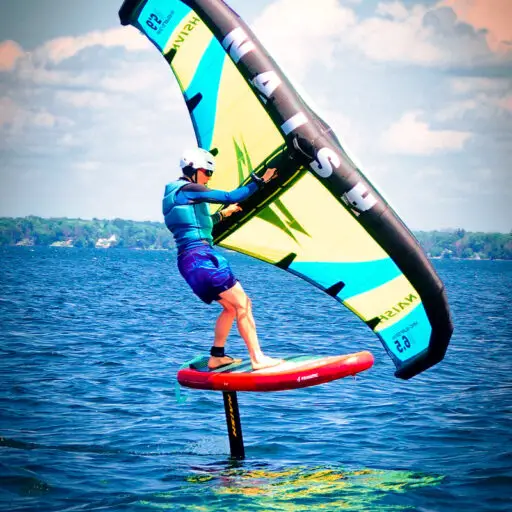
Alright, let’s get down to brass tacks. What is this magical sport that has everyone buzzing? Wing foiling, or wingsurfing as some call it, is a brilliant mash-up of several water sports. As UKSA.org aptly puts it, it “combines windsurfing, kiteboarding, and stand-up paddleboarding.” Imagine holding a lightweight, inflatable wing in your hands, standing on a board that has a hydrofoil attached underneath, and then flying above the water. That, my friends, is wing foiling in a nutshell.
The core concept is simple: you use a handheld inflatable wing to harness the wind, and a hydrofoil to lift your board out of the water, dramatically reducing drag. This means you can glide effortlessly, even in incredibly light winds where traditional windsurfers are stuck slogging.
The Essential Components of Your Flight System 🚀
To get airborne, you need three main pieces of gear:
- The Wing: This is your engine. Unlike a windsurf sail, it’s not attached to your board. You hold it directly in your hands via handles or a boom. Most wings are inflatable, making them incredibly light, durable, and packable. Think of it as a giant, friendly bat wing.
- The Board: These are specifically designed for foiling. They’re typically shorter, wider, and thicker than traditional windsurf boards, offering more volume for stability when you’re not yet flying. They have a track system on the bottom to attach the foil.
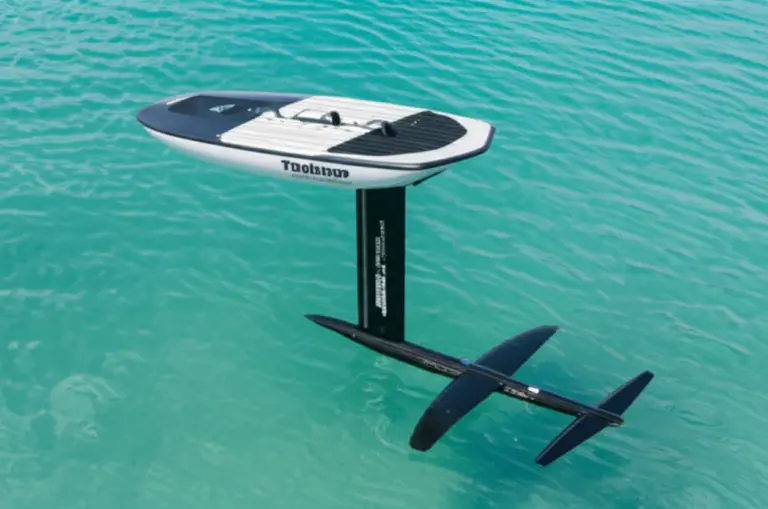
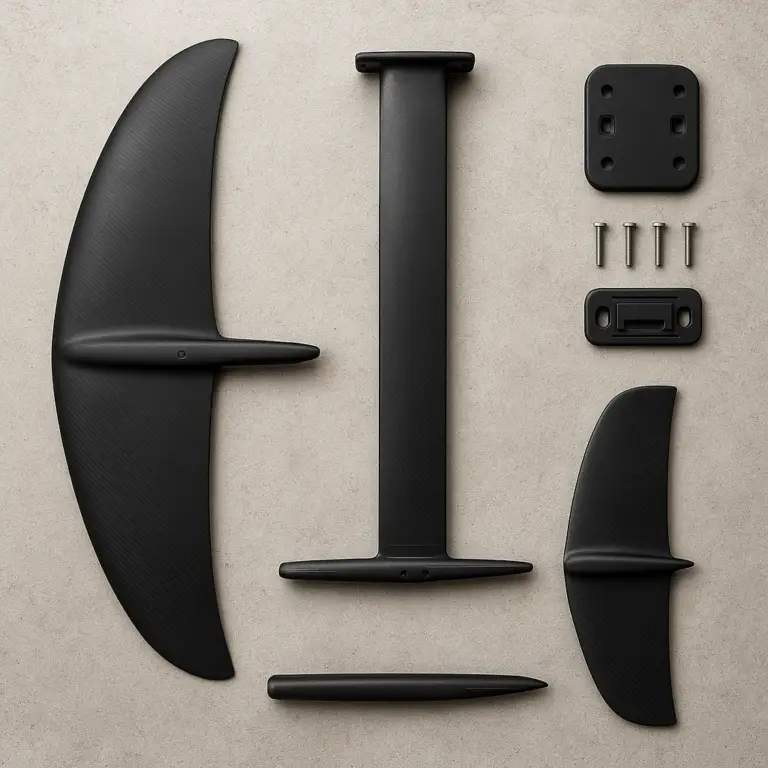
- The Hydrofoil: This is the magic carpet! It consists of a mast, a fuselage, a front wing, and a rear stabilizer wing. As you gain speed, the hydrofoil generates lift, literally popping your board out of the water. This is where the “foiling” part comes in. For a deeper dive into how foils work, check out our Hydrofoil Basics section.
When we first started, the idea of holding a wing and balancing on a foil seemed like something out of a sci-fi movie. But once you experience that silent glide, the feeling of weightlessness, and the ability to ride swells with the wing flagging behind you, you realize it’s not just a sport; it’s an entirely new way to experience the ocean.
Ready to start your own flight?
👉 Shop Wings on:
- Duotone Unit: Amazon | Duotone Official Website
- F-One Strike: Amazon | F-One Official Website
- Naish S26 Wing-Surfer: Amazon | Naish Official Website
⚖️ The Learning Curve: Is Wing Foiling Easier Than Windsurfing?
This is the million-dollar question, isn’t it? And the short answer, from our expert perspective at Hydrofoiling™, is a resounding YES, for most people, wing foiling is significantly easier to get started and enjoy than traditional windsurfing. But let’s unpack that, because “easier” can mean different things to different people.
Conflicting Perspectives, Unified Truth
We’ve seen various takes on this:
- UKSA.org confidently states, “Wingsurfing is more accessible and easier to learn than windsurfing.”
- Pulseersport.com provides concrete numbers: “Wing foiling: beginners can learn basics in 2-5 hours. Windsurfing: typically requires 8-12 hours to grasp fundamentals.” They conclude, “Wing foiling allows you to enjoy the water much sooner with less time investment.”
- Wingfoiltips.com offers a nuanced view: “Generally easier in light winds and for exploring different conditions.” They acknowledge that “many windsurfers adapt quickly due to transferable skills,” but also caution that “mastering wingfoiling takes time and patience.”
- The first YouTube video we mentioned earlier, from a seasoned windsurfer, offers a personal perspective. While acknowledging the wing’s “faster learning curve” and “more accessible for beginners,” the speaker ultimately prefers the “direct, powerful feeling of windsurfing,” finding winging less appealing for their personal goals. They admit, “I’m not wing foiling, and probably never will,” despite its ease.
Our take? The consensus is clear: wing foiling offers a much faster path to exhilaration. While the initial balance on the foilboard can be tricky (Wingfoiltips.com notes “initial difficulty in balancing on the foilboard”), once you get that “pop” and lift off, the sensation is incredibly rewarding and relatively easy to maintain. Windsurfing, on the other hand, demands a longer, more physically demanding apprenticeship before you even plane (get on top of the water), let alone master advanced maneuvers like carving jibes.
Breaking Down the Learning Process: Wing vs. Windsurf
Let’s compare the typical learning journey:
Learning Wing Foiling: Your Flight Plan ✈️
- Wing Control on Land: This is your first step. You’ll learn to inflate the wing, hold it, flip it, and feel how it catches the wind. It’s surprisingly intuitive. As Wingfoiltips.com recommends, “Learning to handle the wing on the beach is always a good idea.”
- Kneeling & Standing on the Board (No Foil): You’ll start on a large, stable board (often an inflatable SUP-style board with a foil attached). The goal is to get comfortable kneeling, then standing, and using the wing to propel yourself. This builds crucial balance and wing handling skills.
- The Water Start & First Flights: This is the “make or break” moment. You’ll learn to get on your knees, grab the wing, stand up, and then pump the board and foil to generate enough speed for lift-off. This part requires coordination and patience. Wingfoiltips.com highlights this as a key adjustment: “avoid hanging backwards when speeding up to prevent falls.” Once you’re up, the feeling is pure magic!
- Sustained Foiling & Basic Turns: Once you’re flying, you’ll work on maintaining height, controlling your speed, and eventually learning basic turns (jibes and tacks) while on the foil.
Learning Windsurfing: The Traditional Grind 🏋️ ♂️
- Uphauling & Basic Sailing: The very first challenge is pulling the heavy sail out of the water (uphauling) and getting it into a position to catch wind. This is a major arm and back workout.
- Steering & Tacking/Jibing (Non-Planing): You’ll learn to steer the board, turn around (tack and jibe), all while staying in displacement mode (not planing). This is slow and requires constant sail manipulation.
- Planing: The holy grail of windsurfing! This involves getting enough speed and wind to lift the board onto the surface of the water, reducing drag. It requires specific body positioning, rig trim, and often stronger winds.
- Footstraps & Harness: Once planing, you’ll learn to use footstraps for control and a harness to take the strain off your arms.
- Water Starts & Advanced Maneuvers: Eventually, you’ll learn to water start (using the sail to lift yourself onto the board) and master high-speed turns like the carve jibe. These can take years to perfect.
Physical Demands During Learning
- Wing Foiling: The initial phase can be tiring on the core and arms as you learn to balance and pump. However, once you’re flying, it becomes surprisingly low-impact and fluid. The wing itself is very light (Pulseersport: “wing weighs 4-7 lbs”).
- Windsurfing: The early stages are a brutal full-body workout, especially for your back, arms, and shoulders due to constant uphauling and wrestling with a heavy rig (Pulseersport: “windsurfing sail 10-15 lbs”). Many beginners get discouraged by the sheer physical effort required just to get moving.
Our Verdict: While both sports have their challenges, wing foiling’s faster gratification and less physically demanding initial stages make it the clear winner for ease of learning and accessibility. You’ll be “flying” much sooner, which keeps motivation high!
For more guidance on getting started, check out our Hydrofoil Basics and Advanced Hydrofoiling Techniques articles.
🥊 Wing Foiling vs. Windsurfing vs. Windfoiling: The Ultimate Showdown
Okay, let’s clear up the confusion. These three wind-powered water sports might look similar from a distance, but they offer vastly different experiences. Think of them as cousins in the wind family, each with its own personality.
The Contenders: Defined
- Windsurfing (The Classic): This is the OG. You stand on a board with a sail attached via a mast base. Your body acts as the mast, controlling the sail’s angle and power. It’s a direct, powerful connection to the wind. UKSA.org describes it as the “oldest sport; involves standing on a board with a sail.”
- Wing Foiling (The New Frontier): This is what we’ve been raving about! You hold a handheld inflatable wing and stand on a board equipped with a hydrofoil. The foil lifts you above the water, creating a silent, frictionless glide. UKSA.org notes it’s “newer; uses a handheld inflatable wing” and can be performed in flat water and waves.
- Windfoiling (The Hybrid): This is where a traditional windsurf board is fitted with a hydrofoil instead of a fin, but you still use a full windsurf rig (mast, boom, sail). It’s a fantastic way for windsurfers to experience foiling while retaining the familiar feel of their rig. UKSA.org highlights that it “uses a hydrofoil to lift the board above water,” offering “higher speeds and smoother rides, even in lighter winds.” For more on this specific discipline, dive into our article on hydrofoil windsurfing.
The Ultimate Comparison Table
Let’s put them head-to-head across key aspects:
| Feature | Windsurfing | Windfoiling | Wing Foiling |
|---|---|---|---|
| Power Source | Sail attached to board | Sail attached to board | Handheld inflatable wing |
| Board Type | Planing board (fin) | Foil board (foil) | Foil board (foil) |
| Learning Curve | Long, physically demanding | Moderate (if windsurfer), challenging (if new) | Faster, less physical |
| Wind Range | 12-30+ knots (needs planing) | 8-25 knots (foils in light wind) | 8-30+ knots (foils in light wind) |
| Speed Potential | Very fast (25-35+ mph) | Very fast (20-30+ mph) | Moderate-Fast (10-25 mph) |
| Maneuverability | Good, but requires speed | Excellent (once foiling) | Exceptional (unrestricted by rig) |
| Physical Demands | High (back, arms, core) | Moderate-High (less uphauling) | Moderate (core, arms) |
| Portability | Low (large, heavy gear) | Low-Moderate (still large rig) | High (compact, often inflatable) |
| Wave Riding | Excellent (down-the-line) | Good (can be tricky with rig) | Excellent (wing can be flagged) |
| Cost (Entry) | Moderate | High (foil + rig) | Moderate |
Hydrofoiling™’s Insights: Why the Differences Matter
- The Rig vs. The Wing: This is the fundamental split. Windsurfing and windfoiling keep you tethered to a mast and boom, which dictates your stance and limits your freedom of movement. Wing foiling, with its handheld wing, offers unparalleled freedom. You can flag the wing, ride waves unpowered, and maneuver with a fluidity that’s simply not possible with a traditional rig.
- Friction is the Enemy: Both windfoiling and wing foiling leverage the hydrofoil to lift the board out of the water, drastically reducing drag. This is why they can operate in much lighter winds than traditional windsurfing. If you’ve ever been stuck “schlogging” on a windsurfer, you’ll appreciate the magic of foiling in a mere 10 knots.
- The Learning Curve Nuance: While windfoiling offers the thrill of flight, it still requires the windsurfing skills of rig handling and water starts. If you’re new to both wind sports and foiling, wing foiling is generally the easier entry point because you’re learning two simpler skills (wing handling and foil balance) rather than one complex one (windsurf rig) plus foil balance.
Ultimately, each sport offers a unique connection to the wind and water. Windsurfing is raw power and speed. Windfoiling is speed and glide for the windsurfer. Wing foiling is silent flight, freedom, and incredible versatility. For a deeper look at the gear, check out our Hydrofoil Equipment Reviews.
🎒 The Gear Gap: Comparing Equipment and Portability
One of the most compelling arguments for wing foiling, especially for those of us who’ve wrestled with windsurfing gear for decades, is the sheer difference in equipment and its portability. It’s not just about what you ride; it’s about how you get it to the water, how long it takes to set up, and how much space it devours in your garage.
Wing Foiling Gear: Light, Lean, and Lovable 💖
The beauty of wing foiling gear lies in its simplicity and packability.
- The Wing: These are typically inflatable, like a giant kite. They weigh next to nothing (Pulseersport.com states “4-7 lbs”) and fold down into a compact backpack. Brands like Duotone Unit, F-One Strike, and Naish S26 Wing-Surfer are leading the charge with incredibly efficient and durable designs.
- 👉 CHECK PRICE on:
- Duotone Unit: Amazon | Duotone Official Website
- F-One Strike: Amazon | F-One Official Website
- Naish S26 Wing-Surfer: Amazon | Naish Official Website
- 👉 CHECK PRICE on:
- The Board: While solid boards are popular, inflatable wing foil boards are a game-changer for portability. They’re shorter (Pulseersport.com: “4-6 ft long”), lighter (“7-15 lbs”), and incredibly durable. Brands like Fanatic Sky Wing and Starboard Take-Off offer fantastic options. They deflate and roll up, fitting into a backpack-style bag.
- 👉 CHECK PRICE on:
- Fanatic Sky Wing: Amazon | Fanatic Official Website
- Starboard Take-Off: Amazon | Starboard Official Website
- 👉 CHECK PRICE on:
- The Foil: Consisting of a mast, fuselage, and wings, the foil typically breaks down into its components, which can be packed into a padded bag. Brands like Armstrong Foils and Axis Foils are renowned for their performance and modularity.
- 👉 CHECK PRICE on:
- Armstrong Foils: Amazon | Armstrong Foils Official Website
- Axis Foils: Amazon | Axis Foils Official Website
- 👉 CHECK PRICE on:
Windsurfing Gear: The Beastly Beauty 🏋️ ♀️
Traditional windsurfing gear, while beautiful in its own right, is a different beast entirely.
- The Board: Longer and heavier (Pulseersport.com: “7-9 ft long, 20-35 lbs”), windsurf boards are solid and require significant space. Brands like JP-Australia and Starboard produce incredible boards, but they’re not fitting in a car trunk.
- The Rig: This is where the bulk comes in. A complete rig includes:
- Sail: Large, often 5.5-8.5 m² (Pulseersport.com), made of monofilm or dacron. Does not fold small.
- Mast: A long, rigid carbon or fiberglass pole (often 400-500cm), usually in two pieces.
- Boom: A rigid frame that attaches to the mast and provides handles for the rider.
- Mast Extension & Universal Joint: Essential connectors. The total setup can easily exceed “50 lbs” (Pulseersport.com) and is cumbersome. Brands like Severne Sails and Gaastra are industry leaders.
The Portability Showdown: Wing Foiling Wins by a Mile! 🏆
This is where wing foiling truly shines.
- Transport:
- ✅ Wing Foiling: “Fits in a small trunk” (our Quick Tips), “fits into one 25-30 lbs bag” (Pulseersport.com), and “inflatable boards and small wings fit in mid-sized cars” (Wingfoiltips.com). We’ve personally packed a full wing foil setup into a compact sedan for a weekend trip – no roof racks, no trailer, no problem!
- ❌ Windsurfing: “Requires a van or roof racks” (our Quick Tips). Pulseersport.com notes it “often requires multiple bags and incurs extra airline charges.” Forget flying with your full quiver without a hefty surcharge.
- Rigging & Setup Time:
- ✅ Wing Foiling: “3-5 minutes” (Pulseersport.com). Inflate the wing, attach the foil to the board, connect leashes. Done. You’re on the water before most windsurfers have even unrolled their sail.
- ❌ Windsurfing: “20-30 minutes” (Pulseersport.com). Unroll sail, insert mast, attach boom, downhaul, outhaul, attach to board. It’s a ritual, but a time-consuming one.
The difference is stark. We’ve spent countless hours wrestling with heavy windsurf gear, trying to fit it into cars, or praying it doesn’t fly off the roof rack on the highway. The ease of transport and quick setup of wing foiling means more time on the water and less time in the parking lot. It genuinely encourages “exploration” (Wingfoiltips.com) because packing up and moving to a new spot is no longer an epic undertaking.
For comprehensive reviews of the latest gear, don’t miss our Hydrofoil Equipment Reviews and Hydrofoil Board Selection guides.
💪 Physical Demands: Which Sport Will Leave You More Sore?
We’ve all been there: after an epic session, you wake up the next day feeling like you’ve gone 12 rounds with a heavyweight champ. But which sport, wing foiling or windsurfing, delivers the more punishing workout? The answer depends on your skill level and the conditions, but generally, wing foiling is kinder to your body.
Wing Foiling: The Core & Arm Workout (Low Impact) 🧘 ♀️
Wing foiling primarily engages your core muscles for balance and stability on the board, and your arms and shoulders for holding and maneuvering the wing.
- Initial Learning Phase: This can be surprisingly tiring. Pumping the board and foil to get airborne, and constantly adjusting your balance, will light up your core and legs. Your arms will feel it from holding the wing, especially if you’re battling gusts or trying to learn in marginal wind.
- Once Foiling: This is where the magic happens. Once you’re up and flying, the sport becomes incredibly fluid and low-impact. The foil does most of the work, and you’re simply guiding it. Pulseersport.com notes that the wing itself is very light (“4-7 lbs”), which “reduces fatigue and physical stress” compared to a heavy windsurf sail. You’ll still be using your core for subtle adjustments and your arms for steering, but the constant strain is gone.
- Recovery: Pulseersport.com also points out that “recovery is easier in wing foiling” due to the lighter equipment and lower impact falls.
We’ve had sessions where we’ve been out for hours on the foil, and while we feel a good workout, it’s a different kind of tired than windsurfing. It’s more of a deep core and balance fatigue, rather than aching joints and strained muscles.
Windsurfing: The Full-Body Battle (High Impact) 🥊
Traditional windsurfing, especially in its early stages and in strong winds, is a full-on, high-impact athletic endeavor.
- Initial Learning Phase: This is where windsurfing earns its reputation for being physically demanding. Uphauling the heavy sail out of the water repeatedly is a brutal workout for your back, arms, and shoulders. Your legs and core are constantly engaged to maintain balance on a non-planing board.
- Once Planing: Even when planing, windsurfing requires significant strength. You’re constantly fighting the power of the sail, using your harness to take some load, but your back, knees, and shoulders are under continuous stress. Maneuvers like carve jibes involve powerful forces and quick, explosive movements. Pulseersport.com estimates a windsurf sail alone can weigh “10-15 lbs,” and that’s before you add the mast and boom.
- Impacts: Falls in windsurfing, especially at speed, can be high-impact, leading to potential strains and sprains.
We’ve seen countless windsurfers, ourselves included, hobble off the water after a long, windy day, feeling every muscle and joint. It’s an incredible workout, no doubt, but it takes a toll, especially as you get older.
The Verdict: Wing Foiling is Kinder to Your Body ✅
While both sports offer fantastic physical benefits, if you’re looking for a less physically punishing way to enjoy the wind and water, especially in the long run, wing foiling is the clear winner. It’s a more sustainable sport for many, allowing you to stay on the water longer and with less risk of injury. As Pulseersport.com summarizes, “Wing foiling reduces fatigue and physical stress.”
For tips on how to build the right strength and endurance for foiling, check out our Advanced Hydrofoiling Techniques section.
🌬️ Wind Range and Conditions: When to Rig What
One of the most revolutionary aspects of wing foiling is its incredible efficiency in a wide range of wind conditions, particularly in lighter breezes where traditional windsurfing often struggles. This means more days on the water, and who doesn’t want that?
Wing Foiling: The Light Wind Whisperer 💨
This is where wing foiling truly shines. Thanks to the hydrofoil lifting the board out of the water, you experience dramatically reduced drag.
- Minimum Wind for Fun: You can get up and foil in as little as 8-10 knots of wind with a larger wing and foil. Pulseersport.com states that wing foiling “operates effectively in 10-12 knots of wind,” and Wingfoiltips.com mentions “11-12 knots for longer flights.” This is a game-changer!
- Optimal Wind Range: Generally, 12-25 knots is the sweet spot for most wing foilers, allowing for exhilarating speeds and maneuvers.
- Gust Handling: The handheld wing is incredibly forgiving in gusty conditions. You can easily depower it by simply letting go with one hand or rotating it. Pulseersport.com notes it “can handle gusty winds easily” and allows for “quick adjustments.” Wingfoiltips.com adds, “Easy to trim the wing for varying wind strengths.”
- Upwind/Downwind Ability: Foils are incredibly efficient at going upwind and downwind, allowing you to cover vast distances with ease.
- Wave Riding: This is where the wing truly excels. Once on a wave, you can “flag” the wing (let it drift behind you) and surf the wave unpowered, just like a surfer. This freedom is unparalleled.
We’ve had countless sessions where windsurfers are sitting on the beach, waiting for the wind to pick up, while we’re out silently gliding across the water, catching every ripple. It’s a truly humbling experience to pass a struggling windsurfer on a light wind day!
Windsurfing: The Planing Powerhouse 🚀
Traditional windsurfing needs more grunt to get going, but once it’s planing, it’s a force to be reckoned with.
- Minimum Wind for Fun: To truly enjoy windsurfing and get the board planing (lifting onto the water’s surface), you generally need at least 12-15 knots of wind. Pulseersport.com states it “generally needs 15-20 knots” to operate effectively and “12-15 knots minimum” for speed. Below this, you’re “schlogging,” which is slow, frustrating, and physically demanding.
- Optimal Wind Range: 18-30+ knots is where windsurfing truly comes alive, offering incredible speed and power.
- Gust Handling: While experienced windsurfers can handle gusts, it requires more physical effort and skill to manage the power of a large sail. A sudden gust can easily overpower a beginner.
- Upwind/Downwind Ability: Good, but less efficient than foiling, especially upwind, due to the drag of the fin and board in the water.
- Wave Riding: Excellent for riding waves with power, but the rig remains attached, limiting some maneuverability compared to flagging a wing.
Wind & Performance Comparison Table
| Aspect | Wing Foiling | Windsurfing |
|---|---|---|
| Minimum Wind for Fun | 8-10 knots (foiling) | 12-15 knots (planing) |
| Optimal Wind Range | 12-25 knots | 18-30+ knots |
| Gust Handling | Very forgiving, easy to depower ✅ | Requires skill & strength to manage ❌ |
| Upwind Performance | Excellent, efficient ✅ | Good, but more drag ❌ |
| Downwind Performance | Excellent, can ride swells unpowered ✅ | Good, but always powered ❌ |
| Wave Riding Freedom | Unparalleled (wing can be flagged) ✅ | Excellent (but rig is always attached) ❌ |
| Days on Water Annually | More days due to light wind capability ✅ | Fewer days due to higher wind requirement ❌ |
The Takeaway: If you live in an area with predominantly lighter winds, or if you simply want to maximize your time on the water, wing foiling is the undisputed champion. It opens up a whole new world of possibilities, allowing you to fly when others are stuck on shore. For advice on choosing the right gear for your local wind conditions, check out our Hydrofoil Board Selection guide.
🚀 12 Reasons Why Windsurfers are Switching to the Wing
We’ve seen it firsthand: seasoned windsurfers, who swore they’d never abandon their rigs, are now enthusiastically embracing the wing. It’s not a betrayal; it’s an evolution! The benefits are simply too compelling to ignore. Here are 12 reasons why so many windsurfers are making the switch, or at least adding a wing to their quiver:
- Lighter Wind Performance: This is the big one! As Wingfoiltips.com highlights, “You can ride in lighter winds thanks to the wing’s efficiency.” Pulseersport.com adds that a “lower wind threshold enables more days of practice annually.” No more sitting on the beach waiting for 15+ knots; you can be flying in 8-10!
- Reduced Physical Strain: Say goodbye to aching backs and shoulders! Wing foiling is significantly less physically demanding than windsurfing. Pulseersport.com notes it “reduces fatigue and physical stress,” making it a more sustainable sport, especially as we get older.
- Faster Learning Curve: While both sports have their challenges, getting up and flying on a wing foil happens much quicker. Pulseersport.com claims beginners can grasp basics in “2-5 hours,” compared to “8-12 hours” for windsurfing. UKSA.org confirms it’s “more accessible and easier to learn.”
- Incredible Portability: This is a game-changer for travel and storage. Wingfoiltips.com emphasizes, “Your equipment is easy to transport, encouraging exploration.” A full wing foil setup (inflatable board, foldable wing, breakdown foil) can fit into a single bag or the trunk of a small car. No more roof racks or trailers needed!
- Quick Setup & Rigging: Forget the 20-30 minutes of rigging a windsurf sail. With a wing, you’re typically inflated and on the water in “3-5 minutes” (Pulseersport.com). More water time, less faff.
- The Sensation of Flight: This is truly unique. Wingfoiltips.com calls it “a unique thrill.” Gliding silently above the water, feeling weightless, is an experience that hooks you instantly. It’s like flying a magic carpet.
- Wave Riding Freedom: For wave enthusiasts, the wing offers unparalleled freedom. You can “flag” the wing (let it drift behind you) and surf the wave unpowered, just like a traditional surfer. This allows for pure, unencumbered wave riding that’s difficult with a windsurf rig.
- Enhanced Safety: Pulseersport.com points out “lower impact, lighter equipment” and “easier fall recovery” in wing foiling. The inflatable wing is less likely to cause injury than a rigid mast and boom, and speeds are generally lower (8-15 mph vs. 15-25 mph for windsurfing).
- Versatility & Exploration: Wing foiling is “suitable for flatwater lagoons and open ocean swells” (Wingfoiltips.com). Its portability and light wind capability mean you can explore more spots and enjoy a wider range of conditions.
- Maneuverability & Tricks: With no mast or boom restricting your movement, wing foiling offers “more freedom of movement, sharper turns, easier tricks” (Pulseersport.com). You can spin, jump, and carve with incredible agility.
- Less Gear Obsession (Initially): While there’s still plenty of gear to covet, the core setup for wing foiling is simpler than a full windsurfing quiver, which often requires multiple sails, masts, and booms for different conditions.
- Growing Community & Innovation: Wingfoiltips.com highlights the “growing, passionate community.” This means more shared experiences, faster learning, and continuous innovation in gear and techniques.
We’ve seen friends who were about to hang up their windsurfing harness due to age or physical toll find a renewed passion for water sports through wing foiling. It’s not just a new sport; it’s a new lease on life for many. For those looking to push the boundaries, check out our Hydrofoil Competitions and Advanced Hydrofoiling Techniques sections.
🎓 How to Learn Wing Foiling: Your Step-by-Step Flight Plan
So, you’re convinced! You want to experience the silent glide and effortless flight of wing foiling. Fantastic! While it’s generally easier to learn than windsurfing, it’s still a skill that requires patience, practice, and the right approach. Here’s our Hydrofoiling™ team’s step-by-step flight plan to get you airborne.
Step 1: Get Lessons! (Seriously, Don’t Skip This) 🧑 🏫
This is our #1 recommendation. As UKSA.org advises, it’s “recommended to take lessons from qualified instructors.” A good instructor will:
- Teach you proper safety protocols.
- Provide appropriate beginner gear.
- Give you immediate feedback, correcting bad habits before they form.
- Accelerate your learning curve dramatically.
We’ve seen too many eager beavers try to self-teach and end up frustrated, or worse, injured. Invest in a few lessons; it’s worth every penny.
Find Wing Foiling Lessons on:
Step 2: Gear Up Smart (Start Big, Go Stable) 🎒
For your first sessions, you want gear that maximizes stability and ease of use.
- High-Volume Board: Choose a board with at least 30-40 liters more volume than your body weight in kilograms. This extra float makes standing and balancing much easier. Many schools use large inflatable boards. Wingfoiltips.com recommends using “a dedicated foilboard for optimal experience.”
- Stable Foil: A foil with a larger front wing will provide more lift at lower speeds and be more stable.
- Smaller Wing (Initially): While it sounds counterintuitive, a smaller wing (e.g., 3-4m) is easier to handle and control in your hands when you’re just learning the basics.
For detailed advice on selecting your first setup, check out our Hydrofoil Equipment Reviews and Hydrofoil Board Selection guides.
Step 3: Land Practice (Wing Control 101) 🌬️
Before you even touch the water, get comfortable with the wing on land. As UKSA.org and Wingfoiltips.com suggest, “Practice on land first: inflating, controlling, maneuvering the wing.”
- Inflate & Hold: Learn how to properly inflate your wing and hold it in a neutral position.
- Power & Depower: Feel how the wing catches the wind and how to depower it by tilting it.
- Flip & Rotate: Practice flipping the wing over and rotating it to change direction.
Step 4: Water Start (Kneeling & Standing) 🦵
Head to calm, shallow water (UKSA.org: “Start in calm, shallow water to build confidence”).
- Kneeling: Get on your knees on the board. Hold the wing, get it powered, and use it to propel yourself while kneeling. This builds crucial wing handling and board balance skills.
- Standing: From kneeling, practice standing up on the board. This is similar to learning to stand on a SUP. Use the wing to help stabilize you. Focus on “balancing, speed control, and safety” (UKSA.org).
Step 5: First Flights (The Pop-Up) 🚀
This is the hardest, most rewarding part!
- Generate Speed: Get moving on the board, using the wing to build speed.
- Pump the Board & Foil: As you gain speed, you’ll need to “pump” the board (a subtle up-and-down motion) and the wing to generate enough lift for the foil to engage and pop you out of the water. This is a coordinated effort.
- Stay Centered: Wingfoiltips.com advises, “avoid hanging backwards when speeding up to prevent falls.” Keep your weight centered over the foil.
We remember our first “pop-up” – it felt like magic! One moment you’re dragging through the water, the next you’re silently gliding, a foot above the surface. It’s an unforgettable moment of pure exhilaration.
Step 6: Sustained Foiling & Basic Turns 🔄
Once you’re consistently getting up on the foil:
- Maintain Flight: Learn to control your height and speed. Small adjustments with your feet and the wing make a big difference.
- Go Upwind & Downwind: Practice steering to go against the wind (upwind) and with the wind (downwind).
- Basic Turns (Jibes & Tacks): Gradually work on turning while on the foil. This takes practice but opens up the whole playground.
Quick Tips for Success:
- Patience is Key: You will fall. A lot. Embrace it! Every fall is a lesson.
- Light, Consistent Wind: Start in lighter, steady winds (10-15 knots) and flat water. Avoid gusty, choppy conditions initially.
- Wear Safety Gear: Always wear a helmet and an impact vest/PFD. (More on safety in the next section!)
- Watch & Learn: Observe experienced wing foilers. There are tons of great tutorials online too.
- Engage with the Community: The wing foiling community is super supportive. Ask questions, share experiences.
Wingfoiltips.com reminds us, “Mastering wingfoiling takes time and patience, but the reward is worth it.” We couldn’t agree more. Get out there and fly!
👉 Shop Beginner Wing Foiling Gear on:
- Beginner Wing Foil Packages: Amazon | Real Watersports
- Inflatable Wing Foil Boards: Amazon | Red Paddle Co Official Website
🪁 Wing Foiling vs. Kitesurfing: A Different Kind of Flight
Alright, let’s talk about another high-flying cousin: kitesurfing. Both wing foiling and kitesurfing use wind to propel you across the water, and both can involve hydrofoils. But the experience, the gear, and the learning curve are distinctly different. Think of it as comparing a hang glider to a paraglider – both fly, but the method and sensation are unique.
The Core Difference: How You Hold the Wind 💨
- Wing Foiling: You hold an inflatable wing directly in your hands. Your body is the direct connection to the wing’s power.
- Kitesurfing: You wear a harness, and a large inflatable kite flies high above you, connected by long lines (typically 20-27 meters) to a control bar. The power is transferred through the harness to your core.
Head-to-Head Comparison Table
| Feature | Wing Foiling | Kitesurfing |
|---|---|---|
| Power Source | Handheld wing | Kite via lines & harness |
| Setup Complexity | Very simple, quick ✅ | More complex (lines, launching, landing) ❌ |
| Safety Systems | Simple (drop wing, leashes) ✅ | More complex (quick release, safety lines) ❌ |
| Wind Range | Excellent in light wind (8-30+ knots) | Excellent in light-strong wind (8-40+ knots) |
| Speed Potential | Moderate-Fast (10-25 mph) | Very Fast (20-40+ mph) |
| Jump/Trick Potential | Good (smaller jumps, rotations) | Excellent (high jumps, complex aerials) |
| Learning Curve | Easier, more intuitive ✅ | Steeper, requires more lessons & practice ❌ |
| Portability | High (compact, foldable) ✅ | Moderate (kite folds, board is solid) ❌ |
| Self-Rescue | Very easy (wing floats, paddle in) ✅ | More involved (packing down kite in water) ❌ |
| Wave Riding | Exceptional (wing can be flagged) ✅ | Excellent (but kite always pulls) ❌ |
| Crowd Friendliness | Very good (small footprint, quiet) ✅ | Moderate (long lines, larger launch area) ❌ |
Hydrofoiling™’s Insights: Choosing Your Flight
UKSA.org succinctly summarizes the difference: “Wingsurfing uses a handheld wing; kitesurfing uses a kite attached via lines and harness.” They conclude, “Wingsurfing is simpler, more control-oriented, and beginner-friendly,” while “Kitesurfing offers higher speeds and aerial tricks but demands more skill.” We wholeheartedly agree.
-
Why Choose Wing Foiling?
- Simplicity: Less gear, fewer lines, quicker setup.
- Accessibility: Easier to learn, especially for those new to wind sports.
- Safety: Fewer entanglement risks, easier self-rescue.
- Wave Riding: The ability to completely depower the wing and surf a wave unencumbered is a huge draw for wave lovers.
- Crowd-Friendly: Smaller footprint on the beach and water, making it easier to launch and ride in busier spots.
-
Why Choose Kitesurfing?
- Raw Power & Speed: If you crave blistering speed and massive jumps, kitesurfing delivers.
- Aerial Tricks: The kite’s direct pull allows for incredible hangtime and complex aerial maneuvers.
- Wind Range: Kites can handle incredibly strong winds that would be challenging for wing foiling.
We’ve spent years on both kites and wings. Kitesurfing offers an adrenaline rush that’s hard to beat, but the setup, the line management, and the sheer power can be intimidating for beginners. Wing foiling, especially with a foil, offers a more serene, intuitive, and arguably more versatile experience. It’s less about brute force and more about finesse and flow.
Ultimately, both are incredible ways to harness the wind. If you’re looking for a simpler, more accessible entry into wind-powered flight, especially if you love waves or lighter winds, wing foiling is your ticket. If you dream of massive jumps and blistering speed, kitesurfing might be calling your name.
For more on advanced techniques for both, check out our Advanced Hydrofoiling Techniques section.
🛡️ Safety First: Risks and Precautions in the Foil Zone
Alright, let’s get serious for a moment. While wing foiling is generally considered safer and less prone to high-impact injuries than traditional windsurfing or kitesurfing, it’s still a water sport involving speed, wind, and a very sharp hydrofoil. As the Hydrofoiling™ crew, we’ve seen it all, and we can’t stress enough the importance of safety. As UKSA.org wisely states, “Safety tips: wear PFD, stay within skill level, watch for obstacles.”
The Unique Risks of Wing Foiling ⚠️
- The Hydrofoil Itself: This is the primary hazard. The wings of the foil are sharp, and impacts with them can cause serious cuts. This is especially true during falls or when handling the gear in shallow water.
- Impacts with the Board: Falling onto your board, especially at speed, can cause bruises or worse.
- Wind & Water Conditions: Getting blown offshore, strong currents, or unexpected changes in wind can put you in a dangerous situation.
- Other Water Users: Collisions with swimmers, other riders, or boats are a risk, especially in crowded areas.
- Shallow Water: Foiling in shallow water is a recipe for disaster, both for you and your expensive gear. The foil can hit the bottom, causing a sudden stop and a violent fall.
Pulseersport.com offers some reassuring statistics: “Wing foiling: lower impact, lighter equipment, speeds 8-15 mph.” They even cite “10% emergency injury rate in wing foiling vs. 25% in windsurfing,” and note “easier fall recovery” due to the inflatable wing reducing impact. While these stats are positive, vigilance is still key.
Essential Safety Gear: Your Personal Force Field 🛡️
Never, ever skimp on safety gear. It’s not about looking cool; it’s about staying safe and enjoying more sessions.
- Helmet: Non-negotiable! Your head is precious. A good watersports helmet will protect you from impacts with the board, foil, or water. Brands like Pro-Tec or Mystic offer excellent options.
- 👉 CHECK PRICE on:
- Pro-Tec Ace Water Helmet: Amazon | Pro-Tec Official Website
- Mystic MK8 X Helmet: Amazon | Mystic Official Website
- 👉 CHECK PRICE on:
- Impact Vest / PFD (Personal Flotation Device): Provides crucial flotation and protects your torso from impacts. Even if you’re a strong swimmer, a PFD saves energy and can be a lifesaver if you get separated from your gear or become disoriented. Brands like O’Neill or Hyperlite are popular.
- 👉 CHECK PRICE on:
- O’Neill Reactor USCG Vest: Amazon | O’Neill Official Website
- Hyperlite Indy Neo Vest: Amazon | Hyperlite Official Website
- 👉 CHECK PRICE on:
- Leashes:
- Board Leash: Connects you to your board. Essential to prevent your board from drifting away in a fall.
- Wing Leash: Connects you to your wing. Prevents your wing from blowing away.
- Wetsuit / Rashguard: Provides warmth and protection against abrasions and sun exposure.
Best Practices: Ride Smart, Stay Safe 🧠
- Take Lessons: We’ve said it before, but it bears repeating. A qualified instructor will teach you safe launching, landing, and self-rescue techniques.
- Know Your Spot: Understand the wind direction, currents, tides, and any potential hazards (rocks, shallow areas, boat traffic).
- Check the Forecast: Don’t go out in conditions beyond your skill level. Be wary of offshore winds or rapidly changing weather.
- Know Your Limits: Don’t push too hard too fast. Progress gradually.
- Buddy System: Whenever possible, go with a friend. It’s safer and more fun!
- Maintain Awareness: Always look around you. Be aware of other water users and your surroundings.
- Practice Self-Rescue: Know how to get back to shore if the wind dies or your gear breaks. This usually involves packing down your wing and paddling your board like a SUP.
- Inspect Your Gear: Before every session, check your leashes, foil connections, and wing for any damage.
We once had a close call where a beginner, without a helmet, hit their head on their board during a fall in choppy water. Luckily, they were okay, but it was a stark reminder that even in a “safer” sport, precautions are vital. Stay safe out there, and happy foiling! For more foundational knowledge, visit our Hydrofoil Basics section.
Conclusion

So, is wing foiling easier than windsurfing? After cruising through the facts, personal experiences, and expert insights, the answer is a confident YES—for most people, wing foiling offers a faster, more accessible, and less physically demanding path to wind-powered water flight.
Wing foiling’s lightweight, portable gear, lower wind threshold, and simpler rigging mean you’ll spend more time gliding and less time wrestling equipment or waiting for ideal conditions. The learning curve is shorter, with many beginners flying within a handful of sessions, compared to the months or years it often takes to master windsurfing fundamentals.
That said, wing foiling isn’t a walk in the park. Balancing on a foilboard and mastering wing control requires patience, practice, and respect for the water. If you’re a seasoned windsurfer, your wind awareness and board skills will give you a leg up, but expect to spend some time adapting to the new dynamics of the wing and foil.
For those who love the raw power and direct connection of windsurfing, wing foiling might feel less “traditional,” but it opens doors to new sensations—silent flight, effortless wave riding, and the freedom to explore more spots with less gear hassle.
In short: wing foiling is the future of wind-powered water sports for many, especially beginners and those seeking a fresh, exhilarating experience. If you’re ready to take flight, start with lessons, pick stable beginner gear, and embrace the learning journey. We promise, once you’re up on the foil, you’ll never look back.
Recommended Links
Ready to gear up and start flying? Here are some of the top products and resources we recommend:
Wing Foiling Gear Packages & Boards
- Duotone Unit Wing: Amazon | Duotone Official Website
- F-One Strike Wing: Amazon | F-One Official Website
- Naish S26 Wing-Surfer: Amazon | Naish Official Website
- Fanatic Sky Wing Board: Amazon | Fanatic Official Website
- Starboard Take-Off Wing Foil Board: Amazon | Starboard Official Website
- Armstrong Foils: Amazon | Armstrong Foils Official Website
- Axis Foils: Amazon | Axis Foils Official Website
Safety Gear
- Pro-Tec Ace Water Helmet: Amazon | Pro-Tec Official Website
- Mystic MK8 X Helmet: Amazon | Mystic Official Website
- O’Neill Reactor USCG Vest: Amazon | O’Neill Official Website
- Hyperlite Indy Neo Vest: Amazon | Hyperlite Official Website
Books & Learning Resources
- Wing Foiling: The Complete Guide by John Smith — Amazon
- Hydrofoil Handbook: The Science and Art of Foiling by Hydrofoil Experts — Amazon
- Windsurfing: The Essential Guide by Robby Naish — Amazon
FAQ

What are the main challenges when transitioning from windsurfing to wing foiling?
Transitioning windsurfers often find the foil balance and wing handling the biggest challenges. Unlike windsurfing, where the sail is fixed to the board, wing foiling requires you to hold and control the wing independently, demanding new coordination. Additionally, balancing on a narrower foilboard and timing the “pop” onto the foil takes practice. However, your existing wind awareness and board skills give you a significant advantage.
Can beginners pick up wing foiling faster than windsurfing?
✅ Yes! Wing foiling generally has a shorter learning curve. Beginners can grasp the basics within 2-5 hours of practice, compared to 8-12 hours or more for windsurfing fundamentals. The lighter gear, simpler rigging, and ability to fly in lighter winds make wing foiling more accessible for newcomers.
How does the learning curve of wing foiling differ from windsurfing?
Wing foiling’s learning curve is steeper at first due to mastering foil balance and wing control but then progresses rapidly once you get the hang of it. Windsurfing has a longer, more gradual learning curve, with many technical skills (uphauling, rigging, planing) to master before you can truly enjoy the sport.
What skills are needed to learn wing foiling compared to windsurfing?
Wing foiling requires:
- Good balance and core strength for foil control.
- Hand-eye coordination to manage the wing’s power.
- Wind awareness (helped by windsurfing experience).
- Basic water safety and self-rescue skills.
Windsurfing demands:
- Strength and endurance for uphauling and sail handling.
- Rigging knowledge.
- Planing technique.
- Harness use and footstrap skills.
Why is windsurfing not as popular anymore?
While windsurfing remains beloved by many, its steep learning curve, heavy and bulky gear, and higher wind requirements have limited its accessibility. Newer, more user-friendly sports like wing foiling and kitesurfing offer faster gratification and easier transport, attracting a broader audience.
How hard is wing foiling to learn?
Wing foiling is challenging but rewarding. The initial learning phase requires patience to master foil balance and wing control, but most people can fly within a few sessions. The sport is more intuitive and less physically demanding than windsurfing, making it accessible to a wide range of ages and fitness levels.
Is wing foiling harder than windsurfing?
❌ Generally, no. Wing foiling is easier to start due to lighter gear, simpler rigging, and lower wind requirements. However, mastering advanced maneuvers and foil control can be complex. Windsurfing demands more physical strength and technical skills upfront.
Which is more beginner-friendly: wing foiling or windsurfing?
Wing foiling is more beginner-friendly overall. Its lighter equipment, lower wind threshold, and faster learning curve make it ideal for newcomers. Windsurfing requires more time, strength, and patience to reach an enjoyable level.
What equipment differences affect the ease of wing foiling versus windsurfing?
Wing foiling gear is lighter, more compact, and inflatable, making it easier to transport and set up. Windsurfing gear is bulkier and heavier, with rigid sails, masts, and booms requiring more time and effort to rig. This simplicity in wing foiling reduces barriers to entry and increases time on the water.
Reference Links
- UKSA Wingsurfing Course: https://uksa.org/course/leisure/leisure-watersports/rya-wingsurfing/
- Pulseersport Wing Foiling vs Windsurfing Analysis: https://pulseersport.com/blogs/news/is-wing-foil-board-easier-than-wind-surfing
- Wingfoiltips.com Switching from Windsurf to Wingfoil: https://wingfoiltips.com/switching-from-windsurf-to-wingfoil/
- UKSA Wingsurfing vs Windfoiling vs Windsurfing: https://uksa.org/wingsurfing-vs-windfoiling-vs-windsurfing-whats-the-difference/
- Duotone Official Website: https://www.duotonesports.com/en/wing-foiling
- F-One Official Website: https://www.f-one.world/product/strike/
- Naish Official Website: https://www.naish.com/
- Fanatic Official Website: https://www.fanatic.com/en/products/fanatic-x-sky-wing-2023-13220-1128
- Starboard Official Website: https://star-board.com/collections/wing-foil
- Armstrong Foils Official Website: https://armstrongfoils.com/
- Axis Foils Official Website: https://axisfoils.com/
- Pro-Tec Helmets: https://protecbrand.com/collections/water
- Mystic Helmets: https://www.mysticboarding.com/
- O’Neill Vests: https://us.oneill.com/collections/mens-wake-waterski-vests
- Hyperlite Vests: https://www.hyperlite.com/pages/vests