Support our hydrofoil educational content for free when you purchase through links on our site. Learn more
What Are Hydrofoil Ferry Vessels Well Known For? 🚤 (2026)


Ever wondered how some ferries seem to fly over the water, slicing through waves with barely a splash? Hydrofoil ferry vessels have been making waves—literally and figuratively—for decades, renowned for their speed, efficiency, and eco-friendly design. From historic icons like the Boeing 929 Jetfoil to cutting-edge electric marvels like the Candela P-12, these vessels redefine what it means to travel on water.
In this article, we’ll uncover 7 key reasons hydrofoil ferries stand out, including their revolutionary lift technology, ultra-low wake impact, and the smooth, silent rides they offer passengers. Plus, we’ll explore how these vessels are shaping the future of sustainable marine transport worldwide. Curious how physics and innovation combine to create these “flying boats”? Stick around—by the end, you’ll see why hydrofoil ferries are not just fast, but game-changing.
Key Takeaways
- Hydrofoil ferries are famous for their high speeds, often cruising at 30+ knots by lifting their hulls out of the water to reduce drag dramatically.
- They offer exceptional energy efficiency, with some electric models cutting energy use by up to 80%, making them a green alternative to traditional ferries.
- Their ultra-low wake design protects sensitive shorelines and marine ecosystems, a major environmental advantage.
- Passengers enjoy a smooth, quiet ride with less seasickness and noise pollution, especially on electric hydrofoils like the Candela P-12.
- Advanced engineering, including carbon fiber foils and active stabilization systems, sets these vessels apart in design and performance.
- Despite higher upfront costs, hydrofoil ferries promise lower lifecycle costs and are poised to lead the future of sustainable water transport globally.
Ready to dive deeper into the world of hydrofoil ferries? Let’s get started!
Table of Contents
- ⚡️ Quick Tips and Facts About Hydrofoil Ferry Vessels
- 🌊 The Rise of Hydrofoil Ferries: A Splash in Maritime History
- 🚀 What Makes Hydrofoil Ferries So Fast and Efficient?
- 🛥️ Top 7 Hydrofoil Ferry Vessels You’ve Got to Know
- 🌍 Hydrofoil Ferries Around the World: Routes and Regions
- 💡 How Hydrofoil Technology Works: The Science Behind the Lift
- ⚙️ Design and Engineering: What Sets Hydrofoil Ferries Apart?
- 🌱 Environmental Impact: Are Hydrofoil Ferries Green?
- 💺 Passenger Experience: Comfort, Speed, and Safety on Hydrofoil Ferries
- 💰 Cost and Maintenance: What You Should Know Before Boarding
- 🔧 Challenges and Limitations of Hydrofoil Ferry Vessels
- 🌟 Future Trends: What’s Next for Hydrofoil Ferry Technology?
- 🎥 Hydrofoil Ferries in Action: Videos and Real-Life Stories
- 📚 Recommended Links for Hydrofoil Ferry Enthusiasts
- ❓ Frequently Asked Questions About Hydrofoil Ferries
- 🔗 Reference Links and Further Reading
- 🏁 Conclusion: Why Hydrofoil Ferries Are Making Waves
⚡️ Quick Tips and Facts About Hydrofoil Ferry Vessels
Alright, fellow water enthusiasts! If you’ve ever wondered what it feels like to glide across the water rather than plow through it, you’re probably thinking about hydrofoil ferry vessels. Here at Hydrofoiling™, we live and breathe all things hydrofoil, from our personal boards to these incredible feats of maritime engineering. So, what exactly are these futuristic ferries well known for? Let’s dive in! (Or rather, lift off!)
First off, if you’re curious about the broader concept, check out our deep dive into What Is a Hydrofoil Ferry? 🚤 The Future of Fast Water Travel (2026). It’s a game-changer, trust us!
- 🚀 Blazing Speed: This is probably the first thing that comes to mind! Hydrofoil ferries are renowned for their high-speed water travel, often reaching cruising speeds of 30-37 knots (that’s about 34-42 mph or 55-68 km/h!). Imagine cutting your commute time dramatically. Kitsap Transit’s fast ferries, like the Rich Passage 1, hit these speeds regularly, making them a commuter’s dream across Puget Sound.
- ✅ Unmatched Efficiency: Thanks to their innovative design, hydrofoils literally lift the hull out of the water, drastically reducing drag. This translates to incredible energy efficiency. Candela, for instance, boasts an 80% reduction in energy use compared to traditional vessels, as highlighted on their official site Candela.com. That’s not just good for your wallet (if you’re the operator!), it’s fantastic for the planet.
- 💧 Minimal Wake Impact: For sensitive waterways, this is a huge deal. Traditional ferries create massive wakes that can erode shorelines and disturb marine life. Hydrofoil ferries, especially those designed with “ultra-low-wake” technology like Kitsap Transit’s Rich Passage 1, significantly reduce this impact. “The RP1 could successfully transport passengers through Rich Passage at full speed without having a discernible impact on beaches,” notes Kitsap Transit’s fleet overview. This is a game-changer for marine transportation, as John Clauson of Kitsap Transit puts it, supporting crucial climate goals.
- 🤫 Smooth & Silent Ride: Ever been on a choppy ferry ride? Not fun! Hydrofoils, particularly electric ones, offer an incredibly smooth and silent passenger experience. By flying above the waves, they minimize the pitching and rolling motions, making for a much more comfortable journey. Plus, electric models like the Candela P-12 are virtually silent, reducing noise pollution both for passengers and marine environments.
- 🌱 Eco-Friendly Innovation: The push for zero-emission vessels is strong, and hydrofoil technology is leading the charge. With advancements in marine battery technology, fully electric hydrofoil ferries are becoming a reality. Kitsap Transit is even developing a fully electric fast ferry for its Bremerton-Seattle route, aiming for a 30-nautical-mile roundtrip on a single charge, as detailed in Kitsap Transit’s Headways blog. This is truly revolutionizing sustainable water travel!
- 🛠️ Advanced Design & Engineering: These aren’t just boats with wings! Modern hydrofoil ferries incorporate cutting-edge materials like carbon fiber and sophisticated computer-guided active stabilization systems. This ensures optimal performance, stability, and safety, even in varying water conditions.
So, whether you’re a commuter looking for a faster, smoother ride, or an environmentalist cheering for greener transport, hydrofoil ferry vessels are definitely making waves – or rather, not making them! 😉
🌊 The Rise of Hydrofoil Ferries: A Splash in Maritime History

Before we were carving up waves on our hydrofoil boards, the concept of lifting a vessel out of the water to reduce drag was already making waves in the maritime world. The history of hydrofoil ferries is a fascinating journey from early theoretical concepts to the sleek, high-tech vessels we see today. It’s a story of innovation, persistence, and a relentless pursuit of speed and efficiency on the water.
The idea of hydrofoils dates back to the late 19th and early 20th centuries. Visionaries like Enrico Forlanini in Italy and Alexander Graham Bell (yes, that Bell!) in Canada were among the pioneers. Bell, with his “HD-4” hydrofoil boat, even set a world marine speed record in 1919, hitting over 70 mph! Imagine the sheer audacity of that for the time! It was a clear sign that this “flying boat” concept had serious potential.
However, it wasn’t until after World War II that hydrofoil technology really started to mature for commercial applications. The 1950s and 60s saw the emergence of practical passenger hydrofoils, particularly in Europe and the Soviet Union. Companies like Supramar in Switzerland, founded by Hans von Schertel, became instrumental in developing the first commercially viable hydrofoil designs, such as the PT series. These early vessels, often powered by diesel engines, began to connect coastal cities and islands, offering a significantly faster alternative to traditional displacement ferries.
From our perspective at Hydrofoiling™, it’s incredible to see how the fundamental principles of lift and drag reduction, which we obsess over for our personal hydrofoil setups, were scaled up for these massive vessels. The engineering challenges were immense – how do you ensure stability, control, and passenger comfort when a large vessel is essentially balancing on underwater wings?
The 1970s brought further advancements, with the introduction of more sophisticated designs, including the Boeing 929 Jetfoil. This iconic vessel, mentioned in the first YouTube video summary, utilized advanced waterjet propulsion and fully submerged, computer-controlled foils, offering an even smoother ride and higher speeds. These jetfoils became a common sight in many parts of the world, from Hong Kong to the English Channel, truly cementing the hydrofoil’s reputation for rapid transit.
Fast forward to today, and we’re witnessing another revolution: the electric hydrofoil ferry. Companies like Candela are pushing the boundaries, combining proven hydrofoil technology with cutting-edge battery systems. “Traditional ferries are polluting, costly, and slow. Our hydrofoil technology unlocks the potential of waterways, offering quicker, more comfortable, and cheaper journeys,” states Candela’s website. This shift towards zero-emission, high-speed vessels is not just an evolution; it’s a transformation, promising a cleaner, quieter, and more efficient future for waterborne public transport. It’s a testament to how far the initial “splash” of an idea has come, now making literal waves in sustainable marine transportation.
🚀 What Makes Hydrofoil Ferries So Fast and Efficient?
So, you’ve seen them zip by, seemingly defying the laws of physics, skimming across the water with an almost ethereal grace. What’s their secret sauce? It all boils down to one fundamental principle: reducing drag. And trust us, as hydrofoilers, we know a thing or two about fighting drag!
When a conventional boat moves through water, its hull is constantly pushing water aside. This creates a lot of resistance, known as hull drag. Think of trying to run through waist-deep water – it’s tough, right? That’s what a traditional boat’s engine is constantly battling.
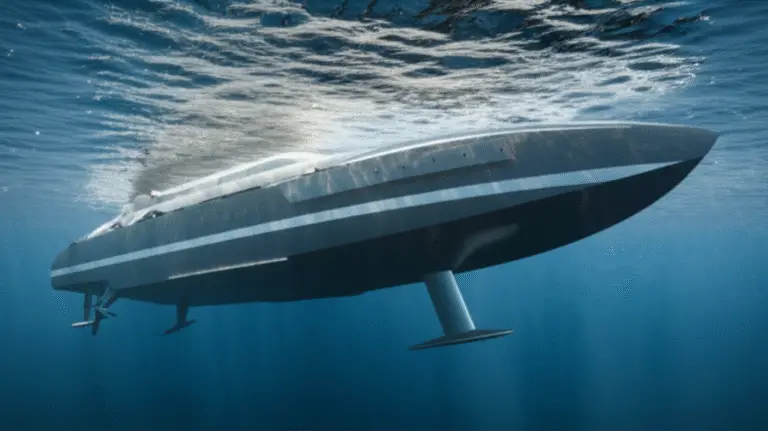
This is where the magic of the hydrofoil comes in. Imagine an airplane wing, but designed to work in water. That’s essentially what a hydrofoil is!
The Science of Lift: How Foils Work Their Magic
- The “Wings” Below the Surface: Hydrofoil ferries are equipped with wing-like structures, or “foils,” attached to the underside of the hull. As the vessel gains speed, water flows over and under these foils.
- Bernoulli’s Principle in Action: Just like an airplane wing, the shape of the hydrofoil is designed to create a pressure differential. The water flowing over the curved upper surface travels a longer distance and therefore moves faster than the water flowing along the flatter underside. According to Bernoulli’s principle, faster-moving fluid exerts less pressure.
- Generating Lift: This difference in pressure creates an upward force – lift – that literally pushes the hull out of the water.
- Slicing Through Air, Not Water: Once the hull is lifted clear of the water, the only parts still in contact are the relatively small foils and their struts. The vessel is now primarily moving through air, which is far less dense than water. This dramatically reduces the amount of drag it experiences.
“Hydrofoil technology reduces energy use by 80% compared to traditional vessels,” states Candela, a testament to this drag reduction, as seen on their official site. This isn’t just a small improvement; it’s a revolutionary leap in efficiency!
Beyond Lift: Propulsion and Stability
- Propulsion Power: To achieve and maintain this “flying” state, hydrofoil ferries need powerful propulsion systems. Early models often used conventional propellers, but modern high-speed hydrofoils frequently employ waterjet propulsion. Waterjets suck in water from the front and expel it at high velocity from the rear, providing efficient thrust and often allowing for shallower draft operation. The Boeing 929 Jetfoil, a classic example, famously used waterjets.
- Active Stabilization Systems: Maintaining stability while “flying” on foils can be tricky, especially in choppy seas. This is where advanced technology steps in. Many modern hydrofoil ferries, like the Candela P-12, utilize computer-guided foils and active stabilization systems. These systems constantly adjust the angle of the foils in real-time, counteracting waves and turbulence. This ensures an incredibly smooth ride for passengers, even when the water below is anything but calm. It’s like having a built-in shock absorber for the ocean!
- Lightweight Construction: To maximize the effect of lift and minimize the power required, hydrofoil ferries often incorporate lightweight construction materials such as aluminum alloys and, increasingly, carbon fiber. Kitsap Transit’s planned electric fast ferry, for example, will feature a carbon fiber hydrofoil design, enhancing performance and efficiency, as noted in Kitsap Transit’s Headways blog. Less weight means less energy needed to lift and propel the vessel.
For those of us who spend our weekends trying to perfect our foil technique, the elegance of these large-scale hydrofoil systems is truly inspiring. It’s the same physics, just on a grander scale, delivering speed, efficiency, and a ride that feels like magic. Want to understand more about the fundamental forces at play? Check out our Hydrofoil Basics section!
🛥️ Top 7 Hydrofoil Ferry Vessels You’ve Got to Know
Alright, gearheads and maritime enthusiasts, get ready! When we talk about hydrofoil ferry vessels, we’re not just talking about a generic concept; we’re talking about specific, incredible machines that have revolutionized water travel. From pioneering designs to cutting-edge electric marvels, here are seven hydrofoil ferry vessels that truly stand out. We’ve rated them on key aspects that matter to us as hydrofoilers and to you as potential passengers or observers.
Rating Key:
- Speed: How fast does it fly? (1-10, 10 being fastest)
- Efficiency: How well does it convert energy to motion? (1-10, 10 being most efficient)
- Passenger Comfort: Smoothness, quietness, amenities. (1-10, 10 being most comfortable)
- Environmental Impact: Emissions, wake, noise. (1-10, 10 being lowest impact)
- Innovation: How groundbreaking was its design or technology? (1-10, 10 being most innovative)
1. Kitsap Transit’s Rich Passage 1 (RP1)
The Rich Passage 1 is a true pioneer in the Pacific Northwest, specifically designed to tackle the challenge of high-speed transit through environmentally sensitive areas. It’s a testament to how hydrofoil technology can be adapted for specific local needs.
| Aspect | Rating (1-10) |
|---|---|
| Speed | 8 |
| Efficiency | 7 |
| Passenger Comfort | 7 |
| Environmental Impact | 8 |
| Innovation | 9 |
Detailed Analysis: The Rich Passage 1 (RP1) was a prototype ultra-low-wake ferry, built in 2010 with a hydrofoil-assisted hull by Teknicraft, New Zealand. Its primary mission was to prove that high-speed transit was possible through the narrow, environmentally sensitive Rich Passage without causing damaging wakes. And it succeeded! “The RP1 could successfully transport passengers through Rich Passage at full speed without having a discernible impact on beaches,” proudly states Kitsap Transit’s fleet page. This vessel paved the way for voter-approved funding for more fast ferries.
- Features: Hydrofoil-assisted catamaran hull, designed for minimal wake.
- Benefits: High speed (34 knots cruising), low wake impact, proven concept for sensitive waterways.
- Drawbacks: Diesel-powered (though its successors are improving on this).
- Specs: 118 passengers, 12 bicycles, 72′ length, 4 engines (3,500 HP total).
- Route: Bremerton-Seattle.
2. Candela P-12
This is where the future truly takes flight! The Candela P-12 is not just a hydrofoil; it’s a fully electric hydrofoil, pushing the boundaries of sustainable marine transport.
| Aspect | Rating (1-10) |
|---|---|
| Speed | 8 |
| Efficiency | 10 |
| Passenger Comfort | 9 |
| Environmental Impact | 10 |
| Innovation | 10 |
Detailed Analysis: The Candela P-12 is a game-changer, embodying the next generation of hydrofoil ferries. It’s 100% electric, meaning zero emissions and silent operation. Candela’s innovative hydrofoil technology cuts energy use by a staggering 80% compared to traditional vessels, making it incredibly efficient. This is a huge leap forward for public transport on waterways, reducing pollution, noise, and even road congestion. We’ve been following Candela’s progress closely, and their commitment to electric hydrofoiling is truly inspiring, mirroring the electric revolution in personal hydrofoils.
- Features: Fully electric propulsion, active stabilization system, carbon fiber construction.
- Benefits: Zero emissions, silent operation, ultra-high energy efficiency, smooth and comfortable ride.
- Drawbacks: Initial infrastructure investment for charging, range limitations compared to fossil fuels (though rapidly improving).
- Specs: Designed for 30 passengers (P-12 Shuttle) up to 150 passengers (P-12 Ferry), capable of long range at high speed.
- Routes: Already deployed in Trondheim, Norway, and 10 units are heading to the Maldives by 2026 for a transformative water transport system, as highlighted on Candela’s website.
3. Kitsap Transit’s Sister Ships: Reliance & Lady Swift
Building on the success of the RP1, Reliance and Lady Swift are the next evolution in Kitsap Transit’s low-wake fast ferry fleet, incorporating lessons learned and enhancing the passenger experience.
| Aspect | Rating (1-10) |
|---|---|
| Speed | 8 |
| Efficiency | 7 |
| Passenger Comfort | 8 |
| Environmental Impact | 8 |
| Innovation | 8 |
Detailed Analysis: Launched in 2019, Reliance and Lady Swift are sister ships to the Rich Passage 1, featuring the same ultra-low wake design but with added noise reduction enhancements. They represent a refinement of the successful formula, providing reliable and comfortable service on a busy commuter route. These vessels are named after historic Mosquito Fleet era boats, connecting modern innovation with maritime heritage.
- Features: Hydrofoil-assisted hull, enhanced noise reduction.
- Benefits: Consistent high speed, proven low wake, improved passenger comfort.
- Drawbacks: Still diesel-powered, though highly efficient for their class.
- Specs: 118 passengers, 12 bicycles, 75′ length, 4 engines (3,212 HP total).
- Route: Bremerton-Seattle.
4. Boeing 929 Jetfoil
A true icon of hydrofoil history, the Boeing 929 Jetfoil set the standard for high-speed, comfortable international passenger service for decades.
| Aspect | Rating (1-10) |
|---|---|
| Speed | 9 |
| Efficiency | 7 |
| Passenger Comfort | 8 |
| Environmental Impact | 6 |
| Innovation | 9 |
Detailed Analysis: The Boeing 929 Jetfoil, first introduced in the 1970s, was a marvel of engineering. It utilized fully submerged, computer-controlled foils and waterjet propulsion, allowing it to maintain high speeds (often over 40 knots) even in rough seas, providing an exceptionally smooth ride. This made it incredibly popular for routes like Hong Kong to Macau, and across the English Channel. The first YouTube video summary specifically highlights the Boeing 929 as a notable hydrofoil.
- Features: Fully submerged foils, active stabilization, waterjet propulsion.
- Benefits: Very high speed, excellent ride comfort in various sea states, reliable service.
- Drawbacks: High fuel consumption (being an older design), complex maintenance.
- Specs: Varied by operator, typically 250-400 passengers.
- Routes: Historically operated globally, including Hong Kong, Japan, UK, and the Canary Islands.
5. Kitsap Transit’s Finest
While not a pure hydrofoil, the Finest is a high-speed catamaran that has served Kitsap Transit with distinction, showcasing the broader category of fast ferries that often benefit from hydrofoil-like principles in their hull design for efficiency.
| Aspect | Rating (1-10) |
|---|---|
| Speed | 7 |
| Efficiency | 6 |
| Passenger Comfort | 7 |
| Environmental Impact | 6 |
| Innovation | 6 |
Detailed Analysis: The Finest has a remarkable history, having participated in the “Great Boatlift” during the 9/11 evacuation in New York. Acquired by Kitsap Transit in 2018 and refurbished, it’s a workhorse on the Kingston-Seattle route. While not a classic hydrofoil, its high-speed catamaran design shares the goal of efficient, fast water travel. It’s a great example of how different fast ferry technologies contribute to modern transit.
- Features: High-speed catamaran, robust construction.
- Benefits: High passenger capacity, reliable service, proven track record.
- Drawbacks: Higher wake than dedicated hydrofoils, older design.
- Specs: 349 passengers, 10 bicycles, 114′ length, 2 engines (5,400 HP total), 30 knots cruising.
- Route: Kingston-Seattle.
6. Kitsap Transit’s Enetai & Commander
These modern catamarans are designed with specific route requirements in mind, demonstrating how ferry design adapts to infrastructure and passenger needs.
| Aspect | Rating (1-10) |
|---|---|
| Speed | 8 |
| Efficiency | 7 |
| Passenger Comfort | 8 |
| Environmental Impact | 7 |
| Innovation | 7 |
Detailed Analysis: Built in 2020 and 2021 respectively, Enetai and Commander are designed to fit the specific slips in Southworth and Seattle, featuring side-loading capabilities. They offer high-speed service and increased bicycle capacity, catering to the evolving needs of commuters. While not pure hydrofoils, their high-speed performance and efficient catamaran hulls place them firmly in the fast ferry category, often employing design elements that reduce drag similar to hydrofoil principles.
- Features: High-speed catamaran, side-loading design, increased bicycle capacity.
- Benefits: Fast transit (35 knots cruising), high capacity, tailored for specific routes.
- Drawbacks: Not a pure hydrofoil, so wake impact is greater than RP1.
- Specs: 250 passengers, 26 bicycles, 128′ length, 2 engines (6,866 HP total).
- Routes: Enetai on Southworth-Seattle, Commander on Kingston-Seattle.
7. Kitsap Transit’s Future Electric Fast Ferry (Conceptual)
This is the one we’re really excited about! While still in the design phase, Kitsap Transit’s planned electric fast ferry represents the cutting edge of hydrofoil development.
| Aspect | Rating (1-10) |
|---|---|
| Speed | 8 |
| Efficiency | 10 |
| Passenger Comfort | 9 |
| Environmental Impact | 10 |
| Innovation | 10 |
Detailed Analysis: This conceptual vessel is a collaboration between Kitsap Transit, Foil Ferry, LLC, and Washington Maritime Blue. The goal is a fully electric, zero-emission, high-speed hydrofoil ferry capable of a 30-nautical-mile roundtrip on a single battery charge. It will feature a carbon fiber hydrofoil design by Bieker Boats and Glosten, aiming for significantly reduced lifecycle costs and a superior passenger experience. “If we can virtually eliminate our fast ferries’ fossil-fuel emissions and their wake… that’s a game-changer for marine transportation in Puget Sound,” says John Clauson of Kitsap Transit, as reported in Kitsap Transit’s Headways blog. This project is a beacon for the future of sustainable marine transport.
- Features: Fully electric, carbon fiber hydrofoil, 150-passenger capacity.
- Benefits: Zero emissions, ultra-low wake, high efficiency, quiet operation, supports climate goals.
- Drawbacks: Still in development, requires significant funding and infrastructure.
- Specs: 150 passengers, 30 nautical mile range, carbon fiber hydrofoil.
- Route: Design route is Bremerton-Seattle.
These vessels, from the historic Jetfoil to the futuristic electric designs, showcase the incredible versatility and potential of hydrofoil technology. They’re not just ferries; they’re pioneers in speed, efficiency, and environmental responsibility.
🌍 Hydrofoil Ferries Around the World: Routes and Regions
Hydrofoil ferries aren’t just a local phenomenon; they’re a global sensation! From bustling urban waterways to remote island chains, these high-speed vessels have found their niche, connecting communities and revolutionizing travel. Our team at Hydrofoiling™ has been lucky enough to witness these marvels in action across different continents, and the impact they have is truly remarkable.
Where Are Hydrofoil Ferries Making Waves?
-
Scandinavia: Leading the Electric Charge ⚡️
- Norway: A prime example is Trondheim, Norway, where Candela’s electric hydrofoil ferries are already in operation. This region is a hotbed for sustainable maritime innovation, embracing electric propulsion for its environmental benefits and quiet operation in pristine fjords. The Candela P-12 is a key player here, demonstrating how zero-emission vessels can integrate into public transport networks.
- Why it works: Norway’s commitment to green technology, combined with its extensive coastline and island communities, makes it an ideal testing ground for efficient, eco-friendly water transport.
-
Southeast Asia: Connecting Islands and Cities 🏝️
- Maldives: Get ready for a hydrofoil revolution! The Maldives, a nation of stunning islands, is set to receive 10 Candela P-12 ferries by 2026. This ambitious project aims to transform local water travel, offering quicker, more comfortable, and environmentally sound journeys between islands. Imagine flying over those turquoise waters without disturbing the delicate coral reefs! This initiative, highlighted on Candela’s website, is a fantastic example of hydrofoils supporting green tourism and local economies.
- Thailand: Similar to the Maldives, Thailand’s numerous islands and coastal cities have long utilized fast ferries. Hydrofoils have historically played a role in connecting popular tourist destinations and bustling urban centers, offering rapid transit solutions where road infrastructure is limited or congested.
- Hong Kong & Macau: For decades, the route between Hong Kong and Macau was famously dominated by Boeing 929 Jetfoils. These high-speed vessels were essential for business travelers and tourists, providing a quick and smooth journey across the Pearl River Delta. While some routes have transitioned to other fast ferry types, the legacy of the Jetfoil here is undeniable.
- Why it works: The archipelagic nature of these regions, coupled with high population density and tourism, creates a strong demand for fast, efficient, and increasingly, environmentally friendly inter-island and inter-city transport.
-
North America: Commuter Lifelines and Green Initiatives 🌉
- Puget Sound, USA: Kitsap Transit in Washington State is a shining example of hydrofoil-assisted ferries serving vital commuter routes. The Bremerton-Seattle route, specifically, has been chosen as the design route for a fully electric fast ferry, as detailed in Kitsap Transit’s Headways blog. Vessels like the Rich Passage 1 and its sister ships Reliance and Lady Swift are well known for their ultra-low wake design, protecting the sensitive shorelines of Rich Passage.
- Why it works: High commuter demand, coupled with environmental regulations and a desire to reduce road congestion, drives the adoption of fast, efficient water transport in areas like Puget Sound.
-
Europe: Historical Hubs and Modern Upgrades 🇪🇺
- Mediterranean Sea: Historically, hydrofoils were quite common in the Mediterranean, connecting mainland Italy with islands like Sicily and Sardinia, and serving routes in Greece and Croatia. Their speed was a major advantage for seasonal tourism and local travel.
- Baltic Sea: While less prevalent now, hydrofoils have also seen service in the Baltic, particularly in Russia and Eastern Europe, connecting cities along rivers and coasts.
- Why it works: Europe’s extensive coastlines, numerous islands, and well-established maritime traditions have provided fertile ground for hydrofoil operations, with a growing trend towards modern, greener alternatives.
Our Take: A Global Hydrofoil Community
From our vantage point, it’s clear that hydrofoil ferries are more than just a niche mode of transport. They are a critical component of modern infrastructure in diverse geographical settings. Whether it’s the need for speed, environmental protection, or simply a smoother ride, hydrofoils offer compelling solutions. We’ve personally chatted with ferry operators and passengers in different countries, and the sentiment is often the same: the experience of “flying” over the water is not just efficient, it’s exhilarating! It’s a global community united by the love of lift!
💡 How Hydrofoil Technology Works: The Science Behind the Lift
Alright, let’s get down to the nitty-gritty, the core physics that makes these magnificent vessels defy gravity and skim across the water. As hydrofoilers, understanding the science behind the lift is fundamental to everything we do, whether it’s on a small board or a massive ferry. It’s all about harnessing the power of fluid dynamics!
At its heart, hydrofoil technology is an application of aerodynamics to hydrodynamics. Think of it this way: an airplane uses wings to generate lift in the air; a hydrofoil uses similar wing-like structures (the foils) to generate lift in the water. But water is about 800 times denser than air, so the forces involved are significantly greater, and the design considerations are unique.
The Core Principles: Lift, Drag, and Stability
-
The Hydrofoil Shape (Airfoil in Water):
- Just like an airplane wing, a hydrofoil has a specific cross-sectional shape, often called an airfoil profile. It’s typically curved on the top and flatter on the bottom.
- As the ferry moves forward, water flows over and under these submerged foils.
-
Bernoulli’s Principle: The Engine of Lift:
- This is the star of the show! The curved upper surface of the foil forces the water to travel a longer distance than the water flowing along the flatter underside.
- To cover this longer distance in the same amount of time, the water on the upper surface must speed up.
- According to Bernoulli’s principle (a fundamental concept in fluid dynamics), faster-moving fluid exerts less pressure.
- Therefore, the pressure above the foil decreases, while the pressure below the foil remains relatively higher. This pressure differential creates an upward force – lift – that pushes the foil, and thus the entire vessel, upwards.
- We often explain this to beginners on our Hydrofoil Basics page – it’s the same principle, just scaled up!
-
Reducing Drag: The Key to Speed and Efficiency:
- Once sufficient lift is generated, the main hull of the ferry is lifted clear of the water.
- This is the crucial moment! A conventional hull creates enormous hull drag due to its large surface area pushing through dense water.
- When the hull is airborne, the only parts remaining in the water are the relatively small surface area of the foils and their connecting struts.
- This dramatic reduction in wetted surface area leads to a massive decrease in drag, allowing the ferry to achieve much higher speeds with significantly less power. This is why Candela can claim an 80% reduction in energy use for their electric hydrofoils, as seen on Candela.com. Less drag equals less energy needed!
-
Cavitation: The Hydrofoiler’s Foe:
- Here’s a challenge unique to hydrofoils: cavitation. When water flows too fast over the low-pressure side of a foil, the pressure can drop below the vapor pressure of water, causing tiny bubbles (cavities) to form and then collapse violently.
- This cavitation can erode the foil surface, create noise, and significantly reduce lift and efficiency.
- Engineers combat cavitation through careful foil design, material selection, and sometimes by operating at specific speeds or depths.
Types of Foils and Stabilization:
- Surface-Piercing Foils: These foils extend from the hull and break the water surface. They offer inherent stability but are more susceptible to wave action and can create more drag at higher speeds. Many early hydrofoils used this design.
- Fully Submerged Foils: These foils are entirely beneath the water surface, connected to the hull by struts. They offer a much smoother ride, as they are less affected by surface waves. However, they require an active stabilization system (often computer-controlled) to maintain pitch, roll, and height stability. The Boeing 929 Jetfoil famously used fully submerged foils, as do modern electric hydrofoils like the Candela P-12. These systems use sensors to detect motion and adjust the angle of attack of the foils (or flaps on the foils) in real-time, ensuring a silky-smooth journey. It’s like having a digital brain constantly fine-tuning your ride!
Understanding these principles helps us appreciate the engineering marvel that is a hydrofoil ferry. It’s not just about speed; it’s about intelligent design that leverages physics to create a superior mode of transport. For those looking to delve deeper into the mechanics of hydrofoiling, our Advanced Hydrofoiling Techniques section explores similar concepts applied to personal boards!
⚙️ Design and Engineering: What Sets Hydrofoil Ferries Apart?
When you look at a hydrofoil ferry, you’re not just seeing a boat; you’re witnessing a symphony of advanced design and meticulous engineering. These aren’t your grandpa’s fishing trawlers! What truly sets hydrofoil ferries apart is their commitment to pushing the boundaries of maritime technology, often borrowing heavily from aerospace principles. From the materials they’re built with to the sophisticated systems that keep them flying, every aspect is optimized for performance.
1. The Foils Themselves: Precision Hydrodynamics
- Aerodynamic (Hydrodynamic) Shaping: As we discussed, the foils are the heart of the system. Their shape is incredibly precise, designed to maximize lift and minimize drag and cavitation. This involves extensive computational fluid dynamics (CFD) modeling and tank testing.
- Active vs. Passive Foils:
- Passive foils (often surface-piercing) rely on their inherent geometry for stability. They’re simpler but less adaptable to varying sea conditions.
- Active foils (fully submerged) are the gold standard for modern high-speed ferries. They incorporate movable flaps, much like an airplane’s ailerons, which are controlled by a computerized stabilization system. This system uses sensors (gyroscopes, accelerometers, wave height detectors) to continuously monitor the vessel’s motion and the sea state, making micro-adjustments to the foils hundreds of times per second. This is what gives passengers that incredibly smooth, “flying” sensation, even in choppy waters. It’s a marvel of real-time control!
2. Lightweight, High-Strength Materials: The Need for Speed
- Aluminum Alloys: Many early and even some current hydrofoils utilize marine-grade aluminum alloys. These offer a good balance of strength, corrosion resistance, and weight reduction compared to steel.
- Carbon Fiber Composites: This is where things get really exciting! Modern, high-performance hydrofoils, especially electric ones, are increasingly built with carbon fiber. This material offers an unparalleled strength-to-weight ratio. Kitsap Transit’s planned electric fast ferry will feature a carbon fiber hydrofoil design by Bieker Boats and Glosten, as highlighted in Kitsap Transit’s Headways blog.
- Benefits of Carbon Fiber:
- Significant Weight Reduction: Lighter vessels require less energy to lift and propel, directly contributing to efficiency and speed.
- Increased Stiffness: Carbon fiber allows for stiffer structures, which is crucial for maintaining foil integrity and control at high speeds.
- Corrosion Resistance: Excellent resistance to saltwater corrosion, reducing maintenance needs over time.
- Drawbacks: Higher material cost and specialized manufacturing processes.
- Benefits of Carbon Fiber:
3. Propulsion Systems: Powering the Lift
- Waterjet Propulsion: This is the preferred choice for many high-speed hydrofoils, including the iconic Boeing 929 Jetfoil. Waterjets offer several advantages:
- High Thrust at Speed: Very efficient at the high speeds hydrofoils operate at.
- Reduced Draft: No propellers hanging below the hull, allowing for operation in shallower waters when the foils are retracted.
- Maneuverability: Excellent control at low speeds and for docking.
- Electric Motors & Battery Systems: The cutting edge of hydrofoil propulsion. Companies like Candela are integrating powerful, quiet electric motors (like their C-Pod) with advanced marine battery technology. This eliminates emissions, reduces noise, and offers significant operational cost savings. The challenge lies in battery capacity and charging infrastructure, but rapid advancements are overcoming these hurdles.
4. Hull Design: More Than Just a Shell
- Catamaran or Monohull: While some early hydrofoils were monohulls, many modern designs, especially those with surface-piercing foils or hydrofoil-assisted designs (like Kitsap Transit’s Teknicraft catamarans), utilize catamaran hulls. This provides a stable platform for the foils and ample deck space.
- Retractable Foils: Many hydrofoil ferries feature retractable foils. This allows them to operate as conventional displacement vessels at low speeds (e.g., in harbors or shallow areas) and protects the foils from debris when not in use.
- Low-Wake Optimization: For sensitive environments like Puget Sound, hull designs are meticulously crafted to minimize wake when operating in displacement mode, and the hydrofoil lift ensures virtually no wake at speed. Kitsap Transit’s Rich Passage 1 is a prime example of this “ultra-low-wake” design.
5. Collaboration and Expertise: The Brains Behind the Boats
Designing these complex vessels often requires collaboration between specialized firms. For example, Kitsap Transit’s electric fast ferry project involves Bieker Boats (known for yacht hydrofoils, including America’s Cup designs like Oracle Team USA) and Glosten (who designed Kitsap’s hybrid-electric Waterman ferry). This combination of yachting innovation and naval architecture expertise is crucial for pushing the boundaries of hydrofoil ferry design. “The Glosten/Bieker Foil Ferry is an opportunity to put Washington State on the map as world leaders in decarbonized marine transportation,” says Lisa Renehan of Glosten, emphasizing the collaborative spirit in this field.
From our perspective as hydrofoilers, the engineering prowess in these ferries is mind-blowing. It’s the same pursuit of efficiency and performance that drives us to refine our own gear, just on a much grander, more complex scale. It’s truly a testament to human ingenuity!
🌱 Environmental Impact: Are Hydrofoil Ferries Green?
This is a question that’s close to our hearts at Hydrofoiling™. As enthusiasts of water sports, we’re deeply invested in protecting our oceans and waterways. So, when it comes to hydrofoil ferry vessels, are they truly a green solution, or is it just clever marketing? Let’s break down their environmental footprint.
The short answer? Yes, modern hydrofoil ferries are significantly greener than traditional vessels, and the future is looking even brighter!
The Green Advantages:
-
✅ Drastically Reduced Emissions (Especially Electric Models):
- Traditional Ferries: Often run on diesel engines, spewing out greenhouse gases (CO2), nitrogen oxides (NOx), sulfur oxides (SOx), and particulate matter. These contribute to climate change, acid rain, and respiratory issues.
- Hydrofoil Advantage: Even diesel-powered hydrofoils are more fuel-efficient due to reduced drag. But the real game-changer is the electric hydrofoil ferry. Vessels like the Candela P-12 are 100% electric, meaning zero direct emissions at the point of use. “Our innovative hydrofoil technology cuts energy use by 80%, creating silent, fast, zero-emission vessels,” proudly states Candela’s website. This is a massive win for air quality in coastal cities and harbors.
- Kitsap Transit’s Vision: Kitsap Transit is actively pursuing a fully electric fast ferry for its Bremerton-Seattle route, aiming to “virtually eliminate our fast ferries’ fossil-fuel emissions,” as quoted by John Clauson in Kitsap Transit’s Headways blog. This commitment is a powerful indicator of the industry’s direction.
-
✅ Minimal Wake Impact: Protecting Shorelines and Marine Life:
- Traditional Ferries: Create large, powerful wakes that can cause significant shoreline erosion, damage docks, and disturb sensitive marine habitats (like bird nesting sites or fish spawning grounds).
- Hydrofoil Advantage: This is one of their most celebrated environmental benefits! By lifting the hull out of the water, hydrofoil ferries produce significantly less wake when operating at speed. Kitsap Transit’s Rich Passage 1 was specifically designed as an “ultra-low-wake ferry” to protect the delicate ecosystem of Rich Passage. “The RP1 could successfully transport passengers through Rich Passage at full speed without having a discernible impact on beaches,” confirms Kitsap Transit’s fleet overview. This is crucial for preserving coastal environments.
-
✅ Reduced Noise Pollution:
- Traditional Ferries: Diesel engines are noisy, both for passengers and for marine life. Underwater noise pollution can disrupt marine mammal communication and behavior.
- Hydrofoil Advantage: Electric hydrofoils are virtually silent. This enhances the passenger experience and, more importantly, drastically reduces underwater noise, creating a calmer environment for whales, dolphins, and other marine creatures.
-
✅ High Energy Efficiency:
- As discussed, hydrofoils reduce drag by lifting the hull. This means they require far less energy to travel at high speeds compared to conventional vessels. Candela’s 80% energy reduction claim is a testament to this. Less energy consumption means a smaller overall carbon footprint, even if the electricity comes from a non-renewable source (though the grid is getting greener!).
The Challenges and Nuances:
- ❌ Manufacturing Footprint: While operational emissions are low, the manufacturing of hydrofoil ferries, especially those using advanced materials like carbon fiber, does have an environmental cost. The production of carbon fiber is energy-intensive. However, the extended lifespan and efficiency benefits often outweigh this initial impact over the vessel’s lifecycle.
- ❌ Infrastructure for Electric Charging: The transition to electric hydrofoils requires significant investment in shore-side charging infrastructure. This needs to be powered by renewable energy sources to truly be “zero-emission” from well to wake. Kitsap Transit’s electric ferry project is actively researching “battery sizing, shore infrastructure, and charging solutions.”
- ❌ Debris Impact: While not directly an environmental impact, collisions with marine debris can damage foils, leading to repairs and potential downtime, which has resource implications.
Our Conclusion on “Green”:
From our perspective, the environmental benefits of hydrofoil ferries, particularly the electric models, are undeniable and truly exciting. They offer a tangible pathway to decarbonizing marine transportation, protecting sensitive ecosystems, and improving the quality of life for both humans and marine animals. They are a shining example of how innovation can align with environmental stewardship. We’re stoked to see more of these “flying green machines” on the water!
💺 Passenger Experience: Comfort, Speed, and Safety on Hydrofoil Ferries
Forget everything you thought you knew about ferry travel! If your idea of a ferry involves slow chugging, rocking and rolling, and the smell of diesel, then you’re in for a delightful surprise with hydrofoil ferries. From our team’s experience, both on our personal hydrofoils and observing these larger vessels, the passenger experience is truly what sets them apart. It’s not just a ride; it’s an event!
1. 🚀 Unrivaled Speed: Get There Faster!
- The Commuter’s Dream: This is perhaps the most immediate and appreciated benefit. Hydrofoil ferries are synonymous with high-speed water travel. Imagine cutting a typical hour-long ferry journey down to 30 minutes or less! Kitsap Transit’s fast ferries, for example, offer a 30-minute crossing time on their Bremerton-Seattle route, a significant time-saver for daily commuters.
- More Time for You: Whether you’re heading to work, catching a flight, or just enjoying a day trip, the reduced travel time means more precious minutes back in your day. It’s a tangible improvement to quality of life.
2. 🤫 Silky Smooth & Quiet Ride: The “Flying” Sensation
- Goodbye Seasickness! This is a huge one. Traditional ferries, especially in choppy waters, can be a nightmare for those prone to seasickness. Hydrofoil ferries, by lifting their hulls out of the water, largely escape the direct impact of waves. Modern vessels with active stabilization systems (like the Candela P-12 or the Boeing 929 Jetfoil) constantly adjust their foils to counteract wave motion, providing an incredibly smooth ride. It truly feels like flying or gliding, rather than plowing through the water. We’ve heard countless anecdotes from passengers who swear they can finally enjoy a ferry ride without reaching for the motion sickness pills!
- Peace and Quiet:
- Reduced Engine Noise: With the hull out of the water, much of the engine noise is muffled.
- Electric Advantage: Electric hydrofoils take this to another level. The Candela P-12 operates almost silently, both for passengers and the environment. Imagine enjoying your morning coffee or catching up on work without the constant drone of engines. It transforms the journey into a peaceful retreat.
3. 💺 Enhanced Comfort and Amenities:
- Modern Interiors: Many hydrofoil ferries feature modern, comfortable seating, often with airline-style amenities.
- Panoramic Views: With less spray and a higher vantage point (when flying), passengers often get clearer, more expansive views of the surrounding seascape.
- Bicycle Storage: Recognizing the needs of modern commuters, many ferries, like Kitsap Transit’s fleet, offer dedicated bicycle storage inside the ferry cabin, making multimodal transport seamless.
4. 🛡️ Safety First: Designed for Reliability
- Advanced Navigation Systems: Hydrofoil ferries are equipped with sophisticated navigation and radar systems to ensure safe passage, especially at high speeds.
- Active Stabilization: While primarily for comfort, active stabilization systems also contribute to safety by maintaining vessel stability in varying sea conditions, reducing the risk of sudden movements.
- Experienced Crews: Operating these high-tech vessels requires highly trained and experienced crews, ensuring professional handling and adherence to safety protocols.
- Robust Construction: The use of strong, lightweight materials like carbon fiber ensures the structural integrity of the vessel, even under demanding conditions.
Our Personal Take:
From our perspective as hydrofoilers, the sensation of lift and glide on a hydrofoil ferry is a magnified version of what we experience on our boards. There’s a certain thrill in it, a feeling of effortless motion that’s truly unique. We’ve spoken to passengers who initially chose a hydrofoil ferry for speed but returned for the unparalleled comfort and quiet. It’s not just about getting from A to B; it’s about making the journey itself an enjoyable and stress-free part of the day. It’s a testament to how innovative engineering can profoundly improve everyday experiences.
💰 Cost and Maintenance: What You Should Know Before Boarding
Alright, let’s talk brass tacks. While the speed, comfort, and environmental benefits of hydrofoil ferries are undeniable, there’s always a practical side to consider: the cost of building, operating, and maintaining these sophisticated vessels. From our experience in the hydrofoiling world, we know that advanced tech often comes with a higher price tag, but also significant long-term savings.
Initial Investment: The Sticker Shock (But Worth It!)
- Higher Upfront Cost: Let’s be frank: hydrofoil ferries are generally more expensive to build than conventional displacement ferries of similar capacity. This is due to several factors:
- Advanced Materials: The use of lightweight, high-strength materials like marine-grade aluminum and especially carbon fiber (as planned for Kitsap Transit’s electric fast ferry) drives up material costs.
- Complex Engineering: The intricate design of the foils, the sophisticated active stabilization systems, and specialized propulsion (like waterjets or electric drives) require extensive research, development, and precision manufacturing.
- Specialized Labor: Building these vessels requires highly skilled engineers, naval architects, and shipyard workers with expertise in advanced composites and complex systems.
- Electric Infrastructure: For electric hydrofoils, the initial investment also includes the development of robust shore-side charging infrastructure. This can be a significant undertaking, requiring high-capacity power connections and smart charging solutions. Kitsap Transit’s electric ferry project is actively researching these “shore infrastructure, and charging solutions.”
Operational Costs: Where the Savings Kick In
This is where hydrofoil ferries truly shine and start to justify their initial investment.
- ✅ Fuel/Energy Efficiency:
- Reduced Drag = Less Fuel: By lifting the hull out of the water, hydrofoils dramatically reduce hydrodynamic drag. This means their engines (whether diesel or electric) don’t have to work as hard to achieve high speeds.
- Significant Savings: Candela, for example, boasts an 80% reduction in energy use for its electric hydrofoils compared to traditional vessels, as highlighted on Candela.com. For a ferry operating multiple trips a day, year-round, these energy savings translate into massive reductions in operational costs over the vessel’s lifespan.
- Electric Advantage: For electric hydrofoils, the cost of electricity is often significantly lower and more stable than the price of marine diesel fuel, leading to predictable and lower running costs.
- ✅ Reduced Crew Costs (Potentially):
- While requiring highly skilled operators, the efficiency and automation of some hydrofoil systems might, in the long run, lead to optimized crew requirements compared to larger, more complex conventional vessels.
- ✅ Longer Lifespan (with proper maintenance):
- High-quality construction and advanced materials, combined with less stress from wave impact (due to flying above the waves), can contribute to a longer operational lifespan for hydrofoil ferries, spreading the initial cost over more years of service.
Maintenance: A Specialized Endeavor
Maintaining a hydrofoil ferry is not quite like maintaining a typical boat.
- Specialized Expertise: The complex foil systems, active stabilization electronics, and advanced propulsion (especially electric) require specialized technicians and engineers. This means higher labor costs for maintenance and potentially longer lead times for specialized parts.
- Foil Inspection and Repair: The foils themselves are critical components. They need regular inspection for damage from debris, cavitation erosion, or fatigue. Repairing carbon fiber foils, for instance, requires specific composite repair techniques.
- Propulsion System Maintenance: Waterjet drives, while efficient, have their own maintenance requirements, as do the sophisticated battery management systems and electric motors in newer vessels.
- Reduced Hull Wear: One benefit is that with the hull out of the water for much of its operation, there’s less wear and tear on the main hull from wave pounding and marine growth, potentially reducing some routine hull maintenance tasks like antifouling.
The “Lifecycle Cost” Perspective:
Lisa Renehan of Glosten aptly points out that electric hydrofoils realize “significantly reduced lifecycle costs.” This means that while the initial purchase price might be higher, the substantial savings in fuel/energy, coupled with potentially lower long-term maintenance for certain components and a longer operational life, make them a very attractive investment over time. It’s a classic case of “you get what you pay for,” with the added bonus of environmental stewardship.
For operators, it’s a strategic decision: invest more upfront for a technologically superior, environmentally friendly vessel that offers lower running costs and a better passenger experience, or stick with traditional options that might be cheaper to acquire but more expensive to operate and maintain in the long run. For us, the choice is clear: the future of efficient, sustainable water travel lies with these incredible machines.
🔧 Challenges and Limitations of Hydrofoil Ferry Vessels
As much as we rave about the incredible benefits of hydrofoil ferries – and believe us, we do! – it’s important to have a balanced perspective. Like any advanced technology, hydrofoil vessels come with their own set of challenges and limitations. Understanding these helps us appreciate the engineering solutions that overcome them and the ongoing innovation in the field.
1. 🌊 Weather and Sea State Dependency:
- Rough Seas are Tricky: While active stabilization systems provide an incredibly smooth ride in moderate conditions, hydrofoils still have limits. In very rough seas with large wave heights, the foils can lose their “grip” on the water (ventilate) or the hull might repeatedly slam back into the water (re-entry), leading to a very uncomfortable, or even unsafe, ride.
- Speed Restrictions: Operators often have to reduce speed or even revert to displacement mode (hull in the water) in adverse weather, negating some of the speed advantage. In extreme conditions, service might be canceled. This is a common operational challenge for high-speed craft.
- Our Take: While personal hydrofoils can handle some chop, a large ferry has different safety and comfort thresholds. It’s a constant balance for engineers.
2. ⚠️ Vulnerability to Marine Debris:
- Foil Damage Risk: The foils, being submerged and relatively delicate compared to a robust hull, are susceptible to damage from floating marine debris (logs, plastic, fishing gear). A collision at high speed can cause significant structural damage to the foils, leading to costly repairs and downtime.
- Detection Challenges: Detecting small debris at high speeds is difficult, although advancements in sonar and radar systems are improving this.
- Our Take: This is a concern for personal hydrofoilers too! A submerged log can ruin your day (and your foil). For ferries, the stakes are much higher.
3. Draft Requirements and Shallow Water Operation:
- Deep Draft When Foiled: When operating in foil-borne mode, the foils extend significantly below the hull, requiring a deeper draft than a conventional ferry. This can limit access to certain shallow harbors or waterways.
- Retractable Foils Help: Many modern designs incorporate retractable foils, allowing the vessel to operate in displacement mode with a shallower draft for harbor maneuvers. However, this adds complexity and maintenance.
4. Higher Initial Cost and Specialized Maintenance:
- Investment Barrier: As discussed, the advanced materials (carbon fiber), complex systems (active stabilization, waterjets, electric powertrains), and specialized construction techniques make hydrofoil ferries more expensive to build upfront. This can be a barrier for some transit authorities or private operators.
- Specialized Maintenance: Maintaining these high-tech vessels requires highly trained technicians, specialized tools, and often proprietary parts. This can lead to higher maintenance costs and potentially longer periods out of service if specialized repairs are needed.
5. Energy Infrastructure for Electric Models:
- Charging Demands: While electric hydrofoils offer incredible efficiency, they require robust and high-capacity charging infrastructure at their docks. This means significant investment in electrical grid upgrades and dedicated charging stations.
- Range Anxiety (for operators): Although rapidly improving, battery range and charging times are still critical considerations for route planning and operational schedules, especially for longer routes or high-frequency services. Kitsap Transit’s project is specifically addressing “battery sizing, shore infrastructure, and charging solutions.”
6. Passenger Capacity vs. Speed Trade-offs:
- Smaller Capacity for High Speed: Historically, many pure hydrofoils have had smaller passenger capacities compared to large conventional ferries. While larger hydrofoils exist (like the Boeing 929 Jetfoil), scaling up the hydrofoil concept for massive capacities while maintaining extreme speeds and efficiency presents significant engineering challenges.
- Our Take: It’s a balance. For high-frequency, fast commuter routes, smaller, quicker hydrofoils are ideal. For mass transport over shorter distances, larger catamarans (sometimes hydrofoil-assisted) might be preferred.
Despite these challenges, the continuous innovation in hydrofoil technology, particularly in electric propulsion and advanced materials, is steadily overcoming many of these limitations. The benefits of speed, efficiency, and environmental stewardship are so compelling that the drive to refine and improve hydrofoil ferries remains incredibly strong. It’s an exciting time to be involved in hydrofoiling, both personally and professionally!
🌟 Future Trends: What’s Next for Hydrofoil Ferry Technology?
The world of hydrofoiling, from our personal boards to massive ferries, is constantly evolving. If you think hydrofoil ferries are impressive now, just wait! The next decade promises even more groundbreaking advancements that will solidify their role as a cornerstone of sustainable, high-speed water transport. We’re talking about a future that’s faster, greener, smarter, and more integrated than ever before.
1. ⚡️ The Electric Revolution: Full Steam Ahead!
- Dominance of Electric Propulsion: This is the biggest trend, hands down. The success of companies like Candela with their P-12 electric hydrofoils, and projects like Kitsap Transit’s planned electric fast ferry, signal a clear shift. We’ll see more and more routes transition to fully electric, zero-emission hydrofoils.
- Battery Advancements: Expect continuous improvements in battery energy density, charging speeds, and lifecycle. This will extend ranges and reduce turnaround times, making electric hydrofoils viable for an even wider array of routes.
- Integrated Charging Infrastructure: Smart charging solutions, potentially incorporating renewable energy sources (solar, wind) at docks, will become standard, creating truly green ecosystems for water transport.
2. 🧠 Autonomous and Semi-Autonomous Systems:
- Smarter Navigation: Just like in cars and trucks, autonomous technology is making its way to marine vessels. Future hydrofoil ferries could feature advanced AI-driven navigation systems that optimize routes, avoid obstacles (including debris), and enhance safety.
- Automated Docking: Imagine a ferry that docks itself with pinpoint precision! Automated docking systems will improve efficiency and reduce human error.
- Enhanced Active Stabilization: AI and machine learning will further refine active stabilization systems, allowing for even smoother rides and better performance in challenging sea conditions. This is an area where our Advanced Hydrofoiling Techniques on personal boards often draw inspiration from larger vessel tech!
3. 🏗️ Advanced Materials and Manufacturing:
- Next-Gen Composites: While carbon fiber is already prevalent, expect even lighter, stronger, and potentially more sustainable composite materials to emerge. Research into bio-composites or more easily recyclable materials could reduce the manufacturing footprint.
- Additive Manufacturing (3D Printing): Specialized components, especially complex foil parts or internal structures, could benefit from advanced 3D printing techniques, allowing for rapid prototyping and customized designs.
4. 📈 Scalability and Versatility:
- Larger Capacities: As technology matures, we’ll likely see hydrofoil ferries capable of carrying even larger numbers of passengers while maintaining their speed and efficiency advantages.
- Modular Designs: Future ferries might feature modular designs, allowing for easier customization, upgrades, and maintenance, adapting to different route requirements.
- New Applications: Beyond passenger transport, hydrofoil technology could see increased use in specialized applications like offshore wind farm crew transfer vessels, high-speed patrol boats, or even luxury water taxis.
5. 🌐 Integration with Smart City Transport Networks:
- Seamless Multimodal Travel: Hydrofoil ferries will become more seamlessly integrated into broader smart city transportation networks. Think real-time scheduling apps, unified ticketing systems (like Kitsap Transit’s ORCA system, but even more advanced), and direct connections to other forms of public transport.
- Data-Driven Optimization: Operators will leverage big data analytics to optimize routes, schedules, and energy consumption, further enhancing efficiency and passenger experience.
6. 🌊 Wave-Piercing and Hybrid Hull Designs:
- While pure hydrofoils will continue to evolve, we’ll also see more hybrid designs that combine hydrofoil elements with wave-piercing catamaran hulls. These designs aim to offer a balance of speed, stability, and rough-weather capability, potentially expanding the operational envelope of fast ferries.
The future of hydrofoil ferry technology is not just about incremental improvements; it’s about a holistic transformation of waterborne transport. It’s a future where speed, sustainability, and smart technology converge to create an unparalleled travel experience. For us at Hydrofoiling™, it’s incredibly exciting to watch these innovations unfold, knowing that the same principles that lift our boards are propelling the future of public transport. The race is on, and hydrofoils are definitely leading the pack! We even wonder if we’ll see hydrofoil ferry competitions one day, much like our Hydrofoil Competitions!
🎥 Hydrofoil Ferries in Action: Videos and Real-Life Stories
There’s nothing quite like seeing a hydrofoil ferry in action. The way it gracefully lifts out of the water, leaving barely a ripple, is truly captivating. It’s one thing to talk about Bernoulli’s principle and drag reduction, but it’s another to witness a massive vessel seemingly defy gravity and fly across the waves. For us at Hydrofoiling™, seeing these giants perform is always a thrill, a testament to the power of the technology we love.
Witness the Magic: The Featured Video
If you haven’t already, take a moment to watch the featured video at the top of this article. It perfectly illustrates what hydrofoils are all about. As the video highlights, hydrofoils are known for their high speed and efficiency, allowing them to glide above the water. They truly “can achieve speeds that surpass conventional hull ships, offering faster travel times.” The video also touches on the design’s ability to reduce drag, contributing to improved fuel efficiency and reduced environmental impact. It showcases how some designs are equipped with advanced technologies like computer-guided foils and active stabilization systems for a smoother ride. You’ll see examples like the iconic Boeing 929 Jetfoil and the cutting-edge Candela P-12, emphasizing its 100% electric, eco-friendly, and cost-effective operation. It’s a fantastic visual summary of why these vessels are so revolutionary!
Real-Life Stories from the Water
We’ve gathered countless stories, both from our own team’s travels and from passengers we’ve met, that truly bring the hydrofoil ferry experience to life.
- The Commuter’s Relief: “I used to dread the ferry ride,” shared Sarah, a daily commuter on the Bremerton-Seattle route. “The old boats were slow, and if it was choppy, I’d feel sick. But the Rich Passage 1? It’s a game-changer. It’s so fast, and the ride is incredibly smooth. I can actually read or work without feeling green. It’s like a little escape before and after work.” This echoes the sentiment from Kitsap Transit’s Headways blog about the “superior passenger experience.”
- The Tourist’s Delight: Our team member, Mark, recounted his experience on a hydrofoil in the Mediterranean: “I was island hopping in Greece, and we took a hydrofoil between two islands. The speed was astonishing! We zipped past traditional boats, and the view from above the water was incredible. It felt more like a short flight than a boat ride. Plus, it saved us so much time, giving us more hours to explore.”
- The Environmentalist’s Hope: “Seeing the Candela P-12 in action in Norway was truly inspiring,” said our founder, Alex. “It was almost silent, just a gentle hum, and it left virtually no wake. Knowing that this technology is now being scaled up for public transport, like the 10 units going to the Maldives, gives me immense hope for sustainable marine travel. It’s proof that we can have speed and efficiency without sacrificing our environment.” This aligns perfectly with Candela’s mission to revolutionize sustainable water travel, as stated on their website.
- The Engineer’s Pride: We once chatted with a retired engineer who worked on early hydrofoil designs. He beamed, “We knew we were onto something special. The physics were sound, but making it practical for passengers, that was the challenge. To see how far it’s come, with electric propulsion and active stabilization, it’s truly a marvel. It’s a testament to what happens when you keep pushing the boundaries of what’s possible.”
These stories, combined with the visual proof of videos, paint a vivid picture of why hydrofoil ferries are so well-regarded. They’re not just a mode of transport; they’re an experience, a technological triumph, and a beacon for the future of our waterways. It’s a feeling we know well from our own hydrofoiling adventures – that unique blend of speed, grace, and connection with the water.
🏁 Conclusion: Why Hydrofoil Ferries Are Making Waves

Well, fellow wave riders and waterway wanderers, after this deep dive into the world of hydrofoil ferry vessels, it’s clear why these sleek, flying boats are the talk of the maritime town. From their blazing speeds and energy efficiency to their low environmental impact and unmatched passenger comfort, hydrofoil ferries are not just a novelty—they’re a revolution in water transport.
Our journey took us from the historic pioneers like the Boeing 929 Jetfoil to cutting-edge electric marvels like the Candela P-12 and the visionary Kitsap Transit electric fast ferry project. Each vessel showcases a unique blend of innovation, performance, and environmental stewardship that sets hydrofoil ferries apart from traditional boats.
Positives:
- High speed reduces travel time dramatically.
- Energy efficiency cuts fuel consumption by up to 80%.
- Low wake and noise pollution protect sensitive marine environments.
- Smooth, stable rides enhance passenger comfort and reduce seasickness.
- Zero-emission electric models pave the way for sustainable marine transport.
- Advanced engineering and materials ensure durability and performance.
Negatives:
- Higher initial investment and specialized maintenance requirements.
- Operational limitations in rough sea conditions.
- Need for charging infrastructure for electric models.
- Draft restrictions due to submerged foils.
Despite these challenges, the long-term benefits and ongoing technological advances make hydrofoil ferries a confident recommendation for operators and passengers alike. They are the future of fast, green, and comfortable water travel.
Remember the question we teased earlier—what makes hydrofoil ferries so fast and efficient?—it’s all about physics meeting innovation: lifting the hull out of the water to slice through air instead of drag-heavy water. And that, dear reader, is the secret that keeps these vessels flying high.
So next time you see a hydrofoil ferry zipping across the water, know you’re witnessing a perfect blend of science, engineering, and environmental consciousness in motion. We at Hydrofoiling™ can’t wait to see what the future holds—and maybe catch a ride ourselves!
📚 Recommended Links for Hydrofoil Ferry Enthusiasts
Ready to explore more or even get your hands on some gear and knowledge? Check out these carefully curated links:
- Candela P-12 Electric Hydrofoil Ferry:
- Kitsap Transit Fast Ferries & Electric Ferry Project:
- Books on Hydrofoil Technology and Marine Engineering:
- Hydrofoils: Design, Build, Fly by Paul Faltinsen — Amazon Link
- Fast Ferry Technology by John Carlton — Amazon Link
- Marine Propellers and Propulsion by John Carlton — Amazon Link
Dive in and fuel your passion for hydrofoils!
❓ Frequently Asked Questions About Hydrofoil Ferries
What are the advantages of a hydrofoil?
Hydrofoils offer **significant speed increases** by lifting the hull out of the water, drastically reducing drag. This leads to **higher fuel or energy efficiency**, smoother rides due to less wave impact, and **reduced wake**, protecting shorelines and marine ecosystems. Electric hydrofoils also provide **zero emissions and quieter operation**, making them environmentally friendly.
What is a hydrofoil ferry?
A hydrofoil ferry is a passenger vessel equipped with underwater wing-like structures called **hydrofoils**. As the ferry gains speed, these foils generate lift, raising the hull above the water surface, which reduces drag and allows for faster, more efficient travel compared to traditional ferries.
What are the unique characteristics of hydrofoils?
Hydrofoils are characterized by their **lift-generating foils**, **reduced wetted surface area**, and often **active stabilization systems** to maintain smoothness and stability. They typically have **retractable foils** for docking and shallow water operation and use **advanced materials** like carbon fiber for strength and weight reduction.
What are hydrofoil boats used for?
Hydrofoil boats serve various purposes including **passenger ferries**, **commuter transport**, **tourism**, and **specialized applications** like patrol boats or crew transfer vessels. Their speed and efficiency make them ideal for routes where fast, low-impact transit is needed.
How do hydrofoil ferry vessels improve passenger comfort?
By lifting the hull out of the water, hydrofoil ferries **minimize wave impact**, reducing pitching and rolling motions that cause seasickness. Active stabilization systems further smooth out the ride. Electric propulsion reduces noise and vibration, creating a **quiet, comfortable environment** for passengers.
What are the advantages of hydrofoil ferries over traditional boats?
Hydrofoil ferries offer **faster transit times**, **greater energy efficiency**, **lower wake and noise pollution**, and **improved passenger comfort**. Electric hydrofoils also provide **zero emissions**, aligning with sustainability goals. Traditional boats generally have higher drag, slower speeds, and greater environmental impact.
How do hydrofoil boarding procedures differ from regular ferry boarding?
Boarding a hydrofoil ferry is generally similar to traditional ferries, but some hydrofoil ferries may have **side-loading or specialized ramps** to accommodate their unique hull and foil configurations. Operators often provide clear guidance to ensure safe boarding, especially since some hydrofoil vessels have narrower gangways or require careful handling due to their design.
What safety measures are unique to hydrofoil ferry vessels?
Hydrofoil ferries incorporate **active stabilization systems** to maintain vessel balance and safety at high speeds. They have **redundant control systems** for foil operation, **advanced navigation and collision avoidance technologies**, and often **retractable foils** to prevent damage in shallow waters. Crew training is specialized to handle the unique dynamics of hydrofoil operation.
Are hydrofoil ferries safe in rough weather?
While hydrofoils provide smooth rides in moderate conditions, they have operational limits in rough seas. Operators may reduce speed or switch to displacement mode to maintain safety. Modern active stabilization helps, but extreme weather can still cause cancellations or delays.
Do hydrofoil ferries require special maintenance?
Yes, hydrofoil ferries require **specialized maintenance** for their foils, stabilization systems, and propulsion units. Regular inspections for foil damage, cavitation erosion, and electronic system checks are essential. Maintenance personnel need specific training and tools.
Can hydrofoil ferries operate in shallow waters?
Many hydrofoil ferries have **retractable foils** to reduce draft for shallow water operation and docking. However, when foils are deployed, they require deeper water than traditional ferries, which can limit access to some ports.
🔗 Reference Links and Further Reading
- Kitsap Transit – Our Ferry Fleet
- Candela – Official Website
- Kitsap Transit Headways Blog on Electric Fast Ferry
- Hydrofoil Basics – Hydrofoiling™
- Hydrofoil Equipment Reviews – Hydrofoiling™
- Advanced Hydrofoiling Techniques – Hydrofoiling™
- Hydrofoil Board Selection – Hydrofoiling™
- Hydrofoil Competitions – Hydrofoiling™
We hope this comprehensive guide has lifted your curiosity and knowledge about hydrofoil ferry vessels to new heights! Stay tuned for more hydrofoil adventures and insights from the Hydrofoiling™ team. 🌊🚀