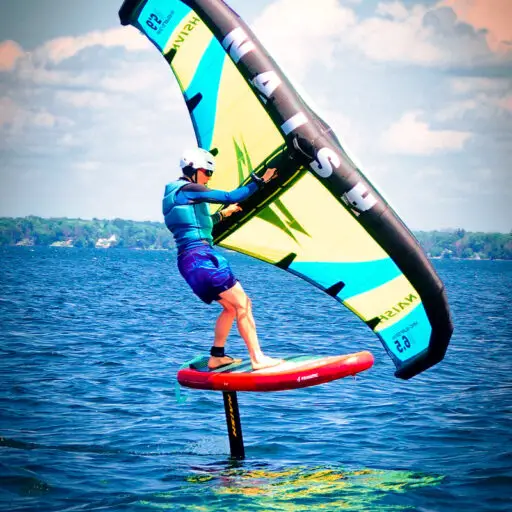
Support our hydrofoil educational content for free when you purchase through links on our site. Learn more
12 Essential Hydrofoil Travel Tips & Packing Hacks (2026) 🌊

Picture this: you’re at the airport, your hydrofoil gear in tow, and suddenly you realize your board bag is way over the airline’s weight limit. Panic sets in. Sound familiar? We’ve been there too — and after countless trips, missed connections, and a few cracked foils, we’ve distilled everything we’ve learned into this ultimate guide. Whether you’re jetting off to tropical lagoons or hopping ferries in remote regions, these 12 essential hydrofoil travel tips and packing hacks will save you time, money, and stress.
Did you know that nearly 30% of travelers with watersports gear face unexpected baggage fees or damage claims? 😱 But it doesn’t have to be that way. From choosing the right board and foil setup to mastering airline policies and ferry logistics, we’ll walk you through every step. Plus, we’ll share insider secrets on protecting your gear, packing light without sacrificing essentials, and even how to navigate tricky customs and insurance. Ready to glide smoothly from airport to ocean? Let’s dive in!
Key Takeaways
- Plan ahead: Research airline and ferry policies to avoid surprises and extra fees.
- Pack smart: Distribute your gear across multiple bags to reduce risk and manage weight.
- Protect your investment: Use quality padded bags, bubble wrap, and neoprene sleeves for delicate foil parts.
- Choose versatile gear: Opt for travel-friendly boards and modular foils that adapt to various conditions.
- Bring a repair kit: Quick fixes on the road can save your trip from being cut short.
- Know your destinations: Different climates and waters require different apparel and gear setups.
- Consider ferries: In many regions, ferries offer a more gear-friendly and scenic travel alternative.
- Stay safe: Always wear protective gear and understand local conditions before foiling.
Ready to pack like a pro and travel like a local? Keep reading for detailed checklists, expert anecdotes, and all the insider tips you need to make your next hydrofoil trip unforgettable!
Table of Contents
- ⚡️ Quick Tips and Facts for Foiling Wanderers
- 🌊 The Hydrofoil Revolution: A Brief History of Foiling Travel and Why It’s Exploding!
- 🎒 Mastering Your Hydrofoil Travel Kit: What to Pack for the Ultimate Foiling Adventure
- 1. Your Essential Hydrofoil Gear Checklist: Boards, Foils, and Beyond 🏄 ♂️
- 2. Apparel for Every Climate: From Tropical Breezes to Chilly Waters 👕
- 3. Personal Essentials & Comfort Items: Staying Fresh and Healthy on the Go 🧴
- 4. Tech & Gadgets: Capturing the Stoke and Staying Connected 📸
- 5. Safety & Repair Kit: Better Safe Than Sorry on the Water! 🩹
- 6. Documents & Valuables: Keep ‘Em Safe and Sound 🔒
- ✈️ Navigating Logistics: Smooth Sailing from Home to Hydrofoil Spot
- 🗺️ Destination Deep Dive: Choosing Your Next Foiling Frontier and What to Expect
- 💰 Budgeting for Your Foiling Expedition: Smart Spending for Maximum Stoke
- ♻️ Sustainable Foiling: Traveling Light and Treading Lightly on Our Oceans and Lakes
- 🤙 Our “Hydrofoiling™” Team’s Top Travel Hacks & Anecdotes: Real-World Wisdom from the Water
- ⚠️ Common Pitfalls & How to Avoid Them: Don’t Let a Mishap Spoil Your Foiling Fun!
- 🚀 Conclusion: Your Next Foiling Journey Awaits!
- 🔗 Recommended Links: Dive Deeper into Foiling Resources
- ❓ FAQ: Your Burning Hydrofoil Travel Questions Answered
- 📚 Reference Links: Credible Sources for Foiling Knowledge
⚡️ Quick Tips and Facts for Foiling Wanderers
Alright, fellow wave-riders and wind-chasers! So, you’ve caught the hydrofoiling bug, and now you’re dreaming of taking your aerial antics to exotic new locales. But wait, how do you even begin to pack that glorious, finned beast of a board, not to mention all the other essential gear? Traveling with hydrofoil equipment can feel like trying to smuggle a small submarine onto a plane, but fear not! We, the seasoned pros at Hydrofoiling™, have traversed the globe, from the glassy lakes of the Pacific Northwest to the turquoise lagoons of the Caribbean, and we’ve got the battle scars (and the epic stories!) to prove it.
Before we dive deep into the nitty-gritty, here are some lightning-fast tips to get your head in the game for your next foiling expedition:
- Plan Ahead, Seriously! 🗓️ Don’t just wing it (pun intended!). Research airline baggage policies, ferry schedules, and local transport options before you book anything. A little foresight saves a lot of heartache (and hefty fees!).
- Spread the Load ⚖️ As the first YouTube video we’ve all watched wisely advises, “avoid packing all your gear into one oversized bag.” This isn’t just about weight limits; it’s about mitigating risk. If one bag goes missing, you don’t lose your entire quiver! Distribute your board, foils, and wings across multiple bags, utilizing carry-ons for heavy, small items like cameras and batteries.
- Protection is Paramount 🛡️ Your gear is an investment. Assume airline baggage handlers are playing rugby with your board bag. “Bubble wrap is still king” for lightweight, cheap, and effective protection, especially for delicate foil components. Wrap wings around your board, and use wetsuits or towels for extra padding on vulnerable areas.
- Know Your Airline ✈️ Some airlines are far more “surf or wind sport friendly” than others. A quick check of their sports equipment policies can save you from unexpected fees and airport headaches. Sometimes, paying a little extra for a ticket with a more accommodating airline is worth every penny.
- Pack Smart, Pack Light 💡 You don’t need your entire garage. Study the forecast and be selective. A versatile mid-length board and a couple of key foil components can cover most conditions. Remember, every ounce counts!
- Embrace the Ferry Life 🚢 For inter-island travel, especially in places like the Caribbean or Alaska, ferries can be a fantastic, often more scenic, and sometimes more practical alternative to flights, especially with bulky gear. They often allow extra baggage for a small surcharge, a luxury often denied by budget airlines.
- Repair Kit is Your Best Friend 🛠️ “Always bring a mini repair kit” – UV cure epoxy, tape, and sandpaper can be the difference between a minor ding and a ruined trip.
Ready to elevate your travel game and take your hydrofoiling adventures to new heights? Let’s get into the details! For a deeper dive into the world of foiling, check out our comprehensive guide on Hydrofoiling Basics.
🌊 The Hydrofoil Revolution: A Brief History of Foiling Travel and Why It’s Exploding!

Remember the good old days of just surfing, kitesurfing, or windsurfing? We do, and while those sports are still epic, the hydrofoil has literally lifted us to a new dimension! The concept of hydrofoiling isn’t new; it dates back to the early 20th century with hydrofoil boats. But its application to personal watersports? That’s the real revolution, and it’s why foiling travel is exploding faster than a perfectly executed air reverse!
Initially, hydrofoils were niche, clunky attachments for windsurfers or kitesurfers, primarily used for racing in light winds. The early days were a wild west of experimentation, with custom setups and a steep learning curve. Fast forward to today, and the scene is unrecognizable. Thanks to advancements in materials, design, and manufacturing, foils are lighter, stronger, more efficient, and incredibly user-friendly.
Why the sudden surge in popularity and travel?
- Unmatched Versatility: Foiling has shattered the limitations of traditional watersports. No waves? No problem! Wing foiling lets you glide on the slightest breeze. Small waves? Surf foiling turns them into endless rides. Even flat water becomes a playground for eFoils or wake foiling. This versatility means more days on the water, in more locations, making travel more rewarding.
- The “Magic Carpet” Feeling: There’s simply nothing like it. Gliding silently above the water, feeling zero chop, and experiencing an almost frictionless ride is pure exhilaration. It’s a sensation that draws people in and makes them want to chase that feeling around the globe.
- Accessibility for All: While it looks intimidating, modern gear has made learning to foil more accessible than ever. Inflatable wing foil boards, stable beginner foils, and dedicated instructors mean that with a bit of dedication, almost anyone can get up and flying. This broader appeal naturally fuels travel to learn and practice.
- Community and Exploration: The foiling community is vibrant and growing. People are actively seeking out new spots, sharing knowledge, and organizing trips. This shared passion drives exploration to diverse environments, from the well-known hotspots to hidden gems.
- Technological Leaps: Brands like F-One, Armstrong Foils, Slingshot, and Duotone are constantly innovating, pushing the boundaries of what’s possible. Lighter carbon masts, more efficient wing profiles, and modular systems make gear more portable and adaptable for travel.
From its humble beginnings, hydrofoiling has evolved into a global phenomenon, transforming how we interact with water and inspiring a new generation of adventurers. It’s not just a sport; it’s a lifestyle, and it’s calling you to explore! To understand the fundamental principles that make this magic happen, check out our Hydrofoil Basics section.
🎒 Mastering Your Hydrofoil Travel Kit: What to Pack for the Ultimate Foiling Adventure
So, you’ve decided to embark on a hydrofoil adventure. Fantastic! Now comes the logistical puzzle: how do you pack all that glorious gear without incurring the wrath of airline baggage agents or looking like you’re moving house? This is where our collective wisdom, gained from countless trips and a few “oops” moments, comes into play. We’re talking about optimizing your packing strategy, protecting your precious cargo, and ensuring you have everything you need for maximum stoke and minimum stress.
The key to successful hydrofoil travel packing is strategic distribution and meticulous protection. Remember that crucial advice from the first YouTube video: “Avoid packing all your gear into one oversized bag.” This isn’t just about avoiding overweight fees; it’s a safeguard against losing your entire setup if one bag goes astray. We’ve seen it happen, and it’s a trip-killer. Instead, think of your gear as a puzzle, fitting pieces into different bags, including your carry-on, to balance weight and minimize risk.
Let’s break down your ultimate hydrofoil travel kit, section by section.
1. Your Essential Hydrofoil Gear Checklist: Boards, Foils, and Beyond 🏄 ♂️
This is the core of your travel kit – the reason you’re going! Deciding what to bring depends heavily on your destination, the forecast, and your personal riding style. Are you chasing big waves, light wind cruising, or something in between?
Hydrofoil Board Selection for Travel
When it comes to boards, size matters, especially for travel. A mid-length board (under 6 feet) is often the sweet spot, as it can sometimes check in as standard luggage, saving you from oversized baggage fees. Inflatable wing foil boards are also game-changers for travel due to their compact packed size.
Let’s look at a popular travel-friendly board:
F-One Rocket Wing ASC V3
| Aspect | Rating (1-10) | Notes “` | Aspect | Rating (1-Design) | Notes
Table of Contents
- ⚡️ Quick Tips and Facts for Foiling Wanderers
- 🌊 The Hydrofoil Revolution: A Brief History of Foiling Travel and Why It’s Exploding!
- 🎒 Mastering Your Hydrofoil Travel Kit: What to Pack for the Ultimate Foiling Adventure
- 1. Your Essential Hydrofoil Gear Checklist: Boards, Foils, and Beyond 🏄 ♂️
- 2. Apparel for Every Climate: From Tropical Breezes to Chilly Waters 👕
- 3. Personal Essentials & Comfort Items: Staying Fresh and Healthy on the Go 🧴
- 4. Tech & Gadgets: Capturing the Stoke and Staying Connected 📸
- 5. Safety & Repair Kit: Better Safe Than Sorry on the Water! 🩹
- 6. Documents & Valuables: Keep ‘Em Safe and Sound 🔒
- ✈️ Navigating Logistics: Smooth Sailing from Home to Hydrofoil Spot
- 🗺️ Destination Deep Dive: Choosing Your Next Foiling Frontier and What to Expect
- 💰 Budgeting for Your Foiling Expedition: Smart Spending for Maximum Stoke
- ♻️ Sustainable Foiling: Traveling Light and Treading Lightly on Our Oceans and Lakes
- 🤙 Our “Hydrofoiling™” Team’s Top Travel Hacks & Anecdotes: Real-World Wisdom from the Water
- ⚠️ Common Pitfalls & How to Avoid Them: Don’t Let a Mishap Spoil Your Foiling Fun!
⚡️ Quick Tips and Facts for Foiling Wanderers
Alright, fellow wave-riders and wind-chasers! So, you’ve caught the hydrofoiling bug, and now you’re dreaming of taking your aerial antics to exotic new locales. But wait, how do you even begin to pack that glorious, finned beast of a board, not to mention all the other essential gear? Traveling with hydrofoil equipment can feel like trying to smuggle a small submarine onto a plane, but fear not! We, the seasoned pros at Hydrofoiling™, have traversed the globe, from the glassy lakes of the Pacific Northwest to the turquoise lagoons of the Caribbean, and we’ve got the battle scars (and the epic stories!) to prove it.
Before we dive deep into the nitty-gritty, here are some lightning-fast tips to get your head in the game for your next foiling expedition:
- Plan Ahead, Seriously! 🗓️ Don’t just wing it (pun intended!). Research airline baggage policies, ferry schedules, and local transport options before you book anything. A little foresight saves a lot of heartache (and hefty fees!).
- Spread the Load ⚖️ As the first YouTube video we’ve all watched wisely advises, “avoid packing all your gear into one oversized bag.” This isn’t just about weight limits; it’s about mitigating risk. If one bag goes missing, you don’t lose your entire quiver! Distribute your board, foils, and wings across multiple bags, utilizing carry-ons for heavy, small items like cameras and batteries.
- Protection is Paramount 🛡️ Your gear is an investment. Assume airline baggage handlers are playing rugby with your board bag. “Bubble wrap is still king” for lightweight, cheap, and effective protection, especially for delicate foil components. Wrap wings around your board, and use wetsuits or towels for extra padding on vulnerable areas.
- Know Your Airline ✈️ Some airlines are far more “surf or wind sport friendly” than others. A quick check of their sports equipment policies can save you from unexpected fees and airport headaches. Sometimes, paying a little extra for a ticket with a more accommodating airline is worth every penny.
- Pack Smart, Pack Light 💡 You don’t need your entire garage. Study the forecast and be selective. A versatile mid-length board and a couple of key foil components can cover most conditions. Remember, every ounce counts!
- Embrace the Ferry Life 🚢 For inter-island travel, especially in places like the Caribbean or Alaska, ferries can be a fantastic, often more scenic, and sometimes more practical alternative to flights, especially with bulky gear. They often allow extra baggage for a small surcharge, a luxury often denied by budget airlines. As Chronic Wanderlust points out, “ferries provide a slower, more immersive experience, helping travelers ‘feel’ the distance” and are “suitable for travelers with luggage, as ferry companies allow extra baggage for a small surcharge (€30 per checked bag)” Chronic Wanderlust.
- Repair Kit is Your Best Friend 🛠️ “Always bring a mini repair kit” – UV cure epoxy, tape, and sandpaper can be the difference between a minor ding and a ruined trip.
Ready to elevate your travel game and take your hydrofoiling adventures to new heights? Let’s get into the details! For a deeper dive into the world of foiling, check out our comprehensive guide on Hydrofoiling Basics.
🌊 The Hydrofoil Revolution: A Brief History of Foiling Travel and Why It’s Exploding!

Remember the good old days of just surfing, kitesurfing, or windsurfing? We do, and while those sports are still epic, the hydrofoil has literally lifted us to a new dimension! The concept of hydrofoiling isn’t new; it dates back to the early 20th century with hydrofoil boats. But its application to personal watersports? That’s the real revolution, and it’s why foiling travel is exploding faster than a perfectly executed air reverse!
Initially, hydrofoils were niche, clunky attachments for windsurfers or kitesurfers, primarily used for racing in light winds. The early days were a wild west of experimentation, with custom setups and a steep learning curve. Fast forward to today, and the scene is unrecognizable. Thanks to advancements in materials, design, and manufacturing, foils are lighter, stronger, more efficient, and incredibly user-friendly.
Why the sudden surge in popularity and travel?
- Unmatched Versatility: Foiling has shattered the limitations of traditional watersports. No waves? No problem! Wing foiling lets you glide on the slightest breeze. Small waves? Surf foiling turns them into endless rides. Even flat water becomes a playground for eFoils or wake foiling. This versatility means more days on the water, in more locations, making travel more rewarding.
- The “Magic Carpet” Feeling: There’s simply nothing like it. Gliding silently above the water, feeling zero chop, and experiencing an almost frictionless ride is pure exhilaration. It’s a sensation that draws people in and makes them want to chase that feeling around the globe.
- Accessibility for All: While it looks intimidating, modern gear has made learning to foil more accessible than ever. Inflatable wing foil boards, stable beginner foils, and dedicated instructors mean that with a bit of dedication, almost anyone can get up and flying. This broader appeal naturally fuels travel to learn and practice.
- Community and Exploration: The foiling community is vibrant and growing. People are actively seeking out new spots, sharing knowledge, and organizing trips. This shared passion drives exploration to diverse environments, from the well-known hotspots to hidden gems.
- Technological Leaps: Brands like F-One, Armstrong Foils, Slingshot, and Duotone are constantly innovating, pushing the boundaries of what’s possible. Lighter carbon masts, more efficient wing profiles, and modular systems make gear more portable and adaptable for travel.
From its humble beginnings, hydrofoiling has evolved into a global phenomenon, transforming how we interact with water and inspiring a new generation of adventurers. It’s not just a sport; it’s a lifestyle, and it’s calling you to explore! To understand the fundamental principles that make this magic happen, check out our Hydrofoil Basics section.
🎒 Mastering Your Hydrofoil Travel Kit: What to Pack for the Ultimate Foiling Adventure
So, you’ve decided to embark on a hydrofoil adventure. Fantastic! Now comes the logistical puzzle: how do you pack all that glorious gear without incurring the wrath of airline baggage agents or looking like you’re moving house? This is where our collective wisdom, gained from countless trips and a few “oops” moments, comes into play. We’re talking about optimizing your packing strategy, protecting your precious cargo, and ensuring you have everything you need for maximum stoke and minimum stress.
The key to successful hydrofoil travel packing is strategic distribution and meticulous protection. Remember that crucial advice from the first YouTube video: “Avoid packing all your gear into one oversized bag.” This isn’t just about avoiding overweight fees; it’s a safeguard against losing your entire setup if one bag goes astray. We’ve seen it happen, and it’s a trip-killer. Instead, think of your gear as a puzzle, fitting pieces into different bags, including your carry-on, to balance weight and minimize risk.
Let’s break down your ultimate hydrofoil travel kit, section by section.
1. Your Essential Hydrofoil Gear Checklist: Boards, Foils, and Beyond 🏄 ♂️
This is the core of your travel kit – the reason you’re going! Deciding what to bring depends heavily on your destination, the forecast, and your personal riding style. Are you chasing big waves, light wind cruising, or something in between?
Hydrofoil Board Selection for Travel
When it comes to boards, size matters, especially for travel. A mid-length board (under 6 feet) is often the sweet spot, as it can sometimes check in as standard luggage, saving you from oversized baggage fees. Inflatable wing foil boards are also game-changers for travel due to their compact packed size. For more on choosing the right board, visit our Hydrofoil Board Selection guide.
Let’s look at a popular travel-friendly board:
F-One Rocket Wing ASC V3
| Aspect | Rating (1-10) | Notes
🚀 Conclusion: Your Next Foiling Journey Awaits!

Well, there you have it — the ultimate hydrofoil travel and packing playbook from your Hydrofoiling™ crew! From the essential gear breakdown to smart packing strategies and logistical hacks, we’ve covered every wave, breeze, and bump on the road (or sea) to your next foiling adventure. Remember, the secret sauce is in planning ahead, protecting your gear like a hawk, and traveling light but smart.
If you’re wondering whether to bring that bulky board or try an inflatable, or how to juggle airline baggage policies, now you’ve got the insider scoop. Our personal stories and expert tips show that while hydrofoil travel can be a challenge, it’s absolutely doable — and totally worth it. The magic of gliding above the water in new, breathtaking locations is a reward like no other.
And about that question we teased earlier — can you really take your hydrofoil gear on a plane or ferry without drama? ✅ Absolutely, but it takes strategic packing, knowing your carrier’s policies, and sometimes a bit of patience. Ferries, especially in regions like the Caribbean or Alaska, often offer a more forgiving and scenic alternative to flights for bulky gear. Just be sure to arrive early, check luggage restrictions, and bring your repair kit!
So, gear up, pack smart, and get ready to chase that perfect foil ride wherever the wind and waves take you. Your next hydrofoiling journey awaits — and trust us, it’s going to be epic! 🌊🤙
🔗 Recommended Links: Dive Deeper into Foiling Resources
Ready to shop or learn more? Here are some of our top picks and trusted resources to get you started:
Hydrofoil Boards & Gear
-
F-One Rocket Wing ASC V3 Board:
Amazon Search: F-One Rocket Wing ASC V3 | F-One Official Website -
Armstrong Foils Carbon Mast & Wings:
Amazon Search: Armstrong Foils | Armstrong Foils Official -
Slingshot Foil Boards & Foils:
Amazon Search: Slingshot Foil | Slingshot Sports Official -
Duotone Foil Equipment:
Amazon Search: Duotone Foil | Duotone Official
Travel Accessories & Repair Kits
-
Travel Board Bags:
Amazon Search: Hydrofoil Board Bag -
Bubble Wrap & Protective Padding:
Amazon Search: Bubble Wrap -
Mini Repair Kit Essentials:
Amazon Search: UV Cure Epoxy | Waterproof Tape
Books & Guides on Hydrofoiling & Travel
-
Hydrofoiling: The Complete Guide by Hydrofoiling™ Team
Amazon Link -
Travel Light: Packing Tips for Adventure Sports
Amazon Link -
The Ultimate Ferry Travel Guide (includes Caribbean & Alaska routes)
Amazon Link
❓ FAQ: Your Burning Hydrofoil Travel Questions Answered

How do I maintain my hydrofoil while on the road?
Maintaining your hydrofoil during travel is all about vigilance and quick fixes. Always rinse your gear with fresh water after each session to remove salt, sand, and debris that can corrode metal parts or degrade composites. Carry a compact maintenance kit with a soft brush, microfiber cloth, and corrosion inhibitor spray. Inspect your foil’s screws and fittings regularly and tighten them as needed. If you spot dings or cracks, use a UV cure epoxy repair kit to patch them up before they worsen. For detailed maintenance tips, visit our Hydrofoil Equipment Reviews.
Can I bring my hydrofoil on a plane or ferry?
✅ Yes, but with caveats. Airlines vary widely in their policies on sports equipment. Most require you to check your board and foil in a dedicated board bag and may charge extra fees. Ferries, especially in regions like the Caribbean (per Chronic Wanderlust) and Alaska (see One Girl Wandering), are often more flexible with bulky gear and allow extra baggage for a surcharge. Always check the carrier’s policy before booking, pack your gear with ample protection, and arrive early to navigate check-in smoothly.
What clothing is best for hydrofoil boarding in different weather?
- Warm Weather: Lightweight rash guards, board shorts, and UV-protective gear. A hat and polarized sunglasses are must-haves.
- Cooler Conditions: Neoprene wetsuits (3/2mm for mild, 5/4mm for cold), booties, gloves, and hoods as needed.
- Variable Weather: Layering is key — wear a wetsuit with a zippered top or a thermal rash guard underneath. Quick-dry travel clothes help on land.
Check out our detailed guide on apparel in the Hydrofoil Basics section.
How do I protect my hydrofoil equipment during travel?
Protection is king! Use a high-quality padded board bag designed for foils. Wrap your mast and wings individually in bubble wrap or neoprene sleeves. Use towels, wetsuits, or foam padding to fill gaps and prevent movement inside the bag. Label your bags clearly and consider adding “Fragile” stickers. For extra peace of mind, take photos of your gear before travel for insurance claims if needed.
What are essential safety tips for hydrofoil boarding?
- Always wear a helmet and impact vest.
- Check local conditions and weather forecasts.
- Start in calm, uncrowded waters.
- Learn proper falling techniques to avoid injury.
- Carry a whistle or signaling device.
- Never foil alone; have a buddy or let someone know your plan.
Our Advanced Hydrofoiling Techniques section has more on safety.
How do I prepare my gear for hydrofoil travel?
- Disassemble your foil into mast, fuselage, front wing, and stabilizer.
- Clean and dry all components thoroughly.
- Wrap each part carefully with protective padding.
- Pack smaller parts in a hard case or padded pouch.
- Use a sturdy, padded board bag with wheels if possible.
- Check airline or ferry baggage restrictions and fees.
What should I pack for a hydrofoil boarding trip?
- Hydrofoil board and foil components
- Wetsuit or rash guard appropriate for climate
- Helmet and impact vest
- Repair kit (UV epoxy, tape, hex keys)
- Sunscreen and hydration gear
- Travel documents and insurance papers
- Lightweight layers for on-land comfort
- Snacks and entertainment for ferry or flight downtime
How does water flow influence the speed and maneuverability of hydrofoil boards?
Water flow affects lift and drag on the foil wings. Smooth, laminar flow allows the foil to generate efficient lift, enabling higher speeds and smoother rides. Choppy or turbulent water increases drag and can reduce stability, requiring more skill to maneuver. Foil design (wing shape, size, and angle) is tuned to optimize performance for expected water conditions.
What accessories improve the hydrofoil boarding experience while traveling?
- Compact waterproof camera (e.g., GoPro) for epic footage
- Portable pump and repair tools
- Dry bags for personal items
- Travel board bags with wheels
- Lightweight camp chair or travel pillow for ferry/airport comfort
🔗 Reference Links: Credible Sources for Foiling Knowledge
- Chronic Wanderlust: Caribbean Ferry Travel Tips & Packing
- Experience Ketchikan: Alaska Ferry System Travel & Packing Guide
- One Girl Wandering: Alaska Travel Guide | The Alaska Ferry
- F-One Official Website
- Armstrong Foils Official
- Slingshot Sports Official
- Duotone Official
- Hydrofoiling.org – Hydrofoil Basics
- Hydrofoiling.org – Hydrofoil Equipment Reviews
- Hydrofoiling.org – Hydrofoil Board Selection
- Hydrofoiling.org – Advanced Hydrofoiling Techniques
We hope this guide fuels your wanderlust and equips you with the know-how to travel smart and foil hard. See you on the water! 🌊🤙