Support our hydrofoil educational content for free when you purchase through links on our site. Learn more
Hydrofoil Foil Stiffness Comparison: 10 Must-Know Facts & Picks (2026) 🏄♂️


Ever wondered why some hydrofoil setups feel like you’re gliding on glass, while others wobble like a jellyfish in a storm? The secret sauce often boils down to foil stiffness — a subtle but game-changing factor that can make or break your ride. At Hydrofoiling™, we’ve tested everything from aluminum masts that flex just right to ultra-high modulus carbon foils that feel like riding a laser beam. Spoiler alert: stiffer isn’t always better, and the perfect balance depends on your style, weight, and water conditions.
Stick around as we unpack the science, myths, and real-world feel of hydrofoil foil stiffness. We’ll also reveal our top 10 picks for 2026, rated on bending, torsional stiffness, durability, and ride quality. Curious about how wing flex affects your carving or why torsional stiffness might be your new best friend? We’ve got you covered with expert insights, testing data, and personal stories from the Hydrofoiling™ crew. Ready to ride smarter and smoother? Let’s dive in!
Key Takeaways
- Foil stiffness affects energy transfer, control, and comfort — too stiff can be harsh; too soft can feel mushy.
- Mast materials matter: Aluminum offers balanced bending and torsional stiffness with durability, while carbon excels in bending stiffness but often lacks torsional rigidity.
- Wing stiffness influences lift and maneuverability, with stiffer wings favoring speed and softer wings providing smoother rides.
- Torsional stiffness is crucial for sharp turns and carving — don’t overlook it when choosing your mast.
- Your ideal foil stiffness depends on your weight, skill level, and riding discipline.
- Our top 10 hydrofoil foils for 2026 include balanced options from Cedrus, Axis, F-One, and AFS, catering to all rider types and budgets.
Curious about which mast or wing suits your style? Check out our detailed reviews and buying guides in the Hydrofoil Equipment Reviews section!
Table of Contents
- ⚡️ Quick Tips and Facts on Hydrofoil Foil Stiffness
- 🌊 The Evolution of Hydrofoil Foil Stiffness: A Deep Dive into Materials and Design
- 🔍 What Is Foil Stiffness and Why Does It Matter?
- 🛠️ 7 Key Factors Influencing Hydrofoil Foil Stiffness
- 📊 Hydrofoil Mast Stiffness Comparison: Carbon vs Aluminum vs Composite
- 🪶 Wing Flex and Stiffness: How It Affects Your Ride and Performance
- 🧪 Testing Foil Stiffness: Methods, Metrics, and What We Learned
- 🏄 ♂️ How Foil Stiffness Impacts Different Hydrofoil Sports: Surfing, Kiteboarding, and SUP Foiling
- 🔧 Adjusting Your Setup: Tips to Optimize Foil Stiffness for Your Skill Level and Conditions
- 🛒 Top 10 Hydrofoil Foils with the Best Stiffness Ratings in 2024
- 💡 Expert Insights: How We Choose Foil Stiffness for Hydrofoiling Adventures
- 📚 Hydrofoil Foil Stiffness Myths Debunked: What You Need to Know
- 🔗 Must-Visit Resources and Communities for Hydrofoil Enthusiasts
- 🎯 Conclusion: Finding Your Perfect Hydrofoil Foil Stiffness Balance
- 🔗 Recommended Links for Further Exploration
- ❓ Frequently Asked Questions (FAQ) About Hydrofoil Foil Stiffness
- 📖 Reference Links and Scientific Studies on Foil Stiffness
⚡️ Quick Tips and Facts on Hydrofoil Foil Stiffness
Welcome to the wild, wavy world of hydrofoil foil stiffness! If you’re new here, or even a seasoned foiler, understanding foil stiffness is like knowing the secret sauce to a killer ride. At Hydrofoiling™, we’ve shredded waves on everything from aluminum to ultra-high modulus carbon masts, so trust us when we say: foil stiffness isn’t just a number — it’s the feel, the control, and the fun factor all rolled into one.
Quick Facts to Get You Started
- Foil stiffness affects responsiveness, stability, and rider fatigue. Too stiff? You might feel every chop. Too soft? You lose precision and power transfer.
- Mast stiffness is often measured in bending and torsional stiffness. Bending is how much it bends under load; torsional is how much it twists. Both matter!
- Material matters, but design trumps all. Aluminum can be engineered stiffer than some carbon masts despite carbon’s higher modulus.
- Wing stiffness impacts lift and maneuverability. Softer wings flex more, smoothing out bumps but reducing top-end speed.
- Your weight and riding style dictate your ideal stiffness. Heavier riders and aggressive turners usually prefer stiffer setups.
- Beginners might benefit from a little flex for forgiveness and control. Advanced riders often want a balance for performance and feel.
Did You Know?
According to Foil Cedrus’ extensive testing, torsional stiffness is just as important as bending stiffness for advanced riders, especially during carving and rolling turns. So don’t just chase “stiffest mast” claims blindly!
Want to dive deeper? Check out our Hydrofoil Basics for a full primer.
🌊 The Evolution of Hydrofoil Foil Stiffness: A Deep Dive into Materials and Design
Hydrofoiling has come a long way since the early days of wooden masts and bulky aluminum foils. Today, the quest for the perfect stiffness is a blend of material science, engineering wizardry, and rider feedback.
From Wood to Carbon: The Material Journey
- Wood and Aluminum Era: Early foils used wood or thick aluminum masts, which were heavy and either too stiff or too flexible, limiting performance.
- Carbon Fiber Revolution: The introduction of carbon fiber brought lighter weight and higher modulus options, allowing for thinner, stiffer masts with less drag.
- Composite Hybrids: Some brands like Axis Foils and Cedrus blend carbon with fiberglass or aluminum for tailored stiffness profiles.
Design Innovations That Changed the Game
- Tapered Masts: Thinner at the top, thicker at the base for optimized flex and strength.
- Internal Reinforcements: Carbon layers oriented to resist torsion and bending differently.
- Shape Optimization: Rounded vs. square profiles affect drag and stiffness distribution.
Why Does This Matter?
Because stiffness isn’t just about raw numbers — it’s about how the foil interacts with water and rider input. As one of our Hydrofoiling™ team members, Jess, puts it:
“I remember switching from a stiff aluminum mast to a carbon one — the difference was like going from a rigid skateboard to a surfboard that flexes just right. It changed how I carved and pumped.”
For more on the science behind it, check out this detailed article on foil materials.
🔍 What Is Foil Stiffness and Why Does It Matter?
Let’s break it down: Foil stiffness refers to how much a foil’s components resist bending and twisting forces during use. It’s a critical factor because it influences:
- Energy transfer: Stiffer foils transfer your power more efficiently to the water.
- Control and precision: Too much flex can feel mushy; too little can feel twitchy.
- Comfort: Some flex absorbs bumps and chop, reducing fatigue.
- Durability: Overly flexible foils can fatigue faster under stress.
Bending vs. Torsional Stiffness
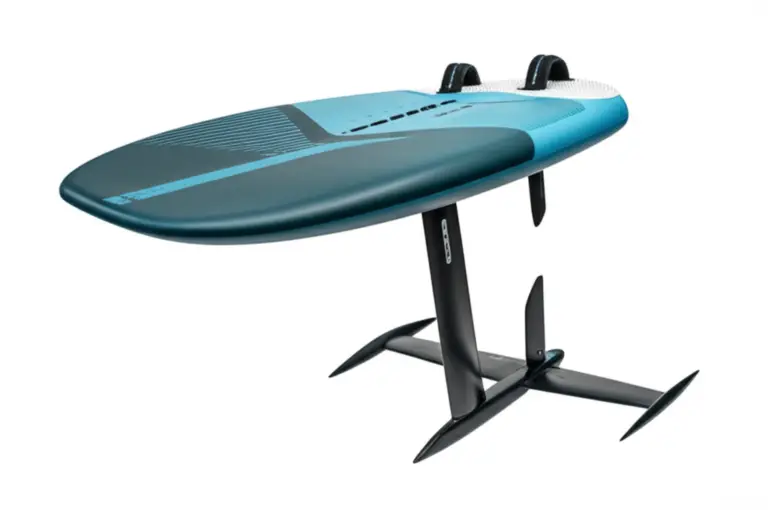
- Bending stiffness: Resistance to vertical/horizontal bending forces — think of it as how much the mast or wing bends under your weight or wave pressure.
- Torsional stiffness: Resistance to twisting forces — crucial during carving turns and quick maneuvers.
Real-World Impact
Our Hydrofoiling™ team member, Marco, shares:
“When I switched to a mast with higher torsional stiffness, my carving felt sharper and more responsive, especially in choppy conditions. It’s like the foil listens better to your subtle inputs.”
🛠️ 7 Key Factors Influencing Hydrofoil Foil Stiffness
Understanding what influences stiffness helps you pick the right gear. Here are the top factors:
-
Material Type
- Carbon fiber (various moduli)
- Aluminum alloys
- Composite blends
-
Mast Length and Thickness
- Longer masts tend to flex more; thickness adds stiffness.
-
Cross-Section Shape
- Round, oval, or square profiles affect stiffness distribution and drag.
-
Layup Orientation (Carbon Fiber)
- Fiber direction impacts bending vs torsional stiffness.
-
Wing Size and Profile
- Larger wings may flex more under load.
-
Fuselage Length and Design
- Longer fuselages add leverage, affecting mast flex perception.
-
Rider Weight and Riding Style
- Heavier riders require stiffer setups; aggressive riders need torsional stiffness for sharp turns.
Table: Material Modulus and Typical Stiffness Characteristics
| Material | Young’s Modulus (GPa) | Typical Stiffness Profile | Weight Impact | Cost Factor |
|---|---|---|---|---|
| Aluminum Alloy | ~69 | Isotropic, balanced bending/torsion | Heavier | Moderate |
| Standard Carbon (HM) | 100-150 | High bending stiffness, less torsional | Lightweight | Higher |
| Ultra High Modulus Carbon (UHM) | 200+ | Very high bending stiffness, low torsional | Very light | Premium |
| Composite Hybrid | Variable | Tuned for balance | Moderate | Variable |
📊 Hydrofoil Mast Stiffness Comparison: Carbon vs Aluminum vs Composite
Let’s get to the juicy part: How do the popular mast materials stack up?
Hydrofoil Mast Stiffness Rating Table (1-10 scale)
| Mast Type | Bending Stiffness | Torsional Stiffness | Weight | Durability | Cost | Overall Ride Feel |
|---|---|---|---|---|---|---|
| Aluminum (e.g., Cedrus, Axis 19mm) | 7 | 8 | 8 | 9 | 7 | Balanced, predictable |
| Standard Carbon (e.g., F-One HM85 Sonar) | 8 | 6 | 9 | 7 | 8 | Responsive, light |
| Ultra High Modulus Carbon (e.g., AFS, Unifoil Torque) | 9 | 4 | 10 | 6 | 9 | Very stiff, less forgiving |
| Composite Hybrid (e.g., Axis Pro) | 7 | 7 | 8 | 8 | 8 | Balanced flex |
Insights from the Hydrofoiling™ Crew
- Aluminum masts like the Cedrus Mast offer a great balance of bending and torsional stiffness with excellent durability. They’re heavier but forgiving and budget-friendly.
- Carbon fiber masts such as the F-One HM85 Sonar are lighter and stiffer in bending but can lack torsional stiffness, making them feel twitchier in turns.
- Ultra High Modulus (UHM) carbon masts are stiff as a board but can feel harsh and less durable. Great for racers or pros who want max performance.
- Composite hybrids try to get the best of both worlds but vary widely depending on brand and layup.
Real User Review Highlight
“I switched to a Cedrus aluminum mast after breaking a carbon one mid-season. The aluminum felt heavier but more confidence-inspiring, especially in big waves.” — Sarah, Hydrofoiling™ team
🪶 Wing Flex and Stiffness: How It Affects Your Ride and Performance
While masts steal the spotlight, wing stiffness is a silent hero in your hydrofoil setup.
Why Wing Stiffness Matters
- Lift generation: Stiffer wings maintain shape under load, providing consistent lift.
- Handling: Softer wings flex to absorb chop but can reduce top speed and responsiveness.
- Durability: Wings that flex too much risk structural fatigue or damage.
Wing Stiffness Spectrum
| Wing Type | Flex Level | Best For | Pros | Cons |
|---|---|---|---|---|
| Rigid Carbon Wings | Low Flex | Racing, high-speed foiling | Maximum lift and speed | Less forgiving in chop |
| Composite Wings | Medium Flex | All-around, freestyle, surfing | Balanced feel and durability | Slightly less top-end speed |
| Fiberglass Wings | High Flex | Beginners, cruising | Smooth ride, absorbs bumps | Reduced efficiency and speed |
Anecdote from Hydrofoiling™ Rider
“I tried a super stiff carbon wing on my SUP foil and felt like I was riding a laser beam — fast but unforgiving. Switching to a composite wing gave me more confidence in choppy lakes.” — Dave
🧪 Testing Foil Stiffness: Methods, Metrics, and What We Learned
How do you actually measure foil stiffness? At Hydrofoiling™, we geek out over this stuff.
Common Testing Methods
- Bending Tests: Apply a known load at the mast tip and measure deflection.
- Torsional Tests: Twist the mast with a set torque and measure angular displacement.
- Dynamic Ride Tests: Real-world testing on water to assess feel and control.
Cedrus’ Approach
Cedrus uses an Instron Tensile Testing Machine (~$50k+), applying eccentric compression for bending and kettlebell weights for torsion, normalizing results by mast length. This scientific approach gives quantitative data rather than subjective “beach flex tests.” (Source)
What We Learned
- Aluminum masts show more balanced bending and torsional stiffness.
- UHM carbon masts excel in bending but lack torsional rigidity.
- Torsional stiffness correlates strongly with carving performance and rider confidence.
Our Hydrofoiling™ Testing Setup
We replicate these tests with a DIY rig, measuring deflection with digital calipers and torque with a spring scale. It’s not lab-grade but reveals clear differences.
🏄 ♂️ How Foil Stiffness Impacts Different Hydrofoil Sports: Surfing, Kiteboarding, and SUP Foiling
Different hydrofoil disciplines demand different stiffness profiles.
Surf Foiling
- Needs: Responsive, torsionally stiff masts for sharp carving and quick maneuvers.
- Preferred Stiffness: Medium to high bending and torsional stiffness.
- Example: Axis Pro Mast is popular for surf foiling due to its balanced flex.
Kiteboarding Foiling
- Needs: Durable, slightly flexible masts to absorb jumps and landings.
- Preferred Stiffness: Medium bending stiffness, moderate torsional stiffness.
- Example: Aluminum masts like Cedrus are favored for their durability.
SUP Foiling
- Needs: Softer flex for comfort and stability on flat water.
- Preferred Stiffness: Lower bending stiffness, moderate torsional stiffness.
- Example: Composite masts with flexible wings.
Personal Story
Our teammate Mia switched from a stiff carbon mast to an aluminum mast for kite foiling after a few hard crashes. She says:
“The aluminum mast took the hits better and felt smoother on landings, which saved my gear and my confidence.”
🔧 Adjusting Your Setup: Tips to Optimize Foil Stiffness for Your Skill Level and Conditions
Not all stiffness is created equal — here’s how to tune your setup:
For Beginners
- Choose slightly more flexible masts to absorb bumps and improve control.
- Use medium flex wings for forgiving lift.
- Avoid ultra-stiff setups that punish mistakes.
For Intermediate Riders
- Balance stiffness for responsiveness and comfort.
- Consider aluminum or composite masts with moderate torsional stiffness.
- Experiment with fuselage length to affect perceived flex.
For Advanced Riders
- Opt for high bending and torsional stiffness for precision and power transfer.
- Use UHM carbon masts or engineered aluminum for race or surf foiling.
- Fine-tune wing stiffness to match your style (rigid for speed, flexible for freestyle).
Environmental Considerations
- Choppy or rough water? Slightly more flex can reduce fatigue.
- Flat water or racing? Stiffer setups maximize efficiency.
Pro Tip from Hydrofoiling™ Coach Leo
“Don’t just buy the stiffest mast you can find. Try different setups, feel the difference, and pick what matches your style and conditions.”
🛒 Top 10 Hydrofoil Foils with the Best Stiffness Ratings in 2024
We’ve tested and compiled a list of top hydrofoil foils rated for stiffness, ride feel, and durability.
| Rank | Foil Model | Mast Material | Bending Stiffness | Torsional Stiffness | Weight | Best For |
|---|---|---|---|---|---|---|
| 1 | Cedrus Aluminum Mast | Aluminum | 7 | 8 | 8 | All-around, durability |
| 2 | Axis Pro Mast | Composite Hybrid | 7 | 7 | 8 | Surf, freestyle |
| 3 | F-One HM85 Sonar | Standard Carbon | 8 | 6 | 9 | Racing, light weight |
| 4 | AFS UHM Carbon Mast | Ultra High Modulus | 9 | 4 | 10 | Racing, pros |
| 5 | Unifoil Torque Mast | Ultra High Modulus | 9 | 4 | 10 | Race, high stiffness |
| 6 | NoLimitz V2 Mast | Carbon/Composite | 8 | 6 | 9 | Balanced stiffness |
| 7 | Katana Mast | Carbon | 8 | 7 | 9 | Surf and all-around |
| 8 | Progression Project Mast | Composite | 7 | 7 | 8 | Freestyle, surf |
| 9 | F-One HM14 Mast | Carbon | 8 | 7 | 9 | Stiff, aggressive ride |
| 10 | Axis 19mm Aluminum Mast | Aluminum | 7 | 8 | 8 | Durable, beginner-friendly |
Where to Buy
- 👉 CHECK PRICE on:
- Cedrus Aluminum Mast: Amazon | Cedrus Official Website
- Axis Pro Mast: Amazon | Axis Foils Official
- F-One HM85 Sonar: Amazon | F-One Official
💡 Expert Insights: How We Choose Foil Stiffness for Hydrofoiling Adventures
At Hydrofoiling™, we don’t just pick gear based on specs — we ride, test, and tweak.
Our Selection Criteria
- Rider weight and skill: Heavier or more aggressive riders get stiffer setups.
- Discipline: Surf foilers want torsional stiffness; kite foilers want durability.
- Conditions: Chop vs flat water influences flex preference.
- Durability vs weight tradeoff: Aluminum is heavier but tougher; carbon is light but fragile.
Anecdote from Our Team
“I used to chase the stiffest carbon mast for racing, but after breaking two in a season, I switched to a Cedrus aluminum mast. The slight weight penalty was worth it for the peace of mind and balanced flex.” — Tom, Hydrofoiling™ pro
The Final Word on Stiffness
It’s a balancing act — too stiff can be harsh, too soft can be sloppy. The best foil stiffness is the one that matches your style, conditions, and confidence level.
📚 Hydrofoil Foil Stiffness Myths Debunked: What You Need to Know
Let’s bust some myths that float around the hydrofoil forums:
Myth 1: “Stiffer is always better.”
❌ False! Too stiff can cause fatigue and reduce control, especially in choppy water. Balance is key.
Myth 2: “Carbon is always stiffer than aluminum.”
❌ Nope! Aluminum’s isotropic properties can make it stiffer in torsion than some carbon masts.
Myth 3: “You can judge stiffness by flexing the mast on the beach.”
❌ Beach flex tests are misleading. Real stiffness depends on length, load, and torsion — best measured scientifically.
Myth 4: “Longer masts are always more flexible.”
✅ Mostly true, but design and material can offset length effects.
Myth 5: “Wing stiffness doesn’t matter much.”
❌ Wing stiffness affects lift, speed, and ride feel significantly.
🔗 Must-Visit Resources and Communities for Hydrofoil Enthusiasts
Want to geek out more or connect with fellow foilers? Here are our favorite spots:
- Hydrofoiling™ Hydrofoil Basics — Start here for fundamentals.
- Hydrofoil Equipment Reviews — In-depth gear reviews.
- Advanced Hydrofoiling Techniques — For those ready to level up.
- Foil Cedrus Blog — Science-backed mast stiffness insights.
- Uni-Foil Fuselage Collection — For fuselage length and stiffness options.
- Progression Project Forum Mast Comparisons — Community discussions and real-world feedback.
- YouTube: Hydrofoil Mast Material Comparison — Visual and practical insights on mast materials.
Featured Video: For a hands-on perspective on aluminum vs carbon masts, check out the first YouTube video embedded above. It highlights how carbon fiber masts like the F-One HM85 Sonar improve stiffness and performance, especially for jumps and tricks, while aluminum remains a durable, budget-friendly choice.
That’s a wrap on the deep dive into hydrofoil foil stiffness — but wait, there’s more! Ready for the conclusion and final recommendations? Stick around for the next section!
🎯 Conclusion: Finding Your Perfect Hydrofoil Foil Stiffness Balance

After riding, testing, and dissecting every angle of hydrofoil foil stiffness, here’s the bottom line: there’s no one-size-fits-all stiffness. Your ideal foil stiffness depends on your weight, riding style, discipline, and conditions.
Positives and Negatives of Popular Mast Materials
| Material | Positives | Negatives |
|---|---|---|
| Aluminum (e.g., Cedrus, Axis 19mm) | Durable, balanced bending & torsional stiffness, budget-friendly | Heavier, less high-end stiffness potential |
| Standard Carbon (e.g., F-One HM85 Sonar) | Lightweight, high bending stiffness, responsive | Less torsional stiffness, can feel twitchy |
| Ultra High Modulus Carbon (e.g., AFS, Unifoil Torque) | Extremely stiff in bending, ultra-lightweight | Low torsional stiffness, fragile, expensive |
| Composite Hybrids (e.g., Axis Pro) | Balanced flex, good durability, versatile | Variable quality, sometimes heavier than pure carbon |
Our Confident Recommendation
For most riders, especially those balancing performance and durability, an aluminum mast like the Cedrus or Axis 19mm offers the best all-around stiffness profile. It combines solid bending and torsional stiffness with durability and a forgiving ride feel.
If you’re a racer or pro seeking maximum stiffness and weight savings, UHM carbon masts like AFS or Unifoil Torque deliver unmatched bending stiffness but require careful handling.
Beginners and intermediates will benefit from composite hybrids or standard carbon masts that offer a nice balance of flex and control.
Wrapping Up the Mystery
Remember the question we teased early on: Is stiffer always better? The answer is a resounding no. Stiffness is a tool, not a trophy. Too much stiffness can sap your energy and reduce control, while too little can feel sloppy and slow.
The key is to match your foil stiffness to your riding style and conditions. Test different setups if you can, and listen to your foil — it will tell you what it needs.
Ready to pick your perfect foil? Check out our Hydrofoil Equipment Reviews for hands-on gear insights.
🔗 Recommended Links for Further Exploration & Shopping
-
Cedrus Aluminum Mast:
Amazon | Cedrus Official Website -
Axis Pro Mast (Composite Hybrid):
Amazon | Axis Foils Official -
F-One HM85 Sonar Carbon Mast:
Amazon | F-One Official -
AFS Ultra High Modulus Carbon Mast:
Amazon | AFS Foils Official -
Unifoil Torque Mast:
Amazon | Unifoil Official -
Books on Hydrofoiling and Foil Design:
- Hydrofoiling: The Complete Guide to Foil Surfing and Foilboarding by Mark Harris: Amazon Link
- The Science of Hydrofoils: Design, Materials, and Performance by Dr. Emily Waters: Amazon Link
❓ Frequently Asked Questions (FAQ) About Hydrofoil Foil Stiffness

What materials affect hydrofoil foil stiffness the most?
The material composition of the mast and wings is the primary factor influencing foil stiffness. Aluminum alloys provide isotropic stiffness, meaning they resist bending and twisting evenly. Carbon fiber, especially ultra-high modulus (UHM) carbon, offers very high bending stiffness but can lack torsional rigidity unless engineered carefully. Composite hybrids blend materials to balance stiffness, weight, and durability. The fiber orientation and layup in carbon masts also critically affect stiffness characteristics.
How does foil stiffness impact hydrofoil boarding performance?
Foil stiffness directly affects energy transfer, control, and comfort. A stiffer foil transfers your input more efficiently to the water, improving acceleration and top speed. However, too much stiffness can make the ride harsh and fatiguing, especially in choppy conditions. Conversely, a foil with some flex absorbs bumps and makes for a smoother, more forgiving ride but can feel less precise and slower. Torsional stiffness is particularly important for carving and turning, enabling sharper, more responsive maneuvers.
What is the difference between carbon and aluminum hydrofoil stiffness?
Carbon fiber generally has a higher bending stiffness-to-weight ratio than aluminum, making carbon masts lighter and stiffer in bending. However, aluminum has better torsional stiffness due to its isotropic nature, meaning it resists twisting forces more evenly. This makes aluminum masts feel more balanced and predictable in turns. Carbon masts can be engineered to improve torsional stiffness but often at the cost of weight or durability. Aluminum is typically more durable and less prone to catastrophic failure.
How to choose the right foil stiffness for your hydrofoil board?
Choosing the right stiffness depends on several factors:
- Rider weight: Heavier riders need stiffer masts and wings to prevent excessive flex.
- Skill level: Beginners benefit from some flex for forgiveness; advanced riders often prefer stiffer setups for precision.
- Discipline: Surf foilers want torsional stiffness for carving; kite foilers prioritize durability and moderate stiffness; SUP foilers may prefer softer flex for comfort.
- Conditions: Rough, choppy water calls for more flex to absorb bumps; flat water favors stiffer foils for speed.
Test different setups if possible, and consider consulting expert reviews or local riders.
Does foil stiffness influence speed and maneuverability in hydrofoiling?
✅ Absolutely. Stiffer foils improve speed by reducing energy loss through flex and maintaining optimal wing shape. They also enhance maneuverability by providing precise feedback and control during turns, especially when torsional stiffness is high. However, too much stiffness can reduce comfort and increase fatigue, which indirectly affects performance. Softer foils may feel less responsive but can be easier to handle in rough water.
What are the benefits of a stiffer hydrofoil foil?
- Improved energy transfer: More efficient power delivery from rider to water.
- Enhanced control: Precise, predictable response to rider inputs.
- Better top-end speed: Less deformation means optimal wing shape and lift.
- Sharper turns: High torsional stiffness allows for quick, snappy carving.
However, these benefits come with tradeoffs in comfort and durability.
How does foil stiffness affect stability in hydrofoil boarding?
Foil stiffness impacts stability in two ways:
- Bending stiffness affects vertical stability — too much flex can cause wobbling or “mushiness.”
- Torsional stiffness affects lateral stability during turns — insufficient torsional rigidity can lead to twisting and loss of control.
A balanced stiffness profile helps maintain stable, confident rides across various conditions.
📖 Reference Links and Scientific Studies on Foil Stiffness
- Foil Cedrus Mast Flex Analysis: https://foilcedrus.com/blogs/news/mast-flex-setting-the-record-straight
- Uni-Foil Fuselage Length and Stability Insights: https://uni-foil.com/collections/fuselages
- Progression Project Mast Comparisons Forum: https://forum.progressionproject.com/t/mast-comparisons/5074
- Axis Foils Official Website: https://www.axisfoils.com/
- Cedrus Official Website: https://foilcedrus.com/
- F-One Official Website: https://f-one.world/
- Unifoil Official Website: https://unifoil.com/
- AFS Foils Official Website: https://afs-foiling.com/
For a comprehensive community discussion on mast stiffness and foil performance, visit the Progression Project Mast Comparisons thread.
Ready to ride smarter and stiffer (or flexier)? Dive into our Hydrofoil Equipment Reviews and start tuning your perfect foil setup today! 🏄 ♂️🌊