Support our hydrofoil educational content for free when you purchase through links on our site. Learn more
How Does Hydrofoil Sailing Work? 🌊 Unlocking the Secrets of Flight on Water (2025)

Imagine skimming across the water so smoothly that it feels like you’re flying — no waves crashing, no hull drag, just pure, exhilarating speed. That’s the magic of hydrofoil sailing, a cutting-edge water sport that’s transforming traditional sailing into a high-speed dance above the waves. But how exactly does it work? What makes these boats and boards lift out of the water and glide like they’re defying gravity?
In this article, we’ll unravel the science behind hydrofoil sailing, explore the different types of hydrofoils, and share insider tips from the pros at Hydrofoiling™. Whether you’re a curious beginner or a seasoned sailor looking to up your game, you’ll discover everything you need to know to ride the future of sailing. Ready to take off? Let’s dive in!
Key Takeaways
- Hydrofoil sailing uses underwater wings (hydrofoils) to lift the hull out of the water, drastically reducing drag and boosting speed.
- Different hydrofoil shapes (‘T’, ‘C’, ‘S’, ‘L’, and wing foils) offer unique performance benefits for various sailing styles and conditions.
- Foilborne sailing allows speeds up to 3x the wind speed with a smoother, more stable ride.
- Popular hydrofoil classes include International Moth, Waszp, 69F, and wing foiling boards like IQFoil.
- Safety gear like helmets and life jackets is essential, especially when learning to foil in varying wind and wave conditions.
- The future of hydrofoil sailing includes AI-assisted controls, electric foils, and more accessible designs for all skill levels.
Ready to gear up? Check out top hydrofoil boards and equipment here:
- International Moth Boards: Amazon | Moth Official
- Waszp Hydrofoil Boards: Amazon | Waszp Official
- Wing Foiling Gear: Amazon | IQFoil Official
Table of Contents
- ⚡️ Quick Tips and Facts About Hydrofoil Sailing
- 🌊 The Evolution of Hydrofoil Sailing: From Inception to Innovation
- 🛠️ How Does Hydrofoil Sailing Work? The Science Behind the Lift
- 🚤 Typical Hydrofoil Configurations: What’s Under the Water?
- 🔍 5 Types of Hydrofoils Explained: Which One Floats Your Boat?
- ⛵ Foiling Classes and Competitions: Racing on Air and Water
- 🧪 Experimental Hydrofoil Designs: Pushing the Limits of Speed and Stability
- ⚙️ Hydrofoil Sailing Gear and Equipment: What You Need to Get Started
- 🌬️ Wind, Waves, and Weather: How Conditions Affect Hydrofoil Sailing
- 💡 Tips and Tricks for Mastering Hydrofoil Sailing: From Beginner to Pro
- 🛡️ Safety Considerations and Common Challenges in Hydrofoil Sailing
- 📈 The Future of Hydrofoil Sailing: Trends and Innovations to Watch
- 🎯 Conclusion: Why Hydrofoil Sailing is the Ultimate Water Adventure
- 🔗 Recommended Links for Hydrofoil Enthusiasts
- ❓ Frequently Asked Questions About Hydrofoil Sailing
- 📚 Reference Links and Further Reading
⚡️ Quick Tips and Facts About Hydrofoil Sailing
Hydrofoil sailing is a thrilling and innovative way to experience the water. It’s like sailing on air, with speeds that can double or even triple the wind speed! 💨 But what exactly is it, and how does it work? Let’s dive in!
🌊 Hydrofoil Sailing: A Glimpse into the Future of Sailing
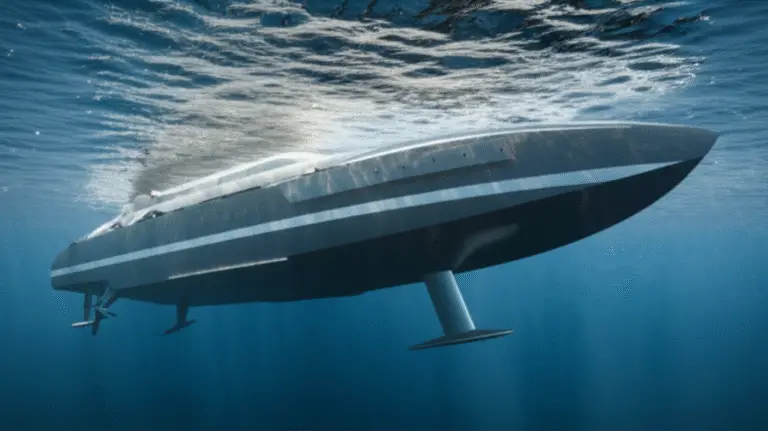
Hydrofoil sailing is a revolutionary approach to sailing that uses hydrofoils – wing-like structures attached to the hull – to lift the boat out of the water. This reduces drag, allowing the boat to glide effortlessly and reach incredible speeds.
💡 Key Takeaways:
- Hydrofoils: These underwater wings generate lift, similar to airplane wings in the air.
- Reduced Drag: Hydrofoils lift the hull out of the water, significantly reducing drag and increasing speed.
- Increased Speed: Hydrofoil sailboats can achieve speeds far exceeding traditional sailboats, reaching up to 50 knots (57 mph) or more! 🤯
- Smooth Ride: Hydrofoils provide a smooth and stable ride, even in choppy waters.
- Environmental Benefits: Hydrofoil sailing can be more environmentally friendly, as it reduces the impact on marine life and water quality.
🤯 Did You Know?
- The first hydrofoil sailboat was built in the 1950s.
- Hydrofoil sailing is now a popular sport, with several classes and competitions around the world.
- Hydrofoils are being used in a variety of applications, including racing, cruising, and even commercial transportation.
Want to learn more about the history of hydrofoil sailing? Check out our article on Hydrofoil History.
🌊 The Evolution of Hydrofoil Sailing: From Inception to Innovation
Hydrofoil sailing has come a long way since its humble beginnings. From early experimental designs to today’s high-performance racing machines, the evolution of hydrofoil sailing has been driven by innovation and a relentless pursuit of speed and efficiency.
🕰️ The Early Days:
- 1950s: The first hydrofoil sailboats were built, but they were often unstable and difficult to control.
- 1960s: The development of more sophisticated hydrofoil designs led to increased stability and performance.
- 1970s: Hydrofoil sailing began to gain popularity as a sport, with the development of the International Moth class.
🚀 The Modern Era:
- 1990s: The development of carbon fiber construction and advanced control systems led to a significant increase in performance.
- 2000s: Hydrofoil sailing became a mainstream sport, with the introduction of the America’s Cup 75 class and the rise of the International Moth class.
- 2010s: The development of wing foiling and wind foiling further expanded the reach of hydrofoil sailing.
📈 The Future of Hydrofoil Sailing:
- Continued Innovation: We can expect to see even more innovative hydrofoil designs in the future, pushing the limits of speed and performance.
- Sustainability: Hydrofoil sailing is becoming increasingly popular as a sustainable form of transportation, with the development of electric hydrofoil boats.
- Accessibility: Hydrofoil sailing is becoming more accessible to a wider range of people, with the development of smaller and more affordable hydrofoil boats.
Ready to learn more about the different types of hydrofoils? Check out our article on Hydrofoil Board Selection.
🛠️ How Does Hydrofoil Sailing Work? The Science Behind the Lift
Hydrofoil sailing is all about harnessing the power of lift. But how does it work? It’s actually quite simple, once you understand the basic principles.
📐 The Physics of Lift:
- Hydrofoils: These underwater wings are designed to generate lift as water flows over and under them.
- Aerodynamics: The shape of the hydrofoil creates a difference in pressure between the top and bottom surfaces, similar to how airplane wings generate lift.
- Lift Force: The pressure difference creates an upward force, known as lift, which pushes the hull out of the water.
- Drag Reduction: As the hull rises out of the water, the surface area in contact with the water decreases, reducing drag and allowing the boat to glide more efficiently.
📈 The Relationship Between Speed and Lift:
- Speed: The amount of lift generated by a hydrofoil increases with speed.
- Foilborne: As the boat reaches a certain speed, the lift force becomes strong enough to lift the hull completely out of the water, a state known as “foilborne.”
- Glide: Once foilborne, the boat glides effortlessly over the water, with minimal resistance.
Want to learn more about the different types of hydrofoils used in sailing? Check out our article on Hydrofoil Basics.
🚤 Typical Hydrofoil Configurations: What’s Under the Water?
Hydrofoil configurations can vary depending on the type of boat and its intended use. But there are some common elements that you’ll find in most hydrofoil sailboats.
🏗️ Common Hydrofoil Configurations:
- Main Foils: These are the primary lift-generating foils, typically located under the hull.
- Rudder Foil: This foil is attached to the rudder and provides lift and control.
- Daggerboard Foil: This foil is located under the centerboard and provides lift and stability.
📐 Hydrofoil Shapes and Designs:
- ‘T’ Foils: These foils have a vertical component that connects to a horizontal wing. They are commonly used for upwards lift.
- ‘C’ Foils: These foils are curved daggerboards that can be raised or lowered. They can improve upwind angle due to horizontal lift.
- ‘S’ Foils: These foils operate similarly to ‘C’ foils but in reverse. Lowering the ‘S’ foil increases horizontal lifting force.
- ‘L’ Foils: These foils have a curved edge followed by a sharp 90-degree bend. They can be adjusted to change the amount of vertical and horizontal lift.
Want to learn more about the different types of hydrofoils used in sailing? Check out our article on Hydrofoil Equipment Reviews.
🔍 5 Types of Hydrofoils Explained: Which One Floats Your Boat?
Hydrofoils come in a variety of shapes and sizes, each with its own unique characteristics. Here are 5 of the most common types of hydrofoils used in sailing:
1. ‘T’ Foils:
- Description: These foils have a vertical component that connects to a horizontal wing.
- Advantages: Provide a lot of lift and are relatively easy to control.
- Disadvantages: Can be less efficient at lower speeds.
- Examples: International Moth, AC75 class.
2. ‘C’ Foils:
- Description: These foils are curved daggerboards that can be raised or lowered.
- Advantages: Can improve upwind angle due to horizontal lift and reduce drag at high speeds.
- Disadvantages: Can be more complex to adjust.
- Examples: IMOCA 60, Nacra 17.
3. ‘S’ Foils:
- Description: These foils operate similarly to ‘C’ foils but in reverse. Lowering the ‘S’ foil increases horizontal lifting force.
- Advantages: Can provide a lot of horizontal lift.
- Disadvantages: Can be less efficient at lower speeds.
- Examples: IMOCA 60.
4. ‘L’ Foils:
- Description: These foils have a curved edge followed by a sharp 90-degree bend.
- Advantages: Can be adjusted to change the amount of vertical and horizontal lift.
- Disadvantages: Can be more complex to adjust.
- Examples: 69F, F50.
5. Wing Foils:
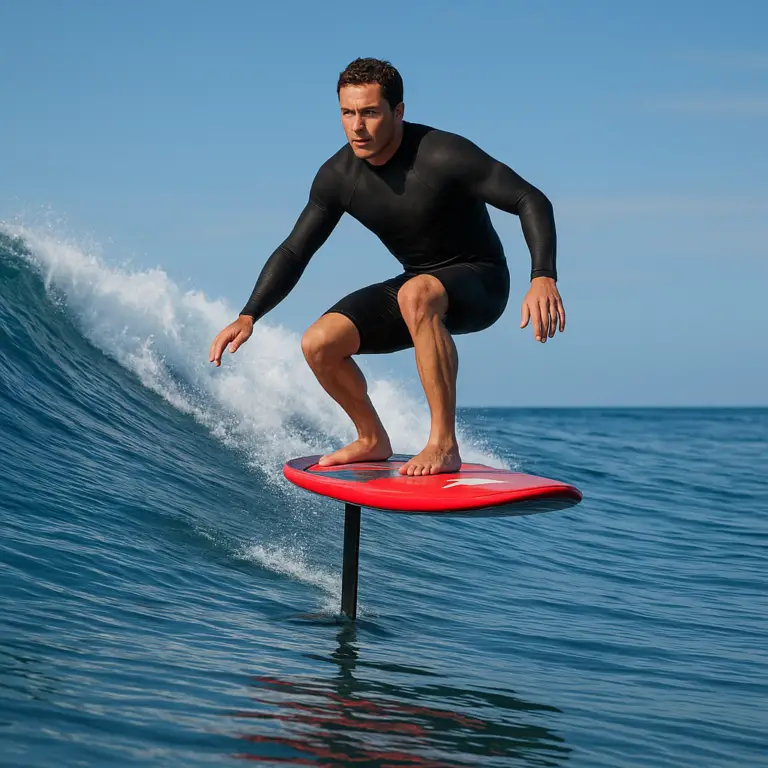
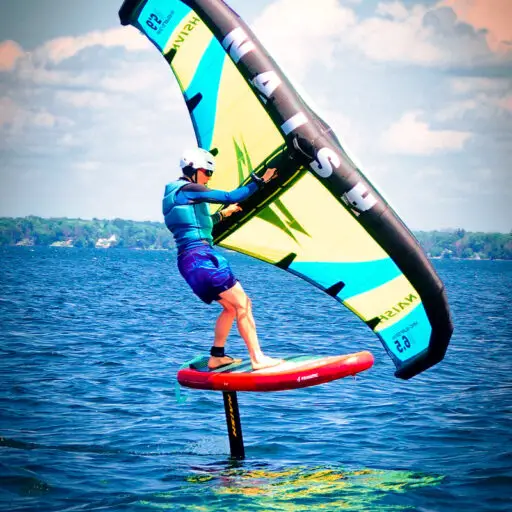
- Description: These foils are designed for wind foiling and wing foiling. They are typically T-shaped and are attached to a board.
- Advantages: Provide a lot of lift and are relatively easy to control.
- Disadvantages: Can be less efficient at lower speeds.
- Examples: IQFoil, Formula Kite.
Want to learn more about the different types of hydrofoils used in sailing? Check out our article on Hydrofoil History.
⛵ Foiling Classes and Competitions: Racing on Air and Water
Hydrofoil sailing has become a popular sport, with several classes and competitions around the world. These classes cater to different skill levels and budgets, offering a thrilling and competitive experience for sailors of all abilities.
🏆 Popular Hydrofoil Sailing Classes:
- International Moth: This single-handed class is known for its high speeds and technical challenges.
- Waszp: This single-handed class is similar to the International Moth but is more affordable and accessible.
- 69F: This three- to four-person class is a fully foiling monohull that is designed for high-performance racing.
- AC75: This 75-foot foiling monohull is the class used in the America’s Cup, the oldest and most prestigious sailing competition in the world.
- IQFoil: This windsurfing class is the Olympic class for windsurfing, starting in 2024.
- Formula Kite: This single-person kiteboarding class uses a T-shaped foil and a board.
- Wing Foiling: This single-person class uses a T-shaped foil on a small board with an inflatable wing.
🌎 Major Hydrofoil Sailing Competitions:
- America’s Cup: The oldest and most prestigious sailing competition in the world.
- International Moth World Championship: The annual world championship for the International Moth class.
- Waszp World Championship: The annual world championship for the Waszp class.
- SailGP: A global sailing league that features F50 foiling catamarans.
Want to learn more about the different types of hydrofoils used in sailing? Check out our article on Hydrofoil Equipment Reviews.
🧪 Experimental Hydrofoil Designs: Pushing the Limits of Speed and Stability
The world of hydrofoil sailing is constantly evolving, with designers and engineers pushing the boundaries of what’s possible. Experimental hydrofoil designs are exploring new ways to improve speed, stability, and efficiency.
🔬 Examples of Experimental Hydrofoil Designs:
- Hydroptère: This French experimental hydrofoil set a record of 51.36 knots for 500m in 2009.
- Vestas Sailrocket: This boat was built to capture the sailing speed record.
- Kangalope: This Hobie 18 foilcat prototype was designed to improve stability and performance.
- Mirabaud LX: This Swiss 1.2-meter hydrofoil boat was designed for high-speed racing.
- Rich Miller’s hydrofoil sailboard: This experimental sailboard was designed to improve stability and performance.
💡 The Future of Experimental Hydrofoil Designs:
- Advanced Materials: New materials, such as carbon fiber and composites, are being used to create lighter and stronger hydrofoils.
- Active Control Systems: Active control systems are being developed to improve stability and performance in a variety of conditions.
- Artificial Intelligence: Artificial intelligence is being used to optimize hydrofoil designs and improve performance.
Want to learn more about the different types of hydrofoils used in sailing? Check out our article on Hydrofoil Basics.
⚙️ Hydrofoil Sailing Gear and Equipment: What You Need to Get Started
Ready to take the plunge into hydrofoil sailing? Here’s a rundown of the essential gear and equipment you’ll need to get started:
⛵ Hydrofoil Sailboat:
- International Moth: This single-handed class is a great option for experienced sailors.
- Waszp: This single-handed class is a more affordable and accessible option.
- 69F: This three- to four-person class is a great option for high-performance racing.
- Wing Foiling: This single-person class is a great option for beginners.
🌬️ Sail:
- Mainsail: The primary sail that provides power to the boat.
- Jib: A smaller sail that is used to help steer the boat.
🌊 Hydrofoils:
- Main Foils: These are the primary lift-generating foils, typically located under the hull.
- Rudder Foil: This foil is attached to the rudder and provides lift and control.
- Daggerboard Foil: This foil is located under the centerboard and provides lift and stability.
🦺 Safety Gear:
- Life Jacket: Essential for all hydrofoil sailors.
- Helmet: Recommended for all hydrofoil sailors.
- Wetsuit: Recommended for cold water sailing.
Want to learn more about the different types of hydrofoils used in sailing? Check out our article on Hydrofoil Equipment Reviews.
🌬️ Wind, Waves, and Weather: How Conditions Affect Hydrofoil Sailing
Hydrofoil sailing is a dynamic sport that is heavily influenced by wind, waves, and weather conditions. Understanding how these factors affect performance is crucial for success.
💨 Wind:
- Wind Speed: Hydrofoil sailboats need a certain amount of wind to lift off and achieve foilborne flight. The minimum wind speed required for foilborne flight varies depending on the boat and the hydrofoil configuration.
- Wind Direction: The wind direction affects the boat’s course and speed. A tailwind will increase speed, while a headwind will slow the boat down.
🌊 Waves:
- Wave Size: Large waves can make it difficult to control a hydrofoil sailboat. In choppy waters, it’s important to be aware of the wave height and adjust your sailing strategy accordingly.
- Wave Direction: The wave direction can affect the boat’s course and speed. A following sea will increase speed, while a head sea will slow the boat down.
🌦️ Weather:
- Temperature: Cold water temperatures can make it uncomfortable to sail without a wetsuit.
- Precipitation: Rain and snow can make it difficult to see and control the boat.
- Visibility: Fog and low visibility can make it dangerous to sail.
Want to learn more about the different types of hydrofoils used in sailing? Check out our article on Hydrofoil Basics.
💡 Tips and Tricks for Mastering Hydrofoil Sailing: From Beginner to Pro
Hydrofoil sailing is a challenging but rewarding sport. Here are some tips and tricks to help you master the art of foiling:
🏄 Beginner Tips:
- Start with a smaller hydrofoil: Smaller hydrofoils are easier to control and provide a more stable ride.
- Practice in calm conditions: Start practicing in calm waters with light winds.
- Get comfortable with the feel of the boat: Spend time getting used to the feel of the boat and how it responds to your inputs.
- Take lessons from a qualified instructor: A qualified instructor can teach you the fundamentals of hydrofoil sailing and help you develop good technique.
🏆 Advanced Tips:
- Experiment with different hydrofoil configurations: Different hydrofoil configurations can affect the boat’s performance in different conditions.
- Learn to adjust your sail trim: Adjusting your sail trim can help you optimize performance in different wind conditions.
- Develop good technique: Good technique is essential for efficient and controlled sailing.
- Practice in a variety of conditions: The more you practice in different conditions, the more confident you will become.
Want to learn more about the different types of hydrofoils used in sailing? Check out our article on Advanced Hydrofoiling Techniques.
🛡️ Safety Considerations and Common Challenges in Hydrofoil Sailing
Hydrofoil sailing is a thrilling sport, but it’s important to be aware of the potential risks and challenges. Here are some safety considerations and common challenges to keep in mind:
🦺 Safety Considerations:
- Wear a life jacket: A life jacket is essential for all hydrofoil sailors.
- Wear a helmet: A helmet is recommended for all hydrofoil sailors.
- Be aware of your surroundings: Pay attention to other boats, swimmers, and obstacles.
- Sail in appropriate conditions: Don’t sail in conditions that are beyond your skill level.
- Have a safety plan: Develop a safety plan in case of an emergency.
⚠️ Common Challenges:
- Foiling: Learning to foil can be challenging, and it takes practice to master.
- Stability: Hydrofoil sailboats can be unstable, especially in choppy waters.
- Control: Hydrofoil sailboats can be difficult to control, especially at high speeds.
- Impact: Hydrofoils can be damaged by impact with objects in the water.
Want to learn more about the different types of hydrofoils used in sailing? Check out our article on Hydrofoil Basics.
📈 The Future of Hydrofoil Sailing: Trends and Innovations to Watch
Hydrofoil sailing is a rapidly evolving sport, with new technologies and innovations emerging all the time. Here are some of the trends and innovations to watch in the future:
💡 Trends:
- Increased Accessibility: Hydrofoil sailing is becoming more accessible to a wider range of people, with the development of smaller and more affordable hydrofoil boats.
- Sustainability: Hydrofoil sailing is becoming increasingly popular as a sustainable form of transportation, with the development of electric hydrofoil boats.
- Performance: Designers and engineers are constantly pushing the boundaries of performance, with new hydrofoil designs and materials emerging all the time.
🧪 Innovations:
- Active Control Systems: Active control systems are being developed to improve stability and performance in a variety of conditions.
- Artificial Intelligence: Artificial intelligence is being used to optimize hydrofoil designs and improve performance.
- New Materials: New materials, such as carbon fiber and composites, are being used to create lighter and stronger hydrofoils.
Want to learn more about the different types of hydrofoils used in sailing? Check out our article on Hydrofoil History.
🎯 Conclusion: Why Hydrofoil Sailing is the Ultimate Water Adventure
Alright, fellow wave chasers, after cruising through the ins and outs of hydrofoil sailing, it’s clear: this isn’t just sailing — it’s a whole new dimension of watercraft wizardry! From the thrilling lift-off moments when your board or boat rises above the water, to the jaw-dropping speeds that make you feel like you’re flying, hydrofoil sailing offers an unmatched blend of adrenaline and elegance.
We’ve seen how hydrofoils cleverly harness physics — generating lift while slashing drag — to transform traditional sailing into a high-speed, smooth-gliding spectacle. Whether you’re eyeing the sleek ‘T’ foils of an International Moth, the versatile ‘L’ foils on a 69F, or the futuristic electric hydrofoil boats, there’s a hydrofoil setup tailored for every adventurer.
Sure, mastering hydrofoil sailing demands patience, practice, and respect for safety, but the payoff? Pure magic on water. And with ongoing innovations pushing boundaries — from AI-assisted controls to eco-friendly electric foilers — the future looks brighter (and faster!) than ever.
So, whether you’re a seasoned sailor or a curious newbie, hydrofoil sailing invites you to defy gravity, embrace the wind, and dance above the waves. Ready to take off? We’re here to help you ride that next-level wave! 🌊🚀
🔗 Recommended Links for Hydrofoil Enthusiasts
Ready to gear up or dive deeper? Here’s where to find the best hydrofoil equipment and resources:
Hydrofoil Boards & Equipment
- International Moth Hydrofoil Boards:
Amazon | Moth Class Official - Waszp Hydrofoil Boards:
Amazon | Waszp Official - 69F Racing Hydrofoil:
Amazon | 69F Official - Wing Foiling Gear (IQFoil, Formula Kite):
Amazon | IQFoil Official - Davis Instruments Doel-Fin Hydrofoil (for outboards):
Amazon | Davis Instruments
Books on Hydrofoil Sailing & Watercraft
- Hydrofoils: Design, Build, Fly by Andrew Buckland — Amazon
- Foiling: The Art and Science of Hydrofoil Sailing by John Ilett — Amazon
- Sailing Faster: Techniques to Maximize Your Speed by David Dellenbaugh — Amazon
❓ Frequently Asked Questions About Hydrofoil Sailing
What are the benefits of hydrofoil sailing compared to traditional sailing methods?
Hydrofoil sailing offers significant advantages over traditional sailing:
- Reduced drag: Hydrofoils lift the hull out of the water, drastically reducing wetted surface area and hydrodynamic drag. This means you can sail faster and more efficiently.
- Higher speeds: Hydrofoil boats and boards can reach speeds 2-3 times the wind speed, something conventional sailboats struggle to achieve.
- Smoother ride: By gliding above waves, hydrofoils provide a more stable and comfortable experience, reducing the pounding and spray common in choppy conditions.
- Environmental perks: Less drag means less fuel or energy consumption for powered hydrofoil boats, and quieter operation benefits marine life.
How do hydrofoils achieve lift and reduce drag in the water?
Hydrofoils operate on principles similar to airplane wings:
- Lift generation: As water flows over the hydrofoil’s curved surfaces, pressure differences create an upward force that lifts the hull above water.
- Drag reduction: Once lifted, the hull’s contact with water is minimized, drastically reducing friction and drag. This allows the vessel to glide more efficiently and reach higher speeds.
- Dynamic control: Many hydrofoils have adjustable flaps or control surfaces that help maintain stable flight and altitude, adapting to changing speeds and conditions.
What are the different types of hydrofoil designs and which ones are best for boarding?
There are several hydrofoil designs, each with unique characteristics:
- ‘T’ Foils: Vertical strut with a horizontal wing; great for upward lift and stability. Common in racing classes like International Moth.
- ‘C’ Foils: Curved daggerboards that can be raised or lowered to adjust lift and drag; excellent for upwind performance.
- ‘S’ Foils: Similar to ‘C’ foils but with reversed curvature, offering different lift dynamics.
- ‘L’ Foils: Curved with a sharp bend, allowing variable vertical and horizontal lift; used in high-performance foiling monohulls.
- Wing Foils: T-shaped foils used on boards for wind foiling and wing foiling, ideal for boarding due to ease of control and maneuverability.
For boarding, wing foils and ‘T’ foils are generally preferred because they provide a good balance of lift, control, and stability, making them suitable for beginners and pros alike.
Can anyone learn to sail a hydrofoil board, or is it only suitable for experienced sailors?
Good news! Anyone can learn to sail a hydrofoil board, but there’s a learning curve:
- Beginners: It’s best to start with smaller, more stable hydrofoil boards or take lessons on models like the Waszp or beginner-friendly wing foils. Calm water and light wind conditions make learning easier.
- Experienced sailors: Those with prior sailing or windsurfing experience will adapt faster and can explore advanced techniques and higher speeds sooner.
- Safety first: Wearing proper safety gear and learning from qualified instructors is essential regardless of experience level.
With patience and practice, hydrofoil sailing is accessible and incredibly rewarding for all skill levels.
How do weather and water conditions impact hydrofoil sailing performance?
Hydrofoil sailing is sensitive to environmental factors:
- Wind speed and direction: Adequate wind is needed to generate lift and maintain foilborne flight; too little wind means no lift, too much can be challenging to control.
- Wave height: Large waves can disrupt stable foiling; smooth or moderate chop is ideal.
- Water temperature and visibility: Cold water calls for wetsuits, and low visibility requires extra caution.
Understanding and adapting to these conditions is key to a safe and exhilarating hydrofoil experience.
📚 Reference Links and Further Reading
- Wikipedia: Sailing Hydrofoil
- Marine Insight: What are Hydrofoil Boats?
- Davis Instruments: Doel-Fin Hydrofoil
- International Moth Class Association: mothworlds.com
- Waszp Official Site: waszp.com
- 69F Official Site: 69f.com
- IQFoil Official Site: iqfoil.com
- SailGP: sailgp.com
Dive into these resources to deepen your hydrofoil sailing knowledge and gear up for your next adventure! 🌊🛥️