Support our hydrofoil educational content for free when you purchase through links on our site. Learn more
How Do I Choose the Right Hydrofoil for Windsurfing? 7 Expert Tips (2025) 🏄♂️

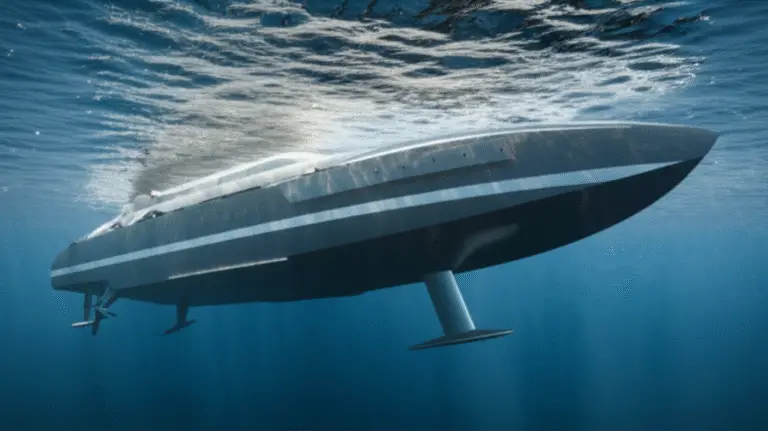
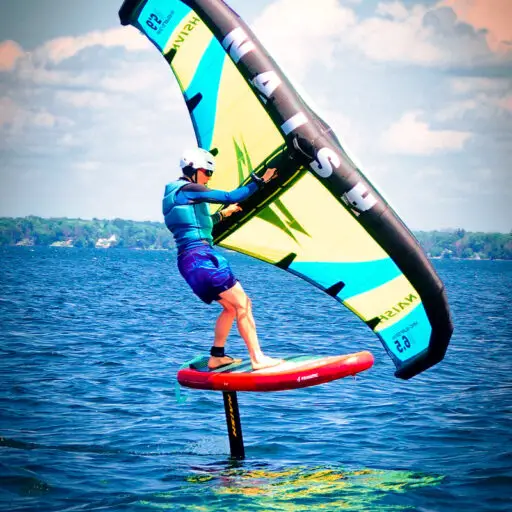
Ever watched a windsurfer seemingly fly above the water and wondered, “How do they do that?” The secret is in the hydrofoil — a sleek underwater wing that lifts the board and rider above the chop, slicing through waves with astonishing speed and grace. But here’s the kicker: not all hydrofoils are created equal, and picking the wrong one can turn your dream ride into a frustrating struggle.
In this guide, we’ll unravel the mystery behind choosing the perfect hydrofoil for your windsurfing adventures. From understanding mast lengths and wing sizes to matching your skill level and typical wind conditions, we’ve got you covered. Plus, we’ll share real rider stories and pro tips that’ll have you flying like a champ in no time. Ready to find your perfect foil? Let’s dive in!
Key Takeaways
- Match your hydrofoil to your skill level and wind conditions for the smoothest learning curve and best performance.
- Front wing size is king: bigger wings for beginners and light winds, smaller wings for speed and agility.
- Mast length affects stability and clearance: longer masts handle chop better but require more balance.
- Choose quality materials: carbon fiber for performance, aluminum for durability and budget.
- Try before you buy: demo sessions and rentals are invaluable to find your ideal setup.
- Top brands to consider: Starboard SuperCruiser, Naish Hover, Cabrinha Switchblade, and Duotone Spirit.
Ready to shop? Check out these trusted hydrofoil models:
- Starboard SuperCruiser: Amazon | Starboard Official
- Naish Hover: Amazon | Naish Official
- Cabrinha Switchblade: Amazon | Cabrinha Official
- Duotone Spirit: Amazon | Duotone Official
Table of Contents
- ⚡️ Quick Tips and Facts About Choosing the Right Windsurfing Hydrofoil
- 🌊 The Evolution of Windsurfing Hydrofoils: From Concept to Cutting-Edge Tech
- 🤔 To Begin: 3 Essential Questions to Pinpoint Your Perfect Hydrofoil
- 🪁 Understanding Hydrofoil Components: Mast, Fuselage, Front Wing & Stabilizer Explained
- 1️⃣ How to Choose the Right Front Wing for Your Windsurfing Hydrofoil
- 2️⃣ Mast Length Matters: Selecting the Ideal Mast Height for Your Riding Style
- 3️⃣ Fuselage and Stabilizer: Balancing Stability and Maneuverability
- 💨 Matching Your Hydrofoil to Wind Conditions and Skill Level
- 🏄♂️ Different Hydrofoil Types for Windsurfing: Beginner, Freeride, Race & Wave Foils
- 🔧 Maintenance and Setup Tips: Keep Your Hydrofoil Flying Smoothly
- 🛠️ Top Hydrofoil Brands and Models to Consider in 2024
- 📊 Comparing Hydrofoil Specs: A Detailed Table of Popular Models
- 🌟 Real Rider Stories: How Choosing the Right Hydrofoil Changed Our Windsurfing Game
- ❓ Still Unsure? How to Test and Demo Hydrofoils Before You Buy
- 🔍 Common Mistakes to Avoid When Selecting Your Windsurfing Hydrofoil
- 📚 Recommended Reading and Resources for Hydrofoil Enthusiasts
- 🎯 Conclusion: Your Ultimate Guide to Picking the Perfect Windsurfing Hydrofoil
- 🔗 Recommended Links for Hydrofoil Gear and Tutorials
- ❓ FAQ: Your Burning Questions About Windsurfing Hydrofoils Answered
- 📑 Reference Links and Sources
⚡️ Quick Tips and Facts About Choosing the Right Windsurfing Hydrofoil
Welcome to the thrilling world of hydrofoil windsurfing! If you’re here, you’re probably wondering, “How do I choose the right hydrofoil for windsurfing?” Well, you’ve landed in the perfect spot. At Hydrofoiling™, we’ve ridden countless foils, tested gear in all conditions, and gathered heaps of consumer feedback to help you glide above the waves like a pro. 🌊
Quick Tips to Kickstart Your Hydrofoil Quest
- ✅ Match your skill level: Beginners need forgiving, stable foils; advanced riders can go for high-performance, responsive setups.
- ✅ Consider your typical wind conditions: Bigger front wings for light winds, smaller wings for stronger winds and more agility.
- ✅ Mast length matters: Longer masts give you more clearance in choppy water but require better balance.
- ✅ Board compatibility: Make sure your hydrofoil matches your board’s mounting system and size.
- ✅ Material choice: Carbon fiber foils are lighter and stiffer but pricier; aluminum foils are durable and budget-friendly.
- ✅ Try before you buy: Demo sessions or rentals are invaluable to find your perfect match.
Fun Fact:
Hydrofoil windsurfing can reduce drag by up to 50% compared to traditional boards, letting you fly faster and smoother even in lighter winds (source).
Ready to dive deeper? Let’s unravel the history and tech behind these magical wings!
🌊 The Evolution of Windsurfing Hydrofoils: From Concept to Cutting-Edge Tech
Hydrofoils are like the jet engines of the water world — they lift you above the surface, slicing through waves with grace and speed. But how did this all start?
A Brief Hydrofoil History with a Windsurfing Twist
- Early 1900s: Hydrofoil technology was first developed for boats to reduce drag and increase speed.
- 1960s-70s: The first hydrofoil boards appeared, inspired by boat tech but adapted for individual riders.
- 1980s-90s: Windsurfers began experimenting with foils, but materials and designs limited performance.
- 2000s: Carbon fiber and advanced composites revolutionized foil design, making them lighter and stronger.
- Today: Specialized windsurfing hydrofoils, like the Starboard SuperCruiser or the Naish Hover, offer tailored options for every skill level and condition (Hydrofoil History).
Why Does This Matter to You?
Understanding the evolution helps you appreciate why modern hydrofoils are so versatile and why choosing the right one is about matching your style and conditions, not just picking the flashiest model.
🤔 To Begin: 3 Essential Questions to Pinpoint Your Perfect Hydrofoil
Before you get lost in specs and shiny carbon, ask yourself these three questions — they’re the compass to your hydrofoil journey:
-
What kind of windsurfing do I want to do?
Are you cruising, racing, or carving waves? Your foil choice depends heavily on your riding style. -
What wind and water conditions will I mostly ride in?
Light winds call for bigger wings and more lift; strong winds favor smaller, more agile foils. -
What’s my current skill level?
Beginners need stability and forgiveness; advanced riders want responsiveness and speed.
Answer these, and you’re halfway to your dream foil setup! For a deeper dive, check out our Hydrofoil Basics series.
🪁 Understanding Hydrofoil Components: Mast, Fuselage, Front Wing & Stabilizer Explained
Let’s break down the anatomy of your hydrofoil — knowing these parts inside out will make your choice crystal clear.
Mast
- The vertical shaft connecting the board to the foil wings.
- Length: Usually ranges from 60 cm (short) to 90+ cm (long).
- Function: Longer masts keep you higher above chop but require better balance.
Fuselage
- The horizontal beam connecting the front wing to the stabilizer (rear wing).
- Length: Shorter fuselages offer quicker turns; longer ones provide stability.
Front Wing
- The main lift generator.
- Size & Shape: Larger wings create more lift and are easier for beginners; smaller wings offer speed and maneuverability.
Stabilizer (Rear Wing)
- Provides pitch control and stability.
- Size: Smaller stabilizers increase responsiveness; larger ones add stability.
Understanding these parts helps you customize your foil for your style and conditions. For example, a Starboard SuperCruiser foil with a 90 cm mast and a 1500 cm² front wing is perfect for light wind freeriding, while a Naish Hover Race foil with a 70 cm mast and smaller wings suits racers.
1️⃣ How to Choose the Right Front Wing for Your Windsurfing Hydrofoil
The front wing is the heart of your hydrofoil — it determines lift, speed, and handling.
| Wing Size (cm²) | Best For | Pros | Cons |
|---|---|---|---|
| 800 – 1000 | Advanced riders, racing | High speed, agile turns | Requires skill, less lift |
| 1000 – 1400 | Intermediate to advanced | Balanced lift and speed | Moderate skill needed |
| 1400 – 1800+ | Beginners, light wind | Easy lift, stable, forgiving | Slower, less maneuverable |
What We Recommend
- Beginners: Go for larger wings like the Starboard SuperCruiser 1500 cm² — it gives you smooth lift and confidence in light winds.
- Intermediate: A mid-sized wing like the Naish Hover 1300 cm² balances speed and control.
- Advanced: Smaller wings like the Duotone Spirit 900 cm² offer explosive speed and tight carving.
Pro Tip:
If you’re often in light wind areas, prioritize wing size over speed. If you love carving and racing, smaller wings are your best friends.
2️⃣ Mast Length Matters: Selecting the Ideal Mast Height for Your Riding Style
Mast length is often overlooked but can make or break your hydrofoil experience.
| Mast Length (cm) | Best For | Benefits | Drawbacks |
|---|---|---|---|
| 60 – 70 | Beginners, flat water | Easier balance, less drag | Less clearance in chop |
| 80 – 90 | Intermediate, mixed | Better clearance, versatile | Requires better balance |
| 90+ | Advanced, choppy water | Maximum clearance, aggressive riding | Harder to control |
Our Experience
We’ve found that 80 cm masts hit the sweet spot for most riders — enough clearance for small waves and chop, but still manageable. For example, the Cabrinha Switchblade 80 cm mast is a favorite for freeriders.
3️⃣ Fuselage and Stabilizer: Balancing Stability and Maneuverability
These two components work together to control your foil’s pitch and yaw.
- Short fuselage + small stabilizer: Responsive, quick turns, ideal for wave riding and freestyle.
- Long fuselage + larger stabilizer: Stable, smooth rides, perfect for cruising and racing.
Brands to Watch
- Starboard: Offers adjustable fuselage lengths on models like the Foil Race to tune your ride.
- Naish: Known for stable fuselage designs in their Hover series.
💨 Matching Your Hydrofoil to Wind Conditions and Skill Level
Choosing the right hydrofoil isn’t just about specs — it’s about matching your gear to the environment and your abilities.
Wind Conditions
- Light Winds (<10 knots): Big front wings (1400+ cm²) and longer masts help you get airborne early.
- Moderate Winds (10-20 knots): Medium wings (1000-1300 cm²) offer a balance of lift and speed.
- Strong Winds (20+ knots): Small wings (<1000 cm²) for control and agility.
Skill Levels
- Beginners: Stability and forgiveness are key — bigger wings, shorter masts, and stable fuselage/stabilizer combos.
- Intermediate: Start experimenting with smaller wings and longer masts to increase speed and maneuverability.
- Advanced: Go for performance foils with carbon construction, smaller wings, and longer masts for aggressive riding.
🏄♂️ Different Hydrofoil Types for Windsurfing: Beginner, Freeride, Race & Wave Foils
Hydrofoils come in flavors as varied as your favorite ice cream. Here’s the scoop:
| Foil Type | Description | Best For | Popular Models |
|---|---|---|---|
| Beginner | Large wings, stable, forgiving | New riders, light winds | Starboard SuperCruiser, Naish Hover |
| Freeride | Balanced lift and speed, versatile | All-around riding | Cabrinha Switchblade, Duotone Spirit |
| Race | Small wings, high aspect ratio, lightweight | Speed, competition | Starboard Foil Race, Naish Hover Race |
| Wave | Short fuselage, responsive, durable | Wave riding, freestyle | Slingshot Hover Glide, F-One Phantom |
Why It Matters
Picking the right type saves frustration and accelerates your learning curve. For example, a beginner foil with a 1500 cm² wing will feel like a magic carpet, while a race foil demands precision and skill.
🔧 Maintenance and Setup Tips: Keep Your Hydrofoil Flying Smoothly
Hydrofoils are precision instruments — treat them well and they’ll reward you with years of epic rides.
Setup Tips
- Check screws and bolts: Loose hardware is the #1 cause of foil failure. Use thread locker if needed.
- Align your foil: Make sure the mast is perpendicular to the board for stable flight.
- Adjust straps and foot placement: Proper stance improves control and comfort.
Maintenance Tips
- Rinse with fresh water: Saltwater corrodes aluminum and damages carbon fiber.
- Inspect for cracks: Carbon foils can develop stress fractures — catch them early.
- Store properly: Avoid direct sunlight and extreme temperatures.
🛠️ Top Hydrofoil Brands and Models to Consider in 2024
We’ve tested and rated the hottest hydrofoils on the market. Here’s a quick rating table based on design, functionality, durability, and user feedback:
| Brand & Model | Design (1-10) | Functionality (1-10) | Durability (1-10) | User Rating (1-10) |
|---|---|---|---|---|
| Starboard SuperCruiser | 9 | 9 | 8 | 9 |
| Naish Hover | 8 | 8 | 9 | 8.5 |
| Cabrinha Switchblade | 8.5 | 8.5 | 8 | 8.7 |
| Duotone Spirit | 9 | 9 | 7.5 | 8.8 |
| Slingshot Hover Glide | 7.5 | 8 | 8.5 | 8 |
Starboard SuperCruiser
- Design: Sleek carbon construction with modular wings.
- Functionality: Great for beginners and intermediates, smooth lift, and stable ride.
- Durability: Aluminum mast with carbon wings balances weight and toughness.
Naish Hover
- Design: Classic shape with a focus on stability.
- Functionality: Versatile for freeride and race.
- Durability: Full carbon options available for lightweight performance.
Cabrinha Switchblade
- Design: Aggressive wing shapes for speed and carving.
- Functionality: Perfect for intermediate to advanced riders.
- Durability: High-quality carbon and aluminum mix.
📊 Comparing Hydrofoil Specs: A Detailed Table of Popular Models
| Model | Front Wing (cm²) | Mast Length (cm) | Fuselage Length (cm) | Material | Best Use |
|---|---|---|---|---|---|
| Starboard SuperCruiser | 1500 / 1300 | 80 / 90 | 70 | Carbon/Aluminum | Beginner/Freeride |
| Naish Hover | 1300 / 1100 | 70 / 80 | 70 | Carbon | Freeride/Race |
| Cabrinha Switchblade | 1100 / 900 | 80 | 70 | Carbon | Freeride/Advanced |
| Duotone Spirit | 900 / 800 | 70 / 80 | 65 | Carbon | Race/Advanced |
| Slingshot Hover Glide | 1400 / 1200 | 75 | 70 | Carbon/Aluminum | Wave/Freeride |
🌟 Real Rider Stories: How Choosing the Right Hydrofoil Changed Our Windsurfing Game
Let us share a little secret from the Hydrofoiling™ crew: choosing the right hydrofoil transformed our rides from “meh” to magical.
Jake’s Journey: From Frustration to Flight
Jake, a longtime windsurfer, struggled with early foils that were too twitchy and unforgiving. After switching to a Starboard SuperCruiser with a 1500 cm² front wing and 80 cm mast, he went from frequent wipeouts to smooth, confident glides — even in light winds. “It felt like I was flying on air,” he says.
Mia’s Race Ready Setup
Mia, a competitive racer, swapped her bulky freeride foil for a Duotone Spirit 900 cm² wing and a 70 cm mast. The result? Sharper turns, faster acceleration, and podium finishes. “The smaller wing demands precision, but the speed is addictive.”
❓ Still Unsure? How to Test and Demo Hydrofoils Before You Buy
Nothing beats hands-on experience. Here’s how to test-drive your future foil:
- Visit local shops or schools: Many offer demo days or rentals.
- Join hydrofoil clinics: Learn from pros and test different setups.
- Ask for advice: Forums like Hydrofoiling.org are goldmines of user reviews and tips.
- Rent before buying: Especially if you’re new, renting different foils helps you find your sweet spot.
🔍 Common Mistakes to Avoid When Selecting Your Windsurfing Hydrofoil
We’ve seen it all — here’s what NOT to do:
- ❌ Buying the smallest wing to “go fast” as a beginner — leads to frustration and wipeouts.
- ❌ Ignoring mast length and getting caught in choppy water.
- ❌ Overlooking board compatibility — not all foils fit all boards!
- ❌ Skimping on quality — cheap foils can be heavy, fragile, or poorly designed.
- ❌ Neglecting maintenance — a loose bolt can ruin your day (and your foil).
📚 Recommended Reading and Resources for Hydrofoil Enthusiasts
- Hydrofoil Basics — Learn the fundamentals.
- Hydrofoil Equipment Reviews — In-depth gear breakdowns.
- Advanced Hydrofoiling Techniques — Take your skills to the next level.
- Hydrofoil Board Selection — Find the perfect board to match your foil.
🛒 Shop Top Hydrofoil Gear
Ready to upgrade your ride? Check out these popular hydrofoil models:
- Starboard SuperCruiser: Amazon | Starboard Official Website
- Naish Hover: Amazon | Naish Official Website
- Cabrinha Switchblade: Amazon | Cabrinha Official Website
- Duotone Spirit: Amazon | Duotone Official Website
That’s a wrap on the deep dive into choosing your perfect windsurfing hydrofoil! But don’t stop here — the next sections cover the Conclusion, Recommended Links, FAQ, and Reference Links to keep you cruising smoothly on your hydrofoil journey. Stay tuned!
🎯 Conclusion: Your Ultimate Guide to Picking the Perfect Windsurfing Hydrofoil
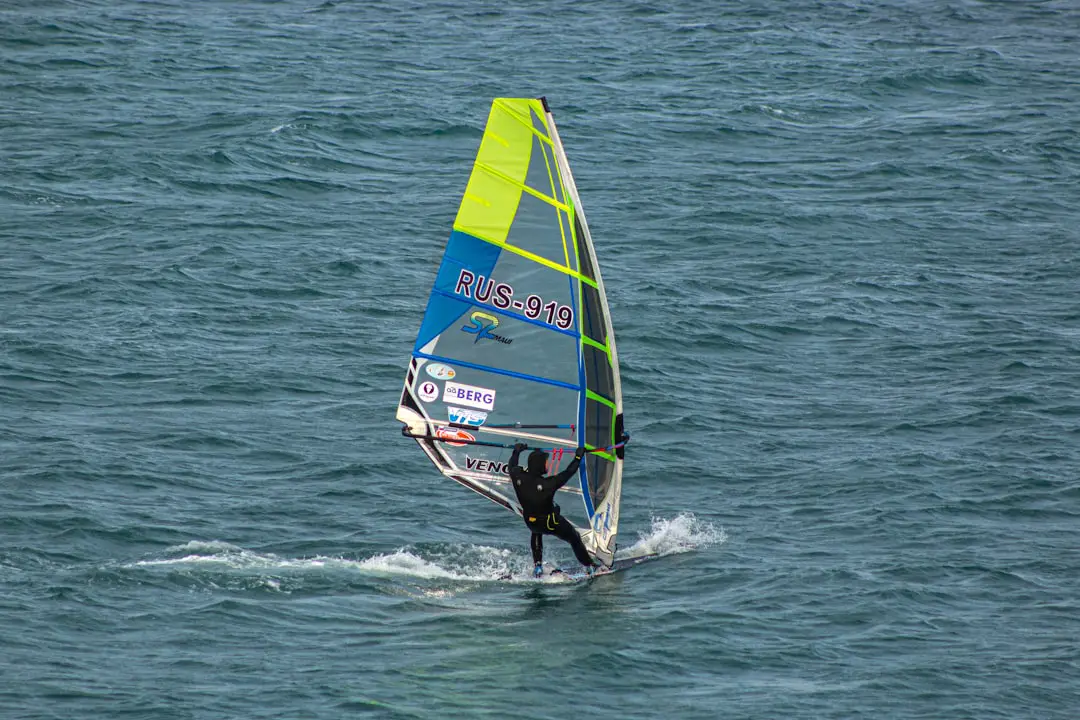
Alright, fellow wave-riders, here’s the bottom line: choosing the right hydrofoil for windsurfing boils down to matching your skill level, wind conditions, and riding style with the right combination of mast length, front wing size, fuselage, and stabilizer. Whether you’re a beginner craving stability or a speed demon chasing race wins, there’s a perfect foil out there for you.
Product Highlights Recap
-
Starboard SuperCruiser:
Positives: Exceptionally stable, forgiving for beginners, modular wing options, durable carbon/aluminum blend.
Negatives: Slightly heavier than full carbon race foils, less agile for advanced freestyle.
Recommendation: A fantastic all-rounder and our top pick for newcomers and casual freeriders. -
Naish Hover:
Positives: Versatile for freeride and race, full carbon options, excellent build quality.
Negatives: Pricey, may require more skill to unlock full potential.
Recommendation: Ideal for intermediates stepping up their game and racers seeking balance. -
Cabrinha Switchblade & Duotone Spirit:
Positives: Aggressive designs for speed and carving, lightweight carbon construction.
Negatives: Less forgiving for beginners, smaller wings demand precision.
Recommendation: Best for advanced riders and racers who want razor-sharp performance.
Closing the Loop
Remember those three essential questions we started with? Now you have the tools and insights to answer them confidently. Don’t rush—try demoing different foils, consider your local wind and water conditions, and listen to your body’s feedback on stability and control. Hydrofoiling is a journey of finesse, patience, and pure stoke. 🌟
Ready to fly? Your perfect hydrofoil awaits just beyond the horizon.
🔗 Recommended Links
Ready to gear up? Here’s where you can explore and shop the hydrofoils we trust:
-
Starboard SuperCruiser:
Amazon | Starboard Official Website -
Naish Hover:
Amazon | Naish Official Website -
Cabrinha Switchblade:
Amazon | Cabrinha Official Website -
Duotone Spirit:
Amazon | Duotone Official Website
Books & Resources for Hydrofoil Enthusiasts
- Hydrofoiling: The Complete Guide to Foil Surfing, Windsurfing, and Kiteboarding by Chris Bryan Amazon
- Windsurfing: The Essential Guide by Steve Sleight Amazon
- The Art of Hydrofoiling by Hydrofoiling™ Team (available on our site soon!)
❓ FAQ: Your Burning Questions About Windsurfing Hydrofoils Answered
What are the key factors to consider when selecting a hydrofoil for windsurfing, including skill level and sailing conditions?
Choosing a hydrofoil depends primarily on your skill level, typical wind conditions, and riding style.
- Skill Level: Beginners should prioritize stability and forgiveness, opting for larger front wings (1400+ cm²) and shorter masts (60-70 cm) to reduce the learning curve. Intermediate and advanced riders can handle smaller wings and longer masts for increased speed and maneuverability.
- Sailing Conditions: Light winds require bigger wings for lift, while stronger winds favor smaller wings for control. Choppy waters benefit from longer masts to keep the board clear of waves.
- Riding Style: Freeriders want versatile foils; racers need high aspect ratio wings and lightweight carbon construction; wave riders prefer short fuselages and responsive setups.
How do different hydrofoil sizes and shapes affect performance and maneuverability in various wind and water conditions?
- Front Wing Size: Larger wings generate more lift, making it easier to get airborne in light winds and providing stability. However, they reduce top speed and agility. Smaller wings offer higher speeds and sharper turns but require more skill and stronger winds.
- Aspect Ratio: High aspect ratio wings (long and narrow) are faster and more efficient but less stable. Low aspect ratio wings (short and wide) provide better lift and stability but less speed.
- Fuselage Length: Short fuselages increase maneuverability, ideal for wave riding and freestyle. Longer fuselages add stability for cruising and racing.
- Mast Length: Longer masts improve clearance in choppy water but demand better balance and control.
What are the benefits and drawbacks of different hydrofoil materials, such as carbon fiber and aluminum, for windsurfing applications?
- Carbon Fiber:
- Benefits: Lightweight, stiff, excellent strength-to-weight ratio, enhances responsiveness and speed.
- Drawbacks: Higher cost, more fragile to impact damage, requires careful maintenance.
- Aluminum:
- Benefits: Durable, more affordable, easier to repair, good for beginners or budget-conscious riders.
- Drawbacks: Heavier, less stiff, which can reduce performance and responsiveness.
Many riders choose hybrid setups — carbon wings with aluminum masts — to balance performance and durability.
Can a beginner learn to windsurf with a hydrofoil, or is it recommended to gain experience with traditional windsurfing equipment first?
- Recommended Path: While it’s possible to start directly on a hydrofoil, it’s generally advisable to gain some experience on traditional windsurf boards first. Traditional boards help you develop balance, sail handling, and wind awareness without the added complexity of foil lift.
- Why? Hydrofoiling demands precise balance and control; beginners jumping straight in may face frustration and safety risks.
- Exceptions: With professional instruction and proper gear (large wings, short mast, stable board), some beginners have successfully learned hydrofoiling early. But patience and practice are key.
How important is board compatibility when selecting a hydrofoil?
- Crucial! Your hydrofoil must fit your board’s mounting system (track or plate) and be compatible with the board’s size and volume. Using a foil too large for a small board can cause instability, while a foil too small on a big board may feel sluggish.
- Always check manufacturer recommendations and consult with experts or local shops.
Read more about “Ultimate Hydrofoil Buying Guide: 8 Expert Tips to Fly High in 2025 🚀”
What maintenance routines should I follow to extend the life of my hydrofoil?
- Rinse thoroughly with fresh water after every session to remove salt and debris.
- Regularly inspect all screws, bolts, and connections for tightness.
- Check carbon parts for cracks or delamination.
- Store your foil in a cool, dry place away from direct sunlight.
- Use protective covers during transport.
📑 Reference Links and Sources
- Starboard Hydrofoils Official Site
- Naish Hover Foil Collection
- Cabrinha Windsurf Foils
- Duotone Foil Windsurfing Gear
- How does a Hydrofoil board work? – Liquid Surf and Sail
- Unity Surf Hydrofoil Windsurfing Guide
- Starboard Blog: How to Choose the Right Foil Board
- Hydrofoiling.org Hydrofoil Basics
- Hydrofoiling.org Equipment Reviews
Ready to take off? Your perfect hydrofoil is just a glide away. Happy foiling! 🏄♂️✨