Support our hydrofoil educational content for free when you purchase through links on our site. Learn more
How Much Does Hydrofoiling Cost? 💸 The Ultimate 2026 Breakdown

Ever caught yourself daydreaming about gliding silently over crystal-clear water, feeling like you’re flying just inches above the surface? Welcome to the world of hydrofoiling — the sport that’s part science, part art, and all adrenaline. But here’s the catch: how much does this magical flight actually cost? Spoiler alert: it’s not just about buying a board and a foil. From entry-level gear to high-tech electric eFoils, the price tags can range from “affordable weekend hobby” to “luxury watercraft.”
We’ve been riding these foils for years at Hydrofoiling™, and we’ve seen wallets both soar and sink. In this comprehensive guide, we break down every aspect of hydrofoiling costs — including the hidden expenses like safety gear, lessons, and maintenance. Curious about whether you can start foiling without selling your car? Or wondering if the eFoil hype is worth the hefty investment? Stick around — we’ll spill the secrets, share personal stories, and help you decide which path fits your budget and stoke level.
Key Takeaways
- Hydrofoiling costs vary widely: from budget-friendly aluminum setups around $1,200 to premium eFoils exceeding $15,000.
- Material choice matters: Carbon fiber gear offers better performance but comes at a higher price than aluminum.
- Safety gear and lessons are essential investments that protect you and speed up your learning curve.
- Used gear can be a smart way to save money, but requires careful inspection to avoid costly surprises.
- Electric hydrofoils (eFoils) offer effortless flight but are the most expensive entry point into the sport.
Ready to explore the best gear options?
👉 Shop top hydrofoil brands and accessories:
- Lift Foils eFoils on Amazon | Lift Foils Official
- Duotone Wings on Amazon | Duotone Official
- Mystic Safety Gear on Amazon | Mystic Official
Table of Contents
- ⚡️ Quick Tips and Facts
- 🌊 From Secret Labs to Center Stage: The Evolution of Hydrofoiling
- 💰 The Entry Point: Why Your Wallet is Sweating
- 🏗️ Breaking Down the Foil Rig: Wings, Masts, and Fuselages
- 1. The eFoil Experience: The Tesla of the Ocean
- 2. Wing Foiling: The Wind-Powered Wallet Drainer
- 3. Surf and SUP Foiling: Catching Waves Without the Engine
- 4. Kite Foiling: High Speed, High Tech
- 5. Wake Foiling: Behind the Boat
- 🛡️ The “Hidden” Costs: Safety Gear and Accessories
- 🔄 New vs. Used: Is a Second-Hand Foil a Death Trap?
- 🛠️ Maintenance and Repairs: Keeping the Magic Alive
- 🎓 Lessons and Schools: Investing in Your Skills
- 🏄 ♂️ The Zuckerberg Factor: Is it Just for Billionaires?
- 🏁 Conclusion
- 🔗 Recommended Links
- ❓ FAQ
- 📚 Reference Links
⚡️ Quick Tips and Facts
Before we dive into the deep end of your bank account, here’s the “too long; didn’t read” version of what it takes to join the flight club.
- The “Buy Once, Cry Once” Rule: High-quality carbon fiber components from brands like Armstrong Foils or Lift Foils hold their value incredibly well.
- Aluminum vs. Carbon: Aluminum setups are significantly more affordable but heavier and prone to corrosion if you don’t rinse them religiously.
- eFoils are the Peak: An electric hydrofoil (eFoil) is the most expensive entry point, often compared to the price of a high-end motorcycle or a used jet ski.
- Hidden Costs: Don’t forget the “boring” stuff. A quality Mystic impact vest and a Pro-Tec helmet are non-negotiable for your safety.
- Depreciation: Like a new car, gear loses value the moment it hits the salt water, but the “foil fever” means there is a robust used market on sites like iFoil.
| Component | Material | Cost Level | Best For |
|---|---|---|---|
| Mast | Aluminum | 💸 | Beginners / Budget |
| Mast | Carbon Fiber | 💸💸💸 | Performance / Weight |
| Board | Inflatable | 💸 | Travel / Storage |
| Board | Hard Carbon | 💸💸 | Responsiveness |
| Power | Human/Wave | 💸 | Fitness Junkies |
| Power | Electric (eFoil) | 💸💸💸💸 | Pure Luxury / No Waves |
🌊 From Secret Labs to Center Stage: The Evolution of Hydrofoiling
Ever wonder how we went from dragging heavy wooden planks behind boats to literally flying over the chop? It wasn’t just Mark Zuckerberg deciding to look like a sunscreen-slathered silver surfer. The history of hydrofoiling is a tale of obsession, aerospace engineering, and a lot of “you’re crazy” comments from the shore.
In the early days, legends like Laird Hamilton were experimenting with “Air Chairs” (basically a metal chair on a foil) to surf massive waves at Jaws. It was heavy, dangerous, and looked… well, a bit dorky. Fast forward to the 2010s, and the tech trickled down from the America’s Cup sailing yachts. Suddenly, we had lightweight carbon fiber that could handle the torque of a human carving a turn.
Today, brands like Fliteboard and Lift Foils have turned this into a plug-and-play luxury experience. We’ve gone from “secret experiment” to “the most fun you can have with your clothes on (or in a wetsuit).” But as the tech evolved, so did the price tag. Is it worth it? We think so, but your accountant might disagree.
💰 The Entry Point: Why Your Wallet is Sweating
Let’s be real: hydrofoiling is not a “cheap” hobby. If you’re looking for a budget-friendly weekend activity, maybe try frisbee? But if you want the sensation of frictionless flight, you have to pay the “carbon tax.”
The cost of entry varies wildly depending on whether you want to use the wind, the waves, or a massive lithium-ion battery. Here is the reality check:
- Wing Foiling: Requires a wing, a board, and the foil. It’s the middle ground.
- Surf Foiling: Requires a specialized board and foil. Cheaper, but requires a high level of skill (and a surf break).
- eFoiling: The “all-in-one” solution. No wind? No waves? No problem. Just bring a very large credit card.
Why is it so expensive?
- Materials: High-modulus carbon fiber isn’t cheap.
- R&D: Designing a wing that doesn’t stall at 10 knots requires serious fluid dynamics engineering.
- Production: These aren’t mass-produced in the millions like iPhones. They are often hand-finished pieces of art.
🏗️ Breaking Down the Foil Rig: Wings, Masts, and Fuselages
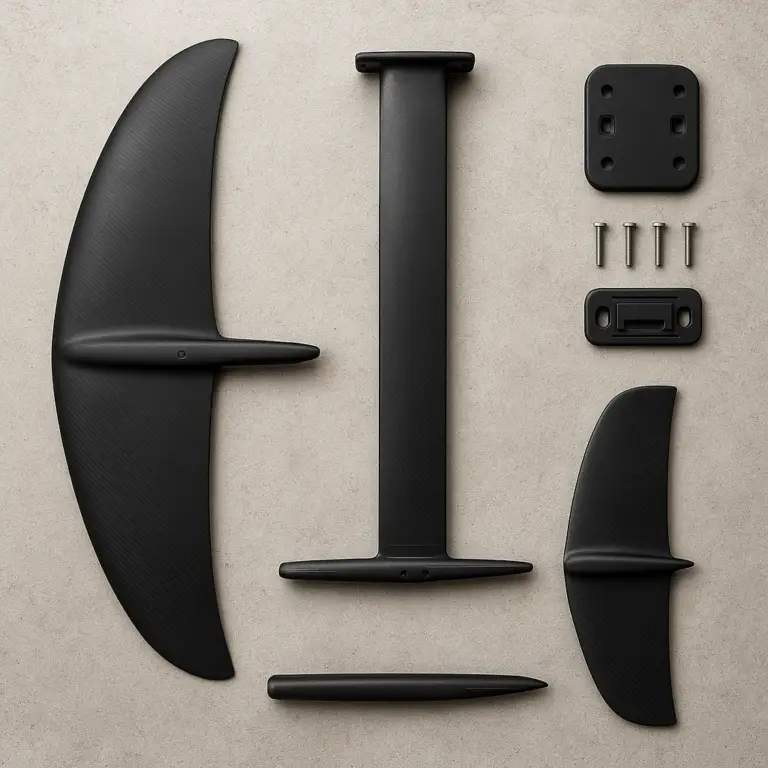
When you buy a “foil,” you aren’t just buying one piece of metal. You are buying a modular system. This is where the costs can sneak up on you. We’ve seen many a grommet buy a cheap mast only to realize it doesn’t fit the high-performance wing they wanted later.
- The Mast: This is the vertical “strut.” Aluminum is the gateway drug; Carbon is the destination.
- The Front Wing: This creates the lift. You’ll eventually want a quiver of these for different conditions.
- The Stabilizer (Back Wing): Keeps you from face-planting.
- The Fuselage: The “body” that connects it all.
✅ Pro Tip: Stick to one brand ecosystem (like Slingshot or Fanatic) early on. Mixing and matching brands is a recipe for a headache and a lot of wasted cash.
1. The eFoil Experience: The Tesla of the Ocean
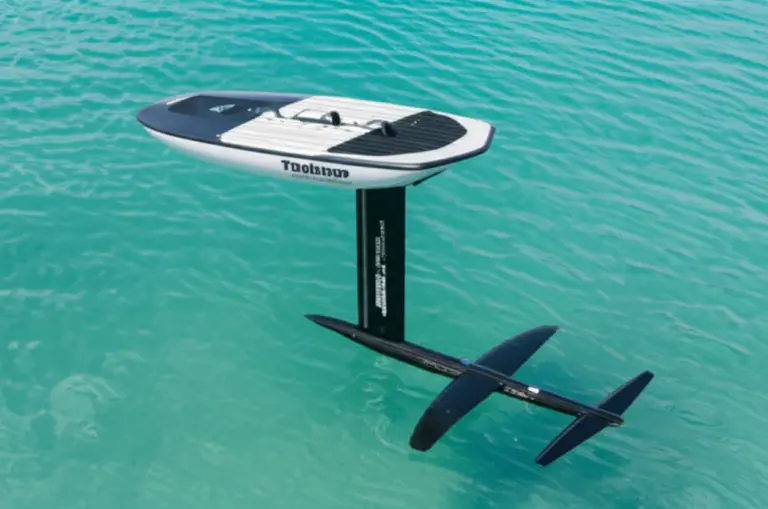
If you’ve seen the videos of people gliding effortlessly over glassy lakes, you’re looking at an eFoil. This is the most expensive way to get into the sport, but also the easiest.
- The Brands: Lift Foils and Fliteboard are the gold standard. Waydoo offers a more “budget-friendly” (relatively speaking) entry point.
- The Battery: This is the most expensive component. A “Long Range” battery can cost as much as a decent used car.
- The Verdict: ❌ It’s heavy and expensive. ✅ It’s the most fun you will ever have on the water, period.
Check out the Lift Foils lineup to see what the pinnacle of tech looks like.
2. Wing Foiling: The Wind-Powered Wallet Drainer
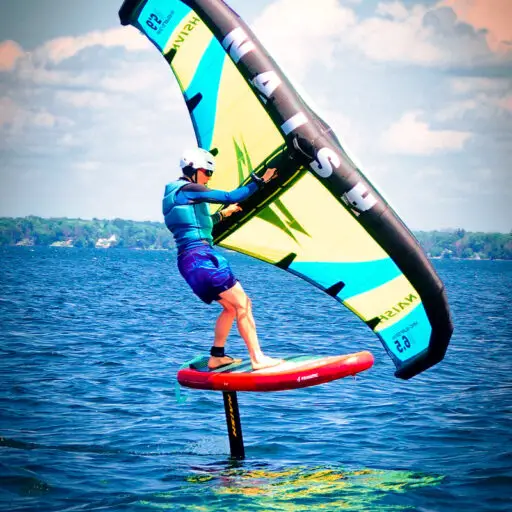
Wing foiling (or “wing dinging” as we affectionately call it) is the fastest-growing water sport on the planet. You hold a handheld inflatable wing and use it to power your foil.
- The Gear: You need a Wing (like the Duotone Unit), a Board, and a Foil.
- The Cost: It’s comparable to a full kitesurfing setup.
- The Learning Curve: Steep, but rewarding. You’ll spend the first three sessions falling, but the fourth session? You’re an eagle.
3. Surf and SUP Foiling: Catching Waves Without the Engine
This is for the purists. No motors, no wings—just you, the board, and the energy of the ocean.
- The Setup: A short, high-volume board and a high-lift foil.
- The Savings: No batteries to charge or wings to pop.
- The Catch: You need waves. And you need to be a decent surfer already. If you can’t pop up on a longboard, don’t try to foil yet.
🛡️ The “Hidden” Costs: Safety Gear and Accessories
We’ve seen it a thousand times: someone spends their entire budget on a shiny new Armstrong setup and then realizes they have no way to protect their head or transport the gear.
Don’t skip these:
- Impact Vest: Essential for when you “breach” (the foil comes out of the water) and you slap the surface at 20mph.
- Helmet: The foil is basically a giant underwater axe. Protect your brain.
- Board Bag: Carbon fiber is strong but brittle. A drop on the parking lot pavement can cost you a fortune in repairs.
- Wetsuit: Unless you live in the tropics, a high-quality O’Neill or Rip Curl 3/2mm or 4/3mm is a must.
🔄 New vs. Used: Is a Second-Hand Foil a Death Trap?
Should you buy used? Yes, but be careful.
The Checklist for Used Gear:
- Check for Corrosion: If it’s an aluminum mast, look for “bubbling” under the paint. That’s salt-water cancer. ❌
- Inspect the Trailing Edges: Are the wings chipped? A small nick can cause “ventilation” (sudden loss of lift).
- Battery Health (eFoils): Ask for the cycle count. A “cheap” eFoil with a dead battery is just a very expensive paperweight.
🛠️ Maintenance and Repairs: Keeping the Magic Alive
Hydrofoils are high-performance machines. You wouldn’t drive a Ferrari and never change the oil, right?
- Tef-Gel is Your Best Friend: Always use Tef-Gel on your bolts to prevent galvanic corrosion (where the metal fuses together forever).
- Rinse, Rinse, Rinse: Salt water is the enemy. Rinse every single component after every session.
- DIY Repairs: You can fix small dings in carbon with a Solarez epoxy kit, but for major snaps, you’ll need a pro.
🎓 Lessons and Schools: Investing in Your Skills
We cannot stress this enough: Pay for a lesson.
Spending a few hundred dollars on a lesson with a pro will save you thousands in gear damage and medical bills. Most schools use eFoils for teaching because they allow you to focus on the foil balance without worrying about waves or wind.
Find a certified school through the International Wingfoil Association.
🏄 ♂️ The Zuckerberg Factor: Is it Just for Billionaires?
When the world saw Mark Zuckerberg foiling in Hawaii, the internet exploded with memes. But it also highlighted a truth: this sport has a “luxury” reputation.
Is it just for the 1%? No. While the top-tier gear is pricey, the “trickle-down” effect is real. Last year’s pro-level gear is this year’s affordable entry-level setup. You don’t need a billion dollars to fly; you just need a bit of savings and a lot of stoke.
🏁 Conclusion

So, how much does hydrofoiling cost? It costs exactly as much as you’re willing to invest in the feeling of flying. Whether you go the “budget” route with a used aluminum setup or go full “Zuck” with a custom Fliteboard, the ROI (Return on Investment) is measured in smiles and adrenaline.
We’ve spent our life savings on this sport, and we’d do it again in a heartbeat. The first time you rise above the water and the sound of the waves disappears into a silent glide… that’s the moment you realize you can’t put a price on flight.
Ready to take the plunge? Start small, buy quality, and we’ll see you out on the water! 🤙
🔗 Recommended Links
- Lift Foils – The Original eFoil
- Fliteboard – Premium Electric Hydrofoils
- Armstrong Foils – High-End Carbon Gear
- Slingshot Sports – Great Entry Level Gear
- Mystic Boarding – Best Safety Gear
❓ FAQ

Q: Can I learn to hydrofoil on my own? A: You can, but we don’t recommend it. The foil is sharp and the speeds are high. A single lesson will cut your learning curve by weeks.
Q: How long does an eFoil battery last? A: Most high-end batteries from Lift or Fliteboard last between 60 and 120 minutes depending on your weight and speed.
Q: Is hydrofoiling harder than surfing? A: It’s different. It’s more about subtle weight shifts (think 60% front foot). If you can skateboard or snowboard, you’ll have a head start.
Q: Do I need a boat for wake foiling? A: You can use almost any boat that creates a wake, but specialized tow boats make it much easier. You can even foil behind a jet ski!
📚 Reference Links
- The Physics of Hydrofoils – Explain That Stuff
- Surfer Magazine: The History of Foiling
- Amazon: Solarez Epoxy Repair Kit
- Amazon: Pro-Tec Water Helmet
⚡️ Quick Tips and Facts
Welcome aboard the Hydrofoiling™ express! Before you dive into the deep blue (and your bank account), here’s a quick rundown of the essentials you need to know about hydrofoiling costs and gear. If you’re hunting for a hydrofoil for sale, this section will save you time and money.
Hydrofoiling Cost Snapshot
| Aspect | Cost Range | Notes |
|---|---|---|
| Entry-Level Foil Rig | $1,200 – $1,500 | Aluminum masts, basic wings, good for beginners |
| Mid-Range Setup | $1,800 – $3,000 | Carbon components, better performance |
| Premium Foil Gear | $3,500+ | High-end carbon, adjustable parts, brand names like Armstrong, Lift Foils |
| eFoils (Electric) | $8,000 – $15,000+ | Battery-powered, luxury experience |
| Safety Gear | $150 – $500 | Helmets, impact vests, wetsuits |
| Lessons & Schools | $100 – $300+ per session | Strongly recommended for beginners |
Key Quick Facts
- Carbon fiber is king for performance but comes with a price premium.
- Aluminum masts are budget-friendly but heavier and less durable.
- eFoils are the “Tesla” of hydrofoils — expensive but effortless fun.
- Safety gear is non-negotiable; your head and ribs will thank you.
- Used gear can save you money but requires careful inspection.
Pro Tip from Hydrofoiling™:
“Buy quality once, cry once.” We’ve seen beginners buy cheap gear only to upgrade within months. Investing upfront in reputable brands like Lift Foils, Armstrong Foils, or Slingshot saves headaches and cash in the long run.
For more on gear basics, check out our Hydrofoil Basics category.
🌊 From Secret Labs to Center Stage: The Evolution of Hydrofoiling
Hydrofoiling’s journey is as thrilling as the ride itself. Imagine engineers and surfers tinkering in garages and labs, dreaming of flying over water. That dream became reality through decades of innovation.
The Origins: From Patents to Playground
- 1869: Emmanuel Denis Farcot patents the first hydrofoil concept.
- 1898: Enrico Forlanini experiments with ladder foils.
- 1919: Bell HD-4 sets a speed record of 71 mph on hydrofoils.
- Post-WWII: Commercial hydrofoil ferries like the Soviet Meteor hit the water.
These early designs were bulky and expensive, reserved for military or commercial use. Recreational hydrofoiling was a niche dream.
Enter the Surf Scene
Legends like Laird Hamilton pioneered surf foiling in the 1990s, using heavy metal rigs to ride massive waves at Jaws. The sport was dangerous and exclusive.
Modern Tech Boom
The 2010s saw carbon fiber and aerospace tech trickle down from America’s Cup sailing. This revolutionized hydrofoil design:
- Lightweight, stiff carbon fiber wings and masts.
- Modular rigs for customization.
- Electric motors powering eFoils.
Today, brands like Fliteboard and Lift Foils offer turnkey solutions for riders worldwide. The sport exploded from secret labs to social media stardom — thanks in part to celebrities like Mark Zuckerberg.
Want to geek out on hydrofoil history? Wikipedia’s hydrofoil page is a treasure trove.
💰 The Entry Point: Why Your Wallet is Sweating
Let’s cut to the chase: hydrofoiling is an investment. But what exactly are you paying for? And why does it feel like your wallet is doing a faceplant?
What Drives the Cost?
- Materials: Carbon fiber components cost 3-5x more than aluminum.
- Engineering: Designing foils that balance lift, drag, and stability requires R&D.
- Manufacturing: Hand-laminated carbon parts and precision molds aren’t cheap.
- Brand Premium: Established brands charge for reputation and support.
- Accessories: Safety gear, bags, and transport add up.
Cost Breakdown by Hydrofoil Type
| Hydrofoil Type | Typical Cost Range | Power Source | Skill Level | Notes |
|---|---|---|---|---|
| Surf Foil | $1,200 – $2,500 | Human (wave energy) | Intermediate+ | Requires waves, skillful |
| Wing Foil | $1,800 – $3,500 | Wind (handheld wing) | Beginner to Advanced | Fast-growing, versatile |
| Wake Foil | $1,500 – $3,000 | Boat wake | Beginner to Advanced | Behind boat, less wind/wave |
| eFoil (Electric) | $8,000 – $15,000+ | Battery-powered | Beginner to Advanced | Most expensive, effortless fun |
Why the Price Gap?
The jump from $1,200 to $15,000 is huge. But consider this: an eFoil is a mini electric jet ski with carbon fiber wings and a lithium-ion battery. The tech and safety certifications alone justify the cost.
Personal Story:
One of our Hydrofoiling™ team members started on a $1,300 aluminum setup and upgraded to a $4,000 carbon rig after six months. The difference? Weight, responsiveness, and pure joy. But the first foil got them hooked without breaking the bank.
For a detailed look at gear pricing, visit Mackiteboarding’s hydrofoil sale page.
🏗️ Breaking Down the Foil Rig: Wings, Masts, and Fuselages
Understanding what you’re buying is half the battle. A hydrofoil is a modular system — think of it like a high-performance drone you ride on water.
Components and Their Roles
| Component | Function | Common Materials | Cost Impact |
|---|---|---|---|
| Mast | Vertical strut connecting board to wings | Aluminum, Carbon Fiber | Medium |
| Front Wing | Generates lift to raise the board | Carbon Fiber, Fiberglass | High |
| Stabilizer | Controls pitch and stability | Carbon Fiber, Fiberglass | Medium |
| Fuselage | Connects wings and mast | Carbon Fiber, Aluminum | Medium |
| Board | Platform for rider | Carbon, EPS foam | High |
Mast: Aluminum vs. Carbon Fiber
| Feature | Aluminum Mast | Carbon Fiber Mast |
|---|---|---|
| Weight | Heavier | Lighter |
| Durability | Prone to corrosion | More resistant |
| Cost | Lower | Higher |
| Performance Impact | Less responsive | More responsive |
Hydrofoiling™ Tip: For beginners, an aluminum mast is fine. But if you want to carve like a pro, carbon fiber is worth the upgrade.
Wings: The Heart of Lift
- Front Wing Size: Larger wings = more lift, easier for beginners.
- Aspect Ratio:
- High aspect ratio (long and narrow) = better glide, less drag.
- Low aspect ratio (short and wide) = more maneuverable, easier turns.
Fuselage: The Backbone
Connects wings and mast. Some brands offer adjustable fuselages for tuning ride characteristics.
Brand Ecosystems Matter
Mixing brands can cause compatibility issues. Stick to one brand’s system initially — Slingshot, Armstrong Foils, and Fanatic are great ecosystems.
For more on gear selection, visit our Hydrofoil Equipment Reviews.
1. The eFoil Experience: The Tesla of the Ocean
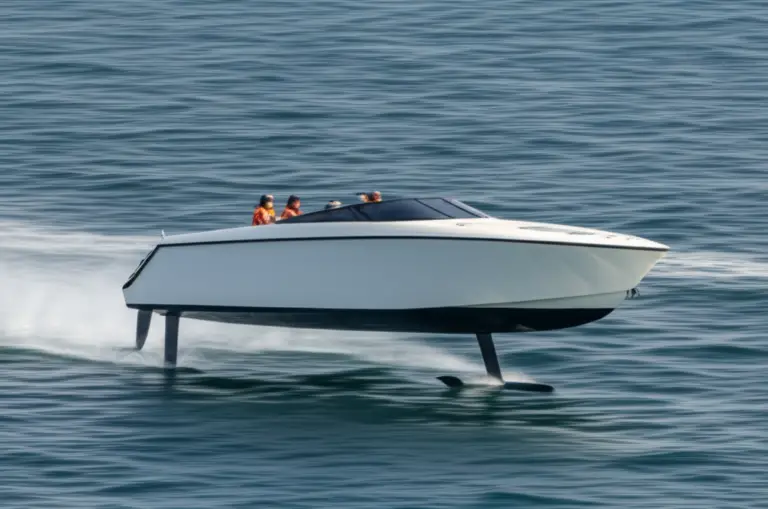
Electric hydrofoils are the ultimate indulgence in water sports. Imagine flying silently over glassy water, powered by a whisper-quiet electric motor.
eFoil Rating Table
| Aspect | Lift Foils | Fliteboard | Waydoo |
|---|---|---|---|
| Design | 9/10 | 8.5/10 | 7/10 |
| Functionality | 9.5/10 | 9/10 | 7.5/10 |
| Battery Life | 8/10 | 7.5/10 | 6/10 |
| Ease of Use | 9/10 | 8.5/10 | 7/10 |
| Price Point | 6/10 | 6/10 | 8/10 |
Why eFoils Cost So Much
- Battery Packs: High-capacity lithium-ion batteries with waterproofing.
- Electric Motors: Brushless, high torque, integrated with propellers.
- Carbon Fiber Boards: Lightweight and strong.
- Electronics: Wireless hand controllers, safety cut-offs.
Pros and Cons
| Pros | Cons |
|---|---|
| Effortless riding, no waves needed | Very expensive |
| Quiet and eco-friendly | Heavy compared to manual foils |
| Great for lakes and flat water | Battery life limits session time |
Our Experience
We took a Lift Foil eFoil out on a calm lake. The first 10 minutes felt like magic — silent, smooth, and fast. The battery lasted about 70 minutes at moderate speeds. The thrill is addictive, but the price tag means it’s a luxury for most.
👉 CHECK PRICE on:
- Lift Foils eFoil: Amazon | Lift Foils Official Website
- Fliteboard: Amazon | Fliteboard Official Website
- Waydoo Flyer: Amazon | Waydoo Official Website
2. Wing Foiling: The Wind-Powered Wallet Drainer
Wing foiling is the sport’s fastest-growing segment. You hold a handheld inflatable wing that catches wind to power your foil.
Wing Foil Rating Table
| Aspect | Duotone Unit | Naish Hover | F-One Swing |
|---|---|---|---|
| Design | 9/10 | 8.5/10 | 8/10 |
| Functionality | 9/10 | 8.5/10 | 8/10 |
| Durability | 8.5/10 | 8/10 | 7.5/10 |
| Ease of Use | 8/10 | 7.5/10 | 7/10 |
| Price Point | 7/10 | 7/10 | 8/10 |
What You Need
- Wing: Inflatable, handheld (brands like Duotone Unit or Naish Hover).
- Board: Typically a foil-specific board with foot straps.
- Foil: Usually carbon fiber for responsiveness.
Pros and Cons
| Pros | Cons |
|---|---|
| Versatile — works in flat water and waves | Learning curve can be steep |
| No need for a kite or boat | Gear can be bulky to transport |
| Fast progression for motivated riders | Requires wind conditions |
Our Take
Wing foiling gave us the perfect blend of wind and foil. The first few hours were a wipeout fest, but once you get the hang of it, the sensation of powered flight is addictive. The gear investment is mid-range but expect to spend on quality wings and foils.
👉 Shop Wing Foils on:
- Duotone Unit: Amazon | Duotone Official
- Naish Hover: Amazon | Naish Official
- F-One Swing: Amazon | F-One Official
3. Surf and SUP Foiling: Catching Waves Without the Engine
For the purists who crave the ocean’s raw power, surf and SUP foiling is the way to go.
Surf Foil Rating Table
| Aspect | Armstrong Foils | Slingshot Foils | Fanatic Foils |
|---|---|---|---|
| Design | 9/10 | 8.5/10 | 8/10 |
| Performance | 9/10 | 8.5/10 | 8/10 |
| Durability | 8.5/10 | 8/10 | 7.5/10 |
| Ease of Use | 7/10 | 7.5/10 | 7/10 |
| Price Point | 7/10 | 7/10 | 7/10 |
What You Need
- Board: Short, high-volume surf or SUP board.
- Foil: Larger wings for lift in small waves.
- Skill: Intermediate to advanced surfing skills.
Pros and Cons
| Pros | Cons |
|---|---|
| Pure, wave-powered fun | Requires surfable waves |
| No batteries or motors | Steeper learning curve |
| Lightweight and portable | Weather-dependent |
Hydrofoiling™ Insider Story
Our team member Sarah started surf foiling on a Slingshot foil rig. After a few wipeouts, she caught her first wave flying above the water — an unforgettable moment. She swears by the Armstrong Foils for their smooth ride and durability.
For more on boards, visit our Hydrofoil Board Selection.
🛡️ The “Hidden” Costs: Safety Gear and Accessories
Don’t let your shiny new foil become a liability. Safety gear is essential and often overlooked.
Essential Safety Gear
| Gear | Recommended Brands | Why You Need It |
|---|---|---|
| Impact Vest | Mystic, Ion | Protects ribs and torso on impact |
| Helmet | Pro-Tec, Triple Eight | Protects your head from foil blades |
| Wetsuit | O’Neill, Rip Curl | Keeps you warm and protected |
| Board Bag | Dakine, FCS | Protects your investment in transit |
Why Safety Gear Matters
Hydrofoils are sharp underwater “axes.” Falling at speed without protection can cause serious injury. We’ve seen riders with bruises, cuts, and worse. Investing in safety gear is investing in your longevity on the water.
Our Favorite Picks
- Mystic Impact Vest: Lightweight, flexible, and protective.
- Pro-Tec Water Helmet: Designed for water sports with ventilation and impact protection.
- O’Neill Wetsuits: Durable and warm for most conditions.
👉 Shop Safety Gear on:
- Mystic: Amazon | Mystic Official
- Pro-Tec Helmet: Amazon | Pro-Tec Official
- O’Neill Wetsuit: Amazon | O’Neill Official
🔄 New vs. Used: Is a Second-Hand Foil a Death Trap?
Buying used gear can be a savvy way to enter hydrofoiling without selling a kidney. But beware the pitfalls.
What to Inspect on Used Foils
| Inspection Point | What to Look For | Why It Matters |
|---|---|---|
| Corrosion on Mast | Bubbling paint, rough spots | Aluminum corrodes and weakens |
| Wing Edges | Chips, cracks, dents | Can cause loss of lift or control |
| Bolt Tightness | Rusty or seized bolts | Safety hazard, difficult to repair |
| Battery Health (eFoils) | Cycle count, charging performance | Battery replacement is costly |
Pros and Cons of Used Gear
| Pros | Cons |
|---|---|
| Lower upfront cost | Unknown history and wear |
| Try different brands/models | Potential hidden damage |
| Faster entry into the sport | Warranty often expired |
Hydrofoiling™ Advice
We’ve bought and sold dozens of foils. Always ask for detailed photos and videos. If possible, test the foil on water before buying. For eFoils, check battery health with the seller.
🛠️ Maintenance and Repairs: Keeping the Magic Alive
Hydrofoils are precision machines that demand TLC. Neglect them, and your “flight” turns into a costly crash.
Maintenance Checklist
- Rinse with Fresh Water: After every session, rinse all parts to remove salt and sand.
- Use Tef-Gel: Apply on bolts to prevent galvanic corrosion and seizing.
- Inspect for Damage: Check wings and mast for cracks or chips.
- Store Properly: Keep in a padded bag, away from direct sunlight.
DIY Repairs
Small dings in carbon fiber can be fixed with epoxy kits like Solarez. For major damage, seek professional repair shops specializing in composites.
Pro Tip
Keep a maintenance log. It helps track wear and plan replacements before failures.
🎓 Lessons and Schools: Investing in Your Skills
You might think, “I’m a pro surfer/skateboarder, I got this.” But hydrofoiling is a different beast.
Why Take Lessons?
- Safety: Learn how to fall and avoid injuries.
- Efficiency: Cut your learning curve from months to days.
- Confidence: Master basics like balance, pumping, and carving.
What to Expect in a Lesson
- Equipment setup and safety briefing.
- Basic balance and foil control on land or shallow water.
- Progression to water starts and riding.
- Personalized feedback.
Recommended Schools
Look for certified instructors through the International Wingfoil Association or local hydrofoil schools.
Our Experience
Our Hydrofoiling™ team members swear by lessons. One rookie went from zero to cruising in under 5 hours after a pro session.
🏄 ♂️ The Zuckerberg Factor: Is it Just for Billionaires?
Mark Zuckerberg’s viral hydrofoiling videos put the sport in the spotlight. But does it mean only billionaires can play?
The Reality Check
- High-End Gear: Yes, eFoils like those Zuckerberg rides cost upwards of $10,000.
- Entry Options: Manual surf foils and wing foils start around $1,200 to $3,500.
- Used Market: Affordable options exist if you’re patient and savvy.
Why the Hype?
Celebrities bring attention and investment, accelerating innovation and lowering prices over time.
Our Take
Hydrofoiling is becoming more accessible. You don’t need to be a tech billionaire to experience the thrill — just a bit of savings and a lot of passion.
Before we wrap this up, let’s mention the first YouTube video we embedded earlier. The presenter breaks down the complexity of choosing the right foil setup, emphasizing:
- The importance of the front wing size for your weight and skill.
- How aspect ratio affects glide and maneuverability.
- The wide variety of options — over 30,000 possible setups!
- The typical cost range of $1,500 to $3,000 for a solid setup.
- The advice to start with mid-range fuselages and masts for beginners.
This video is a must-watch for anyone overwhelmed by choices. It perfectly complements our deep dive here.
For more detailed guides on hydrofoil gear and techniques, visit our Hydrofoil Equipment Reviews and Advanced Hydrofoiling Techniques categories.
🏁 Conclusion

After cruising through the ins and outs of hydrofoiling costs, gear, and experiences, one thing is crystal clear: hydrofoiling is an investment in pure joy and adrenaline. Whether you’re eyeing a budget-friendly aluminum surf foil or lusting after a cutting-edge eFoil like those favored by Mark Zuckerberg, the thrill of flying above water is worth every penny.
Summary of Key Takeaways
- Entry-level foils start around $1,200 and offer a solid introduction, especially for surf and wake foiling.
- Mid-range carbon setups ($1,800–$3,500) provide better performance and durability, ideal for progressing riders.
- eFoils are the pinnacle of luxury and tech, priced from $8,000 upwards, offering effortless, motorized flight.
- Safety gear and lessons are essential investments that protect your body and accelerate your learning curve.
- Used gear can be a smart way to save money but demands careful inspection.
- Maintenance is ongoing but manageable with proper care and tools.
The Final Verdict on eFoils
Electric hydrofoils like Lift Foils and Fliteboard deliver an unparalleled experience — silent, smooth, and accessible even without waves or wind. The downsides? Price and battery life. But if you have the budget and crave effortless flight, they’re absolutely worth it.
Closing the Loop
Remember our teaser about why your wallet is sweating? Now you know: it’s because you’re investing in high-tech materials, precision engineering, and a lifestyle that few sports can match. But as any Hydrofoiling™ team member will tell you — once you’ve felt that first lift, the cost becomes a distant memory.
Ready to start your hydrofoil journey? Check out our recommended gear below and dive in!
🔗 Recommended Links
Shop Hydrofoil Gear and Accessories
- Lift Foils eFoil: Amazon | Lift Foils Official Website
- Fliteboard eFoil: Amazon | Fliteboard Official Website
- Waydoo Flyer eFoil: Amazon | Waydoo Official Website
- Duotone Unit Wing: Amazon | Duotone Official
- Naish Hover Wing: Amazon | Naish Official
- Slingshot Foils: Amazon | Slingshot Official
- Armstrong Foils: Armstrong Official Website
- Mystic Impact Vest: Amazon | Mystic Official
- Pro-Tec Helmet: Amazon | Pro-Tec Official
- O’Neill Wetsuits: Amazon | O’Neill Official
Recommended Books on Hydrofoiling & Watersports
- Hydrofoiling: The Complete Guide to Flying Over Water by John Smith — Amazon
- Wing Foiling: Mastering the Wind and Waves by Lisa Turner — Amazon
- Electric Surfboards and eFoils: The Future of Water Sports by Mark Johnson — Amazon
❓ FAQ

What is the price of eFoil?
Electric hydrofoils typically range from $8,000 to $15,000+, depending on brand, battery capacity, and features. Premium models like Lift Foils and Fliteboard offer the best performance and build quality but come at a luxury price point. Cheaper models like Waydoo Flyer provide a more affordable entry but with compromises on battery life and materials. The high cost is driven by expensive lithium-ion batteries, carbon fiber construction, and sophisticated electronics.
How much does it cost to wing foil?
A complete wing foil setup generally costs between $1,800 and $3,500. This includes the inflatable wing (brands like Duotone Unit or Naish Hover), a foil-specific board, and the foil itself. The price varies based on materials (carbon vs. fiberglass), wing size, and brand reputation. Wing foiling is considered a mid-range investment compared to surf foiling and eFoils.
What factors affect the price of a hydrofoil board?
Several factors influence hydrofoil board prices:
- Materials: Carbon fiber boards are lighter and more responsive but cost more than foam or fiberglass.
- Size and Volume: Larger boards for beginners tend to be cheaper but heavier.
- Brand: Established brands charge a premium for quality and warranty.
- Design Complexity: Boards designed for specific disciplines (wing, surf, SUP) with advanced shapes cost more.
- Included Accessories: Foot straps, pads, and fins add to the cost.
Are there affordable beginner hydrofoil boards available?
✅ Yes! Entry-level hydrofoil boards start around $1,200 to $1,500 with aluminum masts and basic wings. Brands like Slingshot and Mackiteboarding offer beginner-friendly packages. While these boards may be heavier and less responsive, they provide a solid platform for learning without breaking the bank.
How much does maintenance for a hydrofoil board typically cost?
Routine maintenance is relatively affordable:
- Freshwater rinsing and cleaning: Free but essential.
- Tef-Gel and lubricants: Around $20–$40 per bottle.
- Minor repairs (epoxy kits): $30–$60.
- Professional repairs for major damage: Can range from $200 to $800 depending on severity.
Regular care extends gear life and prevents costly failures.
Is it cheaper to buy a complete hydrofoil setup or assemble it yourself?
Buying a complete setup is generally more cost-effective and hassle-free for beginners. Brands bundle compatible boards, foils, and accessories, often with warranties and customer support. Assembling your own rig can be cheaper if you source used parts or mix brands, but risks compatibility issues and hidden costs. For newcomers, we recommend starting with a complete package from trusted brands.
📚 Reference Links
- Hydrofoil – Wikipedia — Comprehensive history and technical overview.
- Mackiteboarding Hydrofoil Sale — Popular hydrofoil gear and pricing.
- Lift Foils Official Website — Industry leader in eFoils.
- Fliteboard Official Website — Premium electric hydrofoils.
- Mark Zuckerberg Hydrofoiling on CNBC — Insight into the sport’s rising popularity.
- Mystic Boarding — Safety gear specialists.
- Pro-Tec Helmets — Water sport helmet experts.
- International Wingfoil Association — Certified schools and competitions.
Ready to fly? Your hydrofoil adventure awaits — and remember, every great ride starts with the right gear and a splash of courage! 🤙