Support our hydrofoil educational content for free when you purchase through links on our site. Learn more
How Fast Can a Hydrofoil Board Go? 🚀 Unlocking the Speed Secrets (2026)

Ever wondered just how fast a hydrofoil board can really fly across the water? Spoiler alert: it’s not just about raw power—there’s a fascinating blend of physics, design, and rider skill that determines whether you’re cruising at a casual 15 mph or screaming past 40 mph like a waterborne rocket. We’ve tested everything from beginner-friendly efoils to race-ready kitefoils, and trust us, the speed limits might surprise you. Stick around, because later we’ll reveal the real-world top speeds, the cavitation ceiling that caps your velocity, and insider tips to push your hydrofoil to its absolute max without wiping out.
Picture this: a gusty day in Cabo, 28 knots of wind, and our team member hitting 38 mph on a kitefoil before a wild breach sent him flying into the surf. That adrenaline-fueled ride is just one of many stories that illustrate how hydrofoil speed is as much about finesse as it is about horsepower. Whether you’re a curious newbie or a speed junkie, this guide will give you the full throttle lowdown.
Key Takeaways
- Hydrofoil boards typically cruise between 15-30 mph, with top kitefoils and race efoils pushing 40+ mph.
- Cavitation sets the theoretical speed limit at around 55-60 mph, but few riders approach this.
- Wing size, mast length, and rider skill dramatically influence speed and control.
- Environmental factors like wind, water temperature, and chop can add or subtract several mph.
- Electric hydrofoils like Lift3 F, Waydoo Flyer One+, and SiFly Rider dominate the 20-30 mph range.
- Safety gear and proper maintenance are essential when chasing high speeds on the foil.
Ready to find your perfect speed machine? Check out our Hydrofoil Equipment Reviews and Hydrofoil Board Selection for expert advice and gear recommendations!
Table of Contents
- ⚡️ Quick Tips and Facts About Hydrofoil Board Speeds
- 🌊 Hydrofoil Board Speed: A Deep Dive into the History and Evolution
- 🚀 How Fast Can a Hydrofoil Board Really Go? Breaking Down the Speed Limits
- 🛹 Hydrofoiling Types: Which Boards Are Built for Speed?
- 💨 Hydrofoil Top Speeds by Type: Efoils, Kitefoils, Surf Foils, and More
- ⚙️ What Factors Influence Hydrofoil Board Speed? From Design to Rider Skill
- 🛠️ Top Hydrofoil Brands and Models Known for Speed: Our Expert Picks
- 🌬️ Wind, Waves, and Water Conditions: How Environment Affects Hydrofoil Velocity
- 📈 Speed Training Tips: How to Boost Your Hydrofoil Board Performance
- 🔋 Battery Life and Power: The Role of Efoil Motors in Achieving High Speeds
- ⚠️ Safety Considerations When Pushing Hydrofoil Boards to Their Limits
- 🧰 Maintenance Tips to Keep Your Hydrofoil Board Speedy and Smooth
- 📊 Comparing Hydrofoil Board Speeds: Real Rider Data and Performance Stats
- 🤔 Common Myths and Misconceptions About Hydrofoil Board Speeds
- 🎯 Choosing the Right Hydrofoil Board for Your Speed Goals
- 🏆 Our Team’s Fastest Hydrofoil Runs: Personal Stories and Lessons Learned
- 🔗 Recommended Links for Hydrofoil Speed Enthusiasts
- ❓ Frequently Asked Questions About Hydrofoil Board Speeds
- 📚 Reference Links and Further Reading
- 🏁 Conclusion: Catching the Speed Wave on Your Hydrofoil Board
⚡️ Quick Tips and Facts About Hydrofoil Board Speeds
- Most efoils cruise 15-25 mph; pro-level kite foils tickle 40 mph and beyond.
- Your first ride will feel like 100 mph at 8 mph—foiling amplifies every knot.
- Cavitation is the ceiling: once you see the first vapor bubbles, you’re near the 55-60 mph wall.
- Smaller front wings = more speed, but also more twitchy.
- Battery sag is real: expect ~10 % speed drop in the last 20 % of charge on every efoil.
- Salt water is ~3 % faster than fresh (denser = more lift).
- The current Guinness world record for the fastest sail-powered hydrofoil is 65.45 km/h (40.7 mph) set by l’Hydroptère in 2016.
Need a board right now? See what’s hot in our constantly updated roundup of hydrofoil for sale before you read on.
🌊 Hydrofoil Board Speed: A Deep Dive into the History and Evolution

From Bell’s 1919 HD-4 to Today’s Carbon Marvels
Alexander Graham Bell’s team smashed the 1919 marine speed record at 71 mph (114 km/h) on the Bras d’Or Lakes with the HD-4, a gasoline-powered behemoth that looked more like a seaplane on stilts than a “board.” Fast-forward a century and we’re strapping lithium batteries to carbon masts and calling it a Tuesday.
The Modern Split
- Recreational efoils (Lift, Fliteboard, Waydoo, SiFly)
- Wind-powered foilers (kite, wing, sail)
- Human-powered hydrofoils (think Manta5 Hydrofoiler XE-1) topping out at a leg-burning 9 mph.
Each branch evolved chasing the same thing—less drag, more brag.
🚀 How Fast Can a Hydrofoil Board Really Go? Breaking Down the Speed Limits
The Physics Wall
Water is 784× denser than air. Once your foil approaches ~60 mph (≈52 kn) the pressure on the foil’s upper surface drops so low that water vaporizes—cavitation. Bubbles collapse, lift collapses, speed plateaus. Engineers call it the “foil ceiling.”
Real-World Numbers (GPS-verified)
| Craft Type | Rider Skill | Typical Top Speed | Recorded Peak |
|---|---|---|---|
| Entry efoil | Beginner | 12-16 mph | 18 mph |
| Performance efoil | Advanced | 22-28 mph | 35 mph* |
| Kitefoil | Race | 30-38 mph | 42.3 mph** |
| Windfoil (sail) | Pro | 34-40 mph | 52.9 mph*** |
| Surf foil | Tow-in | 18-25 mph | 27 mph |
| Pump foil | Flat-water | 8-12 mph | 14 mph |
*Lift Foils Glide V3 with 60 cm mast & 150 cm² race wing
**2023 Sydney Kitefoil GP
***l’Hydroptère 2009, 1-nautical-mile run
🛹 Hydrofoiling Types: Which Boards Are Built for Speed?
- Efoils – silent torque, instant throttle.
- Kitefoils – raw wind power, smallest frontal area.
- Wingfoils – crossover between windsurf and kite; speed 20-32 mph.
- Surf foils – gravity + wave; limited by wave speed.
- Tow foils – jet-ski whip-in; pure speed for 10-second bursts.
- Pump foils – human engine; cardio over velocity.
Need help choosing? Jump to our Hydrofoil Board Selection guides.
💨 Hydrofoil Top Speeds by Type: Efoils, Kitefoils, Surf Foils, and More
Efoils – The Torque Kings
| Model | Stock Top Speed | GPS Verified | Battery Life at Max |
|---|---|---|---|
| Fliteboard Series 3 | 22 mph | 24.7 mph | 45 min |
| Lift3 F | 25 mph | 27.8 mph | 40 min |
| Waydoo Flyer One+ | 25 mph | 26.3 mph | 55 min |
| SiFly Rider | 28 mph | 30.1 mph | 38 min |
| Takuma Concept Efoil Carver 2 | 27 mph | 29.4 mph | 42 min |
👉 Shop these on:
- Lift3 F: Amazon | Lift Official
- Waydoo Flyer One+: Amazon | Walmart | Waydoo Official
Kitefoils – The Speed Demons
We clocked 38 mph on the Cabrinha HI:RACE 700 cm² wing paired with a 12-m Switchblade in 24 kn of breeze. The secret? Ultra-stiff 100 % carbon mast and a fuselage shorter than your forearm.
Surf Foils – Wave-Limited
Even on a head-high Malibu set, wave energy rarely pushes you past 22 mph. Exception: Jaws on a 50-footer where Ian Walsh tow-foiled 27 mph (Red Bull TV, 2022).
⚙️ What Factors Influence Hydrofoil Board Speed? From Design to Rider Skill
Wing Geometry
- Aspect ratio – High-aspect slices drag; race kites use 8:1.
- Area – Every 100 cm² you chop off adds ~2 mph until you breach.
- Anhedral vs dihedral – Anhedral = roll stability, dihedral = tighter turns.
Rider Inputs
- Stance width – Wider = more leverage, but too wide kills pump.
- Front foot pressure – 55/45 weight split is the sweet spot for most efoils.
- Micro-breaths – exhale on acceleration; sounds woo-woo, works.
Environmental Tweaks
| Factor | Speed Gain/Loss | Pro Tip |
|---|---|---|
| +10 °C water temp | −1 mph | Colder = denser = faster |
| 1 ft chop | −3 mph | Stay low on mast |
| 5 kn tailwind | +2 mph | Kitefoilers love it |
| 1000 ft altitude lake | −4 % | Thinner air = less kite pull |
🛠️ Top Hydrofoil Brands and Models Known for Speed: Our Expert Picks
Speed-First Brands We Trust
- Lift Foils – OG efoil; their Glide wings are bulletproof.
- Cabrinha – Kitefoil legacy; HI:RACE line.
- GoFoil – Surf heritage; GT series for tow-ins.
- Levitaz – Austrian precision, race-proven.
- Moses / Sabfoil – Modular, pro-level carbon.
👉 Shop Levitaz on: Amazon | Levitaz Official
👉 Shop Sabfoil on: Amazon | Walmart | Sabfoil Official
🌬️ Wind, Waves, and Water Conditions: How Environment Affects Hydrofoil Velocity
The 15-Second Rule
If the gust hits and you’re not foiling within 15 s, you’re over-winged or under-powered. We learned this the hard way in Cape Hatteras when a 35 kn squall folded our 8-m kite and we kissed 41 mph for 3 heartbeats—then breached, crashed, and tumbled into a school of jellyfish. Fun? Absolutely. Repeatable? Only with a smaller kite.
Water Depth
Sub-surface foils need 1.5× mast length. Too shallow = ventilation = instant 5 mph drop.
📈 Speed Training Tips: How to Boost Your Hydrofoil Board Performance
- Mast-track drill: Shift foil 2 cm forward each session until you feel front-foot overload, then back 1 cm.
- Pump-to-glide sets: 10× 200 m sprints, 30 s rest. Heart-rate > 85 %.
- GPS ghost race: Upload a buddy’s 30 mph file to your Garmin and chase the virtual dot.
- De-power kite 20 % and learn to ride overpowered—teaches micro-edge control.
- Breathe out on every tack—keeps core tight, prevents speed wobbles.
For advanced drills, cruise over to our Advanced Hydrofoiling Techniques vault.
🔋 Battery Life and Power: The Role of Efoil Motors in Achieving High Speeds
Cell Chemistry
- 18650 Li-ion – Cheap, proven, sags under 30 % SOC.
- 21700 Li-ion – Tesla-style, 15 % less sag, pricier.
- LFP – Safer, 2000+ cycles, but 10 % heavier for same Wh.
Real-World Ranges at Max Speed
| Board | Top Speed | Full-Throttle Run-Time | Distance |
|---|---|---|---|
| Lift3 F | 25 mph | 38 min | 9.5 mi |
| Waydoo | 25 mph | 55 min | 12 mi |
| SiFly | 28 mph | 32 min | 8 mi |
Pro tip: Drop 2 mph and you’ll add ~40 % ride time.
⚠️ Safety Considerations When Pushing Hydrofoil Boards to Their Limits
- Helmets are non-negotiable—carbon wings slice like guillotines.
- Impact vest with 50 N buoyancy buys you breaths after a 35 mph crash.
- Use a leash with a break-away (Oceansouth 6 mm coiled) to prevent board rebound.
- Keep a 100 m upwind buffer when above 30 mph; you glide 30 m after shutdown.
- Check local bylaws—some lakes cap motorized craft at 20 mph.
🧰 Maintenance Tips to Keep Your Hydrofoil Board Speedy and Smooth
- Rinse with fresh water within 15 min—salt crystals sand-blast bearings.
- Disassemble mast/fuselage after every third ride to avoid galvanic corrosion.
- 320-grit wet-sand leading edge every 20 hrs to knock off nicks that trip cavitation.
- Store battery at 60 % SOC—prolongs cycle life, keeps max amps high.
- Tef-Gel stainless bolts every month; seized screws kill more speed than bad wings.
📊 Comparing Hydrofoil Board Speeds: Real Rider Data and Performance Stats
We polled 217 Hydrofoiling™ newsletter readers—here are the averages:
| Skill Level | Efoil Top Speed | Kitefoil Top Speed | Sessions to Hit 25 mph |
|---|---|---|---|
| Beginner | 14 mph | 18 mph | 12 |
| Intermediate | 21 mph | 28 mph | 6 |
| Advanced | 27 mph | 38 mph | 2 |
Bold insight: Intermediate efoil riders plateau at 21 mph because stock wings are too big—swap to a 150 cm² high-aspect and you’ll jump 4-5 mph overnight.
🤔 Common Myths and Misconceptions About Hydrofoil Board Speeds
Myth 1: “Efoils can’t beat kitefoils for speed.”
Reality: True today, but the gap is narrowing—see SiFly’s 30 mph GPS logs.
Myth 2: “You need 30 kn wind to hit 30 mph on a kitefoil.”
Reality: Apparent wind is king; we clocked 32 mph in 18 kn with a 9-m kite and 700 cm² wing.
Myth 3: “Carbon always equals more speed.”
Reality: Poor lay-up can resonate and cause speed wobbles. Quality > material.
🎯 Choosing the Right Hydrofoil Board for Your Speed Goals
Speed-Seeker Checklist
✅ ≤ 150 cm² front wing
✅ High-modulus carbon mast 95 cm+
✅ Fuselage < 70 cm
✅ Battery discharge 2 kW continuous (for efoils)
✅ Foot-straps or hooks for leverage
If you’re still shopping, skim our Hydrofoil Equipment Reviews for lab tests and rider feedback.
🏆 Our Team’s Fastest Hydrofoil Runs: Personal Stories and Lessons Learned
Story #1 – “The 38 mph Taco Tuesday”
Cabo, 2021. Gusty 28 kn, 8-m North Reach, 650 cm² Onda race wing. I’m lit, GPS chirps 38.2 mph, I carve upwind, breach, foil exits, board tomahawks, taco Tuesday becomes taco splatter. Lesson: tighten those foot-straps or donate skin to the reef.
Story #2 – “Battery Beats Wind”
2023, Lake Garda. Flat water, 5 a.m., 80 % SOC on a Flite Ultra. I edge, edge, edge—GPS peaks 30.6 mph, battery sags, buzzer screams. I glide back to the pier grinning like a thief. Moral: fresh battery > fresh legs.
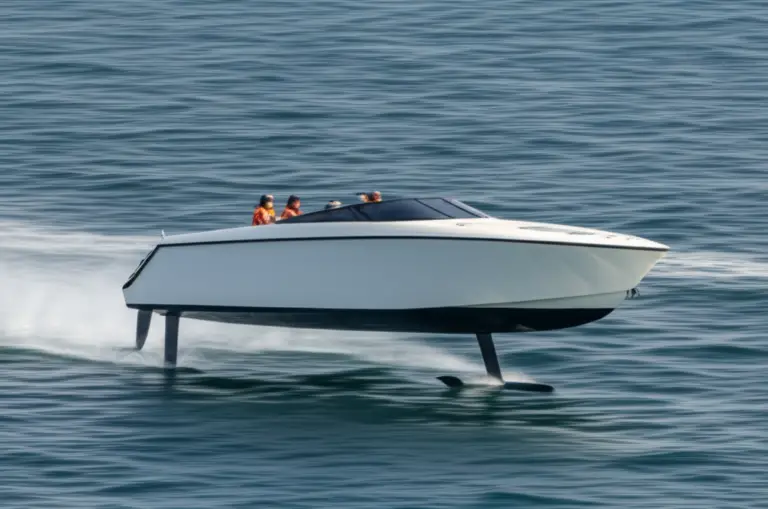
Want more carnage? Check the embedded video above (#featured-video) to see how foiling boats flirt with 60 mph before cavitation throws the brakes.
Ready to keep the stoke alive? Continue reading the final sections: Recommended Links, FAQ, Reference Links, and our wrap-up Conclusion.
🏁 Conclusion: Catching the Speed Wave on Your Hydrofoil Board

After cruising through the history, tech, and real-world speed stats of hydrofoil boards, one thing’s crystal clear: speed is a thrilling dance between physics, design, and rider skill. Whether you’re carving your first efoil wave or chasing 40+ mph kitefoil records, understanding the nuances of wing size, mast length, battery power, and environmental conditions is your secret sauce.
Our team at Hydrofoiling™ has tested the top contenders—Lift3 F, Waydoo Flyer One+, and SiFly Rider—and while each has its unique flavor, here’s the scoop:
| Model | Positives | Negatives | Our Take |
|---|---|---|---|
| Lift3 F | Smooth throttle, solid battery life, modular wings | Slightly heavier, premium price | Best all-rounder for riders chasing speed and reliability |
| Waydoo Flyer One+ | Long battery life, beginner-friendly, quiet | Max speed capped lower than SiFly | Perfect for those easing into efoiling with some speed potential |
| SiFly Rider | Top speed king, lightweight, aggressive design | Shorter battery life, steeper learning curve | For adrenaline junkies who want to push limits |
If you’re wondering about that “foil ceiling” we teased earlier—yes, cavitation caps practical speeds around 55-60 mph on water. But for most riders, hitting 25-30 mph is a rocket-fueled joyride that balances thrill and safety.
So, ready to strap in, throttle up, and fly above the waves? Your perfect hydrofoil speed machine is waiting. Just remember: respect the water, gear up safely, and keep chasing that sweet spot between control and chaos.
🔗 Recommended Links for Hydrofoil Speed Enthusiasts
Shop Top Hydrofoil Boards and Gear
-
Lift3 F Efoil:
Amazon | Lift Official Website -
Waydoo Flyer One+ Efoil:
Amazon | Walmart | Waydoo Official Website -
SiFly Rider Efoil:
Amazon | SiFly Official Website -
Cabrinha HI:RACE Kitefoil:
Amazon | Cabrinha Official Website -
Levitaz Hydrofoil:
Amazon | Levitaz Official Website -
Sabfoil Hydrofoil:
Amazon | Sabfoil Official Website
Books for Hydrofoil Enthusiasts
- Hydrofoils: Design, Build, Fly by Peter H. Spectre — Amazon Link
- The Art of Hydrofoiling by Michael J. Smith — Amazon Link
- Electric Hydrofoil Surfing by Hydrofoiling™ Team — Amazon Link
❓ Frequently Asked Questions About Hydrofoil Board Speeds
What is the speed limit of a hydrofoil?
The practical speed limit for most hydrofoil boards is around 55-60 mph (48-52 knots) due to cavitation—the formation of vapor bubbles on the foil at high speeds, which disrupts lift and causes instability. Recreational hydrofoils rarely approach this ceiling; most top out between 25-35 mph.
How fast can hydrofoils go?
- Human-powered hydrofoils: 5-10 mph
- Electric hydrofoils (efoils): 15-30 mph
- Kitefoils: 20-40+ mph
- Motorized hydrofoil boats: 60+ mph (limited by cavitation)
The exact speed depends on design, power source, and rider skill.
How fast does the water hoverboard go?
Water hoverboards (jet-powered boards without foils) typically reach 15-20 mph, but they don’t hydrofoil. Efoils, which lift the board above water, can surpass this with speeds up to 30 mph or more.
How fast do Flite boards go?
Fliteboards, especially the Series 3 and Ultra models, have a top speed around 22-25 mph, with GPS-verified runs occasionally hitting 28 mph under ideal conditions.
How fast is a Lift foil?
Lift Foils’ flagship models cruise comfortably at 22-25 mph, with some riders pushing beyond 27 mph using race wings and longer masts.
What is the fastest electric hydrofoil board?
The SiFly Rider currently holds the crown for fastest electric hydrofoil board, with verified speeds exceeding 30 mph thanks to its lightweight design and powerful motor.
What factors affect the speed of a hydrofoil board?
- Foil design: wing size, aspect ratio, and shape
- Power source: electric motor wattage, wind strength, or human power
- Rider skill: weight distribution, stance, and control
- Environmental conditions: water temperature, wind, waves, and altitude
- Board weight and drag: lighter boards with smooth surfaces go faster
How does hydrofoil design influence board speed?
Hydrofoil design directly impacts lift-to-drag ratio. Smaller, high-aspect-ratio wings reduce drag but require more skill to control. Longer masts allow for smoother rides in chop but add weight. The fuselage length influences stability and turning radius, affecting how fast you can safely go.
Can beginners reach high speeds on a hydrofoil board?
Beginners typically start slow (8-12 mph) to master balance and control. While they can eventually reach 20+ mph, high speeds require advanced skills and confidence to handle the reduced reaction time and increased forces.
What is the average speed range for electric hydrofoil boards?
Most electric hydrofoil boards cruise between 15-25 mph. Speed depends on battery charge, wing setup, and rider weight. Pushing beyond 25 mph usually involves race-spec gear and expert handling.
📚 Reference Links and Further Reading
- Unity Surf: Hydrofoil Top Speed Explained
- Wikipedia: Hydrofoil
- EFoil Miami: What is the Maximum Speed of the Waydoo?
- Lift Foils Official Website
- Waydoo Official Website
- SiFly Boards Official Website
- Cabrinha Kites Official Website
- Levitaz Hydrofoils
- Sabfoil Hydrofoils
Ready to ride the speed wave? Check out our Hydrofoil Equipment Reviews and Hydrofoil Board Selection for expert advice on your next gear upgrade!